
A vanity is a piece of furniture with a mirror and drawers, typically used in a bedroom or bathroom for personal grooming. This guide explains its essential features, styles, and how to choose the perfect one for your space.
Finding the right vanity can truly transform your daily routine and your room’s aesthetic. A well-chosen vanity isn’t just furniture; it’s your personal oasis for getting ready each day. Maybe you’ve been eyeing those beautiful, organized spaces in magazines or online, wondering how to achieve that look. Or perhaps your current setup feels a bit cluttered and uninspiring.
You’re not alone! Many people find choosing the perfect vanity a bit confusing. But don’t worry, we’re here to break it down. This guide will walk you through everything you need to know about vanities, making it easy for you to find one that’s both functional and stunning. Let’s get your personal space feeling just right!
What Exactly is a Vanity?

At its core, a vanity is a piece of furniture designed for personal grooming. Think of it as your dedicated spot for makeup application, hair styling, or simply a moment of self-care. The defining feature is almost always a mirror, allowing you to see yourself clearly as you prepare for the day or an evening out. Accompanying the mirror are typically drawers or cabinets, providing ample storage for all your essentials – from cosmetics and toiletries to hair tools and accessories.
Vanities can be found in various forms and styles, adapting to different needs and decor. While traditionally associated with bedrooms, modern interpretations mean they fit seamlessly into bathrooms as well, offering a touch of elegance and practicality.
The Essential Components of a Vanity

To truly understand a vanity, it’s helpful to look at its key parts. These components work together to create its functionality and style.
The Mirror
The mirror is arguably the most crucial element of any vanity. Its size, shape, and placement significantly impact the overall look and usability.
- Size: Mirrors can range from small, integrated panels to large, wall-mounted pieces that can be adjusted. A larger mirror can make a space feel more open and bright.
- Shape: You’ll find mirrors in classic rectangles, elegant ovals, round designs, and even unique geometric shapes. The shape can contribute significantly to the vanity’s overall style.
- Mounting: They can be attached directly to the vanity, mounted on the wall above it, or swing out from a side piece.
The Surface/Tabletop
This is the primary workspace. Its material and size are important for both durability and aesthetics.
- Materials: Common materials include wood (like oak, walnut, or painted MDF), stone (like marble or granite), laminate, or glass. Each offers a different look and level of maintenance.
- Size and Depth: A wider and deepe r surface provides more room for your items, making your grooming routine more comfortable.
Storage Solutions (Drawers and Cabinets)
Effective storage is what transforms a simple table with a mirror into a functional vanity.
- Drawers: These are perfect for organizing smaller items like makeup, jewelry, or hair ties. Look for smooth-gliding drawers for ease of use.
- Cabinets: Cabinets, often found with doors, can store larger items like hair dryers, styling tools, or skincare bottles.
- Shelving: Some vanities feature open shelving, which can be great for displaying decorative items or keeping frequently used products within easy reach.
The Stool or Chair
While not always attached, a vanity is typically accompanied by a comfortable stool or chair. This allows you to sit while using the vanity, making the process more relaxed and comfortable.
- Style: Stools and chairs come in a vast array of styles, from upholstered benches to simple stools, ensuring you can find one that complements your vanity and decor.
- Comfort: Ensure it’s a comfortable height and provides adequate support for extended use.
Popular Vanity Styles and Their Descriptions
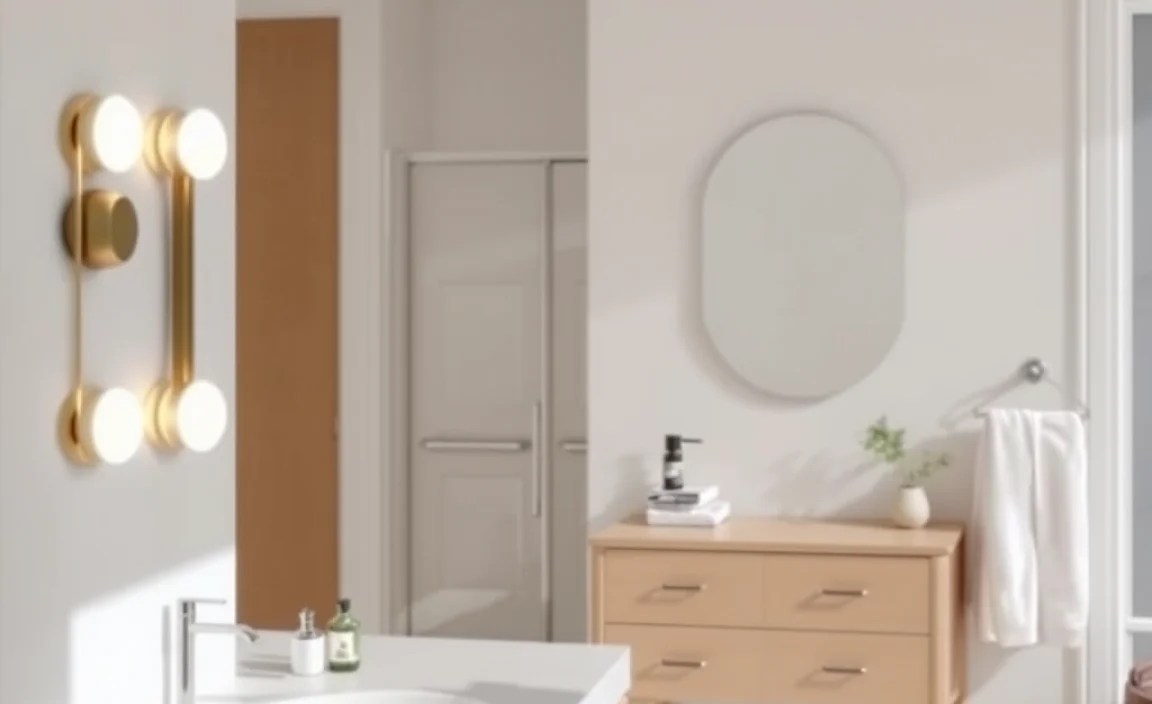
Vanities come in a dazzling variety of styles, each offering a unique way to enhance your room. Understanding these styles can help you narrow down your choices based on your personal taste and existing decor.
Modern Vanities
Modern vanities often feature clean lines, minimalist designs, and sleek finishes. They tend to use materials like polished metal, glass, and smooth, often high-gloss, wood or laminate. Think understated elegance and functionality without unnecessary ornamentation. Colors are typically neutral, like white, black, grey, or natural wood tones. These are perfect for contemporary homes or apartments seeking a chic and uncluttered look.
Traditional Vanities
Traditional vanities evoke classic and timeless design. They often incorporate rich wood finishes, intricate carvings, and ornate hardware. You might see curved lines, detailed moldings, and a more substantial, stately presence. The mirrors on traditional vanities are often framed with decorative elements. These styles are ideal for homes with classic or antique decor, adding a sense of history and elegance.
Farmhouse Vanities
Farmhouse vanities offer a rustic and charming aesthetic. They often feature distressed wood finishes, antique-inspired hardware (like matte black or brushed nickel knobs), and a more relaxed, comfortable feel. The design is usually simple and practical, sometimes incorporating open shelving or shaker-style doors. Neutral colors, especially whites, creams, and natural wood tones, are common. They bring a cozy, welcoming vibe to any space, particularly well-suited for homes aiming for a country or rustic charm.
Glam Vanities
For those who love a bit of sparkle and luxury, glam vanities are the way to go. These often feature mirrored surfaces, crystal or metallic hardware, and plush seating. They might incorporate elegant details like tufted upholstery, faux fur accents, or metallic finishes such as gold or rose gold. Glam vanities are designed to make a statement and create a luxurious, Hollywood-inspired dressing area.
Floating Vanities
A popular contemporary choice, floating vanities are mounted directly to the wall, appearing to hover above the floor. This design creates a sense of spaciousness and makes cleaning the floor underneath incredibly easy. They often have a sleek, modern look but can be adapted to other styles. While visually light, they need secure wall mounting and are best suited for bathrooms where space might be a consideration.
Corner Vanities
These are designed to fit neatly into a corner, making them an excellent space-saving solution, particularly for smaller rooms or bathrooms. They still provide the essential mirror and storage but are shaped to maximize the use of awkward spaces. Their design can vary, from modern to more traditional, depending on the specific piece.
Choosing the Right Vanity for Your Space: Key Considerations
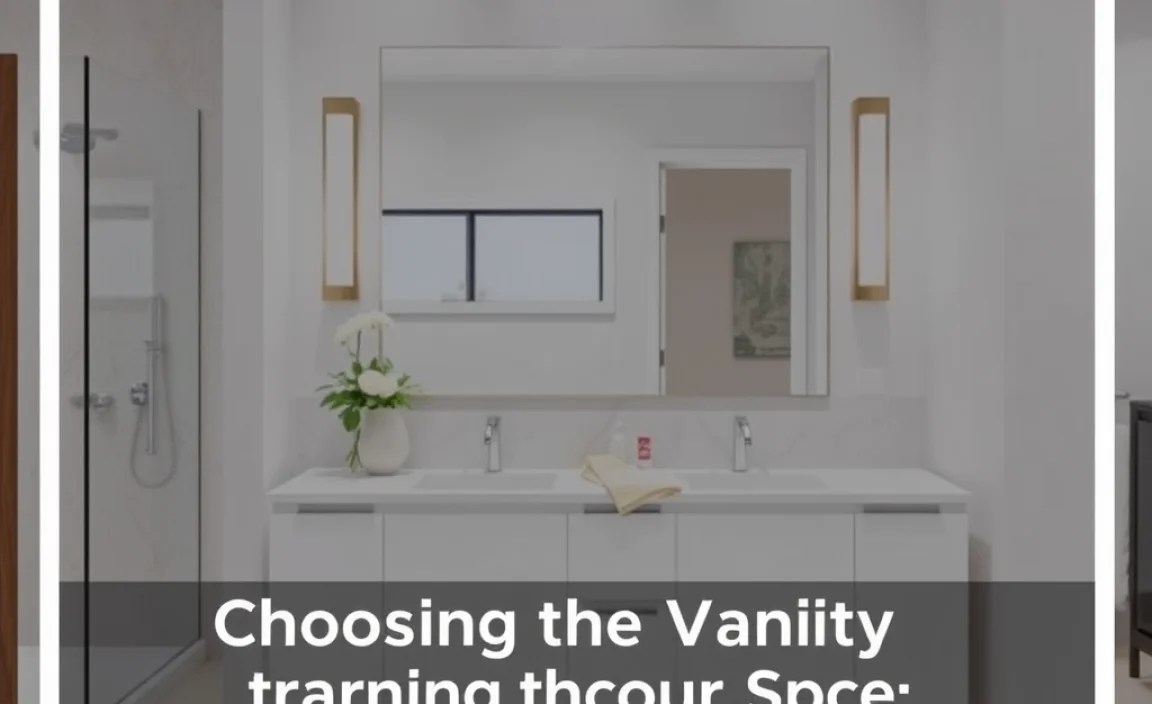
Selecting a vanity involves more than just picking one that looks pretty. You need to consider your specific needs, the room it will inhabit, and how you plan to use it. Here’s a breakdown of factors to keep in mind:
1. Room Size and Layout
Measure your space carefully before you start browsing. A large, elaborate vanity simply won’t fit into a small room, and a tiny one might look lost in a spacious area. Consider the traffic flow around the vanity. You’ll need enough room to open drawers, sit comfortably, and move around without feeling cramped. For bathrooms, ensure there’s adequate space around the sink if the vanity incorporates one.
2. Intended Use
How will you primarily use the vanity? Is it for a quick makeup touch-up or for a full-blown hair and makeup session? If you have a lot of products, you’ll need ample storage. If you only use a few essentials, a simpler design might suffice. Consider if you’ll be doing hairstyling that requires power outlets nearby.
3. Storage Needs
This links directly to intended use. List out the items you plan to store. Are they small items like lipsticks, or larger ones like hair dryers and curling irons? This will help you decide whether you need more drawers, larger cabinets, or even open shelving.
- Small Items: Prioritize vanities with numerous, well-organized drawers.
- Larger Items: Look for vanities with spacious cabinets or pull-out drawers for tools.
- Display Items: Consider vanities with open shelving or glass-fronted cabinets.
4. Style and Aesthetics
The vanity should complement your room’s existing decor. Are you going for modern, traditional, farmhouse, or something else? Choose a style, color, and finish that harmonizes with your furniture, walls, and overall theme. The mirror shape and frame also play a significant role in this.
5. Lighting
Good lighting is crucial for any vanity. Consider how natural light flows into the room and where you might need to add artificial lighting. Many vanities come with integrated lighting, or you can plan for wall-mounted sconces, a pendant light, or a good table lamp placed on the surface.
6. Material and Durability
Consider the materials the vanity is made from. Solid wood is durable but can be more expensive. MDF (Medium-Density Fiberboard) is a common, more affordable option. For bathroom vanities, moisture resistance is key. Marble or quartz countertops are beautiful but require care. Laminates are budget-friendly and easy to clean.
7. Budget
Vanities can range from under $100 to several thousand dollars. Set a budget early on. This will help you narrow down your options and focus on what’s achievable. Remember to factor in the cost of a stool or chair if it’s not included.
Vanity Types: Where They Fit Best
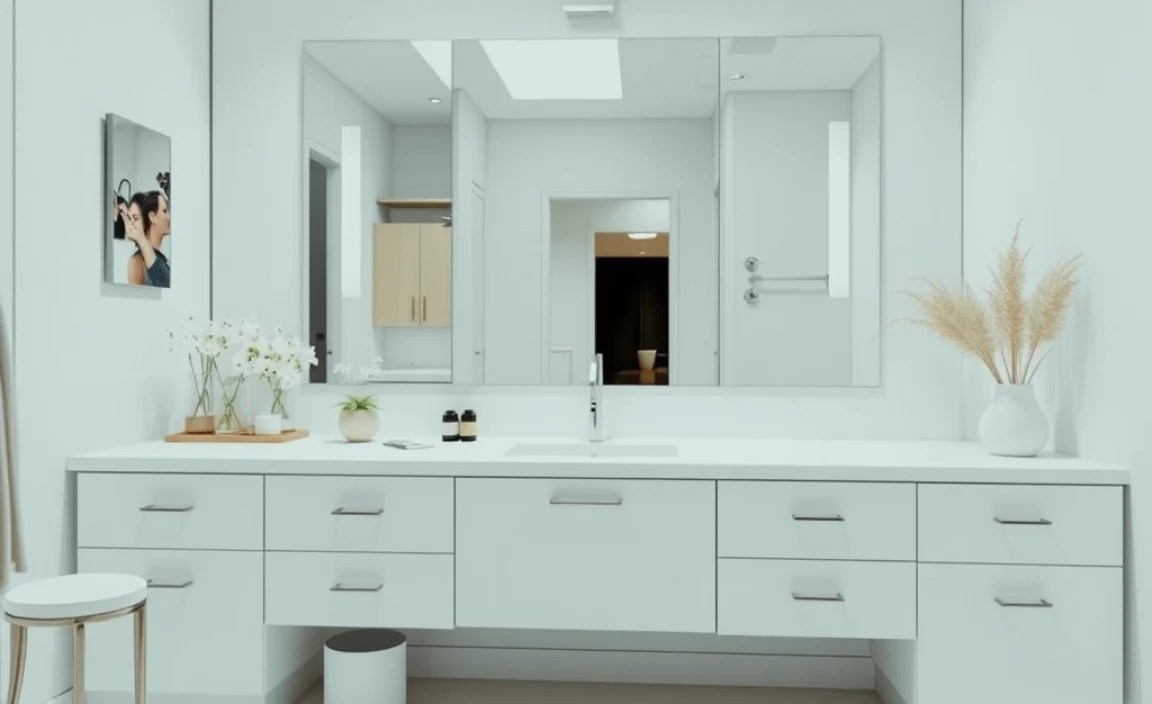
While we often think of vanities in bedrooms, they are also increasingly popular in bathrooms. The choice often depends on the room’s primary function and available space.
Bedroom Vanities
Traditionally, vanities are found in bedrooms. They serve as a dedicated dressing table, a place to sit and get ready without taking up bathroom space. These are often more about aesthetics and personal organization. They can be standalone pieces with integrated mirrors and drawers, or sometimes just a table with a separate mirror and stool combination.
Bathroom Vanities
In bathrooms, vanities typically incorporate a sink and faucet, serving a dual purpose of storage and a functional wash area. They are designed to be moisture-resistant and can range from simple pedestal sinks with minimal storage to large, multi-drawer units with integrated countertops and sinks. Understanding plumbing requirements is important when choosing a bathroom vanity. Bathroom vanities are essential for keeping toiletries organized and countertops clear.
A key distinction for bathroom vanities is the plumbing. Make sure you know whether you’re looking at a unit that requires a wall-mounted faucet or one where the faucet mounts through the countertop. This affects installation and the overall look.
DIY vs. Pre-Made Vanities
When it comes to acquiring a vanity, you have two main paths: buying a pre-made unit or building your own. Each has its pros and cons.
Pre-Made Vanities
Pros:
- Convenience: Ready to use, often assembled or requiring minimal assembly.
- Variety: Wide range of styles, sizes, and price points available from retailers.
- Professional Finish: Typically manufactured to high standards with polished looks.
Cons:
- Cost: Can be more expensive, especially for higher-end or designer models.
- Limited Customization: You’re bound by the manufacturer’s design and dimensions.
- May Not Fit Perfectly: Finding an exact fit for an odd-sized space can be challenging.
DIY Vanities
Pros:
- Customization: You can design it to perfectly fit your space and meet your specific needs.
- Cost Savings: Can potentially be more affordable if you have the tools and skills, or by upcycling older furniture.
- Unique Design: Create a truly one-of-a-kind piece that reflects your personality.
Cons:
- Time and Effort: Requires significant time, skill, tools, and planning.
- Potential for Error: Beginners might make mistakes that affect the final look or functionality.
- Material Sourcing: You need to find and purchase all necessary materials yourself.
If you’re considering a DIY approach, starting with a simple dresser or table and adding a mirror can be a great beginner project. Websites like This Old House offer excellent tutorials on furniture refinishing and basic carpentry that can be invaluable.
Essential Tools for Vanity Assembly or Installation
Whether you’re assembling a new vanity or making minor adjustments, having the right tools is key. Here are some common ones:
- Screwdriver Set: Phillips head and flathead screwdrivers are essential for most assembly tasks. A cordless drill/driver can save a lot of time and effort.
- Wrench Set: Needed for attaching legs, handles, and especially for plumbing connections in bathroom vanities. An adjustable wrench is very versatile.
- Measuring Tape: Crucial for ensuring everything fits correctly and for planning placement.
- Level: To ensure your vanity is straight and stable, especially important for wall-mounted or bathroom vanities with sinks.
- Hammer: May be needed for tapping in dowels or for minor adjustments.
- Pliers: Useful for gripping small parts or maneuvering pipes.
- Safety Glasses: Always wear these when working with tools to protect your eyes.
- Work Gloves: To protect your hands from splinters or sharp edges.
Maintenance and Care Tips for Your Vanity
To keep your vanity looking its best and functioning smoothly for years to come, a little regular care goes a long way.
Daily/Weekly Cleaning
- Wipe Down Surfaces: Use a soft, damp cloth to wipe down the tabletop, mirror, and drawers to remove dust, makeup smudges, or water spots.
- Avoid Harsh Chemicals: For most surfaces, mild soap and water or a specialized cleaner for the specific material (e.g., glass cleaner for mirrors, wood cleaner for wood) is best. Avoid abrasive cleaners that can scratch or damage finishes.
- Dry Promptly: Especially for bathroom vanities, dry any excess water immediately to prevent staining or damage.
Material-Specific Care
Different materials require different approaches:
| Material | Care Instructions |
|---|---|
| Wood (Finished) | Dust regularly. Use a wood polish or cleaner for shine. Avoid excess moisture. Address spills immediately. |
| Wood (Unfinished/Distressed) | Dust carefully. May benefit from a light wax treatment. Embrace minor imperfections as part of the charm. |
| Marble/Granite/Quartz | Seal regularly if recommended by the manufacturer. Use pH-neutral cleaners. Avoid acidic or abrasive substances (like lemon juice, vinegar, or harsh scrubbers). Wipe spills immediately. |
| Laminate/MDF | Easy to wipe clean with a damp cloth and mild soap. Avoid prolonged exposure to water at edges or seams. |
| Mirrored Surfaces | Use a standard glass cleaner. Buff with a lint-free cloth for a streak-free shine. |
Drawer and Hardware Maintenance
- Smooth Operation: If drawers become stiff, a bit of wax (like beeswax or a candle) rubbed on the drawer slides can help. For metal slides, a silicone-based lubricant might be suitable (check manufacturer recommendations).
- Tighten Hardware: Periodically check and tighten any loose knobs, handles, or hinges.
Mirror Care
For mirrors, especially in bathrooms, condensation can be an issue. Ensure good ventilation. If a mirror has a special backing that is exposed (e.g., on the edges), be careful not to let moisture seep in, as it can cause discoloration.
Frequently Asked Questions About Vanities
What is the primary purpose of a vanity?
The primary purpose of a vanity is to provide a designated space for personal grooming, typically including a mirror and storage for cosmetics, toiletries, and beauty tools.
Are vanities only for bedrooms or bathrooms?
While most common in bedrooms and bathrooms, vanities can also be incorporated into dressing rooms, walk-in closets, or even as a stylish makeup station in a larger living area.
How do I measure for a vanity?
Measure the width, depth, and height of the space where the vanity will be placed. For bathrooms, also measure the distance to plumbing connections.
What’s the difference between a vanity and a dressing table?
The terms are often used interchangeably. “Vanity” is more common for bathroom furniture with a sink, while “dressing table” is more typical for bedroom furniture without a sink.
