
What is a cistern? A cistern is a waterproof tank for storing water. Understanding its parts, function, and maintenance is key for homeowners using it for rainwater harvesting, backup water supply, or flushing toilets, ensuring a reliable and sustainable water source.
Dealing with your home’s water supply can sometimes feel a bit mysterious, especially when you encounter terms like “cistern.” If you’ve heard this word and wondered what it means or how it fits into your home’s system, you’re not alone. Many homeowners are curious about these essential water storage tanks. This guide is designed to demystify cisterns, breaking down everything you need to know in simple, easy-to-understand terms. We’ll walk you through what a cistern is, why you might have one, and how it works, so you can feel confident about your home’s water system. Let’s get started on demystifying the cistern!
What Exactly is a Cistern?
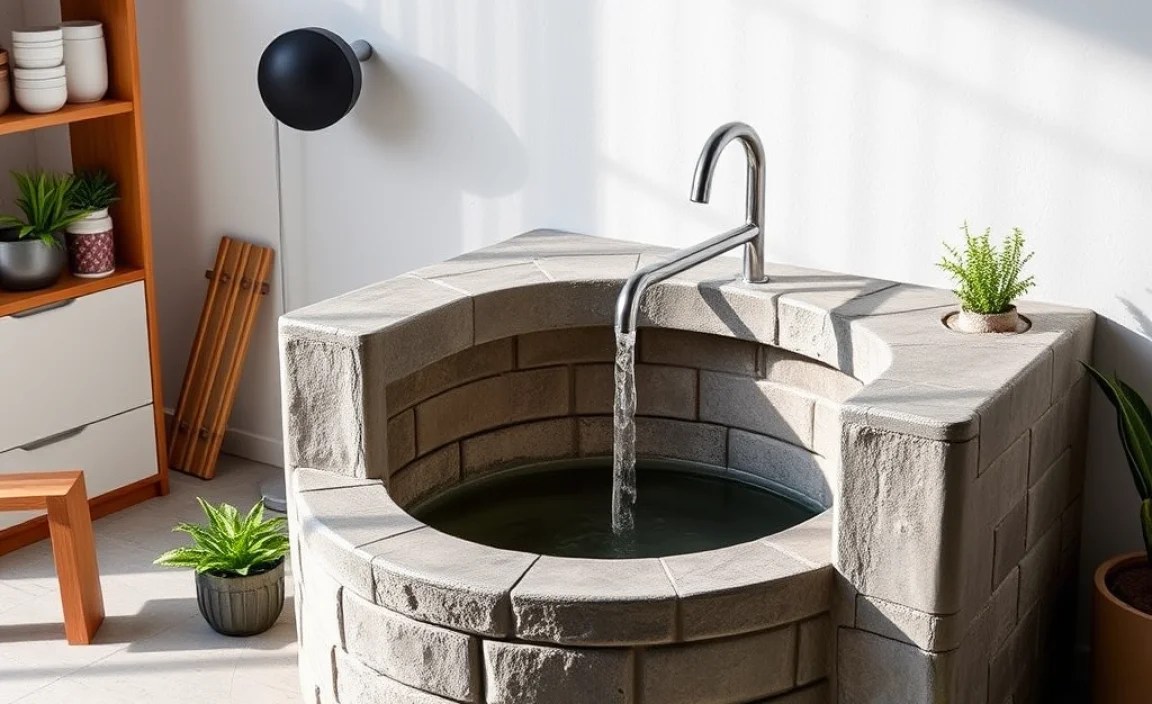
At its core, a cistern is a large, watertight container designed to hold water. Think of it as a personal water reservoir for your home. Unlike a municipal water tower that serves many homes, a cistern is typically a private system. These tanks can be used for various purposes, from storing collected rainwater to holding municipal water as a backup supply, or even dedicated water for non-potable uses like flushing toilets.
Cisterns come in many shapes and sizes, and they can be installed above ground or buried underground. The material they are made from also varies, commonly including concrete, plastic (like polyethylene), fiberglass, or even metal. The choice of material and installation method often depends on the intended use, local climate, space available, and budget.
Why Would You Have a Cistern?
Several reasons might lead a homeowner to install or have a cistern:
- Rainwater Harvesting: This is a very popular reason. Collecting rainwater from rooftops and storing it in a cistern allows you to use this free, natural resource for watering gardens, flushing toilets, or even for whole-house use after proper filtration and purification. This reduces reliance on municipal water and can significantly lower water bills. Organizations like the EPA’s WaterSense program offer insights into water-saving practices, including rainwater harvesting.
- Backup Water Supply: In areas prone to water outages or with unreliable municipal water pressure, a cistern can store a reserve of water. This ensures you have water for essential needs during emergencies or service interruptions.
- Non-Potable Water Systems: Sometimes, a cistern is used to store water specifically for non-drinking purposes, such as flushing toilets, washing cars, or irrigating landscaping. This conserves treated potable water for more critical uses.
- Off-Grid Living: For homes not connected to a municipal water supply, a cistern is often the primary method of storing water, which may be supplied by a well or a trucked-in service.
- Water Pressure Consistency: In some cases, a cistern, coupled with a pump system, can help maintain consistent water pressure throughout a property, especially in larger homes or those with multiple bathrooms spread out.
How Does a Cistern System Work?
The operation of a cistern system can vary greatly depending on its purpose and how it’s integrated into your home’s plumbing. However, the fundamental principle involves collecting, storing, and then distributing water.
The Collection and Storage Phase
For Rainwater Harvesting: Water first collects on your roof. Gutters and downspouts channel this water, often through a series of filters to remove debris like leaves and sediment. This filtered water then flows into the cistern. The cistern itself needs to be structurally sound and watertight to prevent leaks and contamination. Many cisterns have a mechanism to overflow, safely diverting excess water when full.
For Backup or Non-Potable Storage: If the cistern stores municipal water or water delivered by truck, it’s simply filled from an external source. This might be connected directly to the municipal supply (with appropriate backflow prevention) or filled manually. For well-water systems, the cistern can act as a buffer tank to store pumped water.
The Distribution Phase
Once water is stored, getting it to where it’s needed involves a few key components:
- Inlet: Where water enters the cistern.
- Outlet: Where water leaves the cistern to go to your home’s plumbing.
- Pump: Most cistern systems require a pump to draw water from the tank and send it through your pipes. This is especially true if the cistern is underground or if gravity alone isn’t sufficient to provide adequate pressure. The pump is controlled by a pressure switch that turns it on when water pressure in the system drops (e.g., when a faucet is opened) and off when the desired pressure is reached. You can learn more about water pump systems from resources like the National Ground Water Association.
- Pressure Tank: Often used in conjunction with a pump, a pressure tank stores a small amount of water under pressure. This allows the pump to cycle less frequently, extending its lifespan and providing smoother water delivery.
- Overflow: A crucial safety feature that directs excess water away from the cistern when it’s full, preventing damage or flooding.
- Treatment System (if applicable): For potable water use, especially with rainwater harvesting, a treatment system is essential. This typically includes filtration (to remove particles) and disinfection (like UV treatment or chlorination) to kill bacteria and viruses.
Key Components of a Cistern System
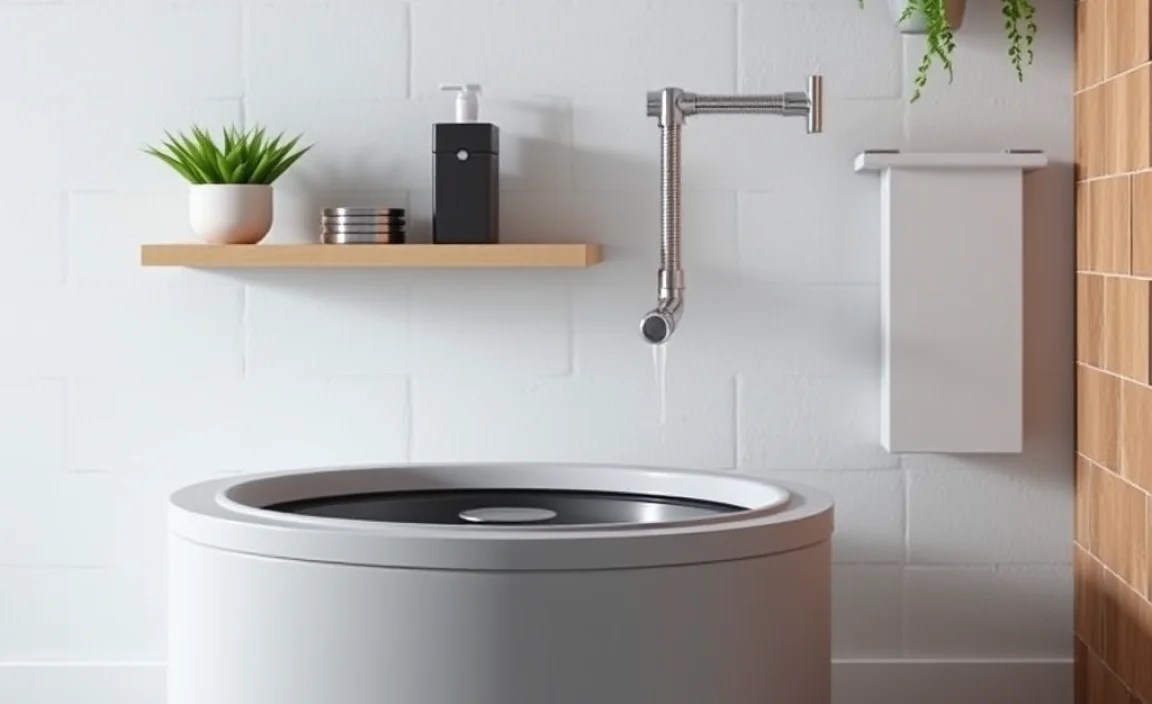
Understanding the parts of a cistern system will help you maintain it and troubleshoot any issues. Here are the main components you’ll likely encounter:
- The Cistern Tank: The main storage container. Its size is measured in gallons or liters.
- Inlet Pipe: Brings water into the tank. This might be from gutters, a well pump, or the municipal supply.
- Outlet Pipe: Carries water from the tank to your home’s plumbing system.
- Water Pump: The heart of the distribution system, moving water from the cistern to your taps.
- Pressure Switch: Works with the pump to maintain consistent water pressure.
- Pressure Tank: Smooths out water flow and reduces pump cycling.
- Overflow Pipe: Safely discharges excess water.
- Access Hatch/Manhole: Allows for inspection, cleaning, and maintenance of the cistern.
- Vent: Allows air to enter and exit the tank as water levels change, preventing vacuum or pressure build-up.
- Filters: Screen out debris at the inlet (pre-cistern) and can be part of a more complex treatment system post-cistern.
Materials Used for Cisterns
The material of your cistern impacts its durability, cost, and suitability for different environments.
| Material | Pros | Cons |
|---|---|---|
| Concrete | Durable, long-lasting, good for underground installation, can be custom-sized. | Heavy, can crack over time if not maintained, potential for water alkalinity changes, installation can be costly and complex. |
| Plastic (Polyethylene) | Lightweight, easy to install, relatively inexpensive, resistant to corrosion, available in various sizes. | Can be susceptible to UV degradation if exposed to direct sunlight for long periods, may require anchoring to prevent floating. |
| Fiberglass | Lightweight, strong, corrosion-resistant, smooth interior surface (easier to clean). | Can be more expensive than plastic, may also require anchoring underground. |
| Metal (Steel/Galvanized Steel) | Strong, durable, can be coated for corrosion resistance. | Prone to rust if coating is damaged, can be heavy, potential for water taste issues if not lined properly. |
Installation Considerations: Above Ground vs. Underground
Where you place your cistern is a crucial decision with different implications.
Above Ground Cisterns
These tanks are installed on the surface, often on a prepared concrete pad for stability. They are typically easier to install and maintain.
- Pros: Simpler installation, easier access for maintenance and repairs, often less expensive to install than underground options, can be moved if necessary.
- Cons: Takes up yard space, can be aesthetically unpleasing, more exposed to temperature fluctuations (which can affect water temperature and potentially freeze in colder climates), might require extra protection from UV rays if made of translucent plastic.
Underground Cisterns
Buried below the surface, these tanks are a good option when space is limited or aesthetics are a concern. They also benefit from the earth’s insulation, keeping water cooler in summer and warmer in winter.
- Pros: Saves yard space, visually unobtrusive, temperature stability helps maintain water quality and reduces freezing risk.
- Cons: More complex and costly installation (requires excavation), harder to access for maintenance and repairs, potential for ground pressure to affect the tank if not installed correctly, risk of groundwater contamination if the tank fails.
For underground installations, proper site preparation and engineering are critical. This includes ensuring the tank is resistant to soil pressure and buoyancy, and that access points are sealed but accessible. Regulations for underground tanks, especially regarding potable water, are often stringent. Always check local building codes and consult with professionals.
Maintenance: Keeping Your Cistern Healthy
Regular maintenance is essential to ensure your cistern provides safe, clean water and operates reliably. Think of it like periodically servicing your car to keep it running smoothly for years.
What to Check and When: A Simple Checklist
Here’s a breakdown of common maintenance tasks:
- Visual Inspection (Monthly):
- Check around the cistern for any signs of leaks or damage to the tank or surrounding area.
- Ensure the overflow is clear and functioning.
- If accessible, check the water level and clarity.
- Filter Cleaning/Replacement (Quarterly to Annually):
- Clean or replace any pre-filters at the inlet to remove debris.
- Inspect and clean/replace filters in your water treatment system (if used for potable water).
- Pump and Pressure Switch Check (Bi-Annually):
- Listen for unusual noises from the pump.
- Check that the pump cycles on and off at appropriate pressure settings. If unsure, consult your system’s manual or a professional.
- Cistern Cleaning (Every 2-5 Years):
- This is the most significant maintenance task. Sediment and sludge can build up at the bottom over time.
- The cistern will need to be partially or fully emptied.
- The accumulated sludge is removed, often using a submersible pump or by scooping.
- The interior walls are scrubbed, and the cistern is rinsed thoroughly.
- This is also a good time to inspect the tank walls for cracks or damage. For potable water systems, ensure disinfection procedures are followed after cleaning.
Safety During Maintenance
Working with cisterns, especially confined ones, can be dangerous. Always prioritize safety:
- Never enter an underground or confined cistern without proper ventilation and safety equipment. Gases can build up and be hazardous or fatal.
- Ensure the power to the pump is disconnected before performing any work on the pump or electrical components.
- Use appropriate personal protective equipment (PPE)** such as gloves and eye protection.
- If you are unsure about any maintenance task, especially significant cleaning or repairs, hire a professional. Qualified professionals have the tools, training, and experience to perform these tasks safely and effectively. Some organizations, like the Occupational Safety and Health Administration (OSHA), have strict guidelines for working in confined spaces.
Troubleshooting Common Cistern Issues
Even with regular maintenance, you might run into a few common problems. Here’s how to approach them:
Low Water Pressure
Possible Causes:
- Cistern is nearly empty.
- Pump is malfunctioning or not running.
- Pressure switch is set too low or faulty.
- Clogged inlet or outlet pipes.
- Leak in the system before the pressure tank.
- Worn-out pump impeller.
What to Do: Check water level first. Listen for the pump. Check the pressure switch settings (refer to manual). Inspect inlet/outlet for blockages. For more complex issues, call a professional.
Pump Not Running
Possible Causes:
- No power to the pump.
- Pump has failed.
- Pressure switch is not activating.
- Cistern is empty (some pumps have low-water cutoffs).
What to Do: Check circuit breaker for the pump. Ensure the cistern isn’t empty. Check the pressure switch for visible damage or if it’s stuck. If the pump is submersible, removing it for testing might be necessary, which is often best left to a pro.
Cloudy or Discolored Water
Possible Causes:
- Sediment buildup in the cistern stirred up (e.g., after heavy rain if collecting rainwater, or during cleaning).
- Issues with the filtration or treatment system.
- Corrosion or material degradation within older cisterns.
- Recent work done on the plumbing that disturbed sediment.
What to Do: Let the water settle. If the issue persists, check filters and the treatment system. For rainwater harvesting, evaluate your initial debris filtration. If the water remains cloudy or discolored and is used for drinking, consider further water testing and professional advice.
Water Leaks
Possible Causes:
- Cracks or holes in the cistern tank itself.
- Loose or damaged pipe fittings at the inlet/outlet.
- Faulty seal on the access hatch.
What to Do: Inspect the exterior of the tank and all visible pipe connections. For underground tanks, leaks can be harder to pinpoint. If you suspect a tank leak, especially for an underground unit, it’s crucial to address it immediately to prevent ground contamination and structural damage. Professional assessment is highly recommended.
Making Your Cistern Water Safe for Drinking
If your cistern is intended to supply drinking water (potable water), ensuring its safety is paramount. This is particularly relevant for rainwater harvesting systems or when using cisterns in off-grid scenarios.
Filtration and Disinfection
A multi-stage approach is typically required:
- Pre-filtration: Removes larger debris like leaves, twigs, and grit before water enters the cistern. This can include leaf guards on gutters, downspout screens, and settling tanks.
- Cistern Cleaning: Regular cleaning prevents sludge build-up, which can harbor bacteria.
- Post-filtration: Finer filters (e.g., sediment filters down to 1-5 microns) remove smaller particles.
- Disinfection: Kills any remaining harmful microorganisms. Common methods include:
- UV (Ultraviolet) Sterilization: Water passes through a chamber with a UV lamp. The UV light damages the DNA of bacteria, viruses, and protozoa, rendering them unable to reproduce and cause illness. This is a highly effective chemical-free method.
- Chlorination: Adding a small, controlled amount of chlorine to kill pathogens. This method can leave a taste or odor if not managed carefully and requires careful monitoring.
- Ozonation: Similar to UV, but uses ozone gas; less common for residential systems due to complexity and cost.
Regular Testing
Even with a robust system, it’s wise to test your water regularly. Water testing kits can check for common contaminants like bacteria (e.g., E. coli), nitrates, and pH levels. For comprehensive analysis, send a sample to a certified laboratory. This gives you peace of mind that your water is safe for consumption.
You can find more detailed guidance on safe drinking water from sources like the Centers for Disease Control and Prevention (CDC) on rainwater harvesting systems.
