
Have you ever wondered why toilets work so well? It’s partly because of a special part called a toilet flange. This small but important piece connects the toilet to the floor. It helps keep everything in place and prevents leaks. Without it, our bathrooms would be messy and smelly! Let’s learn more about this amazing invention.
Key Takeaways
- The toilet flange connects the toilet to the floor.
- It helps prevent water leaks and bad smells.
- Most flanges are made of PVC or metal.
- Installing a flange needs careful measurement and tools.
- Understanding toilet flange details helps in maintenance.
What Is a Toilet Flange?


A toilet flange is a small yet essential part of your bathroom. It connects the bottom of the toilet to the floor drain. This connection helps the toilet stay firmly in place and prevents water from leaking. The flange also keeps sewer gases from entering your home. Most toilet flanges are donut-shaped and made of PVC, cast iron, or brass. They come in different sizes to fit various toilets and pipes. Installing a toilet flange correctly ensures a tight seal and a clean bathroom environment.
- Toilet flanges are round and sturdy.
- They attach the toilet to the floor.
- They prevent water leaks.
- They block sewer gases.
- Made from PVC, cast iron, or brass.
- Various sizes for different toilets.
The toilet flange is vital for a well-functioning bathroom. It ensures a secure connection between the toilet and the floor. This part helps prevent leaks and keeps unpleasant odors out. If your toilet wobbles or leaks, the flange might need attention. Proper installation and maintenance will keep your bathroom clean and odor-free.
Fun Fact or Stats : The word “flange” comes from 19th-century engineering terms!
Why Do We Need Toilet Flanges?
Imagine a world without toilet flanges. How messy would that be? Toilets would wobble, and water would leak everywhere. Sewer gases could escape and make bathrooms smelly. A toilet flange keeps the toilet steady. It creates a seal that stops water and odors from escaping. Many people don’t even realize how important this small piece is. Without it, using the toilet would be unpleasant. Knowing about toilet flanges helps us appreciate modern plumbing.
Types of Toilet Flanges
Did you know toilet flanges come in different types? The most common ones are made of PVC and metal. PVC flanges are lightweight and resistant to rust. Metal flanges, like those made from brass or cast iron, are very strong. Each type has its benefits and drawbacks. Choosing the right flange depends on your toilet and drain pipe. Some flanges have a plastic coating to protect against damage. Learning about these types helps when installing or replacing a flange.
Toilet Flange Installation Tips
Installing a toilet flange might sound tricky. But with the right tools, it’s manageable. First, measure the pipe and the toilet’s base. Make sure the flange fits snugly. Use screws to attach the flange to the floor. A wax ring helps seal the connection. Always double-check to avoid leaks. If you’re unsure, ask a plumber for help. Following these tips ensures your toilet works perfectly.
Materials Used for Toilet Flanges


Toilet flanges can be made from several materials. Each type has a special use. PVC is popular for its affordability and resistance to rust. Cast iron is another option and is known for its strength. Brass flanges are also durable and offer a classic look. Every material has pros and cons. Choosing the right one depends on your needs. A table can help compare these materials to make a choice.
| Material | Advantages | Disadvantages |
|---|---|---|
| PVC | Rust-resistant, affordable | Not as strong as metal |
| Cast Iron | Very strong, durable | Can rust over time |
| Brass | Durable, attractive | More expensive |
| Plastic-Coated | Protection from damage | Can be more expensive |
- PVC is affordable and rust-resistant.
- Cast iron offers strength and durability.
- Brass is attractive and long-lasting.
- Plastic-coated flanges offer extra protection.
- Choose based on toilet and budget needs.
Choosing a toilet flange material wisely can save money and time. Each kind fits different situations. PVC works well for budget-friendly homes. Cast iron and brass are for strength and beauty. Knowing the materials helps you make a better decision. It also ensures a long-lasting and reliable toilet.
Fun Fact or Stats : The first toilets using flanges appeared in the late 19th century!
How Does PVC Compare to Metal?
PVC and metal flanges have different qualities. PVC is lightweight and easy to install. It’s also cheaper and doesn’t rust. However, metal flanges are very strong. They can handle more weight. Many plumbers prefer metal for older homes. Each type has its place in plumbing. Tell a friend about these differences. They’ll be amazed at what you know!
When to Choose Cast Iron
Do you have an old house? Then cast iron might be your best bet. It offers unmatched strength and longevity. Cast iron won’t crack under heavy toilets. It’s perfect for large or commercial bathrooms. However, it can rust over time. Think about where you live and your plumbing needs. Choose wisely for a trouble-free bathroom.
Advantages of Brass Flanges
Brass flanges are the elegant choice. They add a touch of class to your bathroom. Brass is very resistant to damage. It won’t rust or corrode easily. Though more expensive, brass lasts a long time. It’s perfect for those who want a reliable and beautiful bathroom. Next time you see a brass fitting, remember its benefits. It’s not just about looks!
Fixing Common Toilet Flange Problems
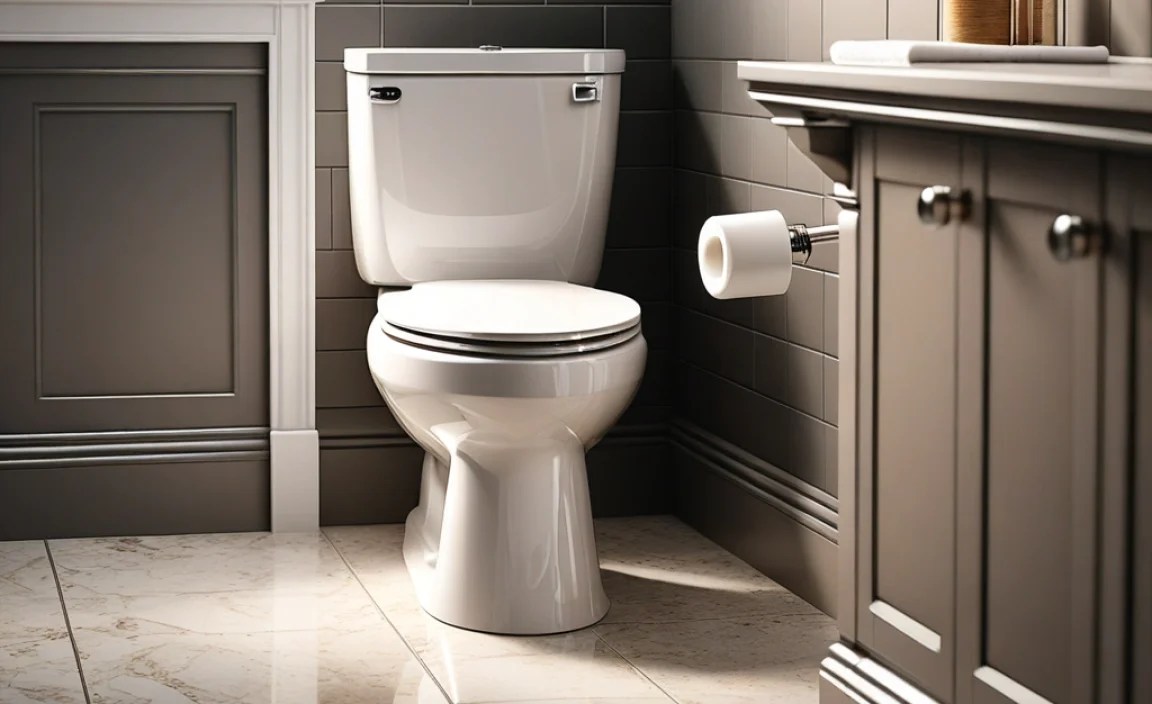
Toilet flanges can have problems over time. They might become loose or cracked. A loose flange makes the toilet wobble. Cracks can cause water leaks and odors. Fixing these problems is important. Start by inspecting the flange regularly. Tighten any loose screws. For cracks, replace the flange with a new one. This ensures a stable and leak-free toilet. Regular maintenance can prevent bigger issues down the road.
- Tighten loose screws to fix wobbling.
- Inspect flange for cracks and damage.
- Replace cracked flanges promptly.
- Check for water leaks around the base.
- Use a wax ring for a tight seal.
- Call a plumber for major issues.
Regular maintenance keeps your toilet flange in top shape. Whether it’s tightening screws or replacing parts, these actions help. Don’t ignore small issues. They can become costly repairs. Understanding how to fix common problems saves money and hassle. Your bathroom will stay clean and functional.
Fun Fact or Stats : Loose toilet flanges can waste over 200 gallons of water yearly!
Signs of a Failing Flange
How do you know if a toilet flange is failing? Look for specific signs. Is the toilet wobbly? Are there water stains near the base? Is there a foul odor in the bathroom? These are signals of a problem. If you notice any of these, check the flange. Early detection saves money and prevents bigger issues. Tell a friend to watch for these signs too!
DIY Fixes for Wobbly Toilets
Have you ever sat on a wobbly toilet? It’s not fun! Luckily, fixing it can be simple. First, turn off the water supply. Then remove the toilet to check the flange. Tighten any loose screws. Replace the wax ring if needed. Reattach the toilet securely. These steps can make your toilet safe and stable again. Try it with a family member. You’ll make a great team!
When to Call a Plumber
Sometimes, toilet flange problems need a professional. If you can’t stop a leak or the toilet wobbles badly, call a plumber. They have the tools and skills to fix it right. Plumbers can also spot other hidden issues. Attempting tricky repairs could make things worse. Always prioritize safety and quality work. Your toilet will thank you for it!
Conclusion
The details of toilet flange make it clear how important this small part is. It keeps our toilets steady and stops leaks. Understanding how flanges work helps with their maintenance. So, next time you use the bathroom, remember the hard-working flange below.
FAQs
Question: What does a toilet flange do?
Answer: The toilet flange connects the toilet to the floor. It prevents leaks and odors, keeping the bathroom clean and functional.
Question: Why is my toilet wobbling?
Answer: A wobbling toilet could mean the flange is loose or damaged. Tightening screws or replacing the flange may solve the problem.
Question: How do I know if my toilet flange is bad?
Answer: Signs of a bad flange include a wobbly toilet, water leaks, and foul odors. Inspect the flange if you notice these issues.
Question: Can I replace a toilet flange myself?
Answer: Yes, you can replace a toilet flange with some basic tools. However, if unsure, calling a plumber ensures proper installation.
Question: What materials are toilet flanges made of?
Answer: Toilet flanges are made from PVC, cast iron, brass, or plastic-coated materials. Each has different advantages and uses.
Question: How often should I check my toilet flange?
Answer: Check your toilet flange regularly, especially if you notice leaks or wobbles. Regular inspections help prevent bigger problems.
