
Have you ever heard of a wet room? It’s a special kind of bathroom. Everything in it can get wet! Imagine a bathroom where there’s no need to worry about splashing water. Interested? Let’s dive into the fascinating world of wet rooms in plumbing. These rooms are not just practical but can be fun, too.
Wet rooms are becoming more popular. They are modern and stylish. But what exactly makes a wet room different? And why do so many people want one? Let’s explore the details of wet rooms in plumbing, and you’ll see why they’re so amazing.

Key Takeaways
- Wet rooms are waterproof spaces in your home.
- They make cleaning easier and quicker.
- Wet rooms in plumbing require expert installation.
- They add a modern style to any bathroom.
- Wet rooms are excellent for small spaces.
Understanding Wet Rooms in Plumbing

Wet rooms are entirely waterproof. This means every surface can handle water. This special design requires expert plumbing skills. The floor is often sloped, so water drains away easily. Instead of a traditional shower cubicle, the whole room functions as a shower area. Proper planning is essential to prevent leaks and ensure drainage works efficiently.
- Waterproof walls and floors are a must.
- Sloped flooring helps with drainage.
- Expert plumbing prevents leaks.
- The room can be tiled for easier cleaning.
- Suitable for any bathroom size.
Wet rooms can transform your bathroom into a sleek, modern space. They offer a sense of luxury, often found in high-end spas. With the right design, wet rooms can make small spaces feel larger by eliminating barriers like shower doors. This setup creates a harmonious and open environment.
Fun Fact or Stats : Wet rooms can increase a home’s value by up to 5%.
Why Choose a Wet Room?
Have you ever wished your bathroom was easier to clean? Wet rooms make that wish come true! They are designed to handle splashes, so cleaning is a breeze. Everything can get wet, from the floor to the walls. This means you can rinse surfaces without worry. Plus, their stylish look can make any home feel more modern. Wet rooms are a great choice for anyone seeking a hassle-free bathroom experience.
The Benefits of Wet Rooms
What makes wet rooms so special? For starters, they save space. In small bathrooms, getting rid of the shower cubicle can make a big difference. Wet rooms also adapt easily to different styles and budgets. Whether you want something simple or luxurious, there’s a wet room design for you. Furthermore, they are accessible for all ages, making them a smart long-term choice for families.
Considerations When Building a Wet Room
Thinking about building a wet room? There are important things to consider. First, you need a skilled plumber. Wet rooms require expert installation to prevent issues like leaks. Next, think about the materials you want to use. Tiling is a popular choice because it’s waterproof and easy to clean. Finally, plan the layout carefully to ensure efficient drainage and use of space. With the right planning, your wet room can be a wonderful addition to your home.
Wet Room Design Inspirations

Wet room designs can be both functional and beautiful. Imagine a room where every inch is designed to handle water. With the right tiles and colors, you can create a unique space that reflects your style. You might choose a minimalist look with simple, clean lines. Or you might opt for a luxurious feel with bold tiles and fixtures. The possibilities are endless, and each design can make your wet room truly special.
- Choose tiles that suit your style.
- Consider underfloor heating for comfort.
- Use glass screens to guide water flow.
- Add storage solutions for convenience.
- Include lighting to enhance the space.
Designing a wet room allows for creativity. Whether you prefer a serene, spa-like environment or a vibrant, modern look, your wet room can reflect your personality. Think about how colors and textures work together. Consider how lighting impacts the room’s ambiance. With careful planning, your wet room can be a stunning feature in your home.
Fun Fact or Stats : Wet rooms originated in Scandinavia, known for minimalist design.
Using Tiles in Wet Rooms
Tiles are crucial in wet rooms. They are waterproof and easy to clean. You can pick from many styles and colors. Some tiles mimic the look of natural stone or wood. This can add warmth and texture to your wet room. Consider how different tiles can enhance your space. Would you choose a bold pattern or subtle tones? The right choice can make your wet room unique and inviting.
Lighting Choices for Wet Rooms
Lighting is essential in wet rooms. It sets the mood and highlights design features. Consider using LED lights for an eco-friendly option. You can place them in the ceiling or along the walls. Experiment with different lighting styles. Some wet rooms use dimmer switches for adjustable light levels. This flexibility can enhance relaxation and make your wet room a favorite spot in your home.
Adding Personal Touches
How do you make a wet room feel like your own? Add personal touches! Include elements that reflect your taste. You might choose colorful towels or stylish fixtures. Plants can add a natural touch. Don’t forget about storage solutions to keep things tidy. With thoughtful additions, your wet room can be both functional and a reflection of your style.
Installing Wet Room Plumbing
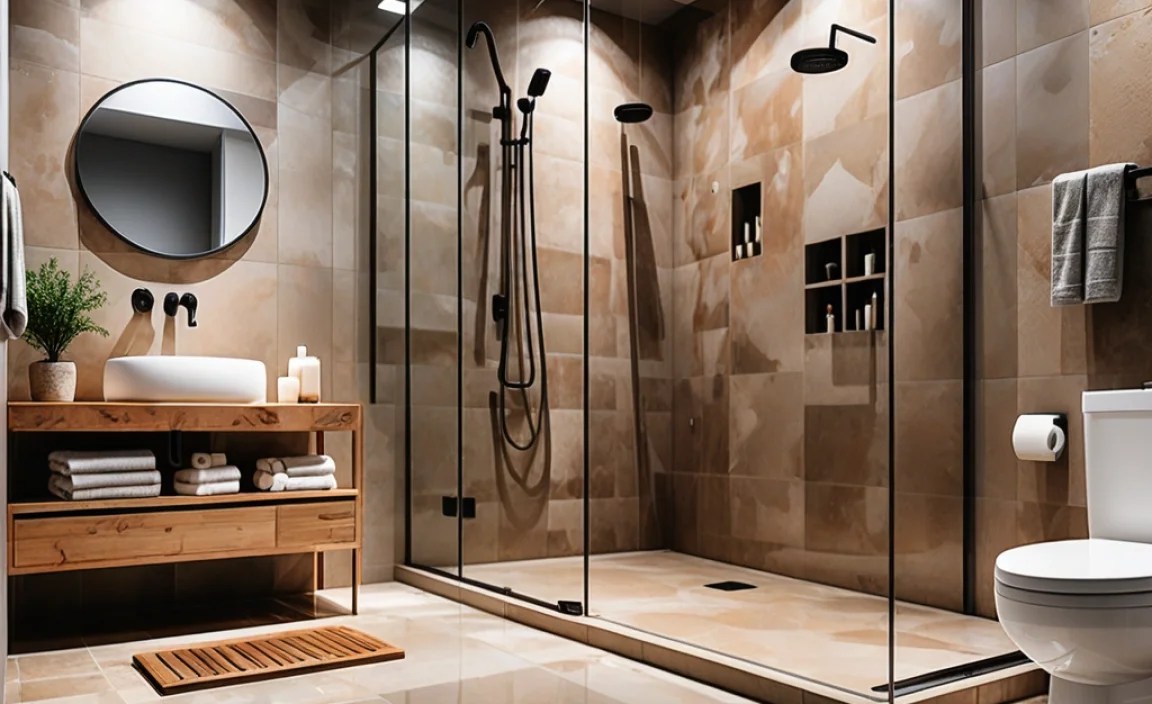
Installing a wet room requires skilled plumbing work. The focus is on creating a watertight seal. This prevents leaks and ensures everything functions smoothly. Plumbers use special techniques to make sure every part of the room is waterproof. It involves careful planning and precise installation. Investing in expert plumbing can save money on future repairs. Proper installation is crucial for long-term satisfaction.
- Ensure all surfaces are waterproofed.
- Install a reliable drainage system.
- Use quality materials for durability.
- Check for potential leak spots.
- Hire professionals for expert results.
A well-installed wet room can last for many years. Professional plumbers focus on details like proper drainage and material selection. They ensure everything is in place for smooth operation. Hiring an expert can prevent costly mistakes and give you peace of mind. With the right team, your wet room can be both functional and beautiful.
Fun Fact or Stats : Wet rooms can reduce allergens by eliminating shower curtains.
The Importance of Proper Drainage
Why is drainage so important in wet rooms? It keeps water from pooling on the floor. A well-designed drainage system directs water away quickly. This prevents slips and water damage. Plumbers carefully plan the slope of the floor. This ensures water flows correctly. Wouldn’t it be great to step into a wet room and not worry about puddles? Thoughtful drainage design makes this possible.
Choosing the Right Materials
Materials matter in wet rooms. They need to be waterproof and durable. Tiles are a top choice, but there are other options. Some people choose special waterproof paint for the walls. Others use vinyl flooring, which comes in many colors and patterns. The materials you choose can affect the room’s look and feel. It’s essential to pick materials that suit your style and meet practical needs.
Professional Installation Benefits
Why hire professionals for your wet room? They have the expertise and tools needed. They can assess your space and recommend the best solutions. Professionals know how to handle challenges like uneven floors or tricky plumbing. With their help, your wet room will be installed correctly. This investment can lead to a stunning, trouble-free space that you can enjoy for years.
Wet Room Maintenance Tips
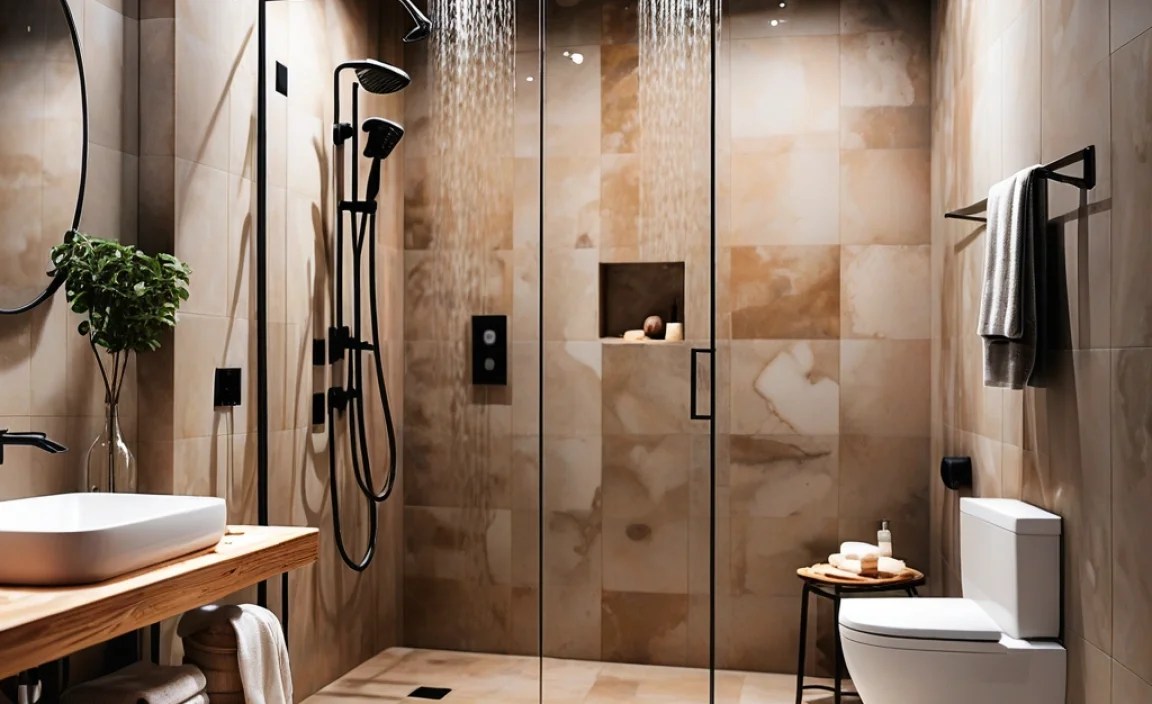
Maintaining a wet room is easier than you think. With the right care, it stays beautiful and functional. Regular cleaning is key to preventing mold and mildew. Use gentle cleaners that are safe for tiles and fixtures. Pay attention to grout lines and ensure they remain sealed. Occasional inspections can catch problems early. A little effort goes a long way in keeping your wet room in top shape.
- Clean tiles regularly to prevent mold.
- Check grout lines for wear.
- Inspect drainage for blockages.
- Use gentle, non-abrasive cleaners.
- Perform regular maintenance checks.
Wet room maintenance doesn’t have to be a chore. With routine care, your wet room can continue to shine. Regular cleaning keeps surfaces looking fresh. A few minutes of care each week can prevent bigger issues. This simple routine helps maintain the room’s beauty and functionality. Enjoy a clean and inviting wet room with these easy tips.
Fun Fact or Stats : Grout should be resealed every six months in wet rooms.
Easy Cleaning Routines
Cleaning a wet room is quick and easy. Start by rinsing surfaces with water. This washes away soap and dirt. Use a gentle cleaner to wipe tiles and fixtures. A soft cloth or sponge works best. Pay extra attention to grout lines. Wouldn’t it be nice if cleaning took just a few minutes? With these simple steps, it can!
Preventing Mold and Mildew
Mold and mildew can be pesky problems. In wet rooms, it’s important to keep them at bay. Good ventilation helps dry out the space quickly. Use a fan or open a window after showers. Regular cleaning of tiles and fixtures also helps. Consider using products designed to prevent mold. Keeping your wet room dry and clean can prevent these unwanted guests.
Routine Inspections
Why are inspections important? They help catch issues early. Check your wet room for signs of wear or damage. Look at grout lines and drain covers. If you spot any problems, address them quickly. Routine inspections can prevent bigger headaches down the road. With a little time and attention, you can keep your wet room in excellent condition.
Conclusion
Wet rooms offer a stylish and practical option for bathrooms. They blend modern style with functionality, perfect for any home. With expert plumbing, a wet room can transform your space. These special rooms make cleaning easy and add value to your home. If you’re considering a bathroom upgrade, wet rooms are worth exploring.
FAQs
Question: What is a wet room?
Answer: A wet room is a fully waterproofed bathroom. It lacks a shower tray or screen. The floor is sloped for drainage. This design ensures water flows smoothly to the drain. Wet rooms are popular for their sleek, modern look.
Question: Are wet rooms suitable for small bathrooms?
Answer: Yes, wet rooms are great for small bathrooms. They remove barriers like shower trays and screens, creating more space. This open design makes small bathrooms feel larger. With clever planning, wet rooms can enhance even the tiniest spaces.
Question: How are wet rooms different from traditional bathrooms?
Answer: Wet rooms differ by being entirely waterproof. Traditional bathrooms have defined shower areas, while wet rooms use the whole space. Floors are sloped for drainage, offering an open and seamless look. This design is both practical and stylish.
Question: What materials are best for wet rooms?
Answer: Tiles are often used in wet rooms for their waterproof properties. Ceramic and porcelain tiles are popular choices. Other materials include waterproof paint and vinyl flooring. Choose materials that combine style and practicality for the best results.
Question: Do wet rooms require special plumbing?
Answer: Yes, wet rooms need expert plumbing. Proper installation ensures everything is watertight and drains correctly. Skilled plumbers plan the layout to prevent leaks. Quality plumbing is crucial for a successful wet room.
Question: Can wet rooms increase home value?
Answer: Yes, wet rooms can boost home value. Their modern design and practicality appeal to many buyers. Wet rooms are seen as a luxurious addition, enhancing the overall appeal of your home.
