
Quick Summary:
Choosing the right sink involves weighing its pros and cons based on material, style, and your needs. Understanding these details for popular sink types like stainless steel, composite granite, fireclay, and cast iron ensures you make a smart, durable, and stylish choice for your home.
Hey there, home improvers! Bryan Lee here. Ever stand in front of a dazzling array of kitchen or bathroom sinks and feel a bit overwhelmed? You’re not alone! We all want a sink that looks great and works perfectly for years to come. But with so many materials and styles, how do you pick the one that’s truly right for you? It can feel like a big decision. Don’t worry, though! We’re going to break down the details of sink pros and cons, making it super clear and easy to choose the best fit for your home. Get ready to feel confident about your sink selection!
The Heart of Your Home: Why Sink Choice Matters

Your sink is more than just a place to wash dishes or hands; it’s a central hub in your home. Whether it’s in the kitchen for meal prep chaos or in the bathroom for morning routines, its functionality and appearance contribute significantly to your daily life. A well-chosen sink can make your chores easier and add a touch of style, while the wrong one can lead to frustration with scratches, stains, or even cracks. Luckily, understanding the pros and cons of different sink materials is the first step to making a truly smart choice that you’ll love for years.
Exploring Popular Sink Materials: A Deep Dive
When we talk about sink pros and cons, the material is often the biggest factor. Each material has its own unique set of advantages and disadvantages that can affect its durability, maintenance, aesthetics, and cost. Let’s explore some of the most common and popular sink materials available today.
1. Stainless Steel Sinks: The Workhorse
Stainless steel is probably the most common material for kitchen sinks, and for good reason. It’s durable, relatively affordable, and has a sleek, modern look that fits many kitchen styles.
Pros of Stainless Steel Sinks:
- Durability: It’s resistant to rust, corrosion, and high temperatures, making it very long-lasting.
- Affordability: Generally less expensive than many other sink materials, offering great value.
- Lightweight: Easier to handle and install, which can be a big plus for DIYers.
- Hygienic Surface: Non-porous surface makes it easy to clean and less likely to harbor bacteria when maintained properly.
- Versatility: Available in a wide range of sizes, depths, and configurations (single bowl, double bowl, workstation sinks).
- Scratch Resistance (to a degree): While it can scratch, many modern stainless steel sinks have brushed finishes that help camouflage minor abrasions.
Cons of Stainless Steel Sinks:
- Noise: Running water can be loud, especially with thinner gauge steel. Look for sinks with sound-deadening pads and spray coatings.
- Scratches and Dents: Heavy pots or dropped items can scratch or dent stainless steel. The “brushed” finish helps, but it’s not impervious.
- Water Spots and Fingerprints: Prone to showing water spots and fingerprints, requiring frequent wiping to maintain a pristine look. This can be more noticeable on polished finishes.
- Can Feel Cold: Some users find the metallic feel less appealing than other materials.
Choosing the right gauge for stainless steel is important: A lower gauge number (like 18-gauge) indicates thicker steel, which is more durable and less prone to denting, but also more expensive. A thicker gauge also tends to be quieter.
2. Composite Granite Sinks: Chic and Tough
Composite granite sinks are made from a blend of granite dust and acrylic resins. They offer a look and feel that’s more substantial and luxurious than stainless steel, often at a higher price point.
Pros of Composite Granite Sinks:
- Durability: Extremely resistant to scratches, chips, dents, and heat. They are built to last.
- Aesthetics: Available in a wide array of rich colors, often mimicking natural stone, which can complement many kitchen designs.
- Non-Porous: The dense material prevents staining and is easy to clean.
- Sound Dampening: They absorb sound well, making them much quieter than stainless steel sinks.
- Hygiene: Their non-porous nature makes them naturally resistant to bacteria.
Cons of Composite Granite Sinks:
- Cost: Typically more expensive than stainless steel.
- Weight: Heavier than stainless steel, which might require extra support under the countertop.
- Fragility to Extreme Impacts: While tough against everyday use, a very hard, sharp object dropped with significant force could potentially chip or crack them, though this is rare.
- Color Matching: While available in many colors, achieving an exact match to existing countertops or appliances might be tricky.
- Potential for Fading: Some lower-quality composite sinks might fade over time with prolonged exposure to direct sunlight or harsh cleaning chemicals.
When selecting a composite granite sink, look for one with a high percentage of granite (e.g., 80% or more) for the best durability and appearance.
3. Fireclay Sinks: Timeless Elegance
Fireclay sinks are made from clay that has been fired in a kiln at extremely high temperatures. This process fuses the clay and glaze, creating a very hard and durable surface. They are often seen in farmhouse or traditional kitchen styles.
Pros of Fireclay Sinks:
- Durability: Extremely hard and resistant to scratches, chips, and stains due to the high-temperature firing process.
- Heat Resistant: Can withstand hot pots and pans.
- Timeless Look: Ceramic glaze offers a smooth, elegant, and classic appearance that doesn’t go out of style.
- Easy to Clean: The non-porous surface is simple to wipe down and keep clean.
- Stain Resistant: The glossy finish makes it very difficult for stains to set in.
Cons of Fireclay Sinks:
- Can Chip or Crack: While very durable, a severe impact from a heavy dropped item could potentially cause chipping or cracking, especially on the thinner edges.
- Weight: They are heavy and may require reinforced cabinetry.
- Cost: Can be more expensive than stainless steel sinks.
- Limited Color Options: Typically come in white or off-white, though other subtle colors are becoming available.
- Installation: Due to their weight and design, professional installation is often recommended.
Ensure you check the manufacturer’s warranty on fireclay sinks; high-quality ones often come with generous guarantees.
4. Cast Iron Sinks: The Classic Heavyweight
Cast iron sinks are made by pouring molten iron into a mold and then coating it with a thick, glossy enamel. They are known for their substantial feel, durability, and classic aesthetic.
Pros of Cast Iron Sinks:
- Extreme Durability: The iron base is virtually indestructible, and the enamel coating is very hard and resistant to scratches and heat.
- Timeless Beauty: The glossy enamel finish offers a luxurious and enduring look, perfect for traditional and farmhouse kitchens.
- Quiet Operation: The heavy material absorbs sound, making them very quiet.
- Easy to Clean: The smooth enamel surface is easy to maintain and clean.
- Stain and Fade Resistant: The enamel is resistant to staining and doesn’t typically fade over time.
Cons of Cast Iron Sinks:
- Heavy: These are the heaviest sinks, requiring very strong cabinet support.
- Cost: Often one of the most expensive sink options.
- Chipping of Enamel: While the iron is indestructible, the enamel can chip or scratch if subjected to very heavy impacts or abrasive cleaning. Once chipped, the exposed iron can rust if not properly sealed.
- Limited Design Options: Primarily available in basic styles and colors, though the color palette has expanded over the years.
- Installation: Due to their extreme weight and size, professional installation is highly recommended.
While cast iron sinks are built to last, be mindful of dropping sharp or very heavy objects directly onto the enamel surface.
Sink Styles and Configurations: Beyond Material
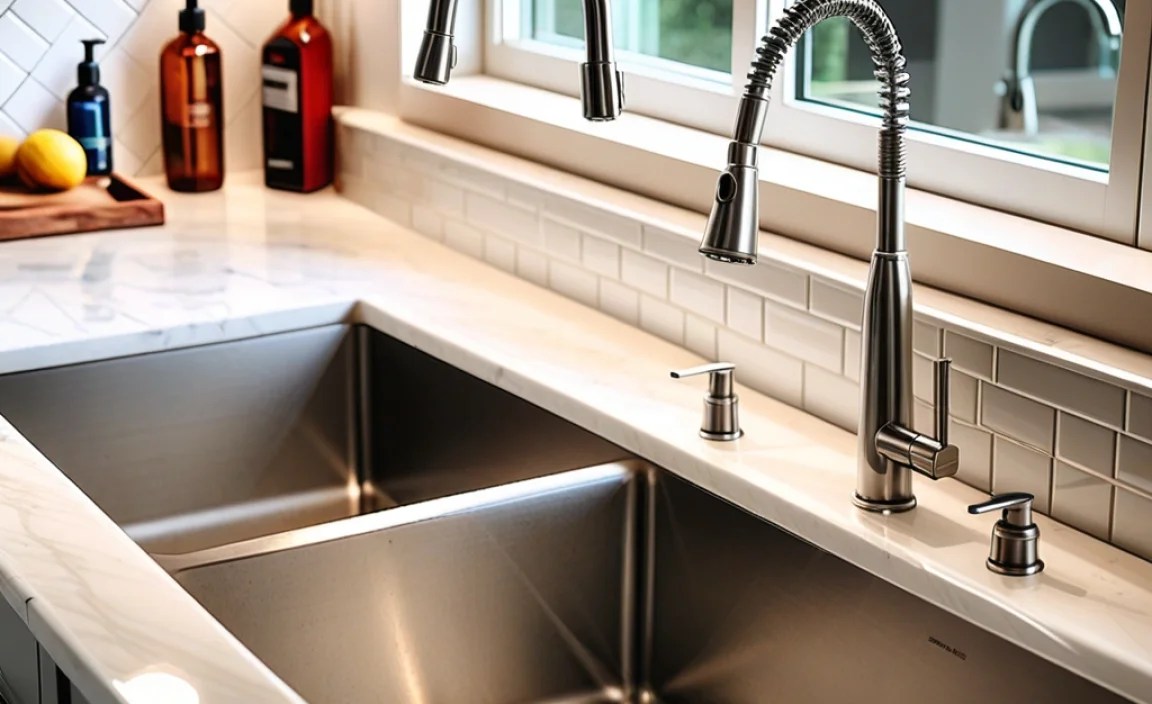
Beyond the material, the style and configuration of your sink also play a huge role in its practicality and appearance. Choosing the right one can make a big difference in how you use your kitchen or bathroom.
Undermount Sinks
Undermount sinks are installed beneath the countertop. This creates a seamless look and makes it incredibly easy to wipe crumbs and spills directly from the counter into the sink.
Pros:
- Sleek Aesthetics: Offers a very clean, modern, and integrated look.
- Easy Cleanup: No rim to catch dirt or grime; simply wipe across the counter into the sink.
- Maximizes Counter Space: Makes the entire countertop surface feel more expansive.
Cons:
- Cost: Installation can be more complex and expensive than top-mount sinks.
- Countertop Material: Works best with solid surface countertops like granite, quartz, or marble, which can support the sink’s weight without issues. Not ideal for laminate.
- Potential for Dripping: The underside of the sink and countertop seam can develop mildew if not properly sealed and maintained, especially in humid environments.
Top-Mount (Drop-In) Sinks
Top-mount sinks are the most common type. They are installed from above, with a rim that rests on the countertop. They are typically the easiest and most affordable to install.
Pros:
- Easy Installation: DIY-friendly and generally less expensive to install than undermount sinks.
- Versatile Countertop Compatibility: Works with virtually any countertop material, including laminate.
- Self-Rimming: The rim supports the sink’s weight, placing less stress on the countertop opening.
Cons:
- Rim Traps Debris: The lip around the sink can trap food particles and grime, making cleaning more difficult.
- Less Seamless Look: The rim breaks up the clean line of the countertop.
- Can Limit Counter Space: The visible rim takes up a small amount of usable counter space.
Farmhouse (Apron-Front) Sinks
Farmhouse sinks are characterized by a large, deep basin with a front that is exposed, resembling an apron. They are a hallmark of farmhouse or country-style kitchens.
Pros:
- Ample Space: Very large basins can easily accommodate bulky pots, pans, and baking sheets.
- Ergonomic Design: The front panel is typically lower, meaning you don’t lean as far over the sink, which can be easier on your back.
- Striking Visual Appeal: Adds a unique focal point and charm to a kitchen.
Cons:
- Cost: Generally more expensive than standard sinks, both for the sink itself and for installation.
- Installation Complexity: Require custom cabinetry or modifications to existing cabinets to support the sink and its front panel.
- Water Splashing: The exposed front can be more prone to splashes.
- Limited Options: Usually deeper and require specific countertop fabrication if an undermount style is desired.
Integrated Sinks
Integrated sinks are molded from the same material as the countertop, creating a completely seamless transition. Common in bathrooms with solid surface or quartz countertops.
Pros:
- Ultimate Seamlessness: No seams mean zero places for gunk to hide.
- Ultra-Modern Look: Very clean and minimalist design.
- Easy to Clean: One continuous surface that’s simple to wipe down.
Cons:
- Material Limitations: Only available with specific countertop materials.
- Costly Repairs: If the sink or countertop area gets damaged, the entire piece might need to be replaced or intricately repaired.
- Limited Durability for Sink Area: The sink basin, being the same material as the counter, may not be as robust against heavy use as a distinct sink material.
Sink Size, Depth, and Configuration: Tailoring to Your Needs
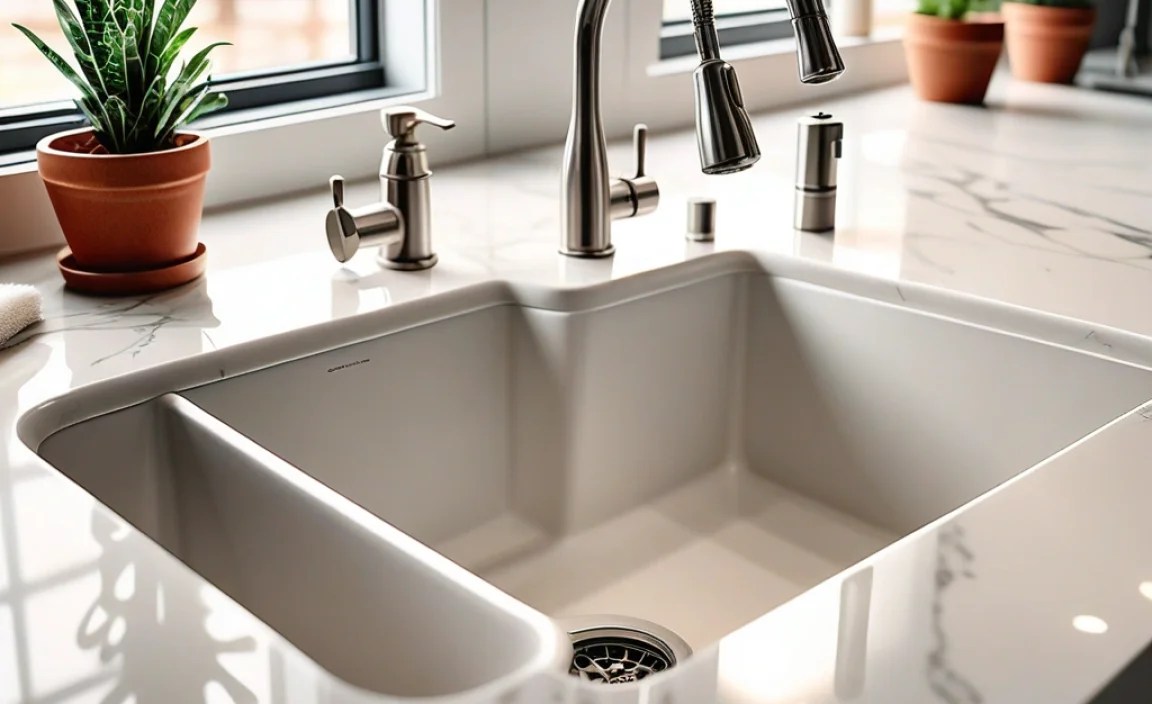
The dimensions and layout of your sink are critical for its functionality. Think about how you use your sink daily and what would make your life easier.
Single Basin Sinks
A large, undivided basin. Great for washing large items like cookie sheets, roasting pans, or even small children.
Pros:
- Maximum Space: Can easily fit the biggest pots and pans.
- Simplicity: No dividers means more usable space for cleaning.
Cons:
- Limited Task Separation: Difficult to wash dishes while still having a space to rinse them or soak something else.
Double Basin Sinks
Divided into two bowls, usually of equal size, but sometimes with one larger and one smaller bowl.
Pros:
- Task Versatility: Allows for multitasking – wash in one basin, rinse or dry in the other, or soak heavily soiled items while still using the other basin.
- Organized Cleaning: Keep dirty dishes contained in one side.
Cons:
- Reduced Space per Basin: Neither basin can accommodate very large items as easily as a single basin.
- Potential for Leaks: Where the faucet is mounted between the two basins, there is a slightly higher chance of water pooling or dripping if not properly maintained.
Workstation Sinks
These are becoming increasingly popular. They feature built-in ledges that accommodate a variety of accessories like cutting boards, colanders, drying racks, and bowls, essentially turning your sink into a preparation hub.
Pros:
- Maximizes Kitchen Workflow: Combines washing, prepping, and draining into one efficient area.
- Saves Counter Space: Accessories keep items within the sink area, not cluttering your countertops.
- Customizable: You can choose accessories that fit your specific needs.
Cons:
- Cost: Generally more expensive than standard sinks, especially when purchasing multiple accessories.
- Design Specificity: Accessories are often brand-specific, meaning you might be locked into one manufacturer.
- Can Feel Cluttered: If not organized well, the accessories can make the sink feel busy.
Depth and Width Considerations
Depth: A deeper sink (9 inches or more) can hide more dishes, reducing visual clutter, and is better for washing larger items. However, it can be harder on your back if you are shorter, and can lead to splashing if the faucet isn’t high enough. A shallower sink (7–8 inches) is easier on the back but shows dirty dishes more easily and may struggle with bulky items.
Width: Ensure the sink fits comfortably in your cabinet base without compromising cabinet functionality or countertop support. Standard sizes range from 24 to 36 inches wide.
Sink Installation: DIY vs. Professional
The installation process can significantly vary based on the sink type and material. For most DIY enthusiasts, understanding this can help in deciding whether to tackle it yourself or call in a pro.
DIY Installation Considerations:
- Top-mount sinks are generally the easiest.
- Stainless steel sinks are lighter and easier to maneuver.
- Ensure you have the right tools: plumbing wrenches, caulk gun, silicone sealant, screwdriver set, and possibly a jigsaw if cutting a new countertop opening.
- Always turn off the water supply before starting any plumbing work. For more on basic plumbing safety, consult resources like the Federal Trade Commission’s advice on plumbing maintenance.
Professional Installation Recommended For:
- Undermount sinks (especially with stone countertops) require precise fitting and strong support.
- Fireclay and Cast Iron sinks are extremely heavy and require careful handling and potentially cabinet reinforcement.
- Farmhouse sinks need custom cabinetry, which is a specialized job.
- If you are not comfortable with complex plumbing, cutting countertop material, or ensuring a watertight seal, hiring a professional plumber or contractor is a wise investment to avoid leaks and costly mistakes.
Budgeting for Your Sink: Cost Factors
The cost of a sink can range dramatically. Here’s a quick breakdown of what influences the price:
<table border
