
Have you ever wondered what makes water disappear down the sink? It’s all thanks to the magic of plumbing. The drain parts in plumbing play a key role in keeping our homes clean and dry. Without these parts, water would have nowhere to go. Let’s dive into the world of drain parts and uncover their secrets!
Key Takeaways
- Drain parts in plumbing help water flow smoothly.
- P-traps prevent smelly gases from escaping pipes.
- Pop-up stoppers control water flow in sink basins.
- Cleanouts allow easy access for clearing blockages.
- Understanding drain parts helps maintain a healthy home.
The Role of Drain Parts in Plumbing

Drain parts in plumbing are like the hidden heroes of your home. They ensure water flows smoothly and quickly out of sinks, bathtubs, and showers. You may not see these parts often, but each one has a special job. Pipes connect all the parts together, making sure water travels the right way. Without them, water would flood your home and cause big problems.
- Drain pipes carry water away.
- P-traps hold a small amount of water.
- Cleanouts help remove clogs.
- Vents allow air into pipes.
- Stoppers control water flow in sinks.
Imagine waking up one morning to find your bathroom floor wet. You realize water isn’t draining correctly from your sink. Luckily, understanding drain parts can help you find and fix the problem. Knowing how they work helps keep everything flowing smoothly.
Fun Fact or Stats: The average home has over 200 feet of plumbing pipes!
How Do P-Traps Work?
Have you ever noticed a funny U-shaped pipe under the sink? That’s a P-trap! It’s called a P-trap because it looks like the letter “P” on its side. P-traps hold a small amount of water at all times. This water stops smelly sewer gases from coming back up the pipes. Without P-traps, your home could start to stink! Next time you wash your hands, think about the P-trap doing its job to keep things fresh.
What Are Cleanouts?
Cleanouts might sound like something you’d find in a videogame, but they are real and important! They are special parts of the plumbing system. Cleanouts give plumbers access to pipes when there’s a clog. Imagine a big ball of hair blocking water in a pipe. A plumber can open the cleanout to remove the blockage. This makes sure water keeps moving and your home stays dry.
Why Are Vents Important?
Have you ever seen a little pipe sticking up from your roof? That’s a vent! Vents are crucial for plumbing systems. They let air into pipes, helping water flow smoothly. Without vents, water could form a vacuum and stop draining. It’s like drinking from a bottle without letting air in—it doesn’t work well! Vents keep everything balanced and flowing properly.
The Importance of P-Traps in Drains

P-traps are vital drain parts in plumbing. They form a water seal that blocks sewer gases. This is important because those gases can be dangerous and smelly. The P-trap’s simple design makes it one of the most effective parts in plumbing systems. Every time you use a sink or tub, think about the hard work that little P-trap is doing.
- P-traps are found under sinks.
- They trap water to block gases.
- P-traps can be cleaned if clogged.
- They are made of metal or plastic.
- P-traps are easy to replace if broken.
P-traps are often overlooked, but they play a major role in keeping homes safe. Regular checks can help ensure they’re in good condition. If you notice a smell, it might mean the P-trap needs attention. Remember, a little care goes a long way!
Fun Fact or Stats: P-traps are required by building codes in most places!
Can P-Traps Get Clogged?
P-traps can get clogged over time. Hair, soap, and other debris can build up and stop water flow. If this happens, water might drain slowly or back up. Fixing a clogged P-trap is usually easy. Sometimes, removing and cleaning it solves the problem. A clean P-trap means better water flow and no smelly gases escaping. Maintaining your P-trap is just one way to keep your home’s plumbing in top shape.
How to Clean a P-Trap
Cleaning a P-trap is a simple task. First, place a bucket under the trap to catch water. Then, unscrew the nuts holding it to the pipes. Carefully remove the trap and empty it into the bucket. Rinse the trap with water to remove debris. Once clean, reattach it by tightening the nuts. This little task keeps your drain parts working smoothly.
Why P-Traps Need Water
P-traps need water to form a seal that blocks gases. Without water, the trap can’t stop smelly gases from entering your home. It’s important to run water through your drains regularly. This keeps the seal intact and working properly. If you smell something odd, check the P-trap. It might need more water. Simple habits like this ensure your plumbing stays effective.
Understanding Pop-Up Stoppers
Pop-up stoppers are fancy parts of your sink. They help hold or release water in the basin. When you push or pull the lever, the stopper moves up or down. This action either blocks or allows water to drain. Pop-up stoppers are convenient and keep your sink clean. They make it easy to fill the basin for washing or let water go when you’re done.
- Pop-up stoppers are part of the sink.
- They stop or allow water flow.
- Stoppers are controlled by a lever.
- They are easy to install or replace.
- Pop-up stoppers prevent clogs in pipes.
Pop-up stoppers are more than just simple tools. They help manage water use and prevent unnecessary waste. If yours isn’t working right, it might need an adjustment or replacement. Keeping it in good working order ensures your sink functions smoothly every day.
Fun Fact or Stats: Pop-up stoppers can come in various styles and finishes!
How to Adjust a Pop-Up Stopper
Adjusting a pop-up stopper is easy. First, look under the sink to find the lever arm. This arm connects the stopper to the sink’s lift rod. If the stopper isn’t sealing water properly, adjust the connection. Loosen the nut and move the lever slightly, then retighten. Test the stopper to see if it holds water now. A little tweak can make a big difference!
Replacing a Pop-Up Stopper
Replacing a pop-up stopper sounds tricky, but it’s simple. Start by removing the old stopper. This involves unscrewing the nut under the sink. Take the new stopper and connect it to the lift rod. Ensure it’s tight enough to hold water. Place the new stopper in the sink drain. Check that it moves up and down easily. Replacement is a quick fix to keep your sink working well.
Why Pop-Up Stoppers Are Useful
Pop-up stoppers are small but important. They let you control water in your sink. This is great for washing, rinsing, or filling. Imagine washing your hands without them—water would drain too fast! Stoppers save water by letting you use just what you need. Keeping them in good shape helps with efficient water use and prevents plumbing issues.
How Cleanouts Help in Plumbing
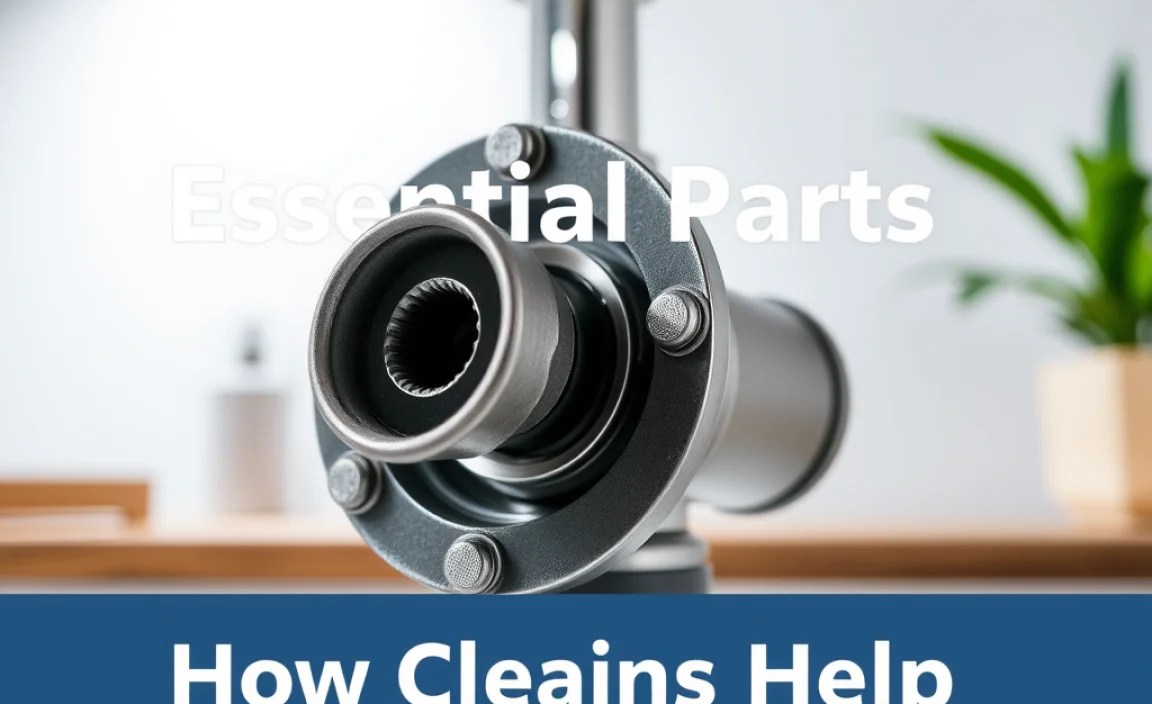
Cleanouts are special drain parts in plumbing. They act like doors to the pipes. When pipes clog, plumbers use cleanouts to access and clear blockages. Cleanouts are usually located outside or in the basement. They make it easier to fix issues without cutting into walls or floors. Having cleanouts saves time and money when plumbing problems arise.
- Cleanouts provide pipe access.
- They help clear blockages.
- Located outside or in basements.
- Saves time and money for repairs.
- Prevents damage to walls or floors.
Cleanouts are a smart part of any plumbing system. Knowing where yours are can help if you face a clog. They allow for quick access and easy removal of debris. Regular checks ensure they are not blocked themselves. This keeps your plumbing system healthy and efficient.
Fun Fact or Stats: Cleanouts are required every 100 feet of piping!
Using Cleanouts Effectively
Knowing how to use cleanouts is beneficial. They give direct access to clogged pipes. Imagine a pipe blocked deep inside your home. Instead of tearing up walls, a plumber can use a cleanout. By opening it, they can clear the blockage with special tools. This process is quick and prevents further damage to your home.
Finding Cleanouts in Your Home
Finding cleanouts might seem like a treasure hunt. They are usually located where the plumbing meets the outside wall. In basements, check along the foundation for capped pipes. Outside, look near the base of your home. Knowing their location helps if you have a plumbing issue. You’ll be able to guide plumbers right to the spot!
Maintaining Cleanouts
Maintaining cleanouts is crucial. They should be checked regularly for blockages. Debris or dirt can clog them, making them less effective. Keeping them clear ensures easy access when needed. A quick inspection from time to time can prevent larger plumbing problems. Maintain your cleanouts to keep your plumbing in top condition.
The Table of Common Plumbing Drain Parts
Understanding the different parts of plumbing is important. Here’s a table showing common drain parts in plumbing:
| Part | Function | Location | Material |
|---|---|---|---|
| P-Trap | Prevents gas escape | Under sinks | Plastic/Metal |
| Pop-Up Stopper | Controls water in sinks | In the sink | Metal |
| Cleanout | Clears blockages | Outside/Basements | Plastic/Metal |
| Vent | Allows air into pipes | Roof | Plastic |
Conclusion
Understanding drain parts in plumbing helps you maintain a healthy home. These parts work together to ensure water flows smoothly and safely. Knowing their roles and functions can prevent problems and save money. Regular checks and maintenance keep everything running well. Keep your home’s plumbing in top condition by caring for these essential parts.
FAQs
Question: What is a P-trap in plumbing?
Answer: A P-trap is a U-shaped pipe under sinks or tubs. It holds water to block sewer gases, preventing them from entering your home. This small part plays a significant role in keeping your home smelling fresh.
Question: Why are cleanouts important?
Answer: Cleanouts allow access to pipes for clearing blockages. They prevent the need to cut into walls or floors to fix plumbing problems. Knowing their location helps resolve issues quickly, saving time and money.
Question: How do pop-up stoppers work?
Answer: Pop-up stoppers control water flow in sinks. A lever moves the stopper up to release water or down to hold it. They help save water and prevent unnecessary waste.
Question: What happens if a P-trap dries out?
Answer: If a P-trap dries out, it can’t block gases from returning into your home. This can cause unpleasant smells. Running water through your drains regularly helps maintain the water seal in P-traps.
Question: Can I clean a P-trap myself?
Answer: Yes, cleaning a P-trap is easy! Place a bucket underneath, unscrew the nuts, and remove the trap. Empty it and rinse with water, then reattach. This simple task helps prevent clogs and ensures smooth drainage.
Question: How can I prevent clogs in my plumbing?
Answer: Regular maintenance and being mindful of what goes down the drain can prevent clogs. Avoid flushing large debris or grease. Use strainers in sinks to catch food and hair. Regularly clean P-traps and check cleanouts to keep everything flowing smoothly.
