
Have you ever wondered how water disappears after it rains? In construction, getting rid of water is crucial. This is where drain terms in construction come into play. These terms help workers understand and plan how to handle water. Without proper drainage, buildings might flood or suffer damage. Let’s explore some important drain terms and see how they help in construction.
Key Takeaways
- Drainage prevents water damage in construction sites.
- Understanding drain terms is vital for building safely.
- Storm drains manage rainwater to avoid flooding.
- Pipes and slopes guide water away from structures.
- Drain terms in construction include sump pumps and culverts.
Understanding Drainage Systems

Drainage systems are essential in construction. These systems help move water away from buildings. Without them, water can damage structures. There are different types of drainage systems. Each serves a specific purpose. Some systems collect rainwater. Others manage wastewater. A proper drainage plan ensures safety and durability.
- Different drains handle different types of water.
- Proper drainage prevents water pooling.
- Drainage systems use pipes and slopes.
- Sump pumps remove water from basements.
- Storm drains manage runoff from roads.
- Regular maintenance keeps systems working.
Recognizing these systems helps in planning and construction. Knowing the types of drainage systems can prevent problems. For example, without a storm drain, heavy rains might flood a road. Using the right terms ensures everyone understands the drainage plan. This is vital to keep buildings safe and dry.
Fun Fact or Stats : Over 60% of construction issues are water-related.
Why Drainage Matters
Why is drainage so important in construction? Imagine a house without gutters. Rainwater would pour directly off the roof. It could cause erosion around the foundation. Over time, this water might seep into the basement. This can cause mold and structural issues. Proper drainage stops these problems before they start.
Types of Drains
There are different types of drains in construction. Each has a special job. A French drain, for example, is a trench filled with gravel. It helps direct water away from important areas. Meanwhile, a catch basin collects rainwater from streets. Understanding these types helps workers plan effectively. It ensures the right drain is used for the right job.
Role of Slopes
Slopes are key in drainage. They guide water away from buildings. Without slopes, water might pool and cause damage. Construction workers design surfaces with a slight angle. This ensures water flows correctly. Remember, water always seeks the lowest point. Proper slopes make sure it ends up where it’s supposed to be.
Drain Terms: Pipes and Channels

Pipes and channels are like highways for water. They move water from one place to another. In construction, pipes are often buried underground. They help transport water safely away from buildings. Channels are open and often found on the surface. They catch rainwater and guide it safely away. Both are crucial in any drainage plan.
- Pipes are underground to avoid blockage.
- Channels are open to catch surface water.
- Pipes are made from strong materials.
- Channels are often lined with concrete.
- Both must be properly sized.
- Maintenance prevents clogs and backups.
Using pipes and channels effectively requires understanding drain terms in construction. Workers must choose the right size and material. Poor choices can lead to leaks or breakages. By paying attention to these details, water is safely managed. This keeps construction sites safe from water damage.
Fun Fact or Stats : The Roman aqueducts were early examples of drainage systems.
Choosing the Right Pipe
Choosing the right pipe is crucial in construction. Pipes come in different sizes and materials. PVC is popular for its durability. Metal pipes are strong but can rust. A story goes that a construction worker once used the wrong pipe. It burst under pressure, flooding the site. This shows why selecting the correct pipe is vital for any project.
Importance of Channel Design
Designing channels is an art in itself. A well-designed channel quickly moves water away. It can prevent flooding and erosion. Channels should be deep enough to handle heavy rains. A construction site without good channels might flood. Workers need to understand channel design to keep everything running smoothly.
Maintaining Pipes and Channels
Maintenance is key for pipes and channels. Without it, they can clog or break. Regular inspections help find problems early. A blocked channel can cause water to back up. This can lead to flooding. By taking care of these elements, construction workers ensure water flows freely. This keeps the site and buildings safe.
Storm Drains and Culverts
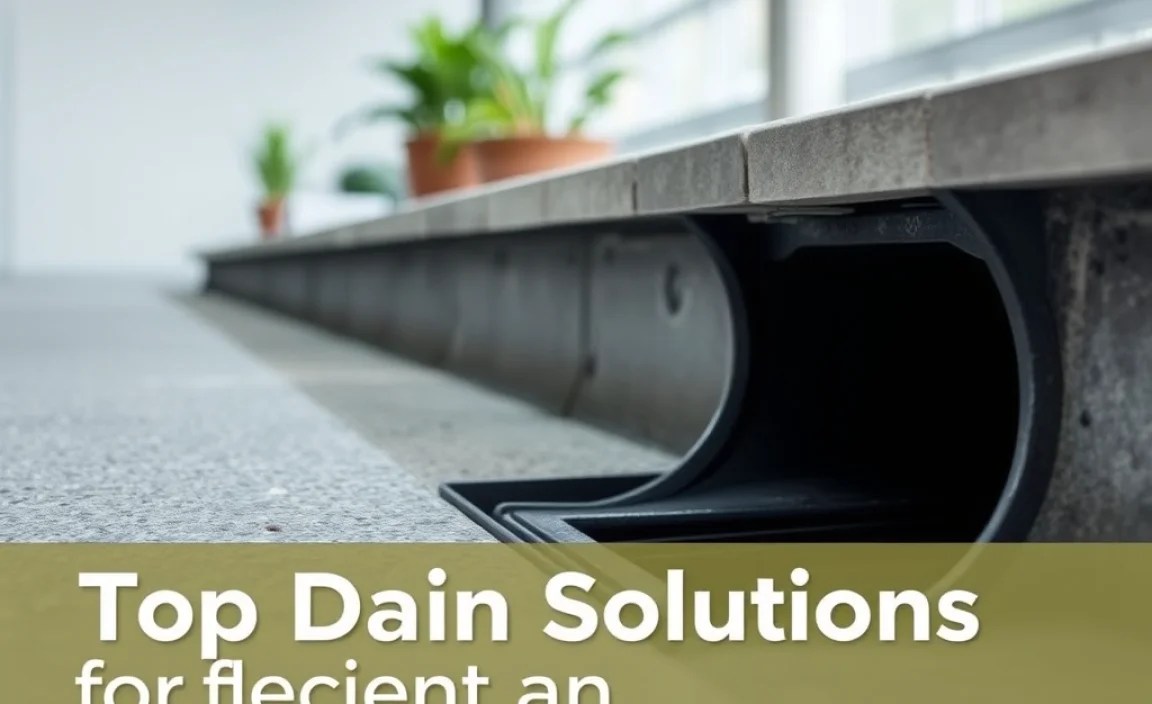
Storm drains and culverts are vital in handling large volumes of water. Storm drains collect rainwater from streets. They prevent water from pooling on roads. Culverts are tunnels that allow water to pass under roads. They are crucial in areas with heavy rainfall. Both help manage runoff and prevent flooding.
- Storm drains collect rainwater.
- Culverts help water pass under roads.
- Both prevent flooding and erosion.
- They must be kept clear of debris.
- Proper size is crucial to function.
- Regular checks ensure they work properly.
Understanding these systems is important. A blocked storm drain can cause major flooding. This can damage roads and nearby buildings. Proper installation and maintenance help avoid these issues. Workers need to know the drain terms in construction to discuss and solve such problems effectively.
Fun Fact or Stats : Some storm drains can handle over 100,000 gallons of water per hour.
Function of Storm Drains
What exactly do storm drains do? Imagine a heavy rainstorm in a city. Without storm drains, the streets would flood quickly. These drains collect and redirect rainwater. They send it to safe locations away from roads and buildings. This prevents water from blocking traffic and causing damage. Storm drains are like the city’s rain boots, keeping things dry and safe.
Culverts in Action
Culverts come into play where roads cross water. They allow water to flow under roads. This keeps the road safe from washouts. Without culverts, rainwater could erode the ground beneath roads. This might cause the road to collapse. A good culvert ensures water flows smoothly and roads stay intact. This is crucial for safety.
Why Maintenance Matters
Maintenance for storm drains and culverts is vital. Leaves and debris can clog them. This stops water from flowing correctly. Regular cleaning prevents backups. A clogged drain can cause flooding during storms. By keeping these systems clear, workers ensure they perform well. This protects roads and nearby areas from water damage.
Sump Pumps and Their Use

Sump pumps are important devices in construction. They remove water that collects in basements. This prevents flooding and keeps spaces dry. Sump pumps are usually placed in a sump pit. When water fills the pit, the pump turns on. It moves water away from the building. This is crucial for homes and buildings in areas with high water tables.
- Sump pumps prevent basement flooding.
- They activate when water fills a pit.
- Pumps move water away from foundations.
- They are vital in wet areas.
- Regular checks ensure they work properly.
- Backup systems can help during power outages.
Understanding sump pumps is key for builders. Installing them correctly is vital. A malfunctioning pump can lead to water damage. Regular testing ensures they’re ready for heavy rain. Workers need to know drain terms in construction involving sump pumps. This helps them communicate and plan effectively.
Fun Fact or Stats : A sump pump can move over 2,000 gallons per hour.
How Sump Pumps Work
How do sump pumps work their magic? Imagine a big storm outside, pouring rain everywhere. Without a sump pump, water might seep into basements. But with this handy device, water fills a pit. When it reaches a certain level, the pump kicks in. It moves water up and out, keeping the basement dry and safe.
Importance of Installation
Installing a sump pump correctly is vital. A poorly installed pump might not work when needed. It needs to be placed low enough to catch water. The discharge line should lead water far from the building. A well-installed pump is like a superhero, ready to save the day when a flood threatens.
Backup Systems
Backup systems are a great idea for sump pumps. What happens if the power goes out? A battery or water-powered backup can keep the pump running. This ensures it works even during storms. A backup system gives peace of mind. It means water stays away from your basement, no matter what happens outside.
Drainage Maintenance Practices

Regular drainage maintenance is crucial. Without it, systems can clog or fail. Inspect drains and pipes for blockages. Clear debris from channels and storm drains. Check sump pumps and ensure they’re working. Maintenance protects buildings from water damage. It ensures drainage systems perform well during heavy rains.
- Inspect drains regularly for blockages.
- Clear debris from channels and pipes.
- Test sump pumps for functionality.
- Ensure storm drains are clear.
- Check for leaks in pipes.
- Repair any damaged drainage parts.
Being proactive with maintenance prevents issues. Regular checks catch problems early. This can save money and protect buildings. Workers need to understand drain terms in construction. It helps them communicate effectively about maintenance tasks. Keeping everything in top shape ensures buildings stay safe from water.
Fun Fact or Stats : Regular maintenance can extend the life of drainage systems by 50%.
Inspecting Drains
Why inspect drains regularly? Imagine ignoring a storm drain filled with leaves. The next rainstorm arrives, and water backs up. It spills onto roads, causing traffic jams. Regular inspections catch these issues early. Workers clear the drain before it clogs. This keeps water flowing freely and roads safe.
Clearing Channels and Pipes
Clearing channels and pipes is like cleaning a straw. If a straw is blocked, you can’t drink. The same goes for channels and pipes. Debris can block water flow. Regular cleaning keeps them clear. Water moves smoothly, and buildings stay safe from floods. It’s a simple task with big benefits.
Testing Sump Pumps
Testing sump pumps is vital. You never know when a storm will hit. If the pump fails, water might flood the basement. Regular tests ensure the pump works when needed. It’s like practicing for a game. You prepare so you’re ready when it counts. Testing gives confidence that water will stay out.
Conclusion
Understanding drain terms in construction is key. These terms help manage water effectively. From storm drains to sump pumps, each part plays a role. Proper drainage prevents damage and keeps buildings safe. Regular maintenance ensures systems work when needed. By knowing these terms, workers build safer, drier spaces.
FAQs
Question: What are drain terms in construction?
Answer: Drain terms in construction refer to language and concepts used to manage water. These terms help workers plan and install drainage systems. They’re crucial to keep buildings safe from water damage. Understanding these terms ensures everyone knows how to handle water effectively.
Question: Why is drainage important in construction?
Answer: Drainage is important because it prevents water damage. Without proper drainage, water can flood and damage buildings. Drains guide water away from structures. This keeps them safe and dry. Understanding drain terms helps build effective drainage systems.
Question: What is a sump pump?
Answer: A sump pump is a device used in basements. It removes water that collects there. The pump sits in a pit and turns on when water reaches a certain level. This helps prevent flooding in homes. Sump pumps are crucial in areas with high groundwater.
Question: How often should drains be maintained?
Answer: Drains should be maintained regularly. Checking and clearing them every few months is best. This prevents clogs and ensures they work well. Regular maintenance keeps water flowing and avoids damage. It’s an important part of caring for any building.
Question: What happens if drains are clogged?
Answer: If drains are clogged, water can’t flow properly. It can back up and cause flooding. This might damage buildings and roads. Regular checks and cleaning prevent clogs. This ensures water moves away from structures safely. Understanding drain terms helps handle these issues.
Question: How do storm drains work?
Answer: Storm drains collect rainwater from streets. They move it to safe locations away from roads. This prevents flooding during heavy rains. The system ensures roads remain clear and safe. Storm drains are an essential part of city infrastructure. They manage rainwater effectively.
