
Quick Summary: Embrace sustainable style in your bathroom with an eco-friendly bathroom products matching set. This curated collection combines aesthetic appeal with environmental responsibility, simplifying your choices for a healthier home and planet. Discover how easy it is to create a chic, green bathroom oasis.
Is your bathroom feeling a little drab, or perhaps you’re looking to make more conscious choices about the products you use every day? Many of us want to go green, but the thought of choosing new items can feel overwhelming. You might wonder if eco-friendly options can really be stylish and if they perform as well as traditional products. The good news is that creating a beautiful, sustainable bathroom is totally achievable, even for beginners! You don’t need to be a DIY expert to make smart swaps that benefit both you and the environment. We’ll guide you through selecting an eco-friendly bathroom products matching set that brings essential style and peace of mind to your daily routine. Get ready to transform your space with simple, effective choices!
Why Choose an Eco-Friendly Bathroom Products Matching Set?

Your bathroom is a personal sanctuary, a place for relaxation and rejuvenation. Making it eco-friendly means choosing products that are kind to the earth and, often, to your health. Traditional bathroom products can contain harsh chemicals and generate a lot of waste, from plastic packaging to disposable items. An eco-friendly bathroom products matching set offers a cohesive solution, ensuring all your essential accessories align with a sustainable ethos. This isn’t about sacrificing style for sustainability; it’s about enhancing your bathroom with products that look good, feel good, and do good.
Think about the impact of everyday items. From your toothbrush to your soap dispenser, these are tools you interact with multiple times a day. When these items are made from sustainable materials and designed for longevity or biodegradability, they contribute to a significantly smaller environmental footprint. Furthermore, a matching set brings a sense of order and intentionality to your bathroom design. It’s a simple way to elevate your decor while promoting a healthier living environment. We’ll explore what makes a product genuinely eco-friendly and how to find sets that perfectly suit your style and needs.
What Makes Bathroom Products “Eco-Friendly”?
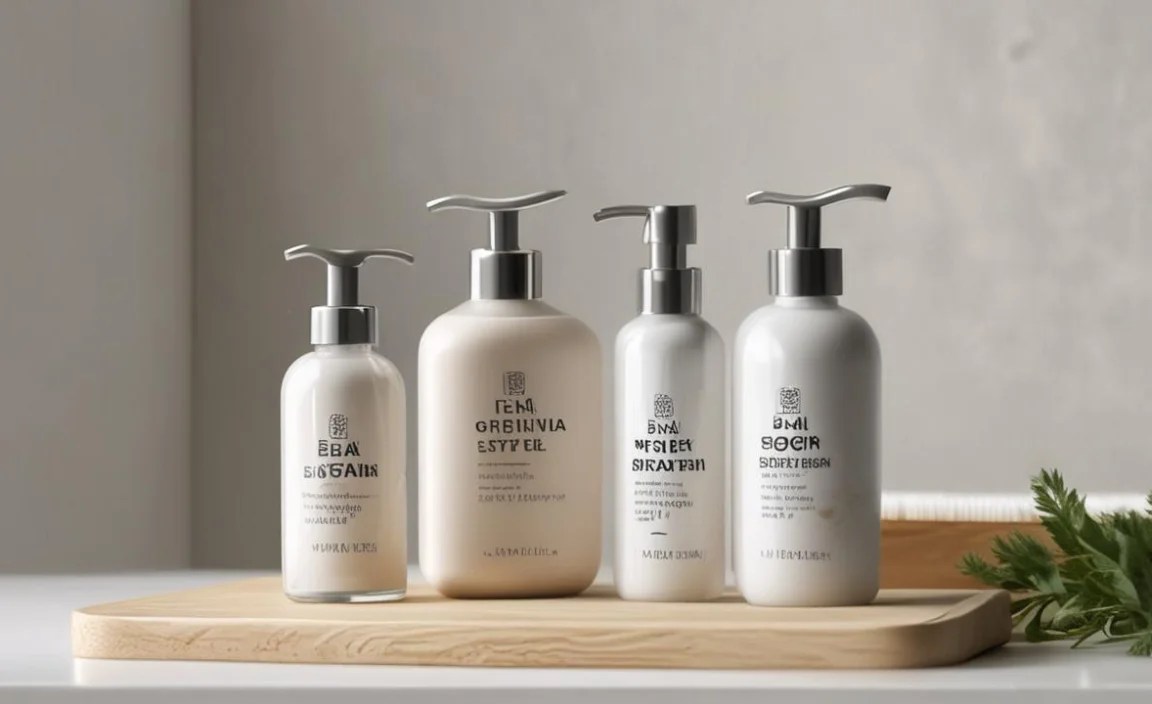
The term “eco-friendly” can sometimes feel a bit vague. For bathroom products, it generally refers to items that minimize negative environmental impact throughout their lifecycle. This includes how they are sourced, manufactured, used, and disposed of. Here’s a breakdown of key characteristics to look for:
- Sustainable Materials: Products made from rapidly renewable resources like bamboo, recycled plastics, reclaimed wood, or organic cotton.
- Biodegradability: Items that naturally decompose without leaving harmful residues, such as certain types of natural fiber brushes or compostable packaging.
- Durability & Reusability: Well-made items designed to last, reducing the need for frequent replacement and lessening waste. Refillable options are also a great sign.
- Reduced Packaging: Minimal, recyclable, or compostable packaging. Brands that avoid single-use plastics are a definite plus.
- Non-Toxic Ingredients: For consumables like soaps or cleaners, this means avoiding parabens, sulfates, phthalates, and synthetic fragrances.
- Ethical Production: Fair labor practices and responsible manufacturing processes that minimize pollution and resource depletion.
When you’re shopping for an eco-friendly bathroom products matching set, keeping these points in mind will help you make informed decisions. It’s about choosing items that contribute positively to both your home and the planet.
Key Components of an Eco-Friendly Bathroom Products Matching Set

A complete eco-friendly bathroom set typically includes the essentials you use daily. While specific sets can vary, here are the common items you’ll find, and what to look for in their eco-friendly versions:
1. Soap Dispenser / Liquid Soap Dispenser
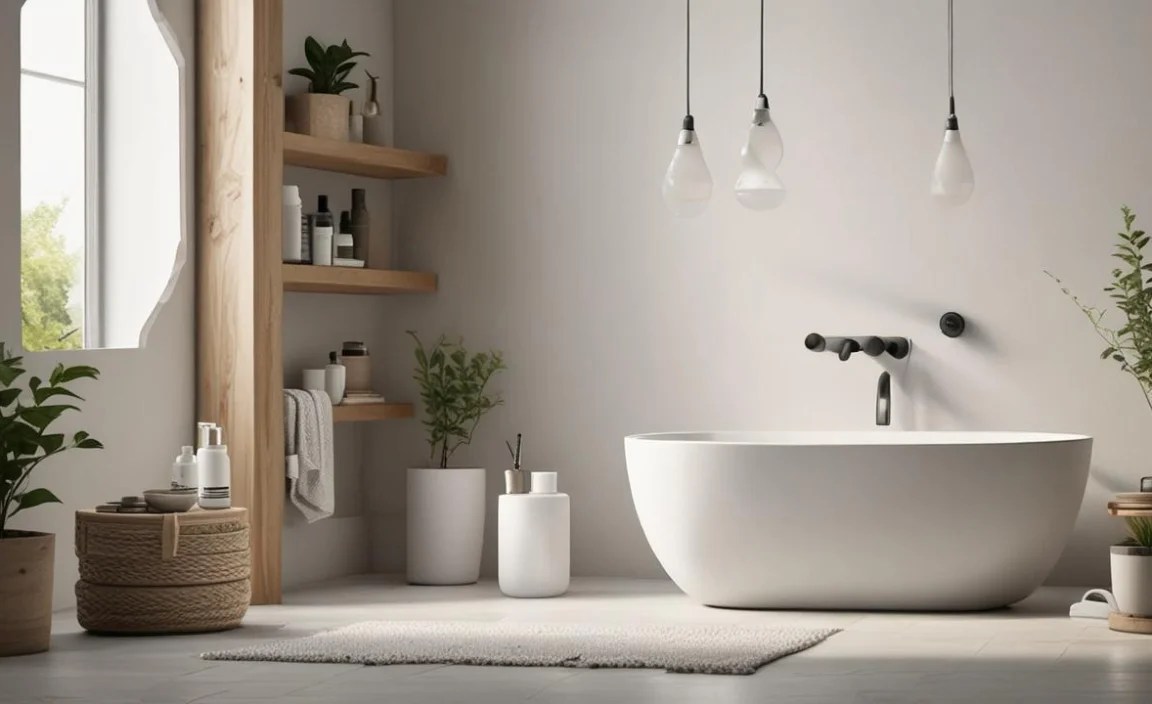
Eco-Friendly Features to Look For:
- Material: Glass, ceramic, brushed stainless steel, bamboo, or recycled plastic. Avoid flimsy, non-recyclable plastics.
- Design: Refillable designs that work with bulk liquids or solid soap bars.
- Longevity: Sturdy construction that won’t break easily.
Style Tip: A sleek glass or ceramic dispenser can add a touch of modern elegance, while bamboo offers a warm, natural feel.
2. Toothbrush Holder
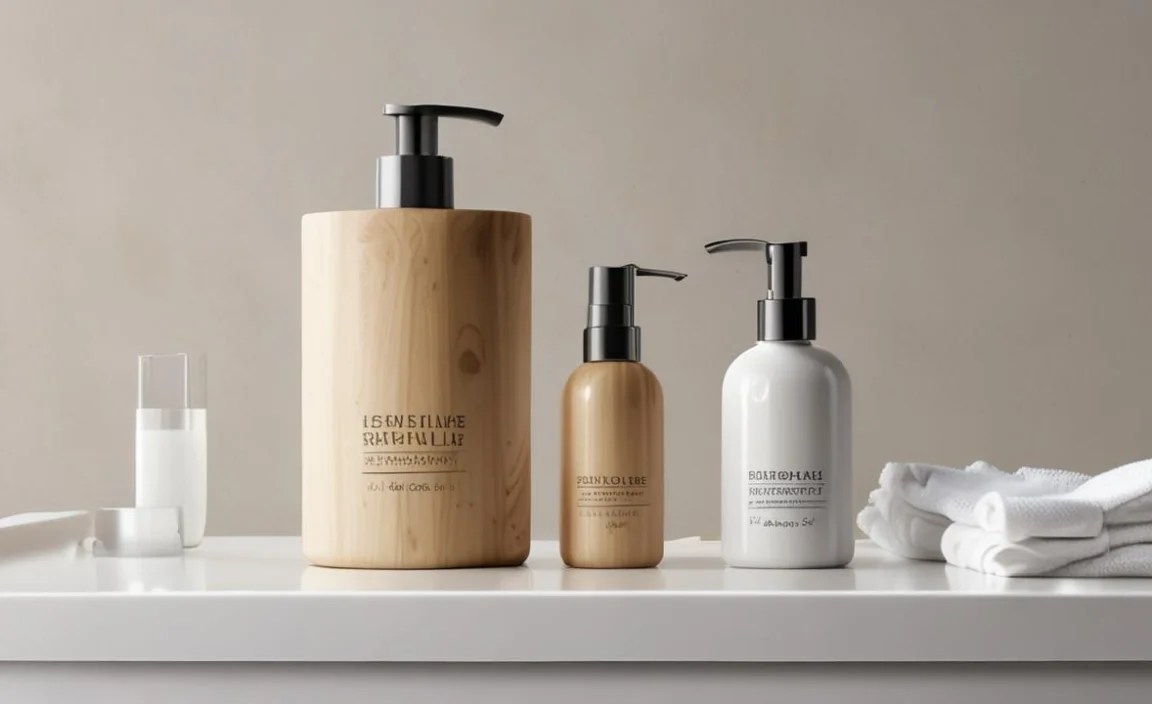
Eco-Friendly Features to Look For:
- Material: Similar to soap dispensers—glass, ceramic, metal, bamboo, or recycled materials.
- Functionality: Should hold toothbrushes upright to allow them to air dry properly, preventing bacterial growth.
- Capacity: Choose one that fits the number of toothbrushes in your household.
Style Tip: A simple, minimalist holder can blend seamlessly into any decor. Consider one with drainage holes to keep bristles dry.
3. Tumbler / Rinse Cup
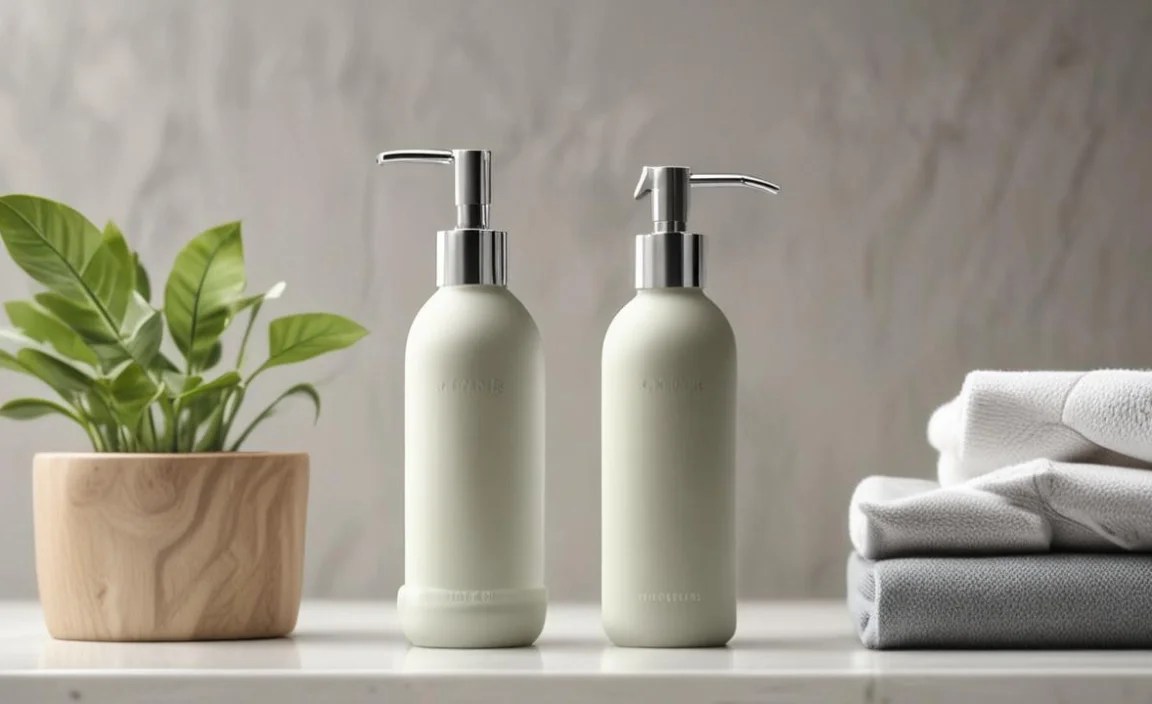
Eco-Friendly Features to Look For:
- Material: Reusable options like glass, ceramic, bamboo, or durable recycled plastic are ideal.
- Versatility: Can be used for rinsing after brushing, holding small items, or even as a decorative accent.
- Cleanliness: Easy to wash and sanitize.
Style Tip: This small item can add a pop of color or texture. Match it to your soap dispenser for a unified look.
4. Cotton Swab Jar / Cotton Ball Holder

Eco-Friendly Features to Look For:
- Material: Glass, ceramic, or bamboo lids help keep contents fresh and protected.
- Airtight Seal (Optional): Helpful for keeping cotton swabs dry and preventing dust.
- Size: Ensure it’s appropriately sized for your daily needs.
Style Tip: Store often-used Q-tips or cotton balls in a clear glass jar for easy visibility and access. A bamboo lid adds a natural touch.
5. Trash Can / Waste Bin
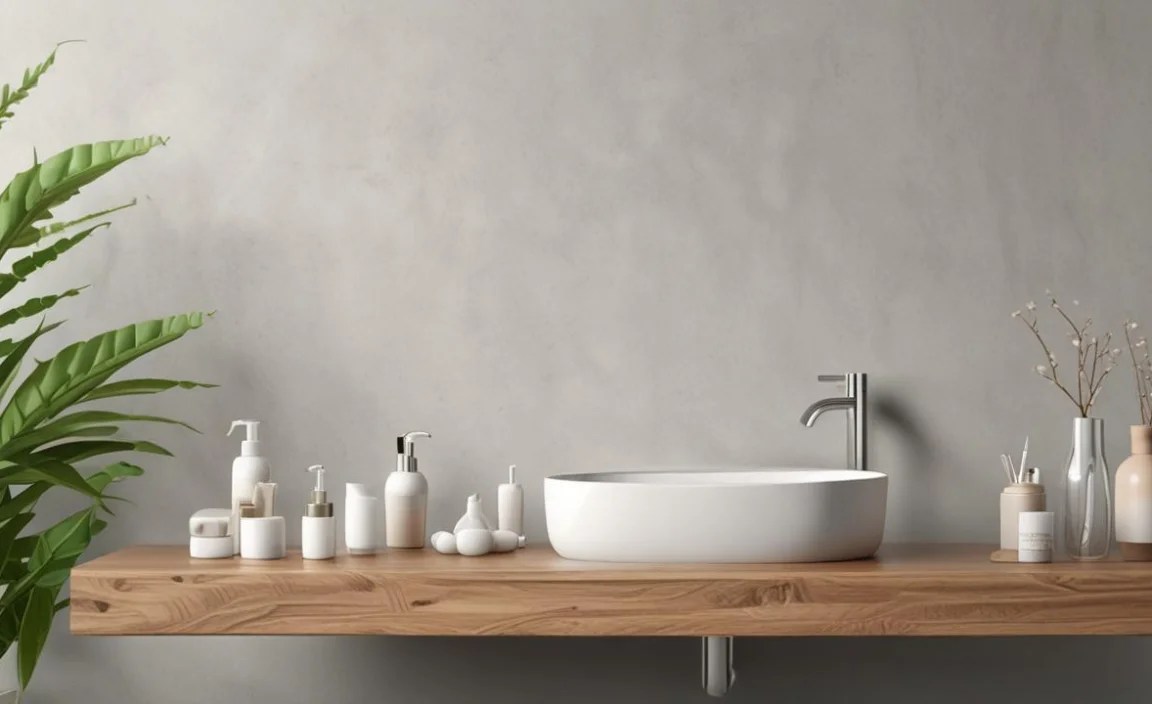
Eco-Friendly Features to Look For:
- Material: Stainless steel, recycled plastic, or bamboo are good choices.
- Size: A smaller bin might be suitable if you aim to reduce household waste and use smaller bags or compost.
- Lid: A lid can help contain odors and keep the area tidy.
Style Tip: Look for sleek designs that complement your toothbrush holder and soap dispenser. A brushed metal finish can add a sophisticated look.
6. Toilet Brush Holder
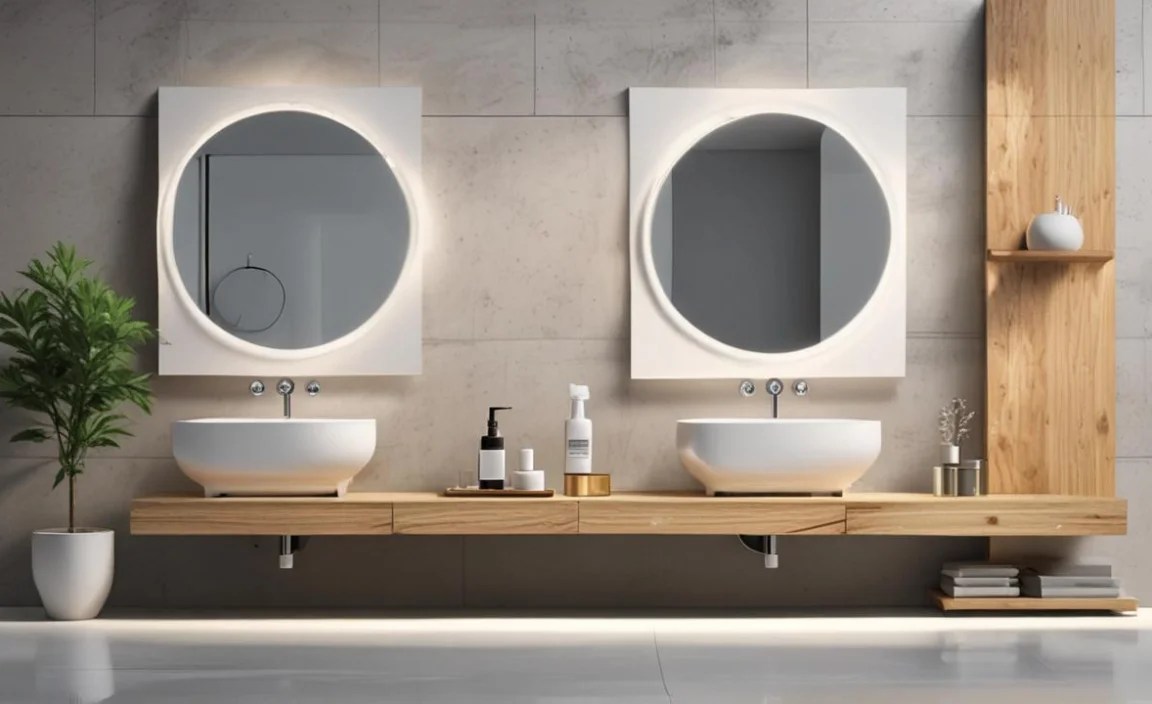
Eco-Friendly Features to Look For:
- Material: Stainless steel or ceramic are common, durable, and easy to clean.
- Functionality: A holder that keeps the brush discreetly stored and allows for drying.
- Replaceable Heads: Some eco-friendly toilet brushes offer replaceable heads, reducing waste.
Style Tip: Choose a holder that matches your trash bin for cohesive under-the-sink or corner styling.
7. Bath Mat
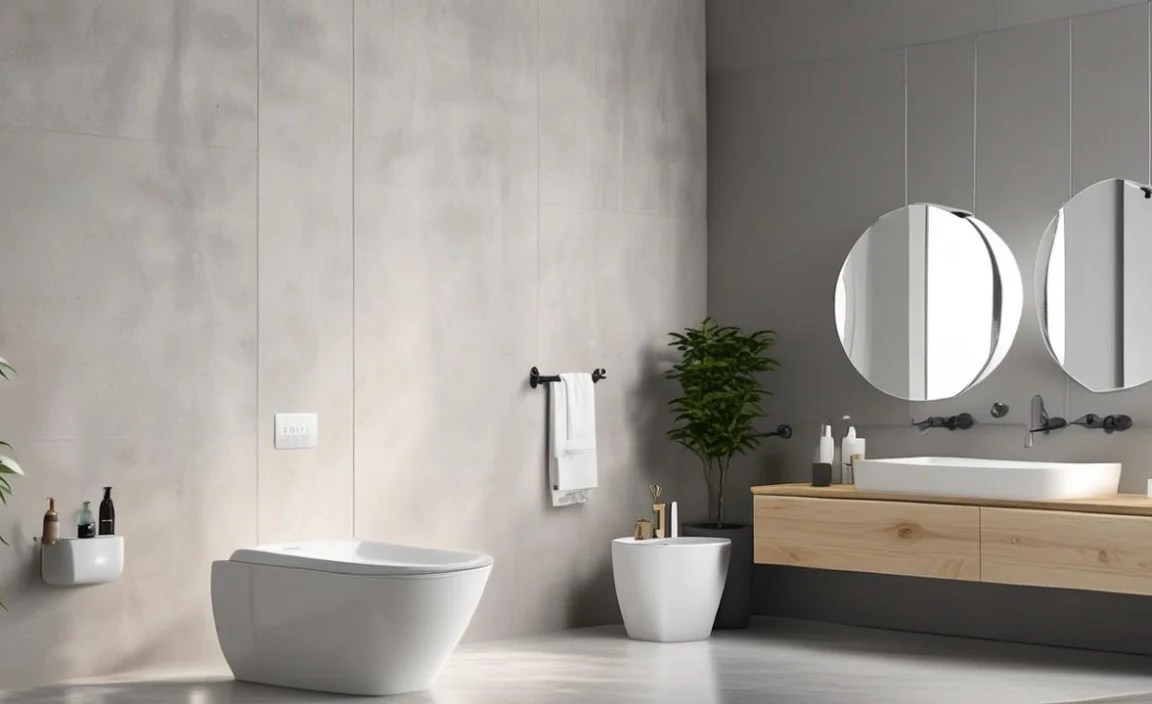
Eco-Friendly Features to Look For:
- Material: Organic cotton, bamboo, natural rubber, jute, or recycled materials.
- Absorbency: Needs to be effective at absorbing water while also drying relatively quickly to prevent mold.
- Washability: Easy to clean to maintain hygiene.
Style Tip: A natural fiber bath mat can add warmth and texture to your bathroom floor.
Creating Your Eco-Friendly Bathroom Style: A Step-by-Step Guide
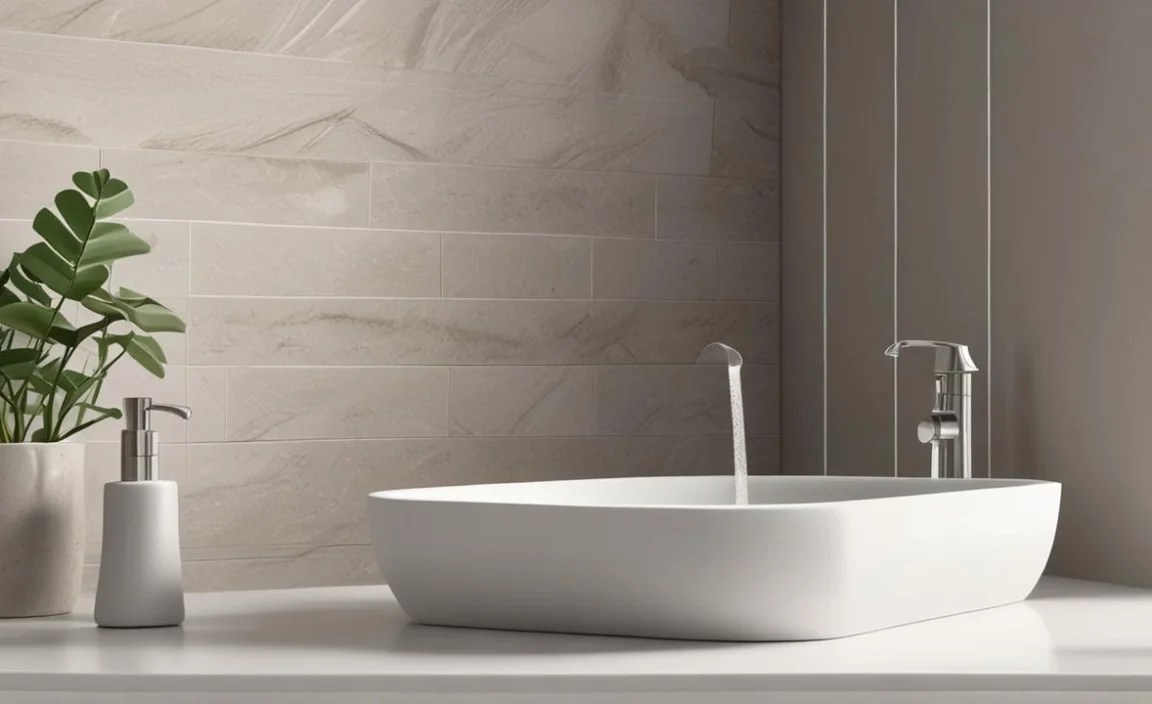
Putting together an eco-friendly bathroom products matching set is easier than you think. Follow these steps to curate a space that’s both stylish and sustainable.
Step 1: Assess Your Current Bathroom Needs
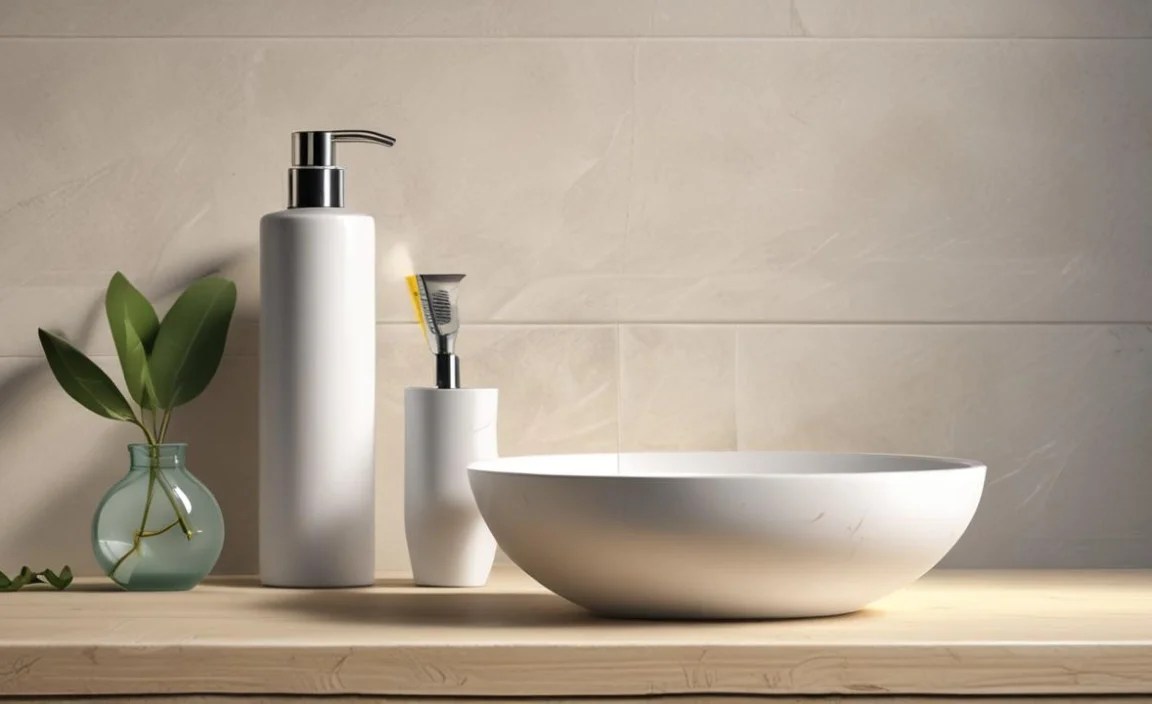
Before you buy anything, take stock of what you already have and what you truly need.:
- What items do you use daily?
- Are there any items that are worn out or broken?
- What is the existing style of your bathroom? (Modern, rustic, minimalist, etc.)
- What’s your budget for new items?
This initial assessment will prevent impulse buys and ensure you select items that fit seamlessly into your life and decor.
Step 2: Choose Your Core Material and Color Palette

To achieve a cohesive look, decide on a primary material and a color scheme. This will guide your selection process.
- Natural Materials: Think bamboo, wood, or cork for a warm, earthy feel.
- Mineral-Based: Ceramic, glass, and stone offer a clean, elegant, or spa-like aesthetic.
- Recycled Goods: Recycled plastics or metals can lend a modern, industrial, or casual vibe.
- Color: Neutrals like white, grey, beige, or black are versatile. You can add pops of color with towels or accessories like a bath mat.
Aim for 2-3 core colors or materials for a balanced and stylish look.
Step 3: Select Your Key Pieces
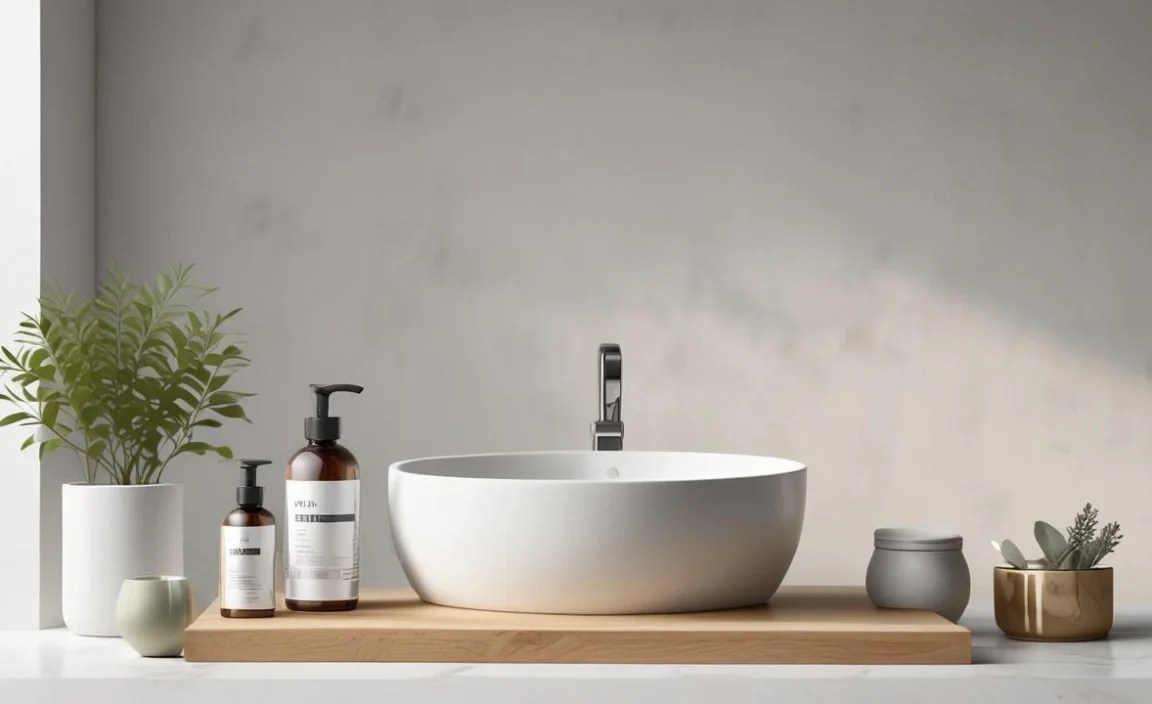
Start with the most prominent items and build from there. Often, this means selecting a soap dispenser and toothbrush holder first, as they are highly visible.
Example Set (Modern Natural):
- Soap Dispenser: Frosted glass with a matte black pump.
- Toothbrush Holder: Bamboo block with slots.
- Tumbler: Clear, heavy glass.
- Cotton Swab Jar: Clear glass with a bamboo lid.
- Trash Can: Matte black stainless steel (small, pedal bin).
- Toilet Brush Holder: Matte black stainless steel.
- Bath Mat: Woven natural jute or organic cotton in a neutral grey.
Keep an eye out for brands that offer full sets or individual pieces within a coordinated collection.
Step 4: Consider Functionality and Durability
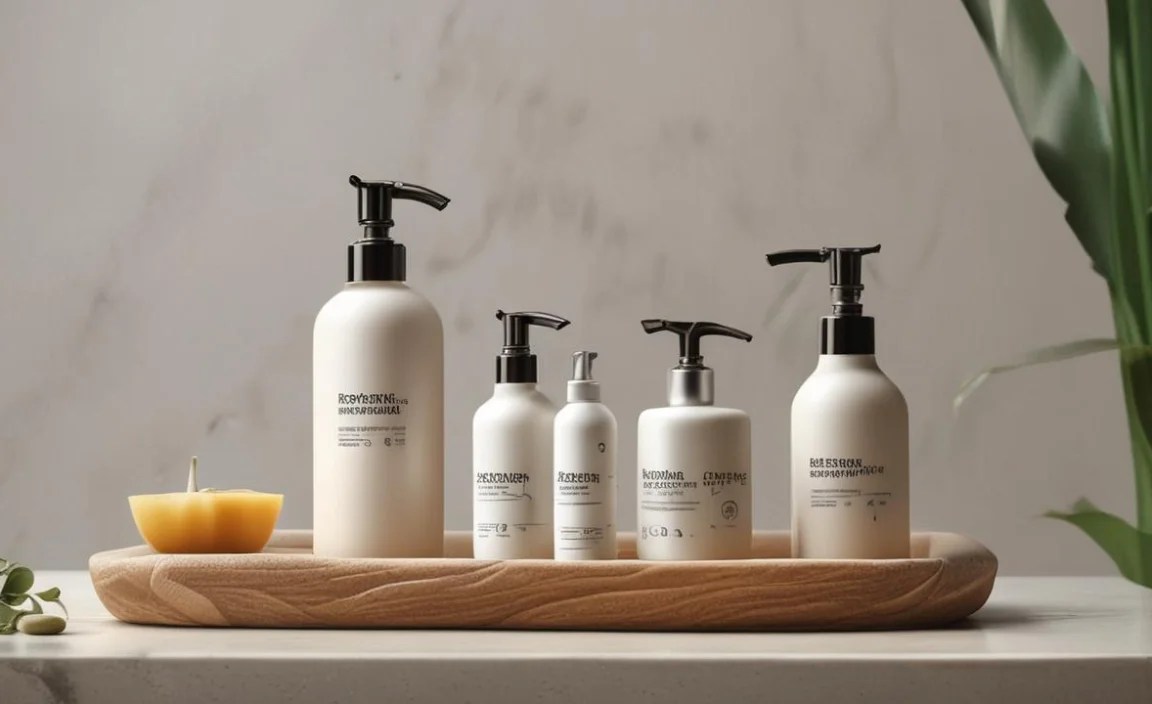
Beyond aesthetics, ensure the products serve their purpose well.
- Weight: Heavy items like ceramic or glass are less likely to tip over.
- Ease of Cleaning: Smooth surfaces are generally easier to wipe down. Check if components are dishwasher safe if that’s important to you.
- Pump Action: For soap dispensers, test if the pump is smooth and dispenses a good amount.
- Drainage: For toothbrush holders, ensure good airflow to prevent mildew.
Investing in well-made items means they’ll last longer, which is a key aspect of sustainability.
Step 5: Source and Purchase
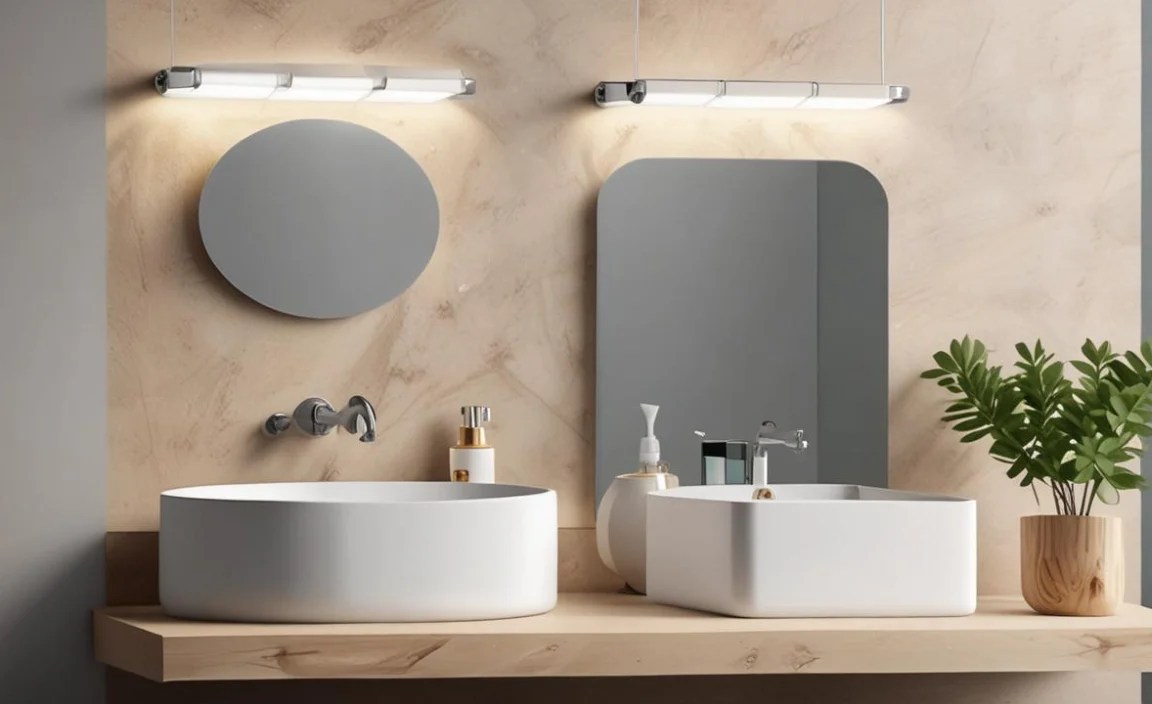
Look for eco-friendly options at:
- Specialty Eco-Stores: Online and physical stores dedicated to sustainable goods.
- Home Goods Retailers: Many major retailers now carry eco-friendly lines or individual sustainable products.
- Direct from Brands: Research brands known for their commitment to sustainability.
- DIY Stores (for materials): If you’re feeling crafty, you might find sustainable materials like bamboo or reclaimed wood to create your own accessories.
When purchasing, check product descriptions for material composition and eco-certifications. A resource like EPA’s recycling basics can help clarify material types and their recyclability.
Step 6: Integrate and Enjoy
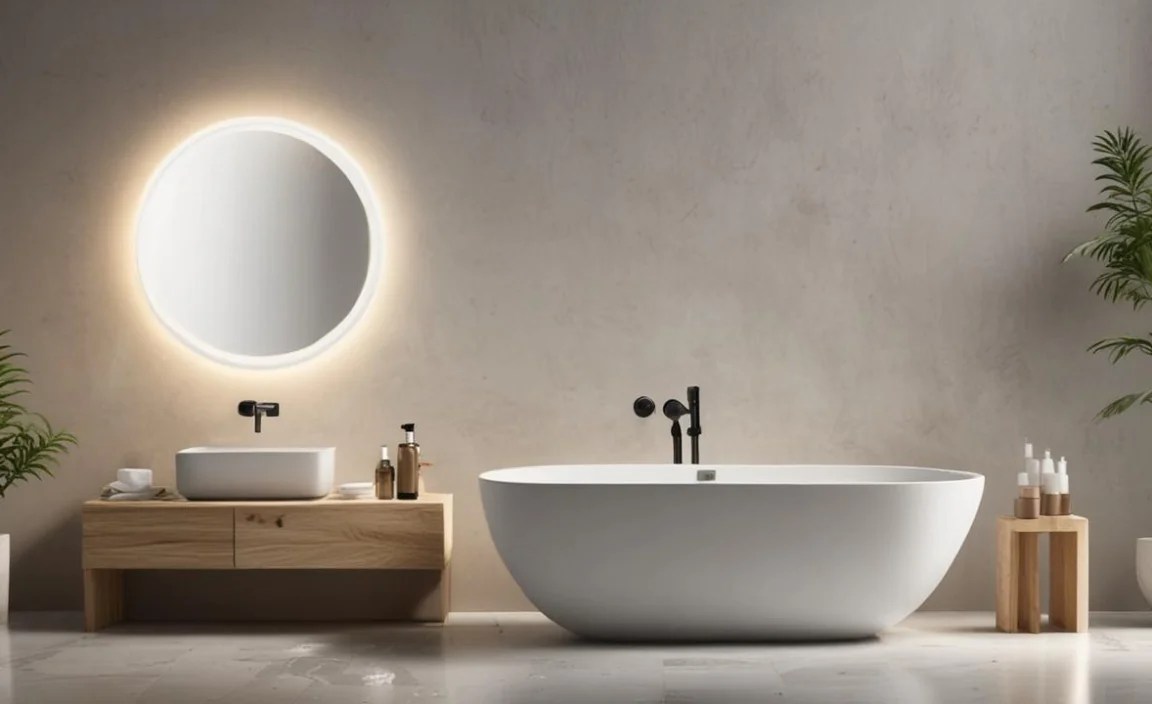
Once your chosen items arrive, arrange them in your bathroom. Pay attention to placement for both aesthetics and practicality. Step back and admire your thoughtfully curated, stylish, and eco-conscious space!
Materials Deep Dive: What to Look For
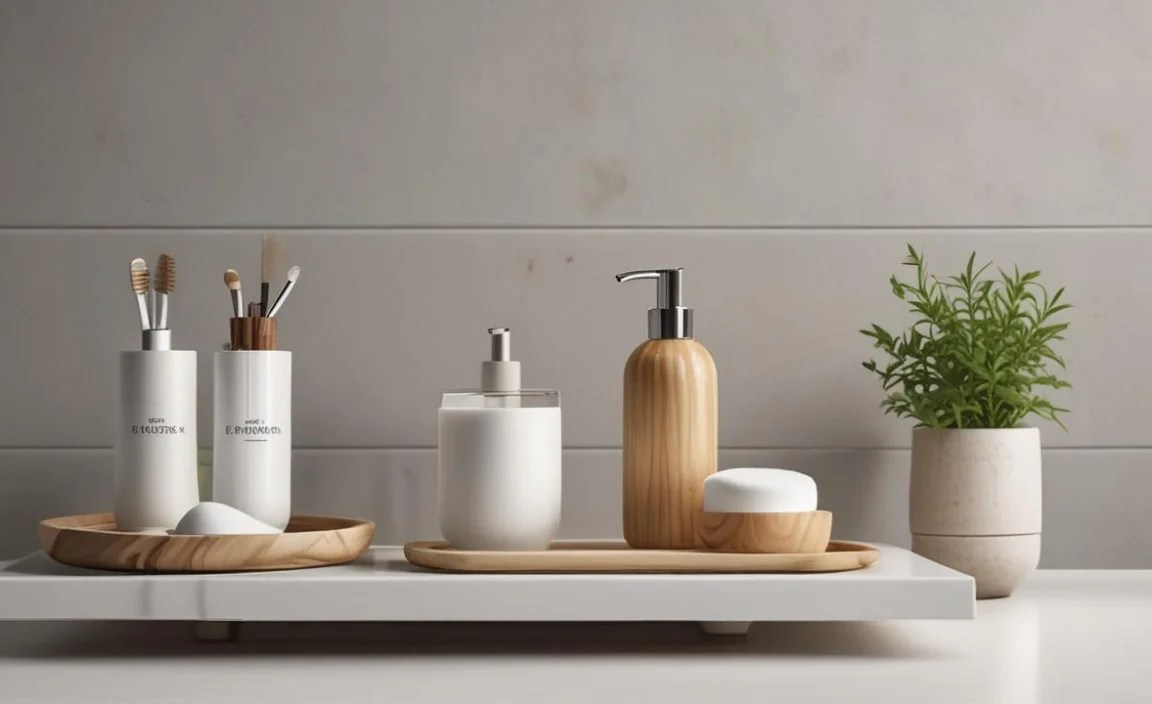
Understanding the materials used in your bathroom products is crucial for making eco-conscious choices. Here’s a closer look at common sustainable options.
Bamboo
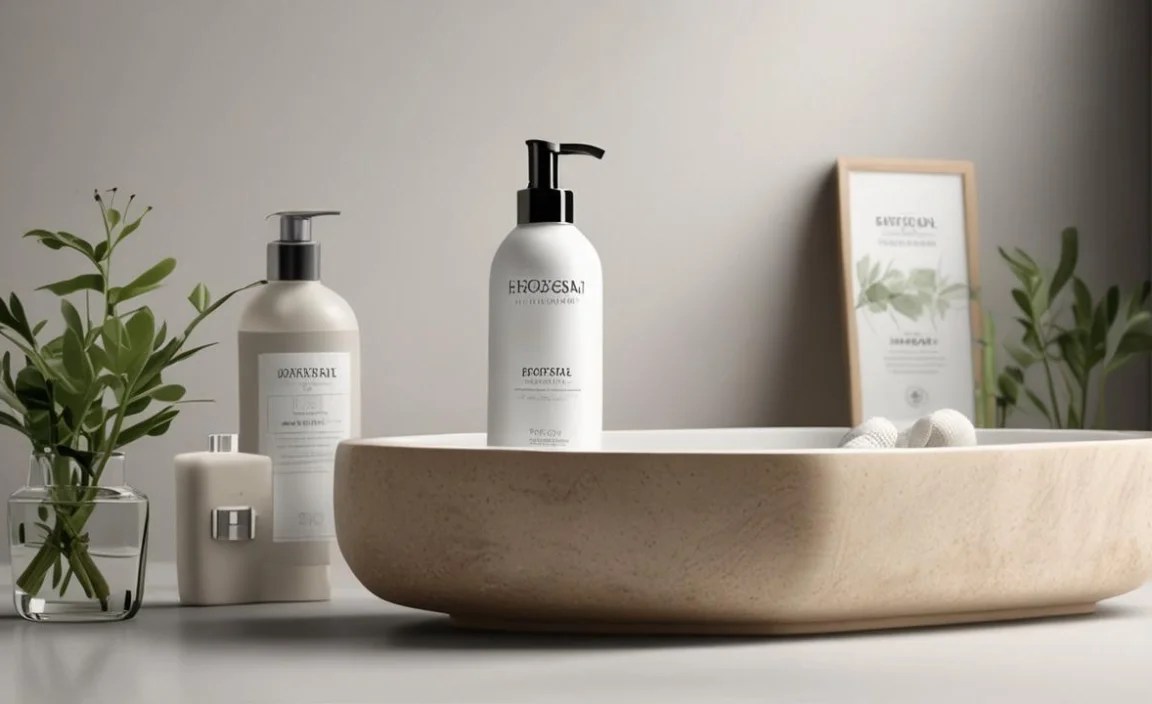
Bamboo is a rapidly renewable resource that grows quickly and requires minimal water and no pesticides. It’s strong, durable, and has natural antimicrobial properties. Look for bamboo products that are sealed with non-toxic, water-based finishes.
- Pros: Sustainable, strong, lightweight, naturally resistant to bacteria.
- Cons: Can be susceptible to mold if not dried properly; may stain over time; finished products might not be compostable.
Glass
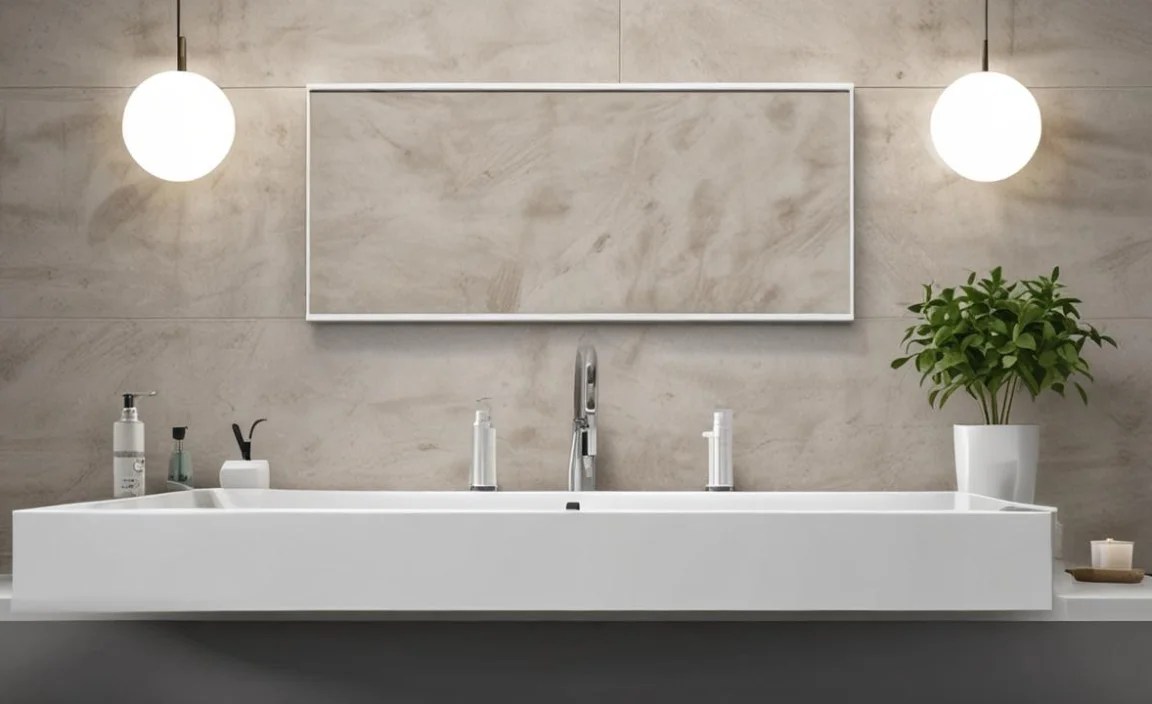
Glass is endlessly recyclable and made from abundant natural materials like sand. It’s non-porous, easy to clean, and doesn’t leach chemicals. Choose tempered glass for added durability, or recycled glass for an extra eco-friendly touch.
- Pros: Recyclable, non-porous, hygienic, aesthetically pleasing, durable if tempered.
- Cons: Can break if dropped; heavier than plastic.
Ceramic/Porcelain
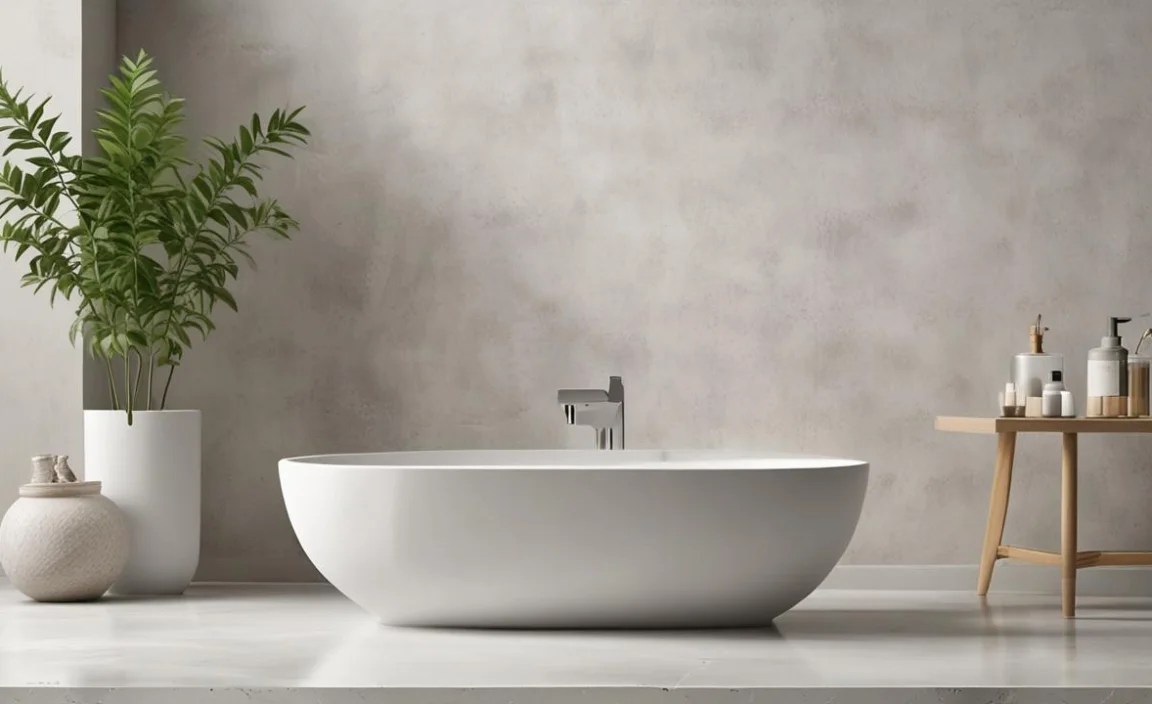
These are durable, natural materials fired at high temperatures. They are non-porous, easy to clean, and long-lasting. While not always made from recycled content, their longevity makes them a sustainable choice.
- Pros: Durable, easy to clean, elegant look, long-lasting.
- Cons: Can chip or break if dropped; heavier.
Stainless Steel
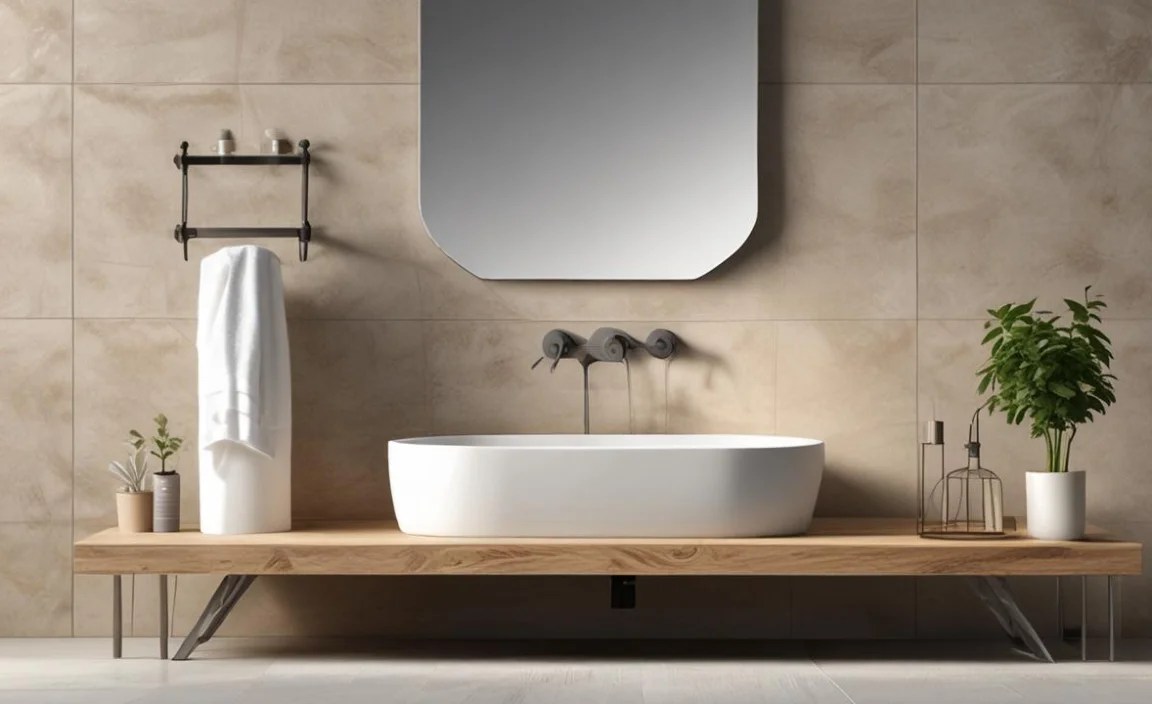
Stainless steel is a durable alloy that is highly recyclable. It’s resistant to corrosion and easy to clean, making it a hygienic option for bathroom accessories. Look for brushed or matte finishes which can hide water spots.
- Pros: Very durable, hygienic, recyclable, modern look.
- Cons: Can show fingerprints (depending on finish); can be more expensive initially.
Recycled Plastics (RPET, etc.)
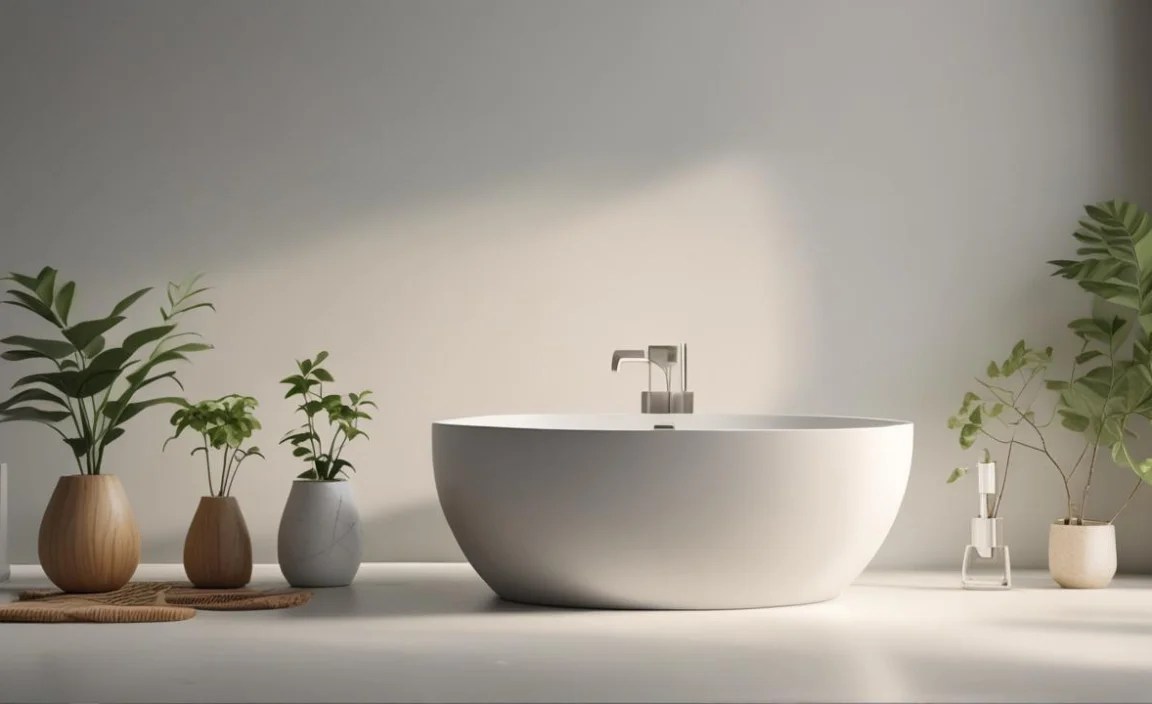
Using recycled plastics helps divert waste from landfills and reduces the demand for virgin plastic production. Look for products made from post-consumer recycled (PCR) materials. These are often lightweight and come in various colors and finishes.
- Pros: Diverts waste, reduces reliance on virgin resources, often affordable and lightweight.
- Cons: Quality and durability can vary; not always as aesthetically pleasing as natural materials; potential for microplastic shedding over time (though less than virgin plastic).
Organic Cotton & Natural Fibers (Hemp, Jute, Cork)

For items like bath mats or certain storage solutions, these materials are excellent. Organic cotton is grown without harmful pesticides, while hemp and jute are fast-growing, low-impact crops. Cork is harvested from bark without harming the tree.
- Pros: Renewable, biodegradable, often soft and comfortable (cotton), adds natural texture.
- Cons: Can be more expensive; may require specific care (e.g., natural fiber rugs might not be machine washable); can absorb moisture and require thorough drying.
Style Inspiration: Matching Sets for Every Bathroom Aesthetic

An eco-friendly bathroom products matching set isn’t just about sustainability; it’s a powerful tool for defining your bathroom’s style. Here are a few ideas:
1. Minimalist & Modern
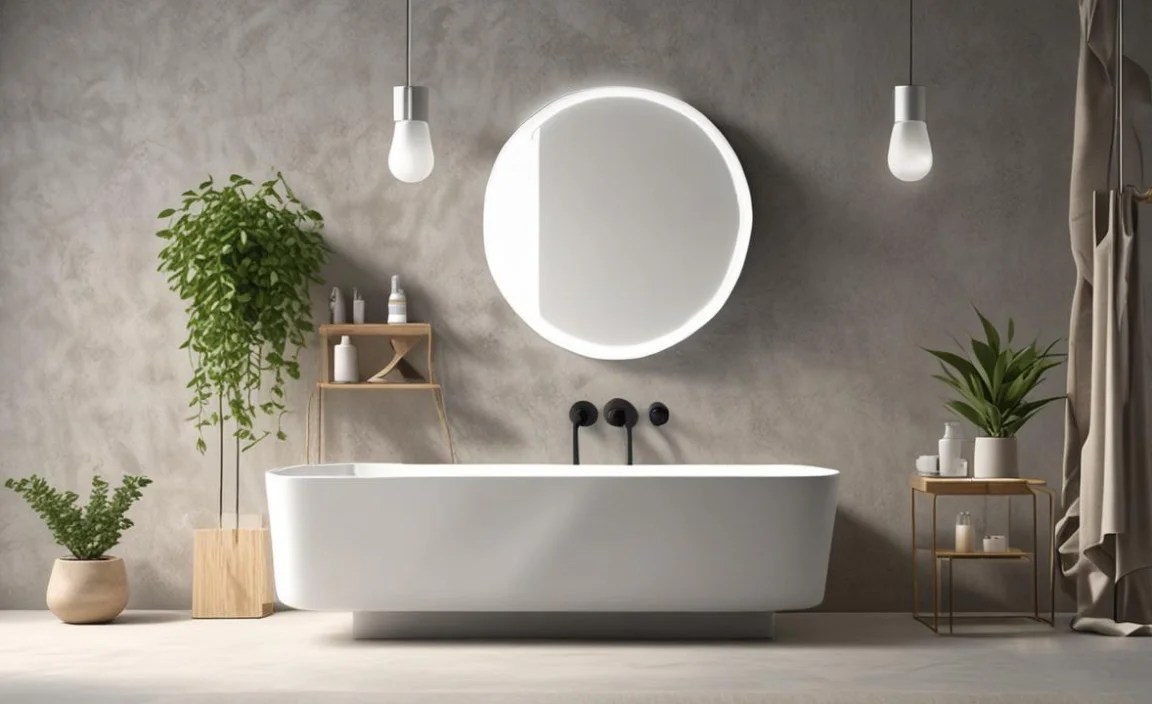
- Materials: Matte black or brushed stainless steel, clean white ceramic, clear glass.
- Look: Sleek lines, simple forms, and a monochromatic color scheme.
- Key Pieces: A rectangular stainless steel trash can, a simple ceramic soap dispenser and toothbrush holder, a clear glass tumbler.
- Why it works: Reduces visual clutter, feeling calm and organized. For more on minimalist design principles, consider resources from design institutes like UPenn’s Weitzman School of Design which often explores principles of minimalist expression.
fi>
2. Spa-Like & Serene
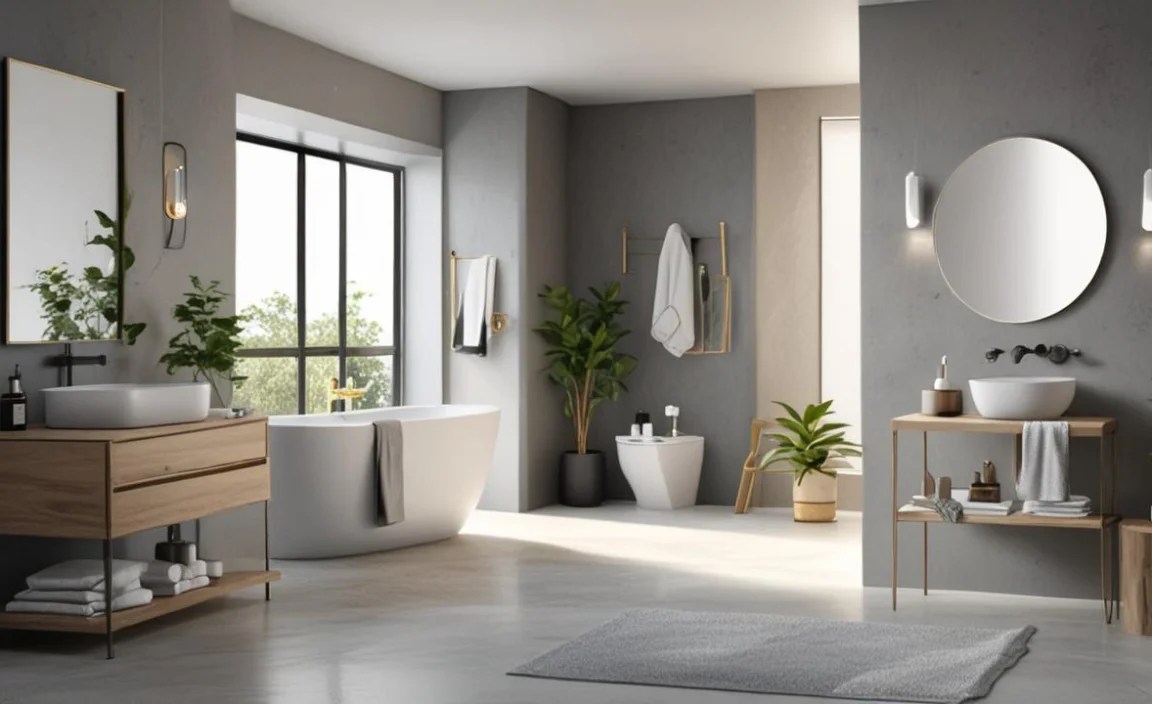
- Materials: Natural wood (like bamboo or teak), muted earth tones (beige, cream, soft grey), frosted glass.
- Look: Soft textures, gentle curves, and a neutral, calming palette.
- Key Pieces: Bamboo toothbrushes and holders, a frosted glass soap dispenser, a natural fiber bath mat (e.g., woven cotton or jute), a wooden tray to organize items.
- Why it works: Creates an oasis of relaxation, bringing the tranquility of nature indoors.
3. Bohemian & Earthy
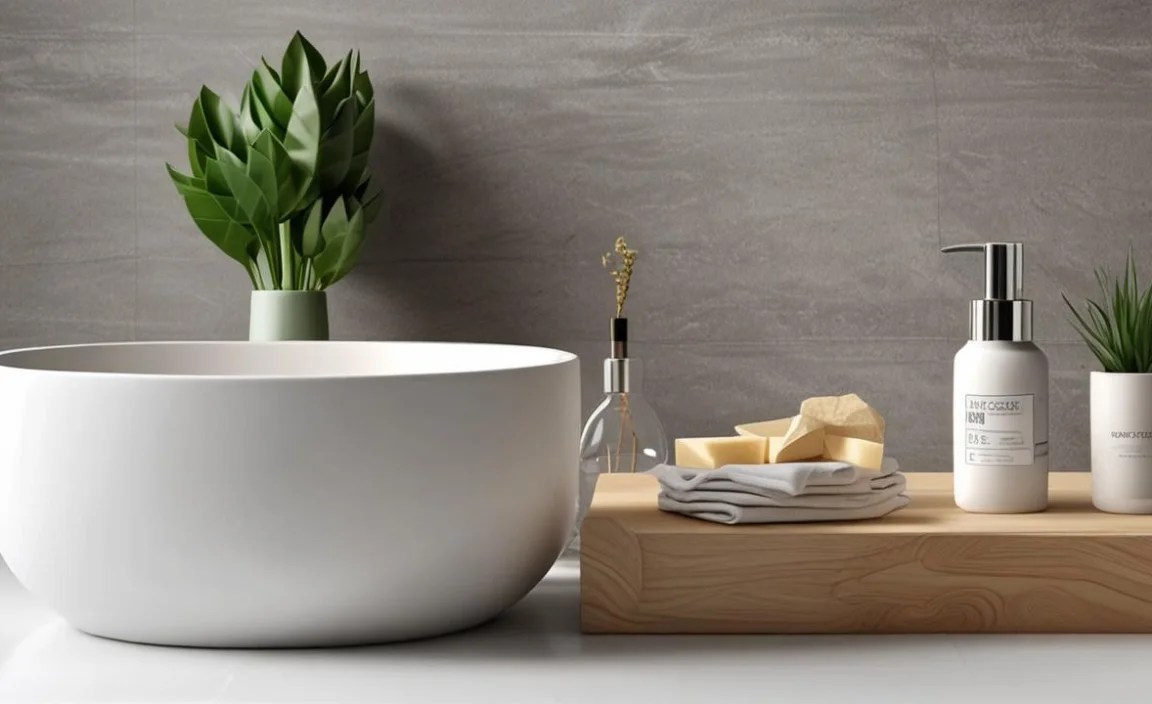
- Materials: Terracotta, natural wood, woven baskets, textured ceramics, recycled glass.
- Look: Warm colors, organic shapes, and handcrafted details.
- Key Pieces: A textured ceramic soap dispenser, wooden toothbrush holder, a woven laundry hamper, a bath mat in a natural fiber like hemp or cork.
- Why it works: Adds personality and warmth, feeling grounded and inviting.
4. Coastal & Breezy
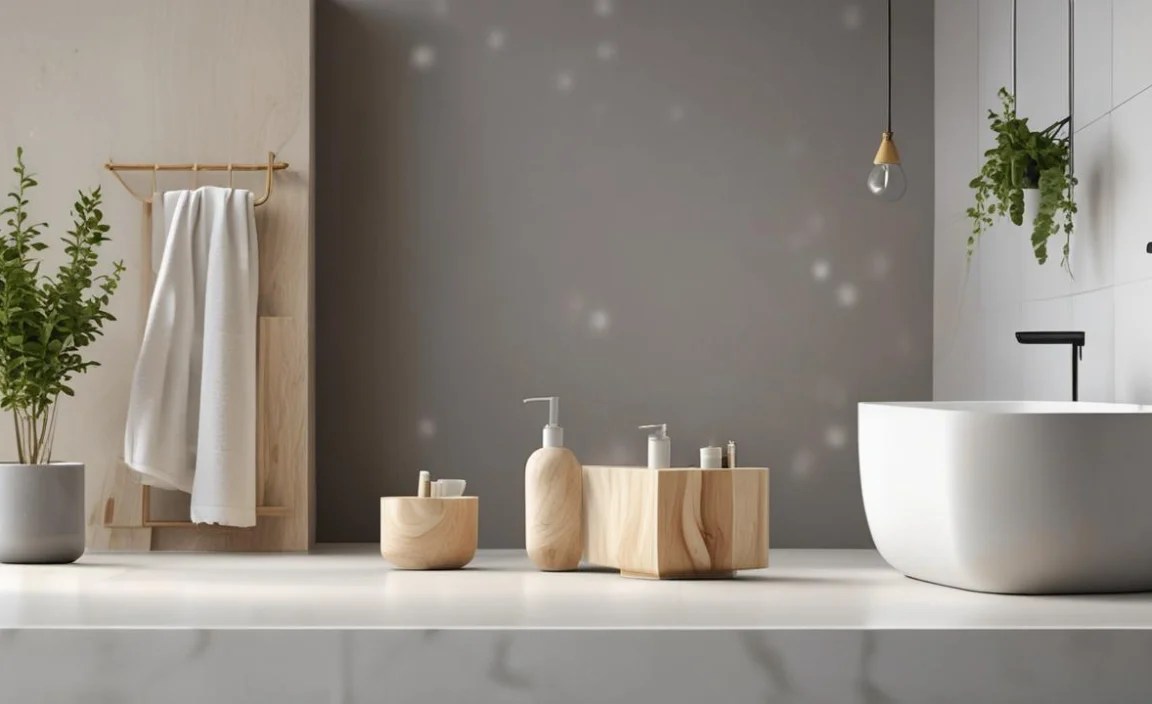
- Materials: Light woods (driftwood finish), white or light blue ceramic, natural rope accents, clear glass.
- Look: Light, airy, and inspired by the sea.
- Key Pieces:
