
Transform your bathroom into a sustainable sanctuary with premium eco-friendly products! Make simple swaps for a greener, healthier home and planet, proving that luxury and sustainability go hand-in-hand. Learn how easy it is to create an eco-conscious bathroom today.
Is your bathroom a place of relaxation or a hidden source of waste? Many of us don’t realize how many everyday items in our bathrooms contribute to environmental harm. From single-use plastics to harsh chemicals, these can affect both our planet and our personal well-being. But don’t worry! Creating a sustainable bathroom doesn’t mean sacrificing comfort or style. It’s about making smart, informed choices. With a few simple upgrades, you can turn your bathroom into a truly eco-friendly haven that feels as good as it looks. Let’s dive into how you can achieve this with premium, sustainable products.
Why Choose Premium Eco-Friendly Bathroom Products?

Opting for premium eco-friendly bathroom products is more than just a trend; it’s a conscious decision to support a healthier lifestyle and a healthier planet. When we talk about “premium” in this context, we mean high-quality, thoughtfully designed items that are built to last and perform exceptionally well, all while minimizing their environmental footprint. This approach often translates to items made from sustainable or recycled materials, biodegradable components, and produced with ethical labor practices. It’s about investing in products that align with your values and contribute positively to your home and the world.
Think about the impact of our everyday bathroom routines. We use water, energy, and consume various products that eventually end up in landfills or waterways. By choosing premium eco-friendly alternatives, you’re actively reducing this impact. These products are often designed to be durable, reusable, or compostable, significantly cutting down on waste. Furthermore, many are formulated with natural, non-toxic ingredients, making them safer for your family and gentler on the environment. You get a superior experience with a clear conscience.
Reducing Your Bathroom’s Environmental Footprint
The bathroom is a prime spot for making eco-conscious changes. It’s a functional space that often relies on disposable items and resource-intensive processes. Here’s where premium eco-friendly products make a real difference:
- Waste Reduction: Many conventional bathroom products come in excessive plastic packaging or are designed for single use. Eco-friendly options often feature refillable systems, reusable designs, or biodegradable materials, dramatically cutting down landfill waste.
- Water Conservation: While not strictly a “product,” choosing water-efficient fixtures and understanding water usage within the bathroom is key to sustainability. Some eco-friendly brands also promote water-saving formulations in their products.
- Chemical Safety: Traditional cleaners and personal care items can contain harsh chemicals that pollute water systems and can be harmful to human health. Premium eco-friendly products typically use plant-based, biodegradable, and non-toxic ingredients.
- Sustainable Sourcing: Reputable eco-friendly brands are transparent about where their materials come from, often prioritizing recycled content, sustainably harvested resources, and ethical manufacturing processes.
- Energy Efficiency: Though less common for products themselves, the manufacturing and shipping of eco-friendly goods often aim for lower energy consumption, aligning with broader sustainability goals.
Essential Premium Eco-Friendly Bathroom Product Categories

Ready to make the switch? Here are some key areas in your bathroom where you can introduce premium eco-friendly products, along with what makes them stand out:
1. Sustainable Personal Care Products
This is often the easiest place to start! Think about what you use daily for cleaning yourself. Premium eco-friendly options elevate your self-care routine while being kind to the planet.
- Shampoo & Conditioner Bars: Say goodbye to plastic bottles! These concentrated bars last a long time and are often made with natural, nourishing ingredients. They lather beautifully and deliver excellent results. Look for bars free from sulfates, parabens, and synthetic fragrances. Brands often use compostable or paper packaging.
- Bamboo Toothbrushes: With billions of plastic toothbrushes ending up in landfills each year, a bamboo toothbrush is a simple, effective swap. Bamboo is a rapidly renewable resource. Opt for brushes with plant-based bristles and biodegradable handles.
- Natural Soaps & Body Washes: Many artisanal and eco-friendly brands offer beautiful, handcrafted soaps made with organic oils and essential scents. They come in minimal, often compostable packaging. Liquid body washes are available in refillable glass bottles or concentrated formulas.
- Reusable Cotton Rounds & Wipes: Ditch the disposable cotton balls and facial wipes. Invest in soft, washable organic cotton rounds or cloths. They can be used for cleansing, makeup removal, or toning and simply tossed in the laundry.
- Natural Deodorants: Many natural deodorants come in cardboard tubes or refillable aluminum containers, avoiding plastic roll-ons and aerosol cans. They use plant-based ingredients to keep you feeling fresh.
2. Eco-Conscious Cleaning Supplies
Keeping your bathroom sparkling clean shouldn’t come at the expense of the environment.
- Concentrated or Refillable Cleaners: Many brands now offer powerful cleaning solutions in concentrated pods or tablets that you dissolve in water. You can then reuse your original spray bottle, vastly reducing plastic waste.
- Biodegradable Scouring Pads & Sponges: Look for sponges made from natural cellulose, loofa, or coconut husk. These break down naturally after their lifespan, unlike synthetic sponges.
- Plant-Based Toilet Bowl Cleaners: These cleaners use natural acids and enzymes to break down grime and odors without harsh chemicals that can harm aquatic life when flushed.
- Reusable Cleaning Cloths: Invest in high-quality microfiber cloths made from recycled materials, or opt for organic cotton or bamboo cloths. They are durable and can be washed and reused hundreds of times.
3. Sustainable Bathroom Accessories & Fixtures
Even the items you use less frequently can make a big eco-friendly statement. These are often premium pieces designed for longevity.
- Recycled or Sustainable Materials: Look for items like waste bins, soap dishes, and toothbrush holders made from recycled glass, reclaimed wood, bamboo, or recycled plastic.
- Water-Saving Fixtures: While a larger investment, upgrading to low-flow showerheads and toilets can significantly reduce water consumption over time. Many modern designs are stylish and highly effective. For instance, the EPA’s WaterSense program offers guidance and lists certified products that save water without sacrificing performance.
- Bamboo or Cork Bath Mats: These natural materials are sustainable and offer a spa-like feel. Bamboo is naturally moisture-resistant and durable, while cork is lightweight, antimicrobial, and biodegradable.
- Compostable or Recycled Toilet Paper: Choose toilet paper made from 100% recycled content or sustainably managed bamboo. Many brands also offer plastic-free packaging.
Making the Switch: A Step-by-Step Guide
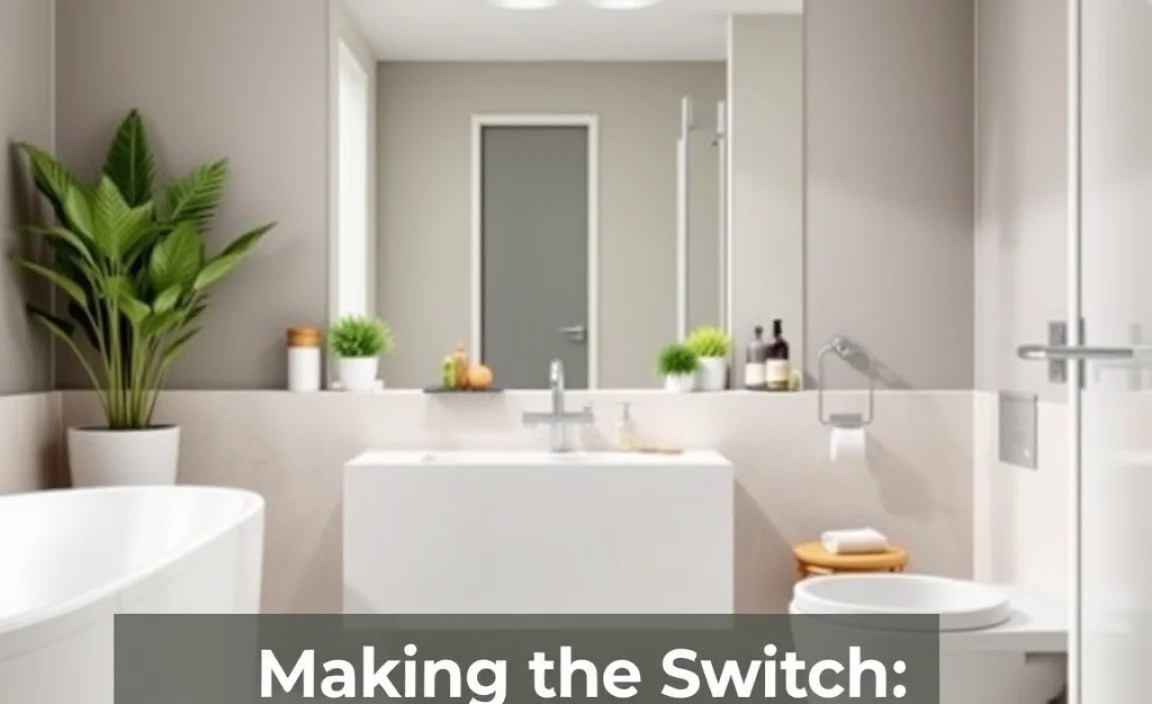
Transitioning to an eco-friendly bathroom doesn’t have to be overwhelming. Here’s a simple, step-by-step approach:
Step 1: Assess Your Current Bathroom
Walk through your bathroom and identify all the products you use regularly. Make a list. Pay attention to what’s disposable, what’s made of plastic, and what ingredients are listed on your cleaning supplies and personal care items. This audit will help you pinpoint the areas with the most potential for eco-friendly upgrades.
Step 2: Prioritize Your Swaps
You don’t need to replace everything at once. Start with the easiest or most impactful changes. Common starting points include:
- Switching to a bamboo toothbrush.
- Trying shampoo and conditioner bars.
- Replacing disposable cotton rounds with reusable ones.
- Opting for natural, biodegradable cleaning sprays or concentrates.
Step 3: Research and Choose Premium Brands
When looking for premium eco-friendly products, consider these factors:
- Materials: Are they made from recycled, renewable, or biodegradable materials?
- Packaging: Is the packaging minimal, recyclable, compostable, or plastic-free?
- Ingredients: Are they natural, non-toxic, and sustainable? Avoid SLS, parabens, phthalates, and synthetic fragrances.
- Certifications: Look for certifications like USDA Organic, Fair Trade, B Corp, or Leaping Bunny (cruelty-free).
- Longevity & Quality: Premium products are designed to last, offering better value and reducing the need for frequent replacements.
For tools and DIY accessories that might be needed for installation or maintenance of certain bathroom fixtures, resources like Fine Homebuilding offer expert advice and reviews on quality tools and materials.
Step 4: Implement Gradually
As your current products run out, replace them with your chosen eco-friendly alternatives. This makes the transition financially manageable and prevents you from discarding perfectly good items just to go green.
Step 5: Maintain and Reuse
For reusable items like cotton rounds, cloths, or refillable containers, make sure you have a good system for cleaning and storage. For example, keep a small mesh bag in your shower to collect used cotton rounds until laundry day. For cleaning supplies, always ensure you follow instructions for refilling or diluting.
Step 6: Dispose Responsibly
Understand how to properly dispose of your eco-friendly products. If a product is compostable, ensure you have a composting system. If materials are recyclable, make sure they go into the correct bin. This final step closes the loop on your sustainable choices.
The Benefits of a Sustainable Bathroom

Beyond the environmental advantages, embracing premium eco-friendly bathroom products brings several personal benefits:
- Healthier Living Space: Reducing exposure to harsh chemicals in cleaning products and personal care items can lead to better indoor air quality and fewer skin irritations. Natural ingredients can be more nourishing and gentler on your body.
- Cost Savings Over Time: While some premium eco-friendly products might have a higher upfront cost, their durability, reusability, and concentrated nature often mean you spend less in the long run. For example, a set of reusable cotton rounds can last for years, saving you money on countless disposable packs.
- Elevated Aesthetics and Experience: Many eco-friendly brands focus on beautiful, minimalist design. Natural materials like bamboo, wood, and glass can lend a spa-like, calming aesthetic to your bathroom. The “premium” aspect often means higher quality materials and better performance, leading to a more enjoyable user experience.
- Supporting Ethical Businesses: Many companies committed to eco-friendly practices also prioritize ethical labor, fair wages, and community support, allowing you to align your purchasing power with your values.
- Inspiring Others: Your sustainable choices can subtly influence friends and family, encouraging them to consider their own environmental impact.
Challenges and How to Overcome Them
Despite the growing popularity, there can be a few hurdles when adopting eco-friendly bathroom products. Let’s look at them and how to tackle them:
Challenge 1: Higher Initial Cost
Problem: Some premium eco-friendly products can seem expensive compared to their mainstream, disposable counterparts.
Solution: Focus on the “premium” aspect as an investment. High-quality, durable, and concentrated products often last longer, meaning you’ll buy them less frequently. Prioritize gradual swaps rather than a complete overhaul, and look for multi-buy discounts or subscribe-and-save options from reputable brands.
Challenge 2: Performance Concerns
Problem: There can be a misconception that natural or eco-friendly products are less effective.
Solution: This is often not the case with premium products. Brands invest in researching and developing effective natural formulations. Read reviews, try samples if available, and start with products where performance is less critical (like bamboo toothbrushes) before moving to cleansers or personal care where performance is paramount.
Challenge 3: Availability and Accessibility
Problem: Not all eco-friendly products are readily available in every local store.
Solution: The e-commerce revolution has made it easier than ever to find specialized products online. Many dedicated eco-friendly retailers and brand websites ship directly to consumers. Build a list of trusted online stores and brands you can reorder from.
Challenge 4: Consumer Confusion
Problem: “Greenwashing” (companies misleading consumers about their environmental claims) can make it hard to identify truly eco-friendly products.
Solution: Do your research. Look for third-party certifications, read company mission statements, and investigate their ingredient sourcing and manufacturing processes. Reputable brands are transparent and proud of their sustainable practices.
A Comparative Look: Conventional vs. Eco-Friendly Bathroom Products
To truly understand the value of premium eco-friendly bathroom products, let’s compare them with their conventional counterparts. This table highlights key differences:
| Feature | Conventional Products | Premium Eco-Friendly Products |
|---|---|---|
| Materials & Packaging | Often virgin plastic; excessive packaging; non-recyclable materials. | Recycled, biodegradable, or renewable materials; minimal, recyclable, or compostable packaging. |
| Ingredients | Harsh chemicals (e.g., sulfates, parabens, phthalates, synthetic fragrances), petroleum-based ingredients. | Plant-based, natural, non-toxic, biodegradable ingredients; essential oils for scent. |
| Lifespan & Reusability | Often single-use or short lifespan; designed for disposal. | Durable, reusable, refillable, or compostable; designed for longevity. |
| Environmental Impact | High waste generation, water pollution, carbon footprint from production and transport. | Reduced waste, less water pollution, lower carbon footprint, supports sustainable resources. |
| Health Impact | Potential for skin irritation, respiratory issues; exposure to endocrine disruptors. | Gentler on skin and respiratory system; fewer toxins. |
| Cost-Effectiveness | Low upfront cost, but higher long-term cost due to frequent repurchases and waste disposal. | Higher upfront cost, but lower long-term cost due to durability and reusability. |
| Brand Ethics | Varies widely; often focused on mass production and profit. | Often prioritize sustainability, ethical labor, transparency, and smaller-batch/artisanal production. |
FAQ: Your Eco-Friendly Bathroom Questions Answered
Q1: What does “premium eco-friendly” mean for bathroom products?
A1: It means high-quality, durable, and effective products made with sustainable materials, ethical practices, and minimal environmental impact, offering a superior user experience compared to basic eco-options.
Q2: Are eco-friendly bathroom products more expensive?
A2: Initially, some premium eco-friendly products may have a higher price tag. However, their longevity, reusability, and concentrated formulas often make them more cost-effective over time, saving you money on frequent replacements.
Q3: How do I know if an eco-friendly product is truly sustainable?
A3: Look for transparent brands that provide information on sourcing, materials, and manufacturing. Certifications like B Corp, USDA Organic, or Leaping Bunny can also be good indicators of genuine commitment to sustainability and ethical practices.
Q4: Can I find effective eco-friendly all-purpose cleaners for the bathroom?
A4: Yes! Many premium eco-friendly brands offer powerful, plant-based cleaners in concentrated or refillable formats. They are designed to tackle common bathroom grime effectively without harsh chemicals.
Q5: What’s the easiest first step to making my bathroom more eco-friendly?
A5: A simple swap like switching to a bamboo toothbrush or trying shampoo and conditioner bars is an easy and impactful way to start. Replacing disposable cotton pads with reusable ones is also a great beginning touchpoint.
Q6: Are refillable products safe and hygienic for the bathroom?
A6: Absolutely. Reputable brands design refillable systems with hygiene in mind, often using glass or durable, BPA-free plastics. Proper cleaning and care of the primary container ensure continued safety and hygiene.
Q7: Where can I find reliable information about sustainable home products?
A7: Look to reputable consumer guides, environmental organizations, and blogs focused on sustainable living. For DIY and home improvement aspects, resources like Energy Star for efficient fixtures and DIY focused sites can be very helpful.
