
Dive into the world of exhaust fans with this practical plumbing guide! Learn how they work in your home, why they’re crucial for moisture control, and how to maintain them, ensuring a healthier and more comfortable living space. This guide simplifies everything, making expert insights easy to understand and apply.
Dealing with that persistent bathroom steam or cooking smells can be a real headache. You know that little fan in your bathroom ceiling or kitchen hood is there for a reason, but how exactly does it connect to your home’s plumbing and overall health? It’s more important than you might think! An exhaust fan is your first line of defense against excess moisture, mold growth, and stale air. This guide is here to demystify exhaust fans, turning confusing terms into simple actions. We’ll walk through what these fans do, why they’re vital for your plumbing and home health, and how you can keep them running smoothly. Get ready to feel confident about this essential home feature!
Understanding Your Exhaust Fan: The Basics
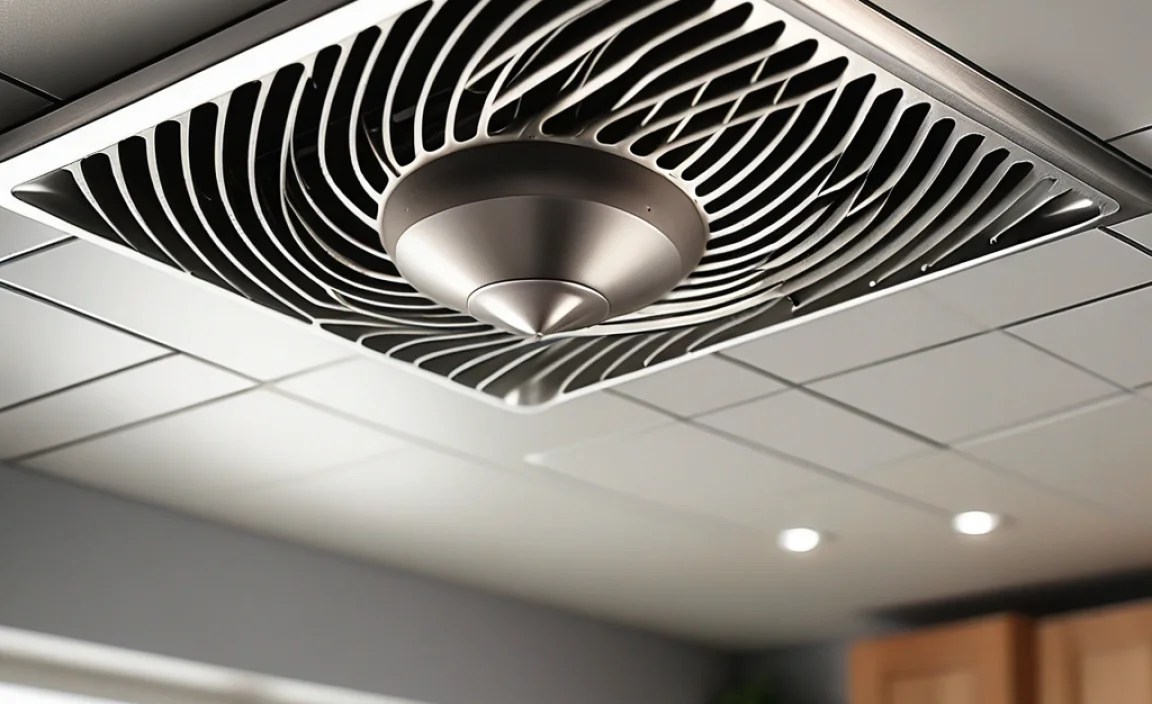
An exhaust fan might seem like a simple appliance, but it plays a crucial role in maintaining your home’s air quality and protecting its structure. Think of it as your home’s lungs, breathing out the bad stuff and bringing in fresher air. This process is particularly important in areas prone to moisture, like bathrooms and kitchens, where cooking, showering, and bathing can create a significant amount of humidity.
At its core, an exhaust fan works by drawing air from a room and expelling it outside your home. This isn’t just about removing odors; it’s about preventing serious moisture-related problems that can affect your plumbing, walls, and overall indoor environment. Improper ventilation can lead to condensation, which in turn can foster mold and mildew growth. Mold can damage surfaces, cause respiratory issues, and create an unpleasant living space. Plus, excessive moisture can eventually degrade building materials, potentially impacting the integrity of your home’s structure over time.
How Exhaust Fans Work with Your Plumbing System
While an exhaust fan doesn’t directly connect to your water pipes or drain lines like a sink or toilet, its function is intrinsically linked to the health of your plumbing system. How? By managing moisture. Let’s break it down:
- Moisture Control: Bathrooms and kitchens are the hubs of water usage. Showers, baths, boiling water, and dishwashing all release a lot of water vapor into the air. Without proper ventilation, this humid air settles on surfaces.
- Condensation Prevention: When warm, moist air comes into contact with cooler surfaces (like walls, ceilings, or pipes), it condenses into water droplets. This is similar to how a cold glass of water gets “sweaty” on a warm day.
- Damage Mitigation: This condensation can be a silent enemy. It can seep into porous materials like drywall and wood, creating the perfect environment for mold and mildew to thrive. Over time, this moisture can also corrode metal components, including parts of your plumbing or the framing around your pipes.
- Air Exchange: Exhaust fans create negative pressure within a room. This means more air is being pushed out than is coming in, so fresh air is drawn in from other parts of your home (often through small gaps or vents), helping to equalize humidity levels and improve overall air circulation.
So, while your exhaust fan isn’t a pipe fitting, its job of removing moist air is a critical step in protecting your plumbing infrastructure and the building materials surrounding it from the damaging effects of excess humidity.
Why Proper Ventilation is Key for Your Home

Good ventilation goes beyond just making your home smell pleasant; it’s a fundamental aspect of home maintenance that significantly impacts health, comfort, and the longevity of your property. In areas like bathrooms and kitchens, where water is used extensively, ventilation becomes even more critical. Let’s explore the key benefits:
Health Benefits
- Reducing Mold and Mildew: This is perhaps the most significant health benefit. Mold thrives in damp, dark environments. Exhaust fans help to keep humidity levels low, making it much harder for mold and mildew to grow on walls, ceilings, and in tight spaces. Mold spores can trigger allergies, asthma, and other respiratory problems in sensitive individuals.
- Improving Air Quality: Beyond moisture, bathrooms and kitchens can accumulate various airborne contaminants. Cooking fumes, cleaning product VOCs (Volatile Organic Compounds), and even airborne bacteria can be quickly vented out, leading to cleaner, healthier air.
- Preventing Pesky Pests: High humidity can attract certain types of pests, such as silverfish, which are drawn to damp environments. Reducing moisture helps make your home less inviting to them.
Structural and Plumbing Benefits
- Protecting Building Materials: Continuous exposure to moisture can cause wood to rot, drywall to crumble, and paint to peel. This can lead to costly repairs and weakening of your home’s structure.
- Preventing Corrosion: Metal components, including plumbing pipes and fixtures, can corrode faster in humid conditions. While this is a slower process, consistent moisture can accelerate wear and tear.
- Reducing Condensation on Pipes: In humid environments, cold water pipes can develop condensation. While usually minor, significant condensation can drip and cause water damage over time or contribute to mold growth around pipe joints. Effective ventilation helps keep the air drier, reducing this effect.
- Maintaining Energy Efficiency: While it might seem counterintuitive, a well-working exhaust fan can indirectly contribute to energy efficiency. For instance, preventing moisture buildup in attics or crawl spaces that are sometimes vented via specific systems can reduce heat loss or gain. More directly, it prevents the need for energy-intensive solutions to fix severe mold or rot damage.
Comfort and Aesthetics
- Faster Drying: Steam from showers dissipates quicker, allowing bathrooms to feel more comfortable and less “muggy.”
- Odor Elimination: Cooking smells, pet odors, and general staleness are efficiently removed, keeping your home smelling fresh.
- Preventing Foggy Mirrors and Windows: A common annoyance in bathrooms is mirrors and windows fogging up. Exhaust fans clear this condensation rapidly.
Investing in and properly maintaining your exhaust fan is an investment in the health of your home and its inhabitants. It’s a simple yet powerful tool in your home maintenance arsenal.
Types of Exhaust Fans

Not all exhaust fans are created equal. They vary in power, features, and installation type. Understanding these differences can help you choose the right fan for your needs, whether you’re replacing an old one or installing a new system. Here’s a look at the common types:
1. Standard Ceiling/Wall Mount Exhaust Fans
These are the most common types found in residential bathrooms and kitchens. They are typically installed in the ceiling, ducted to the outside. Some smaller versions might be installed directly into a wall, venting outward.
- Pros: Cost-effective, widely available, easy to replace.
- Cons: Can be noisy, varying efficiency, may require ductwork that can be complex to install or upgrade.
2. Integrated Fan/Light/Heater Units
These combination units offer more than just ventilation. They combine an exhaust fan with a light fixture, and sometimes even a heating element, providing multiple functions in a single installation point.
- Pros: Space-saving, convenient, adds comfort (heater) and functionality (light).
- Cons: Can be more expensive than standard fans, if one component fails, the whole unit might need servicing.
3. Inline Exhaust Fans
Also known as remote exhaust fans, these are installed within the ductwork itself, often in an attic or crawl space, rather than directly in the room’s ceiling. The fan unit is hidden, and only a visible vent grille (sometimes with a light) is seen in the room.
- Pros: Significantly quieter operation in the room, can be more powerful, flexible placement.
- Cons: More complex installation due to remote location, potentially higher cost, maintenance might require accessing less accessible areas.
4. Broan Ventilation Fans (and similar brands)
While Broan is a brand name, they are so prevalent that their name is often used generically. They offer a wide range of fans, including those mentioned above, known for reliability and various features like quiet operation (measured in Sones) and higher airflow (measured in Cubic Feet per Minute, or CFM).
5. Kitchen Range Hoods
These are specifically designed for kitchens, usually mounted over the stovetop. They capture cooking fumes, steam, and grease. They can be ducted externally or recirculating (using filters to clean the air before returning it to the kitchen).
- Pros: Specifically designed for heavy-duty kitchen ventilation, helps remove grease particles to protect kitchen surfaces.
- Cons: Can be more expensive, require proper installation, filter maintenance is crucial for recirculating models.
Choosing the Right Fan: Key Metrics
When selecting an exhaust fan, two main specifications are important:
- CFM (Cubic Feet per Minute): This measures how much air the fan can move. For bathrooms, a general rule is 1 CFM per square foot of room area. For kitchens, higher CFM is usually needed, especially with larger or gas stoves. You can find CFM ratings on the fan’s packaging or specification sheet. The U.S. Department of Energy recommends specific ventilation rates.
- Sone: This unit measures the sound level of the fan. A lower sone rating means a quieter fan. For living areas like bathrooms, aiming for 0.5 to 1.5 sones is ideal for minimal noise disruption.
Understanding these types and metrics empowers you to make an informed decision, ensuring your chosen fan effectively addresses your home’s ventilation needs.
Essential Plumbing Insights: How Exhaust Fans Protect Your Pipes and Home

You might not think of your exhaust fan as a plumbing accessory, but its role in managing moisture is directly tied to protecting your home’s structure and plumbing. Let’s look at the specific ways it helps:
Preventing Condensation on Pipes
Bathrooms are filled with water – from showers, sinks, and toilets. When warm, humid air from a shower hits a cold surface, condensation forms. This includes the surface of cold water pipes (especially in unconditioned spaces like basements or crawl spaces, or even within walls).
- How the Fan Helps: By removing the bulk of warm, moist air, the exhaust fan significantly reduces the overall humidity in the room. This lowers the likelihood of the air coming into contact with cold pipes and condensing into water.
- Why it Matters: While minor condensation might evaporate quickly, persistent drips of water from pipes can lead to:
- Water Damage: Stains on ceilings and walls below, and damage to framing and insulation.
- Mold Growth: Damp areas around pipe penetrations are prime spots for mold.
- Corrosion: In some cases, constant moisture can accelerate corrosion on metal pipes and fittings.
Avoiding Mold and Mildew in Hidden Spaces
The moisture that isn’t vented out can find its way into wall cavities, behind tiles, under floors, and around plumbing penetrations (where pipes go through walls or floors). These are often dark, poorly ventilated areas perfect for mold and mildew.
- How the Fan Helps: Keeping humidity levels low with good ventilation prevents excessive moisture from entering these hidden spaces in the first place.
- Why it Matters: Mold and mildew can:
- Degrade Materials: Rot wood framing, damage drywall, and warp subflooring, requiring expensive repairs that often involve plumbing access.
- Affect Air Quality: Mold spores spread through your HVAC system and can cause significant health issues.
- Cause Structural Weakness: Persistent rot can compromise the structural integrity of parts of your home.
Protecting P-Traps and Drains
While less direct, improper ventilation can contribute to issues with your drains. If moisture levels are extremely high and not managed, it can create environments where odors from drains are more noticeable and persistent. Also, in very poorly ventilated and cold environments, moisture trapped in P-traps could potentially freeze and cause blockages. While this is rare for indoor plumbing due to insulation and ambient temperatures, controlling ambient moisture is always beneficial.
A Note on Ducting and Plumbing Connections (Indirectly)
The ductwork from your exhaust fan needs to vent outside. This ducting is often routed through walls, attics, or crawl spaces where your plumbing also runs. Sometimes, exhaust vents and plumbing vents might run in proximity. It’s important that the exhaust fan ducting is installed correctly and sealed to prevent moisture from leaking into these insulated or structural spaces.
- Professional Installation: For complex installations, especially ensuring proper sealing and insulation of ductwork near plumbing lines, consider consulting a professional. They understand how to integrate these systems without creating new problems for your plumbing or structure. Experts often recommend following building codes, which you can find guidelines for through organizations like the International Code Council (ICC) to ensure safe and compliant installation.
In essence, your exhaust fan acts as a silent guardian, working in tandem with your home’s infrastructure to keep moisture at bay, thereby safeguarding your plumbing, your walls, and your health.
DIY Installation and Maintenance: What You Need to Know
Proper installation and regular maintenance are key to ensuring your exhaust fan functions effectively and reliably for years to come. While some tasks are DIY-friendly, others might call for a professional. Always prioritize safety!
Installation Checklist (for DIYers considering it)
If you’re comfortable with basic home improvement tasks and electrical work, installing a new exhaust fan can be a rewarding project. However, if you’re unsure, hiring a licensed electrician or contractor is always the safest route.
Tools You Might Need:
- New exhaust fan unit (with mounting hardware)
- Drywall saw or utility knife
- Screwdrivers (Phillips and flathead)
- Pliers
- Wire stripper/cutter
- Voltage tester
- Measuring tape
- Stud finder
- Safety glasses
- Dust mask
- Caulking gun and sealant (for exterior vent)
- Optional: Fish tape (for pulling wires), reciprocating saw (if cutting joists needed, usually professional).
Basic Installation Steps:
- Safety First: Turn off the power to the circuit at your breaker box. Verify it’s off using a voltage tester.
- Locate and Cut Opening: Determine placement, then cut an opening in the ceiling for the fan housing. Use a template if provided.
- Install Housing: Insert the fan housing into the ceiling opening, securing it to the joists.
- Connect Ductwork: Attach the duct hose to the fan outlet and run it to the exterior vent location, ensuring minimal bends and a sealed connection.
- Install Exterior Vent: Cut a hole on the exterior wall or roof and install the vent cap, sealing it securely.
- Wire the Fan: Connect the fan to your home’s electrical wiring (refer to manufacturer’s instructions and local codes). This is often the most critical step and where professional help is recommended if you’re inexperienced.
- Install Grille/Light: Attach the decorative grille and any light coverings.
- Test: Turn the power back on and test the fan and light.
External Resource: For detailed electrical safety guidelines, consult the National Fire Protection Association (NFPA).
Regular Maintenance for Optimal Performance
An exhaust fan typically requires minimal maintenance, but a little care goes a long way. Neglected fans can become noisy, inefficient, and even a fire hazard.
What to Do:
- Clean the Grille: Dust and lint can accumulate on the grille, restricting airflow. Carefully remove the grille (check your manual for how) and wash it with warm, soapy water. Let it dry completely before reattaching.
- Check and Clean Fan Blades/Housing: Periodically (every 6-12 months), turn off power, remove the grille, and inspect the fan blades and housing for dust and debris. You can use a vacuum cleaner with a brush attachment or a damp cloth. Be gentle.
- Inspect Ductwork: Look for any signs of sagging, disconnected seams, or damage to the ductwork, especially where it connects to the fan and the exterior vent. Ensure the exterior vent flap opens and closes freely and isn’t blocked by debris.
- Listen for Unusual Noises: Grinding, rattling, or squealing sounds often indicate a bearing issue or something is loose. Address these promptly.
- Ensure Proper Venting: Make sure the exterior vent is free of obstructions like bird nests, leaves, or snow.
