
Exhaust fans work by quietly drawing stale, moist, or smoky air out of a room and expelling it outside, improving air quality and comfort in your home. They are genius essentials for kitchens, bathrooms, and laundry rooms, preventing moisture buildup, odors, and even helping to clear cooking fumes. Understanding their simple mechanism boosts your confidence in keeping your home fresh and healthy.
Ever wondered what that whirring sound in your bathroom or kitchen is really doing? It’s your exhaust fan, working hard to keep your home fresh. These unsung heroes are often overlooked, but they play a vital role in everyday comfort and home health. Without them, bathrooms can become steamy, kitchens can fill with cooking odors, and the air can feel generally stale. It’s a common household frustration, but understanding how these fans work is surprisingly straightforward. I’m Bryan Lee, and I’m here to break down the genius of exhaust fans for you. We’ll explore precisely how they function, why they’re so important, and how you can ensure yours is doing its best job. By the end of this guide, you’ll feel confident knowing this essential piece of home equipment is working efficiently for you.
Exhaust Fan How It Works: The Genius Behind Everyday Freshness
Exhaust fans are one of those home features that we often take for granted until they stop working or we notice a persistent problem like excess moisture or lingering cooking smells. But these simple devices are actually quite ingenious in their design and function. They are essential for maintaining a healthy and comfortable living environment. Let’s dive into the core of what makes an exhaust fan so effective.
The Basic Principle: Air Movement and Exchange
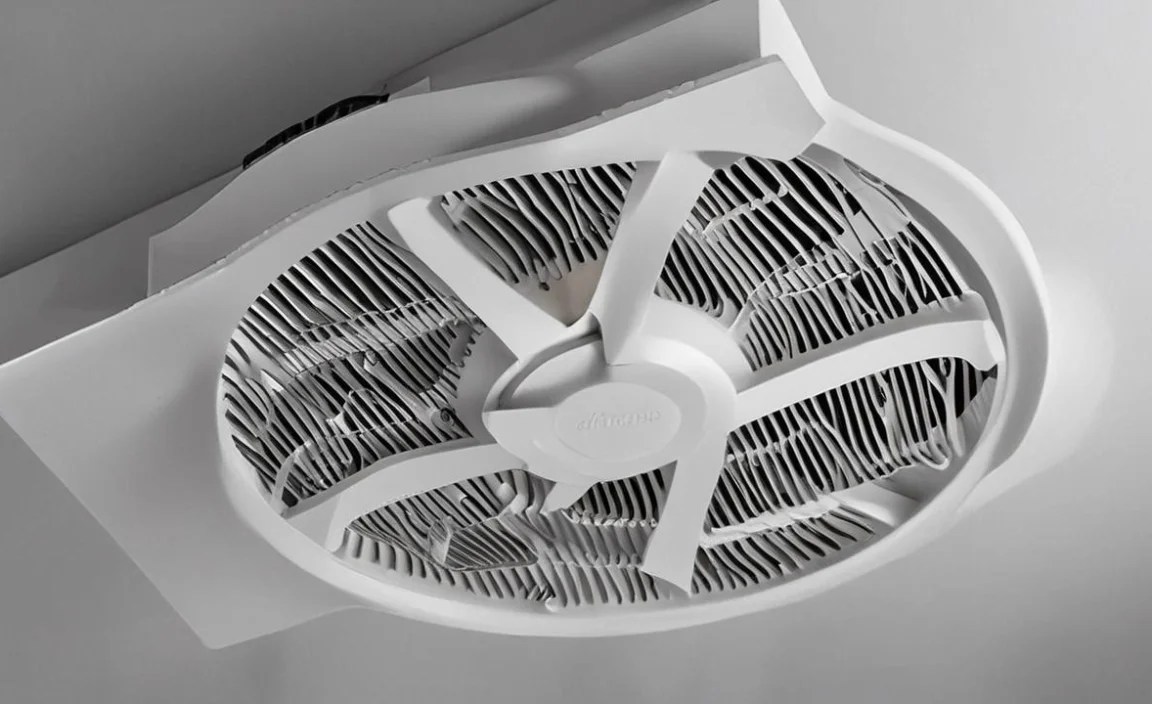
At its heart, an exhaust fan is designed to do one thing: move air from one place to another. Specifically, it takes the air from inside your home – the air you want to get rid of – and pushes it outside. This process is called ventilation, and it’s crucial for several reasons:
- Removing Moisture: Bathrooms and kitchens generate a lot of steam and humidity from showers, baths, cooking, and dishwashing. If this moisture isn’t removed, it can lead to mold, mildew, peeling paint, and even structural damage over time.
- Eliminating Odors: Whether it’s cooking smells, pet odors, or bathroom smells, exhaust fans help whisk them away before they can permeate your home.
- Improving Air Quality: By circulating air and removing stale or potentially harmful particles (like cooking fumes or grease), exhaust fans contribute to better indoor air quality.
The “genius” aspect comes from how effectively and simply this air exchange is achieved. It’s a proactive measure to manage your home’s internal environment. For instance, the U.S. Environmental Protection Agency (EPA) emphasizes the importance of controlling indoor air pollutants, and proper ventilation is a cornerstone of this effort. You can learn more about indoor air quality on their EPA website.
The Key Components of an Exhaust Fan

While exhaust fans vary in style and power, they all share a few fundamental components that work together to achieve their purpose:
- Motor: This is the powerhouse of the fan. It’s an electric motor that spins the fan blades. The power of the motor determines how much air the fan can move (measured in CFM – Cubic Feet per Minute).
- Fan Blades: Attached to the motor, these blades are designed to push air when they rotate. The shape and angle of the blades are engineered for efficient air movement.
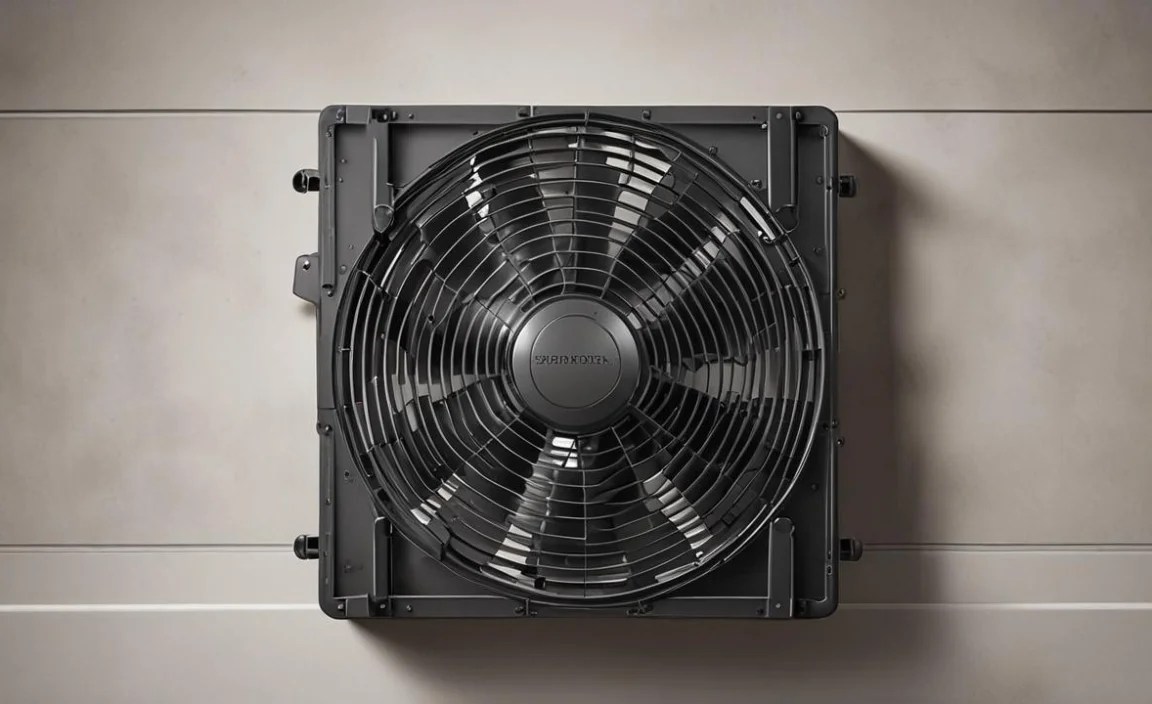
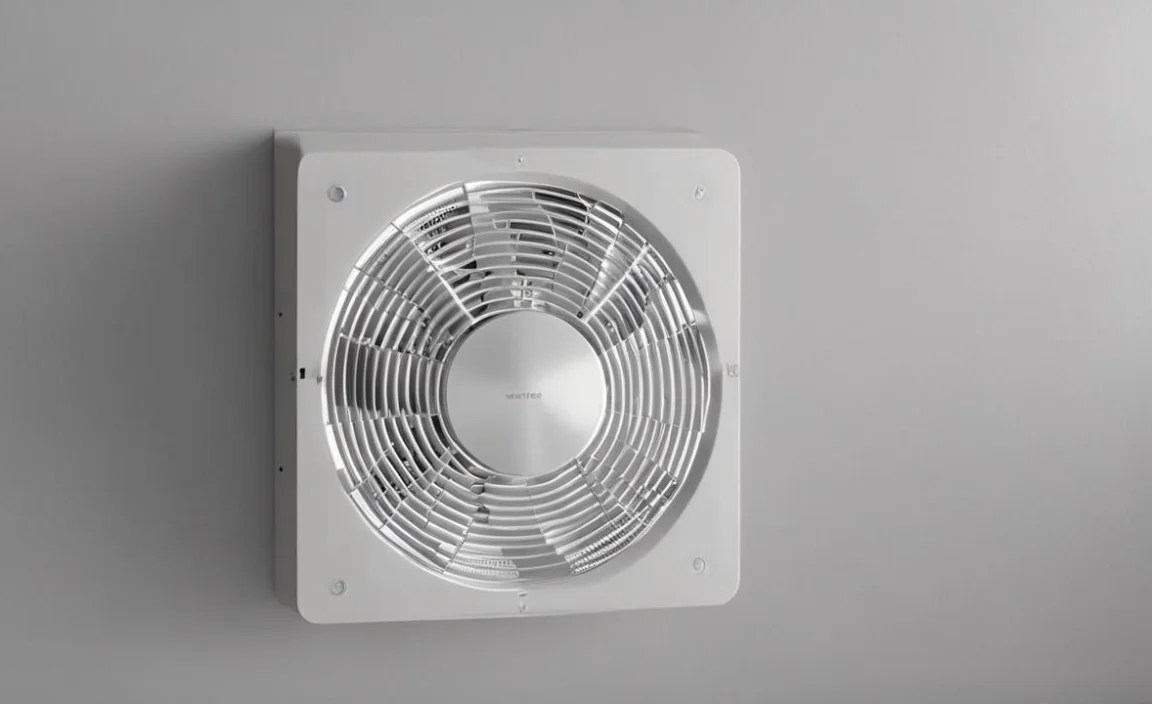
- Housing/Ventilation Grille: This is the visible part you see on your ceiling or wall. It protects the fan mechanism and often has a grille or louvers that allow air to pass through. It also helps to direct the airflow towards the fan.
- Ductwork: This is the crucial pathway that carries the expelled air from the fan unit through your walls or ceiling and out of your house. This is what truly removes the air from your living space.
- Exterior Vent Cap: This is the grate or cover on the outside of your home where the ductwork terminates, allowing air to escape into the open environment. It often has a flap to prevent outside air, pests, or rain from coming back in.
These components create a simple but effective system for ventilation. Think of it like a tiny, dedicated vacuum cleaner for your room, pulling air out and sending it on its way.
How the Exhaust Fan Actually Works: Step-by-Step

Let’s trace the journey of air when you switch on your exhaust fan:
- Power On: When you flip the switch, electricity flows to the motor.
- Motor Activates: The electric motor begins to spin.
- Blades Rotate: The motor shaft turns the fan blades at high speed.
- Air Intake: As the blades spin, they create an area of lower air pressure within the fan housing. The air inside the room, which is at a higher pressure, is naturally drawn towards this low-pressure area through the ventilation grille.
- Air Expulsion: The spinning blades push the air they’ve drawn in towards the ductwork, creating a continuous flow of air out of the room.
- Ductwork Journey: The air travels through the duct system, which is specifically designed to channel it away from your living space.
- Outside Release: Finally, the air is expelled from your home through the exterior vent cap, preventing it from re-entering.
This cycle happens quickly and efficiently, actively reducing the concentration of moisture, odors, or smoke in the room. It’s a continuous process as long as the fan is running.
Types of Exhaust Fans and Their Mechanics

While the core function remains the same, different types of exhaust fans have slight variations in their design and installation:
Bathroom Exhaust Fans
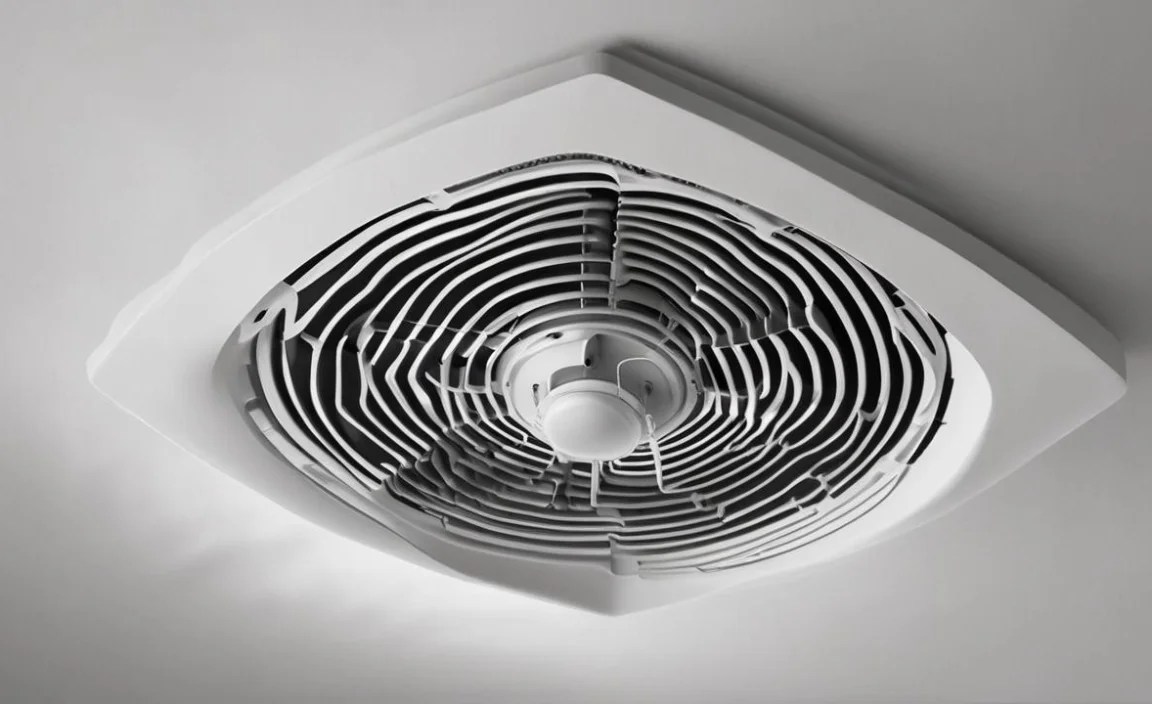
These are the most common. Usually installed in the ceiling, they are designed to handle high levels of humidity from showers and baths. Many modern bathroom fans feature timers, humidity sensors, or even heaters for added comfort. Their primary job is moisture removal to prevent mold and mildew growth. The U.S. Department of Energy recommends using bathroom exhaust fans to help control humidity, especially in humid climates. You can find more tips on efficient home ventilation on their Energy Saver website.
Kitchen Exhaust Fans (Range Hoods)
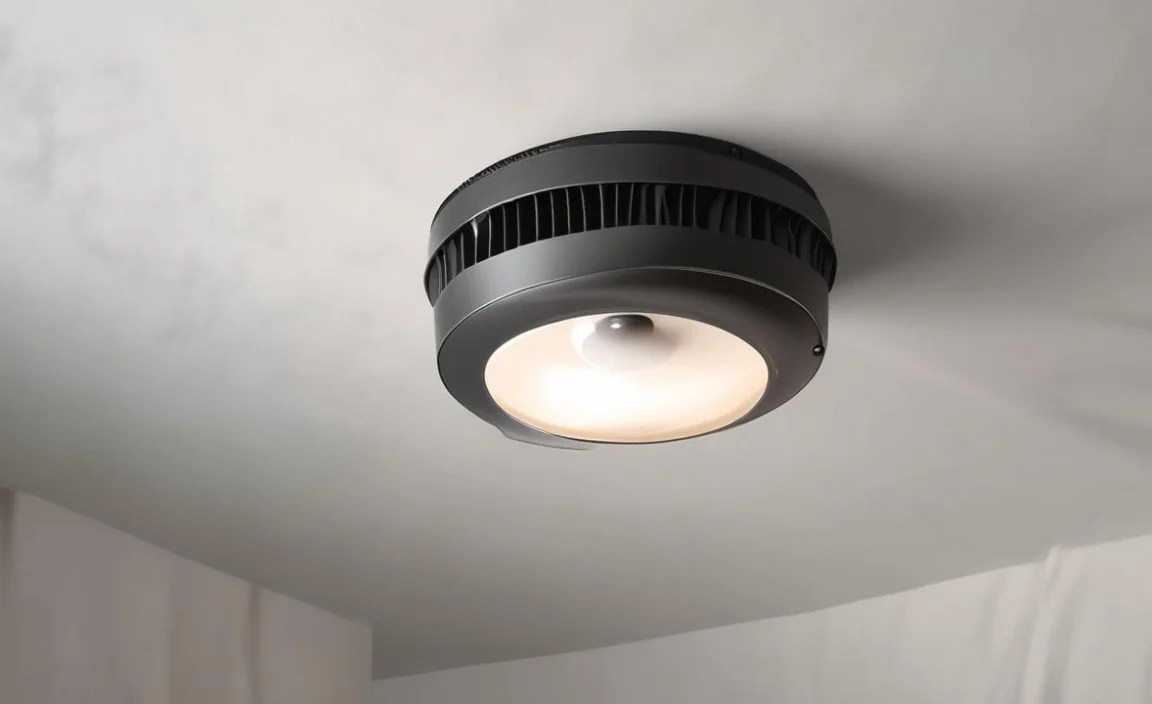
Kitchen exhaust fans, often integrated into range hoods, have a dual purpose. They efficiently remove cooking odors, smoke, and grease particles from the air. Many also include lights to illuminate the stovetop. Some are “recirculating,” meaning they filter the air and send it back into the kitchen, while others are “ducted,” expelling air outside like bathroom fans. Ducted range hoods are generally more effective at removing airborne grease and steam before they can coat kitchen surfaces.
Laundry Room Exhaust Fans
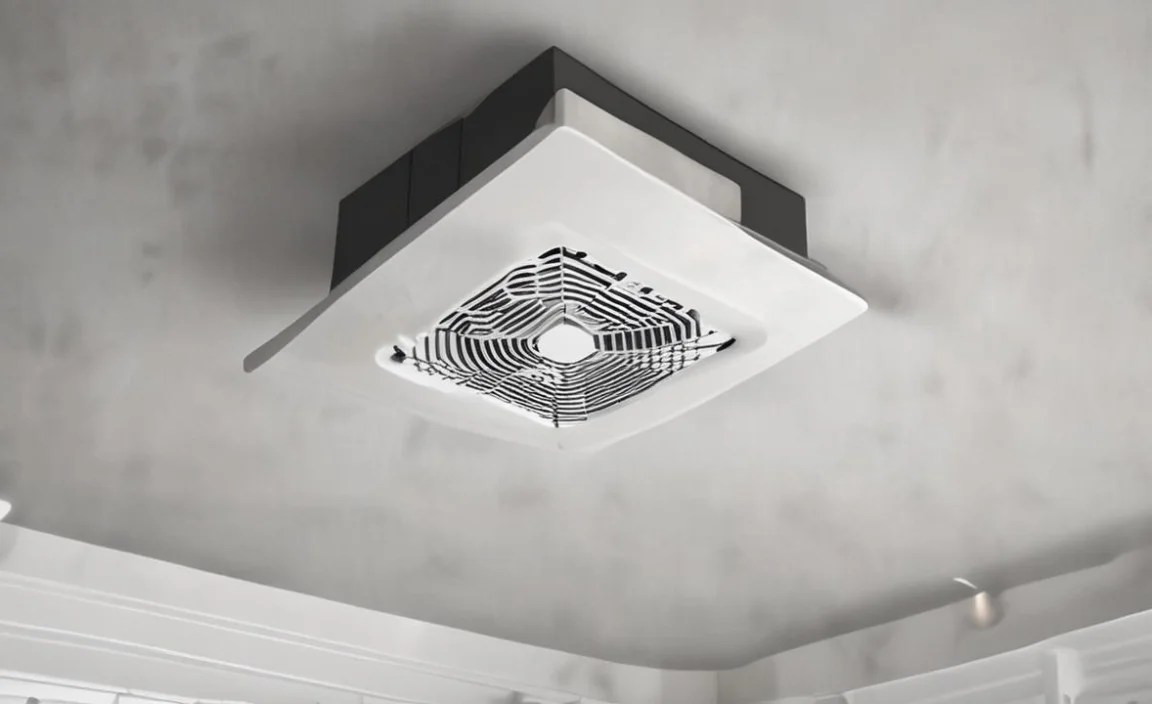
These are less common but are useful in enclosed laundry rooms, especially if a clothes dryer isn’t vented directly outside. They help remove lint, moisture, and heat generated by washing machines and dryers, preventing a damp or stuffy environment.
Whole-House Fans
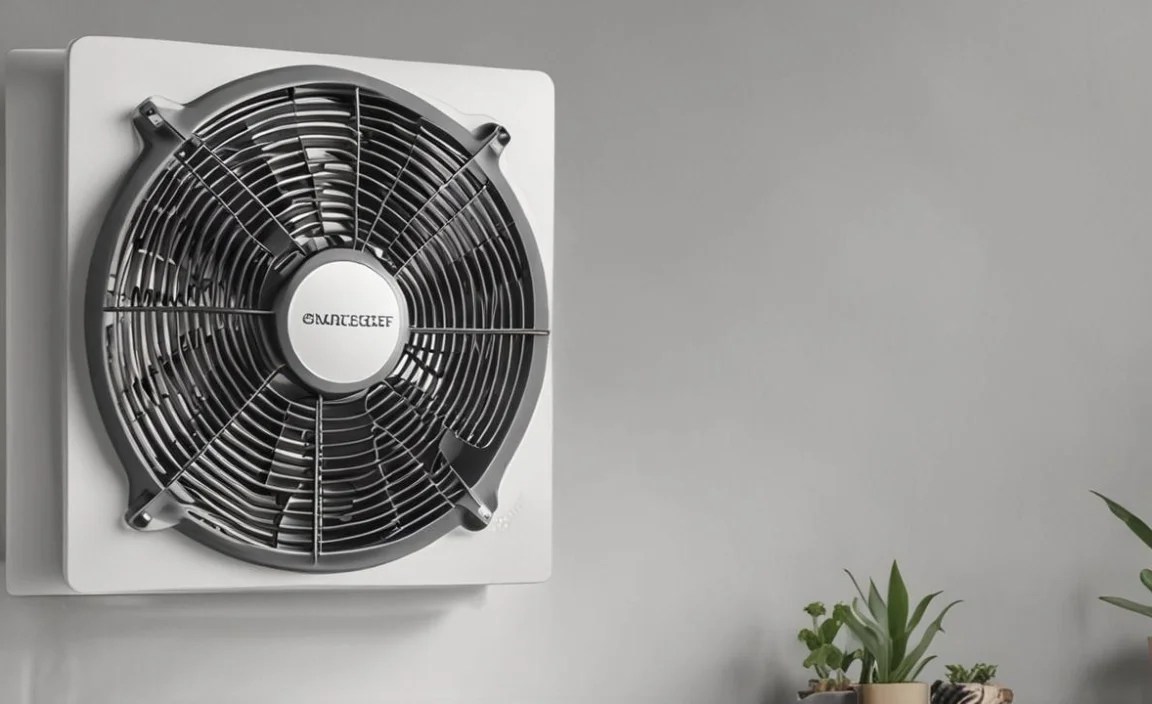
These are much larger fans typically installed in the attic or ceiling of a central hallway. They are designed to pull air from throughout the entire house and exhaust it out through the attic. They are used less for continuous ventilation and more for quickly cooling a house down or flushing out stale air when outdoor temperatures are pleasant.
How Much Air Does an Exhaust Fan Move? Understanding CFM

The power of an exhaust fan is measured in Cubic Feet per Minute (CFM). This tells you how much air the fan can move in one minute. Choosing the right CFM is crucial for effective ventilation. Too little and the fan won’t be effective; too much and it can be noisy and inefficient, potentially even pulling conditioned air from other parts of your house.
Here’s a general guideline:
| Room Type | Recommended CFM Range | Notes |
|---|---|---|
| Small Bathroom (up to 50 sq ft) | 50-80 CFM | Focus on moisture removal |
| Medium Bathroom (51-100 sq ft) | 80-110 CFM | Standard household use |
| Large Bathroom (over 100 sq ft) or with Jacuzzi Tub | 110+ CFM | Needs higher capacity for steam |
| Kitchen (for general ventilation) | 100-200 CFM | Handles odors & some cooking fumes |
| Kitchen (for range hood, high-output cooking) | 300-600+ CFM | Essential for smoke, grease, and intense cooking odors |
For bathrooms, a common rule of thumb is to have at least 1 CFM per square foot of room area. So, a 50-square-foot bathroom would ideally have a 50 CFM fan. However, for higher humidity or larger bathrooms, it’s better to go slightly higher. For kitchens, the CFM needs are significantly higher, especially if you do a lot of high-heat cooking or stir-frying, as these activities produce a lot of smoke and grease. Always check the manufacturer’s recommendations for specific appliance needs.
The Importance of Proper Ventilation
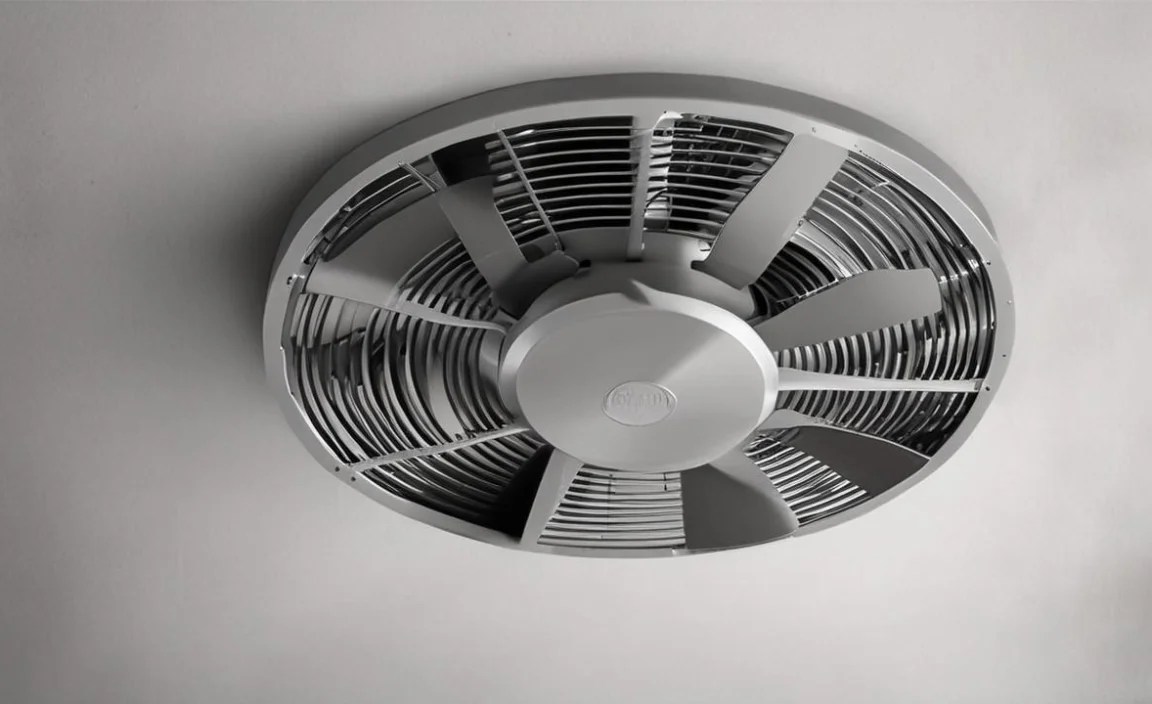
Understanding how an exhaust fan works highlights their importance. It’s not just about making a room smell better; it’s about protecting your home and your health.
Maintaining Structural Integrity

Persistent moisture from showers can lead to a cascade of problems. Wood structures can rot, drywall can weaken and crumble, and paint can peel and blister. Exhaust fans are your first line of defense against this silent, damaging enemy. By venting moist air outside, they keep humidity levels in check, protecting the very framework of your home.
Preventing Mold and Mildew Growth
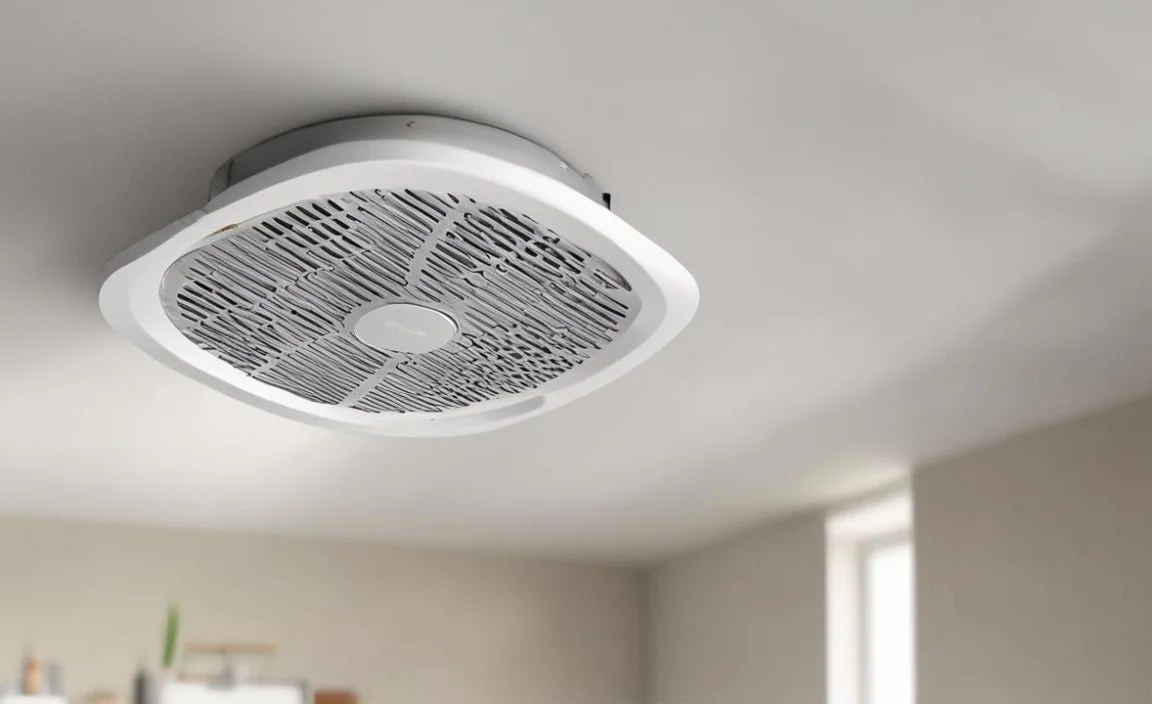
Mold and mildew thrive in damp, poorly ventilated areas. They not only look unsightly but can also release spores into the air, which can trigger allergies, asthma, and other respiratory problems. A properly functioning exhaust fan significantly reduces the risk of mold and mildew developing in bathrooms and kitchens.
Improving Indoor Air Quality (IAQ)
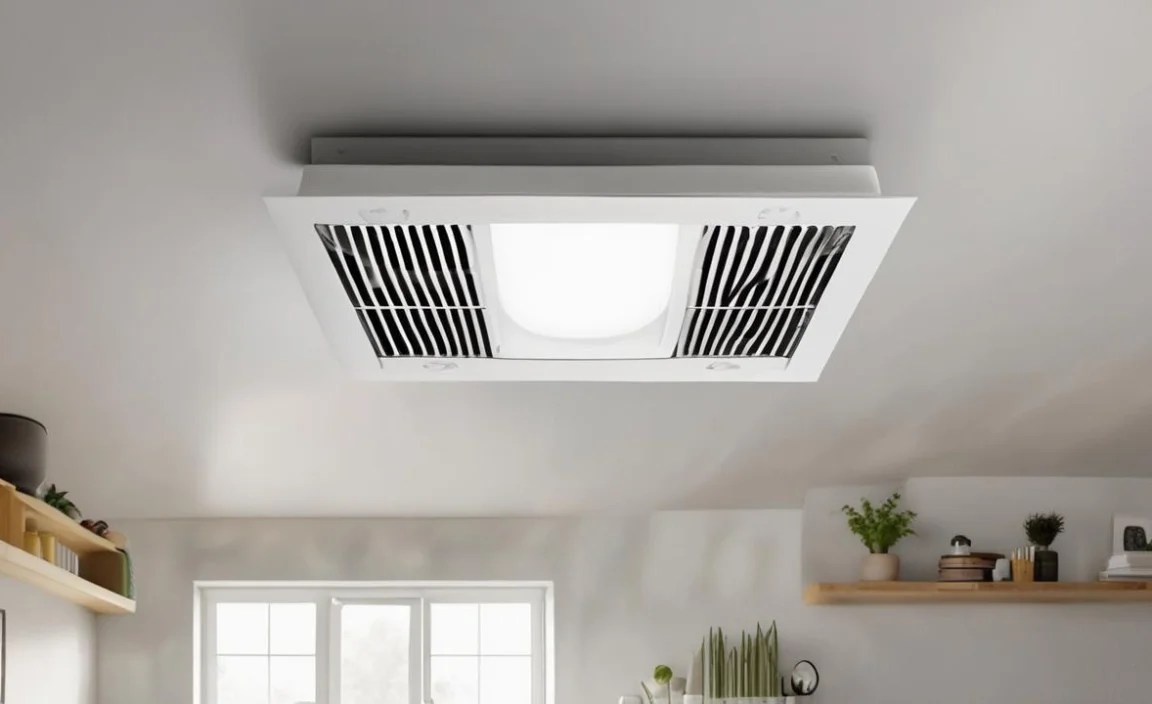
Beyond moisture and odor, exhaust fans help remove other airborne contaminants like dust, volatile organic compounds (VOCs) from cleaning products, and even airborne grease particles from cooking, which can settle on surfaces. Cleaner air indoors contributes to a healthier living environment for everyone in the household.
Energy Efficiency Considerations
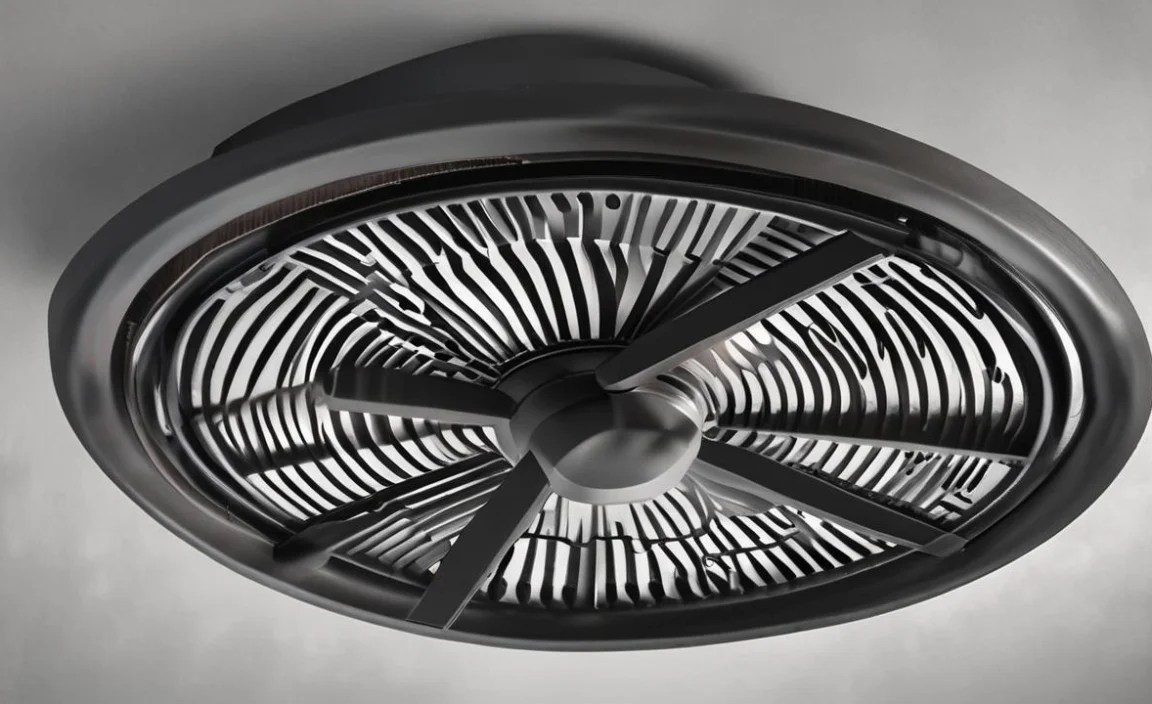
While exhaust fans vent air outside, and therefore remove some conditioned air (heated or cooled), the benefits of reducing moisture and improving air quality usually outweigh the energy cost. However, using them judiciously is key. Running a fan only when needed (e.g., during and for 15-20 minutes after a shower) and ensuring your fan is properly sized and vented can help optimize energy use. Replacing an old, inefficient fan with a modern, ENERGY STAR certified model can also make a significant difference in energy consumption. You can learn more about choosing efficient fans on the ENERGY STAR website.
Installation and Maintenance: Keeping Your Genius Essential Working
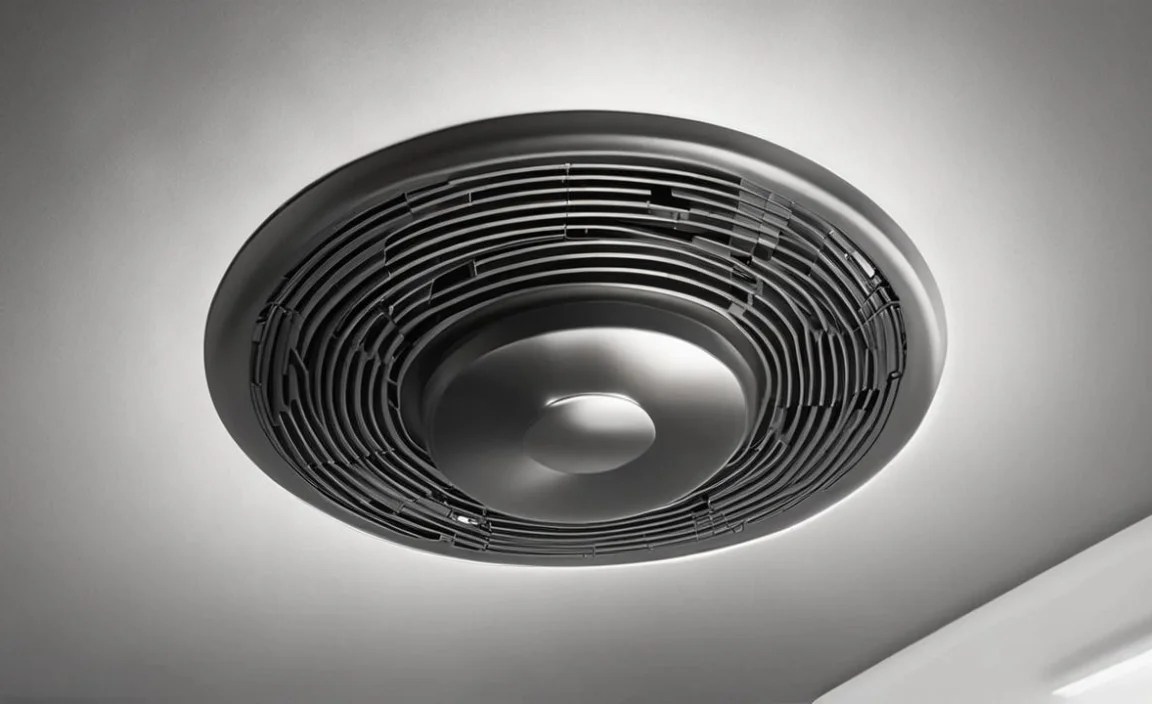
Even the smartest essential needs a little love to perform at its best. Here’s a quick look at installation basics and essential maintenance:
Installation Considerations
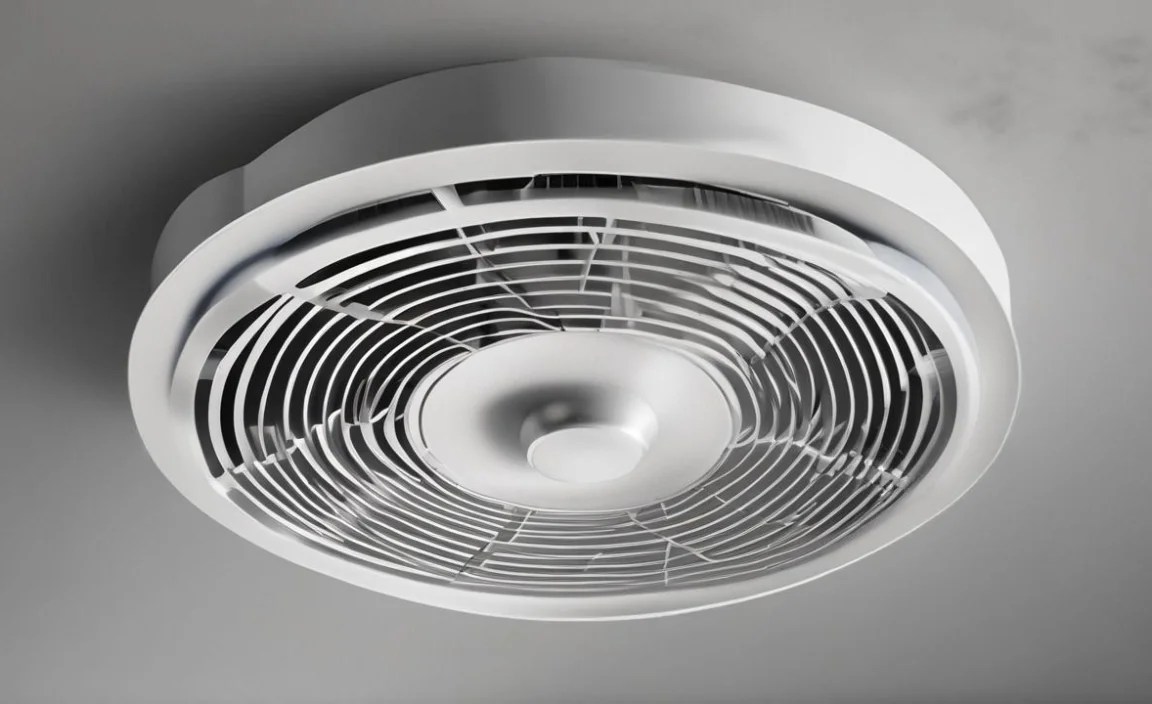
Proper installation is critical for an exhaust fan to work effectively and safely. Key aspects include:
- Ducting: The ductwork should be smooth, rigid, and properly sealed to prevent air leaks. Flexible ducting can be used, but it should be kept as straight as possible and free of kinks, as these can trap moisture and debris, reducing airflow and increasing noise. All duct connections should be sealed with appropriate tape or sealant.
- Venting to the Outside: The duct MUST terminate outside your home, not in the attic, crawl space, or a wall cavity. Venting into these spaces can cause moisture damage, mold growth, and other serious problems.
- Proper Airflow: Ensure the fan’s intake (the grille) is not blocked by obstructions. For kitchen range hoods, the duct size and length are critical for efficient operation.
- Electrical Safety: All electrical connections should be made by a qualified electrician to ensure safety and compliance with local building codes.
For any DIY installation, it’s always wise to consult with a professional if you’re unsure about any aspect, especially electrical wiring and ductwork sealing. Building codes often dictate specific requirements for exhaust fan and duct installation.
Routine Maintenance
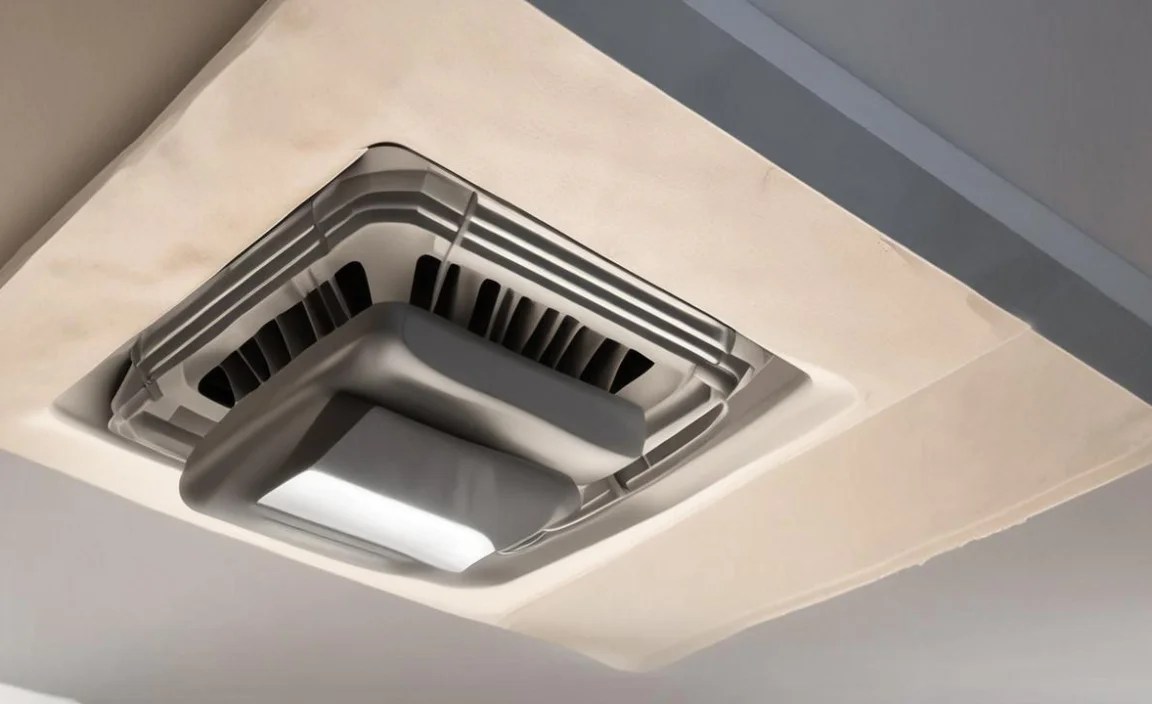
Regular cleaning and inspection will ensure your exhaust fan continues to perform optimally. Here’s what you should do:
- Clean the Grille: The most common maintenance is cleaning the exterior grille. Dust and lint can build up, restricting airflow. Remove the grille (usually clipped in place) and wash it with warm, soapy water. Let it dry completely before reattaching.
- Check Fan Blades: Periodically, you might need to access the fan housing to gently clean the fan blades. Unplug the fan first! A build-up of dust and grease can unbalance the blades and reduce efficiency. A soft brush or cloth should suffice.
- Inspect Ductwork: While harder to access, listen for unusual noises that might indicate a blockage or separation in the ductwork. If you suspect a problem, it might be necessary to have the ducts professionally cleaned or inspected.
- Check Exterior Vent: Make sure the exterior vent flap is not stuck or obstructed by leaves, nests, or debris. This flap should open freely when the fan is running.
A simple cleaning schedule, perhaps every 3-6 months, will keep your fan running smoothly and quietly.
Troubleshooting Common Exhaust Fan Issues
Even the most robust systems can encounter hiccups. Here are a few common problems and how to approach them:
- Fan is noisy: This can be due to a build-up of dust on the blades, a loose motor mount, or a fan that is not properly balanced. Cleaning the blades and checking for loose parts can often solve noisy operations. If the noise is a grinding or rattling sound, it might indicate a more serious motor issue.
- Fan is not moving much air: The grille might be blocked, the ductwork could be kinked or obstructed (especially if flexible ducting is used), or the fan might be too small for the room.
- Fan is making a strange humming noise but not spinning: This often indicates a problem with the motor or the fan capacitor. The fan might be trying to start but can’t overcome resistance. This is usually a sign that the motor needs repair or replacement.
- Fan doesn’t turn on at all: First, check if the switch is on and that the circuit breaker hasn’t tripped. If power is reaching the fan, but it’s unresponsive, it could be a failed motor or internal wiring issue.
For any electrical issues or problems that require opening the fan housing beyond simple cleaning, it’s always best to consult a qualified appliance repair technician or an electrician. Safety first!
FAQ: Your Exhaust Fan Questions Answered
What is an exhaust fan and what does it do?

An exhaust fan is a ventilation device that removes stale, moist, or smoky air from a specific room and expels it to the outside of your home. It helps improve air quality, prevent moisture buildup, and reduce odors.
Why is my bathroom fan so loud?

Loudness in exhaust fans can be caused by several factors, including dust and debris accumulation on the fan blades, a motor that is slightly out of balance, or simply the design of the fan itself. Older or less expensive models tend to be noisier. Regular cleaning and checking for obstructions can help mitigate noise.
How often should I use my exhaust fan?

For bathrooms, it’s best to run the exhaust fan during hot showers or baths and for about 15-20 minutes afterward to clear out the excess moisture. In kitchens, use the fan while cooking, especially when frying or sautéing, and for a few minutes after to remove lingering odors and smoke.
Do exhaust fans help with allergies?
Yes, exhaust fans can help improve indoor air quality by removing airborne particles like dust, mold spores, and grease that can aggravate allergies and respiratory conditions. By preventing mold and mildew growth, they indirectly contribute to fewer allergens in the air.
How do I know if my exhaust fan is working effectively?

You can perform a simple test: hold a piece of tissue paper or a paper towel up to the exhaust grille while the fan is running. If the paper is held firmly against the grille, the fan is likely pulling air effectively. You should also notice a reduction in steam or odors relatively quickly after turning it on.
Is it okay if my exhaust fan blows air back into the attic?

No, absolutely not. Exhaust fans, especially those from bathrooms and kitchens, MUST be vented directly to the outside of your home. Vent
