
Quick Summary:
A bidet is a bathroom fixture that uses a stream of water to clean you after using the toilet. For beginners, it offers a more hygienic and eco-friendly alternative to toilet paper alone. This guide simplifies understanding, choosing, and using bidets with easy-to-follow advice.
Are you intrigued by the idea of using a bidet but feel a bit lost about where to start? Many homeowners are curious about this bathroom innovation but find the terminology and options a little confusing. It’s like discovering a game-changer for bathroom hygiene and comfort, but you’re not sure how to play! Don’t worry, I’m here to break it all down. This guide is designed specifically for beginners like you, turning what might seem complex into simple, actionable steps. We’ll cover everything you need to know, from what a bidet actually is to how to choose the right one for your home. Get ready to feel confident and make an informed decision for a cleaner, fresher experience.
What Exactly is a Bidet and Why Consider One?

At its core, a bidet is essentially a plumbing fixture that delivers a targeted stream of water to cleanse your nether regions after you’ve used the toilet. Think of it as a gentle, targeted shower for your most sensitive areas, right in your bathroom! This method of cleaning is far more effective and hygienic than simply using toilet paper alone.
The concept isn’t new; bidets have been popular in many parts of the world for centuries. However, they’re gaining significant traction in Western countries as people discover their numerous benefits. Beyond just being cleaner, using a bidet can reduce your reliance on toilet paper, which has both environmental and economic advantages.
The Core Benefits of Using a Bidet

- Superior Hygiene: Water cleans more thoroughly than dry paper. It effectively removes waste, leaving you feeling truly clean and refreshed. This can be particularly beneficial for individuals with certain medical conditions or sensitivities.
- Environmental Friendliness: Reducing toilet paper consumption significantly cuts down on tree usage, water consumption (used in paper production), and energy involved in manufacturing and transportation. It’s a greener choice for your home.
- Cost Savings: While there’s an initial investment, over time, using less toilet paper can lead to noticeable savings on your household budget.
- Increased Comfort: Many bidets offer warm water, adjustable pressure, and even air drying, providing a spa-like experience and a more comfortable clean.
- Gentle on Skin: For those with sensitive skin or conditions like hemorrhoids, the gentle cleansing action of water can be much more comfortable and less irritating than abrasive toilet paper.
Types of Bidets Explained for Beginners
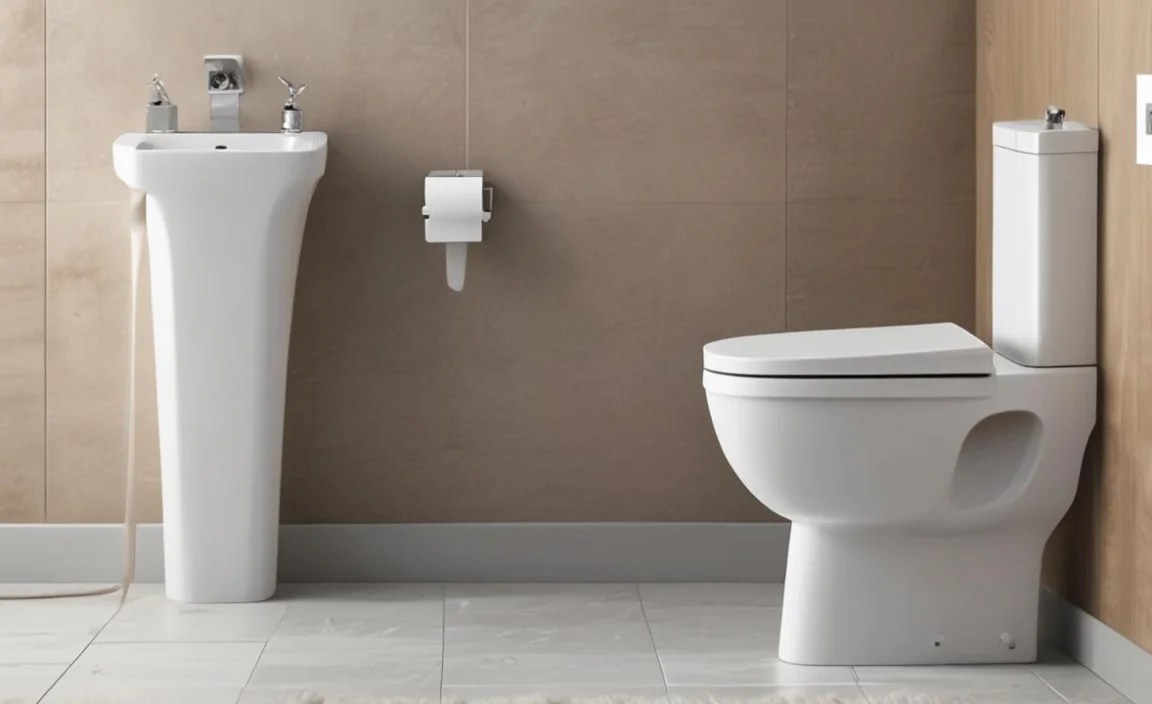
When you start looking into bidets, you’ll quickly realize there isn’t just one kind. They range from simple attachments to fully integrated smart toilets. Understanding these different types will help you figure out which one fits your needs and budget best.
1. Bidet Toilet Seats

This is arguably the most popular type of bidet for homeowners looking for an upgrade without a major renovation. A bidet toilet seat replaces your existing toilet seat. Many models are electric, requiring a power outlet near the toilet. These are fantastic because they often come with a range of features.
Key Features of Bidet Toilet Seats:

- Adjustable Water Pressure and Temperature: You can customize the spray intensity and warmth.
- Nozzle Position Adjustment: The spray wand can be moved forward or backward to target the right area.
- Heated Seat: A welcome luxury, especially in colder climates!
- Warm Air Dryer: Some models include a built-in dryer, further reducing or eliminating the need for toilet paper.
- Self-Cleaning Nozzles: Most modern bidets have self-cleaning features for the nozzles.
- Remote Control: Many come with a wireless remote for easy operation.
Installation for these typically involves connecting them to your toilet’s water supply and, if electric, plugging them in. It’s usually a DIY-friendly project for most homeowners.
2. Bidet Attachments
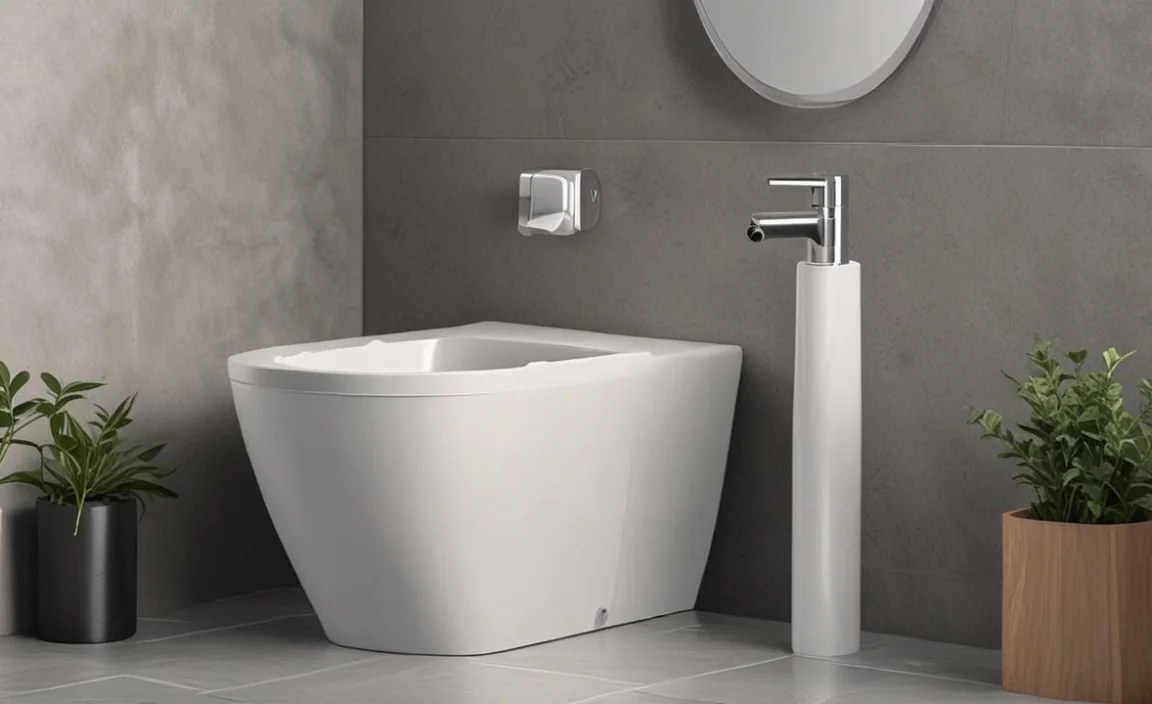
For a more budget-friendly and simpler option, bidet attachments are a great choice. These are panels that install under your existing toilet seat. They are non-electric and use your home’s cold water supply.
Pros of Bidet Attachments:
- Affordable: Typically the least expensive bidet option.
- Easy to Install: Requires minimal DIY skills.
- No Electricity Needed: Plugs directly into your toilet’s water line.
Cons of Bidet Attachments:
- Cold Water Only: This can be a shock, especially in winter!
- Limited Features: Usually only offer basic spray functions without temperature control or drying.
- Less Integrated Look: May look more like an add-on than a cohesive part of your toilet.
These are a solid entry point for anyone curious about bidets but not ready for a bigger commitment.
3. Handheld Bidet Sprayers (Bidet Showers/Shattaf)

These look similar to a small showerhead attachment connected to a hose. They are mounted on the side of your toilet and are operated manually. You hold the sprayer and direct the water stream yourself.
When a Handheld Sprayer Might Be Ideal:
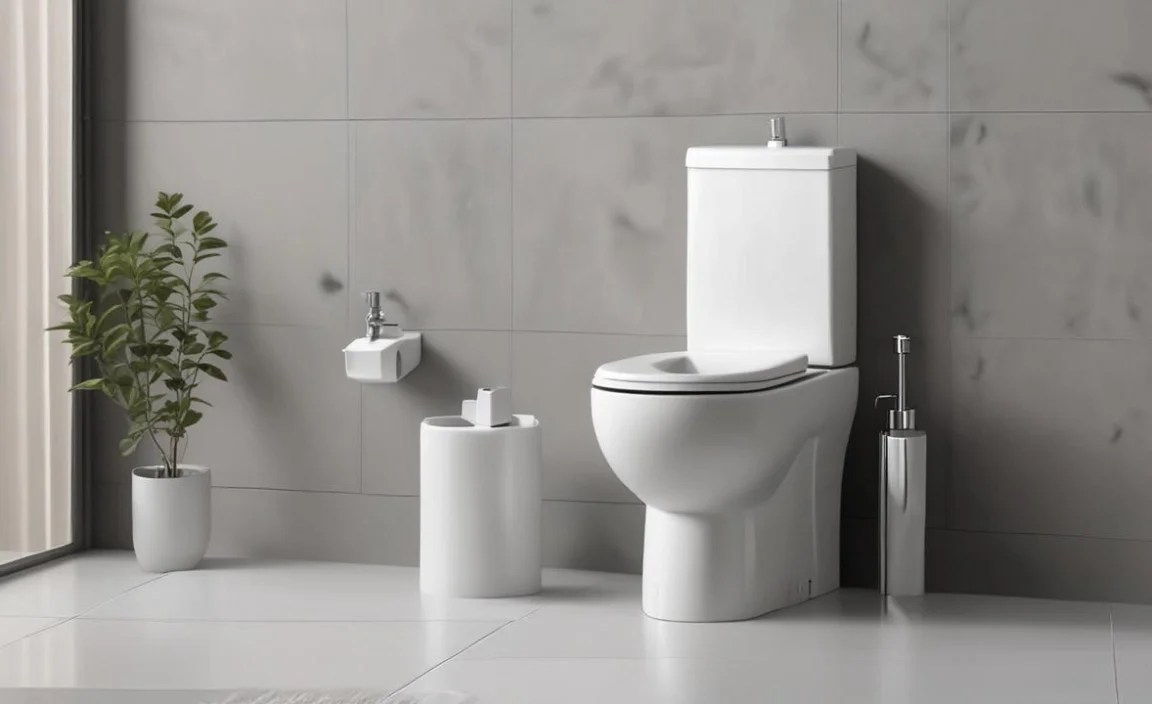
- Versatility: Can also be used for cleaning the toilet bowl, cloth diapers, or other handy tasks.
- Precision Control: You have full control over the spray direction and intensity by hand.
- Budget-Friendly: Often more affordable than electric bidet seats.
Considerations for Sprayers:
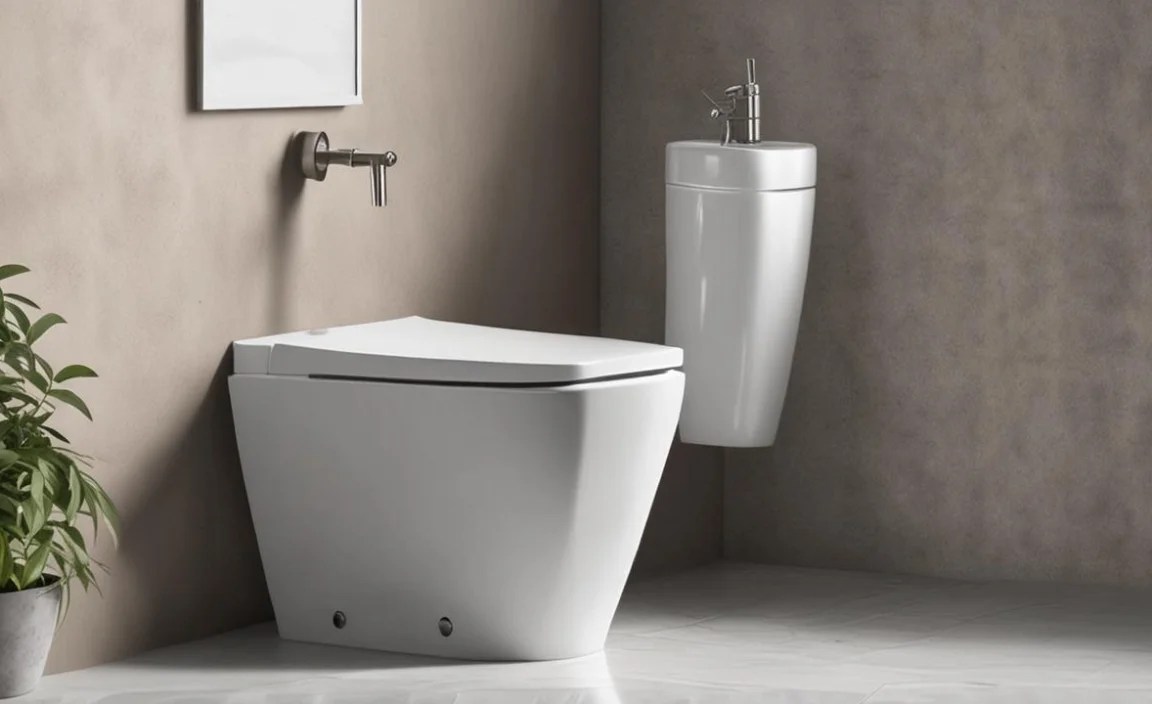
- Requires Manual Dexterity: You need to be able to hold and aim the sprayer.
- Potential for Mess: If not used carefully, water can spray outside the bowl.
- Cold Water: Typically, these are cold water only.
This option brings a touch of manual control and versatility to the bidet experience and is commonly found in households worldwide.
4. Standalone Bidets
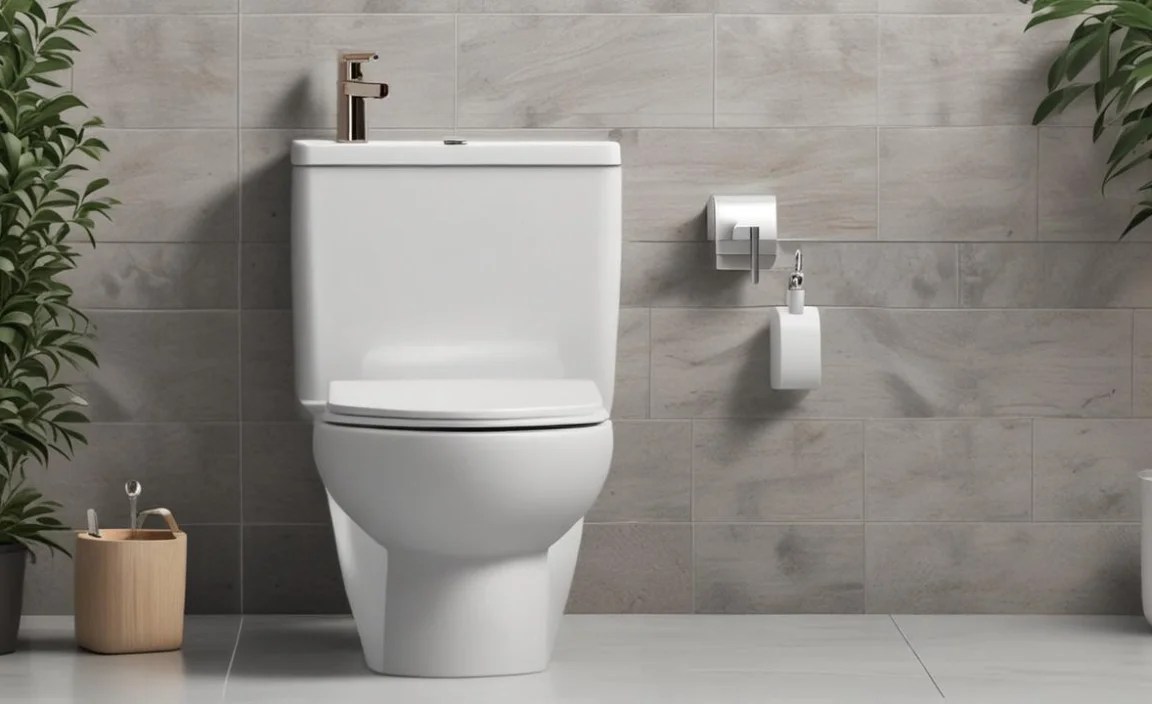
These are the traditional European-style bidets. They are separate fixtures installed next to your toilet, much like a sink. They have their own faucet and basin.
While they offer a dedicated space for cleansing and can be elegant, they require significant bathroom space and a more involved plumbing installation, often meaning you can’t simply retro-fit one into an existing bathroom without considerable work.
Why Standalone Bidets Are Less Common in Modern Homes:

- Space Requirement: They take up valuable floor space, often requiring a larger bathroom.
- Installation Complexity: Requires dedicated plumbing and can be costly to install.
- Less Convenient: Requires you to move from the toilet to the bidet, which some find less practical than integrated solutions.
5. Bidet Toilets (Integrated Units)
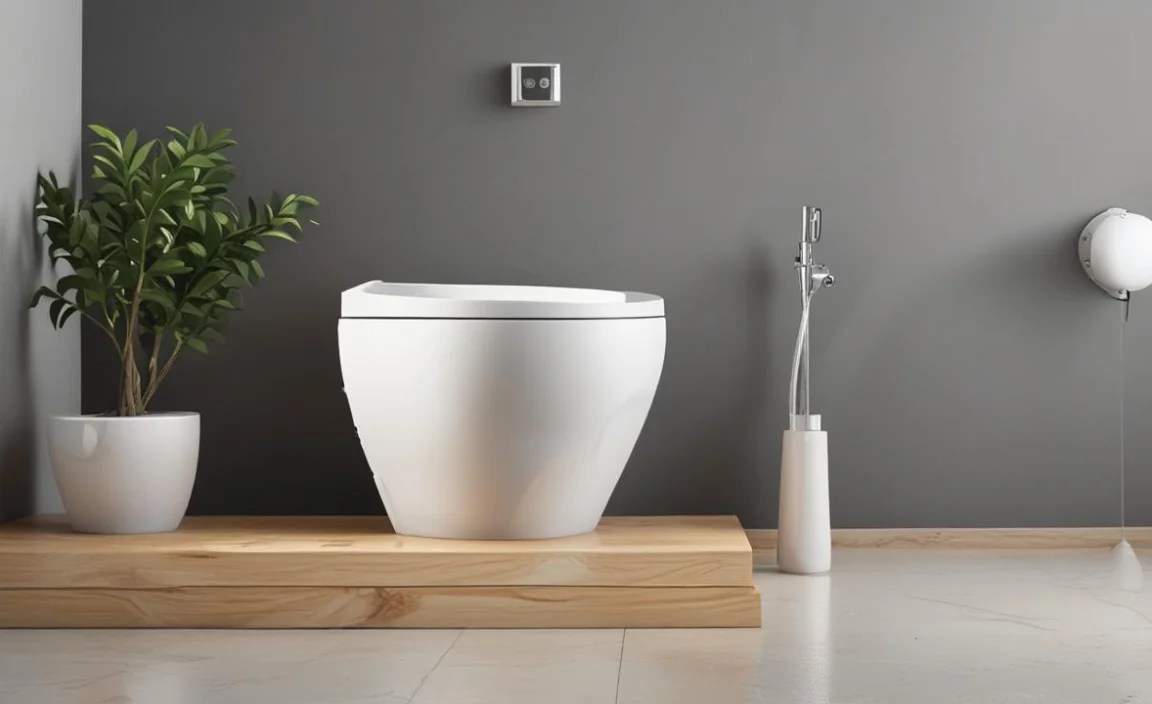
These are the “all-in-one” solutions. A bidet toilet is a toilet with all the bidet functions built directly into the unit. They often offer the most advanced features, such as heated seats, warm dryers, oscillating nozzles, deodorizers, and even personal profiles for different users. These are the premium option and can be the most expensive.
Choosing the Right Bidet for Your Home

Deciding on a bidet can feel like choosing a new appliance, but it doesn’t have to be complicated. Think about a few key things:
1. Budget: How much do you want to spend?

Price is often the biggest factor.
- Under $100: You’ll likely be looking at non-electric bidet attachments or basic handheld sprayers.
- $100 – $300: This range opens up more advanced non-electric attachments and some very basic electric bidet seats.
- $300 – $800: You’ll find a good selection of mid-range to high-end electric bidet seats with plenty of features like warm water, dryers, and remote controls.
- $800+: This is where you’ll find premium integrated bidet toilets and top-of-the-line electric bidet seats with all the bells and whistles.
2. Features: What do you actually need?
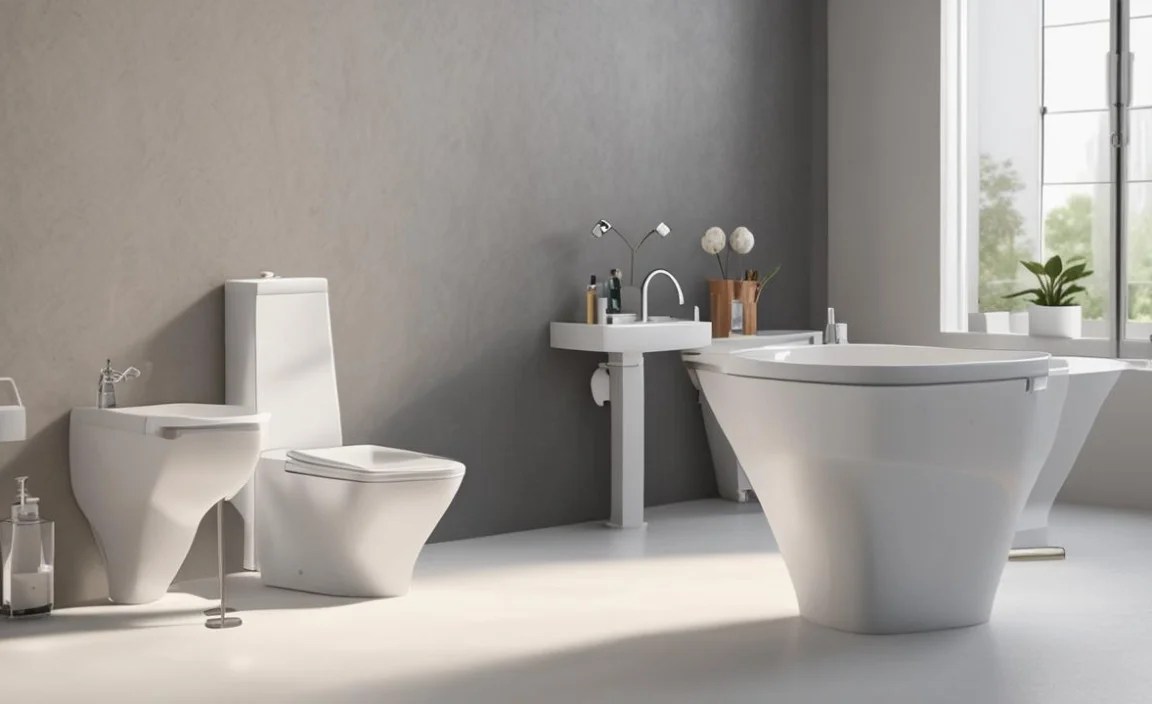
Do you want just basic cleaning, or are you looking for the full spa treatment?
- Warm Water: A non-negotiable for many, especially in colder climates. This requires an electric bidet seat or attachment.
- Adjustable Pressure/Temperature: Essential for comfort and customization.
- Warm Air Dryer: If you want to go completely paperless, this is a must-have.
- Heated Seat: A delightful feature for year-round comfort.
- Night Light: Handy for navigating in the dark.
- Deodorizer: Some advanced models have built-in air filters.
3. Installation: What are you comfortable with?
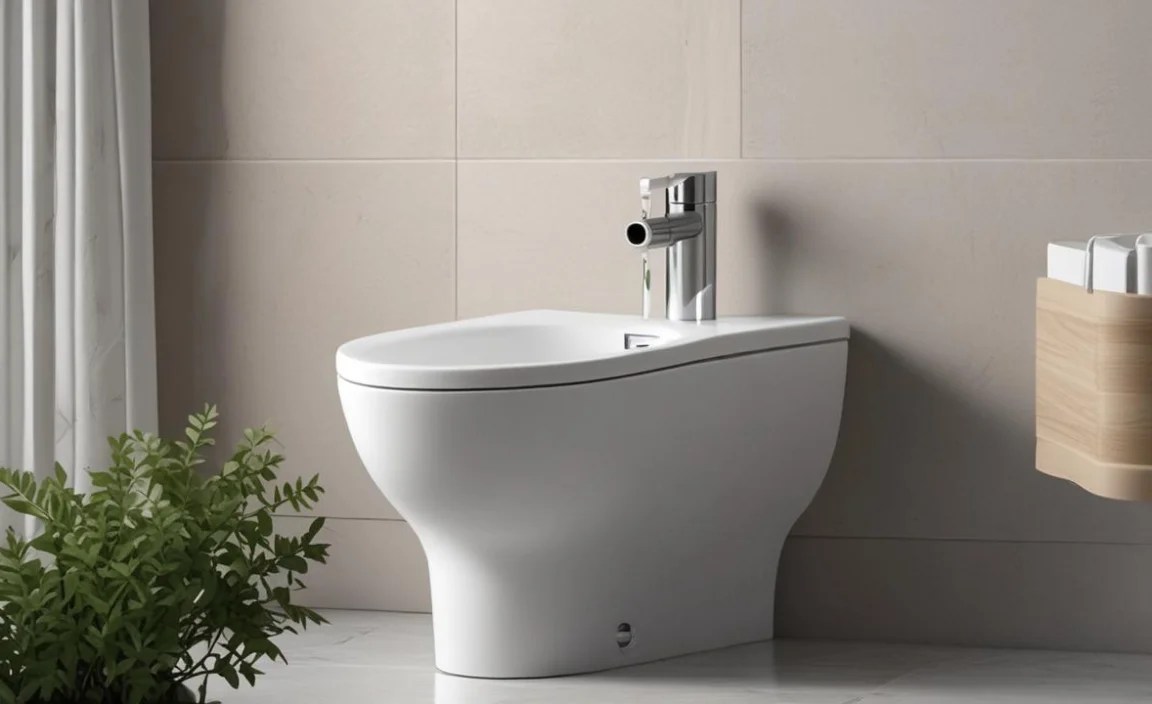
DIY Friendly: Bidet attachments, handheld sprayers, and most bidet seats are designed for easy DIY installation. Many come with clear instructions. A basic understanding of plumbing connections (like changing a shower head) is usually sufficient. For electric models, you’ll need a GFCI-protected power outlet within reach of the cord.
Professional Installation: Integrated bidet toilets or standalone bidets might require a plumber, especially if you don’t have existing water lines or drain connections in the right places.
4. Toilet Compatibility: Will it fit your toilet?

This is crucial! Most bidets are designed to fit standard round or elongated toilet bowls. Always check the dimensions and shape of your current toilet.
- Bowl Shape: Your toilet is likely either ’round’ or ‘elongated’. Bidet seats and attachments are usually specific to one or the other. Measure your current seat or bowl to be sure.
- Water Valve Location: Ensure there’s enough space around your toilet’s water shut-off valve for the bidet’s T-adapter to connect.
- Power Outlet: For electric bidets, confirm you have a GFCI-protected outlet near the toilet. If not, you may need an electrician. A GFCI (Ground Fault Circuit Interrupter) outlet is a safety essential in potentially wet areas like bathrooms. The U.S. Consumer Product Safety Commission provides excellent resources on electrical safety in the home.
| Bidet Type | Average Cost | Installation Difficulty | Key Features | Best For |
|---|---|---|---|---|
| Bidet Seat (Electric) | $300 – $800+ | Easy to Medium (DIY possible, needs outlet) | Warm water, dryer, heated seat, remote | Comfort, hygiene, and feature enthusiasts |
| Bidet Seat (Non-Electric) | $100 – $300 | Easy (DIY) | Basic cleansing, adjustable pressure | Budget-conscious, simple upgrade |
| Bidet Attachment | $30 – $100 | Very Easy (DIY) | Basic cold water spray | First-time users, renters, tight budgets |
| Handheld Sprayer | $30 – $80 | Very Easy (DIY) | Manual control, versatile cleaning | Budget, versatility, hands-on control |
| Integrated Bidet Toilet | $800 – $2000+ | Difficult (Professional plumber recommended) | All features, sleek design | Luxury renovations, new builds |
| Standalone Bidet | $200 – $600 (fixture only) + installation | Difficult (Professional plumber required) | Separate fixture, traditional design | Large bathrooms, traditional aesthetics |
How to Install a Bidet Seat (Beginner’s Guide)
Let’s walk through a typical installation for a popular type: an electric bidet toilet seat. This is generally a straightforward process that most homeowners can tackle. Always refer to your specific bidet’s manual for exact instructions, as models can vary slightly.
Tools You’ll Likely Need:
- Adjustable wrench
- Phillips head screwdriver
- Flathead screwdriver
- Towels or rags (for catching drips)
- Bucket (optional, to catch excess water)
- Pen or marker (optional, to mark positions)
- Plumber’s tape (often included, but good to have)
Step-by-Step Installation:
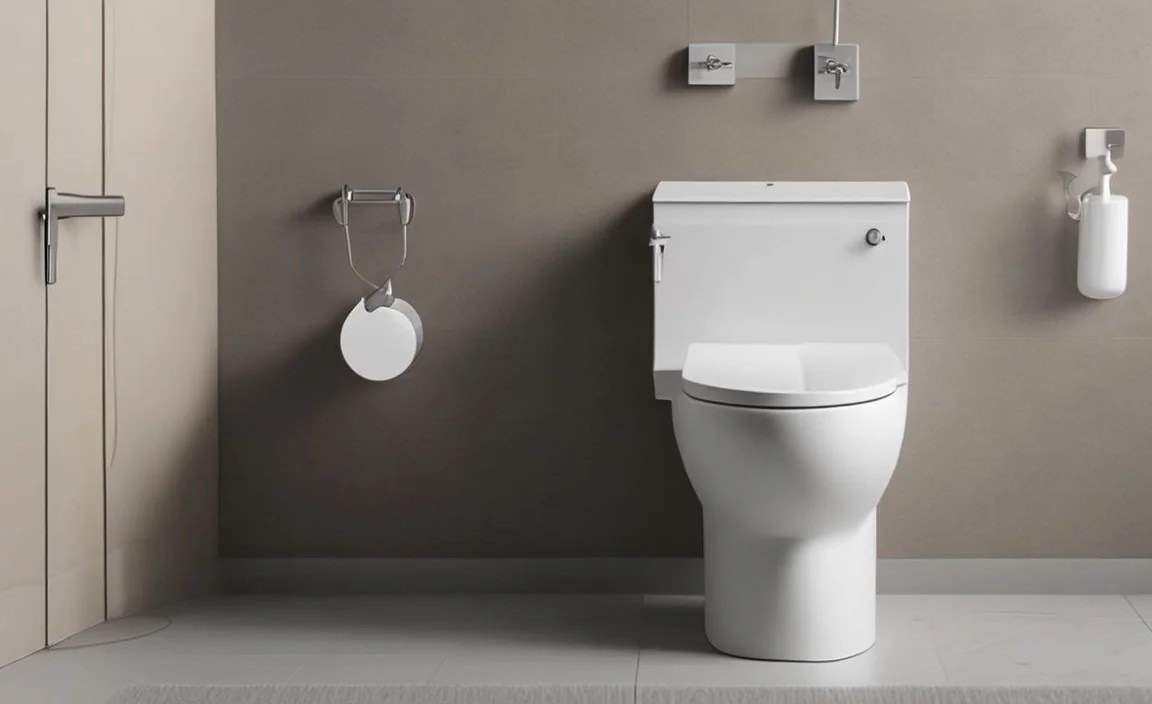
Step 1: Prepare Your Workspace
Clear the area around the toilet. Make sure you have good lighting and access to the water supply valve. Turn off the water supply to the toilet by turning the valve clockwise until it stops. Flush the toilet to drain the tank as much as possible. You might want to place towels on the floor to catch any residual water.
Step 2: Remove Your Old Toilet Seat
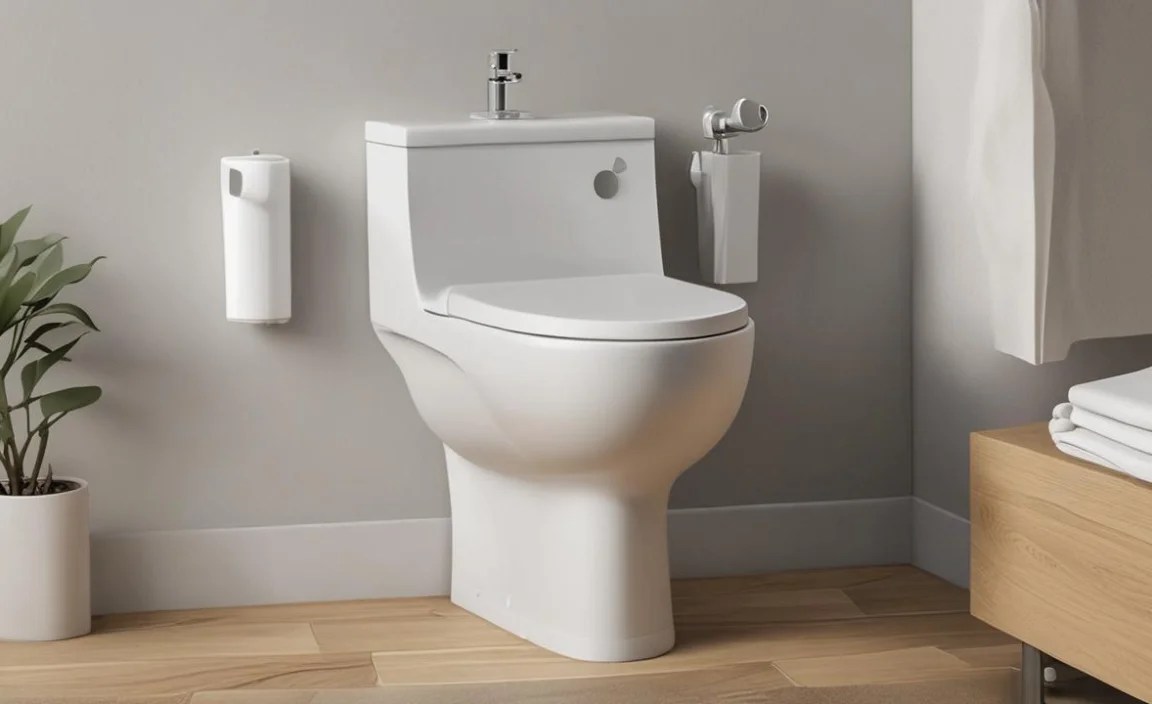
Locate the bolts that hold your current toilet seat in place. These are usually found under the back of the toilet bowl, often covered by plastic caps. Use your screwdriver to loosen and remove the nuts from underneath. Once the nuts are off, the old seat should lift right off.
Step 3: Install the Bidet Seat Mounting Bracket
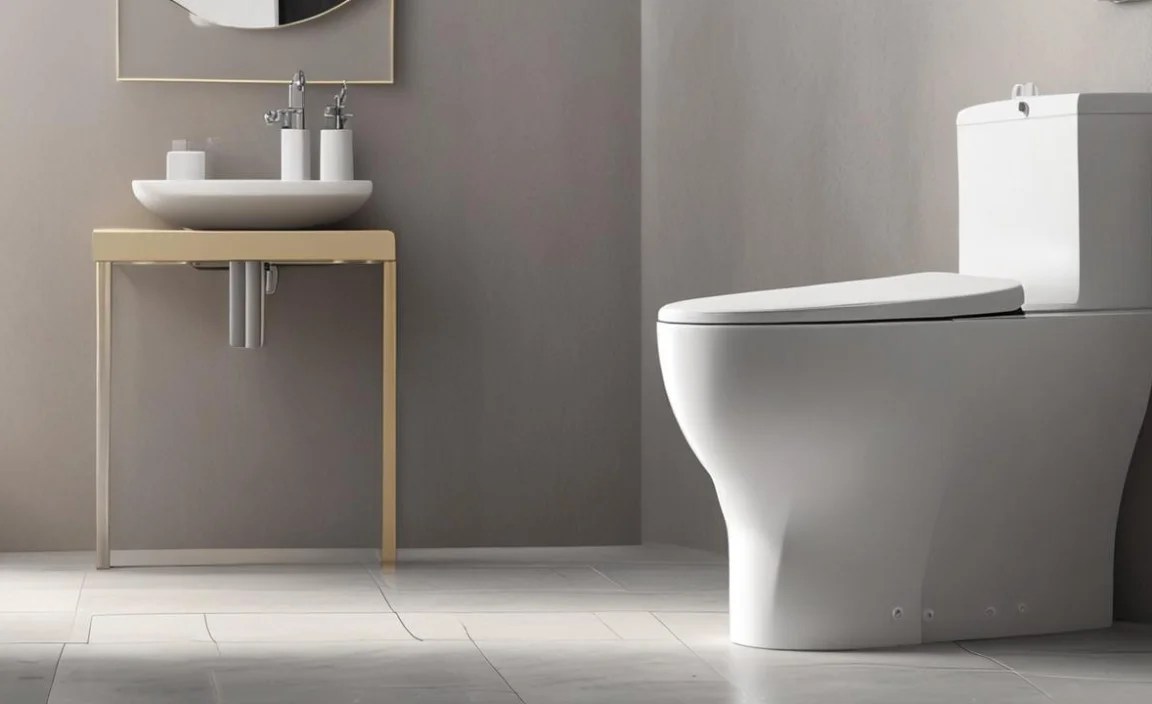
Most bidet seats come with a mounting plate that attaches to the toilet bowl using new bolts. Place the mounting plate over the bolt holes on the toilet bowl. Align the plate so that the bidet seat will be centered. Insert the new bolts through the plate and the bowl. Gently hand-tighten the nuts underneath. You can adjust the position of the plate later to fine-tune the seat’s placement.
Step 4: Connect the Water Supply
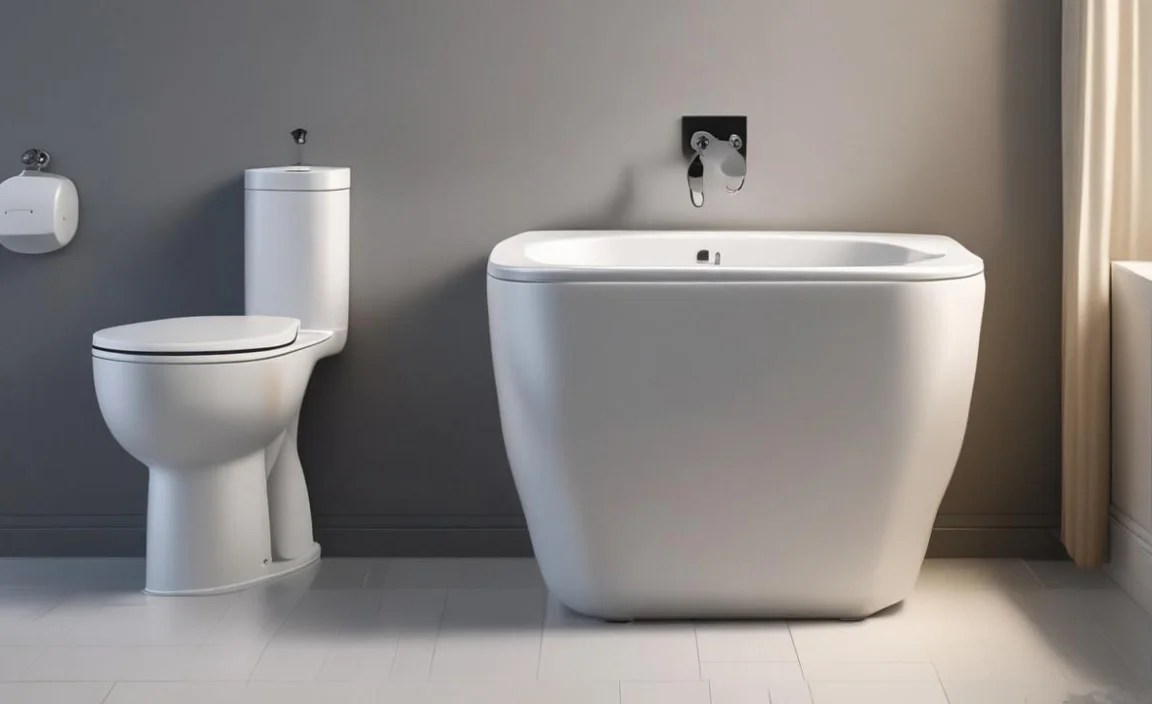
This is where you’ll connect the bidet to your toilet’s water line.
- Unscrew the flexible water supply hose from the bottom of the toilet tank. A small amount of water might drip out, so have your towels or bucket ready.
- Screw the T-adapter (the part that splits the water line) onto the water inlet valve where you just removed the hose. Tighten it snugly with an adjustable wrench, but don’t overtighten.
- Reconnect your toilet’s original water supply hose to the bottom outlet of the T-adapter.
- Connect the bidet’s water hose to the remaining outlet on the T-adapter.
Ensure all connections are secure. Wrapping plumber’s tape around the threads of the valve can help create a better seal, though many modern connectors have rubber gaskets and don’t require it.
Step 5: Mount the Bidet Seat
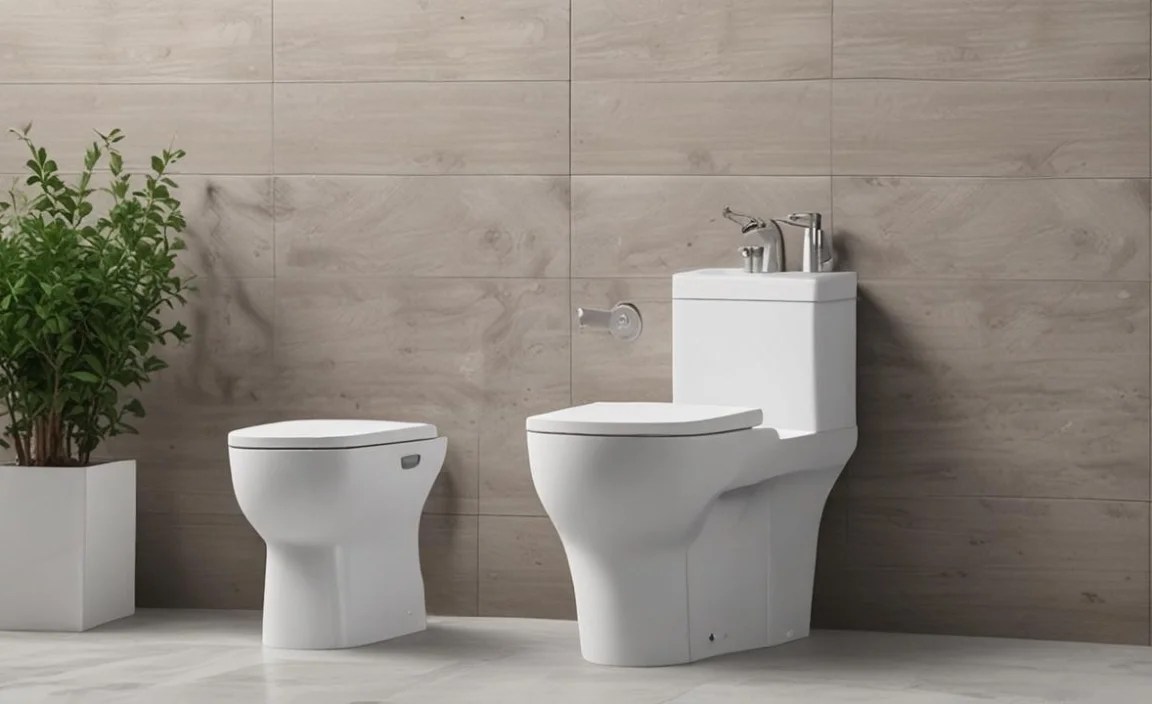
Slide the bidet seat onto the mounting bracket. It usually clicks or locks into place. You may need to adjust the position of the seat on the bracket to ensure it fits your toilet bowl correctly. Once positioned, you can often tighten adjustment screws on the bracket or seat to secure it firmly.
Step 6: Connect the Electrical Cord (for Electric Models)
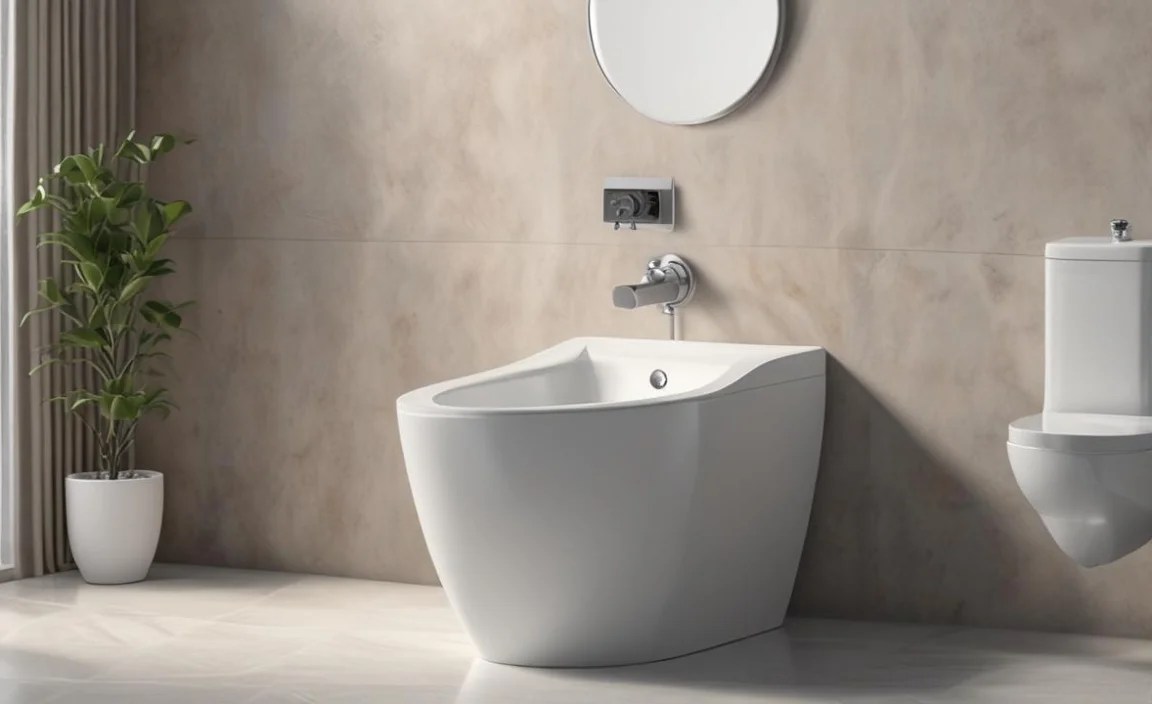
If you have an electric bidet seat, plug the power cord into the nearby GFCI-protected outlet. Ensure the cord is routed safely and not a trip hazard. Do not plug it in until all water connections are made and checked!
Step 7: Turn on the Water and Test for Leaks

Slowly turn the water supply valve back on (counter-clockwise). Check all your connections for leaks. If you see any drips, turn off the water immediately and tighten the connection slightly. Once you’re sure there are no leaks, you can proceed.
Step 8: Test the Bidet Functions
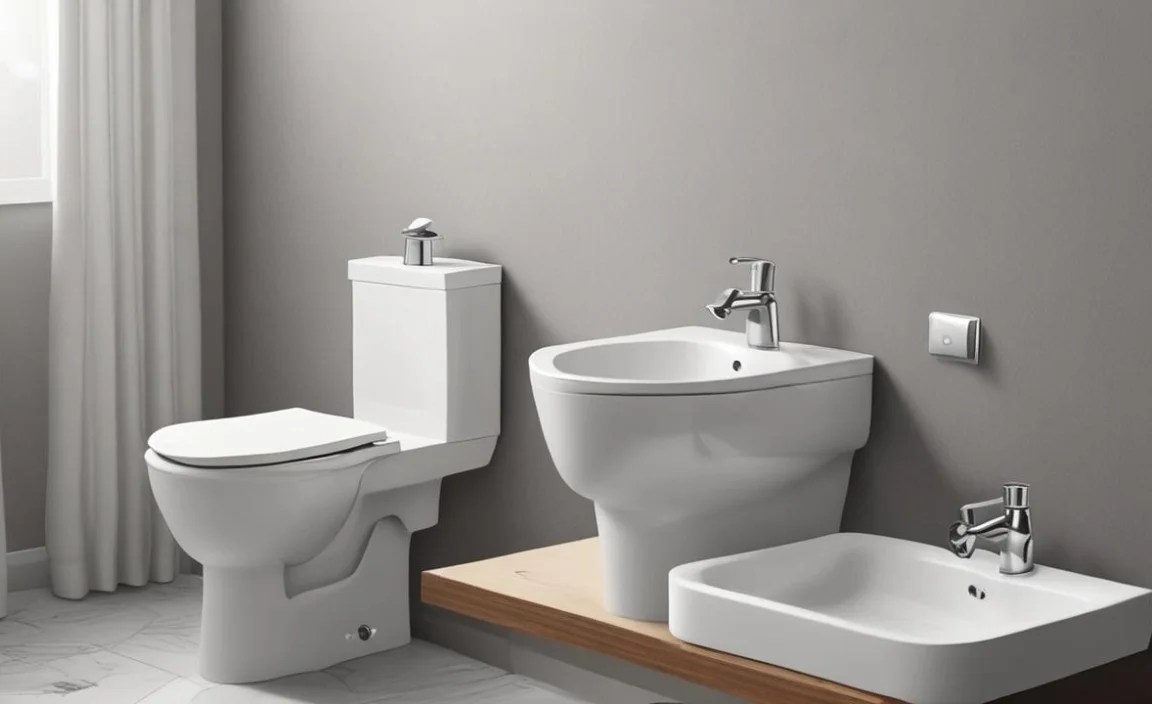
Follow your bidet’s manual to test the spray function. Start with the lowest pressure setting. You may want to hold a cup or bowl under the nozzle (or aim it at the side of the bowl) for the first test to ensure it functions correctly before you sit down. Test the other features like warm water, heated seat, and dryer.
Important Safety Note:
Always ensure your electrical outlet is GFCI-protected. If you are unsure, consult a qualified electrician. Water and electricity are a dangerous combination if not handled properly. The National Fire Protection Association (NFPA) explains the vital role of GFCI protection in preventing electrical shock.
How to Use a Bidet: A Beginner’s Etiquette Guide
Using a bidet for the first time can feel a little awkward or even intimidating, but it’s quite simple and becomes second nature quickly. Think of it as a shower for after the toilet visit.
