
Have you ever wondered what keeps bad smells out of your kitchen sink? Meet the P-trap! It’s a small but mighty part of your plumbing system.
In this guide, we’ll cover the explained of P-trap for beginners. It’s essential for keeping your home smelling nice. Let’s dive in and learn more!
Key Takeaways
- The P-trap stops bad smells from entering your home.
- Water stays in the P-trap to block odors.
- Explained of P-trap for beginners shows its simple design.
- P-traps are easy to clean and maintain.
- Common in kitchen and bathroom sinks.
P-Trap Basics Explained
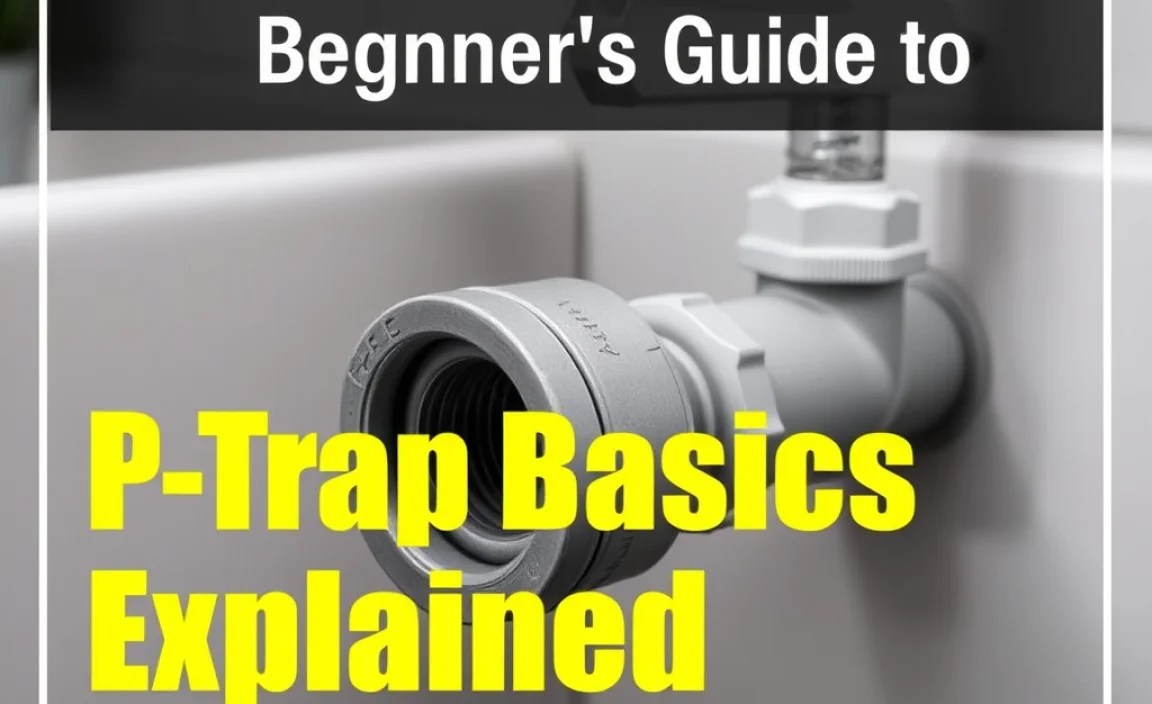
A P-trap is a U-shaped pipe found under sinks. It holds water to block sewer gases. When you use the sink, water goes down and out, but a bit stays in the P-trap. This water forms a seal that stops bad smells from coming back up. Every time you run water, it refreshes the trap.
- P-trap holds water to block gases.
- Located under sinks and other drains.
- Simple U-shape design.
- Part of the plumbing system.
- Prevents sewer odors from entering rooms.
A P-trap is crucial for a healthy home. It prevents unpleasant smells. Regular cleaning ensures it works well. If water doesn’t stay in the trap, smells may escape. Check your sink regularly for any leaks or issues. A functional P-trap protects your home environment.
Fun Fact or Stats: Did you know? P-traps are named for their shape, resembling the letter “P”.
Why P-Traps Matter
Do you like the smell of fresh air in your home? P-traps help with that! Without them, sewer gases could sneak up your drains. Imagine washing your hands and getting a whiff of something stinky. P-traps stop this from happening. They form an important seal with water that keeps those bad smells away.
How Often Should You Check P-Traps?
Think about how many times you use the sink daily. Over time, debris like hair or food can clog the P-trap. Inspect your traps every few months. Look for leaks or standing water under the sink. Keeping the trap clean is key to a fresh-smelling home. Regular checks can save you from plumbing troubles later.
What to Do If P-Trap Smells?
Does your sink have a bad smell? First, check the P-trap. It might need cleaning. A quick rinse with a solution of baking soda and vinegar can help. Pour it down the drain, then rinse with hot water. This simple trick can keep your sink smelling nice and clean.
Cleaning and Maintenance Tips for P-Traps

Cleaning your P-trap ensures it works well. Routine checks can prevent clogs and odors. To clean, unscrew the trap, empty it, and remove any debris. Afterward, rinse it with water. Reattach it carefully to avoid leaks. Regular maintenance can extend the life of your plumbing.
- Check P-traps every three months.
- Use baking soda and vinegar for cleaning.
- Unscrew and clean the trap manually.
- Reattach securely to prevent leaks.
- Dispose of debris from the trap.
Proper cleaning can prevent many plumbing issues. A clean P-trap keeps the water seal intact. This stops sewer gases from seeping into your rooms. Regular maintenance is a small task but has a big impact. Keep your home smelling fresh and stay ahead of plumbing problems.
Fun Fact or Stats: Many people clean P-traps during spring cleaning to ensure freshness.
Tools Needed for Cleaning
Do you have basic tools at home? You can clean your P-trap! You’ll need a bucket, pliers, and a scrub brush. Place the bucket under the trap to catch water and debris. Use pliers to unscrew the trap fittings. Clean the inside with a brush and reassemble. It’s simple with the right tools.
How Often to Clean the P-Trap?
Have you cleaned your P-trap recently? Do it every three to six months. Pay attention if you notice odors or slow drainage. Regular cleaning can prevent clogs and odors. It’s a small effort that makes a big difference in your home’s smell. Keep your sink and home fresh with clean traps.
Signs of a Clogged P-Trap
Ever notice your sink draining slowly? That could be a sign of a clogged P-trap. Check for water not draining quickly or any unusual odors. These are hints that it’s time for a cleaning. A clogged trap can cause bigger plumbing issues if ignored. Keep an eye out for these signs.
Common Problems and Solutions
Problems with P-traps can be annoying. Common issues include clogs and leaks. Debris like hair and food can get stuck in the trap. This causes slow drainage. Leaks can occur if the trap isn’t secured tightly. Fixing these problems is usually easy with some basic tools.
- Clogs caused by debris in the trap.
- Leaks from loose connections.
- Odors from trap drying out.
- Blockage leads to slow drainage.
- Check connections for tightness.
Solving these issues quickly is important. Regular checks can prevent them from becoming big problems. Tighten loose fittings to stop leaks. Clean out debris to prevent clogs. Ensure water remains in the trap to block odors. Taking care of these small things keeps your plumbing in great shape.
Fun Fact or Stats: Most clogs happen in the bathroom sink due to hair buildup.
How to Fix a Leaky P-Trap
Does your P-trap leak? Don’t worry, you can fix it! Check the connections first. Use pliers to tighten the fittings. If it still leaks, examine the washers. They might need replacing. It’s simple and can save you from bigger problems. Fix those leaks right away to avoid water damage.
Solving P-Trap Clogs
Is your sink draining slowly? You might have a clog. First, try removing the P-trap. Empty the water and clear out debris. Rinse it with water and reattach. Use a plunger for stubborn clogs. These steps can usually solve drainage issues quickly. Keep your sinks flowing smoothly with these tips.
Preventing Future Issues
Want to keep your P-traps trouble-free? Regular care is key. Clean traps prevent clogs and leaks. Avoid putting large food pieces or hair down the drain. These can cause blockages. Regular checks and cleaning keep your plumbing in top shape. Stay ahead of problems with these simple steps.
Different Types of P-Traps

P-traps come in different sizes and materials. Most are made of plastic or metal. The material depends on where they’re used. Plastic traps are common under sinks in homes. Metal ones are often used in industrial settings. The design remains the same to keep odors out.
- Plastic P-traps are lightweight and easy to install.
- Metal P-traps are durable for heavy use.
- Different sizes fit various plumbing systems.
- Used in kitchens, bathrooms, and laundry rooms.
- All types block odors effectively.
| Type | Material | Common Use | Strength |
|---|---|---|---|
| Standard | Plastic | Home sinks | Lightweight |
| Heavy-Duty | Metal | Industrial | Durable |
| Mini | Plastic | Space-saving | Compact |
| Flexible | Synthetic | Custom fits | Versatile |
The type of P-trap you need depends on your plumbing. Choose the right size and material for your sink. A proper fit ensures it works effectively. Both plastic and metal traps do a great job. They all prevent odors from entering your home.
Fun Fact or Stats: Flexible P-traps can be bent and adjusted to fit tight spaces.
Understanding Plastic P-Traps
Have you seen those white pipes under sinks? They’re likely plastic P-traps. These are common in homes. They’re light and easy to install. Plastic is resistant to many chemicals, making it a good choice. It’s also affordable, which is why plumbers like using them.
Metal P-Traps for Tough Jobs
Have you ever visited a big building? The sinks might have metal P-traps. These are used where plumbing systems need to be very strong. Metal traps are durable and withstand heavy use. They are perfect for places like factories or restaurants. They do the same job: blocking odors and keeping things flowing.
Where to Find P-Traps
Wondering where to buy a P-trap? Most hardware stores have them. You can also order them online. They come in kits with everything you need. Consider the size and material you need. It’s easy to find the right trap for your sink. Start by checking local stores or your favorite online shop.
Troubleshooting P-Trap Problems
Sometimes even well-maintained P-traps run into trouble. Issues like leaks or clogs can arise. If you notice a problem, don’t panic! Common causes include loose fittings or blockages. A little troubleshooting can set things right. Here’s how to handle these common tasks.
- Check for loose fittings.
- Use pliers to tighten connections.
- Inspect for visible blockages.
- Clean out any debris in the trap.
- Ensure water remains in the trap.
Addressing issues quickly can keep your plumbing in good shape. Regular checks help catch problems early. Tightening loose parts and cleaning the trap usually solves most issues. If problems persist, contacting a plumber may be necessary. It’s important to keep things flowing smoothly.
Fun Fact or Stats: Most P-trap issues can be fixed with simple tools at home.
Handling P-Trap Leaks
Found a leak under the sink? It could be the P-trap. Start by checking the connections. Tighten them with pliers. If that doesn’t work, check the washers. They might need replacing. Fixing leaks quickly prevents water damage. Stay proactive to maintain a leak-free kitchen or bathroom.
Dealing with Slow Drains
Is your sink draining slowly? The P-trap might be clogged. Remove it and clean out any debris. Rinse the trap and reattach it. Use a plunger if the problem continues. Regular cleaning prevents slow drains. Keeping your sink in top shape means quicker drainage and fewer hassles.
Ensuring Proper Water Seal
Has your sink started to smell? Check the P-trap. If it’s dry, pour some water into the drain. This keeps the seal intact. It’s important to have a water barrier to block odors. Regularly running the tap ensures the trap stays full. This prevents bad smells from escaping the plumbing.
Conclusion
Understanding the explained of P-trap for beginners helps keep your home fresh. It stops odors and ensures drains work well. Regular cleaning and maintenance are key. By following these tips, your P-traps will stay in top shape. Enjoy a clean, smell-free home with a little care.
FAQs
Question: What is the main function of a P-trap?
Answer: A P-trap stops sewer gases from entering your home. It holds water to block odors. This simple device keeps your kitchen and bathroom smelling fresh.
Question: How often should I clean my P-trap?
Answer: Clean your P-trap every three to six months. Regular cleaning prevents clogs and odors. It keeps your plumbing in top shape and avoids bigger issues.
Question: Can a P-trap dry out?
Answer: Yes, if a sink isn’t used for a long time. Pour water down the drain to keep the seal intact. This ensures the P-trap continues to block odors effectively.
Question: What materials are P-traps made from?
Answer: P-traps are typically made from plastic or metal. Plastic is common in homes for its lightweight design. Metal is used in heavier-duty plumbing systems.
Question: How do I know if my P-trap is clogged?
Answer: Signs of a clogged P-trap include slow drainage and bad smells. If you notice these, check for debris in the trap. Clean it out to restore normal function.
Question: What happens if a P-trap leaks?
Answer: A leaking P-trap can cause water damage. Check the connections and tighten them. Replace washers if necessary. Quick fixes prevent bigger plumbing issues.
