
Have you ever wondered what makes your faucet work? When you turn on the tap, water comes out like magic. But it’s not really magic—it’s the clever design of faucet components!
Long ago, people used buckets to fetch water. Today, faucets make things easy and fun. Let’s dive into the interesting world of faucet components and discover their secrets!
Key Takeaways
- Faucet components control water flow and temperature.
- Handles, spouts, and valves are key faucet parts.
- Proper assembly ensures a faucet’s smooth function.
- Choose durable materials for long-lasting faucets.
- Understanding faucet components helps in fixing leaks.
How Faucet Handles Work
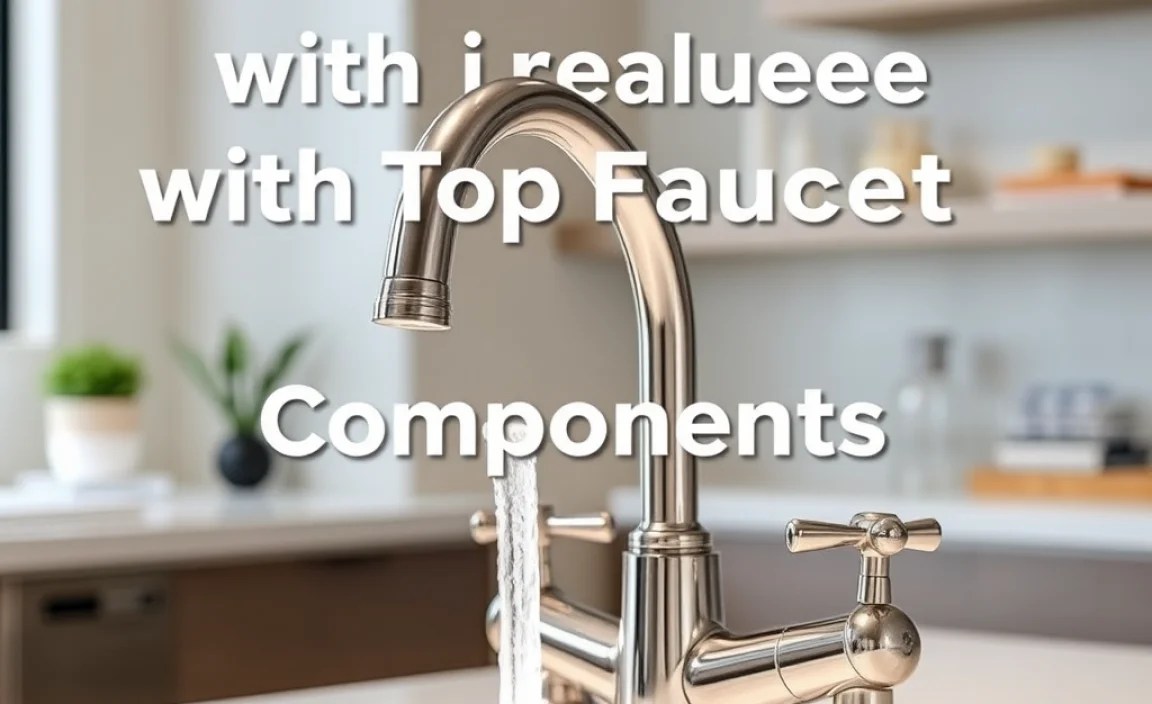
The handle is the part you turn or lift to start the water. It is an essential faucet component that controls the flow and temperature of water. Handles come in various styles, like knobs, levers, and touch-sensitive pads. Each type offers a unique way to control your faucet. Some faucets have one handle, while others have two. This choice affects how you mix hot and cold water.
- Handles can be single or double.
- Levers are easier for small hands.
- Touch pads are modern and sleek.
- Knob handles are common in older designs.
- Handles affect water temperature control.
Choosing the right handle for your faucet can make using it a delight. Consider who will use the faucet and where it’s located. Kitchens often need different handles than bathrooms. For instance, touch-sensitive faucets are handy in the kitchen when your hands are full. In bathrooms, levers might be easier for kids to use.
Fun Fact: Some faucet handles light up when water is running!
Single vs. Double Handles
Single-handle faucets allow you to adjust water with one hand. This is great when you’re busy or holding something. Double-handle faucets have separate controls for hot and cold water. They give you more precise temperature control. Which is better for you? It depends on what you need. Single handles are simple, while double handles offer more control. Many people prefer one over the other based on their needs.
Lever Handles for All Ages
Lever handles are easy to use. They move up, down, and side to side. Kids, adults, and even grandparents find them simple. Why are they so popular? Levers require little effort to turn on. This makes them great for busy kitchens and accessible bathrooms. Imagine needing to wash your hands quickly. A lever handle makes it easy!
Touch and Motion-Activated Faucets
Do you like gadgets? Touch and motion faucets are cool! They use sensors to turn on. Just wave your hand or tap the spout. It’s almost magic. These faucets are great for keeping germs away. Perfect for kitchens, especially when your hands are messy. They’re futuristic and fun, making handwashing exciting.
The Role of Spouts in Faucets

The spout is where water flows out. It’s a crucial faucet component that delivers water into your sink. The shape and size of the spout affect how water flows. Some spouts are tall and curved, while others are short and straight. What’s the purpose of different designs? They each serve unique needs, like reaching over large sinks or fitting in tight spaces.
- Spouts come in many shapes.
- Curved spouts reach farther.
- Short spouts save space.
- High spouts prevent splashes.
- Choose spouts based on sink size.
Think about your sink and how you use it. A high-arc spout is great for filling tall pots. A low spout works well in small spaces. Different spout designs serve various needs. This allows you to choose the best option for your kitchen or bathroom.
Fun Fact: Some spouts can swivel and rotate 360 degrees!
High-Arc vs. Low-Arc Spouts
High-arc spouts are tall and elegant. They provide more space to wash large dishes. Low-arc spouts are compact and unobtrusive. When choosing between them, think about your sink’s size and your daily activities. A high-arc spout suits large kitchens, while a low-arc is perfect for tight spots. Both have their benefits!
Straight vs. Curved Spouts
Straight spouts are traditional and simple. Curved spouts add style and flexibility. Which do you prefer? A straight spout offers a direct water stream. A curved spout adds elegance and reach. Both types give your kitchen or bathroom a unique look.
Swivel Spouts for Flexibility
Swivel spouts move left and right. They’re perfect for double sinks. Imagine needing to fill two pots at once. A swivel spout makes this easy and convenient. Swivel spouts provide flexibility and ease your daily chores. They are a versatile choice for busy kitchens.
Understanding Faucet Valves
Valves are the heart of a faucet. They control water flow and temperature. This essential faucet component ensures the faucet works correctly. Inside the faucet, valves open and close to let water pass or stop. Different types of valves include ball, cartridge, and ceramic disc. Each type offers unique benefits and durability.
- Valves control water flow.
- Ceramic discs last long.
- Ball valves are common.
- Cartridge valves are easy to fix.
- Valves affect faucet lifespan.
Choosing the right valve impacts your faucet’s performance. Ceramic disc valves are long-lasting and require little maintenance. Ball valves are affordable but may need repairs over time. Cartridge valves are simple to replace. Each type has its pros and cons. Understanding these differences helps you choose wisely.
| Type of Valve | Durability | Maintenance Level | Common Usage |
|---|---|---|---|
| Ball | Medium | Medium | Kitchen Faucets |
| Cartridge | High | Low | Bathroom Faucets |
| Ceramic Disc | Very High | Very Low | Luxury Faucets |
| Compression | Medium | High | Older Faucets |
Fun Fact: Ceramic disc valves almost never drip!
Ball Valves: Common and Effective
Ball valves are popular in many homes. They use a metal ball to control water. This ball moves to adjust flow and temperature. They’re affordable and commonly found in kitchen sinks. Ball valves work well, but they may need occasional repair. They offer a good balance between cost and functionality.
Cartridge Valves: Simple and Reliable
Cartridge valves are known for their ease. They’re easy to replace if broken. Inside, a small cartridge moves to mix water. This type is reliable and used in many bathrooms. It offers smooth operation and long-lasting performance. Cartridges are a good choice for those who want simple maintenance.
Ceramic Disc Valves: Long-Lasting Choice
Ceramic disc valves are the most durable. They use two ceramic discs that slide over each other. This design offers great reliability and minimal drips. Many high-end faucets use ceramic discs for their long-lasting nature. They may cost more upfront, but they save money in the long run. They are perfect for those who want quality and durability.
The Importance of Aerators

The aerator is a small piece at the tip of the spout. It mixes air with water, making the stream gentle and splash-free. Aerators are essential faucet components that save water and energy. By adding air, they reduce water usage while maintaining pressure. This makes faucets efficient and eco-friendly.
- Aerators save water.
- They reduce splashing.
- Aerators mix air with water.
- Easy to clean and replace.
- Improves water pressure.
Aerators are simple yet powerful. They make a big difference in water efficiency. Cleaning or replacing them is easy, which keeps your water flowing smoothly. Aerators are an easy way to be kind to the planet while enjoying a steady water stream.
Fun Fact: Aerators can cut water usage by up to 50%!
Why Aerators Are Essential
Aerators may look small, but they play a big role. They help conserve water and lower bills. By mixing air, aerators maintain pressure, even with less water. This means you save water without losing performance. They’re a smart choice for anyone wanting to be eco-friendly. Aerators are both practical and environmentally responsible.
Choosing the Right Aerator
Aerators come in different sizes and flows. How do you pick one? Consider your needs and sink type. A standard aerator fits most faucets. Choose a low-flow aerator to save more water. Don’t forget to check the aerator’s fit before buying. Picking the right aerator ensures maximum savings and performance.
Maintaining Aerators
Aerators need regular cleaning to work well. Over time, minerals can clog them. Cleaning is easy—just unscrew and rinse. Use vinegar for stubborn buildup. Regular maintenance keeps your aerator in top shape. A clean aerator means a steady, splash-free stream. Simple steps make a big difference in performance.
Choosing Faucet Materials

The materials used in faucets affect their durability and style. Common materials include brass, stainless steel, and plastic. Brass is strong and resists corrosion. Stainless steel is sleek and modern. Plastic is affordable but less durable. Selecting the right material is key for a long-lasting faucet.
- Brass is highly durable.
- Stainless steel has a modern look.
- Plastic is budget-friendly.
- Ceramic is used for luxury models.
- Material affects faucet lifespan.
Each material has its pros and cons. Brass is a popular choice for long-lasting faucets. Stainless steel offers a stylish, easy-to-clean surface. Plastic is best for temporary or budget installations. Consider your needs and choose the material that fits your style and budget.
Fun Fact: Some luxury faucets are coated with gold or nickel!
Brass: A Timeless Choice
Brass is one of the oldest faucet materials. Its durability makes it a favorite. Brass resists rust and withstands high temperatures. This makes it ideal for long-term use. Many high-quality faucets are made from solid brass. Choose brass for a classic and enduring option. It’s a reliable choice for any home.
Stainless Steel: Modern and Sleek
Stainless steel offers a clean and contemporary look. It’s resistant to stains and easy to maintain. This material suits modern kitchens and bathrooms. Stainless steel faucets are stylish and durable. They resist corrosion, making them a smart choice. Choose stainless steel for a sleek and low-maintenance option.
Plastic: Affordable and Practical
Plastic faucets are budget-friendly. They’re light and easy to install. While less durable, plastic is great for temporary setups. They come in various colors and styles. Plastic faucets are ideal for those seeking a cost-effective solution. They’re practical for quick and affordable installations.
Conclusion
Faucet components like handles, spouts, and valves make faucets work. Knowing about them helps you choose the right faucet. It also makes fixing leaks easier. Faucets combine style and function. Understanding their parts gives you the power to make informed choices.
FAQs
Question: What are faucet components?
Answer: Faucet components include handles, spouts, valves, and aerators. These parts work together to control water flow and temperature. They are essential for the faucet to function properly. Knowing about these components helps in selecting and maintaining faucets.
Question: How do faucet handles work?
Answer: Faucet handles control water flow and temperature. Turning or lifting the handle adjusts water pressure. Single handles are simple, while double handles offer precise temperature control. Handles are crucial for easy faucet use and are available in different styles.
Question: Why are spouts important in faucets?
Answer: Spouts direct water into the sink. They come in various shapes and sizes to fit different needs. High-arc spouts are great for filling large pots. Low-arc spouts save space. They add style and function to the faucet, making them important components.
Question: What are the different types of faucet valves?
Answer: Faucet valves include ball, cartridge, and ceramic disc types. Each type controls water flow and temperature. Ball valves are common and affordable. Cartridge valves are easy to fix. Ceramic discs last long and prevent drips. Choosing the right valve impacts faucet performance.
Question: How do aerators help in faucets?
Answer: Aerators mix air with water to reduce splashing and save water. They improve water pressure while using less water. Aerators are easy to clean and replace. They’re essential for efficient faucets and help conserve water, making them eco-friendly.
Question: What materials are used for faucets?
Answer: Faucets are made from materials like brass, stainless steel, and plastic. Brass is durable and rust-resistant. Stainless steel offers a modern look. Plastic is affordable but less durable. Choosing the right material ensures a long-lasting, stylish faucet.
