
A faucet is a plumbing device that controls the flow of water from a pipe. It’s essentially the handle and spout assembly you use to turn water on and off, and often to adjust its temperature and pressure. Understanding faucets is key to home maintenance and repair.
Ever stared at a leaky faucet and wondered what’s going on inside? Or perhaps you’re looking to upgrade your kitchen or bathroom and aren’t sure where to start with all the different faucet styles. Don’t worry, it’s simpler than it looks! A faucet, at its core, is that everyday hero that brings water to your fingertips. This guide will break down exactly what a faucet is, why understanding it matters, and how different types work. We’ll cover everything from basic definitions to helping you choose the right one for your home. Get ready to feel more confident about your plumbing!
What Exactly is a Faucet?
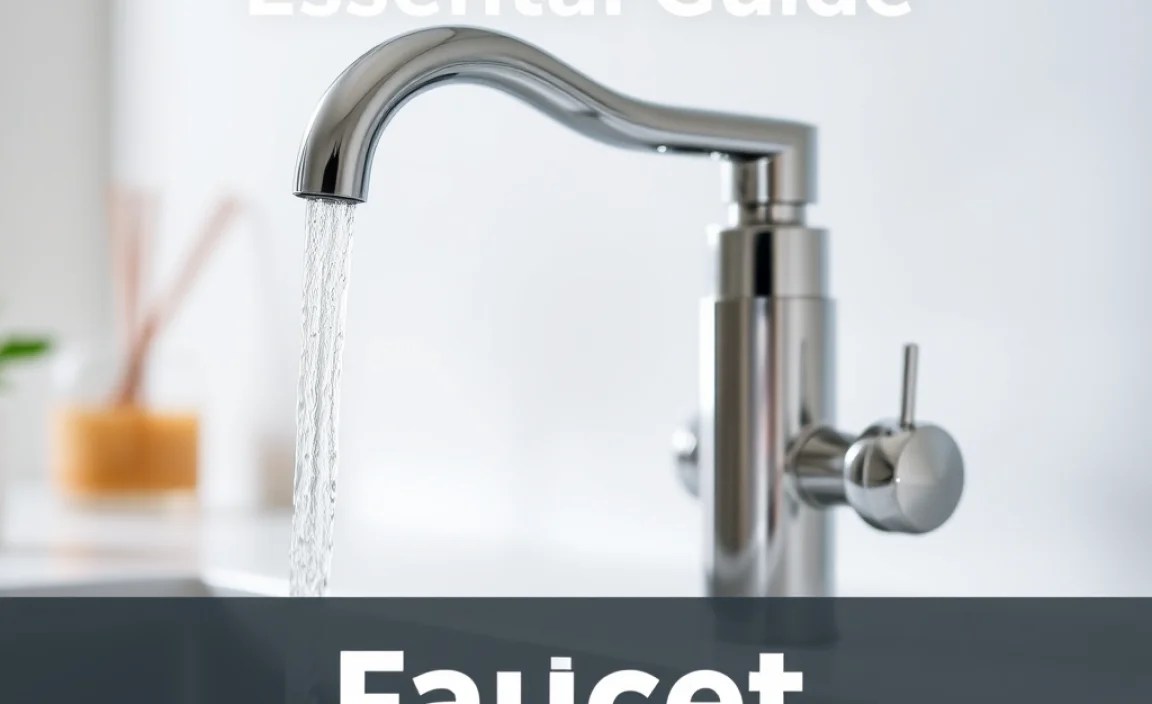
Let’s start with the most fundamental question: what is a faucet? This common household fixture, sometimes also called a tap, is the visible part of your plumbing system responsible for controlling the release of water. When you turn a handle or lift a lever, you’re interacting with a faucet. Its primary job is to stop and start the flow of water and, on many modern faucets, to mix hot and cold water to achieve your desired temperature.
Think of it as the gateway between your home’s water supply pipes and the air where you need that water – whether it’s for washing your hands, filling a pot, or taking a shower. The word “faucet” itself comes from the Latin word “fauces,” meaning “throat,” which is quite fitting as it’s the “throat” through which water flows into your basin or tub.
The Anatomy of a Faucet: What’s Inside?
While a faucet looks simple from the outside, it’s a clever piece of engineering that allows you to control water flow with ease. Understanding its basic parts can make troubleshooting leaks or planning replacements much easier.
Here’s a breakdown of the key components you’ll find in most faucets:
- Spout: This is the part where the water actually comes out. It can come in various shapes, sizes, and lengths depending on the faucet’s style and intended use.
- Handle(s): These are the levers or knobs you use to operate the faucet. They can be a single lever that controls both temperature and flow, or separate handles for hot and cold water.
- Valve Cartridge or Stem: This is the crucial internal component that regulates the flow of water. It’s like the faucet’s brain. When you move the handle, you’re manipulating the cartridge, which either allows water to pass through or stops it. Different types of faucets use different internal valve mechanisms (like compression, ball, cartridge, or ceramic disk).
- Aerator: Usually found at the tip of the spout, the aerator is a small screen-like device. It mixes air into the water stream, resulting in a smooth, steady flow and reducing splashing. It also helps conserve water by reducing the amount of water used without sacrificing pressure.
- Body: This is the main housing of the faucet that connects to the water supply lines and contains all the internal workings.
- Escutcheon/Flange: This is a decorative plate or trim that covers the hole in the sink or countertop where the faucet is mounted. It provides a finished look and can help seal the base of the faucet to prevent water from seeping underneath.
How Faucets Control Water Flow
The magic of turning water on and off lies within the faucet’s internal valve system. While the specific mechanism varies, the principle is the same: moving the handle adjusts a component inside the faucet that either opens a passage for water to flow or seals it shut.
Here’s a simplified look at how some common valve types work:
- Compression Faucets: These are some of the oldest and simplest. They use a rubber washer that is pressed against a valve seat when you tighten the handle. Turning the handle loosens the washer, allowing water to flow. These are common in older homes and are known for being reparable but can sometimes develop drips if the washer wears out.
- Ball Faucets: Often found in kitchens, these use a single handle that moves over a rounded cap. Inside, a slotted metal or plastic ball controls the hot and cold water flow. Springs and rubber seals help manage the water pressure.
- Cartridge Faucets: These are very common and reliable. They use a movable stem cartridge, often made of plastic or brass, with drilled holes. Moving the handle twists or lifts the cartridge to align these holes, controlling water flow and temperature.
- Ceramic Disk Faucets: Considered among the most durable and modern, these feature two ceramic disks. One disk is stationary, and the other rotates with the handle. When the handle is turned, the disks either align to allow water flow or they seal against each other to stop it. They are very resistant to wear and hard water buildup.
Understanding these internal mechanisms is incredibly useful. For instance, if your faucet starts dripping, knowing you have a compression faucet might lead you to check the washer, while a ceramic disk faucet might indicate a need for a new cartridge.
Types of Faucets: Beyond the Basic Definition
The definition of a faucet is simple, but the variety of faucets available for your home is anything but. Faucets are categorized not just by their internal workings but also by their design, how they are mounted, and their function. Choosing the right type can significantly impact the aesthetics and usability of your kitchen or bathroom.
Common Faucet Designs and Styles
The style of a faucet is often the first thing people notice. It’s a key element of your bathroom or kitchen’s overall look:
- Single-Handle Faucets: These feature one lever that controls both water flow and temperature. They are convenient, easy to use (especially with one hand), and a popular choice for kitchens and bathrooms alike.
- Double-Handle Faucets: With separate handles for hot and cold water, these offer more precise control over temperature. They are a classic choice, especially for bathrooms, and can add a traditional or vintage feel.
- Wall-Mounted Faucets: Instead of coming up from the countertop or sink, these are mounted directly onto the wall behind the sink or tub. This can create a unique, modern look and free up counter space. They are often seen in commercial settings or sophisticated bathroom designs but are becoming more popular in homes.
- Pull-Down and Pull-Out Faucets: Primarily found in kitchens, these have a sprayer integrated into the spout that can be pulled out or pulled down towards the sink. They are incredibly practical for rinsing dishes, cleaning the sink, and filling pots.
- Touchless (Sensor) Faucets: These faucets activate when they sense your hands nearby, using infrared technology. They offer a hygienic, hands-free operation, which is great for kitchens. They also help conserve water as they only run when needed.
- Bridge Faucets: These typically have two handles connected by a horizontal pipe (the “bridge”) that runs over the spout. They have a distinct, often vintage or industrial aesthetic.
Mounting Styles: Where Do They Sit?
How a faucet is installed is just as important as its appearance. The mounting style dictates how the faucet is attached to your sink or countertop:
- Deck-Mounted Faucets: These are the most common type. They are mounted directly onto the sink or countertop. The number of “holes” required in the sink or counter (for the spout, handle(s), etc.) can vary. Many sinks come pre-drilled to accommodate specific configurations like 4-inch centerset, 8-inch widespread, or single-hole faucets.
- Wall-Mounted Faucets: As mentioned earlier, these are installed directly into the wall. This requires specific plumbing rough-ins behind the wall, so they are often chosen during a renovation or new construction.
- Faucet with Integrated Sink (Vessel Faucets): For sinks that sit on top of the counter (like vessel sinks), the faucet needs to be taller to accommodate the sink’s height. These are often wall-mounted or deck-mounted but are specifically designed for vessel sink installations.
Faucet Functionality in Different Rooms
While the basic definition of a faucet remains the same, their design and features adapt to their location:
Kitchen Faucets: These are often designed for heavy-duty use. Key features might include high-arc spouts for clearing large pots, pull-down or pull-out sprayers for versatile cleaning, and durable finishes that resist stains and scratches. They also often prioritize ease of use, as hands can be messy when cooking.
Bathroom Faucets: Bathroom faucets focus on a balance of aesthetics and functionality. They come in many styles, from single-handle mixers to classic double-handle designs. Water flow is generally less intense than in kitchens, and the design often complements the bathroom’s overall decor. Some bathroom faucets include features like filters to improve water clarity or specific aerators for a more gentle stream.
Tub and Shower Faucets: These are specialized faucets designed to deliver large volumes of water for filling a tub or providing a shower stream. They often include a diverter mechanism to switch water flow between the tub spout and the showerhead. Thermostatic or pressure-balancing valves are critical here to prevent scalding or sudden temperature changes. You can learn more about shower valve types and installation from resources like the National Association of Home Builders (NAHB), which offers insights into building codes and plumbing standards.
Why Understanding Faucet Definitions Matters
Knowing what a faucet is and its different components isn’t just trivia; it’s practical knowledge that can save you time, money, and a lot of headaches. For any homeowner or DIY enthusiast, this understanding is essential for several reasons.
DIY Repairs and Maintenance
The most immediate benefit is the ability to tackle minor repairs yourself. A dripping faucet is a common annoyance and a waste of water. If you understand that most drips are caused by worn-out washers (in compression faucets) or faulty cartridges, you can often fix it yourself with a simple replacement part. This saves you the cost of a plumber for what is often a quick fix. Resources like This Old House provide excellent step-by-step guides that assume a basic understanding of faucet parts.
Making Informed Purchasing Decisions
When it’s time to replace an old, worn-out faucet, knowing the terminology and types is crucial. You can walk into a hardware store or browse online with confidence, understanding whether you need a single-handle pull-down kitchen faucet with an 8-inch spread or a double-handle bathroom faucet with a widespread mount. This clarity helps you choose a faucet that fits your plumbing, your sink, and your style, avoiding costly mistakes or returns.
Improving Home Efficiency and Water Conservation
Modern faucets are designed with water conservation in mind. Features like aerators and efficient internal valve designs can significantly reduce water consumption without sacrificing performance. Understanding these technologies empowers you to choose faucets that are not only functional but also environmentally friendly and can help lower your water bills. According to the U.S. Environmental Protection Agency (EPA), fixing leaks alone can save homeowners thousands of gallons of water per year.
Enhancing Home Value and Aesthetics
A stylish, modern faucet can dramatically update the look of a kitchen or bathroom, adding to your home’s overall appeal. Whether you’re renovating for personal enjoyment or to increase your home’s resale value, choosing the right faucet is a relatively impactful and cost-effective upgrade. Designers and real estate professionals often highlight updated fixtures as key selling points.
Choosing the Right Faucet for Your Home

With the vast array of options, selecting the perfect faucet can seem daunting. However, by considering a few key factors, you can narrow down your choices and find a fixture that meets your needs and your style.
Key Factors to Consider
Before you start browsing, think about these important aspects:
- Functionality: What do you primarily use the faucet for? A kitchen faucet might need a sprayer and a high arc, while a bathroom faucet might prioritize aesthetics and a smooth stream.
- Mounting Type: Check your sink or countertop. How many holes are there? What is the distance between handles if it’s a double-handle faucet (e.g., 4-inch centerset, 8-inch widespread)? This will determine the type of faucet you can install without modifications.
- Valve Type: While you might not interact with it directly, understanding the valve type (cartridge, ceramic disk, etc.) can give you an idea of the faucet’s durability and potential repair ease. Ceramic disk and cartridge faucets are generally considered more reliable and longer-lasting.
- Finish: Faucet finishes range from classic chrome and brushed nickel to trendy matte black and brushed gold. Consider how the finish will match your other hardware and appliances and how easy it is to clean and maintain.
- Budget: Faucets can range from under $50 to over $500. Set a realistic budget based on the quality and features you’re looking for.
- Brand Reputation and Warranty: Opt for reputable brands known for quality and good customer service. A strong warranty can provide peace of mind for your investment.
Common Faucet Measurements and Compatibility
Ensuring your new faucet fits your existing sink or countertop is crucial. Here are common measurements to be aware of:
- Single-Hole: Requires only one hole in the sink or deck. Often used for modern-style faucets where the handle and spout are integrated. Many single-handle faucets are designed for this.
- Centerset (Mini-Spread): The spout and handles are all connected on a single base plate, and the distance between the hot and cold handle holes is typically 4 inches. This is common for many bathroom sinks.
- Widespread: The spout and handles are separate components, requiring three holes in the sink or deck. The distance between the handles can be customized, typically ranging from 8 to 16 inches. These are often found in higher-end bathrooms and offer a more custom look.
- Wall-Mount Spacing: For wall-mounted faucets, the rough-in valve connections in the wall need to be at specific, standardized distances. This is less of a concern for homeowners replacing a faucet and more for those undertaking new installations or major renovations.
Here’s a quick comparison table for common faucet types you might encounter in a home:
| Faucet Type | Typical Valve Mechanism | Common Mounting Style | Primary Use | Pros | Cons |
|---|---|---|---|---|---|
| Compression | Washer and Seat | Centerset, Wall-Mount | Older Kitchens/Bathrooms | Simple, Easy to Repair (user replaceable washers) | Can wear out faster, less water efficient |
| Ball | Metal or Plastic Ball | Deck-Mount (Single Hole) | Kitchens | Relatively inexpensive, easy to use | Can be prone to leaks if seals wear out, complex internal parts |
| Cartridge | Cartridge (Plastic/Brass) | Single Hole, Centerset, Widespread | Kitchens, Bathrooms | Durable, smooth operation, good control | Cartridge can be more expensive to replace than a washer |
| Ceramic Disk | Two Ceramic Disks | Single Hole, Centerset, Widespread | Kitchens, Bathrooms (especially higher-end) | Extremely durable, leak-resistant, long-lasting, wide range of styles | Can be more expensive upfront |
| Pull-Down/Pull-Out | Cartridge or Ceramic Disk | Deck-Mount (Single Hole) | Kitchens | Highly functional for cleaning and rinsing, convenient | Hose can be a point of failure over time, can be bulkier |
| Touchless/Sensor | Solenoid Valve controlled by Sensor | Deck-Mount (Single Hole) | Kitchens, High-End Bathrooms | Hygienic, water-saving, modern convenience | Requires batteries or AC power, can be sensitive, more complex to repair |
Troubleshooting Common Faucet Issues
Even the best-defined faucet can develop problems. Fortunately, many common issues are fixable with a little knowledge and the right tools. Bryan Lee, your DIY guide, is here to help you diagnose and solve them.
