
Have you ever wondered how water reaches our sinks? It’s not magic. The answer lies in the faucet structure in construction. Faucets play a vital role in our homes. They help us wash our hands, brush our teeth, and more. So, let’s dive into the world of faucets and uncover their secrets.
Key Takeaways
- Faucet structures are crucial in home construction.
- They control water flow and temperature.
- Faucet structure in construction involves complex parts working together.
- Proper installation prevents leaks and water damage.
- Faucets come in various designs and materials.
Understanding Faucet Design Basics

Faucet design is more than meets the eye. Faucets are not just shiny fixtures; they are complex pieces of engineering. The faucet structure in construction includes several parts. Each part has its own function. These parts work together to control water flow and temperature. The main parts are the spout, handle, and valve. The spout is where water comes out. The handle lets you turn the water on or off. The valve controls water flow and pressure.
- Spout: Where water exits.
- Handle: Controls water flow.
- Valve: Regulates water pressure.
- Cartridge: Mixes hot and cold water.
- Escutcheon: Decorative plate at the base.
Choosing a faucet is important in home design. You can find faucets in many styles, colors, and materials. Some are made of stainless steel, others from brass or plastic. The choice depends on your style and needs. Matching your faucet to your sink and kitchen style can make your space look great. But, always ensure it functions well, too.
Fun Fact or Stats : A dripping faucet can waste over 3,000 gallons a year!
Spout and Its Importance
The spout is the most visible part of a faucet. It directs water to where you need it. Have you ever noticed different spout styles? Some arch high to fill pots easily. Others are low-profile for small sinks. Choosing the right spout style depends on your needs. If you cook a lot, a high-arch spout is handy. For a bathroom, a smaller spout might be better. Understanding spouts helps you pick the best faucet for your space.
Handles: More Than Just Controls
Handles help us control water with ease. Turn them left or right to adjust temperature. Pull up or push down to start or stop water flow. Some faucets have one handle. Others have two. Single-handle faucets are simpler and modern. Two-handle faucets offer more precise control. Which is better for you? Think about who uses the faucet most and their needs. Handles are not just functional; they add to the overall look.
Valves: The Heart of the Faucet
Valves are essential to the faucet’s function. They control the flow and pressure of water. Ever wondered how turning a handle changes water speed? The valve makes it happen. Different valves offer different features. Ceramic disk valves are durable and smooth. Compression valves are basic and affordable. Ball valves are also common. Knowing about valves helps you maintain your faucet better. It also helps in choosing the right faucet for your needs.
The Role of Materials in Faucet Construction
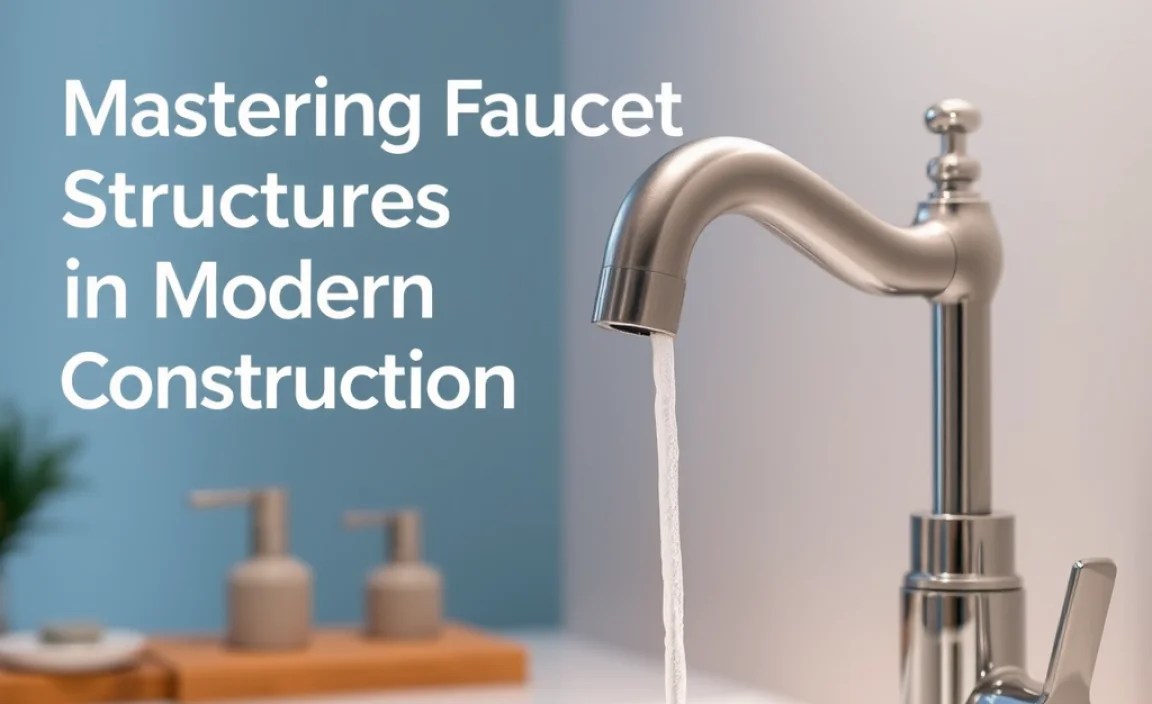
Materials matter in faucet construction. Faucets can be made from various materials. Common ones include brass, stainless steel, and plastic. Each material has its pros and cons. For instance, brass is durable but can tarnish. Stainless steel resists corrosion but may show fingerprints. Plastic is light and affordable, but less durable. Choosing the right material involves thinking about your needs and budget. A good faucet material ensures durability and style.
- Brass: Durable, can tarnish over time.
- Stainless Steel: Resists corrosion, shows fingerprints.
- Plastic: Lightweight, less durable.
- Copper: Stylish, needs polishing.
- Zinc: Affordable, not as strong.
Each material affects the faucet’s look and feel. For busy kitchens, stainless steel is often preferred. It handles wear and tear well. In bathrooms, brass or copper adds elegance. For those on a budget, plastic or zinc may be good options. The key is balancing style with function. A well-chosen material can enhance any space.
Fun Fact or Stats : Stainless steel faucets are 10 times more resistant to bacteria than plastic!
Brass Faucets: A Timeless Choice
Brass faucets are classic and durable. They’re made from a mix of copper and zinc. This makes them strong. Have you seen a shiny golden faucet? It’s likely brass. Brass faucets are timeless and suit many styles. They can tarnish, giving an aged look. But, polishing restores their shine. Do you like a vintage touch? Brass faucets might be perfect for you.
Stainless Steel: Modern and Sleek
Stainless steel is a popular choice for faucets. It’s sleek and modern. Ever notice how it resists rust? It’s due to a special coating. This makes it long-lasting and easy to clean. But it may show fingerprints. So, is stainless steel right for you? If you want a durable, modern look, it might be. In kitchens, it pairs well with appliances like refrigerators.
Plastic Faucets: Budget-Friendly Options
Plastic faucets are often the most affordable. They come in many colors and styles. Do you want a simple, cost-effective option? Plastic might be the answer. They’re lightweight and easy to install. But they’re less durable than metal options. Are you looking for something temporary or for a space with little use? Then, plastic could work well. Remember, it’s all about your needs and budget.
Faucet Installation and Maintenance

Installing a faucet requires precision. When you install a faucet, you connect all its parts. This includes the spout, handle, and valves. Proper installation ensures no leaks and a steady flow. Maintenance is key to a long-lasting faucet. Regular checks prevent minor issues from turning major. Cleaning helps keep the faucet looking new. Using the right cleaning products is essential. It protects the faucet’s finish and keeps it functional.
- Ensure no leaks during installation.
- Tighten valves to prevent water wastage.
- Use appropriate cleaning products.
- Check for clogged spouts regularly.
- Replace worn-out parts promptly.
Good maintenance extends the faucet’s life. Prevention is better than cure. Address minor leaks quickly. This saves water and protects your home. Keep an eye on the faucet’s condition. Sometimes, simple fixes can prevent costly repairs. Always follow the manufacturer’s instructions for the best outcome.
Fun Fact or Stats : A tiny faucet drip can fill a big bathtub in just a month!
Installation Steps Simplified
Installing a faucet might seem hard. But it’s simple with the right steps. Start by gathering tools like a wrench and tape. Turn off the water supply. Unscrew the old faucet carefully. Clean the sink area. Place the new faucet in position. Tighten connections to prevent leaks. Turn the water back on. Check for any drips. With care, your faucet will work perfectly.
Common Installation Mistakes
Installing a faucet seems easy, but mistakes can happen. Forgetting to turn off water is a common one. This leads to a big mess. Over-tightening connections is another. It can damage parts. Not checking for leaks after installation is risky. Leaks cause water waste and damage. Following instructions prevents these errors. Always double-check your work for success.
Maintaining Your Faucet
Maintaining a faucet keeps it in top shape. Clean it regularly with mild soap and water. Avoid harsh cleaners. They can harm the finish. Check for leaks often. Tighten loose parts to stop drips. Replace worn-out parts like washers. These steps ensure your faucet lasts long. What’s the secret to a long-lasting faucet? Regular care and attention!
Types of Faucets in Construction

There are many faucet types. Each serves different needs. They vary in style, function, and installation method. Knowing faucet types helps you choose the best for your space. Some common types include single-hole, center-set, and wall-mounted faucets. Each has unique features and benefits. Consider your space and needs when choosing a type. Different faucets offer different user experiences.
- Single-hole: Simple, easy to install.
- Center-set: Compact, fits most sinks.
- Wall-mounted: Saves counter space.
- Bridge: Classic, elegant design.
- Touchless: Hygienic and modern.
Choosing the right faucet type matters. Single-hole faucets are great for small bathrooms. Wall-mounted ones save space in kitchens. Touchless faucets are hygienic for busy places. Think about your space and how you use it. Picking the right faucet can make daily tasks easier and more enjoyable.
Fun Fact or Stats : Touchless faucets can reduce water usage by up to 70%!
Single-Hole Faucets
Single-hole faucets are simple and easy to install. They have one handle. This controls the flow and temperature. Fewer parts make them less prone to leaks. They fit small sinks well. Because of their simplicity, they’re often used in bathrooms. A single-hole faucet is a great choice for minimalists. Less clutter, more function!
Wall-Mounted Faucets
Wall-mounted faucets attach to the wall. This saves counter space. Do you need more room for kitchen tasks? Consider a wall-mounted faucet. They offer a clean look. Installation can be complex, but the result is worth it. Perfect for modern kitchens or unique bathroom designs. They add style and function.
Touchless Faucets
Touchless faucets are modern and hygienic. They use sensors to detect motion. Simply wave your hand to start the flow. These faucets reduce germ spread. They also save water. Imagine coming home with dirty hands. No need to touch the faucet! It’s ideal for busy families and public spaces. Touchless faucets are the future of faucets.
Comparing Faucet Features
Faucets can have many features. Some are basic, while others offer advanced technology. Knowing these features helps in choosing the right faucet. Features can include water-saving aerators, pull-out sprayers, and dual-temperature controls. Each feature adds value and convenience. It’s important to match features to your needs. Consider how you use the faucet daily and pick features that make life easier.
| Feature | Benefit | Ideal For |
|---|---|---|
| Water-saving Aerator | Reduces water use | Eco-friendly homes |
| Pull-out Sprayer | Flexible cleaning | Kitchens |
| Dual-temperature Control | Precise temperature | Bathrooms |
| Touchless Activation | Hygienic use | Public spaces |
- Water-saving aerators minimize water wastage.
- Pull-out sprayers offer flexible use.
- Dual-temperature controls ensure precise water temperature.
- Touchless activation offers hygienic operation.
- Smart faucets can connect to home systems.
Understanding these features improves your choice. In the kitchen, a pull-out sprayer can be a huge help. In the bathroom, dual-temperature control offers comfort. If you value hygiene, a touchless faucet is excellent. Picking the right features makes your faucet work best for you.
Fun Fact or Stats : Smart faucets can be voice-controlled via home systems!
Water-Saving Aerators
Water-saving aerators help conserve water. They mix air with water. This reduces flow without losing pressure. Do you want to save on water bills? Aerators are a smart choice. They’re easy to install in most faucets. Some models even have adjustable settings. This allows you to choose the best flow for your needs. Small changes, big savings!
Pull-Out Sprayers
Pull-out sprayers make cleaning easy. They’re great for washing dishes or filling pots. Ever struggled to clean a large pot in a small sink? A pull-out sprayer solves that problem. It offers flexibility and control. You can direct water exactly where you need it. These sprayers are popular in busy kitchens. They add convenience and style.
Dual-Temperature Controls
Dual-temperature controls offer precise water temperature. No more guessing the right mix of hot and cold. Have you ever turned the handle and been surprised by water that’s too hot? Dual controls solve this. They allow you to set and forget your desired temperature. This feature is great for both safety and comfort.
Conclusion
The faucet structure in construction is more complex than it appears. From materials to installation, each aspect plays a role. Choosing the right faucet involves understanding design, materials, and features. Whether it’s a simple single-hole or a tech-savvy touchless model, your choice impacts daily life. Ensure your faucet fits your needs and style. Happy faucet shopping!
FAQs
Question: What makes a faucet durable?
Answer: The faucet structure in construction determines durability. Quality materials like brass or stainless steel offer longevity. Proper installation and regular maintenance also affect durability. Choosing the right material for your environment is essential for a long-lasting faucet.
Question: How do I prevent faucet leaks?
Answer: Preventing leaks involves regular maintenance. Check and tighten connections. Replace worn washers. Ensure proper installation to avoid initial leaks. Choosing quality faucets with good valves also helps. Remember, early attention prevents bigger issues later.
Question: What is the role of a faucet valve?
Answer: Faucet valves control water flow and pressure. They allow you to adjust how much water comes out. Valves are crucial in the faucet structure in construction. They ensure smooth operation and prevent leaks. Different types offer various features and durability.
Question: How do I choose the right faucet?
Answer: Choose a faucet based on your needs and style. Consider your space and how you use the faucet. Look for features that make tasks easier. Ensure the material matches your environment. Aesthetics are important, but functionality should not be compromised.
Question: Can I install a faucet myself?
Answer: Yes, with the right tools and instructions. Many faucets come with installation guides. Basic DIY skills are useful. Turn off the water supply before starting. Follow steps carefully to ensure no leaks. When in doubt, seek professional help.
Question: Are touchless faucets worth it?
Answer: Touchless faucets offer convenience and hygiene. They reduce germ spread by eliminating touch. Ideal for busy or public spaces, they can also save water. They might be costlier upfront but offer long-term benefits. Consider your needs and budget when deciding.
