
Have you ever wondered how to choose the right faucet for your home? It’s an important choice that affects both style and function. With so many faucet types, the decision can be tricky. Each type has its own pros and cons. Let’s dive into the fascinating world of faucets and unlock the secrets to picking the perfect one.
Key Takeaways
- Different faucet types offer unique pros and cons.
- Consider style and practicality when choosing a faucet.
- Faucet materials affect durability and appearance.
- Easy installation can save time and money.
- Water efficiency is important for the environment.
Compression Faucets Pros and Cons
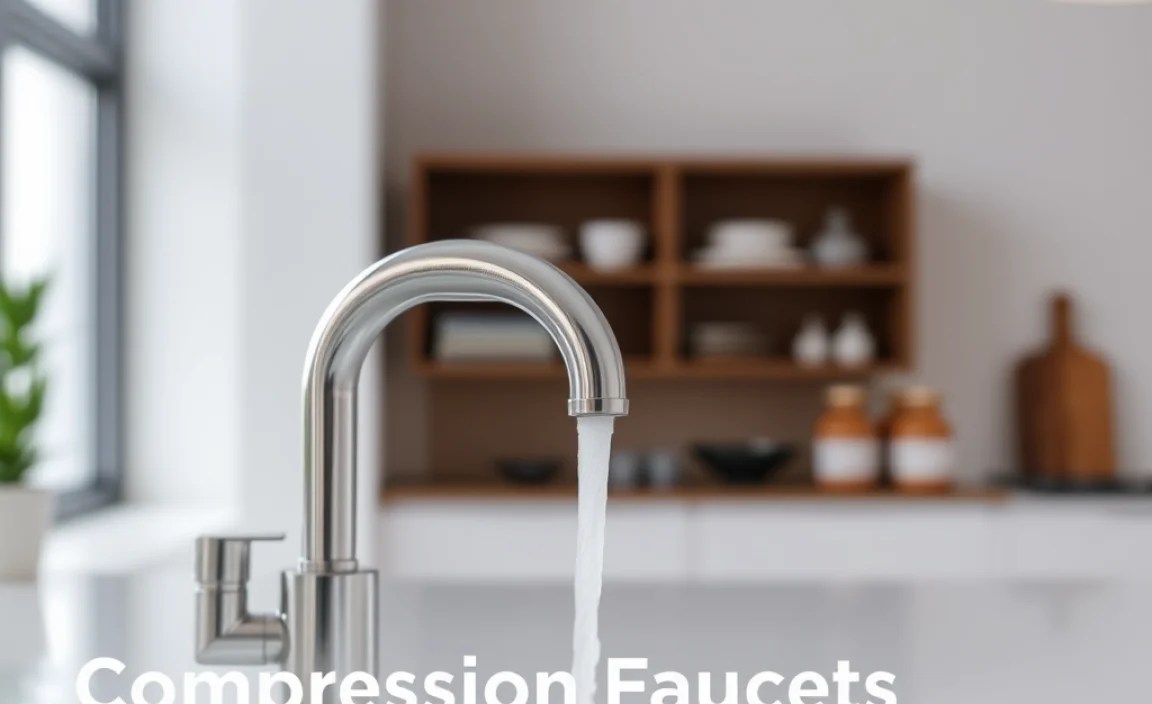
Compression faucets are one of the oldest types you can find. They use rubber washers to control water flow. Turning the handle tightens or loosens the washer. These faucets are often found in older homes. They are affordable and easy to fix. However, they may drip if the washer wears out. This means you might have to replace washers often. Despite this, some people love their vintage charm.
- Affordable and easy to repair.
- Available in various styles.
- Require frequent maintenance.
- Prone to leaks over time.
- Can be noisy when in use.
Though compression faucets can leak, they are simple to fix. A new washer usually solves the problem. Many people appreciate their classic look and prefer them for their simplicity. If you want a faucet that’s easy to fix on your own, this is a great choice. But remember, you might need to change the washer more often.
Fun Fact or Stats: Compression faucets have been around since the 1800s!
How Do Compression Faucets Work?
Have you ever turned a faucet handle and felt it tighten as the water stops? That’s how a compression faucet works. It uses a rubber washer that presses against a valve seat to stop the flow. When you turn the handle, the washer moves away, allowing water to flow. This simple mechanism is what makes compression faucets so popular.
Why Choose a Compression Faucet?
Do you love vintage things that tell a story? Compression faucets might be for you. They’re easy to repair and have a classic design. If you want a faucet that matches your vintage kitchen, this is a great choice. They’re also cost-effective, which is good if you’re on a budget.
Common Problems with Compression Faucets
Have you ever heard a faucet drip at night? It’s annoying, right? Compression faucets can sometimes drip if the washer wears out. Replacing the washer can fix this issue. Sometimes, they can also be noisy when you turn them on. However, these problems are usually easy to fix, which makes them popular despite these issues.
Ball Faucets: Pros and Cons

Ball faucets are another popular choice. They are often found in kitchens. They have a single handle that controls both temperature and flow. Inside, a ball moves to regulate water. These faucets are easy to use with one hand. However, they have more parts, which can wear out. This may lead to leaks over time.
- Simple, one-hand operation.
- Perfect for busy spaces.
- More parts can wear out.
- Can leak if not maintained.
- Available in many designs.
Ball faucets are great for busy kitchens. They allow quick adjustments to temperature and flow with one hand. This makes them very user-friendly. Keeping them in good shape involves regular maintenance. This way, you can prevent leaks and ensure they last longer.
Fun Fact or Stats: Ball faucets were the first type of washerless faucet introduced in the 1950s!
How Ball Faucets Operate
Do you need a faucet that’s easy to use? Ball faucets might be your answer. They have a round, hollow ball inside that controls water flow and temperature. When you move the handle, the ball shifts to adjust the flow. This design is convenient for quick use in kitchens.
Benefits of Ball Faucets
Ever tried to adjust water temperature with messy hands? Ball faucets make it simple. With just one handle, you can easily control the water flow and temperature. This makes them perfect for busy chefs or anyone who needs to multitask in the kitchen.
Maintenance Tips for Ball Faucets
Want your ball faucet to last a long time? Regular maintenance is key. Check for leaks and replace worn parts as needed. This will help prevent bigger issues. A bit of care goes a long way in keeping your faucet in top shape.
Disc Faucets: Pros and Cons

Disc faucets are modern and reliable. They use ceramic discs to control water flow. This makes them durable and long-lasting. You often find them in new homes. They are less likely to leak compared to other types. However, they can be more expensive. But the long lifespan can make up for the cost over time.
- Durable and reliable design.
- Less prone to leaking.
- Modern appearance fits many styles.
- Higher upfront cost.
- Available in various finishes.
Disc faucets are a great choice for modern homes. They offer a sleek look and reliable performance. While they may cost more initially, their durability can save money in the long run. They are a smart investment for anyone looking to upgrade their kitchen or bathroom fixtures.
Fun Fact or Stats: Disc faucets can last over 20 years with proper care!
Understanding Disc Faucets
Have you ever seen a faucet that looks super sleek? It’s likely a disc faucet. These faucets use two ceramic discs that slide over each other to control water flow. This design is less likely to wear out, making them a popular choice in modern homes.
Advantages of Using Disc Faucets
Looking for a stylish and durable faucet? Disc faucets might be what you need. They offer a sleek design that’s perfect for any modern kitchen or bathroom. Plus, they are less likely to leak, which means less hassle for you in the long run.
Choosing the Right Disc Faucet
Searching for the perfect faucet can be tough. Disc faucets are a solid choice if you want style and reliability. They come in many finishes, so you can find one that matches your décor. Take your time and choose one that fits your needs and taste.
Cartridge Faucets: Pros and Cons

Cartridge faucets are all about convenience and ease of use. They have a simple design with a cartridge that controls flow. This makes them easy to fix if something goes wrong. They can have one or two handles. Cartridge faucets are less likely to leak, but their parts can wear out. Regular maintenance is key to keeping them working well.
- Easy cartridge replacement.
- Available in one or two handles.
- Less prone to leaks.
- Parts can wear out over time.
- Simple design fits many styles.
Cartridge faucets offer a blend of ease and style. Their design allows for quick fixes, which can save time and money. Whether in the kitchen or bathroom, these faucets provide a reliable solution. Regular maintenance will ensure they continue to work smoothly for years.
Fun Fact or Stats: Cartridge faucets are widely used in both residential and commercial settings!
How Cartridge Faucets Function
Curious about how cartridge faucets work? They use a movable cartridge inside the faucet body. When you turn the handle, the cartridge moves, allowing water to flow. This simple mechanism makes them easy to use and maintain.
Why Opt for Cartridge Faucets?
Do you prefer a faucet that’s easy to repair? Cartridge faucets are a great option. If something goes wrong, you can often fix it yourself by replacing the cartridge. This makes them a convenient choice for many households.
Maintaining Your Cartridge Faucet
Want a faucet that lasts a long time? Regular maintenance of a cartridge faucet can help. Check for wear and tear, and replace the cartridge if needed. This keeps your faucet in top condition and avoids unexpected leaks.
Touchless Faucets: Pros and Cons
Touchless faucets are the latest in faucet technology. They use sensors to start and stop water flow. This makes them very hygienic, as you don’t need to touch them. They are great for kitchens and bathrooms. However, they require batteries or electricity to work. They can also be expensive.
- Hygienic with no-touch operation.
- Convenient for busy kitchens.
- Require power to function.
- Higher initial cost.
- Available in modern designs.
Touchless faucets offer convenience and cleanliness. They are perfect for families who are always on the go. While the initial investment is higher, they provide great value through ease of use and hygiene benefits.
Fun Fact or Stats: Touchless faucets can reduce water usage by up to 30%!
Benefits of Touchless Faucets
Do you want a cleaner kitchen or bathroom? Touchless faucets are an excellent choice. They prevent the spread of germs because you don’t have to touch them. This makes them a popular option in both homes and public places.
How Do Touchless Faucets Work?
Ever seen a faucet turn on by itself? That’s a touchless faucet at work. It uses sensors to detect your hand. When the sensor sees your hand, it turns the water on. Once you move away, the water stops. It’s magic in your kitchen or bathroom!
Choosing the Right Touchless Faucet
Looking to upgrade your home with modern technology? Touchless faucets are a great choice. They come in various styles, so you can find one that fits your home. Consider the power source and design that best suits your needs.
| Faucet Type | Pros | Cons |
|---|---|---|
| Compression | Easy to repair, affordable | Frequent maintenance, prone to leaks |
| Ball | Simple operation, easy to use | More parts, can leak |
| Disc | Durable, less leaking | Higher cost, upfront |
| Cartridge | Easy to fix, less prone to leaks | Parts wear out, needs maintenance |
| Touchless | Hygienic, convenient | Requires power, expensive |
Conclusion
Choosing the right faucet type can be fun and rewarding. Each type has its own pros and cons, depending on your needs. Whether you prefer the simplicity of a compression faucet or the modern convenience of a touchless one, there’s something for everyone. Consider all the options, and you’ll find the best fit for your home.
FAQs
Question: What are the main types of faucets?
Answer: The main types are compression, ball, disc, cartridge, and touchless. Each has unique pros and cons. Choose based on your needs and style preferences.
Question: How do touchless faucets work?
Answer: Touchless faucets use sensors to detect your hand. They turn the water on and off automatically. This makes them hygienic and convenient.
Question: Are disc faucets more expensive?
Answer: Yes, disc faucets can be more expensive. Their durability and sleek design often justify the cost.
Question: What are the pros of cartridge faucets?
Answer: Cartridge faucets are easy to fix and less prone to leaks. They offer a simple design that fits many styles.
Question: Why do compression faucets leak?
Answer: Compression faucets may leak due to worn washers. Replacing the washer usually fixes the issue, keeping the faucet in good shape.
Question: What are the cons of touchless faucets?
Answer: Touchless faucets require power to operate and can be expensive. However, their convenience and hygiene benefits are often worth the cost.
