
Have you ever noticed water stains on your bathroom cabinet? It’s a common issue many homeowners face. Water damage can turn your beautiful cabinet into a sad sight. But don’t worry! You can fix bathroom cabinet water damage with a few simple steps.
Imagine opening your bathroom cabinet and seeing warped wood or bubbling paint. Doesn’t that make your heart sink? We all want our bathrooms to look nice and welcoming. Learning how to fix water damage can save you time and money.
Did you know that fixing water damage early can stop bigger problems later? Ignoring those water stains can lead to mold or more serious damage. With the right tools and tips, you can restore your cabinet and keep your bathroom looking fresh.
Get ready to dive into the simple ways to fix bathroom cabinet water damage. You’ll feel proud of your space when you take charge!

How To Fix Bathroom Cabinet Water Damage Effectively
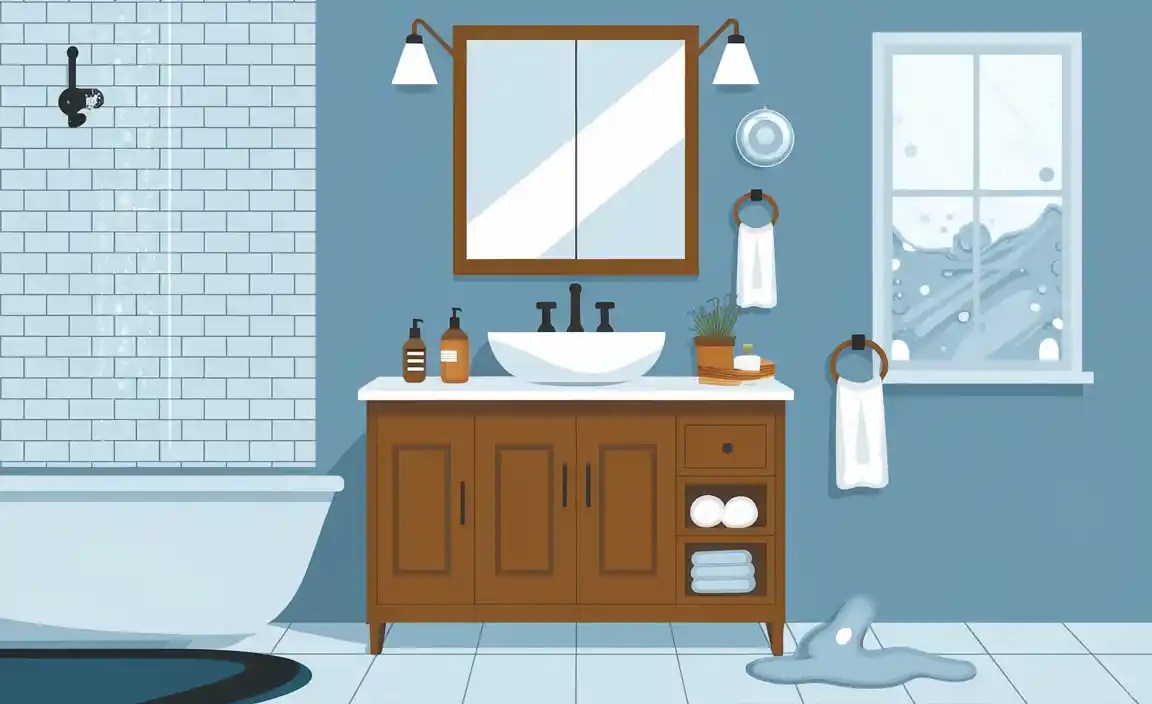
Water damage can ruin a bathroom cabinet quickly. Did you know that simple fixes can save your furniture? Start by drying the area thoroughly to prevent mold. Use sandpaper to remove damaged surfaces. Applying a sealant can keep water out in the future. You can also replace the cabinet doors or use a wood filler for deeper damage. With a little work, your cabinet can look new again!
Understanding Bathroom Cabinet Water Damage
Types of water damage commonly seen in bathroom cabinets. Causes of water damage: leaks, humidity, and condensation. Water damage can affect bathroom cabinets in many ways. Some common types include:

- Stains or discoloration
- Warping or swelling
- Mold growth
Several factors can cause this damage:
- Leaks from pipes or faucets
- Humidity from showers or baths
- Condensation from temperature changes
These issues can make your cabinets look bad and may even spread to the walls. Regular checks can help avoid problems.
What are common signs of bathroom cabinet water damage?
Look for stains, mold, or warped surfaces as signs of damage. Early detection can save time and money.
Assessing the Extent of Damage
Signs to look for: discoloration, swelling, and mold. Tools and materials needed for assessment. To enjoy a dry bathroom, first look for signs of trouble. Check for discoloration on cabinet surfaces; this often means water is lurking. Next, feel for swelling—if your cabinet resembles an overstuffed marshmallow, that’s not good! Lastly, keep an eye out for mold. If you spot fuzzy spots, it’s time to act. To assess the damage, grab some basic tools: a flashlight, a moisture meter, and maybe a magnifying glass for a detective vibe.
| Signs of Damage | What to Look For |
|---|---|
| Discoloration | Stains or color changes |
| Swelling | Cabinet feels bulgy or soft |
| Mold | Fuzzy spots or mildew smell |
With this checklist, you’re ready to take the plunge. Remember, a little investigation can save your cabinets from an expensive bath time disaster!
Materials and Tools for Repair
List of essential tools required for fixing water damage. Recommended materials for restoration.
To fix that bathroom cabinet water damage, you need the right tools and materials. Here’s a list to help you get started:
- Screwdriver
- Putty knife
- Sandpaper
- Paintbrush
- Sealant
- Wood filler
- Primer and paint
These tools will help you repair and restore your cabinet. Use good-quality materials for the best results. This way, your cabinet will look like new again!
What materials are best for restoration?
The best materials are wood filler, water-resistant paint, and sealant. These help prevent future damage.
Step-by-Step Process to Fix Water Damage
Initial preparation: emptying and dismantling the cabinet. Detailed steps for repairing or replacing damaged components. Before starting repairs, empty the cabinet. Remove all items like toiletries, towels, and cleaning supplies.
Then, carefully take off the cabinet doors and shelves. Check for any visible water damage. If the wood is warped or rotting, it’s time to step up your repairs. You can either replace the damaged parts or fix them. Here’s a simple guide:
- Examine and assess the damage carefully.
- If wood is too damaged, cut out that piece and replace it.
- For minor damage, sand the area smooth and apply wood filler.
- Finally, repaint or re-stain to match the rest of the cabinet.
What to do first when fixing water damage?
Begin by emptying the cabinet of all items to inspect for damage. This prevents further issues and makes repairs easier.
Preventing Future Water Damage
Best practices for bathroom maintenance to avoid moisture problems. Recommendations for waterproofing and sealing cabinets. Keeping your bathroom cabinets safe from water damage is easier than it sounds! First, make sure to dry any spills right away.
A little towel action can go a long way! Next, consider waterproofing your cabinets. A good sealant can be your best friend. Did you know that bathrooms are often 30% more humid than other rooms? That’s a recipe for disaster! Here are some tips:
| Tip | Description |
|---|---|
| Check for leaks | Examine pipes regularly to catch any sneaky leaks. |
| Install exhaust fans | These help to reduce moisture in the air. Bye-bye, humidity! |
| Use moisture-resistant materials | Opt for cabinets made with materials that laugh in the face of water. |
By following these tips, you can keep your bathroom looking great. Water damage? No thanks!
When to Call a Professional
Indicators that suggest a need for professional help. Benefits of hiring a contractor vs. DIY repairs. Noticing certain signs can help you decide if a professional is needed. Bad smells or visible mold are serious issues. Extensive water damage might be hard to fix alone. Hiring a contractor has benefits. They save time and have skills that make repairs last. DIY can be fun, but it can lead to more problems.
- Professionals offer expertise and tools.
- They can spot hidden damages.
- You get a warranty on the work.
When should I call a professional?
If damage is severe or widespread, it’s best to contact an expert.
Conclusion
In conclusion, fixing bathroom cabinet water damage is essential to keep your space looking great. Start by drying the area and checking for mold. You can replace damaged parts or use wood filler for minor issues. Don’t forget to improve ventilation to prevent future problems. For more tips, explore DIY guides or ask a professional for help!
FAQs
What Are The Signs Of Water Damage In A Bathroom Cabinet That Should Be Addressed Immediately?
You should look for a few signs of water damage in your bathroom cabinet. If you see dark spots or stains, that means there might be a leak. You might also feel the wood is soft or mushy. If the cabinet smells musty, that’s a sign of mold. Check for any bubbling or peeling paint too. It’s important to fix these right away!
What Materials And Tools Are Necessary For Repairing A Water-Damaged Bathroom Cabinet?
To repair a water-damaged bathroom cabinet, you need a few materials and tools. First, gather wood glue or sealant, sandpaper, and paint or stain. You will also need a putty knife and a clean cloth. For tools, get a screwdriver, a brush, and a small bucket. These items will help you fix the cabinet and make it look nice again!
Can I Salvage A Bathroom Cabinet With Minor Water Damage, Or Should I Replace It Entirely?
You can often fix a bathroom cabinet with minor water damage. First, dry it out completely. Then, check for soft spots. If it feels strong, you can sand and paint it. If it’s too damaged, it might be better to get a new one.
How Can I Prevent Future Water Damage To My Bathroom Cabinet?
To prevent water damage to your bathroom cabinet, always wipe up spills quickly. Use a bath mat to catch drips. Keep items off the cabinet top so they don’t create messes. Check for leaks under the sink and fix them right away. Lastly, make sure the bathroom has good ventilation to keep dampness away.
What Are Some Effective Techniques For Drying Out A Bathroom Cabinet That Has Been Exposed To Water?
To dry out a bathroom cabinet that got wet, start by removing everything inside. Use towels to soak up any water you can see. Open the cabinet doors to let air flow inside. You can also use a fan or a hairdryer on low to help dry it faster. If possible, leave the doors open for a day or two so it can dry completely.
Resource:
-
Moisture-resistant cabinetry materials: https://www.familyhandyman.com/project/how-to-choose-cabinets-that-can-stand-up-to-moisture/
-
How humidity affects wood furniture: https://www.bobvila.com/articles/humidity-and-wood-furniture/
-
Proper ventilation tips for bathrooms: https://www.thisoldhouse.com/bathrooms/21014965/how-to-ventilate-a-bathroom
-
When to hire a contractor for water damage: https://www.angi.com/articles/water-damage-repair.htm
