
Floor waste jargon vs alternatives: Understanding drain terms is key to DIY success. This guide translates confusing plumbing language into simple, actionable advice, empowering you to tackle floor drain issues confidently and choose the right solutions for your home maintenance needs.
Ever stared at a plumbing supply store shelf, completely scratching your head at the names for things like “floor waste,” “trap,” or “grate”? You’re not alone! This “jargon” can feel like a secret code, making simple home maintenance tasks seem way more complicated than they need to be. But understanding these terms is actually your first step to fixing that slow-draining shower or preventing a smelly bathroom. We’re here to break down the confusing language and offer clear, common-sense alternatives so you can feel empowered and get the job done right. Let’s clear the drain on this confusing topic!
Decoding the Drain: What is Floor Waste Jargon?
In the world of plumbing, “floor waste” is a pretty broad term. Simply put, it refers to the entire system of drains located in your floor, designed to carry away water. This typically includes things like shower drains, utility sink drains, and even floor drains you might find in basements or garages. The jargon around them often comes from the specific parts and their functions.
Think of it like this: when you need to talk about the “engine” of your car, you don’t just say “the noisy bit.” You learn terms like “pistons,” “spark plugs,” and “fuel injectors.” Plumbing is similar. Understanding the basic components helps you identify problems and communicate effectively with plumbers if needed. The goal here isn’t to become a master plumber, but to gain enough knowledge to be a confident homeowner.
Common Floor Waste Jargon and Their Simple Meanings
Let’s demystify some of the most common terms you’ll encounter when dealing with floor drains:
- Floor Waste Gully (FWG): This is a common term, especially in older homes or certain regions. It essentially refers to a floor-level drainage point, often in showers or bathrooms, designed to catch and channel water away. Think of it as the main plumbing connection point for your floor drain.
- Trap (or P-Trap/S-Trap): This is a crucial component, not just for floor drains but for all fixtures. Its U-shaped bend in the pipe holds a small amount of water. This water acts as a seal, preventing sewer gases from coming up through your drain and into your home, which can cause nasty odors and even be harmful.
- Grate (or Drain Cover): This is the visible part you see on top of the drain. Its job is to prevent large debris (like hair, soap scum, or dropped items) from falling down the drain and causing clogs. Grates come in various styles and materials.
- Outlet: This is the point where the water exits the floor waste system and connects to the main drainage or sewer line.
- Flashing Collar / Seal: This is a flexible rubber or metal piece installed around the drain pipe where it meets the floor. Its primary function is to create a watertight seal, preventing water from seeping under tiles or into the subfloor.
You might also hear terms like “waste pipe,” “vent pipe,” or “drainage system.” In simple terms:
- Waste Pipe: Carries wastewater away from your fixtures.
- Vent Pipe: Allows air into the drainage system, which helps water flow smoothly and prevents vacuums that can suck the water out of your traps.
Alternatives to Jargon: Everyday Language for Your Drains

While knowing the proper terms is handy, you can also get by with everyday language. The key is to describe the function and location of what you’re dealing with.
Instead of saying “Floor Waste Gully,” you can say:
- “The drain in the shower floor.”
- “The drain at the bottom of our bathroom.”
- “The main drain point for the floor.”
Instead of “Trap,” you can say:
- “The U-shaped pipe under the drain.”
- “The part that holds water to stop smells.”
- “The seal that keeps sewer gas out.”
Instead of “Grate,” simply use:
- “The drain cover.”
- “The metal bit on top of the drain.”
- “The shower drain opening.”
And instead of “Flashing Collar,” you might say:
- “The rubber seal around the drain pipe in the floor.”
- “The waterproof seal where the pipe meets the floor.”
The goal is clear communication. If you can describe what you see, what it does, and where it is, you’ll be understood. For example, “The shower is draining really slowly, and I think there might be something blocking the grate, or maybe the trap is clogged.” This is perfectly clear and actionable.
Why Understanding Your Floor Waste Matters

Knowing the basics of your floor waste system is more than just about avoiding confusing terms. It’s about maintaining your home effectively and safely:
- Preventing Clogs: Understanding how the drain works helps you identify common causes of clogs (hair, soap scum, grease) and how to prevent them. Regular cleaning of the grate and understanding what shouldn’t go down the drain are the first lines of defense.
- Dealing with Odors: If you notice a sewer smell, it’s often a sign that the trap has dried out or is leaking. Knowing this helps you troubleshoot by running water regularly or checking for leaks.
- Waterproofing: The flashing collar is critical for preventing water damage. If it fails, water can get under your flooring, leading to mold and rot. Knowing it exists makes you more aware during renovations or when you notice water issues.
- DIY Confidence: When you encounter a minor issue, like a clogged drain, having basic knowledge empowers you to try simple fixes yourself. This saves money and gives you a sense of accomplishment.
- Informed Repairs: If you need to call a plumber, you can describe the problem more accurately, leading to quicker diagnoses and more efficient repairs.
A well-functioning floor waste system is essential for hygiene and preventing property damage. It’s the unsung hero that keeps your wet areas dry and odor-free!
Common Floor Drain Problems and How to Solve Them
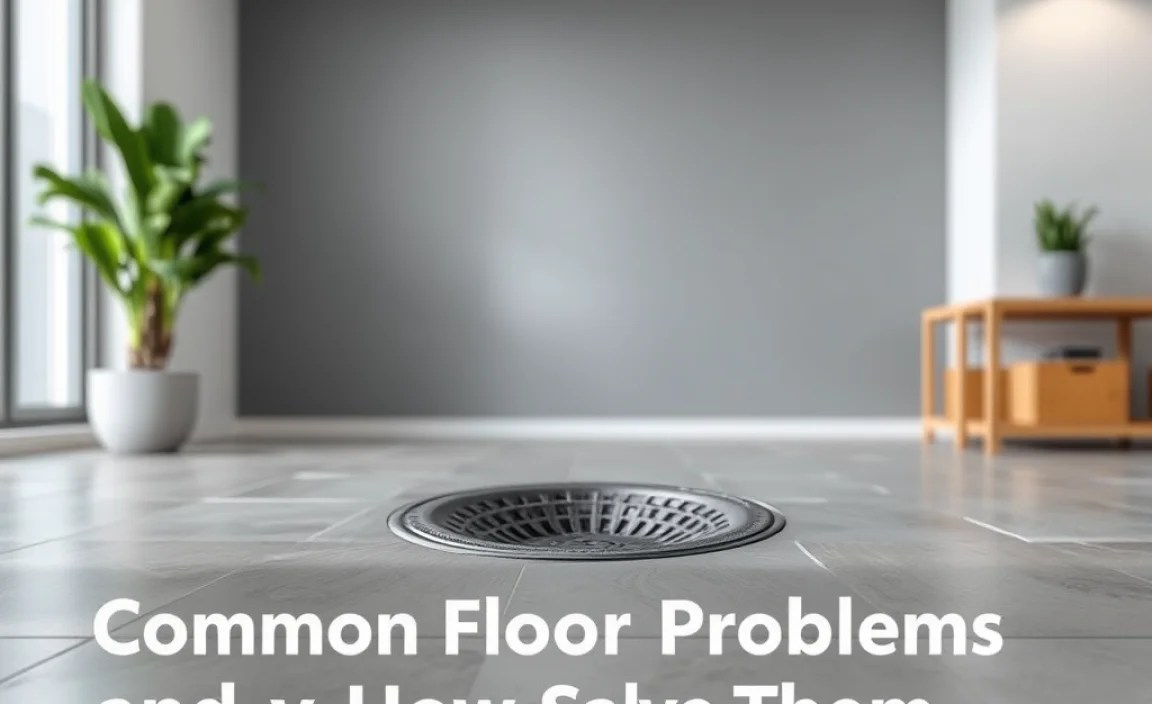
Let’s look at some typical issues and how to address them, using our newly acquired plain language!
1. Slow Draining
What it means: Water takes too long to go down the drain.
Likely causes:
- Hair and soap scum build-up on the grate or just below it.
- A partial clog further down the waste pipe.
- A problem with the venting system (less common for beginners to fix).
DIY Solution:
- Safety First: Wear rubber gloves.
- Remove the Grate: Gently pry off the drain cover. Some might have screws.
- Clean the Grate: Remove any visible hair, soap scum, or gunk. A small brush or old toothbrush can help.
- Clear What You Can See: Use needle-nose pliers or a bent coat hanger to pull out any debris just below the grate.
- Flush with Hot Water: Pour a kettle of very hot (not boiling, as it can damage some pipes) water down the drain to help dissolve soap scum.
- Baking Soda & Vinegar (Optional): Pour about half a cup of baking soda down the drain, followed by a cup of white vinegar. Let it fizz for 15-30 minutes, then flush with hot water.
- Use a Plunger: If the above doesn’t work, block any overflow drains (if present) and strongly plunge the main drain opening.
- Consider a Drain Snake: For deeper clogs, a simple drain snake (or auger) can be effective. Feed it into the drain until you feel resistance, then crank the handle to break up or retrieve the clog. You can find affordable ones at any hardware store.
2. Unpleasant Odors
What it means: Smelly air coming from the drain.
Likely causes:
- A dry trap (the water seal has evaporated). This happens if the drain isn’t used often.
- A cracked or leaking trap.
- A loose or faulty flashing collar allowing sewer gas to escape.
- A blockage in the waste pipe that’s starting to decompose.
DIY Solution:
- Run Water: For a dry trap, simply run water down the drain for a minute or two to refill the U-shaped pipe. If it’s a drain you don’t use often (like a basement floor drain), make it a habit to run water regularly.
- Clean the Drain: Follow the steps for “Slow Draining” above to clear out any potential blockages or debris that could be causing odors.
- Check for Leaks (if accessible): If you can see the U-shaped trap under the sink or floor, check for any obvious water or damage.
- Professional Help: Persistent odors, especially if you suspect a leak in the trap or venting system, are best handled by a plumber.
3. Leaks Around the Drain
What it means: Water seeps out around the drain opening during or after use.
Likely causes:
- Failed or missing flashing collar.
- Cracked or deteriorated sealant around the tiles or drain flange.
- Loose drain flange (the part the grate screws into).
DIY Solution:
- Identify the Source: Carefully observe where the water is coming from. Is it directly around the drain pipe, or from the grout lines of the tiles?
- Check and Replace Sealant: If the tiles around the drain are cracked or the sealant is peeling, carefully remove the old sealant using a utility knife and apply new, flexible bathroom sealant.
- Inspect the Flashing Collar: This is trickier to access. If the leak is significant and seems to be coming from directly around the drain pipe itself, the flashing collar may need to be replaced. This often involves removing some flooring and is a more involved DIY task. For this, you might want to consult a professional or do extensive research on specific product guides like those from the Vinyl Building Materials Directory, which details how various components interact in moisture-prone areas.
- Tighten Drain Flange: Sometimes, the drain flange itself can loosen. If you can access it, a gentle tightening might resolve minor leaks.
- Call a Plumber: If you’re unsure about the cause or how to fix it, especially where a flashing collar is involved, it’s best to call a professional to prevent further water damage.
Choosing the Right Floor Waste Components

When you need to replace parts of your floor waste system, understanding the jargon helps you pick the correct items. Here’s a look at common components and what to look for:
Floor Drains
These are the housings that sit in the floor, usually connected to the waste pipe. They offer a standard opening for grates and are designed to have water drain into them.
- Material: Commonly made from plastic, cast iron, or brass. Plastic is affordable and corrosion-resistant. Cast iron is durable. Brass offers excellent corrosion resistance but is pricier.
- Outlet Size: Needs to match your existing plumbing pipe size (common sizes are 2-inch or 3-inch).
- Type: Some have internal traps, others rely on an external P-trap.
Grates/Drain Covers
These are the visible surfaces. They not only protect the drain but also affect the style and flow rate.
- Material: Stainless steel is very popular for its durability and rust resistance. Brass and plastic are also options.
- Design:
- Strainer Grates: The most common type, with slots or holes to catch debris.
- Heel-Proof Grates: Designed with smaller openings so heels don’t get caught. Ideal for shower floors.
- Decorative Grates: Available in various patterns and finishes to match bathroom decor.
- Size: Must match the drain housing it fits into.
Traps
As mentioned, these are vital for preventing sewer gases. Many modern floor drains have a built-in trap mechanism (often a “one-way” or “waterless” trap, or simply a standard P-trap connection on the drain body). Older systems might have a separate U-bend pipe that acts as the trap.
- Check if one is present: You need a functional trap for every floor drain.
- Consider Waterless Traps: These use a mechanical seal instead of water and are great for drains that are used infrequently, as they won’t dry out.
Flashing Collars
Crucial for waterproofing, especially in tiled wet areas. You usually buy these as part of a drain assembly or waterproof membrane system.
- Material: Typically flexible rubber or a composite material.
- Compatibility: Ensure it’s designed to work with your flooring type (e.g., for tile, vinyl, or concrete).
When in doubt, taking a picture of your existing drain or bringing a sample of the part you need to the hardware store can be incredibly helpful. Alternatively, a quick online search using descriptive terms like “shower floor drain cover” or “bathroom drain pipe seal” will bring up many options. Reputable plumbing supply websites often have detailed product descriptions and compatibility charts.
For a deeper dive into plumbing system basics, resources like the International Plumbing Code (while technical) can offer insights into the rules and standards governing these components, ensuring safety and proper function.
A Quick Comparison: Jargon vs. Everyday Terms
To solidify your understanding, let’s put it all in a table that contrasts the technical term with its simpler explanation.
| Jargon Term | Everyday Alternative / Simple Meaning | Why It’s Important |
|---|---|---|
| Floor Waste Gully (FWG) | Floor drain opening / Shower drain | Collects water from the floor and sends it to the pipes. |
| Trap (P-Trap/S-Trap) | U-shaped pipe under drain / Water seal pipe | Holds water to block sewer smells and gases. |
| Grate / Drain Cover | Metal cover on drain / Drain lid | Stops large debris and hair from clogging the pipe. |
| Flashing Collar | Waterproof seal around pipe / Rubber floor seal | Prevents water from leaking under the floor. |
| Waste Pipe | Dirty water pipe | Carries wastewater away to the sewer. |
| Vent Pipe | Air pipe for drains | Lets air into the system so water flows freely. |
Frequently Asked Questions About Floor Drains
FAQ: Your Floor Drain Questions Answered
Q1: My bathroom floor drain smells like sewage. What’s wrong?
A1: Most likely, the trap has dried out. This happens when the drain isn’t used often. Simply pour a gallon of water down the drain to refill the trap and create the water seal. If the smell returns quickly, there might be a leak in the trap or a venting issue, which may require a plumber.
Q2: How often should I clean my floor drains?
A2: For high-use drains like shower drains, clean the grate and remove visible hair/gunk at least once a month, or whenever you notice slow draining. Less-used floor drains (like in basements) can be checked and flushed with water every few months to keep the trap full.
Q3: Can I use harsh chemical drain cleaners on my floor drains?
A3: It’s best to avoid harsh chemical cleaners if possible. They can damage certain types of pipes and are bad for the environment. Stick to mechanical methods like drain snakes, plungers, or the baking.
