
Have you ever wondered how a toilet works? It’s all about flush parts. These parts have special jobs that keep toilets running. They can be helpful but also have some drawbacks. Let’s explore the pros and cons of flush parts and functions. You might find it surprising how essential these parts are in everyday life.
Key Takeaways
- Flush parts keep toilets working smoothly every day.
- Each part has a special function in the toilet system.
- Pros and cons exist with each flush system type.
- Regular maintenance helps avoid common toilet issues.
- Understanding flush parts saves time and money.
Exploring Flush Parts and Functions
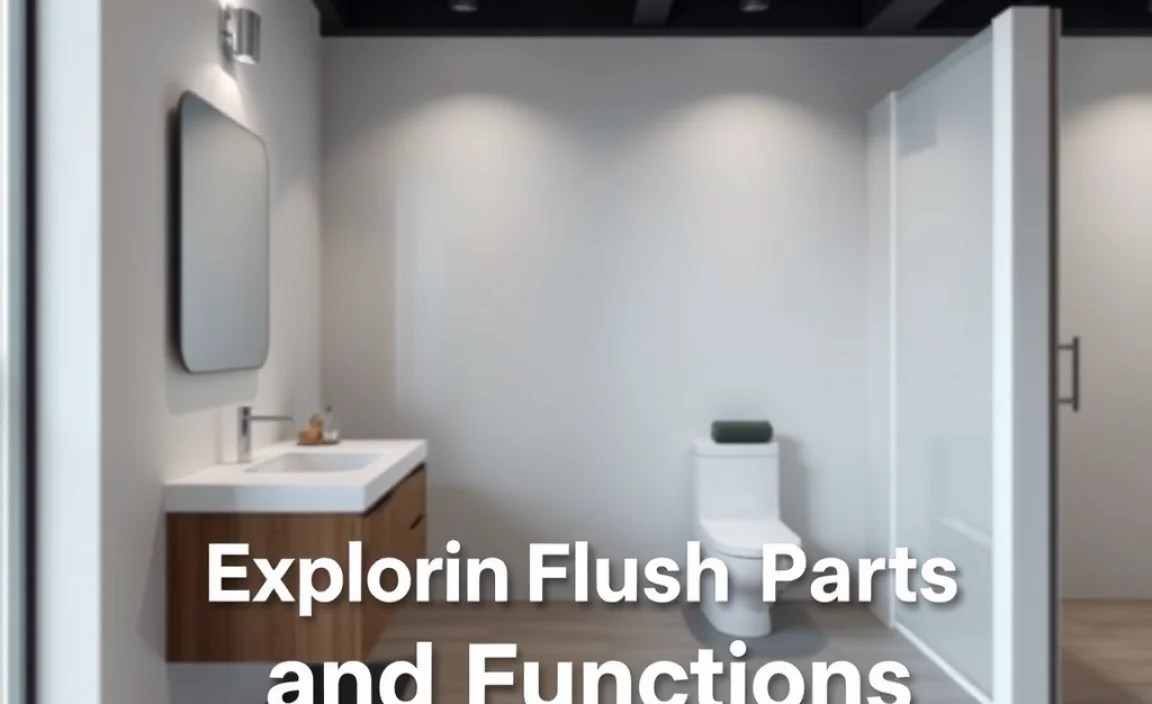
Flush parts are crucial for toilets to work. They include the handle, fill valve, flapper, and overflow tube. Each part has a specific function. The handle starts the process. The fill valve brings water into the tank. The flapper releases water into the bowl. The overflow tube keeps water from spilling. Knowing these parts helps understand how a toilet works and how to fix it if needed.
- Handles are important for starting the flush.
- Fill valves control the water level.
- Flappers seal and release water.
- Overflow tubes prevent tank overflows.
- Each part has a unique role.
Flush parts make sure waste goes down the drain quickly. Without them, toilets would not function correctly. They work together to provide a clean and efficient flush. It’s fascinating how these parts are designed to fit together perfectly. They may seem simple, but they are essential for daily life.
Fun Fact or Stats : An average toilet flush uses about 1.6 gallons of water.
The Handle: Start of the Flush
The handle is the first step in flushing a toilet. When you press it, a chain lifts the flapper. This action allows water to rush from the tank into the bowl. It’s like opening a gate for a quick water flow. Have you ever had a handle that sticks? That can be frustrating! Sometimes, a loose chain can cause this. Fixing it is often easy and keeps the toilet working well.
The Fill Valve: Water Controller
After a flush, the fill valve refills the tank with water. It ensures the tank has enough water for the next flush. Have you ever noticed a toilet running on its own? This can happen if the fill valve is broken. Regular checks can prevent this issue. A working fill valve means a ready toilet for the next use. It’s like a guardian making sure everything’s in place.
The Flapper: Keeper of Water
The flapper seals the tank until you flush. Then, it opens to let water out. A bad flapper can mean leaks and wasted water. Have you heard a toilet hissing? That might be a leaky flapper. Replacing it can be simple and save water. The flapper is like a door that opens and closes just when needed.
Pros and Cons of Different Flush Systems
Toilets use different flush systems. Each has its pros and cons. Gravity flush systems are common and use water weight. They are simple and cost-effective. Pressure-assisted systems use air pressure. They offer a powerful flush but are noisier. Dual-flush systems save water with two flush options. Understanding these systems helps in choosing the right toilet for your needs.
- Gravity flush is quiet but less powerful.
- Pressure-assisted is strong but noisier.
- Dual-flush saves water with two options.
- Choosing depends on personal preference.
- Each system has its benefits and drawbacks.
Knowing the pros and cons helps in making informed choices. Whether you want a quiet flush or a water-saving option, there’s a system for you. Each type serves different needs, showing how versatile toilets are. It’s amazing how innovations improve daily life with simple adjustments.
Fun Fact or Stats : Dual-flush toilets can save up to 4,000 gallons of water per year.
Gravity Flush Systems
Gravity flush systems use water weight to push waste. They rely on simple mechanics. Many people prefer them for their quiet operation. Have you ever noticed water swirling calmly in the bowl? That’s the gravity flush at work. It’s like nature’s gentle push, making sure waste goes down smoothly. These systems are reliable and have fewer parts, meaning less maintenance.
Pressure-Assisted Flush Systems
Pressure-assisted systems use air for a powerful flush. They are great for homes needing strong waste removal. Have you heard a loud whoosh from a toilet? That’s pressure-assisted action. It’s like a superhero push, making sure everything clears the pipes. These systems use less water but can be louder. They are excellent for heavy use and large families.
Dual-Flush Systems
Dual-flush toilets offer two flush options. One for liquid waste and one for solid waste. Have you ever chosen a light flush to save water? That’s the dual-flush benefit. It’s like having two tools in one, perfect for conserving water. They are great for eco-friendly homes. These systems promote water savings and efficiency, showing how small changes can add up.
Common Issues and Solutions
Toilets can have issues that need fixing. Common problems include running toilets, clogs, and weak flushes. Running toilets often mean a broken fill valve or flapper. Clogs can result from too much toilet paper. Weak flushes might indicate low water levels. Regular maintenance and quick fixes keep toilets in top shape. Knowing how to resolve these issues saves money and time.
- Running toilets waste water and need a flapper check.
- Clogs need careful plunging, not force.
- Weak flushes may need water level adjustment.
- Regular checks prevent bigger issues.
- DIY solutions often work well.
Fixing toilet problems can be easy with basic knowledge. Have you ever fixed a toilet yourself? It’s rewarding and saves a repair call. Understanding the parts and how they function helps identify issues quickly. Being proactive in maintenance ensures a smoothly running toilet system all year long.
Fun Fact or Stats : The average person flushes the toilet about 5 times a day.
Running Toilets
Running toilets can waste gallons of water. They often result from a faulty flapper or fill valve. Have you heard that constant trickle sound? It’s like money going down the drain. Checking the flapper and valve can solve this problem. It’s a simple fix that prevents water waste and saves on bills. Regularly inspecting these parts helps catch issues early.
Clogged Toilets
Clogs happen from too much paper or foreign objects. They can be inconvenient but easy to fix. Have you ever used a plunger? It’s like a magic wand for clogs. The right technique can clear most blockages. Being cautious about what goes down the toilet prevents clogs. Simple habits keep toilets flowing freely.
Weak Flushes
Weak flushes may result from low water levels in the tank. Adjusting the fill valve can help. Have you ever noticed a half-hearted flush? It can be annoying! Ensuring the tank fills properly addresses this. A full tank provides the force needed for a strong flush. Regular maintenance keeps flushes efficient and toilets happy.
Maintaining Toilet Efficiency
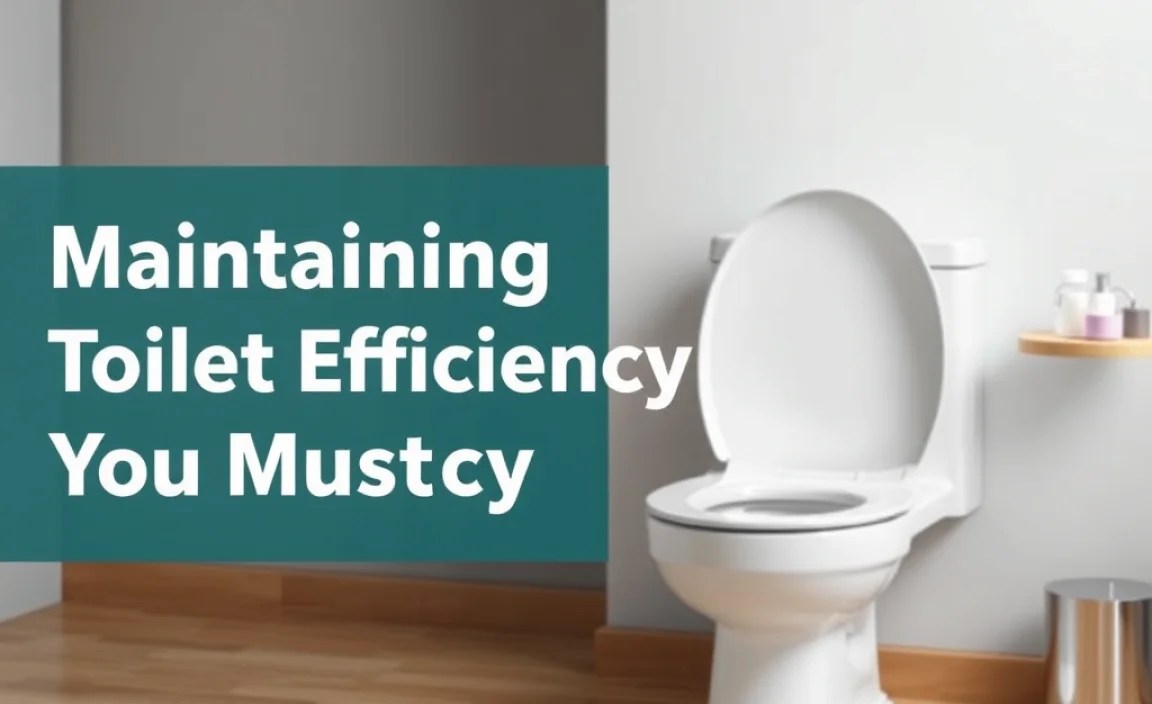
Regular maintenance keeps toilets efficient. Check flush parts for wear and tear. Ensure the handle, flapper, and fill valve work well. Clean the bowl and tank to avoid buildup. Avoid using harsh chemicals that can damage parts. Little habits like these extend the life of your toilet. They make sure it works effectively day in and day out.
- Inspect parts regularly for wear.
- Clean the bowl and tank often.
- Avoid harsh chemicals that damage parts.
- Check for leaks and fix promptly.
- Proper use prevents problems.
Maintaining toilets saves money and hassle. Have you ever skipped maintenance and faced a big repair? Regular checks prevent surprises. They keep the toilet running smoothly and efficiently. Simple steps ensure your toilet is always ready for action.
Fun Fact or Stats : A small leak can waste over 200 gallons of water a day.
Regular Inspections
Inspecting your toilet regularly is key. Look for worn parts or leaks. Have you ever found a leak early and saved water? It’s satisfying! Checking the fill valve and flapper ensures they work right. Regular inspections keep issues at bay. They make sure your toilet is always in top shape.
Cleaning Tips
Keeping your toilet clean matters. Use a gentle cleaner to avoid damage. Have you ever scrubbed a toilet clean and felt proud? Regular cleaning prevents buildup and keeps it fresh. It also ensures parts like the flapper seal properly. A clean toilet works better and lasts longer.
Avoiding Harsh Chemicals
Using harsh chemicals can damage toilet parts. Stick to gentle cleaners instead. Have you ever read the warning labels on cleaners? It’s surprising what they can do. Being careful with chemicals protects the toilet. It ensures parts last long and work well. Smart cleaning keeps everything in good condition.
Choosing the Right Toilet
Choosing the right toilet involves understanding flush parts and functions. Consider the pros and cons of different systems. Think about your needs and preferences. Do you want a quiet system or a water-saver? Knowing what each type offers helps in making a smart choice. It’s about finding what fits your home best.
- Consider water efficiency for savings.
- Choose based on household needs.
- Understand each system’s benefits.
- Look for durable and easy-to-maintain models.
- Think about comfort and height.
Picking the right toilet is important. Have you ever chosen a model that didn’t fit well? It can be disappointing! Knowing your options ensures satisfaction. It’s like choosing the perfect tool for a job. The right toilet makes daily life easy and comfortable.
Fun Fact or Stats : Modern toilets can save up to 20% more water than older models.
Water Efficiency
Water efficiency matters in choosing a toilet. It saves money and resources. Have you considered how much water your toilet uses? It’s worth checking! Dual-flush models and new designs offer savings. Efficient toilets help the planet and your wallet. They are a smart choice for eco-conscious homes.
Household Needs
Think about your household needs when choosing a toilet. Is it for a large family or a single person? Have you ever thought about how many flushes a day your family needs? Different systems suit different homes. Considering personal use helps find the perfect fit. It makes sure the toilet meets your daily demands.
System Benefits
Understanding system benefits helps in choosing. Do you need powerful flushes or quiet performance? Each system offers unique pros. Have you ever wished for a noiseless night flush? Knowing what matters most makes decision-making easy. It’s about matching features to your lifestyle.
Conclusion
Flush parts and functions have pros and cons. They are vital for every toilet. Understanding them helps in maintenance and choice. Whether fixing an issue or picking a new toilet, this knowledge is useful. It keeps toilets running smoothly and efficiently. A well-maintained toilet means fewer worries and a happy home.
FAQs
Question: What are the main flush parts?
Answer: The main flush parts are the handle, fill valve, flapper, and overflow tube. Each has a special function. The handle starts the flush. The fill valve refills the tank. The flapper seals the tank until needed. The overflow tube prevents overflows. These parts work together to ensure an efficient flush.
Question: What are the pros and cons of gravity flush?
Answer: Gravity flush systems are quiet and simple. They have fewer parts, reducing maintenance. However, they may not be as powerful as other systems. In comparison, pressure-assisted systems are stronger but noisier. Choosing between them depends on personal preference and household needs.
Question: How does a fill valve work?
Answer: A fill valve controls the water level in the toilet tank. After flushing, it allows water to fill the tank. It stops water flow once the correct level is reached. This ensures the toilet is ready for the next flush. Regular maintenance helps prevent leaks and running toilets.
Question: Why might a toilet have a weak flush?
Answer: A weak flush could be due to low water levels or a partial blockage. The fill valve might not be filling the tank completely. Adjusting the water level or cleaning the flapper can help. Regular checks ensure a strong flush every time.
Question: What is a dual-flush system?
Answer: A dual-flush system offers two flush options, one for liquid waste and another for solid waste. It saves water by using less for liquids. This system is eco-friendly and ideal for water conservation. Understanding flush parts and functions helps in using this system effectively.
Question: How can I prevent toilet clogs?
Answer: Prevent clogs by using less toilet paper and avoiding foreign objects. Regular inspections help catch potential issues early. A plunger can clear minor clogs. Knowing how to maintain flush parts and functions aids in preventing problems.
