
Flush valves are mechanical devices in plumbing that quickly release a large volume of water from a tank or pipe to clear waste. Understanding how they work in construction helps with installation, repair, and choosing the right type for different building needs.
Understanding Flush Valves: Your Essential How-To Guide
Ever wondered what makes that toilet flush so powerfully, or how a public restroom keeps things moving smoothly? It’s all thanks to an often-overlooked hero of our plumbing systems: the flush valve. When a flush valve malfunctions, it can lead to wasted water, unpleasant odors, or worse. But don’t worry! This guide will break down exactly how a flush valve works, why it’s crucial in construction, and what you need to know to keep your plumbing in tip-top shape.
We’ll explore the different types of flush valves, their inner workings, and how they’re integrated into plumbing systems in homes and commercial buildings. By the end, you’ll feel confident understanding these essential components and might even tackle minor adjustments yourself. Let’s dive in!
What is a Flush Valve and Why It Matters in Construction

At its core, a flush valve is a simple yet ingenious device designed to control the flow of water. In plumbing, it’s most commonly found in toilets, but you’ll also see versions in other fixtures like flushometer valves for urinals and even in some industrial applications. Its primary job is to rapidly discharge a pre-determined amount of water to effectively clear waste from a fixture and push it through the drainage system.
In construction, selecting and installing the correct flush valve is vital for several reasons:
- Water Efficiency: Modern flush valves are designed to use water efficiently, which is a huge consideration for building codes and environmental sustainability. Choosing the right valve can significantly reduce water consumption.
- Performance and Reliability: A well-functioning flush valve ensures proper waste removal, preventing clogs and backups. This is critical for the long-term usability and maintenance of any building.
- Hygiene: A strong, complete flush is essential for maintaining hygiene in restrooms.
- Building Codes and Standards: Plumbing installations must meet strict building codes. Understanding how flush valves work helps ensure compliance with regulations regarding water usage, fixture performance, and safety, such as those outlined by the International Code Council (ICC).
- Cost-Effectiveness: While initial costs vary, a durable and efficient flush valve can save money over time through reduced water bills and fewer plumbing service calls.
How Flush Valves Work: The Mechanics Behind the Flush
The magic of a flush valve lies in its ability to hold back a volume of water and then release it all at once. While designs can vary, most common flush valves, especially those found in tank-type toilets, operate on a simple principle of water pressure and gravity.
The Anatomy of a Toilet Flush Valve (Tank Type)

Let’s break down the key parts of a typical toilet flush valve found at the bottom of the tank:
- Flapper: This is the rubber or plastic seal that sits over the flush valve opening. When the toilet is at rest, the flapper is pulled down by a chain, sealing the tank and holding water inside.
- Flush Valve Seat: This is the surface around the opening at the bottom of the tank where the flapper seals.
- Overflow Tube: A vertical pipe that prevents the tank from overflowing if the flapper doesn’t seal properly. Water entering the overflow tube will drain directly into the toilet bowl.
- Lift Rod (or Lift Wires/Chain): Connected to the flapper, this mechanism lifts the flapper when you press the flush handle.
- Flush Handle: The external lever you push or pull to initiate a flush.
The Flushing Sequence: Step-by-Step
Here’s what happens when you press that flush handle:
- Initiation: You push down on the flush handle. This pulls a chain (or lift wires) attached to the flapper.
- Lifting the Flapper: The chain lifts the flapper off the flush valve seat. This creates an opening at the bottom of the tank.
- Water Release: With the flapper lifted, the water stored in the tank rushes down through the opening and into the toilet bowl. This sudden gush of water is what clears the bowl contents.
- Flapper Reseats: As the water level in the tank drops, the flapper, often with a float ball attached, also drops back down onto the flush valve seat, sealing the opening again.
- Refill: Simultaneously, the fill valve (also known as the ballcock) activates, allowing fresh water to enter the tank and begin refilling it to the desired level. The overflow tube ensures that if the fill valve malfunctions, excess water flows into the bowl, not onto your floor.
This cycle repeats every time you flush, ensuring efficient water usage and waste removal with each activation.
Types of Flush Valves Used in Construction

While the tank-style toilet is common in homes, construction projects, especially commercial ones, often employ different types of flush valves for higher usage and specific needs. Understanding these variations is key for builders and plumbers.
1. Tank-Type Flush Valves (Gravity-Fed)
The most common type, found in standard residential toilets. They rely on gravity to store water in a tank and then release it quickly.
- Pros: Simple mechanism, generally less expensive, works well with standard plumbing pressures.
- Cons: Can use more water per flush than other types (though modern dual-flush models are efficient), larger footprint due to the tank.
2. Flushometer Valves (Diaphragm or Piston Type)
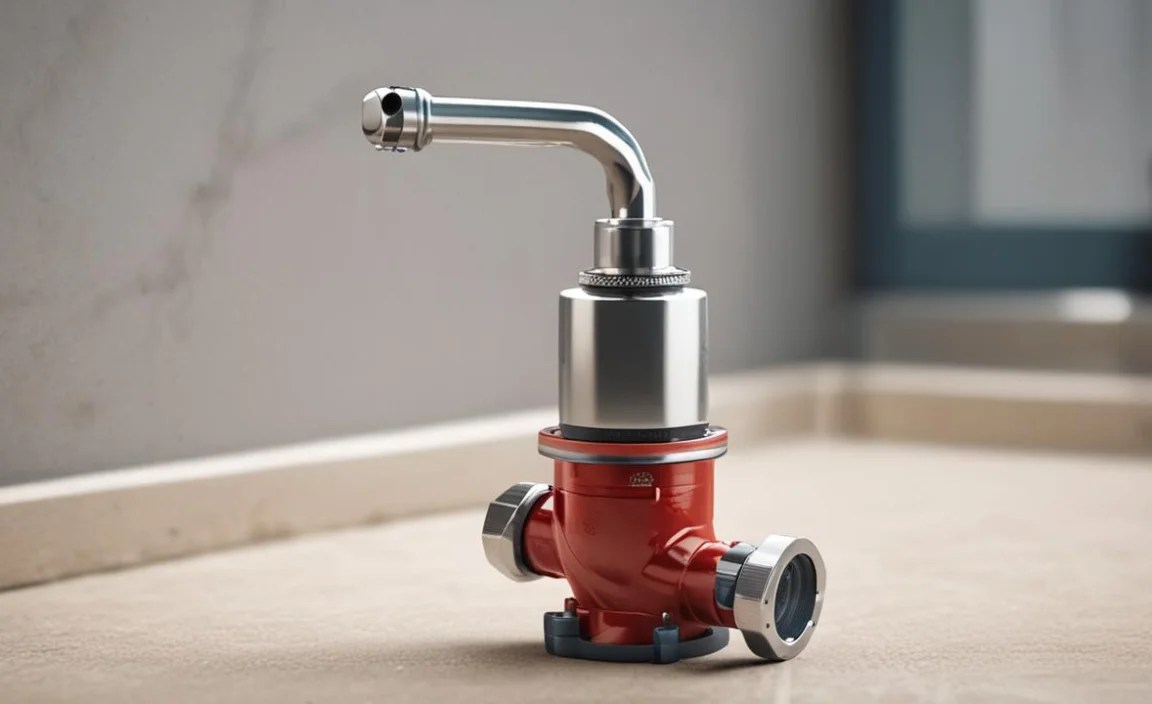
These are the valves you typically see in public restrooms, schools, and commercial buildings. They don’t use a tank; instead, they connect directly to the water supply line and are designed for high-traffic areas. They operate under direct water pressure from the main line.
- How they work: When the flush button or handle is pressed, it briefly opens a small passage, allowing water pressure to hold up a diaphragm or piston. This release of pressure causes a larger valve within the flushometer to snap open, releasing a powerful burst of water directly into the fixture. After a set amount of time, the internal mechanism resets, and the valve closes, ready for the next flush.
- Pros: Very durable, designed for heavy use, use a controlled amount of water per flush, faster flushing cycles, space-saving (no tank).
- Cons: More complex mechanically, can be more expensive initially, require higher water pressure to operate correctly, can be noisier than tank-type flushes.
- Maintenance Note: Flushometer valves often require specialized repair kits for diaphragms or seals.
According to the EPA’s WaterSense program, efficient flushing technology, including what’s found in advanced flushometer designs, is crucial for water conservation in commercial settings.
3. Pressure-Assisted Flush Valves
These are a hybrid, often found in higher-end residential or light commercial settings. They use compressed air and water pressure within a special tank to create a more powerful flush than a standard gravity-fed system, without the complexity of a full flushometer.
- How they work: A special inner tank, the pressure-assist unit, collects water and air. When flushed, the air becomes compressed, and when released, it forcefully pushes the water out, creating a very strong, clog-resistant flush.
- Pros: Very powerful flush, highly resistant to clogs, generally more water-efficient than standard gravity toilets.
- Cons: Can be noisier than gravity toilets, more expensive than standard gravity toilets, more complex repair if issues arise.
4. Dual-Flush Valves
Becoming increasingly popular in residential construction, dual-flush systems offer two flushing options: a partial flush for liquid waste and a full flush for solid waste. This significantly improves water efficiency.
- How they work: Typically controlled by a button or lever system that allows users to choose between a reduced water volume flush (e.g., for liquids) and a standard flush. Internally, they use a different type of flush valve mechanism, often a canister style, which can be activated to release varying amounts of water.
- Pros: Save significant amounts of water, environmentally friendly, lower water bills.
- Cons: Can be more expensive upfront, may require more specialized maintenance.
Choosing the Right Flush Valve for Your Construction Project
The selection of a flush valve isn’t a one-size-fits-all decision. Several factors come into play during the construction phase:
Factors to Consider:
- Building Type: Residential vs. Commercial. Commercial buildings with high traffic demand more robust solutions like flushometers.
- Water Pressure: Ensure your project’s plumbing system can adequately supply the pressure required for the chosen flush valve type. Flushometers, for instance, need consistent, adequate pressure.
- Water Efficiency Goals: Are there specific water-saving targets for the project? Dual-flush or WaterSense-labeled models are ideal.
- Budget: Initial purchase price and long-term operating costs (water bills, maintenance) should be balanced.
- Maintenance Capabilities: Consider the ease of finding replacement parts and qualified technicians for repairs.
- User Experience: The sound and power of the flush can impact user satisfaction.
Table: Flush Valve Type Comparison for Construction
| Flush Valve Type | Typical Application | Water Efficiency | Durability/Usage | Initial Cost | Maintenance Complexity |
|---|---|---|---|---|---|
| Gravity-Fed (Tank-Type) | Residential homes | Moderate (Improved with dual-flush options) | Good | Low to Moderate | Low |
| Flushometer (Diaphragm/Piston) | Commercial restrooms, schools, public buildings | High (Controlled volume) | Very High | Moderate to High | Moderate |
| Pressure-Assisted | High-end residential, light commercial | High | High | High | Moderate |
| Dual-Flush | Residential, eco-conscious projects | Very High | Good | Moderate | Low to Moderate |
For new residential construction, dual-flush toilets are becoming a standard choice due to their significant water-saving benefits and compliance with modern green building standards. For commercial projects, investing in reliable flushometer valves is a given for longevity and efficiency.
Installation and Maintenance Tips
While new construction means installing systems from scratch, understanding installation and maintenance is crucial for long-term performance. Most modern flush valves are designed for relatively straightforward installation, but precision is key.
Basic Installation Considerations (for Professionals)
- Proper Sealing: Ensuring all connections are watertight is paramount to prevent leaks.
- Water Pressure: Verifying that the water supply meets the minimum requirements for the specific valve type.
- Alignment: For tank-type toilets, aligning the flapper correctly on the flush valve seat is crucial for a proper seal.
- Adjustments: Flushometer valves often require initial adjustment for flush duration and water volume.
If you’re a DIYer working on an existing system, understanding these principles can help you diagnose problems.
Common Flush Valve Issues and What to Look For
Even the best flush valves can develop issues over time. Here are some common problems and their likely causes:
- Leaking into the bowl: This usually means the flapper isn’t sealing correctly. The flapper might be worn out, damaged, or the flush valve seat it rests on is dirty or corroded. For flushometers, it could be a worn diaphragm or seal.
- Incomplete flush: The tank might not be filling with enough water, or the flapper/flush valve mechanism isn’t opening fully. Check the water level in the tank and the tank-to-bowl connection.
- Running water: This is often a sign of a poorly sealing flapper or a faulty fill valve. If water continuously flows into the overflow tube, the flapper is letting water past. If water runs constantly into the tank and then down the overflow tube, the fill valve might be set too high or is malfunctioning.
- Weak flush: This could be due to insufficient water in the tank, a partially blocked flush valve opening, or improper water pressure for flushometer types.
For many residential issues, replacing a worn-out flapper or cleaning the flush valve seat can resolve the problem. Resources from organizations like the U.S. Bureau of Reclamation also offer insights into water-saving plumbing practices and technologies.
For flushometer valves, troubleshooting often involves identifying and replacing worn internal rubber seals or diaphragms. These are typically available in repair kits specific to the valve brand and model.
The Technology Behind Modern Flush Systems
The world of plumbing is constantly evolving, and flush valve technology is no exception. Beyond the basic mechanisms, innovation is driving even greater efficiency and performance.
Smart Flush Valves
In commercial and high-end residential settings, “smart” flush valves are emerging. These can include:
- Sensor-activated flushes: Eliminate the need for manual handles, improving hygiene and convenience.
- Programmable flush volumes: Allow for fine-tuning water usage based on specific needs and building occupancy.
- Water usage monitoring: Data collected can help building managers identify potential leaks or optimize water consumption.
High-Efficiency Toilets (HETs)
These toilets meet stringent water efficiency standards, often using 1.28 gallons per flush (gpf) or less, compared to older models that might use 3.5 gpf or more. The flush valve is a critical component in achieving this efficiency, working in conjunction with bowl design and tank volume.
When specifying plumbing for new construction, looking for WaterSense labeled toilets and fixtures means you’re opting for products that have been independently certified to meet EPA criteria for both performance and water efficiency. This is a key aspect of sustainable building practices.
Frequently Asked Questions About Flush Valves
Q1: What is the most common type of flush valve?

The most common type of flush valve, especially in residential homes, is the gravity-fed system found in tank-type toilets. This system relies on the water stored in the tank to create the pressure needed for flushing.
Q2: How often should a flush valve be replaced?
Flush valves, particularly the flappers in tank toilets, are made of rubber or plastic and wear out over time. A flapper typically lasts 5-10 years, but this can vary. The valve mechanism itself, if installed correctly, can last much longer. Look for signs of leaks or performance issues to determine if replacement is needed.
Q3: Are flushometer valves hard to maintain?
Flushometer valves are designed for high durability but can require specialized maintenance. They often need repair kits with specific diaphragms or seals. While typically robust, understanding the precise model and having the right kit makes maintenance manageable for trained plumbers.
Q4: Can I upgrade my old toilet to a more water-efficient flush valve?

Yes! For many older tank-type toilets, you can replace the entire flush valve assembly, including the flapper and fill valve, with a modern, water-efficient one. Dual-flush conversion kits are also available, offering a highly efficient solution.
Q5: Why does my toilet run constantly after flushing?
A constantly running toilet usually indicates a faulty flush valve seal or a misadjusted fill valve. The flapper might not be seating properly on the flush valve seat, or the fill valve is set too high, causing water to enter the overflow tube. Checking and replacing the flapper is often the first step to fix this.
Q6: What is the difference between a flush valve and a fill valve?

The flush valve is the component at the bottom of the tank that opens to release water into the bowl during a flush. The fill valve (also called a ballcock) is the component that refills the tank with water after a flush and shuts off the water supply when the tank is full. They work together but have different functions.
Conclusion
Understanding how flush valves work is more than just a plumbing curiosity; it’s a fundamental aspect of efficient and reliable construction. Whether you’re building a new home, managing a commercial property, or simply looking to maintain your existing fixtures, grasping the mechanics
