
Have you ever wondered how water gets to your toilet or garden? This is where the function of a cistern comes into play. Cisterns are like water closets that help us save and use water wisely. Imagine having a friend who always has water ready for you. Isn’t that cool? Let’s dive deeper into how cisterns work and why they are important.
Key Takeaways
- Cisterns store water for toilets, gardens, and more.
- The function of a cistern helps conserve water.
- Different cisterns suit varied needs, like rainwater or flushing.
- Regular maintenance keeps cisterns running smoothly.
- Cisterns are eco-friendly and save money.
The Basic Function Of A Cistern
The main function of a cistern is to store and release water. It’s like having a big water bottle at home. Cisterns collect water, often rainwater, and keep it safe until needed. When you flush the toilet or water the garden, the cistern releases the stored water. This way, it helps conserve water and reduce your water bill. Cisterns can be small, like those in your bathroom, or large, for gardens and farms.
- Stores water safely until needed.
- Collects rainwater from roofs.
- Supplies water for flushing toilets.
- Can water gardens and lawns.
- Reduces dependency on municipal water.
Cisterns often have a float valve that controls water levels. When water is used, the float drops, opening the valve for more water. It’s a simple but smart system that works well. This balance ensures you have enough water without wasting it. Cisterns are becoming more popular as people seek to save water and money.
Fun Fact or Stats : The world’s largest cistern can hold over 80 million gallons of water!
How Cisterns Save Water
Can you imagine saving gallons of water every day? Cisterns make it possible! By storing rainwater, they reduce the need to use fresh water for simple tasks. Think of a rainy day. Instead of letting rainwater wash away, cisterns capture it. Later, this water can flush toilets or water plants. This process is not only cool but also very eco-friendly. Saving water means saving money, too. Isn’t it amazing how one system can do so much?
Different Types Of Cisterns
Did you know there are many types of cisterns? Each type serves different purposes. Some are above ground, collecting rainwater from rooftops. Others are underground, storing water safely out of sight. Some cisterns are connected directly to toilets, ensuring flushing water is always ready. Large cisterns can even supply whole gardens. When choosing a cistern, it’s important to consider your water needs and space. Which type do you think would work best at your home?
Maintaining Your Cistern
Do you have a favorite toy that needs care? Cisterns need care, too! Regular maintenance keeps them in top shape. Cleaning cisterns removes dirt and prevents blockages. Checking for leaks ensures no water is wasted. It’s important to inspect the valves and pipes regularly. Keeping cisterns free from leaves and debris is also crucial. With a little care, cisterns can last many years. Isn’t it worth taking care of something so helpful?
Why Cisterns Are Eco-Friendly
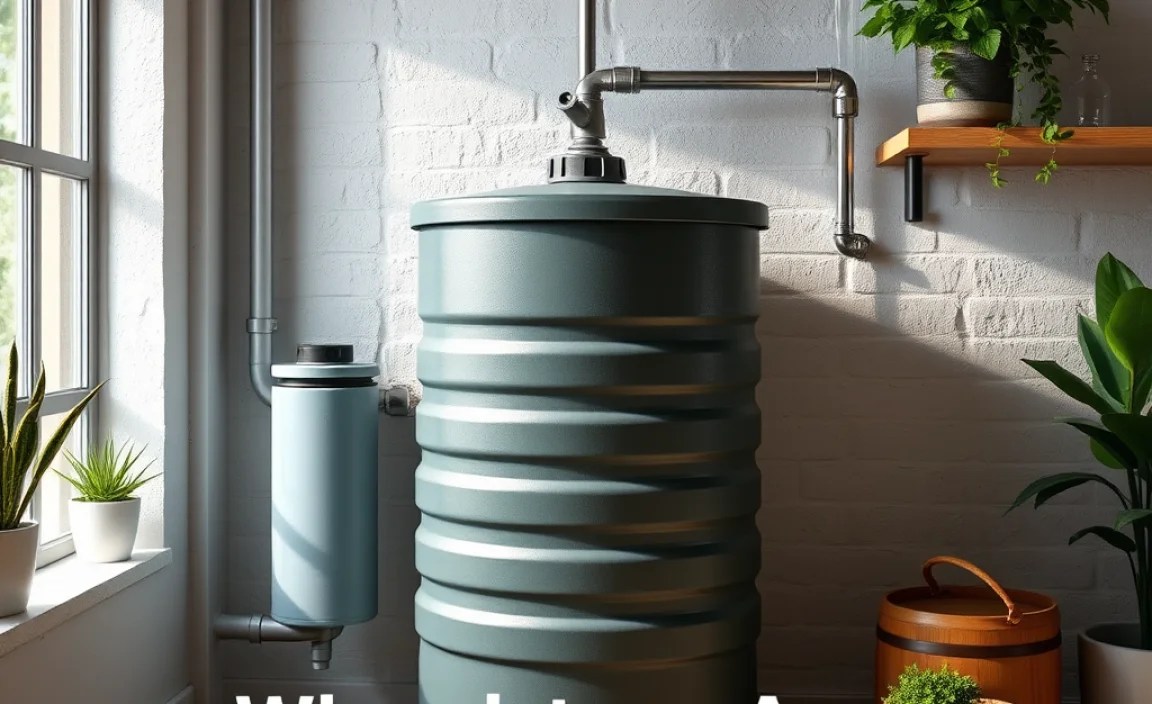
Cisterns are great for the environment. They reuse rainwater, which reduces the need for fresh water. This helps conserve natural resources and lowers water bills. By using cisterns, we can help protect the planet. Imagine if every house had a cistern. We could save millions of gallons of water! Cisterns also reduce stormwater runoff, keeping rivers and lakes cleaner. By choosing cisterns, we’re making a greener choice for our world.
- Reuses rainwater for everyday tasks.
- Reduces fresh water consumption.
- Lowers water bills significantly.
- Helps prevent flooding in heavy rains.
- Contributes to a sustainable environment.
Using less fresh water means less energy is used for purification. This leads to lower carbon emissions. Isn’t it amazing how cisterns help in so many ways? By installing a cistern, you’re not just saving water; you’re saving the planet.
Fun Fact or Stats : A single cistern can save over 1,000 gallons of water each year!
Cisterns And Community Impact
Cisterns can help entire communities, not just single homes. In areas with little water, cisterns provide a reliable source. This ensures people have enough water even during dry spells. Schools and parks can benefit from large cisterns. These can water plants and clean facilities. Imagine how much water a school could save yearly! By using cisterns, communities can become more self-sufficient and prepared for water shortages. Isn’t it great how cisterns can help everyone?
How To Choose The Right Cistern
Choosing the right cistern is like picking the perfect tool for a job. First, consider how much water you need. A small garden needs a different cistern than a large farm. Next, think about available space. Do you have room for a big cistern or just a small one? Also, consider your budget. Some cisterns are more expensive but save more water. Finally, think about maintenance. Will you be able to keep it clean? By asking these questions, you can find the right cistern for your needs.
Cisterns In History
Cisterns have been used for thousands of years. Ancient Romans built large cisterns to store water for cities. These structures helped cities grow and survive droughts. In the Middle East, cisterns provided water in deserts. People collected rainwater for drinking and farming. This ancient technology is still important today. Modern cisterns have improved with technology, but the idea remains the same. Isn’t it fascinating how something so old is still useful today?
Cistern Types Comparison
There are many cistern types. Each has unique features. The table below shows a comparison of different cisterns. This can help you choose the best one for your needs.
| Type | Capacity | Installation | Best Use |
|---|---|---|---|
| Rainwater | Small to large | Easy | Gardens |
| Underground | Very large | Complex | Agriculture |
| Toilet | Small | Easy | Bathrooms |
| Industrial | Huge | Complex | Factories |
Each cistern has benefits and drawbacks. It’s important to match the right type to your specific needs. By understanding the differences, you can make an informed decision. This will ensure you get the most out of your cistern.
Fun Fact or Stats : Modern cisterns can be made of plastic, concrete, or metal!
Conclusion
In conclusion, the function of a cistern is both simple and powerful. It stores water, saves money, and helps protect the environment. Whether for a single home or an entire community, cisterns make a difference. By choosing to use cisterns, we contribute to a sustainable future. Let’s embrace this helpful technology!
FAQs
Question: What is the main function of a cistern?
Answer: The main function of a cistern is to store water. This stored water can be used for flushing toilets, watering gardens, and other uses. By storing rainwater, cisterns help reduce the consumption of fresh water.
Question: How does a cistern save water?
Answer: A cistern saves water by collecting and storing rainwater. This stored water can be used for purposes like watering plants or flushing toilets. By using cisterns, we reduce our reliance on fresh water, which helps conserve this precious resource.
Question: Are cisterns eco-friendly?
Answer: Yes, cisterns are eco-friendly. They conserve water by collecting rainwater and reducing the need for fresh water. This helps protect natural resources and reduces environmental impact. By using cisterns, you can save money and help the planet.
Question: How often should a cistern be cleaned?
Answer: A cistern should be cleaned at least once a year. Regular cleaning prevents dirt and debris buildup. This ensures the cistern remains efficient and doesn’t get blocked. Proper maintenance helps extend the life of your cistern.
Question: Can cisterns be used in all climates?
Answer: Yes, cisterns can be used in all climates. However, their design may vary based on weather conditions. In very cold areas, underground cisterns are preferred to prevent freezing. By choosing the right type, cisterns can be effective anywhere.
Question: What materials are cisterns made from?
Answer: Cisterns can be made from various materials. Common materials include plastic, concrete, and metal. Each material has its benefits and drawbacks. Plastic is lightweight, concrete is durable, and metal is strong. Choose based on your needs and budget.
