
A wet room is a bathroom designed to be completely waterproof, with the shower area unenclosed, and all surfaces waterproofed and drained. Alternatives like traditional bathrooms offer separate shower enclosures. Understanding these differences helps choose the best design for your home.
The bathroom is a vital space, but its design can sometimes feel a bit… damp and dreary! You might be wondering about the best way to set up your shower area, especially if you’re looking to modernize or tackle a renovation. Is a fully open, waterproof wet room the way to go, or is a more traditional setup with a separate shower enclosure a better fit? It’s a common question that can leave homeowners scratching their heads. But don’t worry, we’re here to break it all down. This guide will help you understand the brilliant function of a wet room and compare it to its alternatives, making your decision clear and confident. We’ll explore what makes a wet room so special and how other designs stack up, ensuring you get a bathroom that’s both stylish and perfectly practical for your needs.
Understanding the Wet Room Concept: More Than Just a Shower

So, what exactly is a wet room? It’s a bathroom where the entire space is designed to get wet, with no distinct shower cubicle or screen. Think of it as a completely waterproof sanctuary. The magic lies in its clever design and construction, ensuring water drains away efficiently and doesn’t cause any damage.
Unlike a traditional bathroom with a separate shower or tub enclosure, a wet room eliminates barriers. This means the shower area flows seamlessly into the rest of the room. This open-plan approach isn’t just about modern aesthetics; it brings a host of practical benefits, especially for accessibility and cleaning. We’ll dive into the specific functions that make wet rooms a genius design choice.
The Core Function of a Wet Room: Seamless Waterproofing
The primary function of a wet room is its inherent waterproofing. The entire room’s floor and walls are treated with specialized membranes and materials to make them completely impervious to water. This isn’t just about a good shower curtain; it’s about structural integrity.
Here’s how it works:
- Waterproof Membrane: A crucial layer installed beneath the tiles (or other finishes) across all wet surfaces. This barrier prevents water from seeping into walls and floors, protecting the building structure.
- Sloped Floor: The floor in a wet room is gently sloped towards a drain. This ensures water flows away effectively, preventing puddles and maintaining a dry ambient environment once the shower is off.
- Powerful Drainage: Strategically placed drains, often linear or in a corner, are designed to handle significant water flow, whisking it away efficiently.
- Water-Resistant Materials: All materials used, from adhesives and grout to tiles and sealants, must be specifically chosen for their water-resistant properties.
This comprehensive approach means water can go wherever it needs to without causing problems. It’s a robust system designed for longevity and peace of mind.
Key Benefits of Wet Room Design
The genius of a wet room design extends beyond just waterproofing. These benefits make them a highly practical and desirable option for many homes:
- Enhanced Accessibility: This is a major win for wet rooms. With no steps or raised trays, they are incredibly easy for individuals with mobility issues, the elderly, or those using wheelchairs to navigate. It promotes independence and safety.
- Space Maximization: Removing shower enclosures can make smaller bathrooms feel much larger and more open. This can be a game-changer for compact living spaces.
- Ease of Cleaning: With fewer nooks, crannies, and glass surfaces to scrub, cleaning a wet room is often simpler and quicker. No more fighting limescale on shower doors!
- Modern Aesthetics: Wet rooms offer a sleek, minimalist, and luxurious look that’s very on-trend. They can create a spa-like feel in your own home.
- Flexibility: They can be installed in almost any room, regardless of its current layout, as long as proper drainage and waterproofing can be achieved.
Potential Downsides to Consider
While fantastic, wet rooms aren’t for everyone, and it’s good to be aware of the considerations:
- Higher Installation Cost: The specialized waterproofing and drainage systems can make installation more expensive than a traditional shower setup.
- Requires Expert Installation: Proper waterproofing is paramount. If not installed correctly by experienced professionals, leaks can cause significant damage. It’s not a typical DIY job for beginners without guidance. The HGTV offers some insights into cost considerations.
- Water Spray: Without a shower screen, water can spray further into the room. Careful planning of the shower head placement and water pressure is needed.
- Heating: Open spaces can sometimes feel colder, so good ventilation and heating solutions are important.
- Privacy: While the shower area is open, some people might prefer a more enclosed feel for privacy.
Wet Room Alternatives: What Else is Out There?

The traditional bathroom layout remains popular for good reason. Understanding its functions and how it differs from a wet room helps highlight the unique advantages of both. The core difference lies in the containment of the shower.
The Traditional Bathroom with a Separate Shower Enclosure
This is what most people picture when they think of a bathroom. It typically features a shower unit or a bathtub with a showerhead, surrounded by a shower screen or curtain. The shower area is distinct and designed to keep water within its boundaries.
Key components include:
- Shower Tray or Bathtub: A pre-formed unit designed to catch water and direct it to a drain.
- Shower Screen or Curtain: A physical barrier (glass, plastic, or fabric) to prevent water from escaping the designated shower area.
- Standard Flooring: While water-resistant, the rest of the bathroom floor usually doesn’t require the same level of comprehensive waterproofing as a wet room.
Functions and Benefits of Traditional Bathrooms
Traditional bathrooms excel in several areas:
- Cost-Effective Installation: Generally, installing a standard shower or bath with a enclosure is less expensive than a full wet room conversion.
- Simpler Installation: Many components are pre-fabricated, and the waterproofing requirements are less extensive, making it a more straightforward DIY project for many.
- Effective Water Containment: The enclosure is designed to keep water where it belongs, minimizing spray into the rest of the bathroom.
- Privacy: The enclosed nature of the shower provides clear privacy during use.
- Easier to Install in Older Homes: Retrofitting extensive waterproofing into older structures can be complex. Traditional setups often integrate more easily.
- Warmer Environment: The contained shower space can feel warmer and more enclosed.
Potential Downsides of Traditional Bathrooms
Despite their popularity, traditional bathrooms have limitations:
- Accessibility Constraints: The presence of shower trays, bathtub edges, or even the step into a shower cubicle can pose challenges for people with limited mobility.
- Cleaning Hassle: Shower doors, tracks, and seals can be breeding grounds for mold and limescale, requiring diligent cleaning to keep them sparkling.
- Space Limitations: Enclosures can sometimes make a bathroom feel more cramped, especially in smaller rooms.
- Maintenance of Seals: Silicone seals around shower trays and screens can degrade over time and may need regular replacement to prevent leaks.
- Aesthetics: While functional, they can sometimes appear less modern or luxurious than a sleek, open wet room design.
Comparing Wet Room vs. Alternative: A Design Showdown
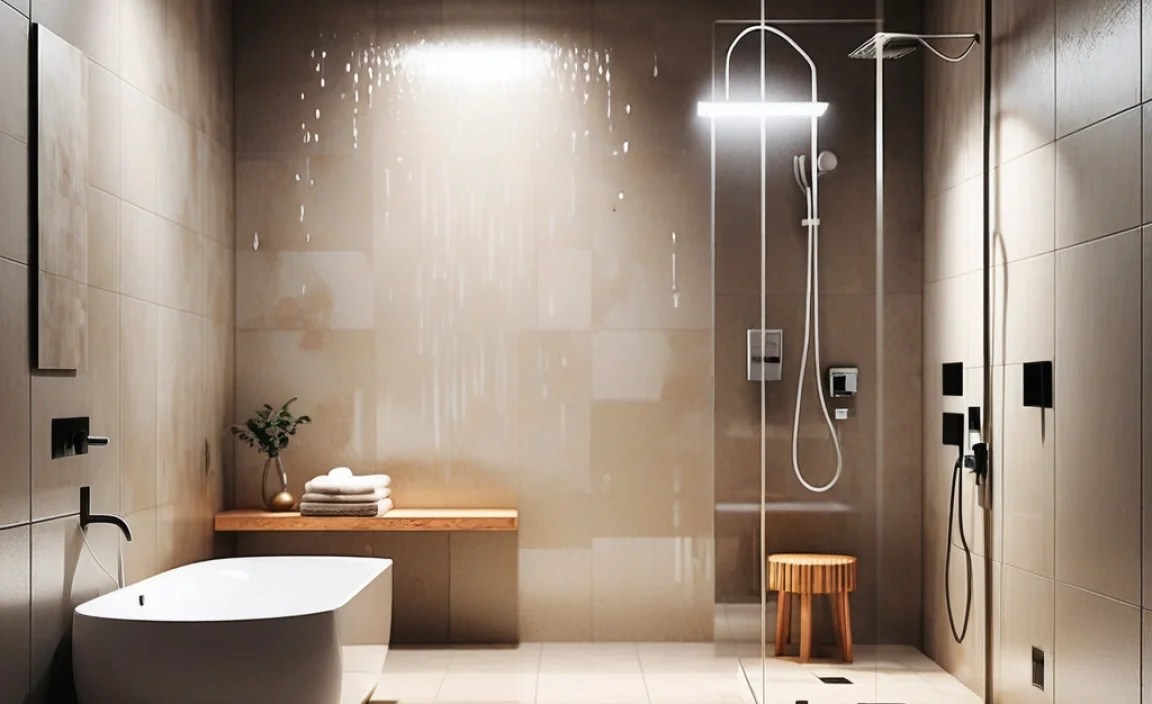
Let’s put these two bathroom designs head-to-head to help you see which might be the best fit for your home and needs. Think of it as a practical comparison for your specific situation.
Table: Wet Room vs. Traditional Bathroom – Key Differences
This table highlights the main functional divergences:
| Feature | Wet Room | Traditional Bathroom (with Enclosure) |
|---|---|---|
| Waterproofing | Full room, requires specialized membrane, sloping floor, and drainage across entire wet zone. | Localized to shower tray/tub and enclosure; standard water-resistant materials elsewhere. |
| Shower Area | Open, unenclosed, seamless with the rest of the room. | Defined by shower tray/tub and screen/curtain. |
| Accessibility | Excellent; step-free access, ideal for all mobility levels. | Can be a barrier; steps, curbs, or trays can be challenging. |
| Aesthetics | Sleek, minimalist, spa-like, spacious. | Variable; can be functional, modern, or traditional, but enclosures can break visual flow. |
| Installation Complexity | High; requires expert waterproofing and drainage installation. | Moderate; components are often pre-made, less specialized waterproofing. |
| Cost | Generally higher due to specialized materials and labor. | Generally lower; standard fixtures and simpler installation. |
| Cleaning | Easier; fewer surfaces, no shower doors to scrub. | More challenging; shower doors, seals, and tracks require regular upkeep. |
| Water Containment | Relies on sloping floor and drainage to manage water across larger area. | Relies on physical barriers (screens/curtains) to keep water within a confined space. |
When is a Wet Room the Genius Choice?
A wet room truly shines in specific scenarios:
- For Universal Design: If you’re creating a bathroom for an aging family member, someone with a disability, or aim for a future-proof home, the accessibility of a wet room is unparalleled. It promotes dignity and safety.
- Maximizing Small Spaces: In a tiny bathroom, removing a bulky enclosure can create a sense of openness and make the room feel significantly larger.
- Ultimate Modern Luxury: For those seeking a high-end, minimalist, spa-like bathroom, a well-executed wet room offers a sophisticated aesthetic.
- Ease of Maintenance is a Priority: If you hate cleaning shower doors and tracks, the simplified cleaning of a wet room is a major advantage.
- Renovating to Add Value: A modern accessible bathroom can be a strong selling point for a property.
When Might an Alternative Shower Enclosure Be Better?
A traditional shower setup is often the practical choice when:
- Budget is a Key Constraint: The lower installation cost of traditional showers makes them more accessible for many renovation projects.
- DIY Installation is Preferred: While still requiring care, installing a standard shower tray and enclosure is generally more manageable for DIYers compared to full wet room waterproofing. Always consult detailed guides like those from This Old House for proper techniques.
- Water Spray is a Concern: If you have young children who tend to splash a lot, or if you simply prefer a more contained showering experience, an enclosure is better at preventing water from getting everywhere.
- Existing Plumbing is Limited: Integrating the specialized drainage and slope needed for a wet room might be overly complicated or expensive in certain existing plumbing configurations.
- Personal Preference for Enclosure: Some people simply prefer the feeling of being enclosed while showering, for warmth or privacy.
Designing Your Wet Room: Key Considerations for Success

If you’re leaning towards a wet room, getting the design right is crucial. It’s not just about having a waterproof space, but a functional and beautiful one.
1. The Waterproofing System: Your Silent Guardian
This is the most critical aspect. A failure here leads to costly repairs. Professional installation of a robust waterproofing membrane is non-negotiable. Common systems include sheet membranes or liquid-applied membranes. These are laid over prepared subfloors and walls, extending up the walls to a suitable height (often called a ‘waterproof upstand’).
Tip: Always ensure all penetrations (like pipework coming through the floor or wall) are meticulously sealed with appropriate products. Reputable manufacturers like Schluter offer comprehensive systems for this.
2. Drainage: The Unsung Hero
The floor needs to be sloped correctly towards the drain. The slope should be gentle but sufficient to move water efficiently – typically around a 1-2% gradient (that’s 1cm to 2cm drop per meter). The choice of drain is also important:
- Linear Drains: Long, slim drains often installed along a wall. They look very sleek and can handle a high volume of water.
- Point Drains: Traditional circular drains, often placed in the center or a corner. They require a more complex multi-directional slope around them but are perfectly functional.
Ensure the drain is rated for the expected water flow, especially in busy family bathrooms.
3. Ventilation: Keeping it Fresh and Dry
With an entire room designed to get wet, good ventilation is essential to prevent moisture build-up, mold, and mildew. An extractor fan is a must. Consider a fan with a humidistat, which automatically turns on when the moisture level rises, and a timer to ensure it runs for a set period after you’ve finished showering.
4. Material Choices: Beauty Meets Durability
All finishes must be water-resistant and easy to clean. Good options include:
- Tiles: Porcelain and ceramic tiles are excellent choices. Opt for larger format tiles with minimal grout lines, as grout can be a point where moisture can ingress if not properly sealed.
- Waterproof Wall Panels: Modern panels can offer a seamless, grout-free finish and are very quick to install.
- Specialized Paints: For very light-use areas or as an additional layer, waterproof paints specifically designed for bathrooms can be used, though they aren’t a primary waterproofing solution.
Avoid materials that are porous or can degrade easily in constant moisture.
5. Layout and Shower Head Placement
Careful planning of the shower head position is key to minimizing water spray outside the intended area. Consider:
- Wall-Mounted Heads: Often easier to control spray patterns.
- Handheld Showers: Offer flexibility and can be directed effectively.
- Rainfall Showers: Can be beautiful but might distribute water over a wider area, so placement is critical.
Sometimes, a well-placed bath screen or a strategically positioned vanity unit can help deflect stray water.
Conclusion
The function of a wet room versus its alternatives boils down to a fundamental difference in design philosophy: containment versus embrace of water. A wet room is a brilliantly integrated system, designed from the ground up to be entirely waterproof, offering exceptional benefits in accessibility, space-saving, and modern aesthetics. It’s a truly genius design for those who prioritize these features and are willing to invest in expert installation and specialized materials.
On the other hand, traditional bathrooms with separate shower enclosures offer a more contained, often more budget-friendly, and for many, a more familiar and straightforward solution. They excel at keeping water in its designated spot and can be easier to install and maintain in certain contexts. Each design has its strengths, and the ‘best’ choice is entirely dependent on your individual needs, budget, and home’s architecture. By understanding the core functions and comparing the pros and cons, you’re now empowered to make an informed decision that will lead to a bathroom you’ll love for years to come.
Frequently Asked Questions (FAQs)
Q1: Is a wet room really waterproof?
Yes, a properly designed and installed wet room is completely waterproof. This is achieved through a specialized waterproof membrane applied to the entire floor and lower walls, a self-draining floor, and the use of water-resistant materials throughout. The entire system is designed to prevent any water from penetrating the building structure.
Q2: Can I install a wet room myself?
While some aspects might seem DIY-friendly, the critical waterproofing and drainage installation requires a high level of skill and precision. Mistakes can lead to significant water damage. It’s highly recommended to hire experienced professionals, particularly for the waterproofing membrane application and floor sloping, to ensure the system is effective and durable.
