
This glossary of bidet essentials demystifies bidet terms for beginners. Learn about the different types, key features, and common accessories to feel confident choosing and using a bidet for better hygiene and comfort. Understanding these terms makes your selection and installation process stress-free.
Navigating the world of bidets can feel a bit like learning a new language, especially when you’re just starting out. Terms like “bidet attachment,” “washlet,” or “posterior wash” might sound like technical jargon, but they’re simpler than they seem! Many homeowners feel overwhelmed, unsure where to begin or what features truly matter. This guide is designed to break down all those confusing terms into easy-to-understand explanations. We’ll help you understand what each part does and why it might be important for you. Let’s dive in and get you feeling like a bidet pro in no time. Get ready to learn the essentials in our beginner-friendly glossary!
Types of Bidets: Understanding Your Options
Before we dive into specific terms, it’s helpful to know the main categories of bidets. This will give you a good foundation for understanding the glossary. Think of these as the big families of bidet systems.
Bidet Attachments
These are the most common and beginner-friendly option. They are designed to fit onto your existing toilet seat. They are typically very affordable and easy to install, often requiring no special tools. They usually connect to your toilet’s water supply line.
Bidet Seats
These replace your entire existing toilet seat. Bidet seats offer more features than simple attachments, often including heated seats, warm water, and adjustable nozzle positions. They are a step up in comfort and functionality.
Bidet Toilet Combos (Integrated Bidets)
These are complete toilets with a built-in bidet function. They offer the most streamlined look and often the most advanced features, like remote controls, air dryers, and deodorizers. They are also the most expensive and typically require professional installation.
Handheld Sprayers (Shattafs)
These are separate spray nozzles, similar to a kitchen sink sprayer, that are attached to the water supply near your toilet. They offer manual control over the water spray and are a common and effective bidet solution in many parts of the world.
Essential Bidet Terminology: A to Z

Now, let’s get into the nitty-gritty. This glossary covers the most important terms you’ll encounter when looking at bidets. We’ve kept things simple so you can easily grasp what each term means.
Actuator
This is the button or lever on some bidet attachments or seats that you press or turn to activate the water spray. Think of it as the ‘on’ switch for the bidet function.
Air Dryer
A feature found on many electronic bidet seats and toilet combos. It blows a stream of warm air to help dry you off after washing, reducing the need for toilet paper. This is a luxury feature that enhances comfort significantly.
Anti-Bacterial Nozzle
The nozzle of a bidet is often made with materials that inhibit bacterial growth, helping to maintain hygiene. Some advanced models feature self-cleaning or retractable nozzles for even better cleanliness.
Bidet Attachment
As mentioned earlier, this is a unit that fits between your existing toilet bowl and seat. It’s a popular choice for its affordability and ease of installation. It typically has a control knob or lever to adjust water pressure and nozzle position.
Bidet Seat
This is a full replacement for your current toilet seat. It comes with built-in bidet functionality and usually more features than a bidet attachment. Installation is a bit more involved than an attachment but still manageable for most DIYers.
Bidet Toilet Combo (Integrated Bidet)
This is a complete toilet unit that has the bidet features built directly into the design. It offers a seamless look and often the most advanced features, but it’s also the most expensive and complex to install.
Bidet Washlet
This is a brand name (TOTO) that has become so popular it’s often used generically to refer to an electronic bidet seat. If you hear “washlet,” it likely means a bidet seat with electronic features like water heating and an air dryer.
Bidet Water Temperature Controls
This feature allows you to adjust the water temperature for a more comfortable wash. Bidets can have:
- Cold Water Only: Basic models that use your cold water line.
- Warm Water (Tank or Tankless): More advanced models heat the water. Tank models heat a small internal reservoir, while tankless models heat water on demand.
Boyfriend Bidet
This is a humorous, informal term for a handheld bidet sprayer. It implies it’s an easy-to-use tool that helps you get clean efficiently, much like a helpful partner.
Cold Water Connection
The point where the bidet unit is connected to your toilet’s existing cold water supply line. Most basic bidet attachments and many bidet seats use only cold water, which is readily available. Some users prefer warm water for added comfort.
Control Panel or Remote
Located on the side of an electronic bidet seat or as a separate remote control. This is where you select wash functions, adjust water pressure, temperature, and nozzle position. Remotes offer more flexibility as you can place them conveniently on the wall.
DIY Installation
The ability to install a bidet yourself without needing a professional plumber. Most bidet attachments and seats are designed for DIY installation, often taking less than an hour with basic tools. Resources like This Old House offer general guidance on toilet maintenance that can be helpful.
Dryer Function
See “Air Dryer.” This feature uses warm air to dry you after washing, reducing or eliminating toilet paper use.
Dedicated Water Line
For integrated bidet toilets or high-end bidet seats, a separate water line might be recommended or required for optimal performance, especially if you want consistently hot water without affecting your sink’s hot water supply. This is less common for beginner installations.
Electronic Bidet Seats
These are bidet seats that require electricity to power features like water heating, air drying, heated seats, and remote controls. They offer the most comfort and convenience but differ from non-electric ones.
Features
The various functions and capabilities a bidet offers. Common features include:
- Adjustable water pressure
- Adjustable nozzle position
- Heated seat
- Warm water wash
- Air dryer
- Deodorizer
- Self-cleaning nozzles
- User memory settings
Feminine Wash (or Gentle Wash)
Many bidets offer a specialized spray setting designed for women. This is often a gentler, more targeted spray directed towards the front for feminine hygiene. It can be beneficial during menstruation or pregnancy.
Flush-Actuated Bidet
This is a less common type where the bidet function is triggered by flushing the toilet. It’s more integrated and less about user control after the flush.
Front Wash
See “Feminine Wash.” Refers to the spray function directed towards the front of the user.
Heated Seat
A popular feature on electronic bidet seats that warms the toilet seat to a comfortable temperature. Ideal for colder climates or for those who prefer a touch of luxury.
Handheld Bidet Sprayer
Also known as a shattaf or toilet paper sprayer. This is a separate nozzle on a hose that connects to the toilet’s water supply. It’s operated manually, offering direct control over spray direction and intensity.
Hose
The flexible tube that connects the water supply valve to the bidet attachment, seat, or handheld sprayer. Ensure you get the correct length and connector types for your setup.
Installation Kit
Most bidets come with all the necessary parts for a basic installation, including hoses, T-adapters, and mounting hardware. It’s always good to check what’s included.
Integrated Bidet
See “Bidet Toilet Combo.” A toilet with a bidet function built into the entire unit.
Manual Bidet
Bidets that do not require electricity. These typically operate using the cold water supply and have manual controls for pressure and nozzle operation. They are simpler, more affordable, and easier to install.
Nozzle
The part of the bidet that dispenses the water for cleaning. Bidets can have single nozzles or dual nozzles (one for posterior wash, one for feminine wash). Nozzles are usually made of plastic and can be retractable for hygiene.
Nozzle Cleaning
Many bidets feature a self-cleaning function where the nozzle retracts and rinses itself, or a dedicated cleaning cycle is available. This is crucial for maintaining hygiene.
Nozzle Position Adjustment
The ability to move the bidet nozzle forward or backward to ensure accurate water delivery during use. This is a key feature for comfortable and effective cleaning.
On-Demand Water Heating (Tankless)
An advanced feature found in higher-end electronic bidets. It heats water instantly as it passes through the unit, providing an endless supply of warm water. This is more energy-efficient than tank heaters and provides a more consistent temperature.
Posterior Wash
The standard bidet function that directs a stream of water to clean the user’s rear. This is the primary cleaning function for most users.
Pressure Control
The ability to adjust the force of the water spray. This is important for comfort, allowing you to find the right level of cleaning intensity. It can range from a gentle rinse to a more powerful stream.
Retractable Nozzle
A nozzle that slides back into the bidet unit when not in use. This protects it from contamination and keeps the toilet looking neat.
Shattaf
An Arabic term for a handheld bidet sprayer, commonly used in Middle Eastern countries and increasingly popular worldwide. It’s essentially a manual spray wand for personal cleaning.
Splash Guard
A feature on some bidet seats that creates a barrier to prevent water from splashing outside the toilet bowl during use. This helps keep your bathroom floor dry.
T-Adapter
A crucial fitting used in bidet installation. It connects to your toilet’s water supply valve and allows you to split the water line, sending water both to the toilet tank and to the bidet unit. It usually comes with the bidet’s installation kit.
Tank Heater
A smaller water heater found in some electronic bidets that keeps a small reservoir of water warm. This provides warm water quickly but can run out if used for extended periods. It’s less advanced than on-demand heating.
Toilet Seat Warmer
Another term for “Heated Seat.”
USB-Powered Bidet
Some portable or travel bidets are USB-powered, meaning they use a rechargeable battery for functions like a small water pump or a fan for drying. These are often used for travel or camping.
Water Filter
Some higher-end bidets include an inline water filter to remove impurities from the water supply, ensuring a cleaner wash and potentially extending the life of the bidet components.
Water Pressure Adjustment
See “Pressure Control.” The ability to vary the intensity of the water stream.
Water Strainer
A small mesh screen, often located where the hose connects to the bidet, that filters out sediment and debris from the water supply. It’s important to clean this periodically to prevent clogging.
Washlet
See “Bidet Washlet.” A proprietary name that has become a common term for electronic bidet seats.
Choosing Your First Bidet: Key Considerations
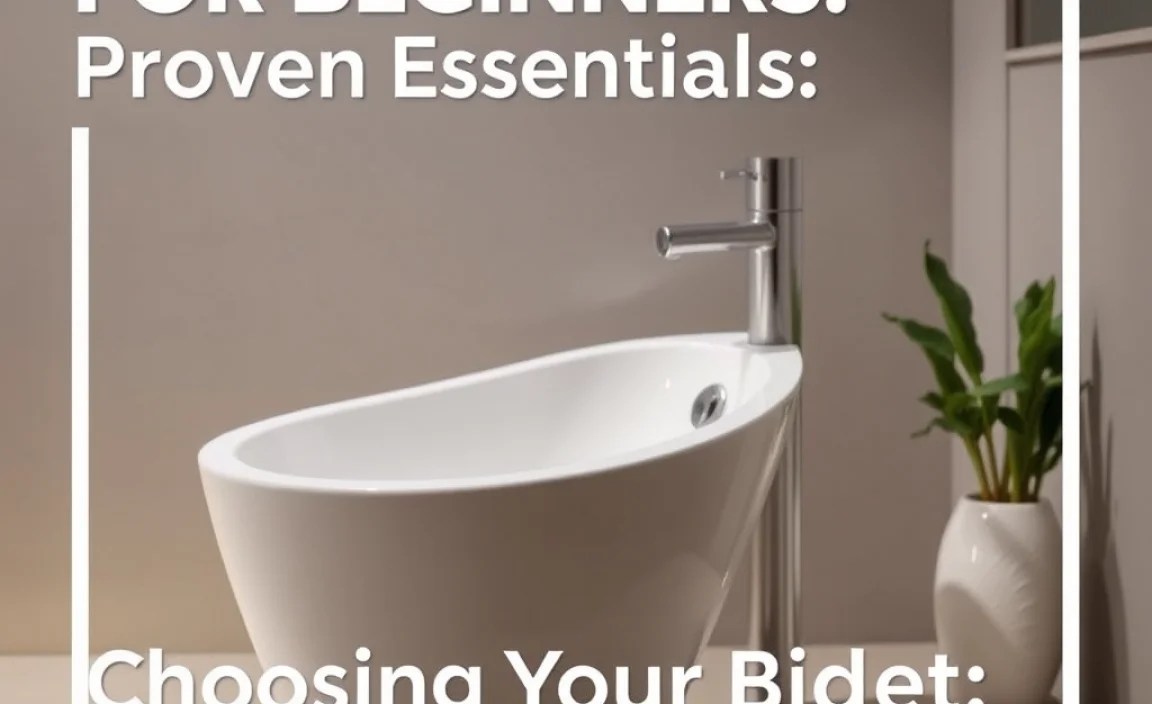
Now that you’re familiar with the terminology, let’s think about what’s most important for a beginner. Not all features are necessary for everyone, and understanding this can simplify your choice.
Must-Have Essentials for Beginners
- Reliable Water Connection: A way to connect to your toilet’s water supply (usually included T-adapter).
- Adjustable Pressure: You need to control how strong the water spray is.
- Adjustable Nozzle Position: To ensure you hit the right spot for effective cleaning.
- Easy Installation: Non-electric attachments are usually the simplest.
- Hygiene Features: A self-cleaning nozzle or at least a retractable one is a big plus.
Nice-to-Have Features (Consider if budget allows)
- Warm Water: A significant comfort upgrade, especially if you’re sensitive to cold.
- Heated Seat: Great for cold mornings or bathrooms.
- Air Dryer: Reduces toilet paper use and feels luxurious.
- Remote Control: Offers more control and convenience.
Comparing Bidet Types for Beginners
To help you visualize, here’s a table summarizing the main types and what beginners should know:
| Bidet Type | Pros for Beginners | Cons for Beginners | Typical Price Range | Installation Difficulty |
|---|---|---|---|---|
| Bidet Attachment (Non-Electric) | Affordable, very easy to install, no electricity needed, simple controls. | Cold water only (usually), basic features, can be less comfortable. | $30 – $100 | Very Easy (DIY friendly) |
| Bidet Seat (Electric) | More features (warm water, dryer, heated seat), enhanced comfort, some models are still DIY friendly. | Requires electricity, more expensive, slightly more complex installation if plumbing is tricky. | $200 – $600+ | Moderate (DIY possible, might need an outlet nearby) |
| Handheld Bidet Sprayer (Shattaf) | Very affordable, manual control, versatile use (cleaning toilet too), easy to install. | Cold water only (usually), requires manual aiming and operation, can be messy if not careful. | $20 – $50 | Easy (DIY friendly) |
| Bidet Toilet Combo (Integrated) | Sleekest look, most advanced features, very hygienic. | Very expensive, requires |
