
Quick Summary: A shower glossary helps beginners understand essential parts like showerheads, valves, and drains. Knowing these terms demystifies shower maintenance and upgrades, empowering you to make informed decisions for a better showering experience. This guide breaks down common shower terminology so you can tackle repairs or renovations with confidence.
Welcome to the world of home comfort! Sometimes, even the simplest parts of our homes can feel a bit confusing, especially when it comes to maintenance or making upgrades. Your shower is one of those surprisingly complex yet vital parts of your daily routine. When a shower part needs attention, or you’re thinking about a stylish new look, you might encounter terms that sound like a foreign language.
Don’t worry! I’m here to help you understand all those shower-related words without the overwhelm. We’ll break down the essential components, explain what they do, and why they matter. Get ready to feel more confident in your home and your DIY skills. Let’s dive in!
Understanding Your Shower: The Ultimate Beginner’s Glossary

Taking a shower should be relaxing, not frustrating. But when something goes wrong, or you’re looking to upgrade, you’ll quickly run into words like “trim kit,” “diverter,” or “escutcheon.” What do they all mean? As your guide to making home tasks simple, I’ve compiled a comprehensive glossary of shower terms that are perfect for beginners. Think of this as your secret decoder ring for all things shower-related. Knowing these terms will help you communicate better with plumbers, understand installation guides, and even choose the right fixtures for your bathroom.
Core Shower Components: What’s What?
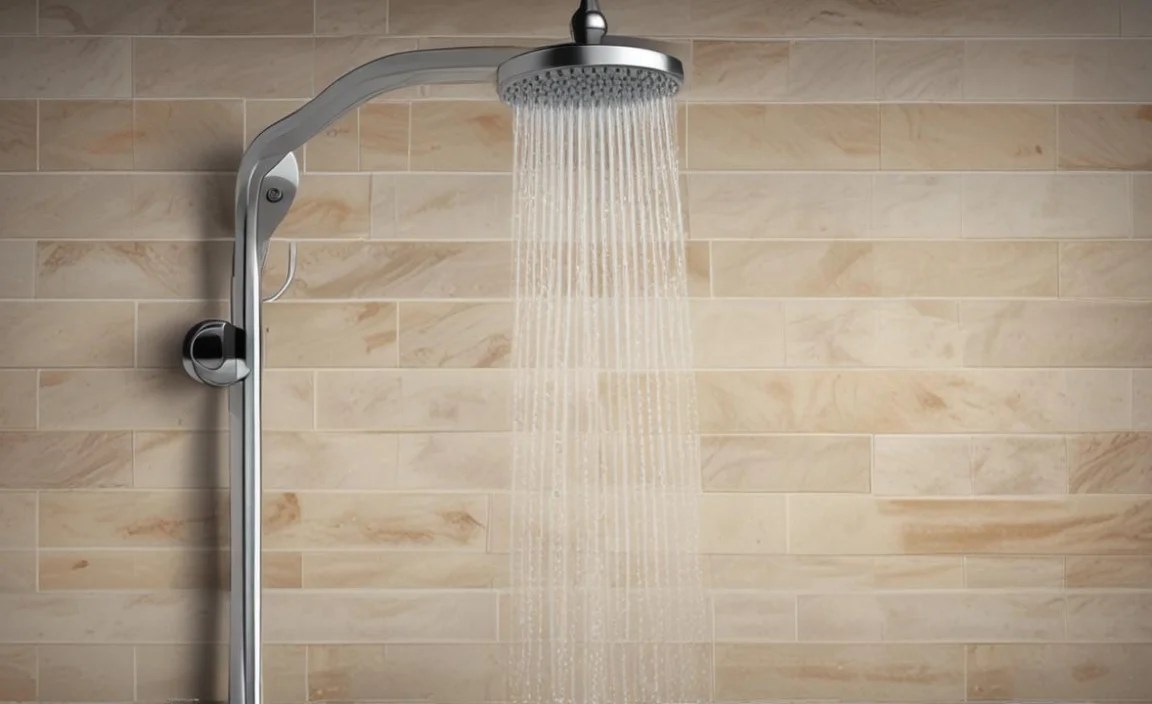
Let’s start with the absolute essentials – the parts that make your shower work day in and day out. These are the building blocks of your showering experience.
The Showerhead: More Than Just a Sprinkler
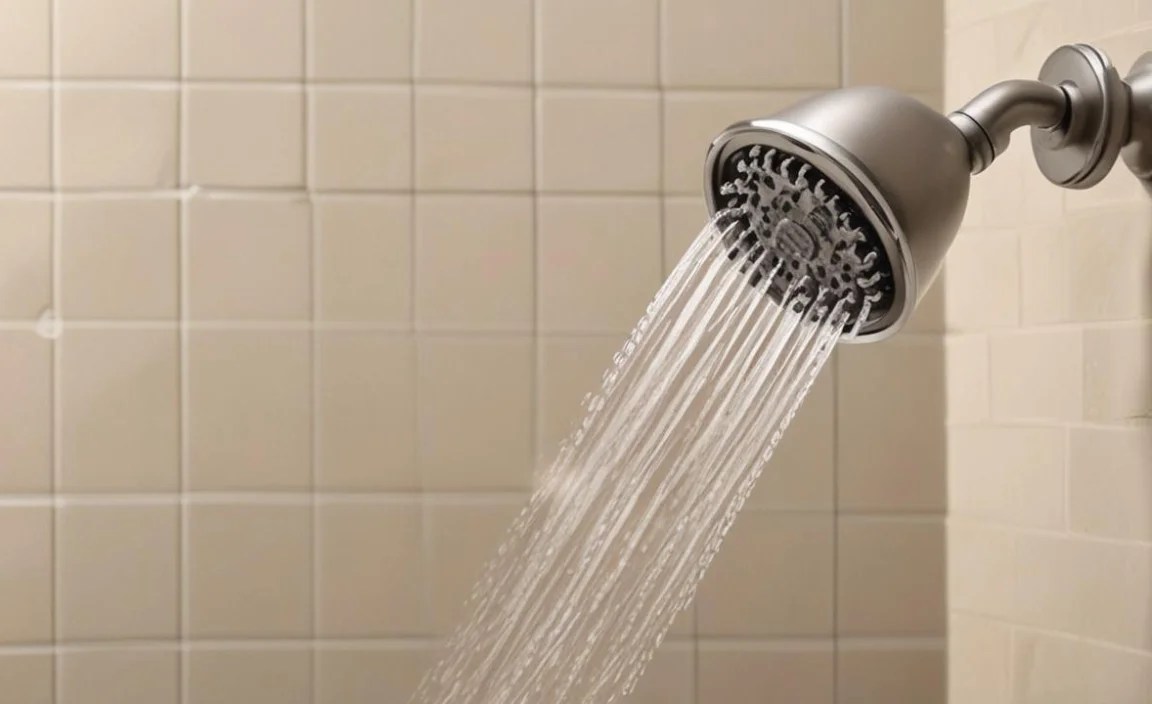
This is probably the part you’re most familiar with! The showerhead is what disperses the water. But did you know there are many types? Understanding the basics helps when choosing a replacement or understanding why yours might not be performing as expected.
- Fixed Showerhead: This is the most common type, permanently attached to the shower arm. It typically offers a standard spray pattern.
- Handheld Showerhead: These come with a flexible hose, allowing you to direct the water spray. They are great for rinsing off or for households with children and pets.
- Rainfall Showerhead: Usually larger and mounted overhead, these simulate the gentle experience of rain. They offer a wide spray coverage for a luxurious feel.
- Body Sprays/Jets: Small, multi-directional nozzles typically installed in the shower walls. They provide targeted hydrotherapy and a spa-like experience.
The Shower Valve: The Brains of the Operation

The shower valve is critical. It controls both the water pressure and the temperature. Without a properly functioning valve, your shower could be too hot, too cold, or have weak pressure. It’s usually hidden behind your shower wall.
- Valve Body: The main housing of the valve, where the internal components like cartridges and stems reside.
- Cartridge: This crucial part regulates the flow and temperature of the water. Many common leaks or temperature mix-up issues stem from a worn-out cartridge.
- Stem: An older type of valve mechanism that, when turned, moves to control water flow and temperature.
The Shower Faucet and Handle: Your Control Center

This is what you interact with directly to turn the water on and off and adjust the temperature. It’s the visible part of the valve system.
- Handle: The lever or knob you use to operate the shower.
- Escutcheon (or Flange/Plate): This is the decorative plate that covers the hole in the wall where the shower handle and valve stem come through. It provides a finished look and protects the wall.
- Trim Kit: This encompasses all the visible parts of the faucet – the handle, escutcheon, and sometimes a diverter or spout. Replacing the trim kit can dramatically change the look of your shower without needing to replace the entire valve behind the wall.
The Shower Arm and Flange: Connecting the Showerhead

These parts bridge the gap between your shower valve and the actual showerhead.
- Shower Arm: The pipe that extends from the wall to the showerhead.
- Shower Arm Flange: A decorative cover that sits against the wall, hiding the hole where the shower arm enters the wall.
The Tub Spout (If Applicable): Filling Your Tub

If you have a shower-bathtub combination, this is the spout that fills the tub. Some have a diverter built-in.
- Diverter: A mechanism, often a pull-up knob or lever on the tub spout, that redirects water from the spout to the showerhead.
The Drain: Where the Water Goes
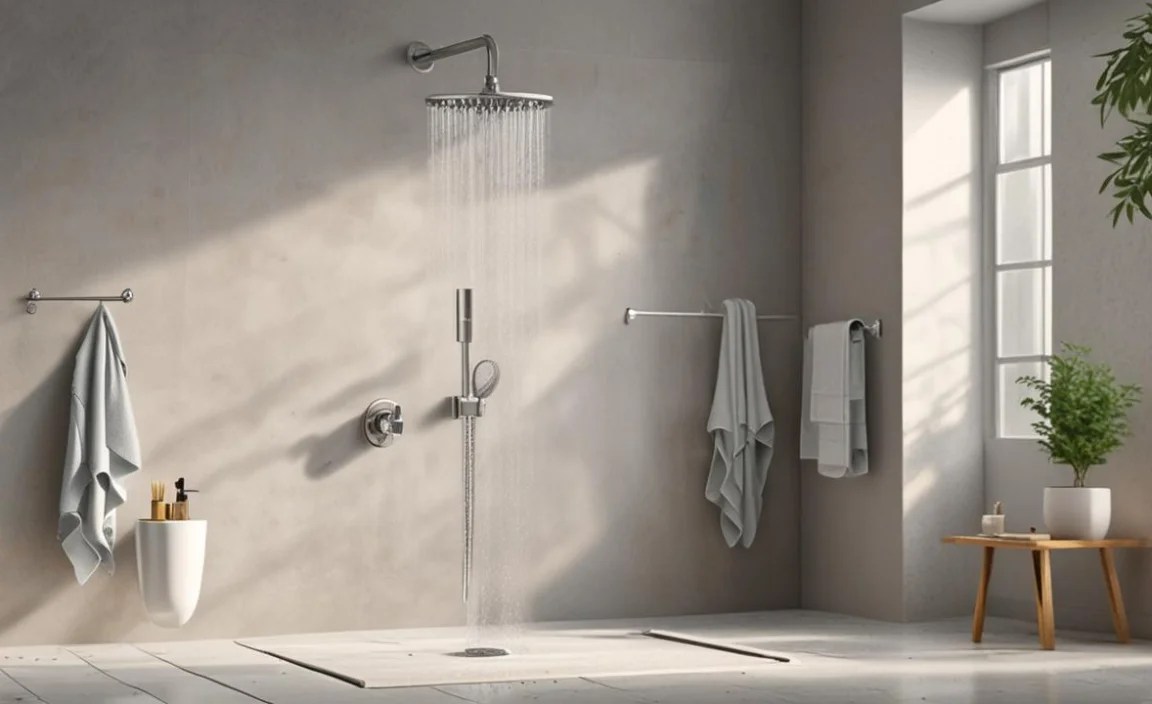
Essential for removing water, though often overlooked. A clean, functioning drain prevents water from pooling and causing potential water damage.
- Drain Flange/Strainer: The visible part of the drain assembly, often a metal grate or ring that catches hair and debris.
- Drain Shoe: The part of the drain assembly fitted into the drainpipe.
- P-Trap: A U-shaped section of the drainpipe that holds water to prevent sewer gases from entering your bathroom. You can learn more about plumbing traps from resources like the EPA’s WaterSense program, which discusses plumbing fixture efficiency and design.
Advanced Features and Types of Showers

Beyond the basics, showers can offer a range of features that enhance the experience. Here’s a look at some common terms you might encounter when looking at more feature-rich shower systems.
Diverters: Directing the Flow
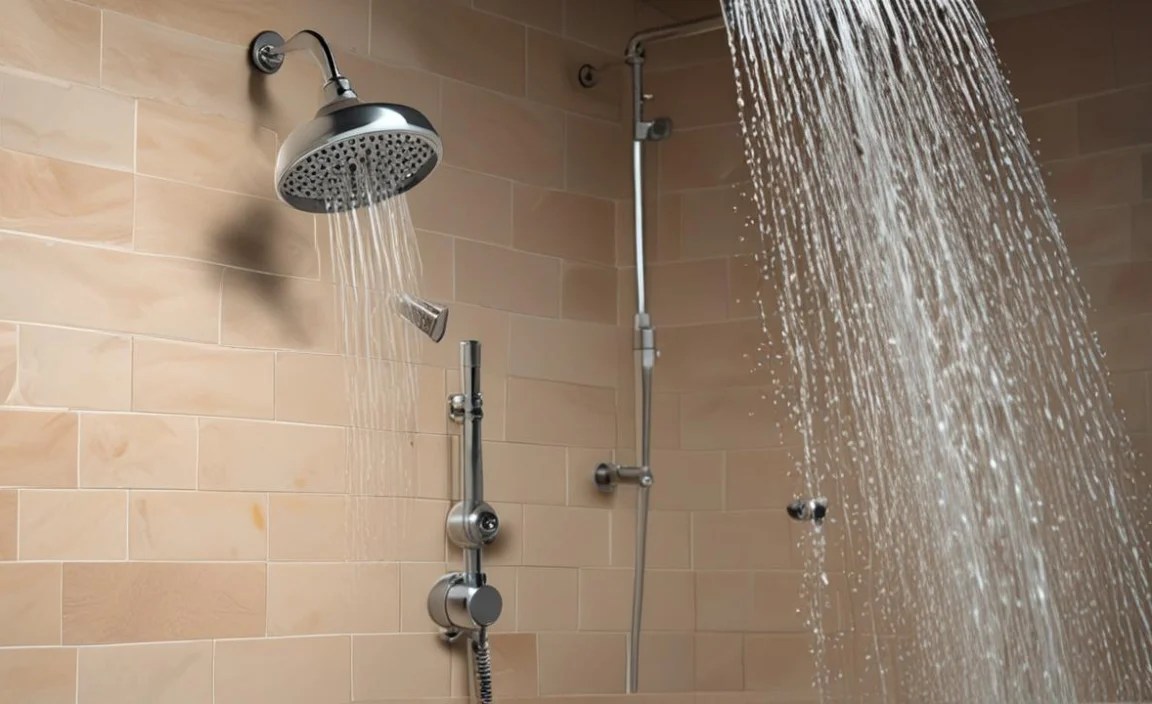
Diverters are mechanisms that allow you to switch the water flow between different outlets, such as a main showerhead and a handheld showerhead, or from a tub spout to a showerhead.
- 3-Way Diverter: Allows you to choose between three different water outlets (e.g., main showerhead, handheld, body jets) or, in some systems, run two at once at reduced pressure.
- 2-Way Diverter: Typically found on handheld showerhead hoses or integrated into shower valves, it switches between two outlets.
Sensors and Controls: The Smart Shower Experience
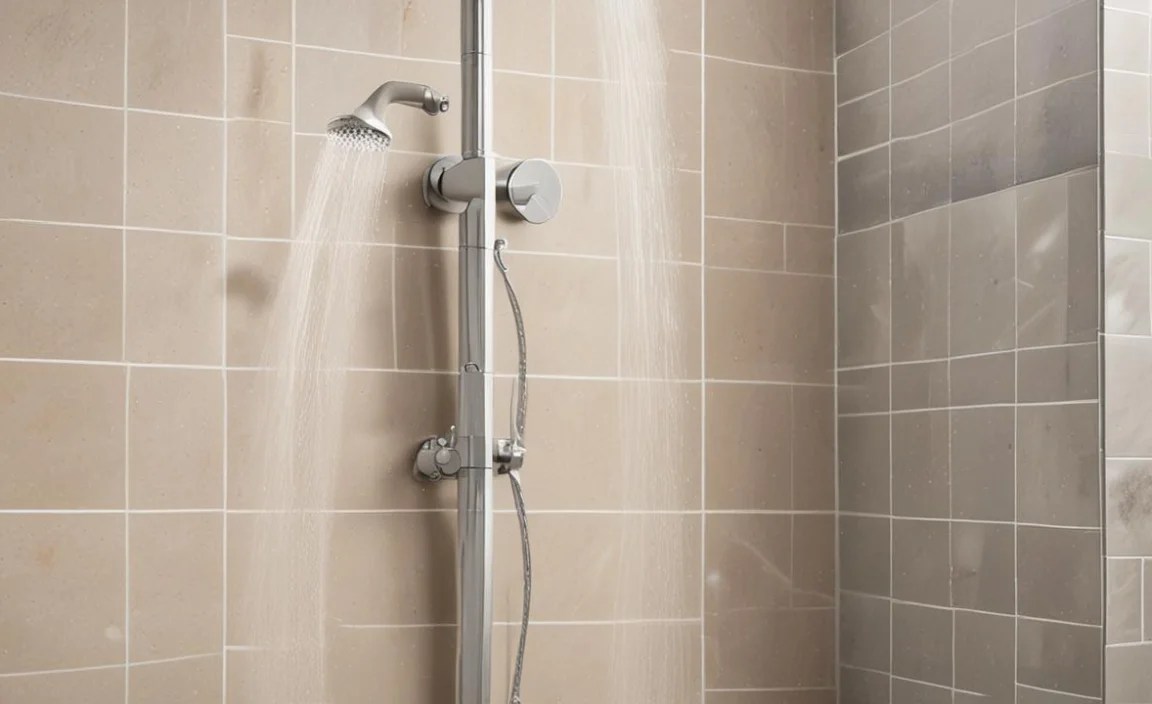
Modern showers can incorporate technology for convenience and water saving.
- Thermostatic Valve: Maintains a consistent water temperature even if other water sources in the house are used. It mixes hot and cold water to a precise temperature.
- Pressure-Balancing Valve: Prevents sudden temperature changes by balancing hot and cold water pressure. If someone flushes a toilet, the shower temperature won’t suddenly become scalding or freezing.
- Digital Shower Controls: Allows you to set exact temperatures, flow rates, and even program shower times or presets via a digital interface.
Shower Doors and Enclosures: Keeping Water In

These are the physical barriers that contain the water within the shower area.
- Framed Shower Door: Has a metal frame around the glass panels for support. Often more budget-friendly.
- Frameless Shower Door: Uses minimal hardware and thicker glass for a sleek, modern look. Requires careful installation.
- Sliding Shower Door: Rolls along a track, good for saving space.
- Pivot Shower Door: Hinges on one side and swings outward or inward.
- Shower Curtain Rod: A bar holding a shower curtain or liner.
- Enclosure: Can refer to the entire shower unit, including walls, base, and doors.
Materials and Finishes: Aesthetics Matter
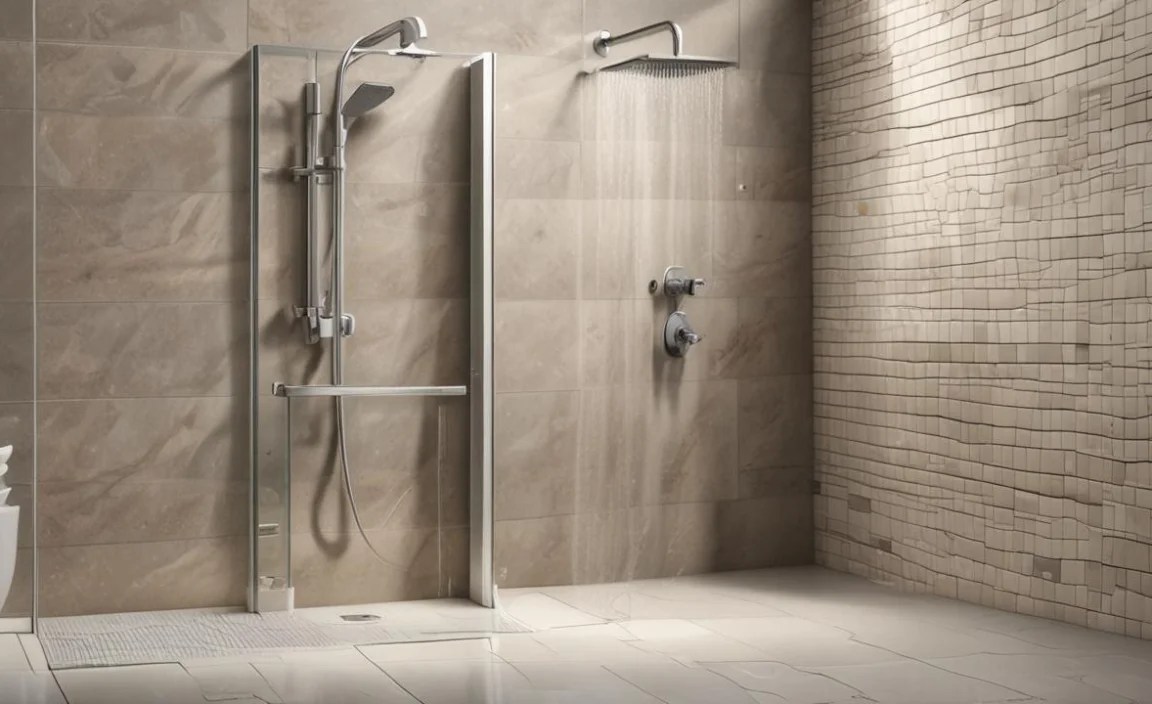
The materials and finishes of your shower fixtures play a big role in both durability and your bathroom’s style. Here’s a quick rundown of common terms:
Common Materials
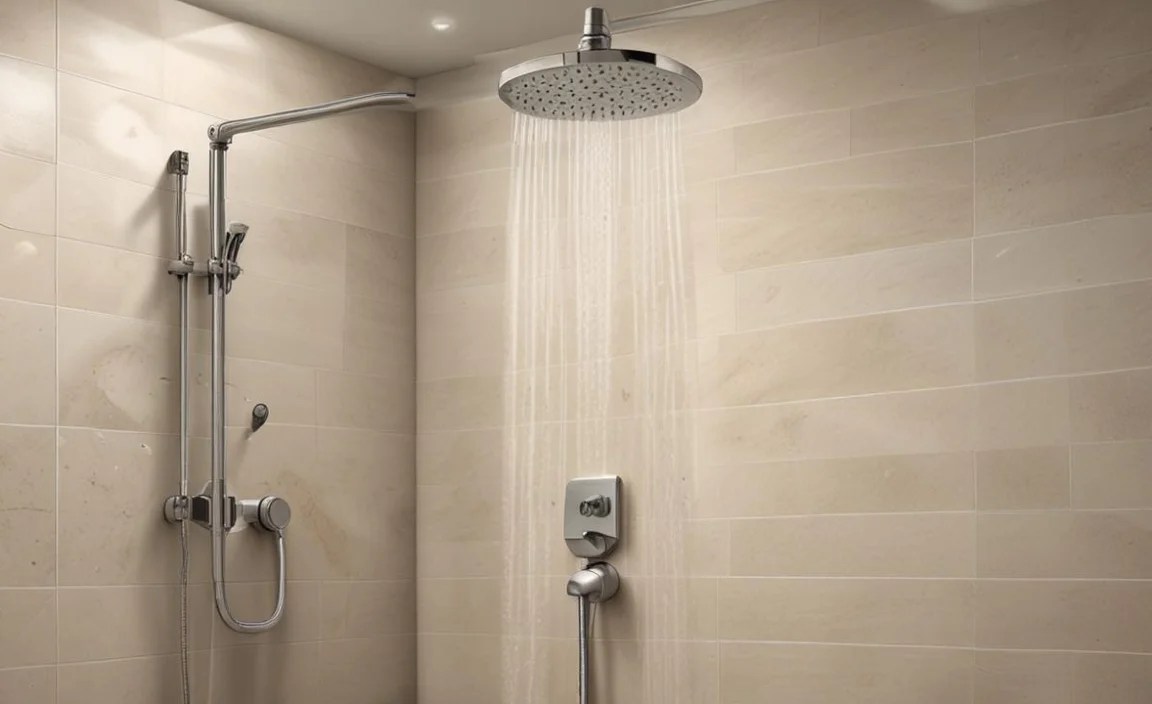
- Chrome: A popular, durable, and reflective finish that’s easy to clean and resistant to corrosion.
- Brushed Nickel: Offers a warmer, matte silver look, which hides water spots and fingerprints better than polished chrome.
- Bronze (Oil-Rubbed, Venetian): Offers a darker, antique look. Oil-rubbed bronze often has subtle reddish-brown undertones.
- Matte Black: A trendy, modern finish that provides a bold contrast.
- Stainless Steel: Durable and resistant to corrosion, with a classic metallic sheen.
- Brass: Can be polished, brushed, or plated. Known for its durability and can offer a vintage or modern feel depending on the finish.
When to Replace Parts
Understanding these parts helps diagnose common shower issues. Here’s a table to help you identify when a part might need attention.
| Symptom | Likely Culprit | Action |
|---|---|---|
| Dripping showerhead when off | Worn-out cartridge or worn seals/washers | Replace cartridge or seals |
| Inconsistent water temperature | Faulty valve cartridge; pressure-balancing issues | Replace cartridge; check valve function |
| Low water pressure | Clogged showerhead, partially closed valve, mineral buildup, or blockage in pipes | Clean showerhead, check valve, consider professional inspection for pipe issues |
| Leaking from handle or escutcheon | Damaged cartridge or worn O-rings | Replace cartridge and O-rings |
| Water backing up in tub or shower floor | Clogged drain | Clean drain strainer and pipe |
Tools You Might Need (For Beginners)
When it’s time to tackle a simple shower fix or upgrade, having the right tools makes all the difference. Here are some basic tools that are incredibly useful:
- Adjustable Wrench: Essential for gripping and turning nuts and bolts, especially on shower arms and connections.
- Plumber’s Tape (PTFE Tape): Used to seal threaded pipe connections, preventing leaks.
- Screwdriver Set: Phillips and flathead screwdrivers are needed for removing and installing handles and trim plates.
- Pliers (e.g., Channel Lock Pliers): Useful for gripping pipes and fittings, and for getting a better hold than an adjustable wrench in some situations.
- Allen Wrench Set (Hex Keys): Many shower handles are secured with a small set screw that requires an Allen wrench.
- Safety Glasses: Always protect your eyes, especially when working on plumbing that might have debris.
- Towel or Rag: To protect surfaces and catch drips.
For more complex jobs, like replacing a shower valve body, you might need specialized tools, but for most beginner-friendly tasks like changing a showerhead or a trim kit, these basics will serve you well. If you’re unsure, watching a quick tutorial from a reputable source like This Old House can be very illuminating.
Common Shower Problems and Their Meanings
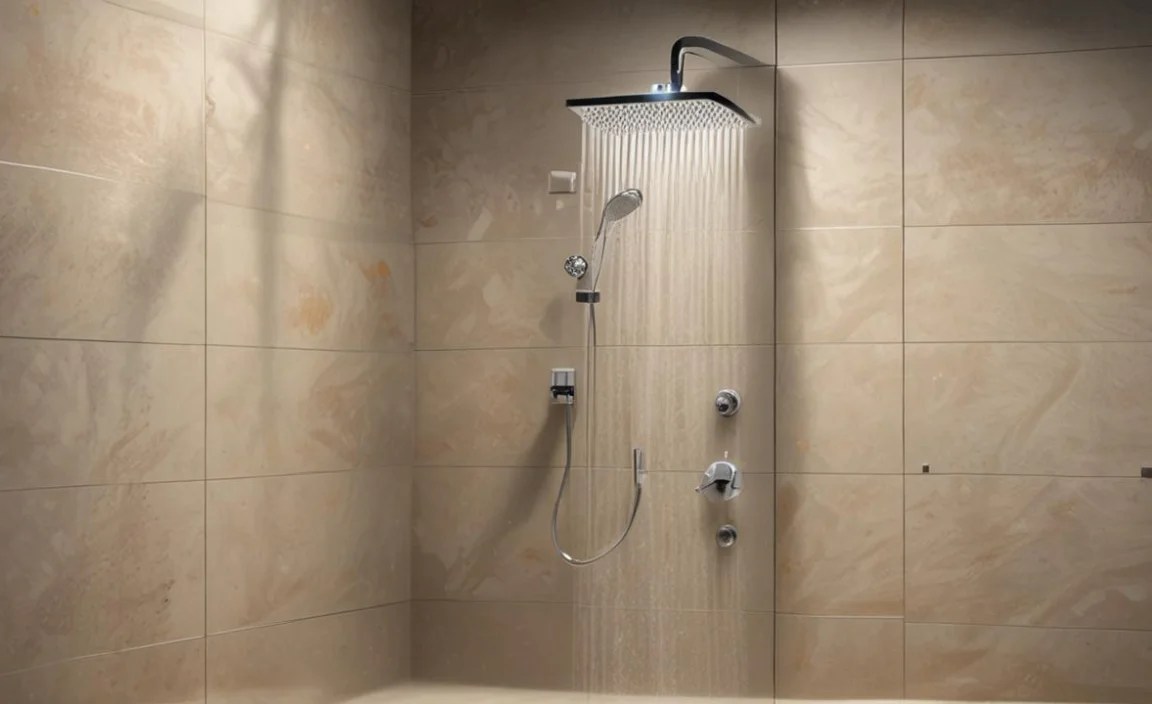
Understanding shower terminology also helps when troubleshooting. Here are some common issues and what they might mean in terms of your shower’s parts:
Dripping Showerhead
A constant drip from the showerhead when it’s turned off is almost always an indication that the shower cartridge is worn out, or that the seals within the valve body are failing. Over time, the rubber or plastic components inside the cartridge can degrade, no longer creating a watertight seal when the handle is in the ‘off’ position.
Temperature Fluctuations
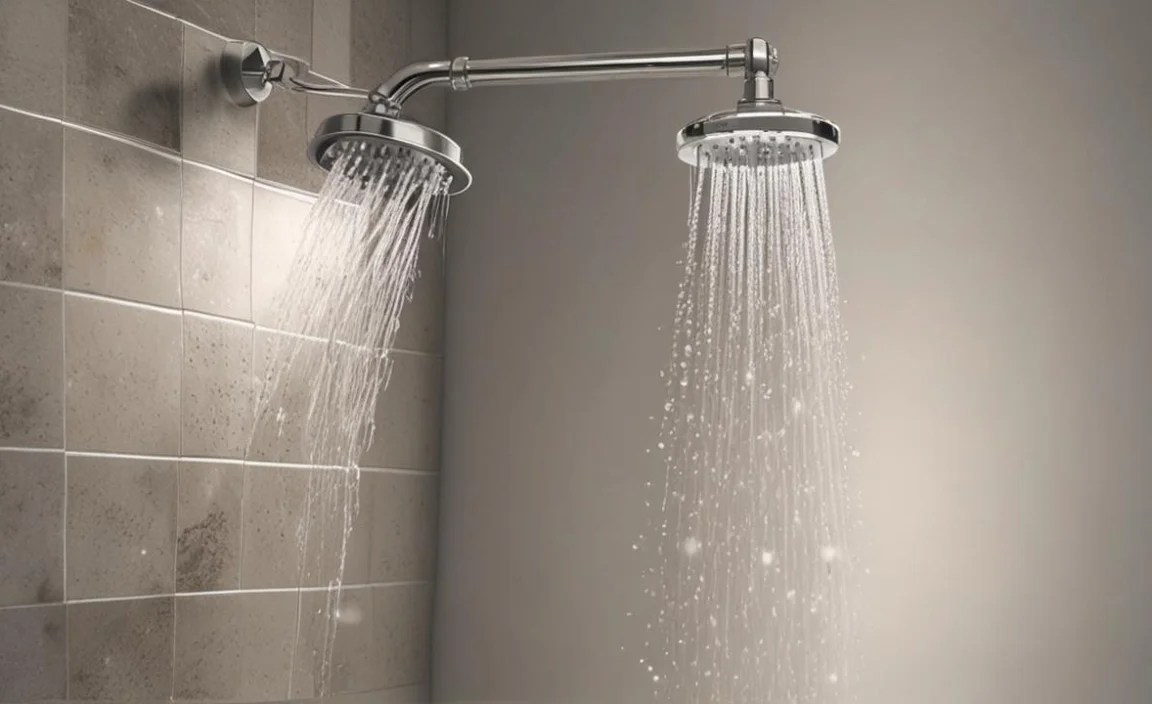
If the water suddenly gets scalding hot or freezing cold when someone else uses water in the house, it points to a performance issue with the pressure-balancing valve or thermostatic valve. These valves are designed to prevent such shocks, but if they’re damaged or have build-up, they can’t regulate the mix effectively.
Low Water Pressure
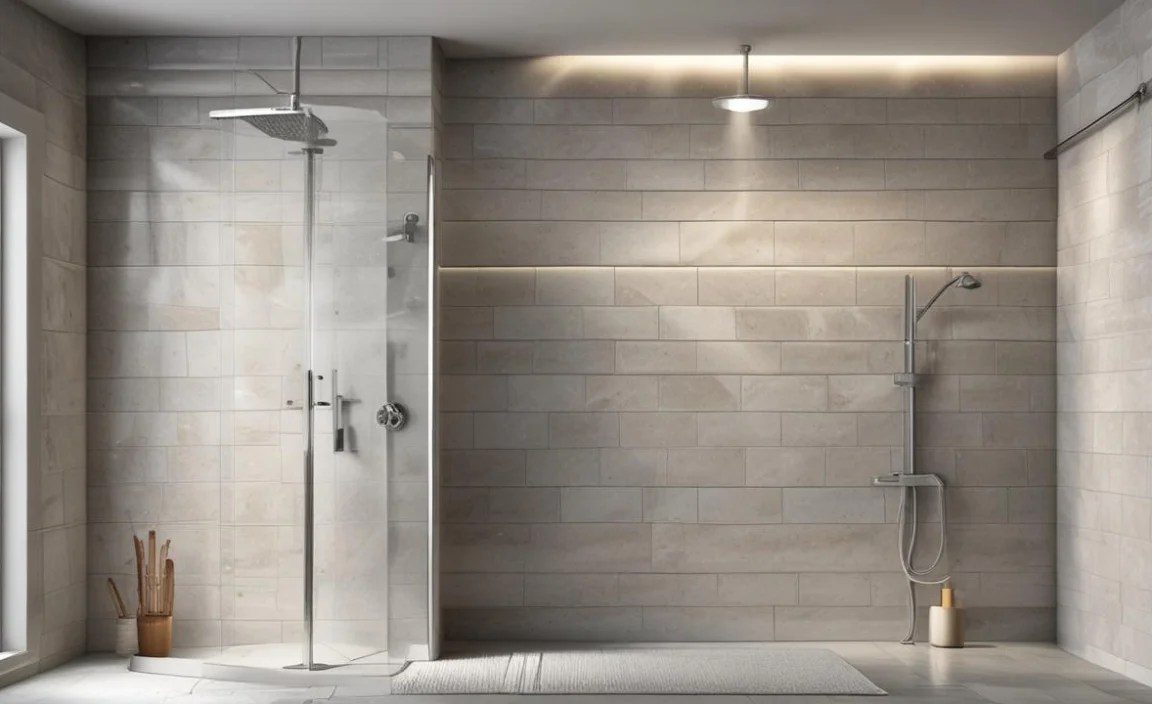
This can be caused by several things. The showerhead itself might be clogged with mineral deposits (limescale). You can often fix this by soaking the showerhead in vinegar. If the showerhead is clean and the problem persists, the issue could be deeper within the valve, the shower arm, or even the plumbing leading to the shower. Issues with the P-trap or drain can also sometimes affect pressure or flow.
Leaking Around the Handle
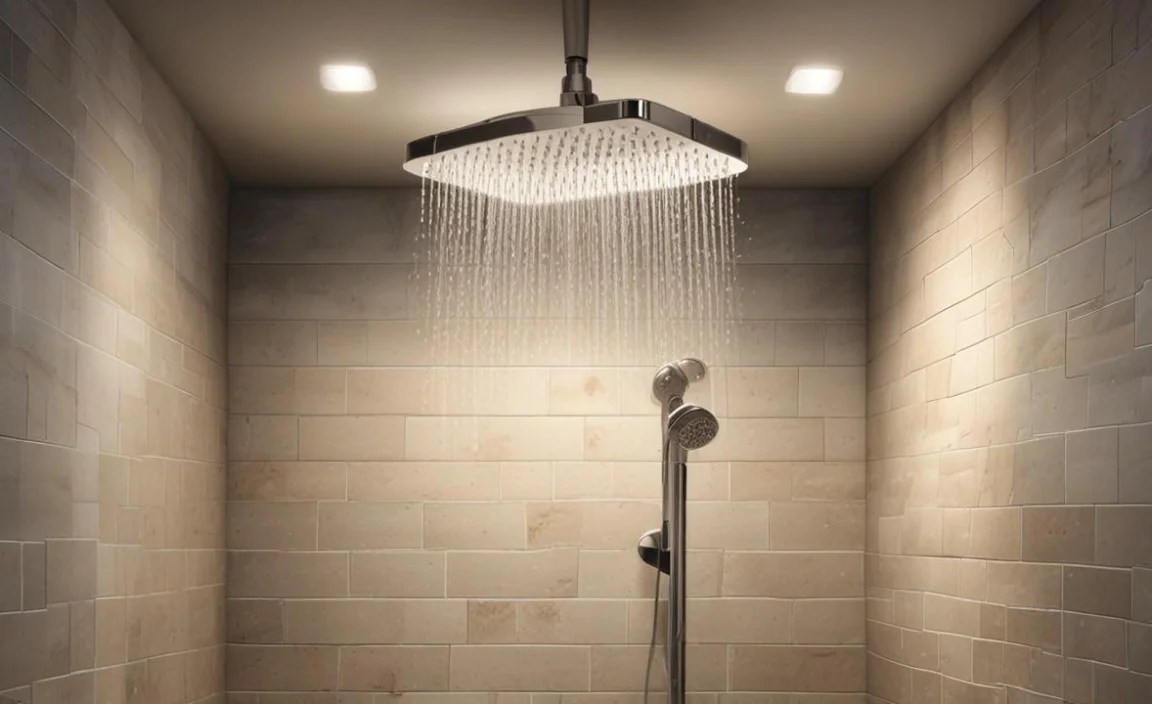
Water seeping out from behind the handle or around the escutcheon plate is usually a sign that the cartridge or associated O-rings and seals are damaged. When these components wear out, they can no longer contain the water within the valve body.
Water Pooling
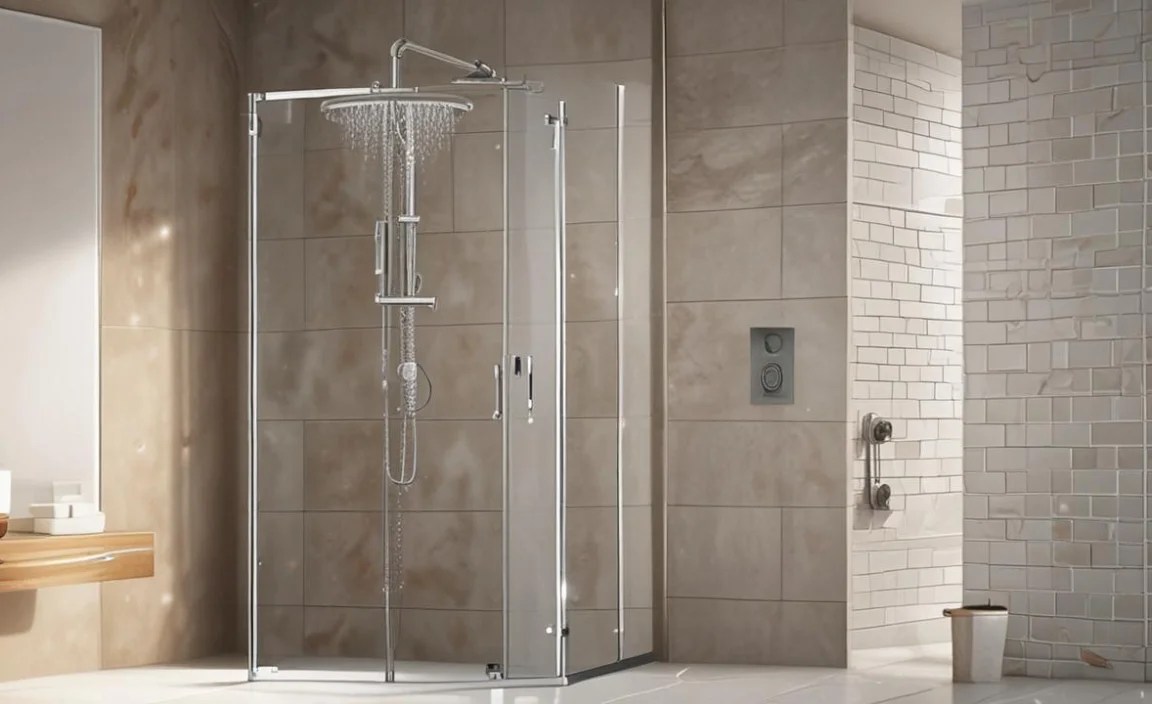
If water isn’t draining away efficiently, the first suspect is the drain. Hair, soap scum, and other debris can accumulate in the drain strainer and the pipe beyond. A slow drain might just need a good cleaning, but a completely blocked drain might require more intensive cleaning or professional help.
Shower Glossary: Key Terms Summary Table
To help you keep everything straight, here’s a quick reference table of the most common shower terms and their basic function.
| Term | Description | Purpose |
|---|---|---|
| Showerhead | The fixture that sprays water | Delivers water for showering |
| Shower Valve | The internal mechanism controlling water flow and temperature | Manages water on/off and temperature mix |
| Cartridge | A replaceable part within the valve | Regulates hot/cold water mix and flow |
| Handle | The external lever or knob operated by the user | User interface for turning water on/off and adjusting temperature |
| Escutcheon Plate | Decorative plate covering the wall opening | Covers valve body and wall penetration; provides aesthetic finish |
| Shower Arm | Pipe connecting valve to showerhead | Extends showerhead from the wall |
| Shower Arm Flange | Decorative cover for the shower arm entry point | Hides hole in wall where shower arm emerges |
| Diverter | Mechanism to switch water flow | Directs water to different outlets (e.g., shower vs. handheld) |
| Drain | The opening to remove water | Allows wastewater to exit the shower basin/tub |
| P-Trap | U-shaped pipe section | Holds water to prevent sewer gases from entering the room |
Frequently Asked Questions (FAQs) about Showers
Q1: What is the most common reason my shower drips?

A1: The most frequent cause of a dripping shower is a worn-out or faulty cartridge within the shower valve. This internal part can degrade over time, preventing it from shutting off the water completely.
Q2: How do I know if I need a new shower trim kit?

A2: You might need a new trim kit if your current handle is loose, corroded, or if you simply want to update the look of your shower. A trim kit includes the visible parts like the handle and escutcheon plate. Replacing it is often a straightforward DIY task.
Q3: What’s the difference between a pressure-balancing valve and a thermostatic valve?

A3: A pressure-balancing valve adjusts for pressure changes to maintain a consistent temperature (e.g., prevents scalding if the toilet is flushed). A thermostatic valve goes a step further by maintaining a precise set temperature, regardless of fluctuations in pressure or incoming water temperatures.
Q4: Can I install a new showerhead myself?
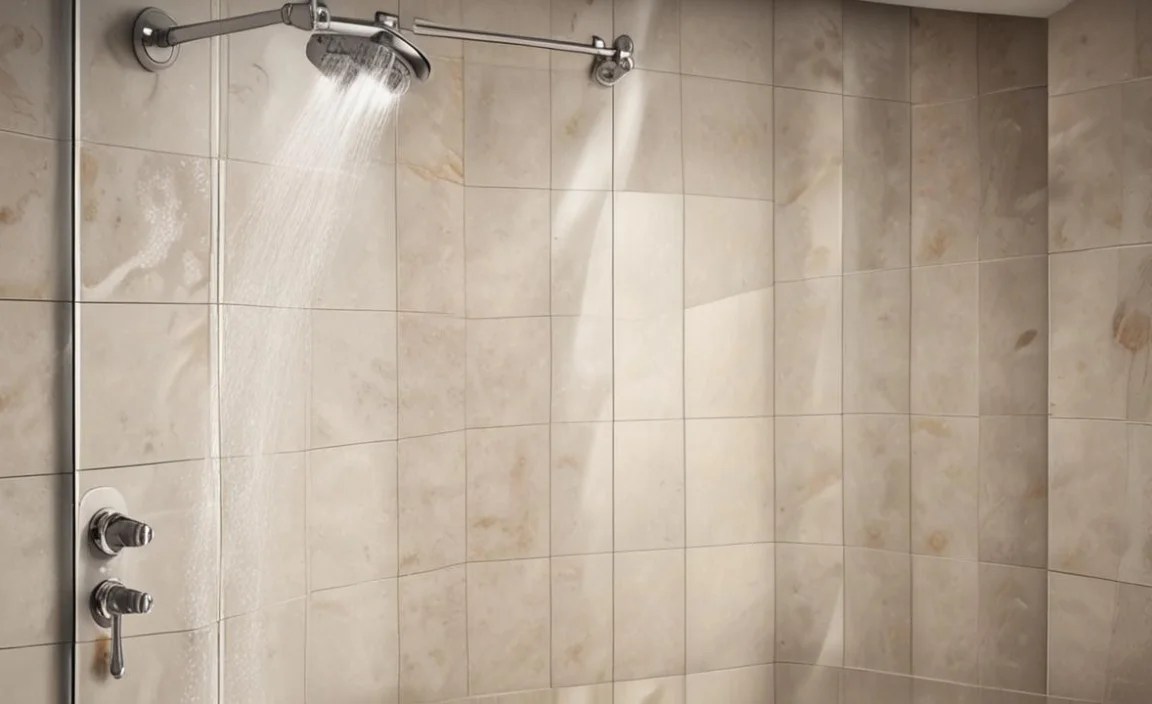
A4: Absolutely! Installing a new showerhead is typically one of the easiest DIY projects. You usually just need an adjustable wrench and plumber’s tape. Make sure to turn off the water supply to the shower before starting.
Q5: My shower drain is slow. What should I do first?

A5: Start by cleaning the drain strainer. If that’s clear, try using a basic drain cleaner or a mixture of baking soda and vinegar. If the clog persists.
