
Quick Summary
Understanding plumbing tiles means knowing the various ceramic, porcelain, natural stone, or glass pieces used for decorative and protective purposes in bathrooms and kitchens. This guide demystifies common tile types, their uses, and key terms, empowering you to confidently select and maintain them for a beautiful, functional space.
Hey there, DIY warriors and savvy homeowners! Bryan Lee here. Ever found yourself staring at a mosaic of tiles and wondering what’s what in the world of plumbing fixtures? You’re not alone. The sheer variety of tiles used around sinks, showers, and tubs can be a bit overwhelming. From the gleam of ceramic to the earthy feel of natural stone, choosing the right tile involves more than just picking a pretty color. It’s about durability, water resistance, and how it all fits together in your home’s plumbing setup. That’s why I’ve put together this easy-to-understand guide. We’ll break down the jargon and explore the most common types of tiles, helping you make informed decisions for your next project. Let’s dive in and make your plumbing spaces shine!
Navigating the World of Plumbing Tiles: Your Essential Glossary

Tiles in plumbing aren’t just about looking good; they’re a crucial part of protecting your walls and floors from water damage in areas like bathrooms and kitchens. They also add significant aesthetic appeal, transforming functional spaces into beautiful retreats. But with so many options, understanding the terminology can feel like learning a new language. Fear not! This guide is designed to demystify the world of plumbing tiles, offering clear explanations and practical insights for every DIY enthusiast.
Why Tiles Matter in Plumbing Spaces
Tiles serve a vital dual purpose in areas exposed to moisture:
- Protection: They create a barrier against water, preventing it from seeping into the subflooring or drywall, which can lead to mold, mildew, and structural damage.
- Aesthetics: They offer endless design possibilities, allowing you to personalize your bathroom or kitchen with patterns, colors, and textures that reflect your style.
Understanding Tile Materials: A Closer Look
The type of material a tile is made from significantly impacts its durability, water resistance, maintenance, and cost. Here’s a breakdown of common tile materials you’ll encounter:
1. Ceramic Tiles
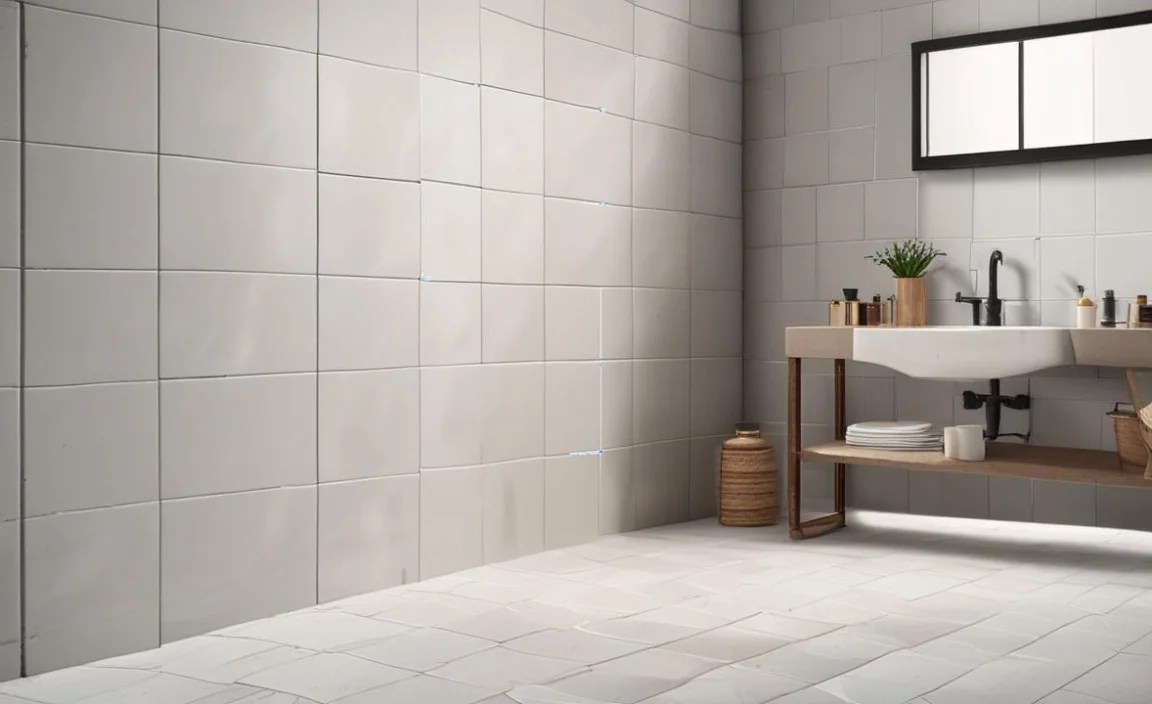
Ceramic tiles are a staple in homes worldwide, and for good reason. They are made from clay that is fired in a kiln, then often coated with a glaze. This glaze is what gives ceramic its vast array of colors, patterns, and finishes, and also makes it highly water-resistant.
Pros:
- Highly water-resistant, especially when glazed.
- Durable and resistant to scratches and stains.
- Easy to clean and maintain.
- Available in a huge variety of styles, colors, and designs.
- Generally more affordable than other tile types.
- Excellent for backsplashes, floors, and shower walls.
Cons:
- Can chip or crack if heavy objects are dropped on them.
- Some unglazed or textured ceramic tiles may absorb more moisture.
- Can be slippery when wet if not chosen with anti-slip properties.
2. Porcelain Tiles
Porcelain is a type of ceramic tile, but it’s made from finer, denser clay and fired at much higher temperatures. This process creates a tile that is exceptionally hard, dense, and less porous than standard ceramic. This makes it a top choice for high-traffic areas and places with a lot of moisture.
Pros:
- Extremely durable and resistant to chipping and cracking.
- Very low water absorption (less than 0.5%), making it ideal for wet areas like shower floors and surrounds.
- Resistant to stains, scratches, and frost.
- Suitable for both floors and walls.
- Can mimic the look of natural stone, wood, or concrete.
Cons:
- Harder to cut and install, often requiring specialized tools.
- Generally more expensive than standard ceramic tiles.
- Can be very hard underfoot, which might be uncomfortable for some.
3. Natural Stone Tiles
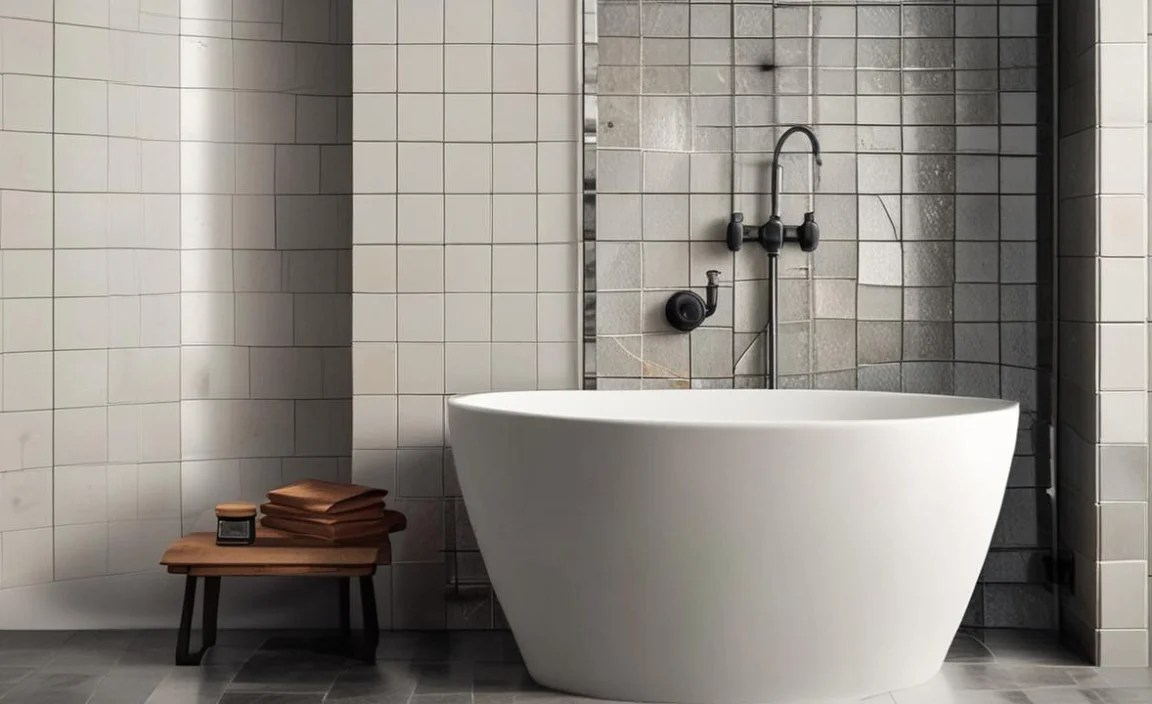
These tiles are cut directly from blocks of rock quarried from the earth. They bring a unique, organic beauty to any space. Common types include:
- Marble: Known for its elegant veining and luxurious appearance. It’s softer than granite and requires sealing to prevent staining.
- Granite: Extremely hard and durable, with a speckled appearance. It’s highly resistant to etching and scratching.
- Travertine: A type of limestone with a natural, porous texture, often filled and polished. It offers a rustic, warm feel.
- Slate: A metamorphic rock that has a distinct, often textured surface and comes in rich, earthy colors.
- Limestone: A sedimentary rock that offers a soft, matte finish and natural variations in color.
Pros:
- Unique, natural beauty with each piece being one-of-a-kind.
- Adds significant aesthetic value and can increase home resale value.
- Durable and long-lasting when properly maintained.
- Available in a wide range of colors and textures.
Cons:
- Porous and requires regular sealing to prevent staining and water absorption.
- Can be more expensive than ceramic or porcelain.
- Some stones (like marble) are softer and can scratch or etch easily.
- Installation can be complex due to weight and unevenness.
- Maintenance can be more involved.
For more information on the properties of natural stone, check out resources from organizations like the Marble Institute of America (though now part of MIA+BSI: The Natural Stone Institute), which offers in-depth technical details.
4. Glass Tiles
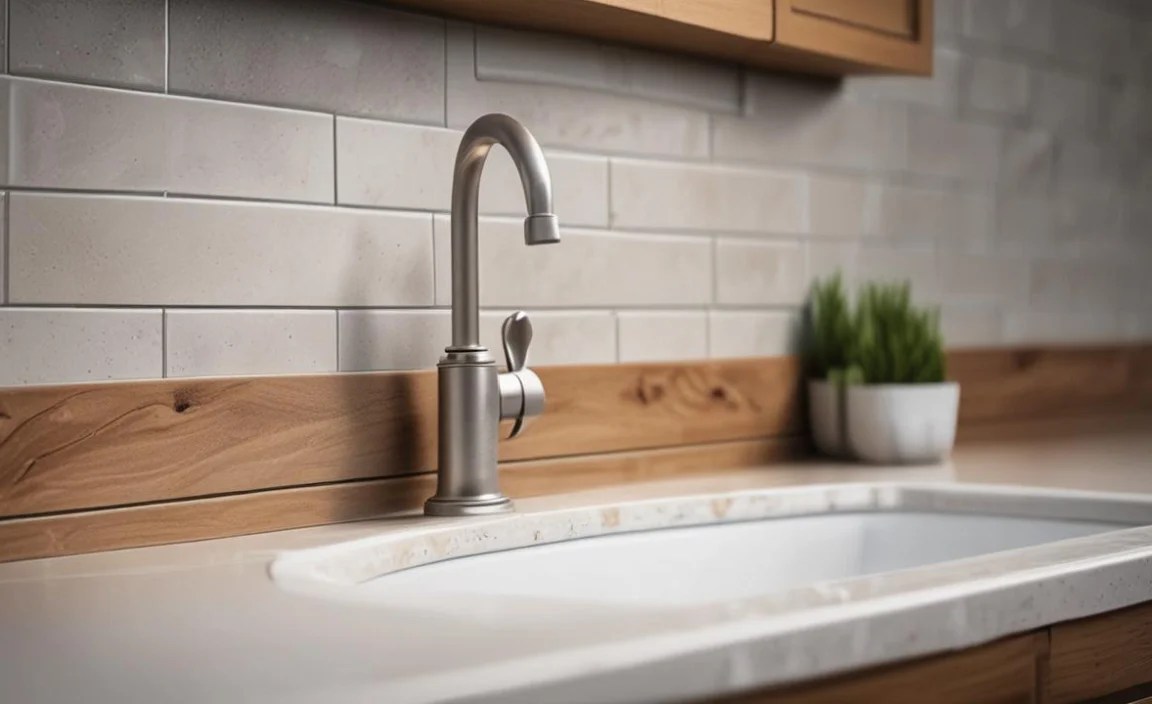
Glass tiles can be made from recycled glass or virgin glass and offer a clean, modern look with a reflective quality. They are often used as accents, backsplashes, or in shower areas where their waterproof nature is a great advantage.
Pros:
- Waterproof and stain-resistant.
- Reflective surface can make small spaces feel larger and brighter.
- Available in a vast array of colors, finishes (frosted, iridescent), and shapes.
- Easy to clean.
Cons:
- Can be more expensive than ceramic.
- Can chip or scratch, especially thinner tiles.
- Installation can be tricky; the grout color is visible through clear glass tiles and can significantly impact the final look.
- Not generally recommended for high-traffic floor areas due to potential for scratching and breaking.
5. Mosaic Tiles
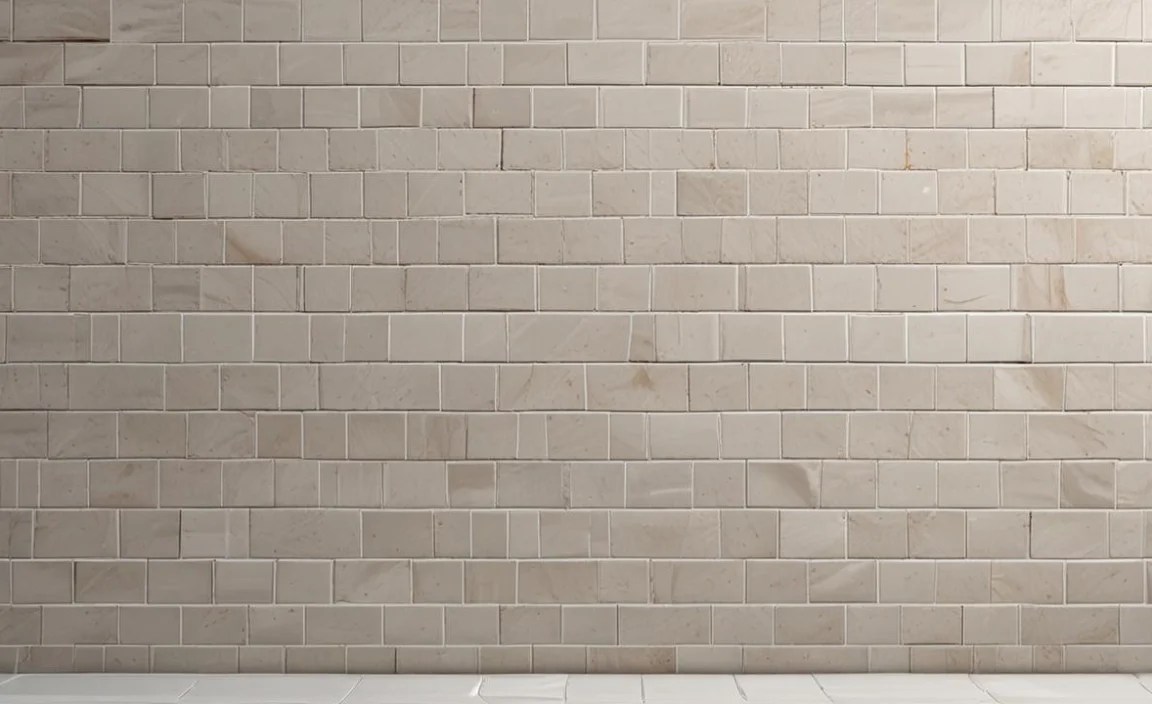
Mosaic tiles are not a material type but rather a style. They are small tiles (often 1-inch by 1-inch or smaller) that are typically mounted on a mesh backing for easier installation. Mosaics can be made from ceramic, porcelain, glass, natural stone, or a combination of materials.
Pros:
- Ideal for creating intricate designs, borders, and accent areas.
- Conform to uneven surfaces like shower curbs or curved walls.
- Provide excellent slip resistance when used on shower floors due to the small tile size and grout lines.
- Offer a luxurious and customized look.
Cons:
- Installation requires more precision, especially when aligning sheets.
- More grout lines mean more cleaning and potential for grout staining.
- Can be more expensive than standard large format tiles.
- Individual small tiles can be prone to breaking.
When considering mosaic, remember the material composition. A glass mosaic will have the pros and cons of glass, while a natural stone mosaic will inherit the characteristics of that stone.
Key Plumbing Tile Terminology Explained
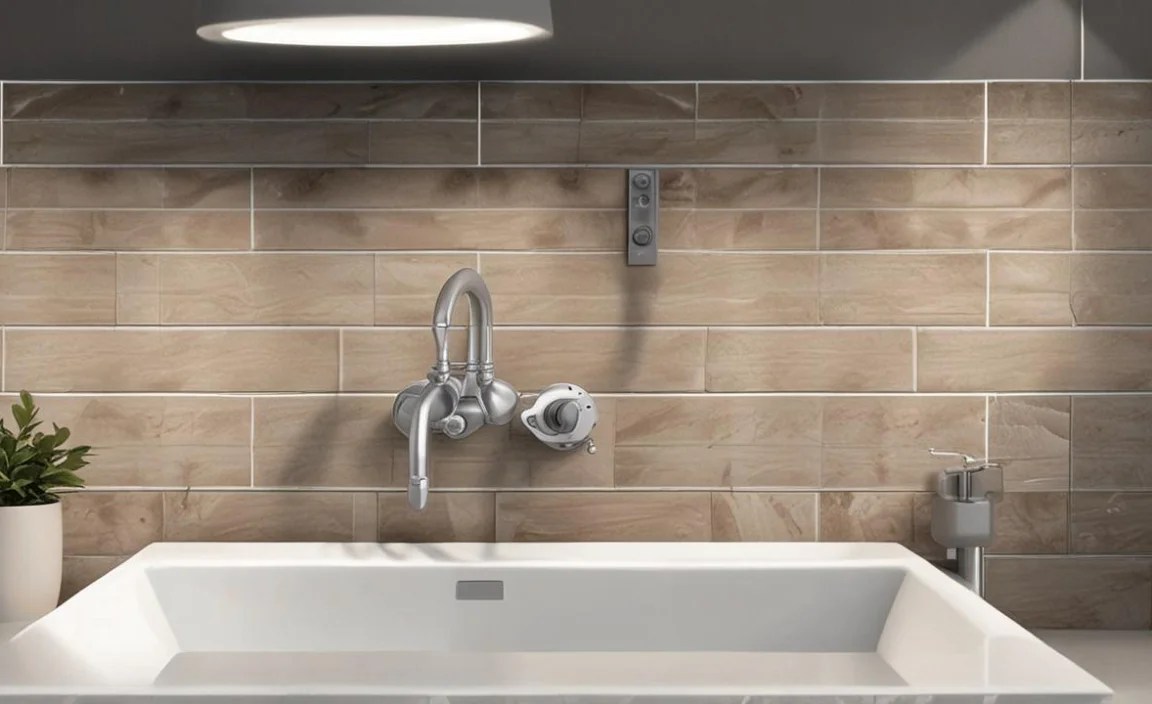
Beyond the materials, certain terms are essential to know when discussing or shopping for plumbing tiles.
Here’s a quick glossary:
| Term | Meaning | Importance in Plumbing Context |
|---|---|---|
| Porosity | The degree to which a material can absorb liquids. Measured as a percentage. | Crucial for wet areas. Low porosity (like porcelain) prevents water damage, mold, and stains. High porosity materials (some natural stones) need sealing. |
| Water Absorption Rate | The amount of water a tile can absorb when submerged. Typically expressed as a percentage of weight. | Tiles with low water absorption are best for showers, tub surrounds, and even bathroom floors to prevent moisture issues. |
| PEI Rating (Porcelain Enamel Institute) | A rating system (0-5) that indicates a glazed tile’s durability and resistance to abrasion and wear. | For bathroom or kitchen floors that see heavy use, a PEI rating of 3 or 4 is recommended. For shower floors or walls, it’s less critical than water absorption. |
| Slip Resistance (Coefficient of Friction – COF) | A measure of how much friction a surface provides. Higher COF means less slipperiness. Often expressed as a dynamic or static coefficient of friction. | Vital for shower floors and bathroom floors. Look for tiles with a high COF rating to prevent falls. The TCNA (Tile Council of North America) provides testing standards. |
| Vitrification | A process where clay particles fuse together under heat, making the tile less porous and more durable. Porcelain tiles are vitrified. | Indicates a very dense, strong, and water-resistant tile. |
| Porcelainized | Similar to vitrified, indicating a tile body that has undergone a process to reduce porosity and increase strength. | A sign of high quality for tiles intended for wet environments. |
| Glaze | A liquid coating applied to the surface of a ceramic or porcelain tile that is fired to create a hard, protective, and decorative finish. | Glazed tiles are more resistant to stains and water. The type of glaze can affect slip resistance and durability. |
| Through-body Color | The color of the tile runs all the way through its thickness. Common in porcelain tiles, especially those mimicking natural stone. | If a chip occurs, the underlying color is the same as the surface, making damage less noticeable. |
| Rectified Tile | Tiles that have had their edges mechanically ground to a precise, uniform edge after firing. | Allows for very narrow grout lines (or even groutless installations), creating a seamless look. Important for modern aesthetics. |
| Bullnose Tile | A trim tile with a rounded edge. Also known as a “cove base” or “coved” tile. | Used for finished edges where a wall meets a floor or at the top of a tiled wall to provide a smooth, rounded transition, eliminating the need for a separate trim piece. |
| Trim Pieces | Specialty pieces designed to finish edges and corners for a professional look. Includes bullnose, quarter-round, chair rail, etc. | Essential for a professional finish in plumbing areas, covering raw edges of tile and protecting them from moisture. |
| Grout | The material used to fill the gaps between tiles. | Crucial for sealing out water and preventing debris from getting under tiles. Needs to be mold/mildew resistant and waterproof for wet areas. |
| Backer Board / Underlayment | A material (like cement board or DensShield) installed under tile in wet areas. | Acts as a stable, water-resistant base for tile, preventing moisture from reaching the subfloor or wall framing. Essential for longevity in bathrooms and kitchens. |
Tile Application in Plumbing: Where and Why
Certain tiles are better suited for specific areas within your plumbing zones. Understanding these applications can save you time, money, and potential headaches.
Shower Floors and Walls
This is where tile performance is most critical due to constant water exposure.
- Best Choices: Porcelain, glass, and stone mosaics.
- Why: They offer excellent water resistance. Mosaics are particularly good for shower floors as the small tiles and ample grout lines provide superior slip resistance. For walls, larger format porcelain or ceramic tiles are also suitable, but grout lines should be sealed well, and waterproof backer board is a must.
- Key Features to Look For: Low water absorption rate (for porcelain, less than 0.5%), high slip resistance (COF), and resistance to mold and mildew.
Bathroom Floors
Bathroom floors need to handle splashes from sinks and tubs, as well as moisture from showers. They also need to be safe to walk on.
- Best Choices: Porcelain, textured ceramic, natural stone (sealed), and durable mosaics.
- Why: Porcelain’s durability and low water absorption are ideal. Textured ceramic or natural stone with a honed (matte) finish provides better grip.
- Key Features to Look For: Good slip resistance (COF is very important here), durability (PEI rating of 3 or 4), and water resistance.
Kitchen Backsplashes
Kitchen backsplashes protect walls from splashes during cooking and washing up. They also add a significant design element.
- Best Choices: Ceramic, porcelain, glass, and natural stone.
- Why: These materials are easy to clean and provide a good barrier against grease and water. The variety of styles is enormous, allowing for creative expression.
- Key Features to Look For: Ease of cleaning, stain resistance, and aesthetic appeal. Water resistance is less critical than in bathrooms but still important.
Tub and Shower Surrounds
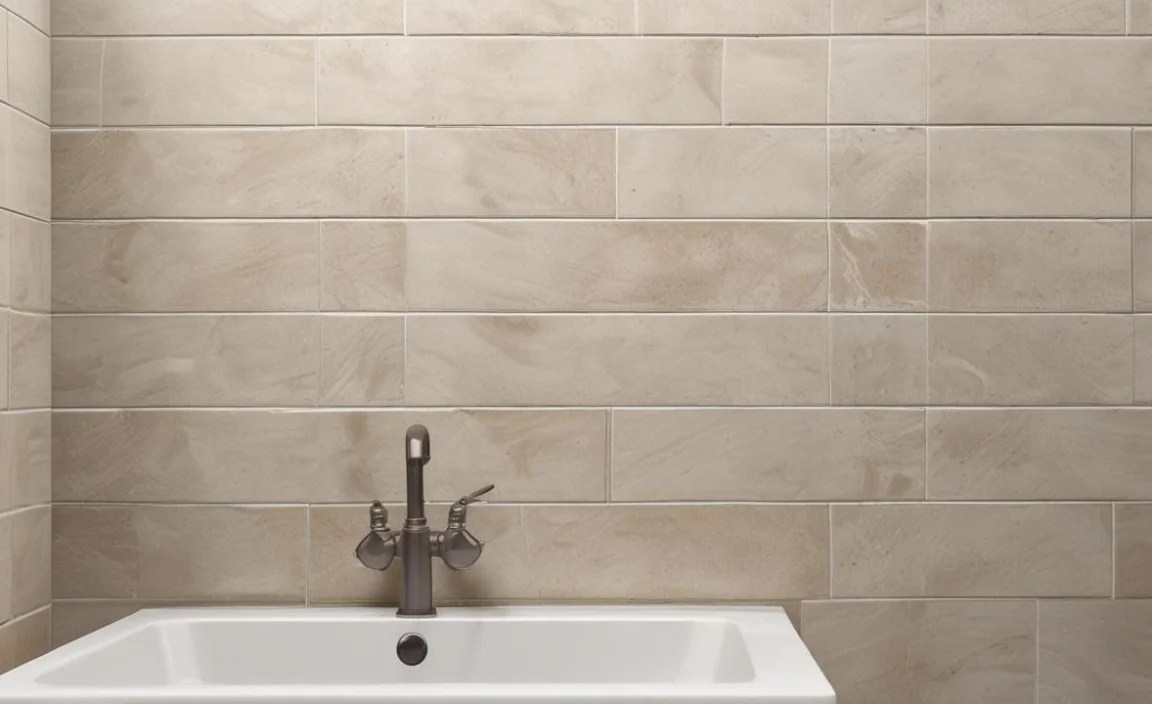
The vertical surfaces around your bathtub or shower enclosure.
- Best Choices: Ceramic, porcelain, glass.
- Why: These are generally straightforward applications that benefit from the water resistance and ease of cleaning these materials offer.
- Key Features to Look For: Water resistance, ease of maintenance, and aesthetic coordination with other bathroom elements.
DIY Installation Tips for Durability
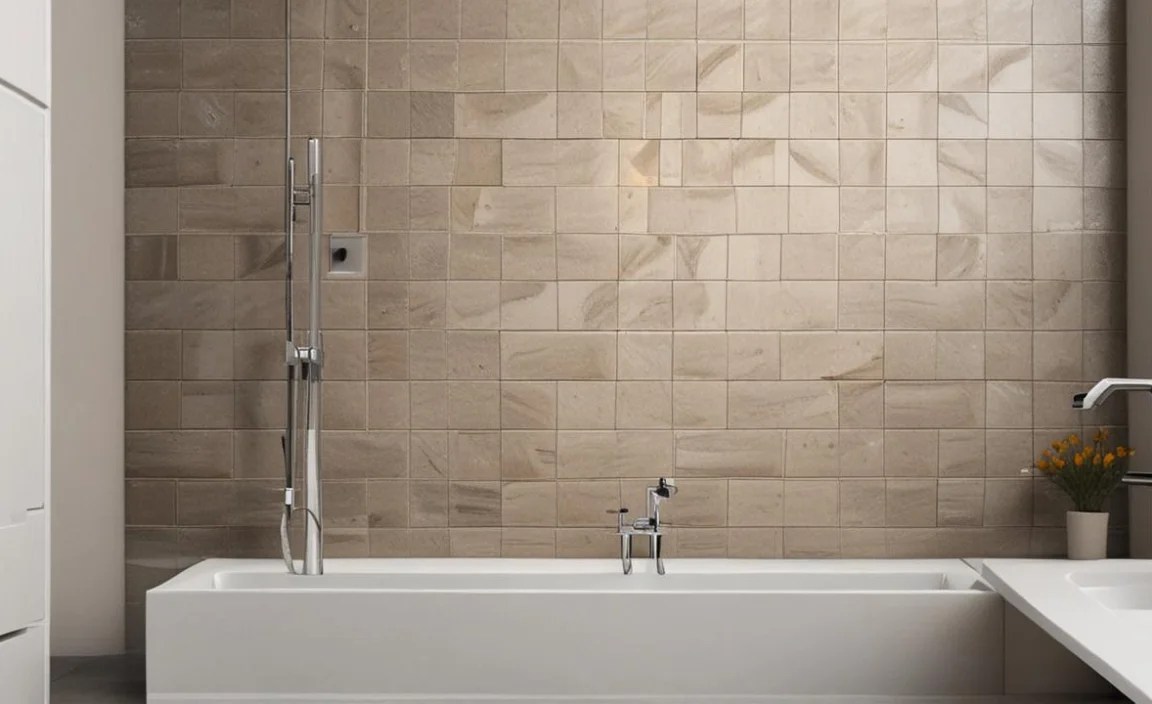
Even the best tiles can fail without proper installation. Here are a few essential tips for your plumbing tile projects:
- Preparation is Key: Ensure your substrate (the surface you’re tiling over) is clean, dry, and structurally sound. For wet areas, always install a proper waterproof backer board system. Reputable brands like DensShield or Schluter Systems offer solutions for waterproofing.
- Use the Right Adhesive: Select a tile adhesive (thin-set mortar or mastic) appropriate for your tile type and location. For wet areas, a high-quality, mold-resistant thin-set is essential.
- Proper Grouting: Choose a grout designed for wet areas – epoxy grout or cementitious grout with a good sealant offers superior protection against water penetration and staining. Ensure all gaps are filled completely.
- Seal Porous Materials: If using natural stone or unglazed ceramic tiles, apply at least two coats of a quality penetrating sealer on both the tile and the grout. Reapply periodically.
- Ventilation: Ensure adequate ventilation in bathrooms and kitchens to help manage moisture levels, which indirectly protects your tile installation.
Trends in Plumbing Tiles
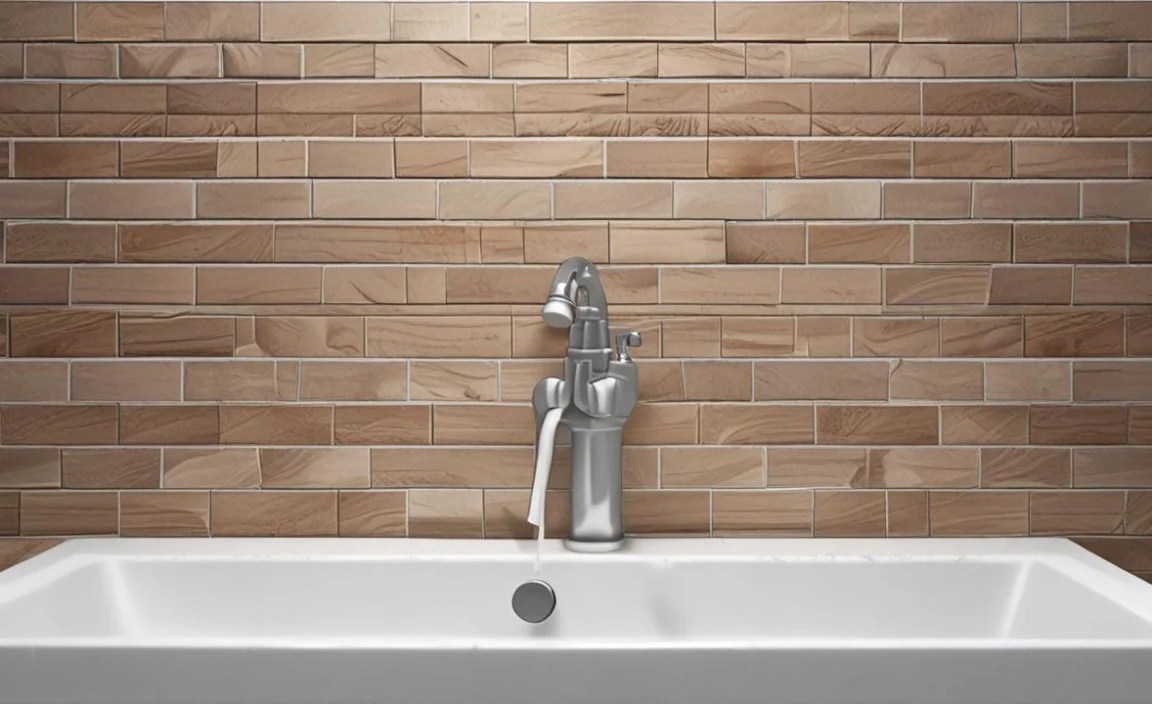
While durability and function are paramount, style evolves. Here are some current trends:
- Large Format Tiles: Fewer grout lines create a sleeker, more modern look and can make spaces feel larger
