
Understanding grout descriptions and their alternatives is key to choosing the right filler for your tiling project. Whether you need grout for a kitchen backsplash or a bathroom floor, knowing the differences between sanded, unsanded, epoxy, and even newer alternatives will help you achieve a durable, beautiful finish that lasts.
Tile grout is that crucial filler nestled between your tiles. It’s more than just a pretty line; it’s the unsung hero that holds your tiles together, prevents moisture from seeping underneath (and causing bigger problems!), and contributes significantly to the overall look of your tiled surfaces. But what exactly is grout, and why are there so many types? Sometimes, the descriptions can sound confusing, leaving beginners wondering what to pick. Don’t worry! This guide will break down exactly what grout is and explore the fantastic alternatives available. We’ll help you make the best choice for your DIY projects, ensuring a professional and long-lasting result.
Understanding Grout: More Than Just a Filler


When we talk about “grout,” we’re referring to a cement-based mixture used to fill the spaces between tiles. Think of it as the glue that keeps your tile work looking unified and strong. Its primary functions are to:
- Bind Tiles: It physically locks tiles in place, providing stability.
- Prevent Moisture Intrusion: A well-grouted surface acts as a barrier, protecting the substrate (the surface beneath the tiles) from water damage, mold, and mildew, especially in wet areas like bathrooms and kitchens.
- Enhance Aesthetics: Grout lines can either complement or contrast with your tiles, dramatically influencing the final visual appeal of your space.
- Absorb Movement: Tiles can expand and contract slightly with temperature changes. Grout has a bit of give, helping to absorb this movement and prevent tile cracking.
The description of grout often hinges on its composition and the type of aggregate (the gritty stuff) it contains. This is where things can get a bit technical, but we’ll simplify it.
Types of Traditional Grout and Their Descriptions

The most common types of grout you’ll encounter are cementitious, meaning they are made primarily from Portland cement. The key difference between them lies in the presence and size of the aggregate.
1. Sanded Grout
Description: Sanded grout is a cement-based grout that contains fine sand as an aggregate. The sand particles are typically between 0.063 mm and 2 mm (0.0025 to 0.079 inches) in diameter. This sandy texture gives it strength and durability.
Best For:
- Grout joints that are 1/8 inch wide or larger.
- Floor tiles, especially in high-traffic areas where durability is paramount.
- Ceramic and porcelain tiles with slight variations in size that might lead to wider grout lines.
Why Sand?: The sand prevents the grout from shrinking and cracking as it dries. It also makes the grout tougher and more resistant to abrasion.
2. Unsanded Grout
Description: Unsanded grout, also known as “wall grout,” is a cement-based grout that does not contain sand or has very fine, almost imperceptible, powdered aggregate. Its smooth texture is its defining characteristic.
Best For:
- Grout joints smaller than 1/8 inch wide.
- Wall tiles, often in kitchens and bathrooms.
- Delicate or easily scratched tiles like glass, polished natural stone, or metal tiles, where abrasive sand could cause damage.
Why No Sand?: If used in wider joints, unsanded grout is more prone to shrinking and cracking. Its smooth nature allows it to fill tight spaces without creating sharp edges or scratching delicate surfaces.
Key Difference Table: Sanded vs. Unsanded Grout
| Feature | Sanded Grout | Unsanded Grout |
|---|---|---|
| Aggregate | Contains fine sand | No sand, or very fine powder |
| Joint Width | 1/8 inch and wider | Less than 1/8 inch |
| Durability | High, resistant to cracking in wider joints | Lower in wide joints, prone to shrinking/cracking |
| Surface Scratching Risk | Higher on delicate surfaces | Lower, suitable for polished/glass tiles |
| Typical Use | Floors, wider wall joints | Walls, narrow grout lines, delicate tiles |
3. Epoxy Grout
Description: Epoxy grout is significantly different from cement-based grouts. It’s a two-part system consisting of epoxy resin and a hardener, often with fillers and pigments. It cures to a hard, plastic-like, non-porous surface.
Best For:
- Kitchens and bathrooms, especially around sinks, showers, and countertops, due to its excellent stain and water resistance.
- High-traffic areas.
- Environments where extreme hygiene is required.
- Sealing against chemicals and stains.
Why Epoxy?: Its non-porous nature makes it virtually impervious to stains, chemicals, and water. It doesn’t require a separate sealant. However, it’s more expensive and can be trickier to work with for beginners.
“Grout Description vs Alternative: Genius Solutions” – Beyond Traditional Grout
While cementitious and epoxy grouts are the most common choices, innovation has led to alternatives that offer unique benefits or easier application. These aren’t always “better” but provide excellent solutions for specific needs or preferences.
1. Pre-Mixed Grout (All-in-One Grout)
Description: This is a pre-mixed, ready-to-use grout, typically acrylic-based. It comes in a tub and requires no mixing of powders and liquids. It’s designed to be stain-resistant and flexible.
Best For:
- Small DIY projects or touch-ups.
- Sealing grout lines in kitchens and bathrooms (check manufacturer specs for water-resistance ratings).
- Users who want to avoid the hassle of mixing.
Pros:
- Extremely easy to use – no mixing required.
- Consistent color and performance.
- Often more stain-resistant than standard cementitious grout.
Cons:
- More expensive per square foot than cement-based grouts.
- Can have a longer drying time.
- May not be as durable as epoxy grout for very heavy-duty applications.
- Limited joint width applicability, usually for narrower joints.
2. Urethane Grout
Description: Urethane grout is a pre-mixed, single-component product that cures by moisture. It’s known for its flexibility and crack resistance.
Best For:
- Areas prone to movement or vibration.
- Applications where cracking is a significant concern.
Pros
- Excellent flexibility and crack resistance.
- Good stain resistance.
- Not required to mix.
Cons
- Can be more expensive than cementitious grouts.
- May have a longer curing time.
- Not typically recommended for very wide joints.
3. Silicone Caulk (Not a Grout Alternative, but a Companion!)

Description: While not a direct grout replacement for large areas, silicone caulk is essential for sealing joints where two different materials meet or in areas that experience significant movement or constant moisture. It’s flexible, waterproof, and mold-resistant.
Best For:
- Corners of shower walls, bathtub edges, and around sinks.
- Expansion joints where walls meet floors or countertops.
- Areas requiring a flexible, waterproof seal rather than filling large gaps.
Pros
- 100% waterproof and excellent for sealing.
- Very flexible, allowing for expansion and contraction.
- Resistant to mold and mildew.
Cons
- Not suitable for filling wide grout lines between tiles.
- Can be difficult to clean up after application.
- Requires a caulk gun for application.
Choosing the Right Grout: A Step-by-Step Approach to Your “Grout Description vs Alternative” Decision

Navigating the “grout description vs alternative” dilemma can be straightforward if you follow these steps. It’s about matching the grout to your project’s needs.
Step 1: Assess Your Tile and Project Type
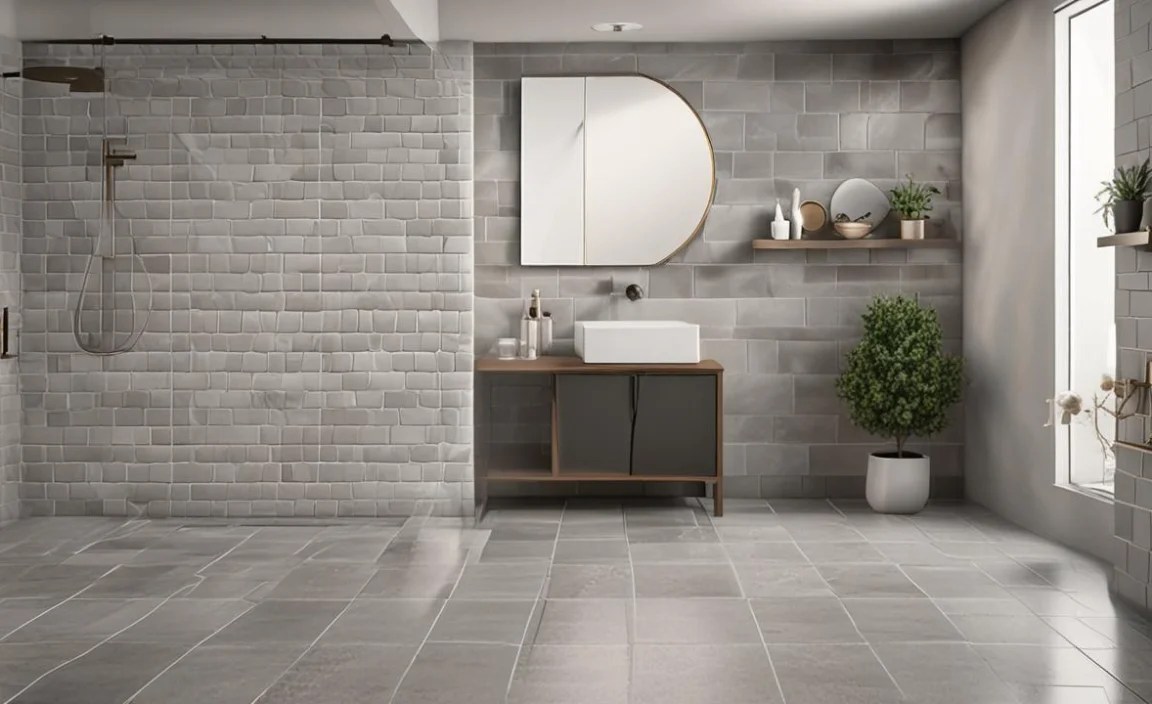
Consider the material, size, and finish of your tiles. Are they delicate glass tiles, polished natural stone, or durable porcelain? Is this a floor or a wall? High-traffic area or a decorative backsplash?
Step 2: Measure Your Grout Lines
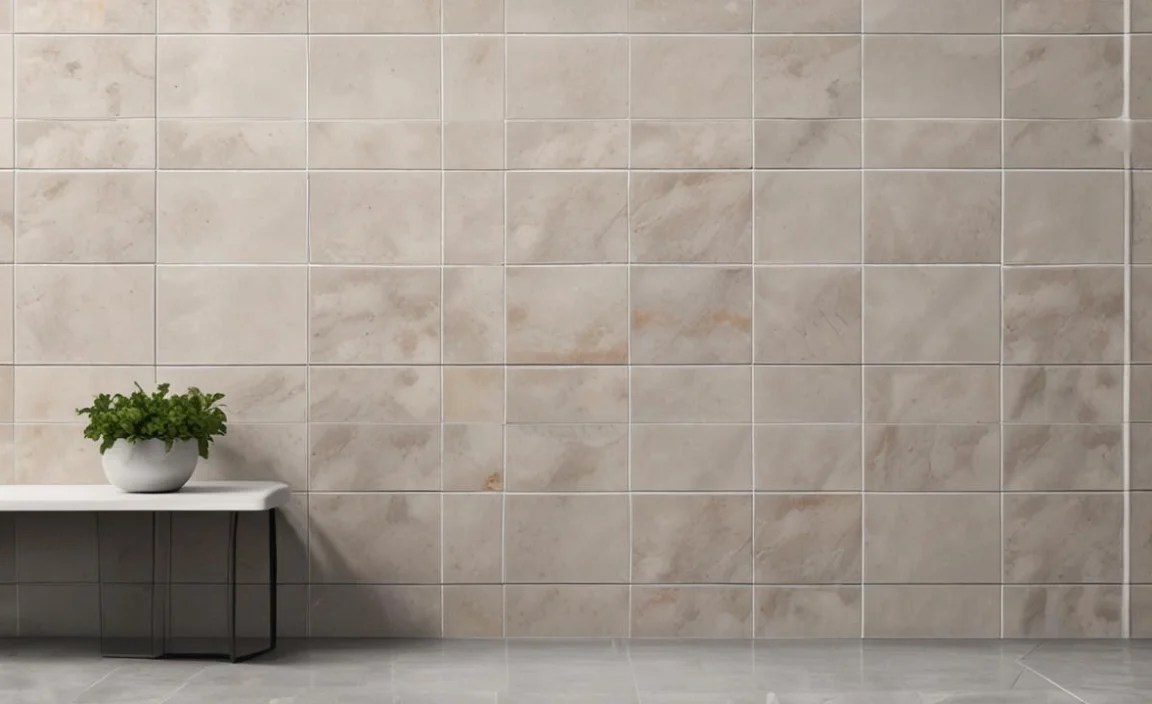
This is critical for cementitious grouts. Use a ruler or caliper to measure the width of the spaces between your tiles. This will determine if you need sanded or unsanded grout.
- Less than 1/8 inch (3mm): Unsanded grout is usually the best choice.
- 1/8 inch (3mm) or wider: Sanded grout is generally recommended for its strength and ability to prevent cracking.
Step 3: Evaluate Your Environment and Maintenance Needs
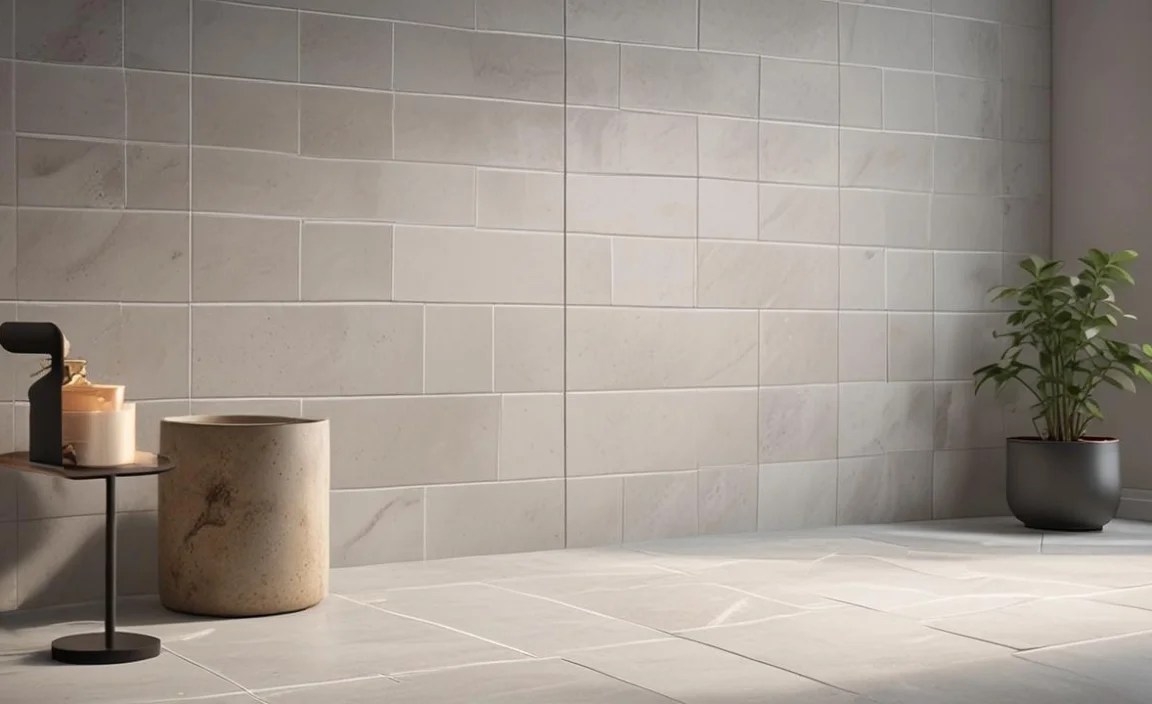
Will the tiled area be exposed to heavy moisture, stains, or chemicals (like in a shower or kitchen backsplash)? If so, epoxy grout or a high-performance pre-mixed grout might be worth the extra investment for its superior stain-resistance and durability. For general wall tiling where moisture is less of a concern, standard cementitious grout is perfectly fine.
Step 4: Consider Your DIY Skill Level and Budget
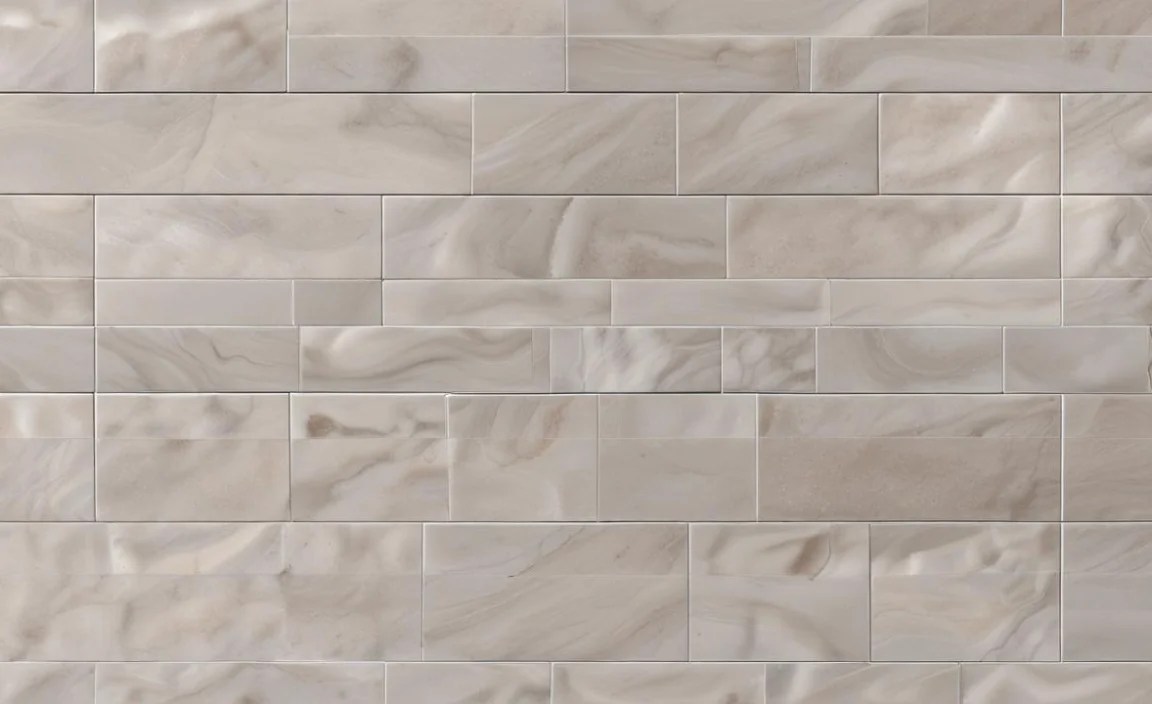
Cementitious grouts (sanded and unsanded) are the most budget-friendly and widely available. They require mixing but are generally forgiving for beginners. Epoxy grout offers superior performance but comes at a higher cost and demands careful application. Pre-mixed grouts are the easiest to use but can be pricier.
Step 5: Factor in Special Considerations
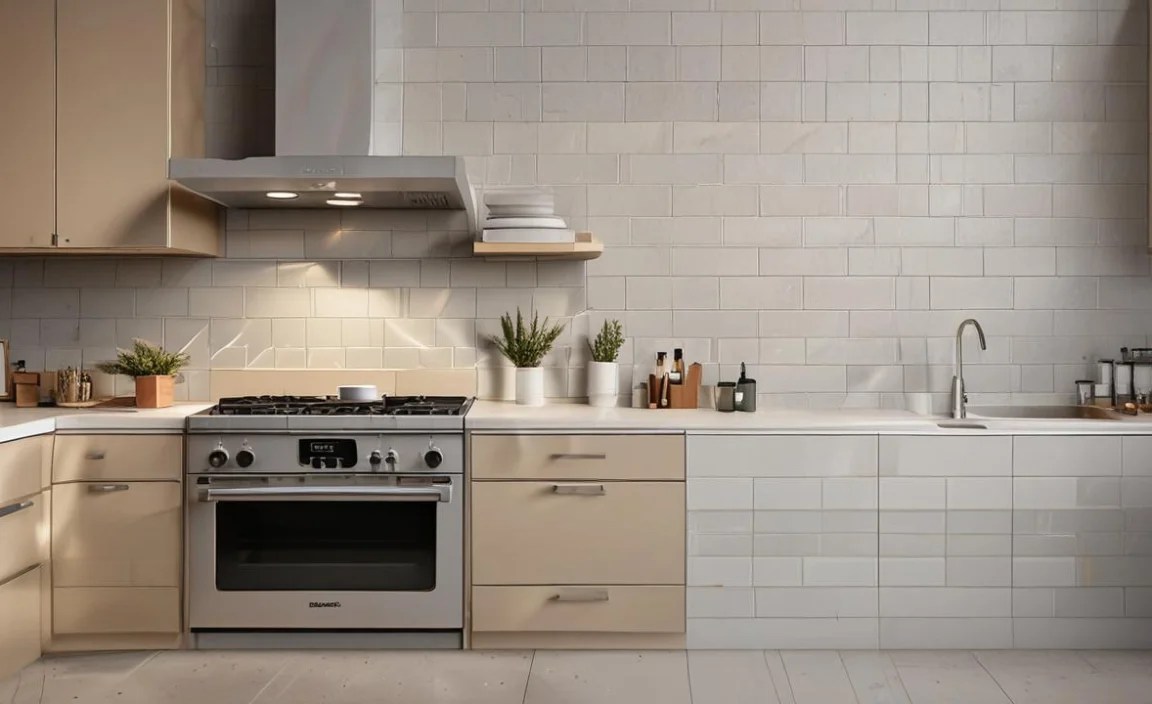
- Movement: If the area is prone to vibration or expansion/contraction (e.g., over a plywood subfloor that might flex), consider a more flexible grout or ensure proper expansion joints are included, often sealed with caulk.
- Aesthetics: Grout color significantly impacts the final look. White grout makes tiles pop, while color-matched grout creates a more seamless appearance. Darker grouts can hide dirt but may show efflorescence (a chalky residue) more readily.
An Example Scenario: Choosing Grout for a Kitchen Backsplash
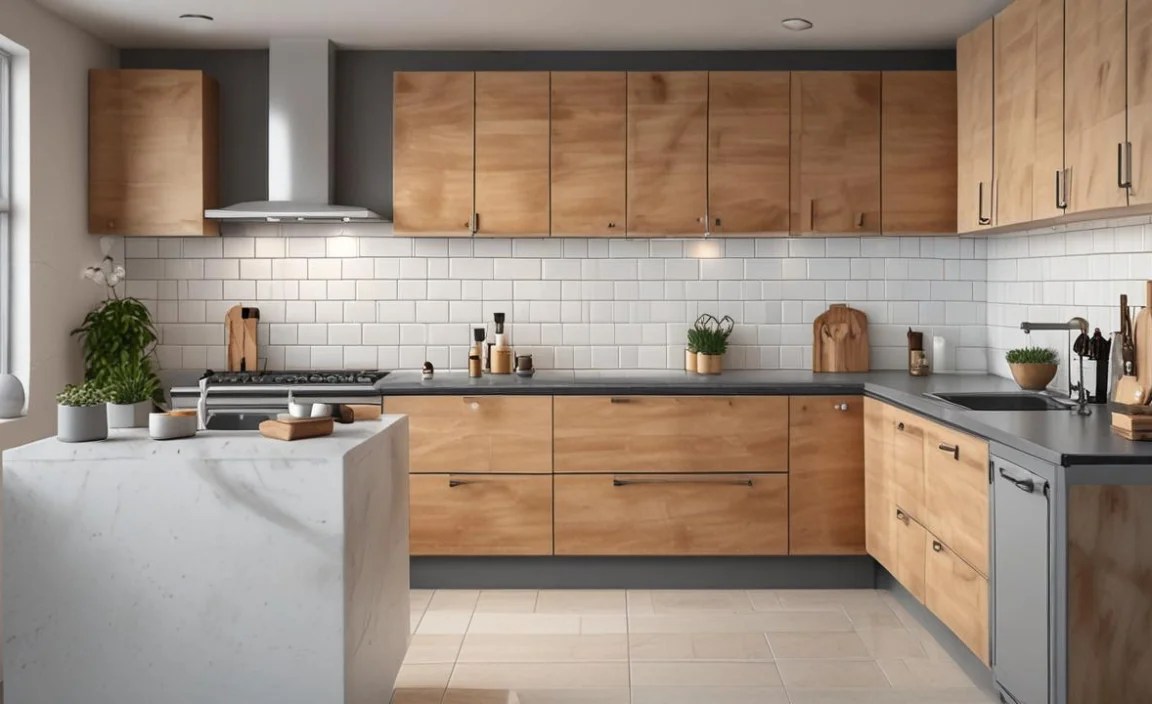
Let’s say you’re tiling a kitchen backsplash with ceramic tiles. The grout lines are about 3/16 inch wide. The area will be exposed to occasional splatters from cooking.
Decision Process:
- Tile & Project: Ceramic tiles, kitchen backsplash.
- Grout Lines: 3/16 inch, which is wider than 1/8 inch. This points towards sanded grout.
- Environment: Occasional splatters suggest good stain resistance is beneficial. While not a shower, it’s a “splash zone.”
- Skill/Budget: Most DIYers are comfortable with sanded grout, and it’s cost-effective.
Recommendation: High-quality sanded grout in your desired color. For enhanced stain resistance, consider a sanded grout with built-in additives or a post-grout sealant. If the budget allows and you want maximum ease, a high-performance pre-mixed grout designed for backsplashes could also be an excellent alternative.
When to Use Silicone Caulk Instead of Grout

It’s important to distinguish when you need grout and when you need caulk. Grout fills the spaces between tiles. Caulk seals the joints where surfaces meet or where tile meets another material, especially in areas prone to movement or direct water exposure.
Use Caulk For:
- The L-shaped joint where a tiled shower-wall meets the tiled floor.
- The joint where a tiled backsplash meets a countertop.
- The joint where a tiled wall meets a bathtub rim.
- Any movement joint needed to accommodate settling or expansion in your home’s structure.
A silicone caulk is designed for this flexibility and waterproof sealing. Trying to grout these areas would result in cracking and failure. Always use a high-quality, mold-resistant caulk for bathrooms and kitchens.
Conclusion: Mastering Your Grout Choices
Understanding the differences between grout descriptions—like sanded, unsanded, and epoxy—is your first step towards a successful tiling project. Whether you’re a seasoned DIYer or just starting, knowing that sanded grout is for wider joints and unsanded for narrower ones, while epoxy offers superior resistance, empowers you to make the right choice.
Don’t forget about the fantastic alternatives like pre-mixed and urethane grouts, which offer ease of use and specialized benefits. By carefully considering your tile type, joint width, environment, and skill level, you can confidently select the perfect grout. And remember, for those critical transition points, a good quality silicone caulk is your indispensable partner. With this knowledge, you’re well-equipped to achieve a beautiful, durable, and long-lasting tiled finish that you can be proud of!
Frequently Asked Questions About Grout and Its Alternatives
Q1: What is the difference between grout and caulk?
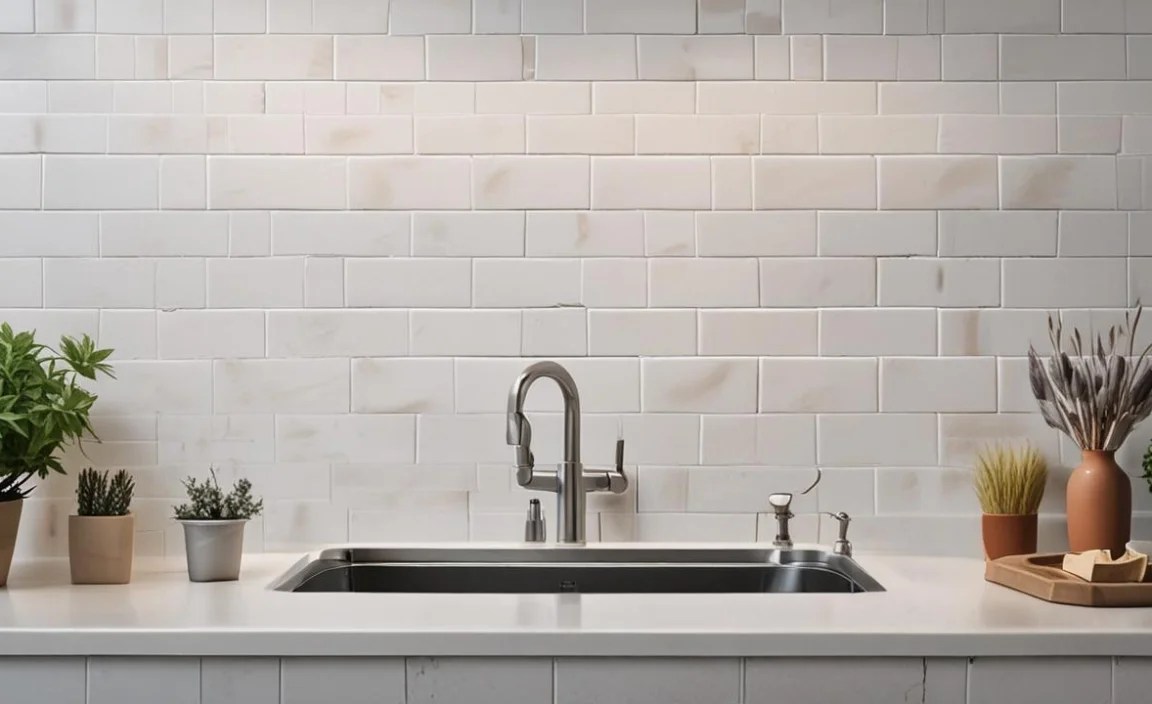
Grout is a cement-based or epoxy filler used to fill the gaps between tiles. Caulk is a flexible, waterproof sealant used to seal joints between different materials (like tile and a countertop) or in areas that experience movement or constant moisture, such as corners of showers and bathtubs.
Q2: Can I use unsanded grout for floors?
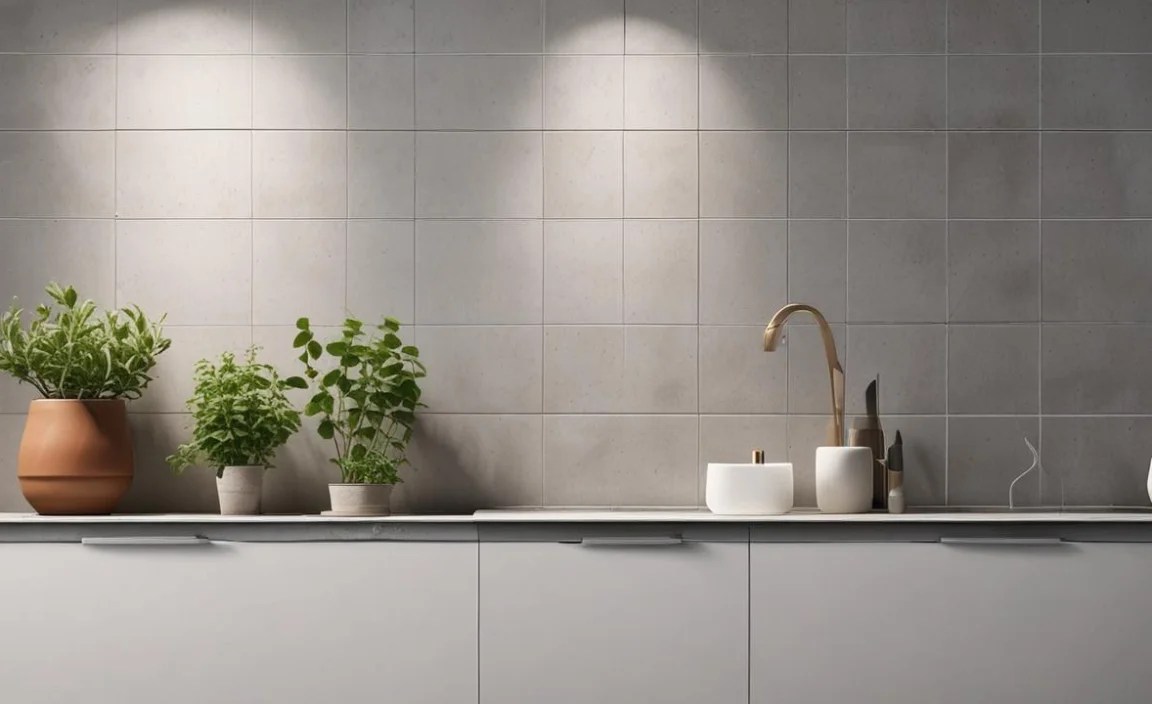
Generally, no. Unsanded grout is intended for narrow joints (less than 1/8 inch) and is not as durable as sanded grout for floors. Sanded grout’s aggregate prevents shrinking and cracking in wider floor joints, making it much more suitable for floor applications.
Q3: How do I choose the right color for my grout?

Consider the look you want. Contrasting grout (e.g., white tiles with black grout) makes a bold statement. Matching grout (e.g., grey tiles with a grey grout) creates a more subtle, seamless look. Lighter grout can make a space feel brighter, while darker grout can hide dirt better but may show efflorescence. It’s often helpful to get grout color samples if available.
Q4: Is epoxy grout worth the extra cost?
For areas prone to heavy staining, moisture, or chemicals (like commercial kitchens, high-use bathrooms, or pools), yes, epoxy grout is often worth the extra cost. Its non-porous nature provides superior stain and chemical resistance and eliminates the need for sealing. For less demanding areas, traditional grouts might be sufficient.
Q5: Do I need to seal grout? If so, which kind?

Cement-based grouts (sanded and unsanded) are porous and should be sealed after they have fully cured (usually 24-72 hours or more, depending on the product). A penetrating grout sealer will help protect it from stains and moisture. Epoxy grout and some high-performance pre-mixed grouts are already non-porous and do not require sealing. Always check the manufacturer’s recommendations.
Q6: Can I use any type of grout for glass tiles?

For glass tiles, especially polished or delicate varieties, it’s best to use unsanded grout. The sand in sanded grout can potentially scratch the delicate surface of the glass. Always check the tile manufacturer’s recommendations for specific grout advice.
Q7: How long does grout last?
With proper installation and maintenance, traditional cementitious grout can last 10-15 years or even longer. Sealing it regularly (every 1-3 years) is crucial for maximizing its lifespan and preventing staining. Epoxy grout is extremely durable and can last much longer, often the lifetime of the tiles themselves, without needing sealing.
