
Quick Summary: Understanding plumbing traps is key to preventing sewer gases from entering your home. This guide covers what traps are, why they’re vital, how they work, and essential maintenance tips to keep your drains flowing freely and your home smelling fresh. Learn to identify common trap types and spot potential issues.
Hey there, DIY champs! Let’s talk about something you probably don’t think about until it’s a problem: the humble plumbing trap. You know, that U-shaped pipe under your sink that sometimes makes gurgling noises or smells a bit… off? It’s one of those behind-the-scenes heroes of your home’s plumbing system. Without it, your living space could fill with unpleasant and even harmful sewer gases. It might sound technical, but I’m here to break down exactly what a plumbing trap is, why it’s so important, and how to keep yours working like a charm. We’ll cover everything you need to know to tackle this common household issue with confidence.
What Exactly is a Plumbing Trap and Why Do You Need One?

At its core, a plumbing trap is a specific part of your drainpipe designed to hold a small amount of water. This water creates a seal, blocking sewer gases from backing up through your drains and into your home. These gases can carry unpleasant odors and even harmful bacteria and methane, so that little bit of water is doing some serious heavy lifting!
You’ll find traps under every fixture that connects to a drainage system, including:
- Sinks (kitchen, bathroom)
- Toilets
- Bathtubs
- Showers
- Floor drains
Think of it as your plumbing’s built-in air freshener and gas masker, all rolled into one simple design. It’s a crucial component of a safe and healthy home environment.
How Does a Plumbing Trap Work? The Magic of the Water Seal

The real genius of a plumbing trap lies in its shape and the water it retains. Most common plumbing traps are shaped like a ‘P’ or a ‘U’ on its side. Here’s how the magic happens:
- Water Enters: Whenever you drain water from a sink, toilet, or shower, water flows through the trap.
- Water Fills the Bend: The unique shape of the trap ensures that some water remains in the lowest bend of the pipe after the rest has drained away.
- The Seal is Formed: This retained water acts as a physical barrier. It prevents anything from traveling backward up the pipe, especially gasses from the sewer or septic system.
- New Water Flushes Out Old: The next time you use the fixture, fresh water flows in, flushing out the old water in the trap and maintaining the seal.
The key is that a sufficient amount of water must remain in the trap after each use. If too much water is siphoned out or evaporates, the seal is broken, and those unwanted gases can enter your home.
Common Types of Plumbing Traps
While the principle is the same – retaining water to form a seal – plumbing traps come in a few common shapes designed for different applications and installation needs. Understanding these can help you identify what you have and what might be suitable:
1. P-Trap
This is by far the most common type you’ll encounter, especially in sinks. As the name suggests, it forms a shape resembling the letter ‘P’ when viewed from the side. It consists of a U-shaped bend and an additional 90-degree bend that connects to the vertical drainpipe leading downwards. The P-trap reliably holds water to create the necessary seal.
2. S-Trap
An S-trap looks like a reversed ‘S’ shape. Water flows into the U-bend, then up and over another 90-degree bend before exiting downwards. While effective at holding water, S-traps are less common in modern plumbing codes because they can be more prone to losing their water seal. If a large volume of water drains quickly, it can siphon the water out of the trap more easily. You might find these in older homes.
3. Drum Trap
Drum traps are less common in residential settings today but were used frequently in the past, especially for bathtubs and showers. They feature a cylindrical housing with an internal section that holds water. All waste passes through this container. They can be more difficult to clean and inspect compared to P-traps and are often replaced with P-traps during renovations.
4. Bottle Trap
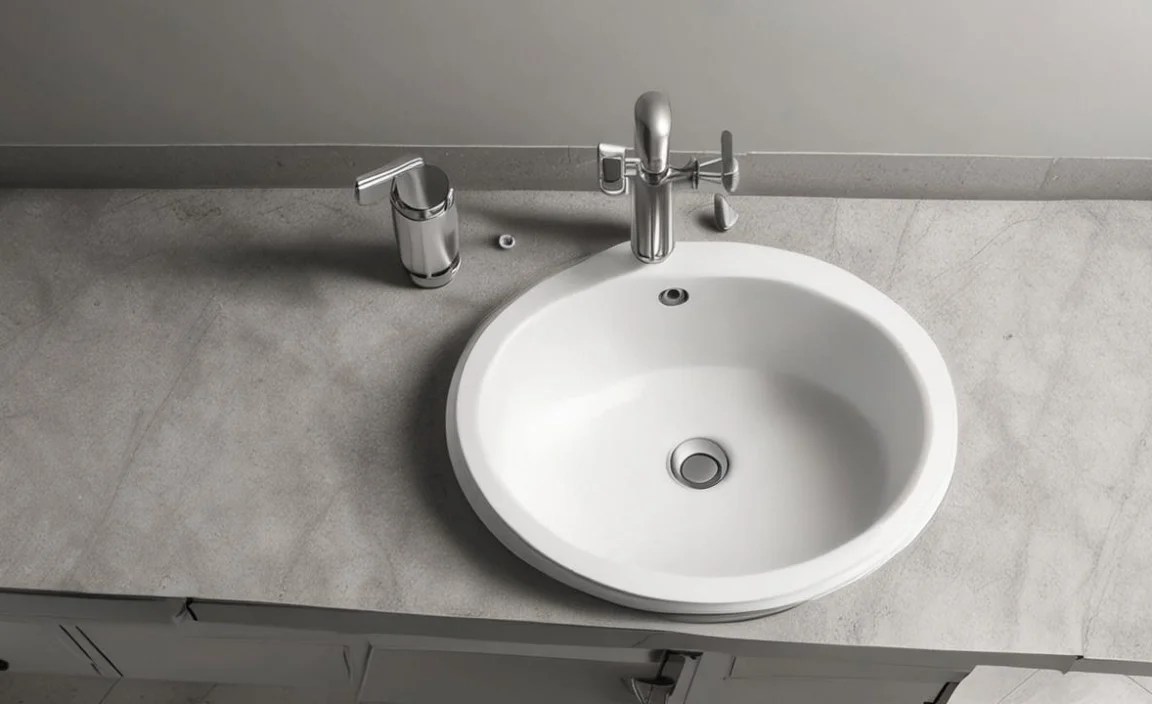
Bottle traps are often found in more aesthetically designed bathrooms, particularly with pedestal sinks or wall-mounted basins where the pipework is exposed. They are more compact and stylish than P-traps but function on the same principle of water retention. They consist of a cylindrical body that cleverly traps water.
Here’s a quick comparison to help visualize:
| Trap Type | Common Location | Key Feature | Pros | Cons |
|---|---|---|---|---|
| P-Trap | Sinks, dishwashers | ‘P’ shape, reliable water seal | Very effective, common, easy to install/replace | Can be a slight obstruction for large debris |
| S-Trap | Older sinks, tubs | ‘S’ shape, prone to siphoning | Simple design | Can lose water seal easily, often not code-compliant |
| Drum Trap | Older tubs, showers, floor drains | Cylindrical housing | Can handle high volumes of waste | Harder to clean, can clog easily, less efficient |
| Bottle Trap | Exposed sinks, stylish bathrooms | Compact, decorative | Aesthetically pleasing, space-saving | Can be more expensive, requires specific installation |
Essential Plumbing Trap Maintenance Tips for Homeowners
Keeping your plumbing traps in good working order is straightforward. It mostly involves preventing clogs and ensuring the water seal remains intact. Here are your go-to tips:
1. Avoid Pouring Grease and Oil Down Drains
This is crucial! Grease, fats, and oils are the arch-nemesis of any drain. When hot, they flow freely, but as they cool, they solidify and coat the inside of your pipes. Over time, this buildup narrows the pipe, restricts water flow, and can eventually cause a complete blockage. Worse still, this hardened grease can prevent the trap from retaining enough water, potentially compromising the seal.
- Instead: Collect grease and oil in a container (like an old can or jar) and discard it in the trash once it solidifies.
2. Be Mindful of What Goes Down Your Garbage Disposal (If You Have One)

Garbage disposals are convenient, but they aren’t designed to handle everything. Fibrous materials (like celery stalks, corn husks), starchy foods (like potato peels, rice), coffee grounds, and eggshells can clump together and create blockages in the disposal itself or further down the drain line, impacting your trap.
- Instead: Scrape food scraps into the trash or compost bin first. Run cold water before, during, and after using the disposal.
3. Regularly Flush Drains with Hot Water
A simple yet effective maintenance routine is to periodically flush your drains with hot water. This helps to melt away any minor grease buildup that might be clinging to the pipes, ensuring smoother water flow and a healthier trap.
- Action: Once a week or every other week, let hot water (not boiling, but very hot from the tap) run down each drain for a minute or two.
4. Deal with Slow Drains Promptly

If you notice a drain is running slower than usual, it’s a warning sign. This indicates a partial clog is forming, which can eventually lead to a complete blockage and potential issues with your trap’s water seal. Don’t wait for it to get worse.
- Action: Try a plunger first. If that doesn’t work, a mixture of baking soda and vinegar can help break down minor clogs. For more stubborn clogs, you might need a drain snake. (More on clogs below!)
5. Check for Leaks Under Sinks
Periodically inspect the P-trap and the connections to the wall pipe for any signs of leaks. A loose connection can lead to drips, and a damaged trap might not hold water properly, compromising the seal. Water damage can be a costly problem to fix, so early detection is key.
- Action: Look for visible water stains, dampness, or dripping. Tighten connections slightly if needed, but be careful not to overtighten and crack the pipes. If you suspect a crack, the trap will need replacement.
6. Understand Siphoning and How to Prevent It
As mentioned with S-traps, siphoning occurs when a sudden rush of water or a vacuum in the drain line pulls the water seal right out of the trap. This can happen if vents in your plumbing system are blocked or if too many fixtures are draining into the same line at once.
- Vent Systems: Your plumbing system has vent pipes that allow air to enter the system, balancing pressure and preventing siphoning. If you hear excessive gurgling, it might indicate a venting issue. Blocked vents are usually a job for a professional plumber. You can learn more about plumbing vent systems from resources like CodeCheck.com, a reputable resource for building codes and best practices.
- Avoid Overloading Drains: Try not to run water in multiple fixtures simultaneously if you experience gurgling or slow drains.
7. How to Clean Out a Clogged Plumbing Trap (DIYer’s Guide)

When a clog occurs in the trap itself, it’s usually manageable for a DIYer. The most common clog culprit is hair and soap scum in bathroom sinks, or food debris in kitchen sinks.
Tools You’ll Likely Need:
- Bucket (to catch water and debris)
- Adjustable wrench or pipe wrench
- Rag or old towel
- Gloves (for hygiene)
- Safety glasses
Steps to Clean a Clogged Trap:
- Prepare the Area: Place the bucket directly underneath the U-shaped bend of the P-trap. This will catch water and any gunk that falls out.
- Loosen the Slip Nuts: The P-trap is usually connected with threaded plastic or metal nuts (slip nuts). These are designed to be hand-tightened, but they can sometimes be a bit stiff. Use your adjustable wrench to loosen these nuts – one on each side of the U-bend. Turn them counter-clockwise. Be gentle to avoid damaging the pipes.
- Remove the Trap: Once the nuts are loose, carefully lower the U-shaped section of the trap. Water and debris will fall into the bucket.
- Clean the Trap: Thoroughly rinse out the removed trap section under running water. Use a brush or an old toothbrush to scrub away any stubborn buildup. You can also use a mild drain cleaner, but rinse it thoroughly.
- Check the Connecting Pipes: While the trap is off, look into both ends of the pipe it was connected to. If you see any visible debris there, try to remove it with your fingers or a bent coat hanger (be careful not to push the clog further in).
- Reassemble: Put the cleaned trap section back into place. Re-thread the slip nuts by hand, ensuring they are seated properly. Then, tighten them with your wrench – snug is good, but don’t overtighten.
- Test for Leaks: Run water slowly at first into the sink. Check all the connections you tightened for any drips. If you see a leak, try tightening the nut a little more. If it still leaks, the seal might be damaged, or the nut might not be aligned correctly.
Important Note: If your trap is made of metal, inspect it carefully for rust or corrosion. If it looks damaged, it’s better to replace the entire trap assembly.
8. When to Call a Professional Plumber
While many trap issues are DIY-friendly, some situations warrant calling in the experts:
- Persistent or Deep Clogs: If snaking the drain or cleaning the trap doesn’t resolve a clog, the blockage might be further down the line.
- Recurring Problems: If you’re constantly dealing with slow drains, gurgling sounds, or bad odors, it could indicate underlying issues with your vent system or pipe slope that require professional diagnosis and repair.
- Suspected Pipe Damage: If you see significant corrosion, cracks in the pipes, or extensive water damage around your plumbing, it’s best to let a plumber assess the situation.
- Trapped Unpleasant Odors: If you consistently smell sewer gas despite a seemingly functioning trap, there might be a larger issue with your sewer line or a crack somewhere in the system that’s allowing gases to escape. The U.S. Environmental Protection Agency (EPA) provides information on safely managing and understanding wastewater, highlighting the importance of a well-maintained system for public health.
Don’t hesitate to call a plumber if you’re unsure or uncomfortable with any part of the process. Safety and proper function are always the top priorities.
Troubleshooting Common Plumbing Trap Problems
Let’s cover some of the most frequent issues homeowners face with their plumbing traps and how to address them.
Problem: Persistent Bad Odors
Possible Causes:
- Evaporated Water Seal: If a sink or shower isn’t used often (like in a guest bathroom or basement shower), the water in the trap can evaporate over time, breaking the seal and allowing sewer gases to escape.
- Cracked or Improperly Sloped Trap: A physical defect in the trap can prevent it from holding water effectively.
- Vent System Issues: Blocked vent pipes can cause negative pressure, sometimes sucking the water out of traps or failing to allow proper airflow, leading to gurgling and odors.
- Main Drain Clog: A clog further down the line can cause gases to back up.
Solutions:
- Run Water: For infrequently used fixtures, run water for a minute each week to refill the trap.
- Inspect Trap: Cautiously remove the trap to check for cracks or damage. Ensure it’s properly reinstalled to achieve a good seal.
- Call a Plumber: If you suspect vent system problems or a deep clog, professional help is recommended.
Problem: Slow Drains / Gurgling Sounds
Possible Causes:
- Partial Clog: Hair, soap scum, or debris is starting to build up in the trap or the pipe just beyond it.
- Siphoning: A vent issue is allowing air to be pulled from the trap during drainage.
- Improperly Vented Fixture: Some older installations might have had less efficient venting.
Solutions:
- Clean the Trap: Follow the DIY cleaning steps outlined earlier.
- Plunge Vigorously: A plunger can often dislodge minor partial clogs, especially if used correctly.
- Check for Vent Obstructions: If you notice gurgling, especially when other fixtures are used, a vent issue is likely. This often requires professional attention.
Problem: Leaks from the Trap
Possible Causes:
- Loose Slip Nuts: The most common cause. The nuts might have loosened over time.
- Damaged or Worn Gasket/Washer: The rubber washer inside the slip nut can degrade or become dislodged, preventing a watertight seal.
- Cracked Trap Body: The plastic or metal trap itself could be cracked due to age, impact, or overtightening.
Solutions:
- Tighten Nuts: Try hand-tightening the slip nuts, then use a wrench for a snug turn (about a quarter turn past hand-tight).
- Replace Gasket: If tightening doesn’t work, disassemble the trap and check the gasket. Replace it if it looks worn, cracked, or has fallen out of place.
- Replace Trap: If the trap body is cracked, the entire trap assembly needs to be replaced. This is a straightforward DIY job
