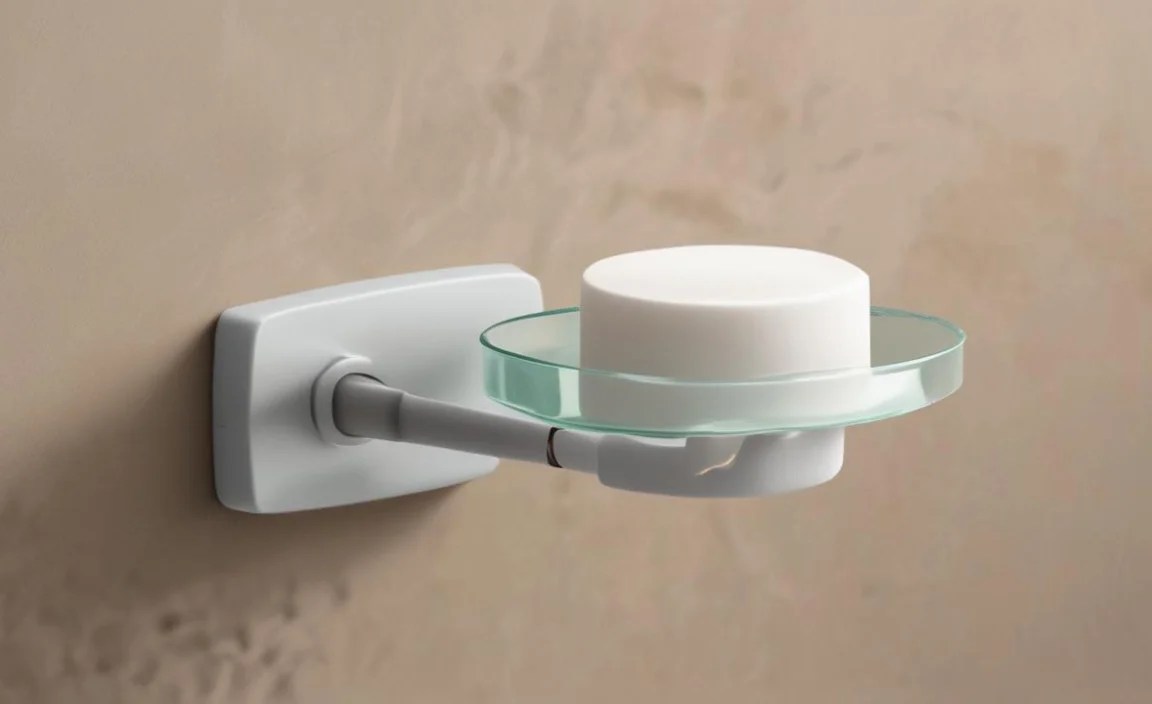
A soap holder is a simple yet effective tool to keep your soap dry and organized, preventing mess and extending its life. This guide will walk beginners through understanding, choosing, and using the right soap holder for their needs.
Have you ever pulled a mushy, crumbly bar of soap from a soggy dish? It’s a common frustration that can make even a simple handwash feel messy. A good soap holder isn’t just about tidiness; it’s about preserving your soap, saving money, and keeping your sink or shower area neat.
But with so many options out there, choosing the right one can feel a bit overwhelming, especially if you’re new to home organization or DIY projects. Don’t worry! This guide is designed to break down everything you need to know, making it easy to find and use a soap holder that works perfectly for you. We’ll cover what’s available, how to pick the best one, and even how to manage it with minimal fuss. Get ready to say goodbye to soggy soap!
What Exactly is a Soap Holder?
At its core, a soap holder is a device designed to store a bar of soap. Its main purpose is to lift the soap out of standing water, allowing it to drain and dry properly. This simple act prevents the soap from becoming soft, slimy, and a breeding ground for bacteria, ultimately making your bars last much longer.
Think of it as a mini-stand or rack for your soap. They come in various shapes, sizes, and materials, each with its own set of advantages. Whether you need something for your kitchen sink, your shower, or even a travel companion, there’s a soap holder out there for you.
Why Use a Soap Holder? The Benefits Explained
Using a dedicated soap holder offers several compelling benefits that go beyond just keeping things tidy:
- Extends Soap Life: This is the biggest advantage. By allowing air to circulate around the soap, it dries faster and doesn’t dissolve as quickly in water. This means your bar of soap will last significantly longer, saving you money over time.
- Prevents Messy Residue: No more sticky rings or mushy soap crumbs left behind in your sink or shower. A soap holder keeps the area clean and looking its best.
- Promotes Hygiene: Wet soap can be a haven for bacteria. A dry bar of soap, stored properly, is more hygienic.
- Organizes Space: It provides a designated spot for your soap, reducing clutter and making your bathroom or kitchen feel more organized.
- Enhances Aesthetics: Many soap holders are designed to be stylish and can add a touch of decorative flair to your space.
- Reduces Waste: When soap doesn’t break down prematurely, you throw away less product, contributing to less waste.
Types of Soap Holders: Finding Your Perfect Match

The world of soap holders is diverse, with options to suit every preference and bathroom style. Understanding the different types will help you make an informed decision.
1. Draining Soap Dishes
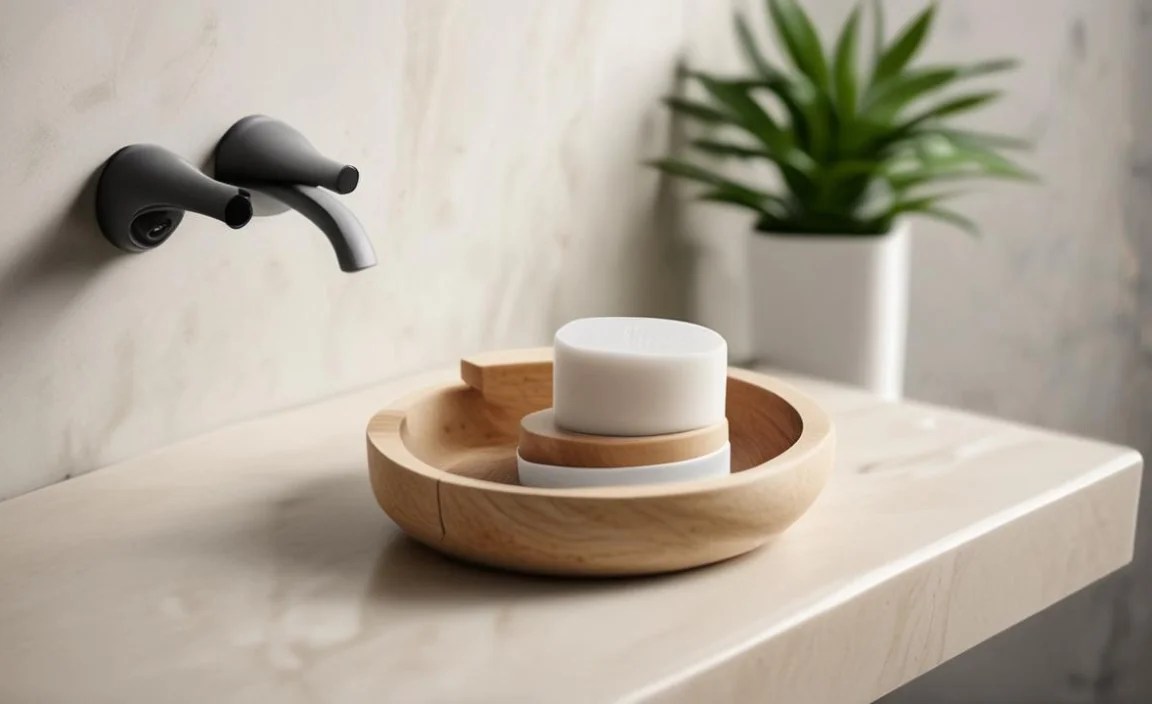
These are perhaps the most traditional and common type of soap holder. They are essentially small dishes with raised ridges, drainage holes, or angled sides designed to let water escape.
- Pros: Simple to use, readily available, often inexpensive, come in many materials (plastic, ceramic, metal).
- Cons: Can sometimes accumulate residue if not cleaned regularly, some designs might not drain perfectly, can still allow soap to sit in a shallow puddle if not angled well.
2. Suction Cup Soap Holders
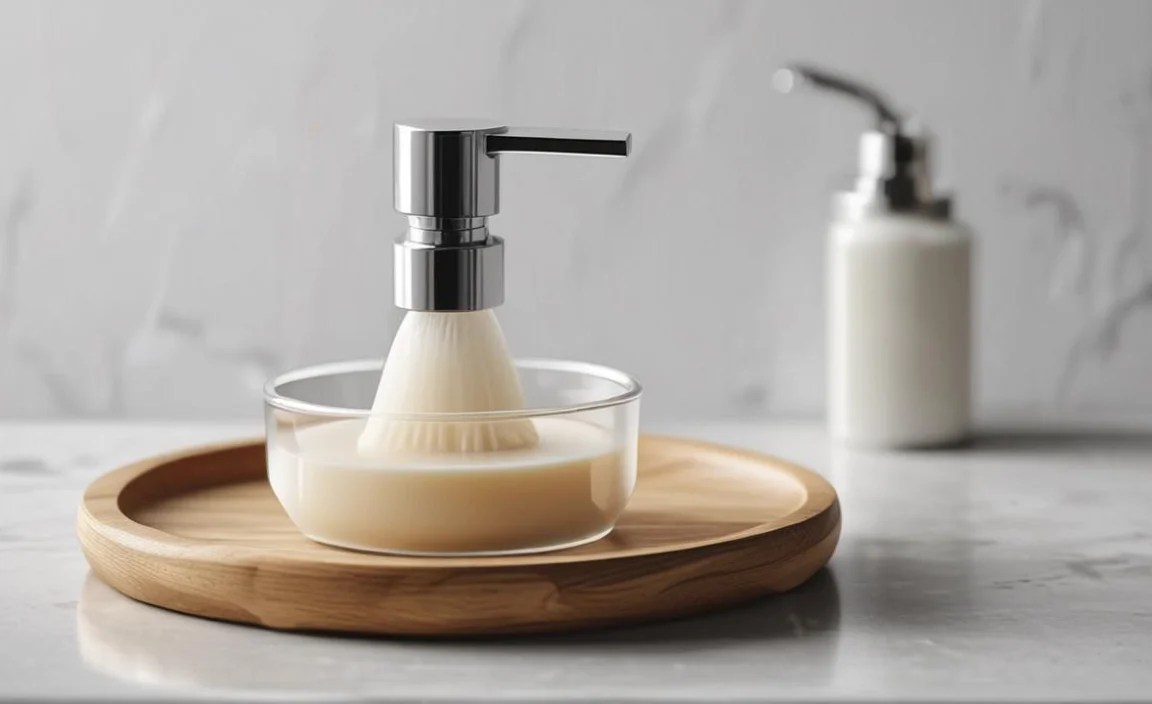
These holders attach to smooth surfaces like tiles or glass using a strong suction cup. They often feature a bar or a cage that holds the soap, allowing for excellent airflow.
- Pros: Easy to install and reposition without tools or damage, great for renters or temporary solutions, good drainage and airflow.
- Cons: Suction can weaken over time, may not stick well to textured or porous surfaces, can fall off if not applied correctly.
3. Wall-Mounted Soap Holders
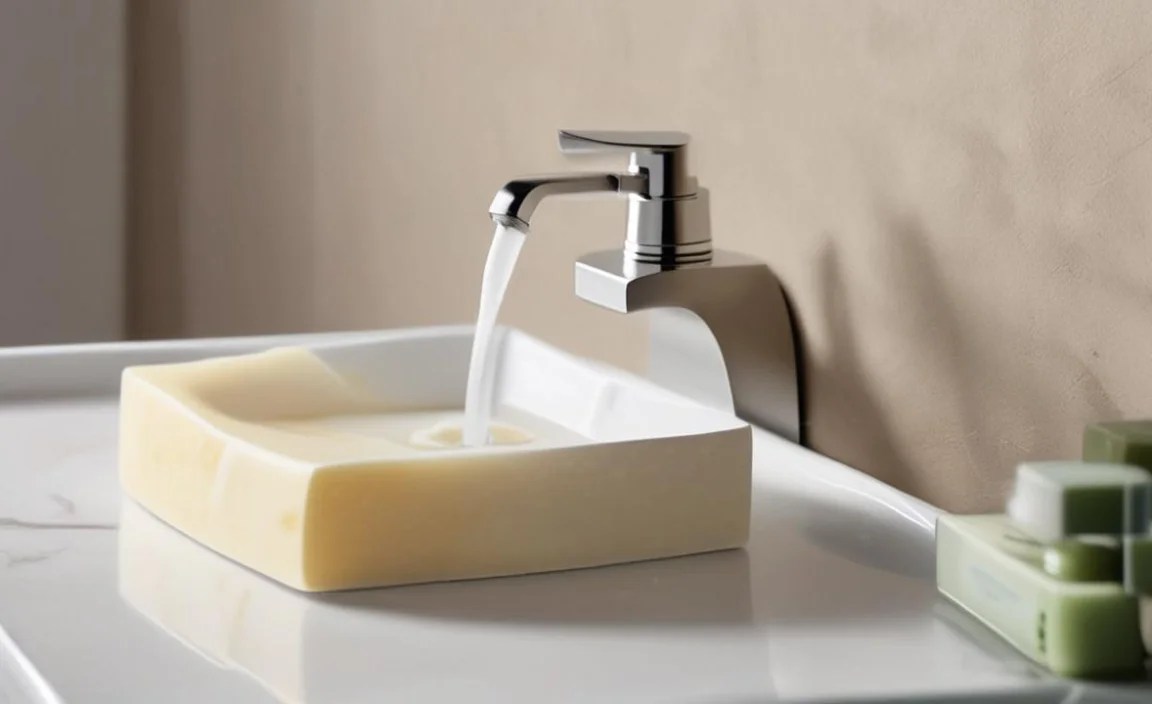
These are permanently or semi-permanently attached to the wall, usually via screws, adhesive, or sometimes strong suction. They often have containers or bars to hold the soap.
- Pros: Very secure and stable, saves counter or shower shelf space, can be very aesthetically pleasing, often offer good drainage.
- Cons: Installation can require drilling into walls (if screwed in), adhesive versions might damage paint or tile upon removal, less flexible than suction cup options.
4. Soap Lifts / Soap Saver Mats

These are flexible mats or inserts that you place at the bottom of a dish or directly on a surface. They have a grid or raised pattern that lifts the soap, allowing water to drain away from all sides.
- Pros: Inexpensive, easy to clean, can be used inside existing soap dishes for better drainage, very good airflow.
- Cons: Might not look as polished as other options, the soap can sometimes stick to the mat.
5. Magnetic Soap Holders
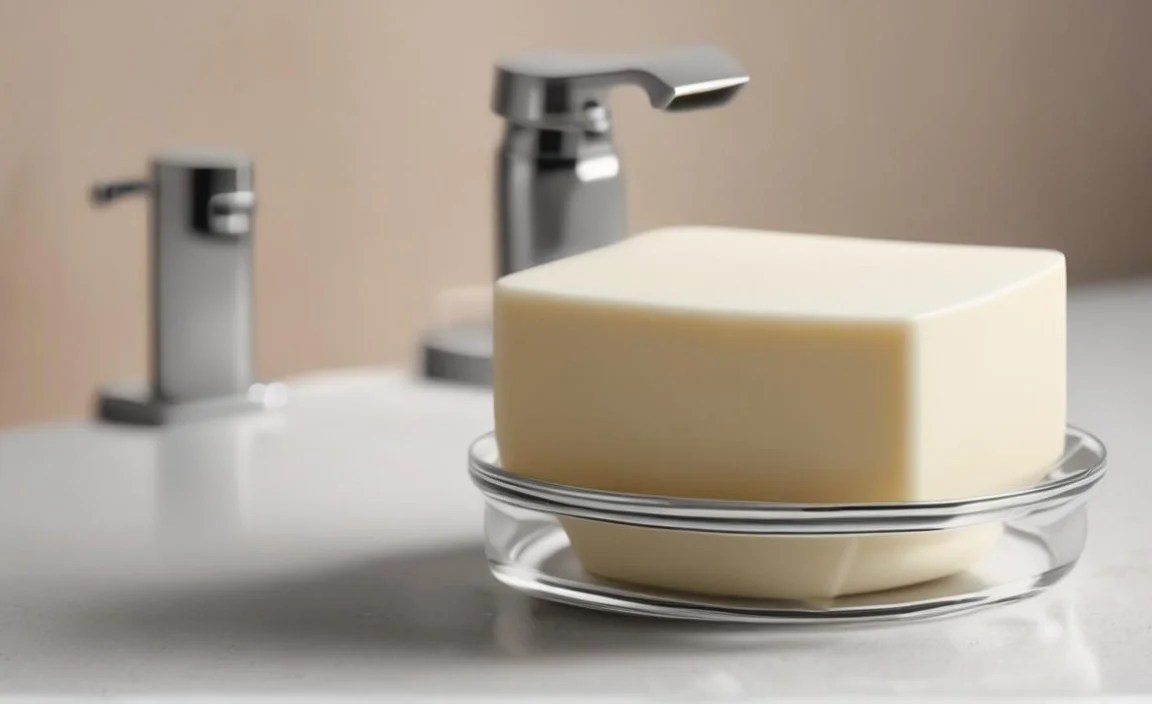
These clever holders consist of two parts: a small metal disk that you press into your soap bar, and a magnetic piece that attaches to your wall or shower frame. The magnet holds the soap securely away from surfaces.
- Pros: Excellent airflow and drainage, keeps soap completely off surfaces, minimalist design, easy to attach soap.
- Cons: Requires a metal surface or something to attach the magnetic component to, the disk can sometimes fall out of very soft soaps, might be a bit of a learning curve to place your soap on it.
6. Shower Caddies with Soap Trays
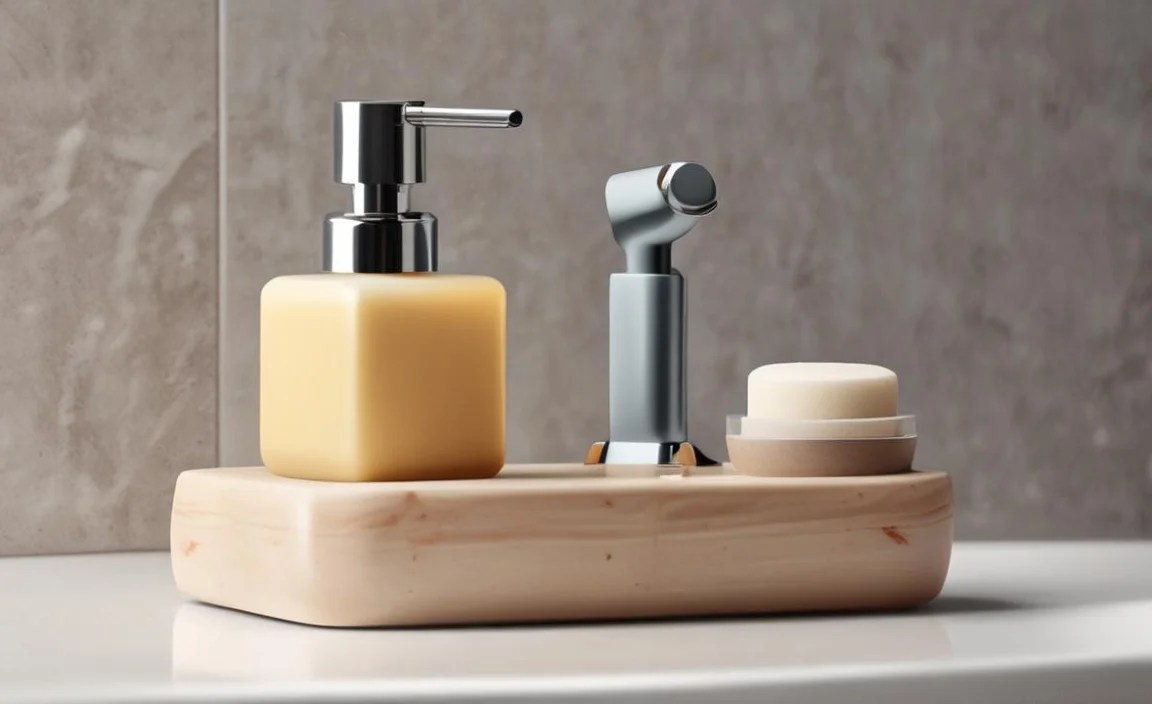
While not solely a soap holder, many shower caddies and organizers include a dedicated soap tray or bowl. These are great for maximizing space in the shower.
- Pros: Multi-functional, holds soap along with shampoo, etc., keeps shower organized.
- Cons: Can be more expensive and complex to install than a simple soap holder, tray drainage might vary in effectiveness.
7. Travel Soap Cases
Designed for portability, these are enclosed containers that hold your soap securely while you travel. Many feature holes or ridges to allow for some drying.
- Pros: Keeps soap contained and your bag clean, prevents soap from getting crushed.
- Cons: Not ideal for everyday use as they don’t typically offer substantial drying, can trap moisture if not aired out.
Choosing the Right Soap Holder for Beginners
Selecting your first soap holder shouldn’t be complicated. Here’s a straightforward approach to picking one that suits your needs:
Consider Your Location
- Kitchen Sink: A simple draining dish that sits on the counter is usually best. It needs to be easy to clean and not take up too much space.
- Shower: Wall-mounted or suction cup holders are excellent for saving space and keeping soap within easy reach. If you have a lot of products, a shower caddy with a soap tray might be ideal.
- Bathroom Counter: A decorative draining dish can add style while keeping soap dry.
- Travel: A dedicated travel soap case is essential for trips.
Think About Your Soap Type
- Standard Bars: Most holders work well for average-sized soap bars.
- Larger/Oversized Bars: You’ll need a holder with a larger capacity or a more robust design.
- Thin/Small Bars: Some smaller holders or magnetic ones might be more suitable.
Installation Preferences
- No Drilling Allowed: Opt for suction cup, adhesive (with care), magnetic, or simple dish-style holders.
- Willing to Drill: Wall-mounted screw-in holders offer the most security.
- Frequent Moving: Suction cup or portable dish holders are best.
Material Matters
Here’s a quick look at common materials and their characteristics:
| Material | Pros | Cons | Best For |
|---|---|---|---|
| Plastic | Inexpensive, lightweight, waterproof, easy to clean, often colorful | Can look cheap, may stain over time, less durable | Budget-friendly, kids’ bathrooms, general use |
| Ceramic/Porcelain | Aesthetic appeal, easy to clean, durable, doesn’t stain easily | Can break if dropped, heavier | Decorative use, stylish bathrooms |
| Stainless Steel | Durable, rust-resistant, modern look, hygienic | Can be more expensive, might show water spots | Modern bathrooms, high moisture areas |
| Bamboo/Wood | Natural look, sustainable, can be attractive | Requires more care, can warp or mold if constantly wet, slower drying | Eco-conscious users, adding warmth to decor |
| Silicone | Flexible, durable, waterproof, often used for soap lifts | Can sometimes attract dust or lint, appearance might be less elegant | Soap lifts, flexible holders |
Ease of Cleaning
No matter which type you choose, you’ll need to clean your soap holder periodically to prevent buildup. Holders with simple designs and smooth surfaces are generally the easiest to maintain.
How to Use Your New Soap Holder: Simple Steps
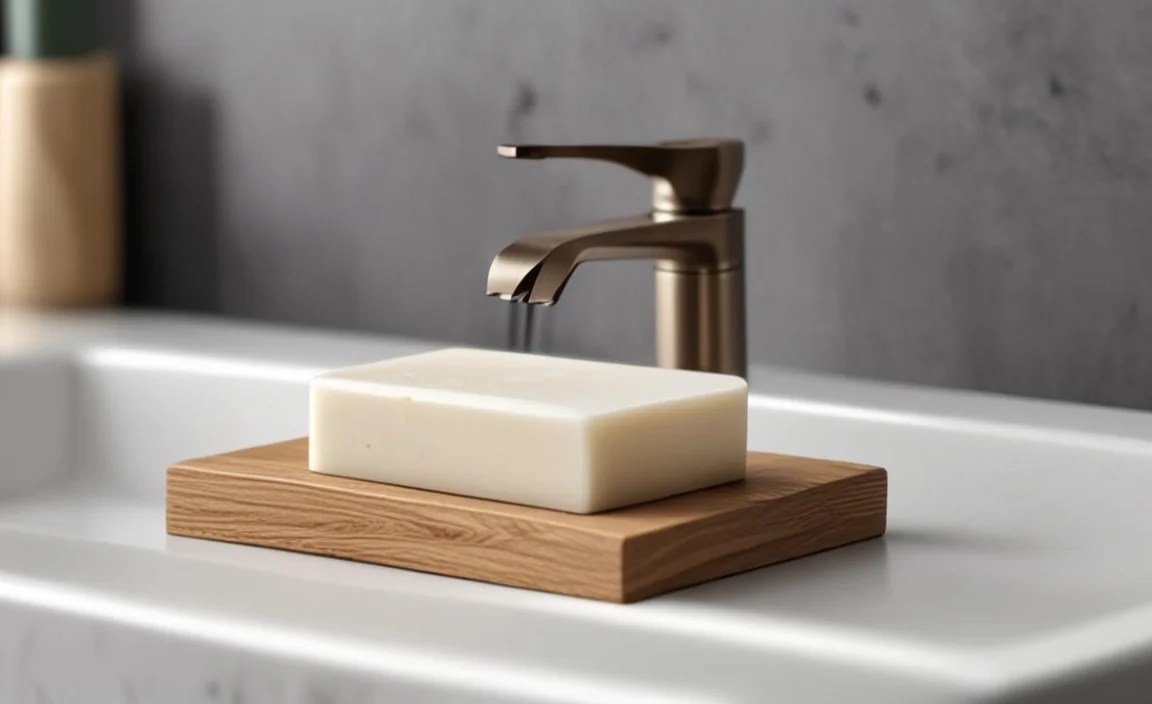
Using most soap holders is incredibly straightforward. Here’s a general guide:
For Draining Dishes and Stands:
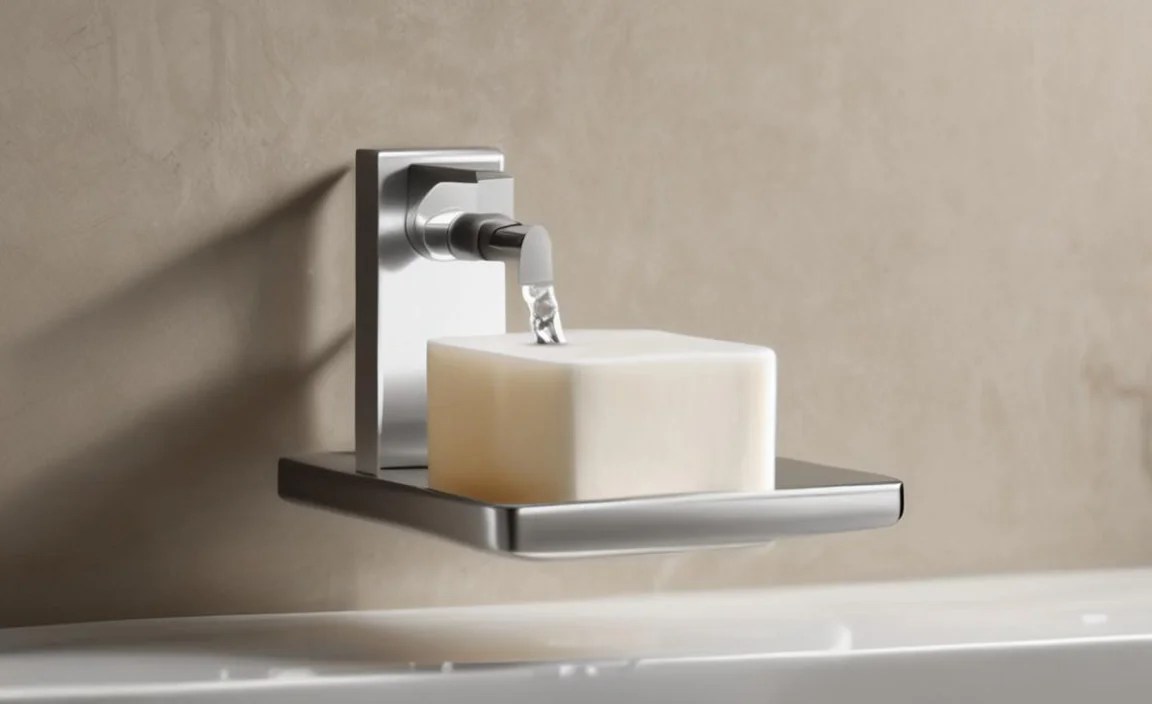
- Placement: Position the dish on a flat, stable surface near your sink or in your shower. If it has a drain, ensure the drain is facing towards a sink basin or a place where water can escape without causing issues.
- Place Soap: Lay your bar of soap on the dish.
- Check Drainage: Ensure the soap isn’t sitting in a pool of water. The ridges or holes should allow water to run off.
- Regular Cleaning: Wipe down the dish and check the drainage holes weekly to prevent soap scum buildup.
For Suction Cup Holders:
- Clean Surface: Make sure the surface where you want to attach the holder (tile, glass, metal) is clean and dry.
- Apply Suction Cup: Peel off any protective film from the suction cup. Firmly press the suction cup onto the clean surface. You might need to press the center or lift and release the cup to create a strong seal.
- Attach Holder: Assemble any parts if necessary and place your soap bar onto the holder.
- Test Security: Gently tug on the holder to ensure it’s securely attached before leaving your soap on it.
- Reapplication: If the suction weakens, remove the holder, clean the cup and surface, and reapply.
For Magnetic Holders:
- Attach Magnetic Piece: Find a suitable metal surface (or use the included adhesive base if it’s not metal) and firmly press the magnetic part of the holder onto it.
- Prepare Soap: Take your bar of soap and press the small metal disk firmly into one of its sides. Make sure it’s embedded well. For best results, use a bar of soap that’s firm enough to hold the disk.
- Connect: Bring the soap bar, with the disk attached, towards the magnetic holder. The magnet will grab the metal disk, holding your soap securely in place.
- Replace Soap: Simply remove the soap bar from the magnet when you want to use it.
Maintaining Your Soap Holder: Simple Tips
A little bit of care goes a long way in keeping your soap holder functional and looking good.
- Regular Rinsing: After using the soap, quickly rinse the soap holder itself. This washes away any residual soap or water.
- Wipe Down: Wipe the soap holder and the area around it with a dry cloth or an old towel every few days. This prevents water stains and soap scum from hardening.
- Deeper Cleaning: Depending on the material, give your soap holder a more thorough cleaning weekly or bi-weekly.
- Plastic/Metal: A quick scrub with a sponge and some mild dish soap or an all-purpose cleaner is usually sufficient. For tough grime, a paste of baking soda and water can work wonders.
- Ceramic: Can be cleaned with dish soap and water. For stubborn stains, a non-abrasive cleaner is best to avoid scratching.
- Bamboo/Wood: Wipe with a damp cloth and dry immediately. Avoid soaking. A light sanding and re-oiling can help maintain its appearance if needed, but this is rarely necessary for an accessory like a soap holder.
- Check Drainage: Ensure any drainage holes aren’t clogged. A small brush like an old toothbrush can help clear them.
- For Suction Cups: If a suction cup loses its grip, wash it with soap and water, rinse, and let it air dry completely before reattaching. Sometimes a bit of petroleum jelly applied sparingly to the rim can help create a better seal.
By following these simple maintenance steps, your soap holder will continue to perform its job effectively and look great for a long time.
When to Replace Your Soap Holder
While soap holders are generally durable, there are a few signs that indicate it might be time for a replacement:
- Visible Damage: Cracks, chips, or significant breakage mean it’s time to get a new one for safety and functionality.
- Ineffective Drainage: If water consistently pools and leaves soap mushy, despite cleaning, the design might be flawed or it might be worn out.
- Poor Adhesion (Suction/Adhesive): If a holder won’t stay attached no matter what you try, it’s no longer serving its purpose.
- Stubborn Stains/Mold: If you can’t get it clean and it looks unsightly or harbors mold, replace it.
- Warping (Wood/Plastic): Signs of warping indicate material breakdown and a need for a new holder.
Safety Considerations
When choosing and installing a soap holder, especially in a wet environment like a shower, keep these safety tips in mind:
- Secure Installation: Ensure any holder mounted on a wall or with suction is very securely attached. A falling soap holder can be a hazard.
- Smooth Edges: Check for any sharp edges on metal or plastic holders that could cause cuts.
- Non-Slip Surfaces: If placing a dish on a counter or shelf, ensure it’s not in a location where it can easily be knocked off or cause a slip.
- Material Choice: Avoid materials that might degrade and become brittle, posing a breakage risk.
Expert Recommended Soap Holder Features for Beginners
As Bryan Lee, I always look for a few key features that make a soap holder a win, especially for those just starting out:
- Excellent Drainage: This is non-negotiable. Look for ample holes, raised ridges, or an elevated design that ensures water can escape freely.
- Easy to Clean: Simple, smooth surfaces with few nooks and crannies are a dream to maintain.
- Stable Placement: Whether it’s a solid base, a reliable suction cup, or a secure mount, it needs to stay put.
- Appropriate Size: Make sure it can comfortably fit your preferred bar soap without it hanging over the edges.
- Durable Material: Opt for materials like stainless steel, good quality plastic, or ceramic that will last and resist wear and tear.
For a great starting point, a simple draining soap dish with a slightly angled design, or a well-made suction cup holder, are often the best bets. Brands known for quality kitchen and bathroom accessories, such as OXO or Simplehuman, often produce reliable, user-friendly options. For more information on bathroom organization and accessories, the BuildingGreen resource offers insights into sustainable and functional home products.
FAQ: Your Soap Holder Questions Answered
Q1: How often should I clean my soap holder?

It’s a good idea to rinse your soap holder daily and wipe it down every few days. A more thorough cleaning with soap and water should be done weekly or bi-weekly, depending on humidity and use.
Q2: Will a soap holder actually make my soap last longer?

Yes! By allowing your soap to dry completely between uses, a soap holder significantly reduces the rate at which it dissolves, helping your bars last much longer.
Q3: