
Deciding between tiles and alternatives for your home upgrade? Tiles offer timeless durability and a vast aesthetic range, perfect for floors and walls. Alternatives like vinyl, laminate, or wood planks can mimic tile’s look with easier installation, varying cost, and unique benefits. This guide breaks down the pros, cons, and best uses of each to help you make the perfect choice for your project and budget.
When it comes to refreshing your floors or walls, the world of surfacing materials can seem a little overwhelming. You’ve probably heard about tiles, but what about all the other options out there? It’s a common thought: “What’s the best way to get a beautiful, long-lasting finish without running into headaches?”
Many homeowners find themselves pondering this exact question, especially when they want something that looks great, holds up well, and fits their budget. Don’t worry, this is a journey many DIYers take! We’ll walk through the popular choices, making it super clear so you can confidently pick the right material for your space. Get ready to discover your best fit!
Understanding Your Surfacing Options: Tiles vs. The Rest
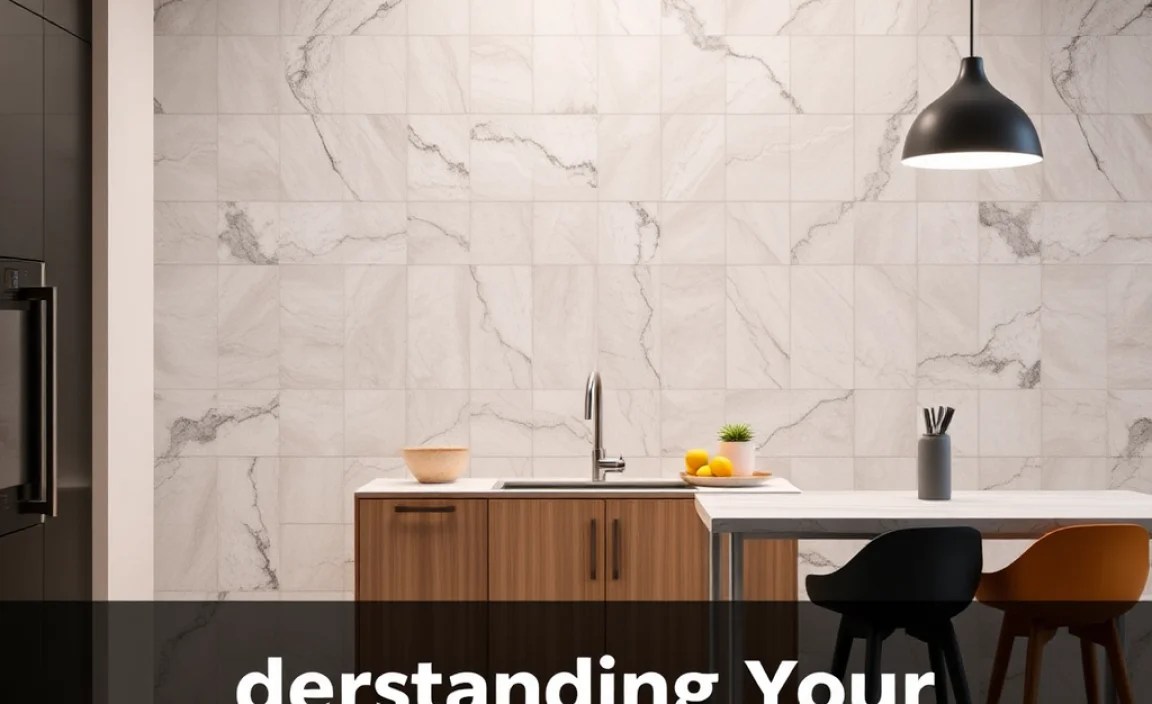
Choosing the right surface for your home is more than just picking a color or pattern. It’s about selecting a material that will not only look good but also perform well for years to come. We’re going to explore the most common contenders in the flooring and wall surfacing arena. We’ll dive into the classic choice, tiles, and then explore some fantastic alternatives that offer their own unique sets of advantages.
The Timeless Appeal of Tiles
Tiles have been a go-to material for centuries, and it’s easy to see why. They are incredibly versatile and can genuinely transform a space. Think of the stunning mosaic in a Roman bath or the sleek ceramic in a modern kitchen – the possibilities are endless. What makes them so popular? Durability, water resistance, and an almost limitless variety of styles, colors, and textures.
Types of Tiles and Their Characteristics
When we talk about tiles, it’s not just one thing. There are several popular types, each with its own vibe and performance:
- Ceramic Tiles: These are made from clay that’s fired in a kiln. They are a great all-around choice, especially for walls and less-trafficked floors. They are relatively affordable and come in a huge range of designs.
- Porcelain Tiles: A step up from ceramic, porcelain is denser and less porous, making it incredibly durable and water-resistant. This is excellent for high-moisture areas like bathrooms and kitchens, or even for outdoor use. It can mimic the look of natural stone or wood very convincingly.
- Natural Stone Tiles (e.g., Granite, Marble, Slate): These offer a unique, luxurious look that’s hard to replicate. Each piece is natural and distinct. They are very durable but can be more expensive and require sealing to protect against stains.
- Glass Tiles: Often used as accents or for backsplashes, glass tiles add a touch of sparkle and light. They are beautiful but can be more fragile and prone to chipping than other tile types.
- Cement Tiles: Known for their intricate patterns and matte finish, cement tiles are a stylish choice for a vintage or Mediterranean feel. They are durable but require sealing and can stain if not properly maintained.
Pros of Tiles:
- Exceptional Durability: Tiles are built to last, resisting scratches, dents, and wear and tear.
- Water and Stain Resistance: Especially porcelain and glazed ceramic, they handle spills and moisture like champs.
- Hygienic: Non-porous surfaces are easy to clean and don’t harbor allergens or bacteria.
- Aesthetic Variety: From natural stone looks to vibrant colors and geometric patterns, the design options are vast.
- Fire Resistance: Most tiles are non-combustible, adding a layer of safety.
- Low Maintenance: Regular sweeping and mopping are usually all that’s needed.
Cons of Tiles:
- Hard and Cold Surface: Can be uncomfortable to stand on for extended periods and a hard surface for dropped items.
- Installation Complexity: Proper installation requires skill, special tools, and can be labor-intensive.
- Grout Lines: These can be a challenge to clean and can wear down over time.
- Cost: While some ceramic options are budget-friendly, high-end porcelain and natural stone can be quite expensive, plus installation costs add up.
- Can Chip or Crack: Heavy impacts can cause tiles to chip or crack, and repairs can be tricky.
Exploring Tile Alternatives
While tiles are a fantastic choice, the market has seen incredible innovation in alternative surfacing materials. These options often aim to provide some of the benefits of tiles – like durability and appearance – with improvements in installation, cost, or comfort. Let’s look at some of the most popular ones:
Luxury Vinyl Tile (LVT) and Luxury Vinyl Plank (LVP)
Vinyl has come a long way from the thin, rolled sheets of the past. Luxury Vinyl Tile (LVT) and Luxury Vinyl Plank (LVP) are designed to mimic the look of natural materials like wood, stone, and ceramic tile with high-definition printing and textured surfaces. They are a major player in the DIY market.
- Pros of LVT/LVP:
- Waterproof/Water-Resistant: Excellent for kitchens, bathrooms, and basements.
- Durable: Resists scratches, dents, and stains.
- Easy to Install: Many come with click-lock systems, making them a popular DIY choice.
- Comfortable Underfoot: Softer and warmer than tile.
- Affordable: Generally less expensive than tile, especially natural stone.
- Easy Maintenance: Simple sweeping and damp mopping.
- Cons of LVT/LVP:
- Can Fade: Prolonged direct sunlight can cause fading over time.
- Difficult to Repair: While durable, if one plank is severely damaged, it can be tough to replace just that one piece without disturbing the rest.
- Environmental Concerns: Some vinyl products contain PVC, which has environmental implications. Look for eco-friendly options.
- Can Dent: Heavy furniture can leave dents if not protected.
Laminate Flooring
Laminate flooring is another popular choice that offers a wood or stone look. It’s constructed in layers, with a photographic image layer protected by a clear, durable wear layer on top. It’s known for its affordability and ease of installation.
- Pros of Laminate:
- Affordable: One of the most budget-friendly flooring options.
- Easy to Install: Most use a click-lock system.
- Durable Wear Layer: Resists scratches and fading well.
- Wide Variety of Looks: Mimics wood, stone, and tile effectively.
- Cons of Laminate:
- Not Waterproof: Susceptible to moisture damage; not ideal for bathrooms or kitchens unless specifically rated for such use.
- Can Sound Hollow: May produce a hollow sound when walked on.
- Difficult to Repair: Similar to LVT/LVP, damaged planks can be challenging to replace.
- Can Chip: The edges can be more prone to chipping than other materials.
Engineered Wood Flooring
Engineered wood offers the look and feel of real wood but with a more stable construction. It consists of a thin veneer of real hardwood on top of multiple layers of plywood or composite wood. This makes it less susceptible to expansion and contraction due to humidity changes than solid hardwood.
- Pros of Engineered Wood:
- Natural Wood Aesthetic: Provides the beauty of real wood.
- More Stable: Better performance in areas with fluctuating humidity compared to solid wood.
- Can Be Refinished: Depending on the thickness of the veneer, it can often be sanded and refinished once.
- Installable Below Grade: Can often be installed on concrete slabs.
- Cons of Engineered Wood:
- Can Scratch and Dent: Like solid hardwood, it’s susceptible to damage.
- Limited Refinishing: The veneer can only be sanded so many times.
- Cost: Generally more expensive than vinyl or laminate.
- Water Sensitivity: While not as sensitive as solid hardwood, significant water exposure can cause swelling or warping.
Solid Hardwood Flooring
The classic choice for a reason! Solid hardwood floors are made from a single piece of wood. They bring timeless elegance, warmth, and can significantly increase a home’s value. They can be sanded and refinished multiple times, making them a long-lasting investment.
- Pros of Solid Hardwood:
- Timeless Beauty: Adds warmth, character, and value to any home.
- Long Lifespan: Can last for generations with proper care.
- Can be Refinished: Multiple times, allowing for restoration and customization.
- Hypoallergenic: Doesn’t trap dust or allergens.
- Cons of Solid Hardwood:
- Susceptible to Moisture: Prone to swelling, shrinking, and warping with humidity changes. Not suitable for bathrooms or basements.
- Can Scratch and Dent: Needs protective measures for furniture and careful cleaning.
- Higher Cost: Typically the most expensive flooring option, especially for premium species.
- Installation Demands: Requires professional installation and acclimatization.
Comparing Tiles and Alternatives: Key Factors
When you’re weighing your options, several factors come into play. It’s not just about looks; it’s about how the material will work for your lifestyle, budget, and DIY skills.
Durability and Longevity
Tiles, especially porcelain, are known for their incredible durability and can last for decades, sometimes even longer. They resist scratches well and are unaffected by moisture. Alternatives like LVT/LVP and laminate also offer good durability for everyday wear and tear, resisting scratches better than many might expect. Engineered and solid hardwood are durable but require more careful maintenance to prevent damage from moisture, scratches, and dents.
Water Resistance
This is where tiles, particularly porcelain, and LVT/LVP shine. They are excellent choices for kitchens, bathrooms, laundry rooms, and basements due to their ability to withstand spills and high humidity. Laminate and wood products are generally less water-resistant and are best suited for drier areas of the home.
Installation Ease
For DIYers, LVT/LVP and laminate flooring are often the easiest to install thanks to their click-lock or peel-and-stick systems. Ceramic and porcelain tiles require specialized tools, precise cutting, and often mortar and grout, making them more challenging for beginners. Engineered and solid hardwood also typically require professional installation, especially for nail-down or glue-down methods.
Cost
Costs vary widely within each category. Budget-friendly ceramic tiles can be comparable in price to mid-range LVT/LVP. Laminate flooring is usually the most budget-friendly option. Natural stone tiles and high-end porcelain tiles can be significantly more expensive than engineered or solid hardwood. Remember to factor in installation costs, underlayment, and finishing materials.
Maintenance and Cleaning
All these materials are relatively easy to maintain with regular sweeping and damp mopping. However, the grout lines in tile installations can be a bit more challenging to keep clean. Wood and laminate require specific wood-friendly cleaners to avoid damage, and spills should be wiped up quickly. Vinyl is generally the most forgiving and easiest to clean.
Comfort and Feel
Tiles can feel hard and cold underfoot, which might be a concern in areas where you stand for long periods. LVT/LVP and laminate are typically warmer and more flexible. Solid hardwood offers a natural warmth and resilience that many people love.
When to Choose Tiles vs. Alternatives
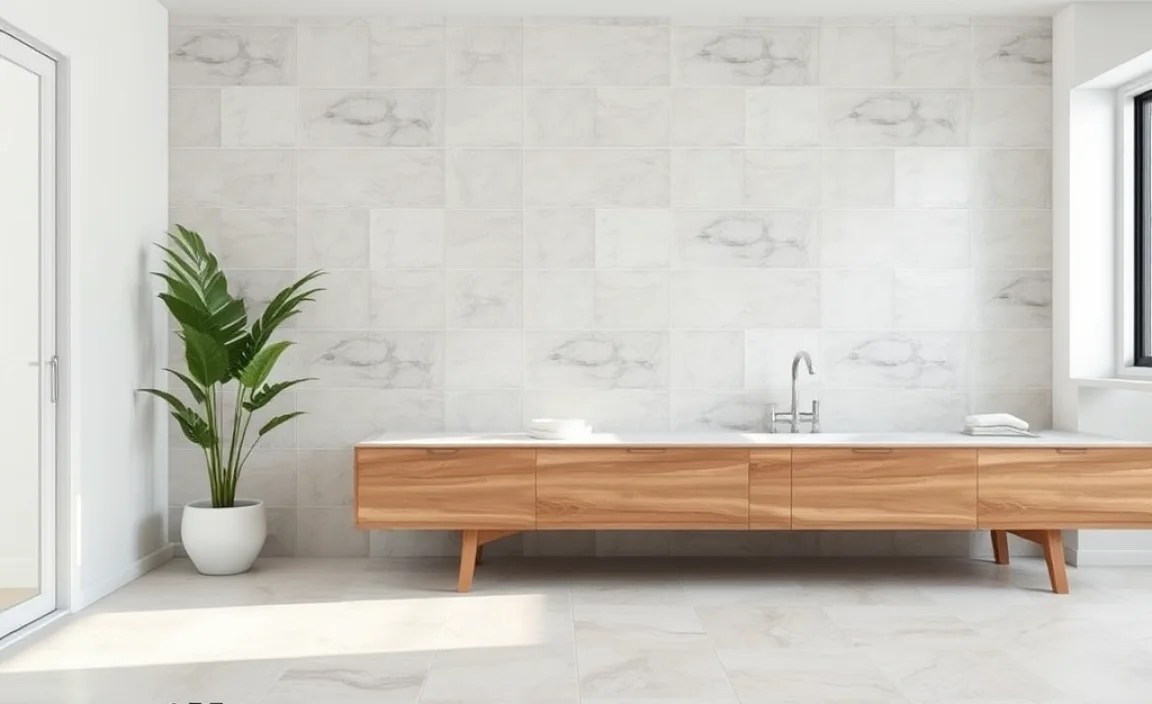
Here’s a quick breakdown to help you decide:
| Scenario | Best Choice | Reasoning |
|---|---|---|
| High-Traffic Areas & Ultimate Durability | Porcelain Tile | Withstands heavy foot traffic, scratches, and moisture for decades. |
| Budget-Friendly Upgrade with Wood Look | Laminate Flooring | Most affordable, easy to install DIY, good scratch resistance (non-waterproof areas). |
| Waterproof Floors for Kitchens/Baths (Budget Conscious) | LVT/LVP | Excellent water resistance, durable, easy DIY install, mimics tile or wood beautifully. |
| Natural Wood Beauty & Home Value | Solid Hardwood | Timeless elegance, can be refinished, adds significant home value (use in appropriate areas). |
| Balancing Wood Look and Humidity | Engineered Wood | Better stability in humid conditions than solid wood, real wood look. |
| Unique, Luxurious, Natural Stone Look | Natural Stone Tile | Unmatched natural beauty, highly durable, requires sealing. |
| DIY Project Under Pressure (Time/Skill) | LVT/LVP or Laminate | Click-lock or peel-and-stick systems are very beginner-friendly. |
Understanding Grout: A Tile-Specific Consideration
Grout is an essential part of any tiled surface. It fills the gaps between tiles, preventing dirt and moisture from getting underneath. However, it’s also a key maintenance point.
- Types of Grout:
- Cement-based grout: The most common, it’s porous and needs sealing.
- Epoxy grout: More durable, stain-resistant, and doesn’t require sealing, but is more expensive and trickier to work with.
- Maintenance: Grout needs to be cleaned regularly. For cement-based grouts, periodic resealing is important to prevent staining and moisture absorption. In areas prone to mold and mildew, this can be a concern.
This is a significant advantage for alternatives like LVT/LVP and seamless wood or laminate flooring, which don’t have grout lines to worry about.
Where to Find More Information
For detailed specifications and comparison charts on flooring materials, you might find these resources helpful:
- National Wood Flooring Association (NWFA): A great resource for all things hardwood. NWFA.org
- The Tile Council of North America (TCNA): Offers extensive information on tile and installation standards. TCNAtile.com
- U.S. Department of Energy (DOE) – Energy Efficiency & Renewable Energy: Provides guidance on sustainable building materials and home energy. Energy.gov/eere/buildings
Frequently Asked Questions (FAQ)
Q1: Which is more durable, tile or vinyl plank flooring (LVP)?
A1: Both can be very durable, but porcelain tile generally offers superior scratch and heat resistance. However, LVP is highly resistant to dents, scratches, and is waterproof, making it excellent for high-moisture areas and busy households.
Q2: Is tile hard to clean compared to laminate?
A2: Tile cleaning involves maintaining both the tile surface and the grout lines, which can be more labor-intensive. Laminate is typically easier to clean with a sweep or damp mop, but always use appropriate laminate floor cleaners to avoid damage.
Q3: Which flooring options are best for a wet basement?
A3: For a wet basement, waterproof options are essential. Luxury Vinyl Tile/Plank (LVT/LVP) and porcelain tile are excellent choices due to their resistance to moisture damage.
