
Installing a new faucet yourself can save you hundreds of dollars in professional plumbing fees. While the faucet itself ranges from $50 to $500+, DIY installation avoids labor costs, typically between $100-$300. With basic tools and this guide, you can confidently tackle the job and enjoy essential savings while upgrading your home.
Leaky faucets are more than just annoying; they waste water and can drive up your utility bills.
Replacing an old faucet can refresh your kitchen or bathroom, but the cost of hiring a plumber might make you hesitate.
What if you could get that new, shiny faucet without the hefty installation fee? You absolutely can!
This guide will walk you through the process of installing a faucet yourself, breaking down the costs, and showing you how to achieve essential savings. We’ll cover everything from choosing your faucet to the final tighten, making this DIY project achievable and rewarding.
Understanding Faucet Installation Costs: What You’re Really Paying For

When you look at the price tag for a new faucet, it’s easy to focus just on the fixture itself. But the “install faucet cost” often has two major components: the price of the faucet and the labor to put it in. For a DIYer, understanding these costs is key to maximizing savings.
Let’s break down where your money typically goes when you’re not doing it yourself:
The Faucet Fixture Itself
The price of a new faucet can vary wildly, depending on style, material, brand, and features. You can find basic utility faucets for under $30, mid-range options for $75-$200, and high-end designer faucets that can easily exceed $500. For a standard kitchen or bathroom faucet replacement, most homeowners find suitable options in the $100-$300 range.
Professional Installation Labor
This is where the significant savings come in for DIYers. Plumbers charge for their time, expertise, and the overhead of running their business. The average cost to have a professional plumber install a new faucet typically ranges from $100 to $300. This price can go up if there are unexpected complications, such as corroded pipes, significant drain modifications, or if the existing plumbing isn’t up to standard.
Consider this: if a faucet costs $150 and professional installation is $200, your total cost is $350. By doing it yourself, you save that $200, essentially getting the faucet for the price of the fixture alone.
Additional Materials and Potential Surprises
Sometimes, the cost of installation can creep up due to minor additional materials. This might include new supply lines, plumber’s tape, pipe dope, or a small amount of putty. If the existing shut-off valves are old and brittle, a plumber might recommend replacing them, adding to the bill.
DIYing allows you to budget for these small items more effectively. You can often purchase a basic plumbing toolkit or the specific connection pieces needed at a fraction of the cost of what a plumber would charge for the same items.
DIY Faucet Installation: Your Path to Essential Savings

The decision to install your own faucet is a smart move for your wallet. The good news is that with a bit of patience and the right guidance, it’s a perfectly manageable DIY project, even for beginners. By avoiding professional labor costs, you’re directly pocketing those savings.
Let’s look at the typical cost breakdown when you choose the DIY route:
Cost of the New Faucet:
As mentioned, this is your primary expense. You have full control over this budget. Research brands and styles that fit your aesthetic and functional needs. For a reliable, attractive kitchen or bathroom faucet, expect to spend anywhere from $50 to $300.
Essential Tools and Supplies:
This is where your initial investment lies, but these tools will serve you for many future projects, making them a worthwhile purchase in the long run.
- Adjustable wrenches (two are ideal for leverage)
- Basin wrench (a specialized tool for tight spaces under the sink)
- Plumber’s tape (Teflon tape) and/or pipe dope
- Bucket or shallow pan
- Old towels or rags
- Safety glasses
- Flashlight or headlamp
- Screwdriver set (various sizes)
- Optional: Pliers, putty knife
The total cost for a basic toolkit like this might range from $50 to $100, depending on the quality of the tools you choose. Many of these items are likely already in your home toolkit.
Potential Savings Example:
Let’s say you choose a faucet that costs $150. If hiring a plumber would cost $200 for installation, your total would be $350. By installing it yourself (and assuming you have most of the tools, or buy a beginner kit for $50), you spend $150 (faucet) + $50 (tools/supplies) = $200. That’s a direct saving of $150 on this single project!
Over time, as you tackle more plumbing jobs, the savings multiply. This is the essence of “install faucet cost” savings – reclaiming the labor charges for your own benefit.
Step-by-Step: Installing Your New Faucet Like a Pro (Without the Pro Price Tag)

Ready to save money and gain a new skill? Follow these straightforward steps to replace your old faucet with a new one. Remember, safety first! Always wear safety glasses, and if you’re unsure about any step, it’s always wise to consult a professional or a detailed video tutorial for your specific faucet model.
Step 1: Gather Your Tools and Supplies
Before you even think about turning off the water, lay out everything you’ll need. This makes the process smoother and prevents frantic searches mid-job.
- Your new faucet kit (check that it includes all necessary parts as per the manufacturer’s instructions)
- Adjustable wrenches (two)
- Basin wrench
- Bucket or pan
- Rags or old towels
- Plumber’s tape or pipe dope
- Safety glasses
- Flashlight
- Screwdriver
Step 2: Turn Off the Water Supply
This is the most crucial safety step. Locate the shut-off valves for your sink. Usually, there’s one for hot water and one for cold water, located under the sink. Turn them clockwise until they are snug. If you can’t find individual valves or they don’t seem to work, you’ll need to shut off the main water supply to your house.
Open the old faucet to drain any remaining water in the lines and to relieve pressure.
Step 3: Disconnect the Old Faucet
Place your bucket or pan under the water supply lines to catch any residual water. Using an adjustable wrench, loosen the nuts that connect the water supply lines to the faucet shanks. Have a rag ready to sop up drips.
Next, you’ll need to disconnect the faucet from the sink itself. This usually involves a mounting nut or nuts located directly above the valves, often in a very tight and awkward spot. This is where your basin wrench shines.
Using the basin wrench, reach up and loosen these nuts. Once they are off, the old faucet should lift out from the top.
Step 4: Clean the Sink Surface
With the old faucet removed, you’ll likely find some grime or old putty residue around the mounting holes. Use a putty knife to gently scrape away any buildup. Clean the area thoroughly with a damp cloth so your new faucet has a clean, fresh surface to sit on.
Step 5: Install the New Faucet
Read the manufacturer’s instructions for your new faucet carefully, as installation can vary slightly between models. Generally, you’ll:
- Feed the new faucet’s supply lines and shanks through the holes in your sink.
- If your faucet uses a gasket or putty, install it according to the instructions. Many modern faucets have built-in gaskets.
- From underneath the sink, thread the mounting nuts onto the faucet shanks. Hand-tighten them first.
- Ensure the faucet is straight and centered from the top. Then, use your basin wrench to tighten the mounting nuts securely. Be careful not to overtighten, which can damage the sink or faucet. Two adjustable wrenches can also be useful here – one to hold the faucet steady from under the sink and another to tighten the nut.
Step 6: Connect the Water Supply Lines
Attach the new water supply lines to the faucet shanks. Wrap the threads of the faucet shanks with plumber’s tape (usually 2-3 wraps clockwise) or apply pipe dope. Connect the supply lines to the corresponding hot and cold shut-off valves. Tighten these connections with an adjustable wrench, but again, avoid overtightening.
If your new faucet came with integrated supply lines, you’ll connect these directly to the shut-off valves.
Step 7: Turn On the Water and Check for Leaks
Slowly turn the hot and cold shut-off valves back on (counter-clockwise). Open the new faucet and let the water run for a minute or two to flush out any debris that may have entered the lines during installation. Check all connections under the sink – at the faucet shanks, supply lines, and shut-off valves – for any signs of dripping. If you see any leaks, gently tighten the connections one quarter-turn at a time until they stop. If a persistent leak occurs, you may need to reapply plumber’s tape or pipe dope.
Step 8: Final Touches
Wipe down your new faucet. Enjoy the look and functionality of your freshly installed faucet, knowing you saved money by doing it yourself!
Understanding Faucet Types and Their Installation Nuances
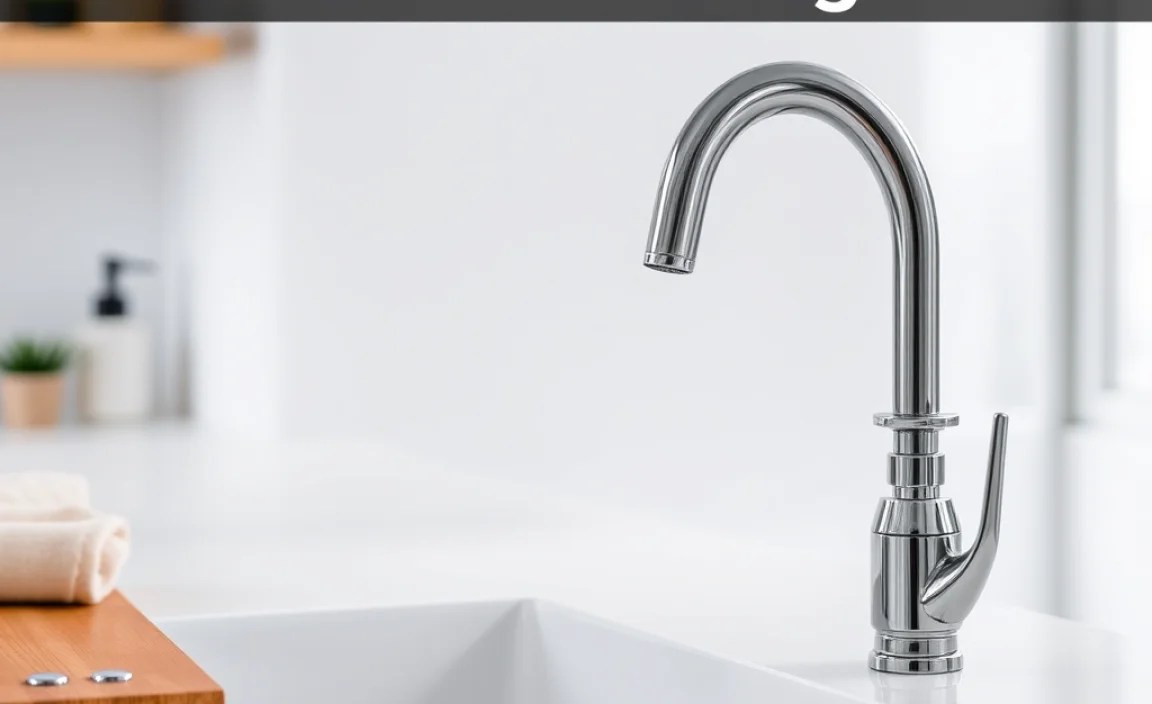
While the basic steps for faucet installation remain similar, different types of faucets have unique characteristics that might influence your project and its associated costs or difficulty. Knowing these can help you choose wisely and prepare appropriately.
| Faucet Type | Common Uses | Installation Considerations | Typical Price Range (Fixture Only) |
|---|---|---|---|
| Centerset Faucets (3-hole, 4-inch spread) | Kitchens, bathrooms | Easiest to install; all components usually attached to a base plate. Fits standard 3-hole sinks. | $50 – $200 |
| Widespread Faucets (3-hole, 8-inch or 16-inch spread) | Bathrooms (often more decorative) | Components (spout, handles) are separate. Requires 3 distinct holes. Can offer more design flexibility but slightly more complex assembly. | $100 – $400+ |
| Single-Handle Faucets | Kitchens, bathrooms | Controls both temperature and flow with one lever. Can be centerset or have separate mounting. Simple operation, relatively easy installation. | $60 – $300 |
| Pull-Down/Pull-Out Faucets | Kitchens | Feature a spray head on a retractable hose. Installation involves connecting the hose and a counterweight. Requires a single hole. | $100 – $400+ |
| Wall-Mount Faucets | Kitchens, bathrooms (often for vessel sinks) | Mount directly to the wall above the sink. Requires specific rough-in valves behind the wall and precise alignment. Often best left to professionals if you’re not experienced with in-wall plumbing. | $150 – $500+ |
| Tub and Shower Faucets | Bathrooms | More complex, involving valves installed behind the wall. Requires turning off water, potentially accessing walls. Often best left to professionals unless you have experience or replace an identical unit. | $70 – $500+ |
For the average homeowner looking to save on “install faucet cost,” a standard kitchen or bathroom sink faucet (like centerset, widespread, or single-handle) is the ideal starting point for DIY. These are the most common and have the most straightforward installation processes.
When to Call a Professional: Know Your Limits
While DIY faucet installation is a fantastic way to save money and gain confidence, there are times when it’s absolutely best to call in a professional plumber. Knowing these situations can prevent costly mistakes and ensure the job is done safely and correctly.
- Complex or Specialized Fixtures: Wall-mount faucets or full tub/shower valve replacements often involve working with plumbing inside walls. If you’re not comfortable with this or don’t have experience, it’s wise to hire a plumber.
- Corroded or Damaged Pipes: If the pipes or existing shut-off valves under your sink are heavily corroded, brittle, or show signs of damage, attempting to disconnect them could lead to leaks or bursts. A professional has the tools and expertise to handle these delicate situations.
- No Shut-Off Valves: If your sink doesn’t have individual shut-off valves and you’re unable to locate or shut off the main water supply to your house, a plumber can easily install new valves for you, ensuring you can safely work on the faucet.
- Persistent Leaks: After multiple attempts, if you can’t stop a leak at any connection point, it’s time to call a professional. They can quickly diagnose the problem, whether it’s an improperly seated gasket, a cross-threaded connection, or a faulty valve.
- Beyond Your Comfort Zone: Sometimes, even with clear instructions, the job might feel overwhelming or you might encounter a problem you didn’t expect. Trust your gut. It’s better to pay a professional than to cause damage that costs more to repair than the initial plumbing bill.
For more information on plumbing standards and best practices, you can consult resources from the National Kitchen & Bath Association or similar reputable home improvement organizations.
The Real “Install Faucet Cost”: A Summary of Savings Potential
Let’s recap the financial benefits of going the DIY route for faucet installation. When you factor in “install faucet cost,” you’re looking at escaping significant labor charges. Below is a typical comparison for a mid-range faucet project.
| Cost Component | DIY Installation | Professional Installation |
|---|---|---|
| New Faucet Fixture | $100 – $300 | $100 – $350 (Plumber may mark up Faucet Price) |
| Tools & Supplies (One-time investment for DIY) | $50 – $100 (If you don’t have them) | $0 (Included in Labor) |
| Plumber’s Labor | $0 | $100 – $300 |
| Total Estimated Cost | $150 – $400 | $200 – $650+ |
As you can see, even with the initial cost of acquiring basic tools, the potential savings by installing your faucet yourself are substantial, often ranging from $100 to over $300 per installation. These are essential savings that can be allocated to other home improvement projects or simply added back into your household budget.
Frequently Asked Questions About Faucet Installation Costs
Q1: How much does it typically cost to install a new faucet?
The cost can be divided into two parts: the faucet itself (which can range from $50 to $300 or more) and the labor to install it. Professional installation typically costs between $100 and $300. DIY installation eliminates the labor cost, significantly reducing the overall expense.
Q2: Can I really save hundreds of dollars by installing my own faucet?
Yes, absolutely. By performing the installation yourself, you avoid the professional labor fees, which can easily amount to $100-$300 or more. This means you’re only paying for the faucet and potentially a small investment in tools if you don’t already have them.
Q3: What are the basic tools I’ll need for DIY faucet installation?
The essential tools include adjustable wrenches (two), a basin wrench for tight spaces, a bucket, rags, plumber’s tape or pipe dope, safety glasses, and a flashlight. Most of these are common household tools.
