
Maintain your sink easily and affordably with simple, everyday solutions. This guide offers genius, budget-friendly tips for cleaning, unclogging, and preventing common sink problems, ensuring a sparkling and functional sink without breaking the bank.
A clean, functional sink is a cornerstone of a happy home. But let’s be honest, sink maintenance can sometimes feel like a chore. Dealing with stubborn grime, slow drains, or mysterious odors can be frustrating, especially when you’re not sure where to start or worry about expensive repairs. You might think keeping your sink in tip-top shape requires specialized tools or costly services, but that’s not the case at all!
The truth is, many common sink issues can be tackled with simple, affordable methods you probably already have in your home. This guide is here to demystify sink care, offering genius, budget-friendly tips that are easy for anyone to follow. We’ll walk through practical advice to keep your kitchen and bathroom sinks looking great and working perfectly. Get ready to feel confident in your ability to maintain your sink easily!
Genius Affordable Sink Maintenance Tips
Keeping your sinks sparkling and free-flowing doesn’t require a huge budget or a degree in plumbing. With a few clever tricks and common household items, you can tackle most sink maintenance tasks with ease. Let’s dive into some of the smartest, most affordable ways to maintain your kitchen and bathroom sinks.
Kitchen Sink Care: Keeping it Clean and Functional

Your kitchen sink is a workhorse, handling everything from dirty dishes to food scraps. Keeping it hygienic and looking its best is crucial. Here are some genius tips:
Daily Wipe-Down and Rinse
The simplest habit can make the biggest difference. After washing dishes or preparing food, give your sink a quick rinse and wipe-down with a sponge or microfiber cloth. This removes food particles and prevents them from drying and becoming stubborn stains or contributing to odors.
Baking Soda for Gentle Scrubbing

For stainless steel and porcelain sinks, baking soda is a miracle worker. It’s a mild abrasive that won’t scratch surfaces, yet it’s effective at removing grime and grease.
- Sprinkle a generous amount of baking soda into your damp sink.
- Use a damp sponge or cloth to scrub the surfaces, focusing on any stained or grimy areas.
- For tougher spots, make a paste of baking soda and a little water, let it sit for a few minutes, then scrub.
- Rinse thoroughly with warm water.
This method leaves sinks looking bright and feeling smooth.
Vinegar for Disinfection and Shine

Distilled white vinegar is a fantastic, natural disinfectant and deodorizer. It also helps to break down mineral deposits.
- Pour undiluted white vinegar into a spray bottle.
- Spray the sink surfaces generously, especially around the faucet and drain.
- Let it sit for about 10-15 minutes.
- Wipe down with a damp cloth and rinse well. The vinegar smell dissipates quickly as it dries.
This is particularly helpful for polishing chrome faucets and making stainless steel shine.
Lemon for Freshness and Shine
The scent of lemon is naturally refreshing and it can add a lovely shine to your sink. After cleaning with baking soda or vinegar, cut a lemon in half and rub the cut side all over the sink surfaces. The citric acid helps to polish and the scent leaves your kitchen smelling clean.
Preventing Clogs: The Best Affordable Strategy
Clogs are a common kitchen sink problem, often caused by grease, coffee grounds, and food scraps. Prevention is key and much cheaper than calling a plumber!
- Use a Sink Strainer: This is a small investment that pays off big. A good sink strainer catches food particles before they go down the drain. Empty it regularly into the trash, not the disposal. You can find effective strainers for just a few dollars.
- Scrape Plates Thoroughly: Get into the habit of scraping food scraps into the trash or compost bin before rinsing plates.
- Avoid Pouring Grease Down the Drain: This is one of the biggest culprits. Let grease cool and solidify, then scrape it into the trash. Alternatively, pour it into a disposable container (like an old coffee can) and throw it away.
Deep Cleaning and Maintaining Faucets
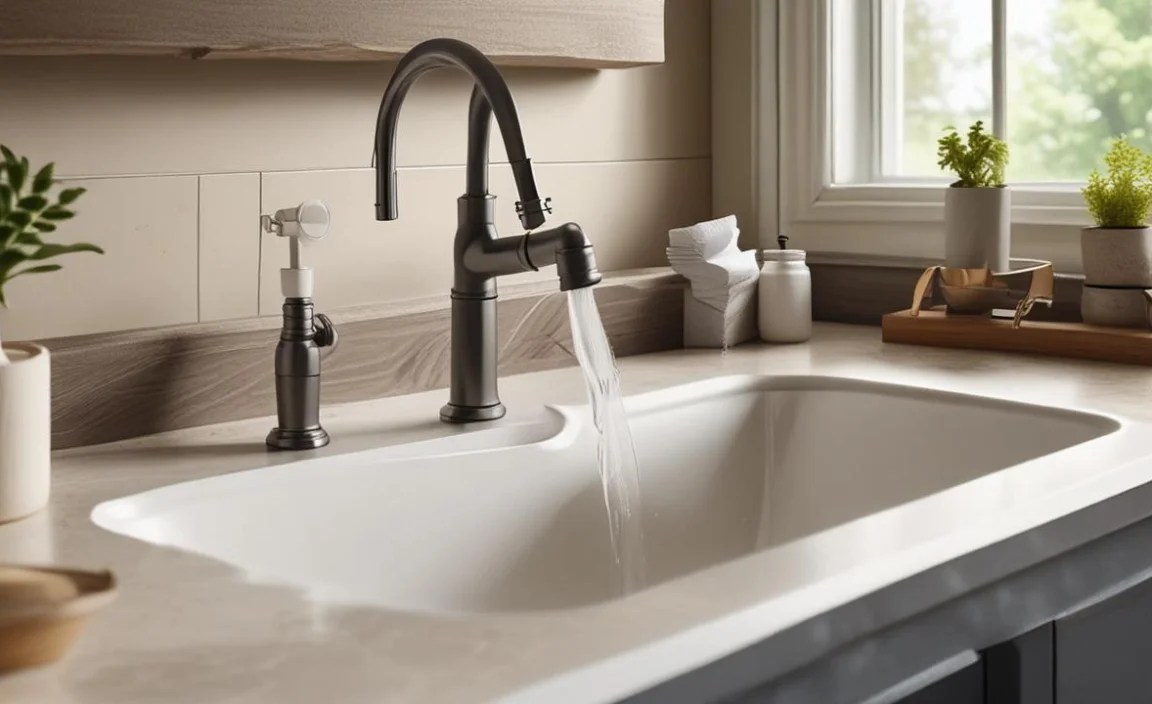
Your faucet deserves attention too! Mineral deposits can build up and make it look dull or even affect water flow. A simple way to tackle this is with a vinegar soak.
- Fill a small plastic bag with white vinegar.
- Secure the bag around the faucet spout with a rubber band, ensuring the aerator (the part where water comes out) is submerged in the vinegar.
- Let it soak for a few hours or overnight for tough buildup.
- Remove the bag and gently scrub any remaining residue with an old toothbrush.
- Run hot water through the faucet for a minute to flush out any lingering vinegar and loosened deposits.
Bathroom Sink Care: Tackling Soap Scum and Grime

Bathroom sinks face their own set of challenges, primarily toothpaste residue, soap scum, and hair. Here’s how to keep them looking pristine:
Daily Wipe-Down
Similar to the kitchen, a quick wipe after use prevents buildup. Pay attention to toothpaste splatters before they dry.
Tackling Soap Scum with Vinegar and Baking Soda

Soap scum is that stubborn, chalky residue left by bar soap and body products. The baking soda and vinegar combination is excellent for this.
- Make a paste of baking soda and water. Apply it to the soap scum.
- Spray vinegar over the paste. It will fizz, which helps lift the scum.
- Let it sit for about 15-20 minutes.
- Scrub with a soft brush or sponge and rinse thoroughly.
For very stubborn soap scum, a little elbow grease with a non-scratch cleaning pad might be necessary.
Keeping Drains Clear and Odor-Free
Bathroom drains can get clogged with hair and gunk. If you have a slow drain, try these affordable methods:
- Hot Water Flush: Start by pouring a kettle of boiling water down the drain. This can melt away some grease and soap buildup.
- Baking Soda and Vinegar: Follow the hot water flush with half a cup of baking soda, then pour a cup of white vinegar. Cover the drain with a plug or old rag and let it fizz for at least 30 minutes. Finish by flushing with more hot water.
- Manual Hair Removal: Sometimes, the clog is simply a build-up of hair. Carefully remove the sink stopper or drain cover. Use tweezers, an old wire hanger bent into a hook, or a dedicated plastic hair-removing tool (often very inexpensive) to pull out any visible hair. This alone can solve many drain issues.
For more persistent bathroom sink clogs, a simple drain snake can be a very cost-effective tool.
Preventing Mildew and Stains
Moisture in bathrooms can lead to mildew. Ensure good ventilation by using an exhaust fan during and after showers. Wipe down the sink area regularly. For minor mildew spots, a paste of baking soda and water or a diluted bleach solution (use with extreme caution and good ventilation) can often clean them up. Always rinse well after using bleach.
General Drain Care for Both Sinks
Maintaining clear drains is crucial for preventing water damage and unpleasant odors. Here are some smart, affordable practices:
Regular Flushing with Hot Water

Once a week, pour a kettle of boiling water down each drain. This simple step helps to liquefy and flush away any grease or soap residue that may be accumulating. Be cautious with very old pipes or sinks with delicate finishes, but for most standard setups, this is safe and effective.
The Power of Baking Soda and Vinegar

This dynamic duo is your best friend for drain maintenance. It’s natural, effective, and incredibly cheap.
- Pour about 1/2 cup of baking soda directly down the drain.
- Immediately follow with 1 cup of distilled white vinegar.
- Once it stops fizzing (about 10-15 minutes), flush the drain with hot water.
This can be done monthly or whenever you notice a slowdown or odor.
When to Use a Plunger

A good old-fashioned plunger can be a lifesaver for minor clogs.
- Start by ensuring there’s enough water in the sink to cover the plunger cup.
- Create a tight seal around the drain with the plunger.
- Pump the plunger up and down vigorously several times.
- Break the seal quickly. If the water drains, you’ve likely cleared it. Repeat if necessary.
For sinks with an overflow drain (common in bathrooms), make sure to block it with a wet rag to create proper suction.
Using an Affordable Drain Snake (Auger)
If baking soda, vinegar, and plunger methods don’t work, a manual drain snake is a very affordable tool that can often clear deeper clogs. These are available at most hardware stores for under $20.
- Feed the snake into the drain until you feel resistance (the clog).
- Crank the handle to hook onto the clog or break it up.
- Slowly pull the snake back out, bringing the debris with it.
- Flush the drain with hot water. Remember to wear gloves and have a bucket ready for any mess.
For a comprehensive guide on drain snakes, you can check out resources like This Old House, which often features articles on using basic plumbing tools effectively.
Frequently Asked Questions About Sink Maintenance
What is the easiest way to clean a sink?

The easiest way involves a baking soda and dish soap paste. Mix baking soda with a little dish soap to form a paste. Apply it to the sink surfaces, let it sit for a few minutes, then scrub gently with a soft sponge or cloth. Rinse thoroughly. This is effective for most everyday grime and is very gentle on surfaces.
How can I make my sink smell better without chemicals?

Pour half a cup of baking soda down the drain, followed by a cup of distilled white vinegar. Let it fizz for 10-15 minutes, then flush with hot water. You can also pour hot water with a few drops of lemon or orange essential oil down the drain periodically to keep it fresh.
What should I do if my sink is draining very slowly?

Start with a simple DIY unclogging method. Try pouring boiling water down the drain to melt away grease. If that doesn’t work, use the baking soda and vinegar trick. For more stubborn clogs, a plunger can often dislodge them. A plumber’s snake (auger) is also an affordable and effective tool for many common blockages.
Are baking soda and vinegar safe for all sink types?

Yes, baking soda and vinegar are generally safe for most common sink materials like stainless steel, porcelain, and ceramic. However, it’s always a good idea to do a spot test in an inconspicuous area if you have a special finish or a sensitive material. Avoid mixing vinegar with bleach, as this creates toxic fumes.
How often should I clean my sink to prevent problems?
For best results, aim for a quick clean after each use or at least daily. A deeper clean, involving the methods mentioned above, can be done weekly. Regular attention prevents tough stains and minor clogs from becoming major issues.
What are signs that I might need professional help for sink issues?

If you’ve tried multiple DIY unclogging methods and the drain still won’t clear, or if you notice persistent leaks under the sink, or a sewage smell that won’t go away, it’s likely time to call a professional plumber. These could indicate more serious underlying issues.
