
Have you ever heard the word “flush” in construction? It’s not about toilets! In construction, “flush” means something different. Imagine two surfaces perfectly even with each other. This is the meaning of flush in construction. Learning this term can help you understand buildings better. Let’s dive deeper into this interesting topic.
Key Takeaways
- The term “flush” means surfaces are perfectly even.
- Flush surfaces improve a building’s look and feel.
- Understanding flush can help in DIY projects.
- Flush surfaces are common in doors and windows.
- Knowing flush helps in reading construction plans.
Understanding Flush Surfaces

In construction, flush means two or more surfaces are level. This makes them look smooth and neat. Imagine a door fitting perfectly into a frame. This is a flush fit. Builders often check for flush surfaces to ensure quality. Flush surfaces prevent uneven edges and gaps. They also make buildings safer and more attractive.
- Flush surfaces are common in floors and walls.
- They prevent tripping hazards.
- They improve the building’s structure.
- Flush ensures tight-fitting doors and windows.
- They are essential for weatherproofing.
- Flush surfaces add beauty to interiors.
Flush surfaces are important in many construction parts. Think about cabinets in a kitchen. If the doors are flush, they close properly. This keeps dust out and makes the kitchen look tidy. Constructors use special tools to check flushness. They ensure everything is level. A flush finish means high-quality work.
Fun Fact: Even ancient builders aimed for flush surfaces for stability.
Why Do Builders Use Flush Surfaces?
Builders use flush surfaces for several reasons. They make buildings safer. Imagine walking on a floor where tiles are flush. There’s less chance of tripping. Flush surfaces also improve appearance. A flush window looks neat and keeps out rain. Builders also use flush for strength. It helps join parts securely. Can you imagine a door not closing well? That’s why flush is so important!
How Do You Check for Flush?
Builders have several ways to check for flush surfaces. One common method is using a level. This tool shows if surfaces are even. Another tool is a straightedge. It helps check if lines are straight. Sometimes, builders use lasers for accuracy. They shine a laser line to see if it matches the surface. These tools are easy to use and give quick results. Have you ever used a level at home?
What Happens If Surfaces Aren’t Flush?
When surfaces aren’t flush, problems arise. A non-flush door might not close. It can let in drafts and make rooms cold. Uneven floors can be trip hazards. Walls may look wavy if not flush. This affects the building’s look and safety. Building codes often require flush surfaces. This ensures quality and safety. Have you seen a door that doesn’t close properly?
Flush in Doors and Windows

Doors and windows are key areas for flush surfaces. A flush door fits its frame perfectly. This prevents drafts and keeps a room warm. Flush windows have no gaps. They keep rain and wind out. Builders often examine these areas closely. Flush fits ensure good insulation. It also improves the building’s energy efficiency.
- Flush doors are quieter when closed.
- They keep insects out.
- Flush windows provide better soundproofing.
- They make cleaning easier.
- Flush fits improve a home’s security.
- They add a polished look to interiors.
Imagine a window that doesn’t fit well. It might rattle in the wind. Or let in raindrops. Flush fitting helps avoid these issues. It also helps with soundproofing. This means less outside noise. Builders take extra care with doors and windows. They ensure a snug, flush fit for all parts. This leads to happier homeowners.
Fun Fact: The ancient Romans used flush windows for better insulation.
How Do Builders Make Doors Flush?
To make a door flush, builders carefully measure its frame. They check angles and edges. Sanding may be needed to smooth rough spots. Hinges are aligned precisely. This ensures even gaps all around. If gaps are too big, adjustments are made. Sometimes, special shims are used. They fill in spaces and make adjustments easier. Have you tried hanging a picture straight? It’s a bit like that!
Why Is a Flush Fit Important for Windows?
A flush window fit is vital. It keeps a home warm in winter. Cold air can’t sneak through. Flush windows also help with security. They are harder to open from outside. A flush fit prevents water leaks. This protects walls and floors. Builders use precise tools to check flushness. They ensure everything fits tightly. Have you ever felt a cold draft by a window?
What Tools Help Ensure Flush Windows?
Ensuring flush windows involves several tools. A spirit level checks evenness. Tape measures ensure correct size. Builders sometimes use lasers for precision. These tools help ensure perfect fits. A flush window stays in place better. It doesn’t rattle or let in rain. Builders check every detail. This makes homes more comfortable. Have you ever checked if a picture on the wall is level?
Flush in Construction Materials
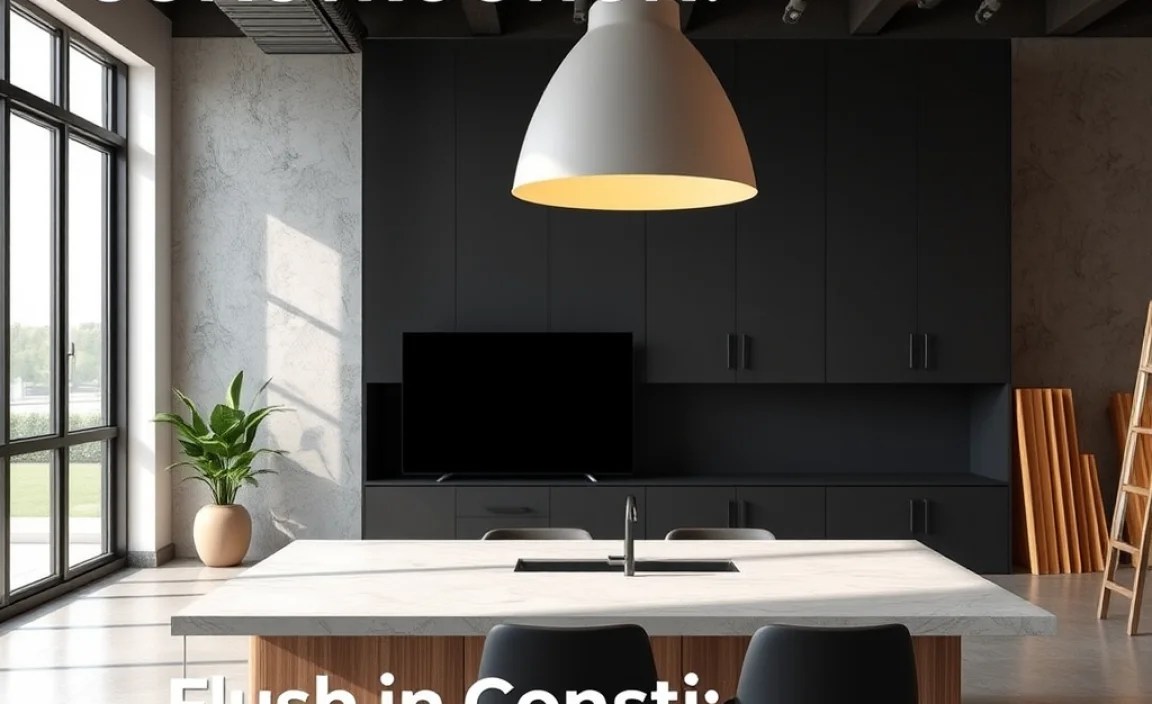
Construction materials also play a role in flush surfaces. Some materials are naturally easier to make flush. Wood is one of them. Skilled workers sand and plane wood to get it flush. Metal is another material. It’s often used for flush surfaces. It can be molded and shaped easily. Concrete is another option. It can be poured to create smooth, flush surfaces.
- Wood surfaces are sanded for flushness.
- Metal can be shaped for perfect fits.
- Concrete is poured for smooth surfaces.
- Brick needs careful placement for flush walls.
- Tile requires precise alignment for flush floors.
- Plastic materials can be molded for flush looks.
Builders choose the right materials for each job. For example, wood might be used in a flush ceiling. Metal could be used for flush door frames. Choosing the right material ensures quality. It also affects the time and cost of construction. Knowing the properties of materials helps builders achieve that perfect flush finish. Do you know what material your home is built from?
Fun Fact: Builders have been working with flush wood surfaces for centuries!
Why Is Wood Popular for Flush Surfaces?
Wood is a favorite for flush surfaces. It’s easy to work with. Carpenters can sand it to smoothness. Wood is also versatile. It can be used in many places. From floors to ceilings, wood can fit anywhere. Its natural beauty adds warmth to homes. Builders love wood for its flexibility. It’s easy to shape and join. Have you ever seen a wooden table with a smooth surface?
How Does Metal Compare for Flush Finishes?
Metal is another choice for flush surfaces. It offers strength and durability. Metal frames ensure straight edges. They are used in doors and windows. Metal can be molded precisely. This ensures a flush finish. Many modern buildings use metal. It provides a sleek, clean look. Metal can resist weather better than wood. It’s great for outdoor structures. Have you seen a shiny metal handrail?
Why Is Concrete Used for Smooth Surfaces?
Concrete is popular for smooth surfaces. It’s strong and durable. Builders pour it to create flush floors and walls. Concrete offers stability. It’s used in homes and skyscrapers. Builders can level it before it hardens. This ensures a flush surface. Concrete also resists weather well. It lasts a long time. Many roads and bridges use concrete. Have you walked on a smooth concrete path?
Measuring Flush with Tools
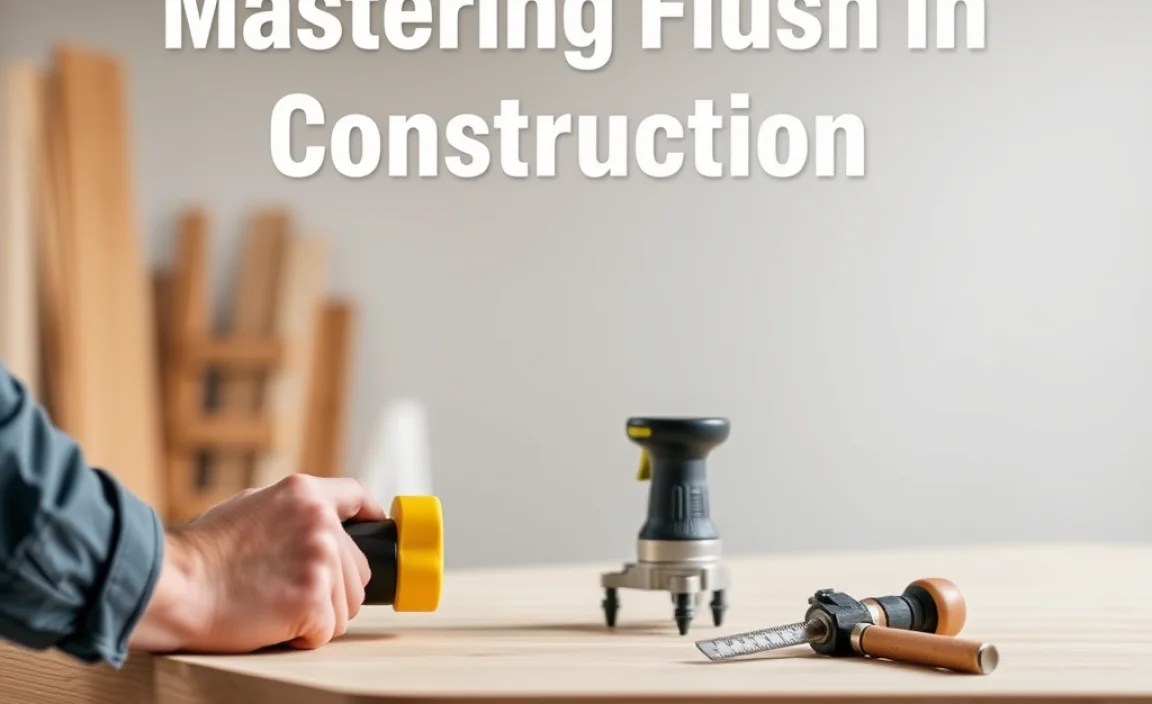
Builders use special tools to measure flush surfaces. The level is a favorite tool. It ensures surfaces are even. A level has a bubble in liquid. When the bubble is centered, the surface is flush. Another tool is the straightedge. It checks for straight lines. Builders also use laser levels. These help with precision and speed. These tools are important for perfect fits.
- Levels ensure even surfaces.
- Straightedges check for straight lines.
- Laser levels provide precision.
- Plumb bobs check vertical flushness.
- Tape measures ensure correct dimensions.
- A square checks corners are flush.
- These tools ensure quality construction.
Using these tools, builders achieve perfect flush surfaces. They check all angles and edges. This ensures a high-quality finish. Properly used, these tools prevent mistakes. They help builders make adjustments as needed. Accurate flush surfaces improve safety and appearance. Builders rely on their tools daily. They know the importance of a good finish. Have you ever watched a builder at work?
Fun Fact: The Egyptians used plumb bobs to build the pyramids!
Why Is a Level Important?
A level is a crucial tool in construction. It checks if surfaces are even. The bubble in the level shows precision. A centered bubble means the surface is flush. This tool is easy to use. Levels come in different lengths. From small pocket levels to large beams. Builders use them for floors, walls, and more. A level ensures quality and safety. Have you seen one in action?
How Do Laser Levels Work?
Laser levels are modern tools. They project a laser beam across surfaces. This beam shows if a surface is flush. It’s precise and quick. Builders love using them for larger projects. Laser levels save time. They work in all lighting conditions. Builders set them up easily. The beam reveals any uneven spots instantly. Have you ever seen a laser pointer? It’s similar!
What Is a Plumb Bob?
A plumb bob is a simple tool. It checks vertical flushness. A plumb bob hangs by a string. Gravity helps it point straight down. Builders use it for walls. It ensures they are perfectly upright. This tool is simple but effective. Many builders keep one handy. It’s been used for ages. From ancient times to now, it remains useful. Have you seen one before?
| Tool Name | Purpose | Usefulness |
|---|---|---|
| Level | Checks even surfaces | Essential |
| Laser Level | Provides precise measurements | Very Useful |
| Plumb Bob | Ensures vertical alignment | Reliable |
| Straightedge | Checks straight lines | Helpful |
Conclusion
The meaning of flush in construction is about even surfaces. Flush surfaces improve safety and beauty. Builders use special tools to achieve them. From wood to metal, flush is crucial. It’s vital in doors, windows, and more. Understanding flush helps in projects and design. Keep an eye out for flush surfaces around you!
FAQs
Question: What does flush mean in construction?
Answer: Flush in construction means surfaces are even or level. This ensures smooth, neat appearances in buildings. It’s important for safety and aesthetics. Flush surfaces prevent gaps, drafts, and improve the overall look.
Question: Why are flush surfaces important?
Answer: Flush surfaces are important for safety and appearance. They prevent tripping hazards and make buildings look better. Flush surfaces also improve insulation, keeping homes comfortable. They help in weatherproofing too, which protects interiors from drafts and leaks.
Question: How do builders check for flush surfaces?
Answer: Builders use tools like levels, straightedges, and laser levels. These tools help them ensure surfaces are even. The tools are easy to use and very precise. They check floors, walls, doors, and windows for flushness.
Question: What materials help create flush surfaces?
Answer: Wood, metal, and concrete are common materials for flush surfaces. Wood is easy to sand and shape. Metal provides strong, straight lines. Concrete is poured for smooth, even surfaces. These materials ensure high-quality construction.
Question: Can flush surfaces affect energy efficiency?
Answer: Yes, flush surfaces can impact energy efficiency. Flush doors and windows seal better. This prevents drafts and keeps homes warm. It reduces energy use, which saves money. Proper insulation is key to energy efficiency in homes.
Question: How does the meaning of flush in construction relate to safety?
Answer: The meaning of flush in construction ensures safety by reducing trip hazards. Flush surfaces prevent uneven edges and gaps. They help doors and windows seal properly, improving security. Flushness also ensures structural stability in buildings.
