
Minimalist bathroom decor for kids is achievable! Focus on decluttering, choosing simple storage solutions, and selecting functional, easy-to-clean items. This approach creates a calm, organized space that’s safe and stylish for children, making bathroom routines smoother for everyone.
Keeping a kids’ bathroom tidy can feel like a never-ending battle. Toys, toiletries, and towels often end up in a jumble, making the space feel chaotic. You might be frustrated by the mess and the constant effort it takes to get it under control, wondering if a pleasant, clutter-free bathroom is even possible with little ones around. The good news is, it absolutely is! By embracing minimalist principles, you can transform your kids’ bathroom into a serene and functional haven. We’ll walk through simple, practical steps to achieve effortless style and an organized space that’s a joy for both kids and parents.
Let’s dive into creating that calm, easy-to-manage kids’ bathroom!
Why Choose Minimalist Decor for Kids’ Bathrooms?

Opting for a minimalist approach in a child’s bathroom isn’t just about aesthetics; it’s about creating a more functional and peaceful environment. Kids’ bathrooms can quickly become overwhelmed with brightly colored plastic toys, an abundance of toiletries, and scattered accessories. This clutter can lead to stress for both children and parents, making routines like bath time and getting ready for school feel like a chore.
Minimalism, in this context, means focusing on essential items, smart storage, and a simplified color palette. It’s about making the space easy to navigate, clean, and maintain. A clutter-free bathroom can help children feel calmer and more focused, and it certainly makes your life easier when it comes to tidying up. Think of it as creating a blank canvas where necessary items are neatly organized and visually pleasing, rather than a chaotic dumping ground.
Benefits of a Minimalist Kids’ Bathroom

- Reduced Clutter: Less stuff means less to manage and clean.
- Easier Cleaning: Fewer items on surfaces make wiping down and disinfecting simpler.
- Calmer Atmosphere: Neutral colors and organized spaces promote a sense of tranquility.
- Encourages Tidiness: When everything has a place, kids are more likely to put things away.
- Improved Safety: Fewer tripping hazards and less clutter can create a safer environment.
- Cost-Effective: You’ll be more intentional about purchases, buying only what’s needed.
Decluttering: The First Step to Minimalism
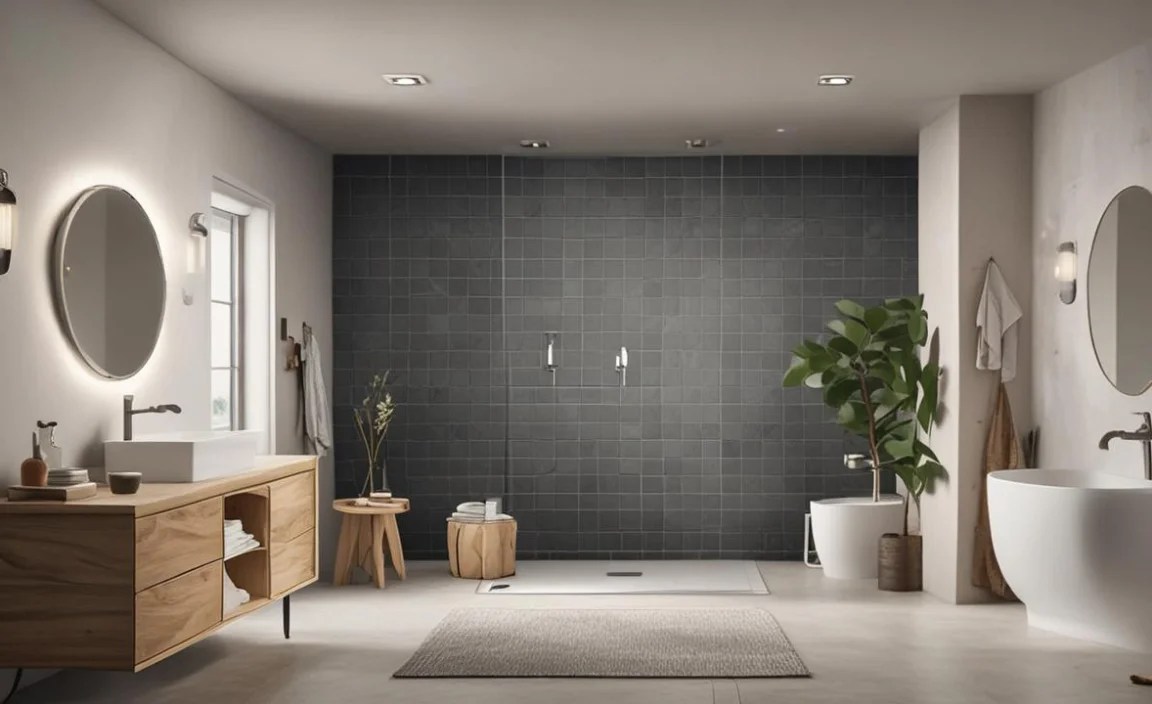
Before you can introduce any new decor, the most crucial step is to declutter. This means taking everything out and sorting through it ruthlessly. Start with a clean slate so you can see exactly what you have and what you truly need.
Step 1: Empty Everything Out
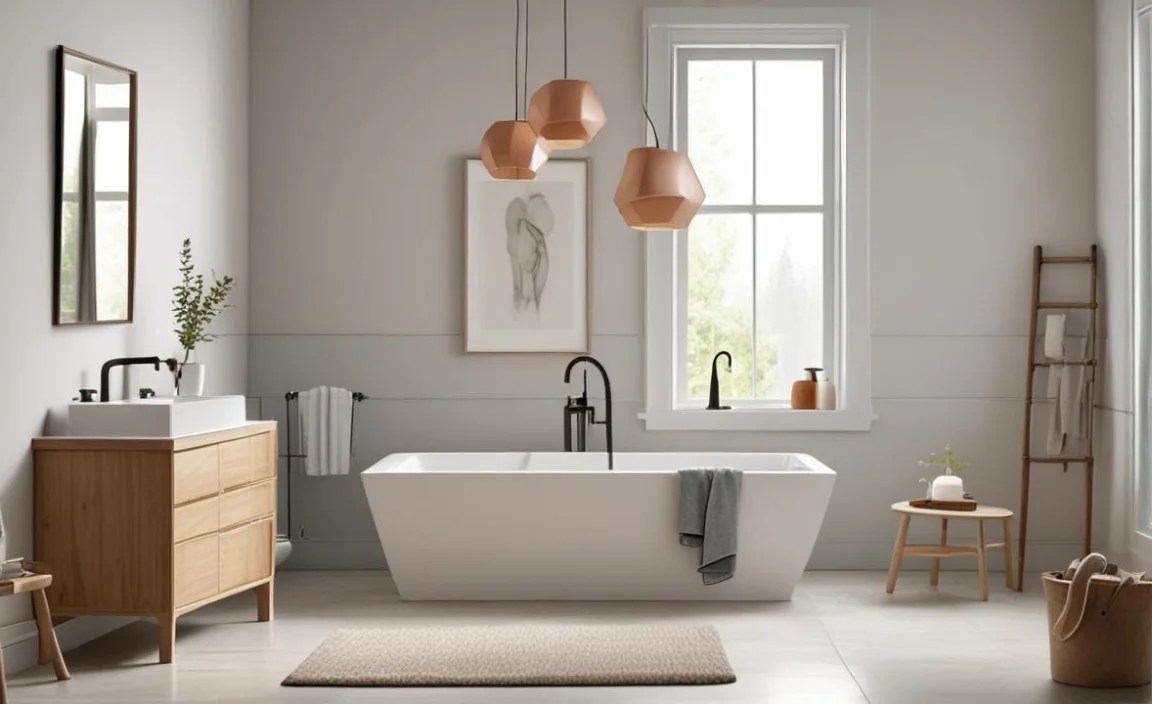
This might seem daunting, but it’s essential. Remove all toys, toiletries, towels, bath mats, and any decorative items from the bathroom. Place them in a temporary location, like the living room floor or a large basket in another room. Having everything out in the open helps you assess the sheer volume of items and makes it easier to see what’s a keeper and what’s not.
Step 2: Sort and Purge
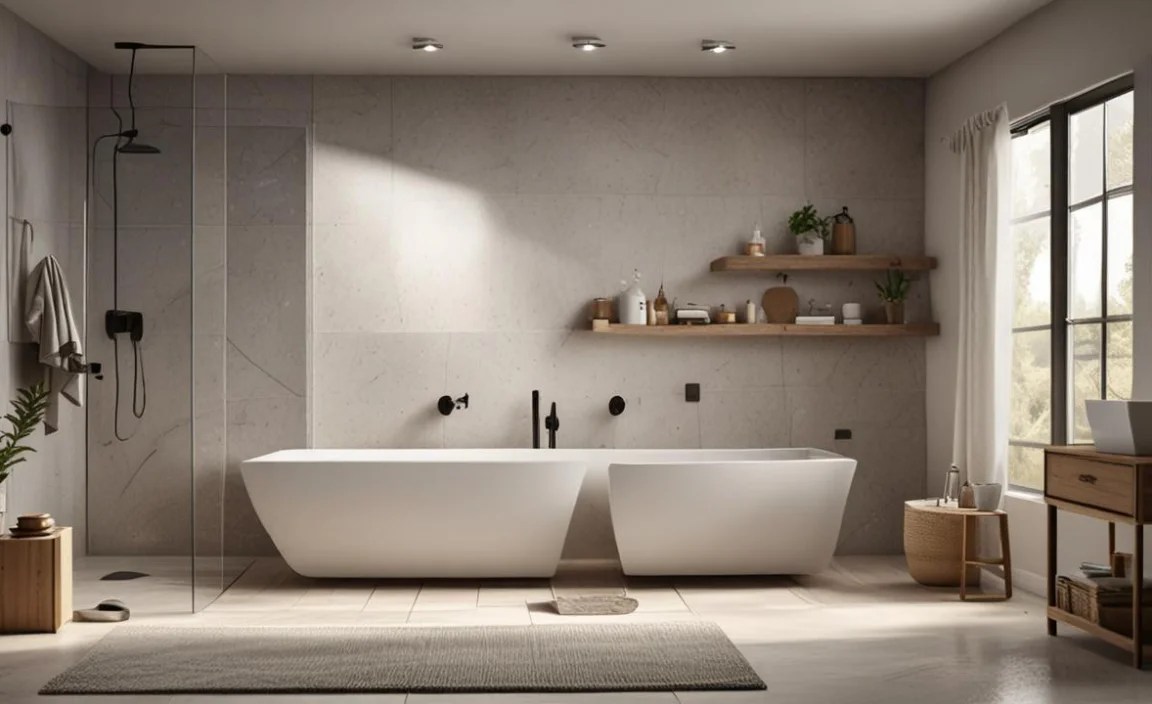
Go through each item category by category. For children’s bath toys, ask yourself:
- Is it broken?
- Does it have mold or mildew that can’t be cleaned?
- Has it been played with in the last six months?
- Are there duplicates?
For toiletries and personal care items, check expiration dates. Discard anything old, empty, or no longer used. For towels and linens, check for excessive wear or stains. Be honest about what’s truly necessary for your child’s daily routine. For more tips on decluttering, you can consult resources from organizations like Sustainable Living, which offer general advice applicable even to specific rooms.
Step 3: Create Piles
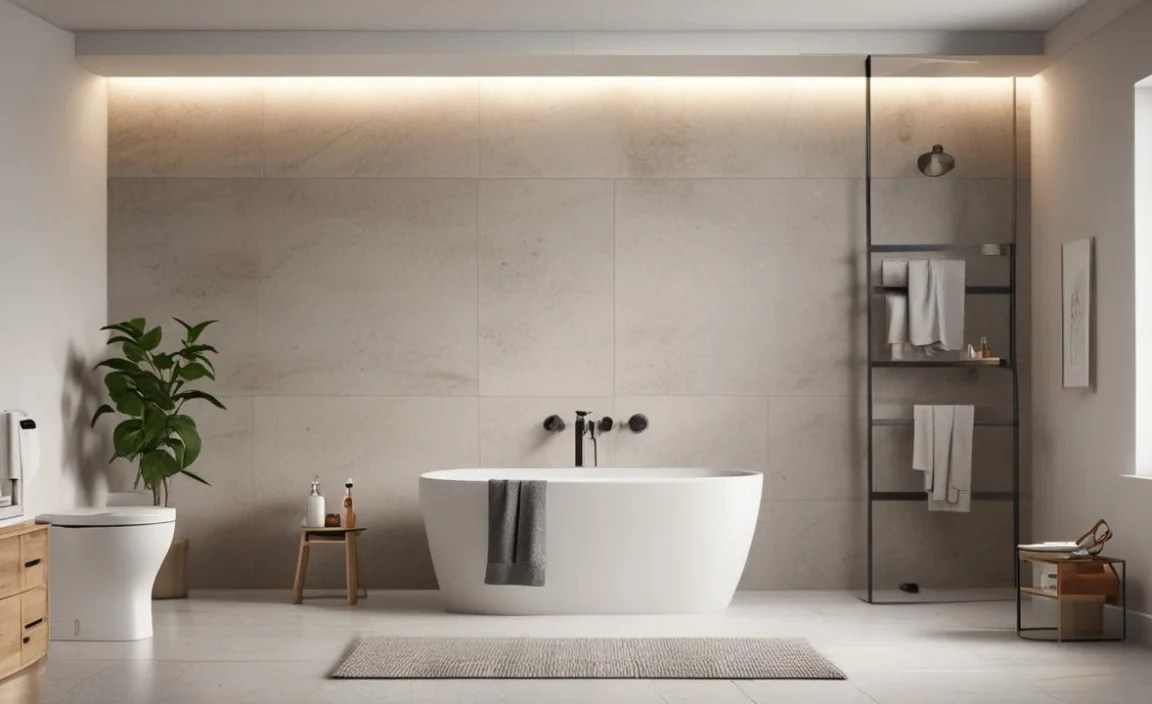
As you sort, create distinct piles:
- Keep: Items you use regularly and need.
- Donate/Sell: Items in good condition that you no longer need.
- Discard: Broken, worn-out, or expired items.
- Relocate: Items that belong in another room.
This systematic approach ensures that you are only keeping what is essential and functional for the bathroom space.
Smart Storage Solutions for a Clutter-Free Zone
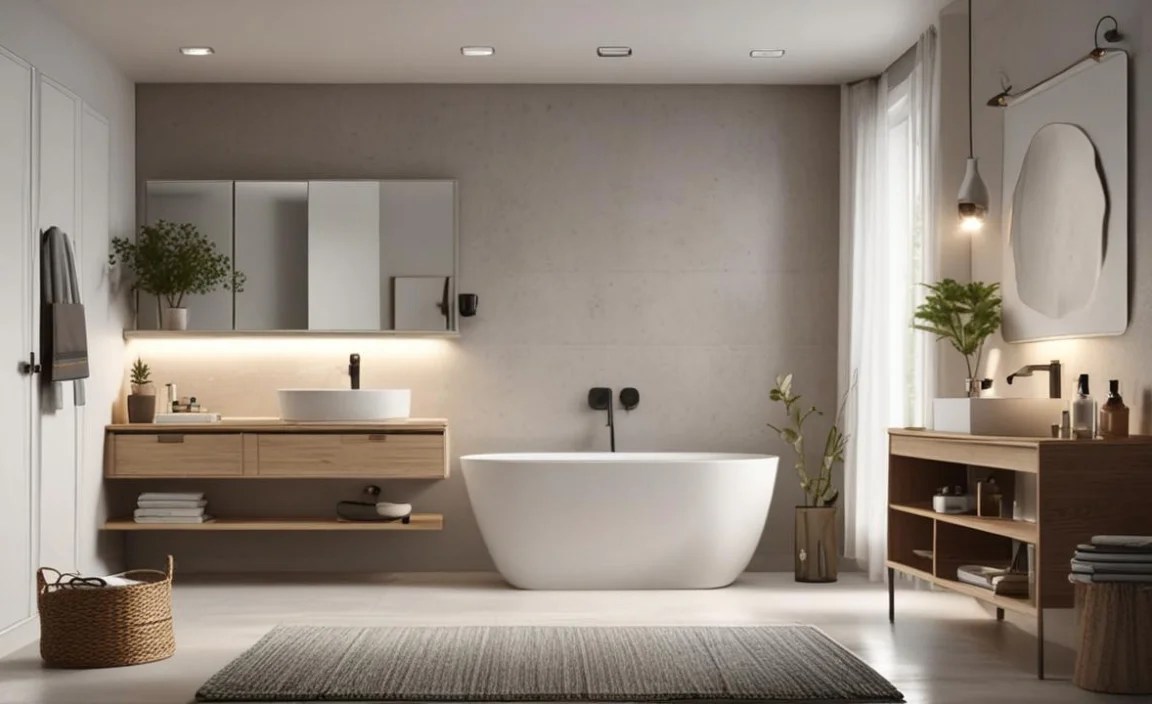
Once you’ve decluttered, the next step is to implement smart storage solutions. The goal is to keep items organized, accessible, and out of sight when not needed. Minimalism thrives on order, and thoughtful storage is key to achieving this.
1. Wall-Mounted Shelving and Cabinets
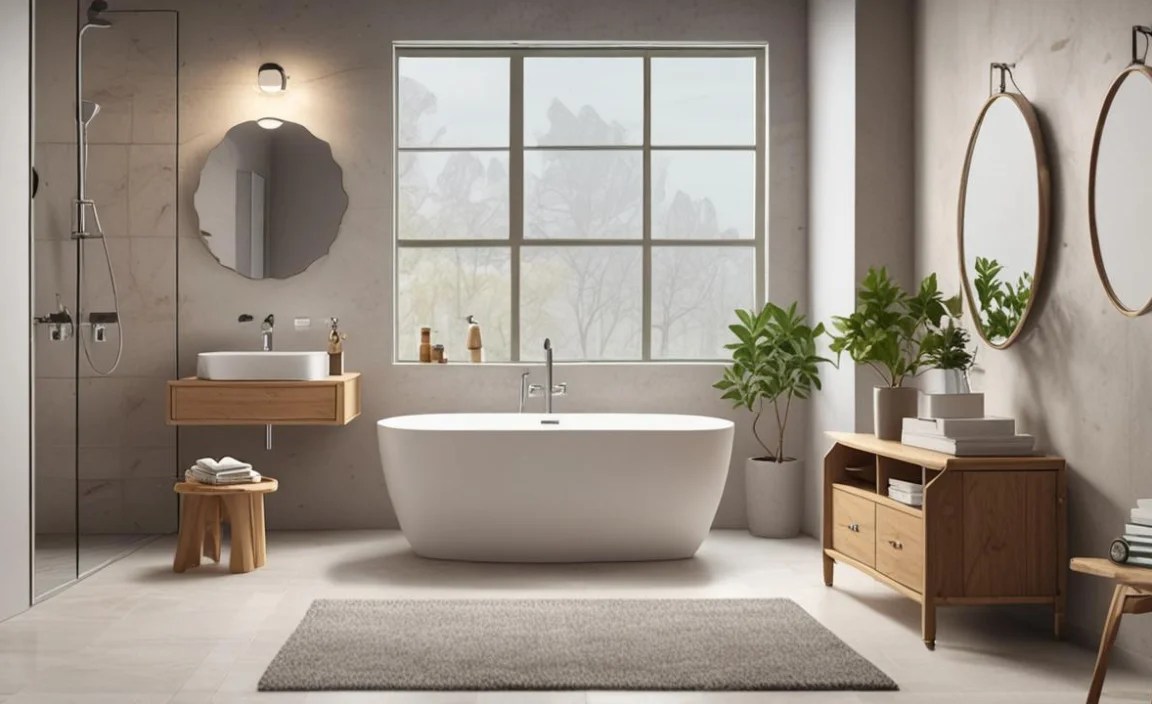
Utilizing vertical space is a hallmark of minimalist design. Wall-mounted shelves or a slim cabinet can provide crucial storage without taking up valuable floor space. This is excellent for storing spare towels, toiletries, or even a few carefully selected decorative items.
- Open Shelving: Use for items that look good on display, like neatly folded towels or attractive storage baskets.
- Closed Cabinetry: Ideal for hiding less attractive items like cleaning supplies or extra toothpaste.
When choosing shelves, opt for simple designs in neutral colors or natural materials like wood or sleek metal. Ensure they are securely mounted for safety, especially in a child’s bathroom.
2. Under-Sink Organizers
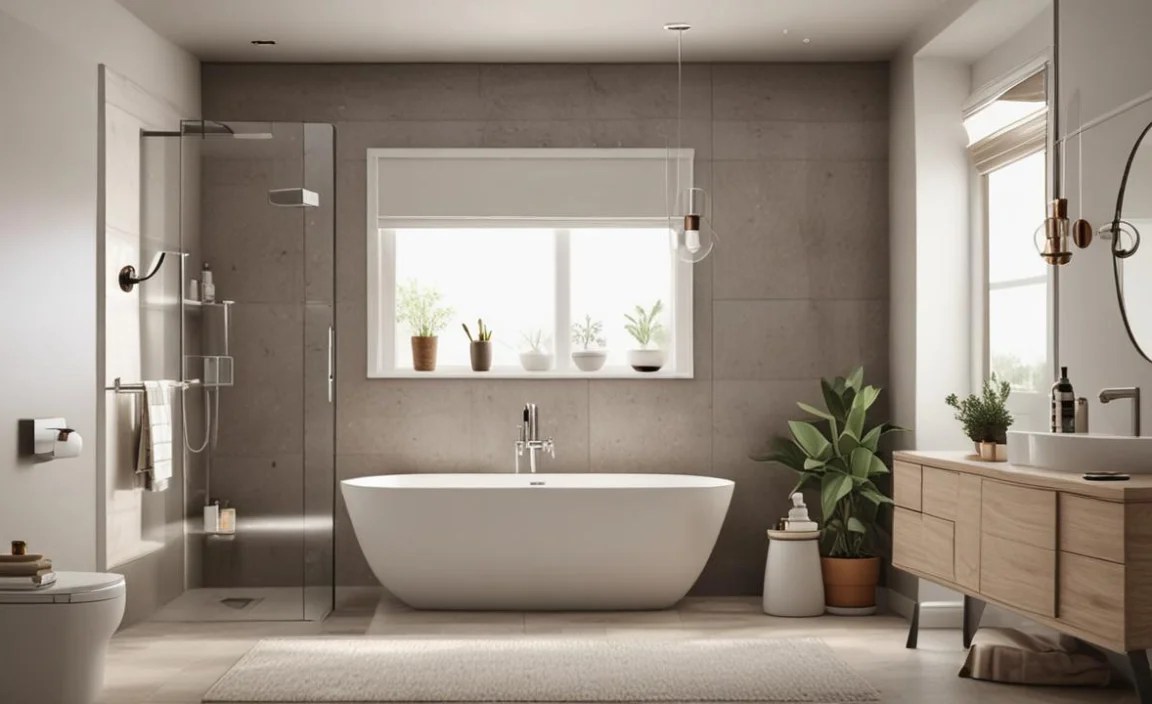
The space under the sink is often a black hole of cleaning supplies and miscellaneous items. Using tiered drawers, pull-out bins, or stackable containers can transform this area into an organized storage hub. This keeps cleaning products safely out of reach of children while also making them easy to access when needed.
3. Baskets and Bins
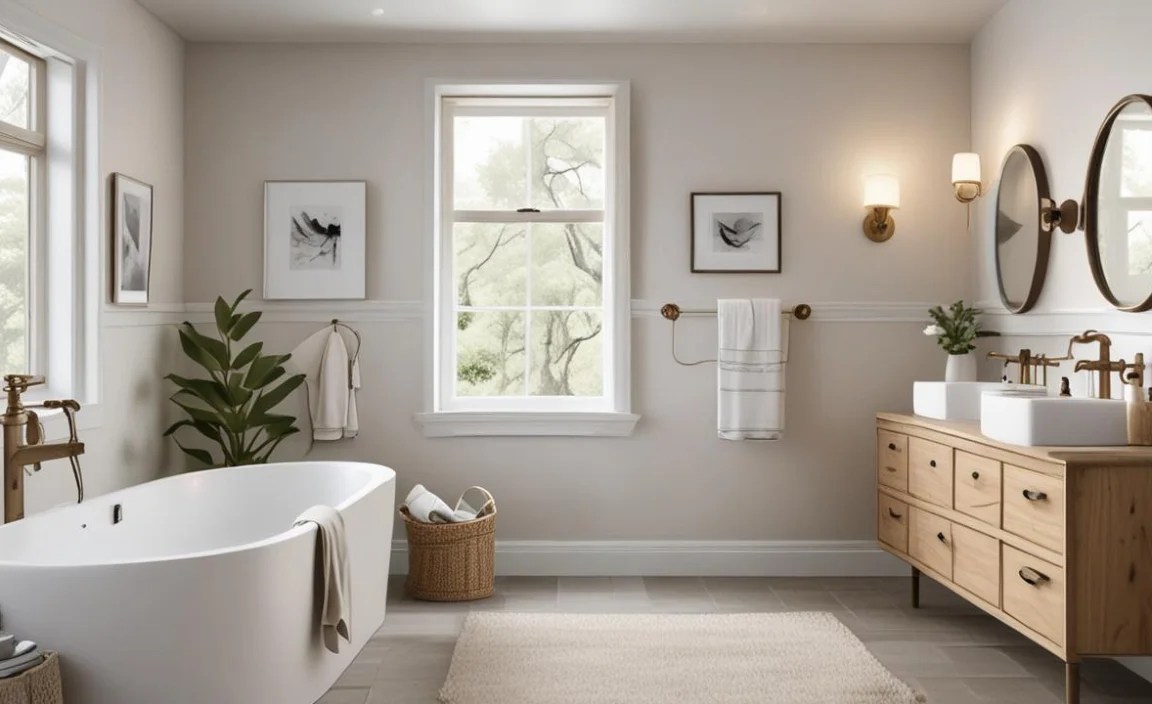
Baskets and bins are your best friends in minimalist decorating. They help group similar items together and keep them contained. For kids’ bath toys, a mesh or perforated bin is ideal, as it allows water to drain and toys to dry, preventing mold and mildew.
- Toy Bins: Choose breathable materials. Suction cup toys can be stored in wall-mounted holders.
- Drawer Organizers: Use these for smaller items like toothbrushes, toothpaste, hair ties, or first-aid supplies.
- Open Baskets: Great for easy access to items used daily, like washcloths or a specific set of bath toys.
Look for baskets made from natural materials like woven seagrass or simple, clean-lined plastic in neutral tones (white, grey, beige) rather than bright, distracting colors.
4. Over-the-Toilet Storage
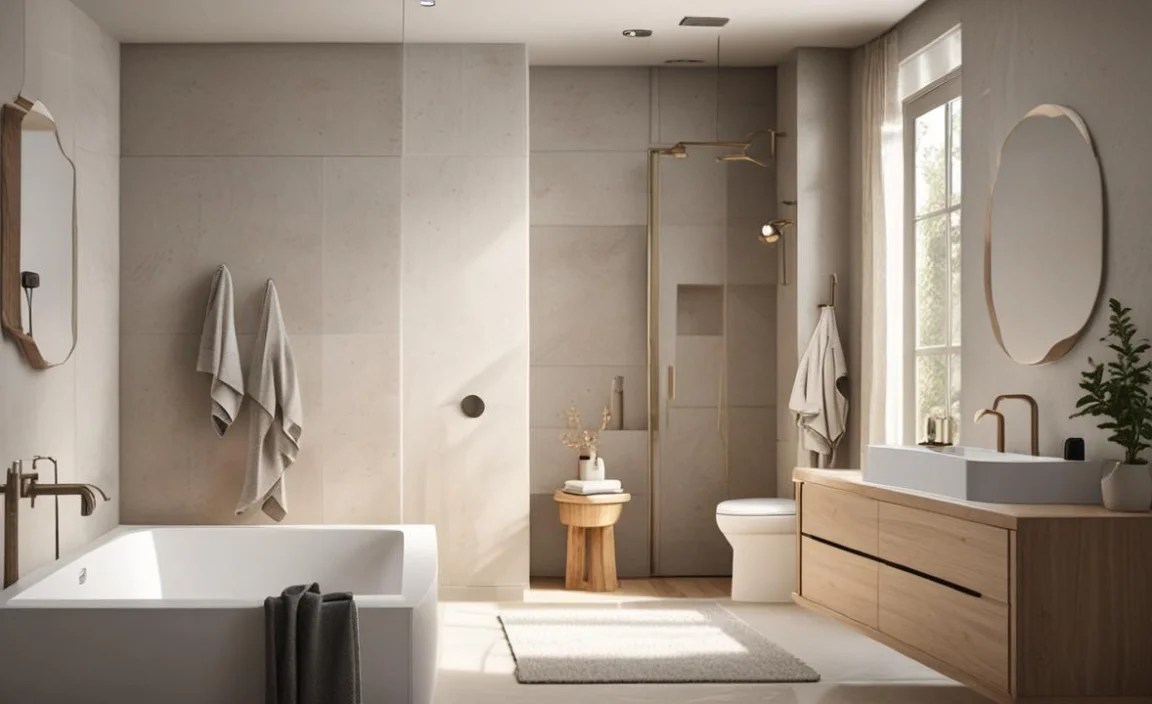
If you lack ample cabinet space, consider an over-the-toilet shelving unit. These units are designed to fit around the toilet and provide valuable storage for towels, toilet paper, or decorative items. Opt for a sleek, modern design to maintain the minimalist aesthetic.
5. Drawer Dividers
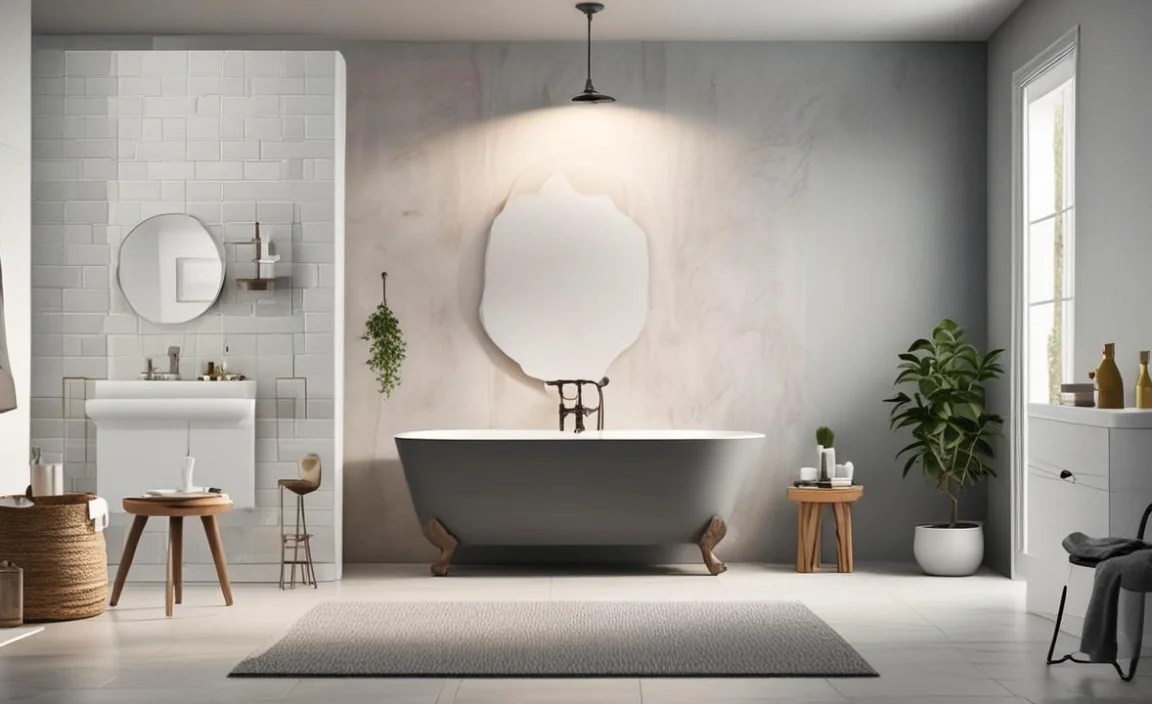
Even in a minimalist bathroom, drawers can get messy. Drawer dividers allow you to create separate compartments for different items, such as toiletries, first-aid supplies, or hair accessories. This keeps everything neat and easy to find.
Choosing a Minimalist Color Palette and Materials

The color palette and materials you choose play a significant role in creating a minimalist bathroom. The aim is to foster a sense of calm and simplicity. Avoid overwhelming patterns and garish colors.
1. Neutrals are Key
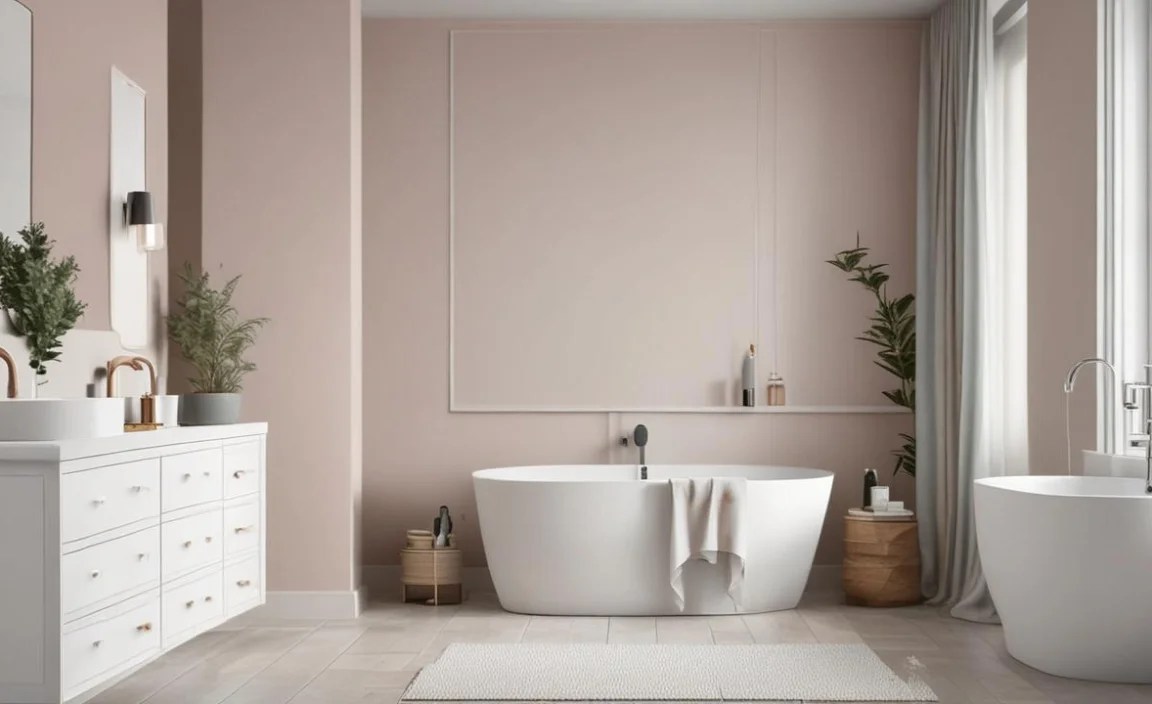
Stick to a foundation of neutral colors. Think whites, creams, soft grays, and muted beiges. These colors create a serene backdrop and make the space feel larger and cleaner.
- Walls: Paint walls in a soft, neutral shade.
- Tiles: Opt for subway tiles in white or light grey for a timeless, clean look.
- Linens: Choose towels, bath mats, and shower curtains in solid neutral colors.
You can introduce subtle pops of color through accessories, but keep them sparse and intentional.
2. Natural Materials
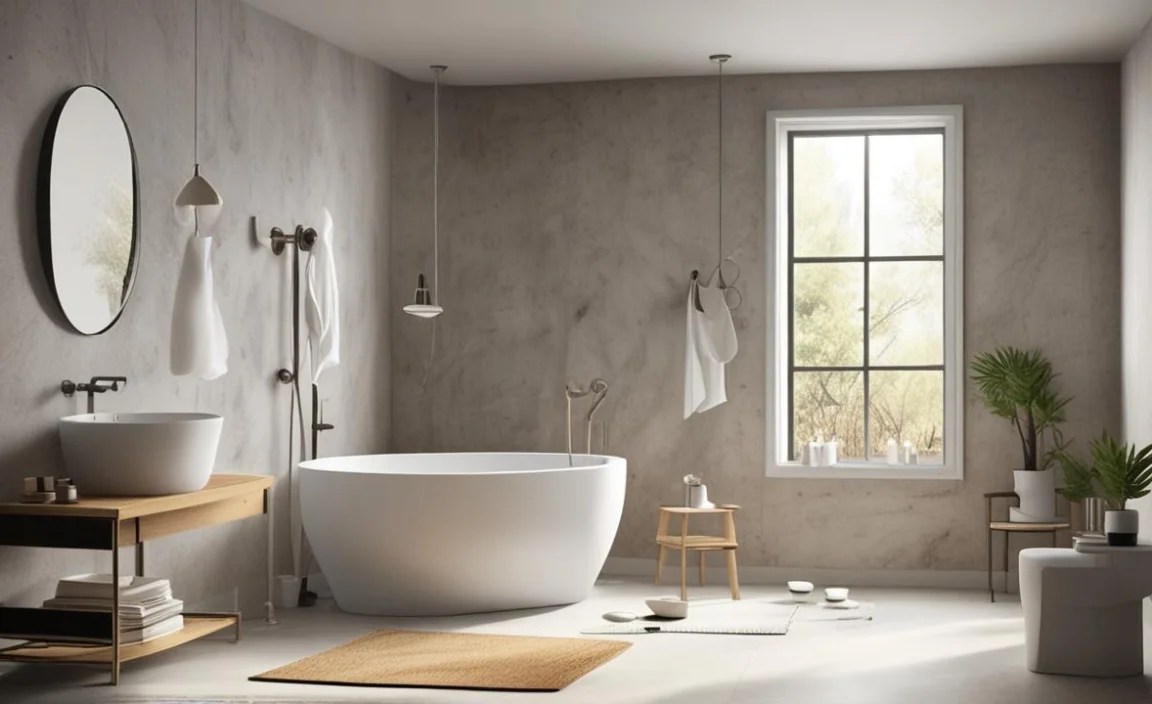
Incorporate natural materials to add warmth and texture to your minimalist space. Wood, bamboo, and natural stone elements can bring a touch of organic beauty.
- Wooden Accents: A wooden caddy for toiletries, a bamboo toothbrush holder, or a small wooden stool can add warmth.
- Textured Linens: Opt for towels with a subtle texture rather than a plain weave.
Ensure any wooden elements are sealed and suitable for a humid environment like a bathroom.
3. Simple Fixtures and Hardware
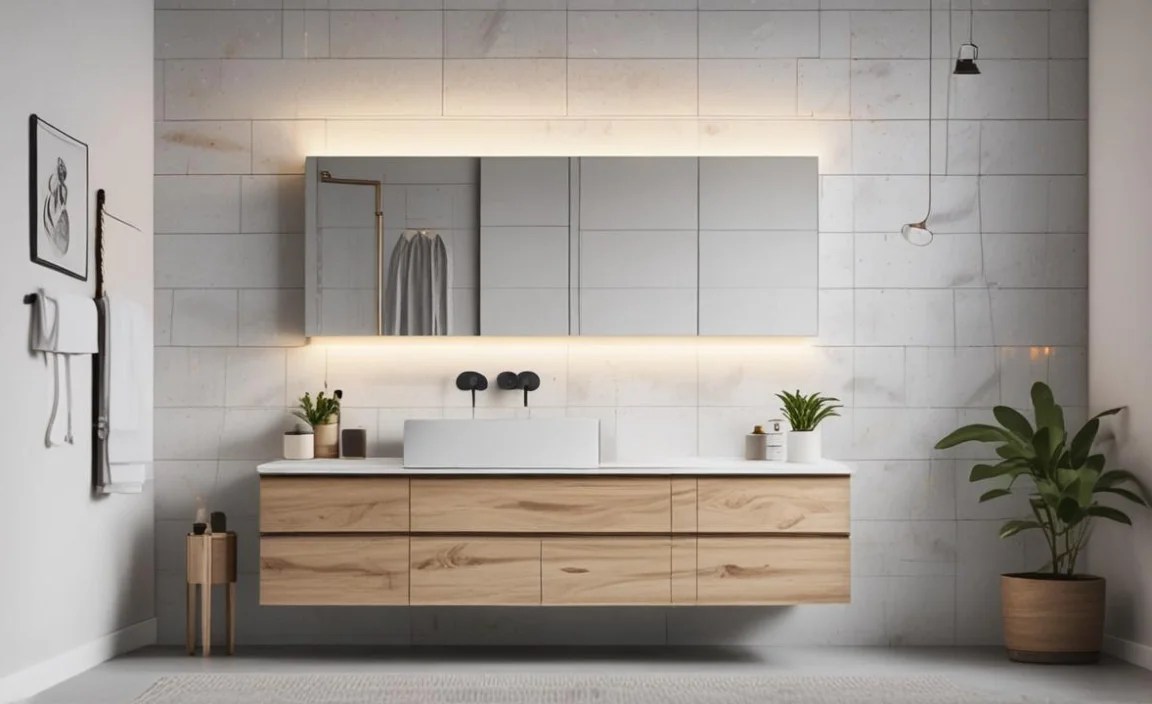
When selecting new fixtures or hardware, choose clean lines and simple designs. Brushed nickel, matte black, or chrome finishes are excellent choices. Avoid overly ornate or fussy styles. A single, high-quality faucet can make a bigger statement than multiple decorative elements.
For a deeper understanding of materials and their suitability for damp environments, resources from Tooling.com on metal finishes can provide valuable insights into durability and aesthetics.
Functional and Stylish Decor Elements
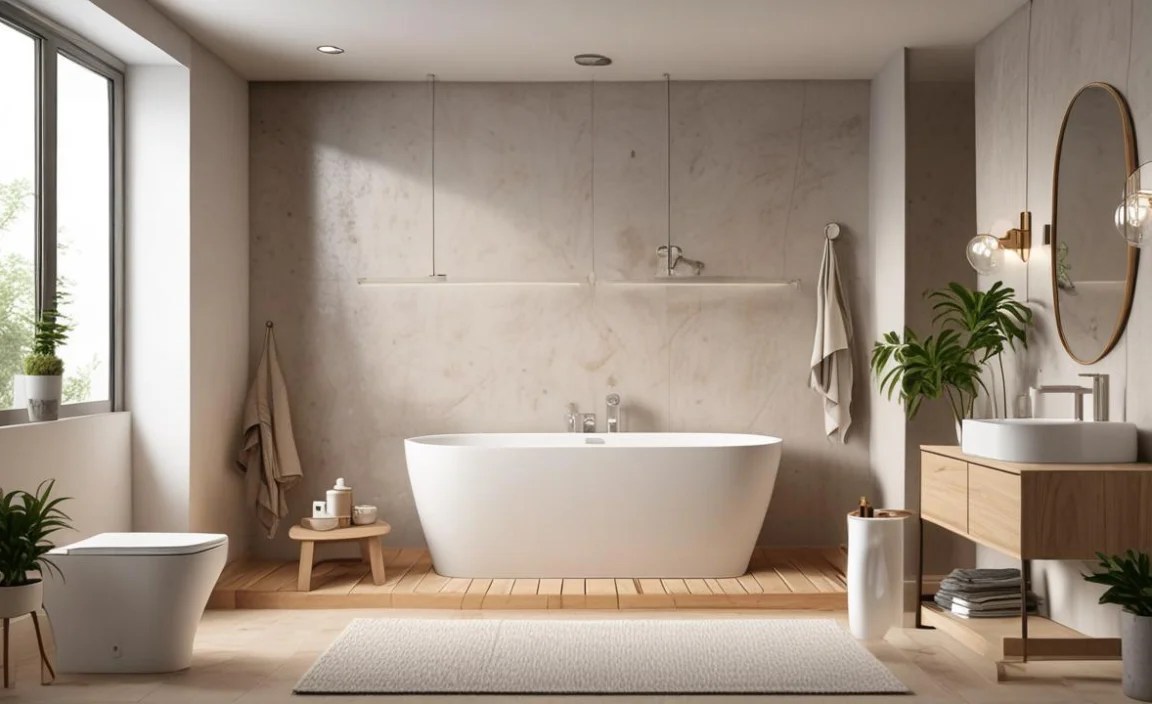
Minimalism doesn’t mean boring. It means choosing functional items that also happen to be stylish. Every piece should serve a purpose and contribute to the calm aesthetic.
1. Framed Art or Mirrors
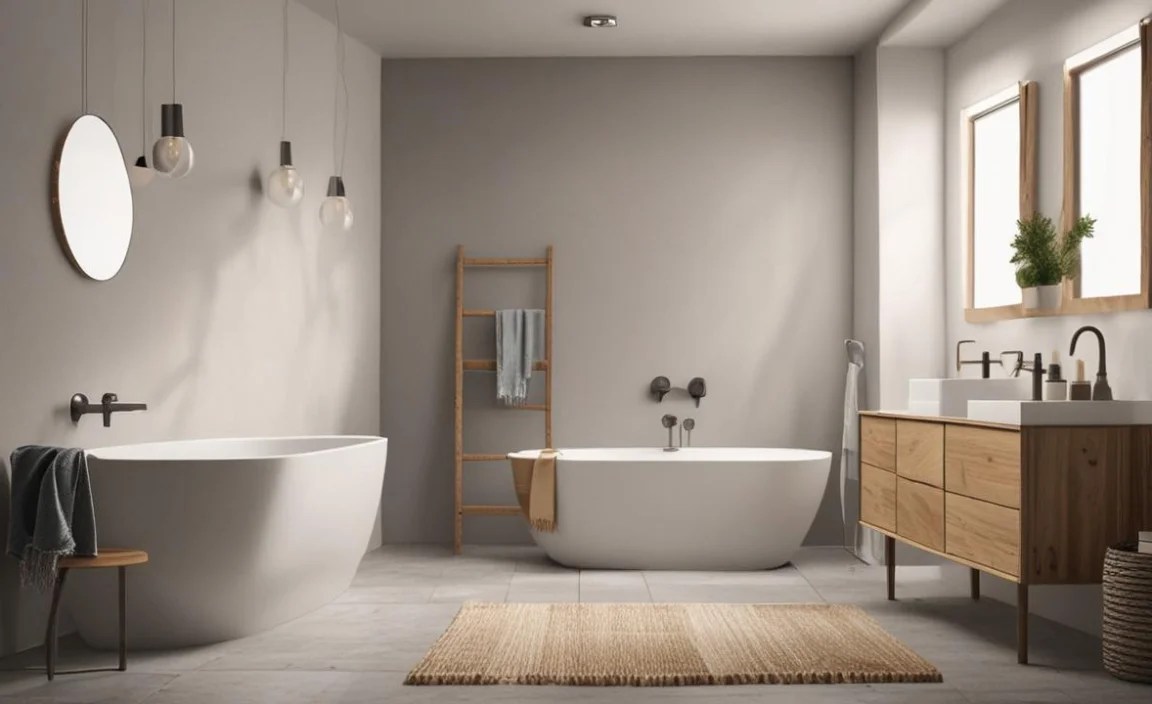
A simple, well-chosen piece of art or a mirror can enhance the space without adding clutter. A large mirror can make the bathroom feel bigger and brighter. If you opt for art, choose a piece with a calm subject or abstract design in muted tones. A simple frame in wood or matte black will complement the minimalist style.
2. Quality Towels and Linens
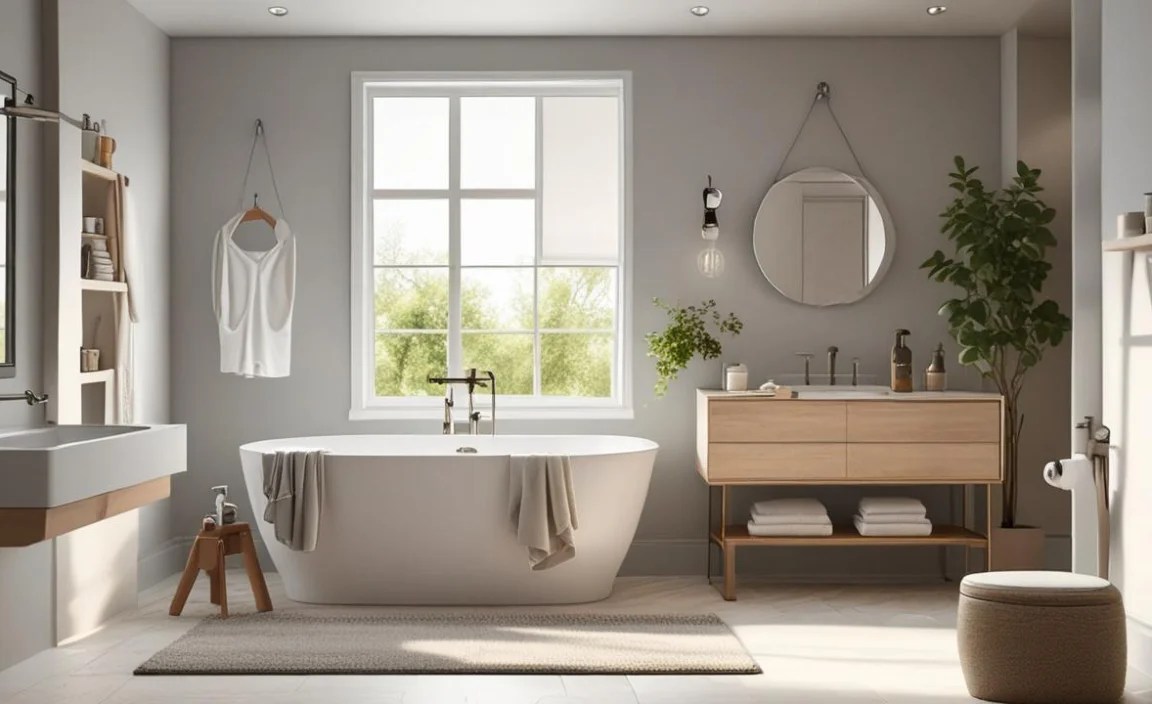
Invest in high-quality, soft towels in a consistent neutral color. This makes a significant visual impact. Neatly folded towels on a shelf or hung tidily can be a decorative element in themselves. A simple, solid-colored shower curtain, perhaps in a linen or textured fabric, will fare much better than a busy pattern.
3. A Single Plant (Optional)
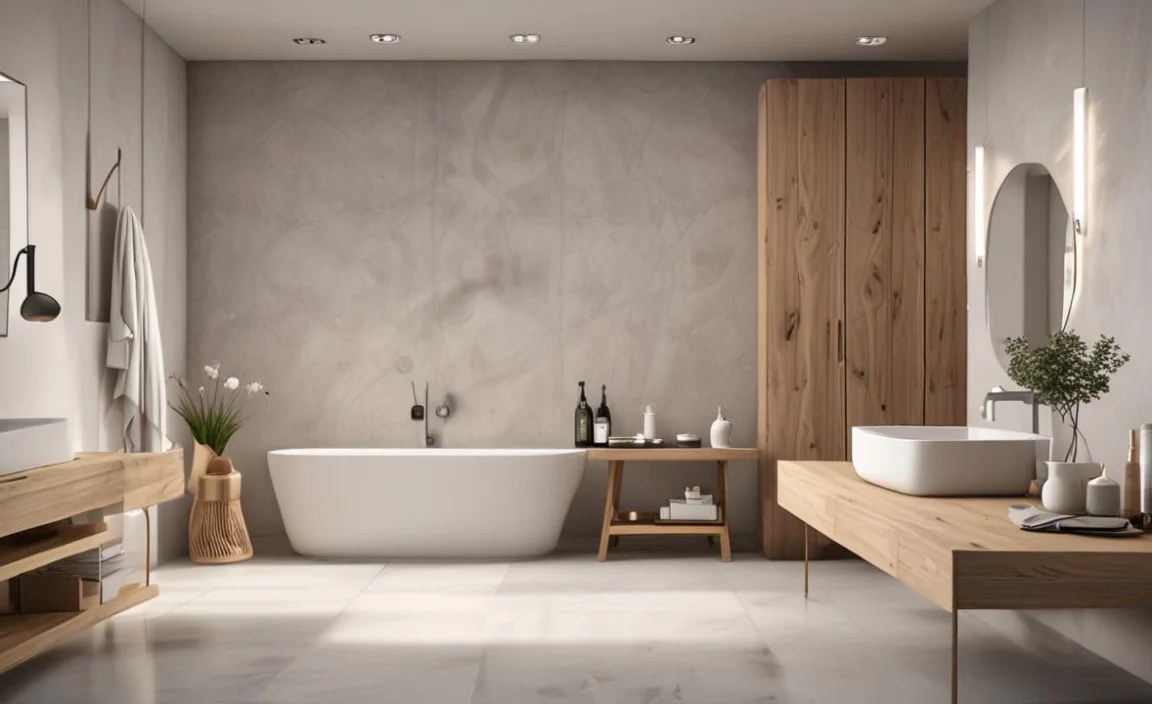
If your bathroom has adequate light and ventilation, a small, low-maintenance plant can add a touch of life and color. Choose a plant known for its air-purifying qualities and place it in a simple ceramic pot. Examples include a snake plant or a ZZ plant.
4. Minimalist Bath Toys
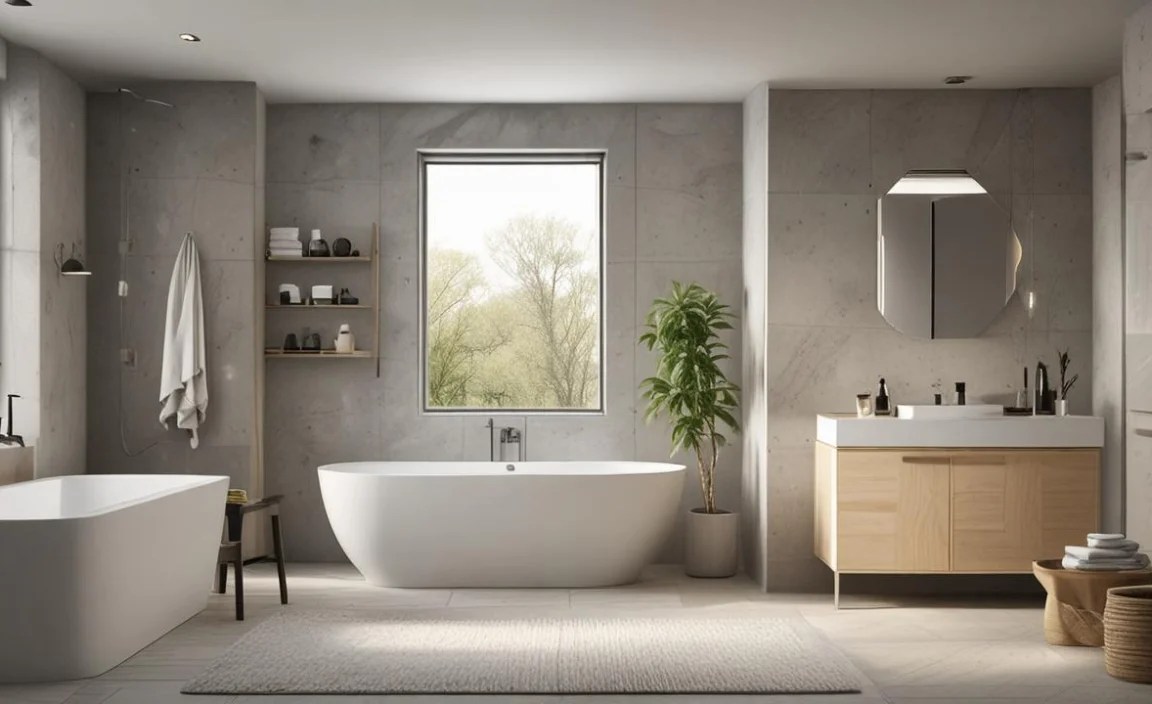
If you must have toys in the bathroom, choose a few well-selected, aesthetically pleasing options. Wooden bath toys, or those in muted, natural colors, can look much better than brightly colored plastic. Store them neatly in a designated bin.
Creating a Kid-Friendly Yet Minimalist Space
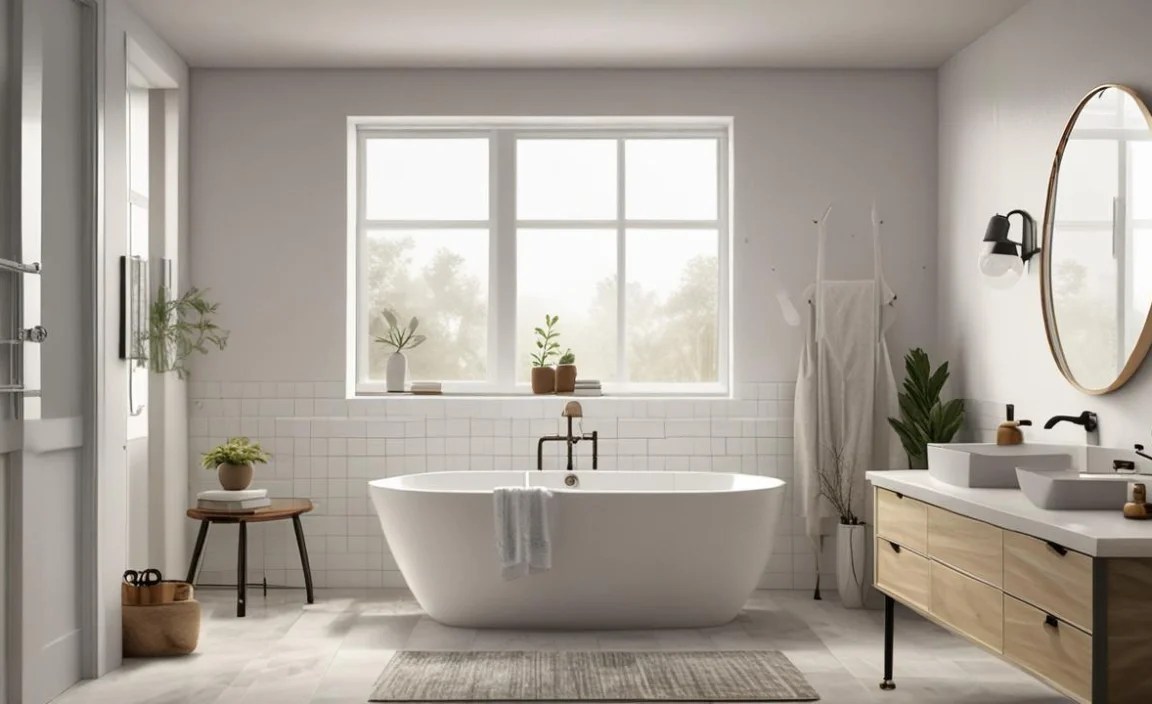
The challenge with kids’ rooms is making them fun and accessible while maintaining a minimalist ethos. It’s about finding a balance between practicality and simplicity.
Child-Sized Accessibility
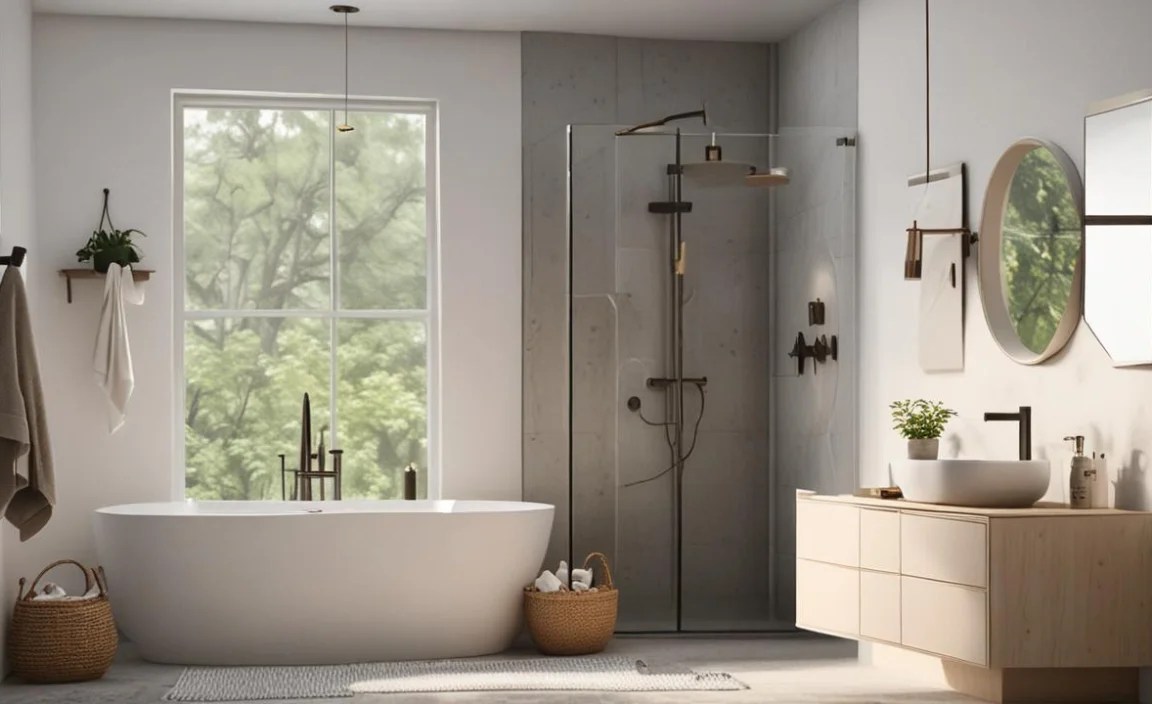
Ensure that frequently used items are easily accessible for your children. This might mean a low shelf for their toothbrush and cup, or a step stool that is neatly stored when not in use.
- Step Stool: A simple, sturdy wooden or white step stool for reaching the sink.
- Toothbrush Holder: A wall-mounted or countertop holder that keeps toothbrushes tidy.
- Easy-Access Bins: For bath toys, keep a bin low enough for them to reach.
Safety First
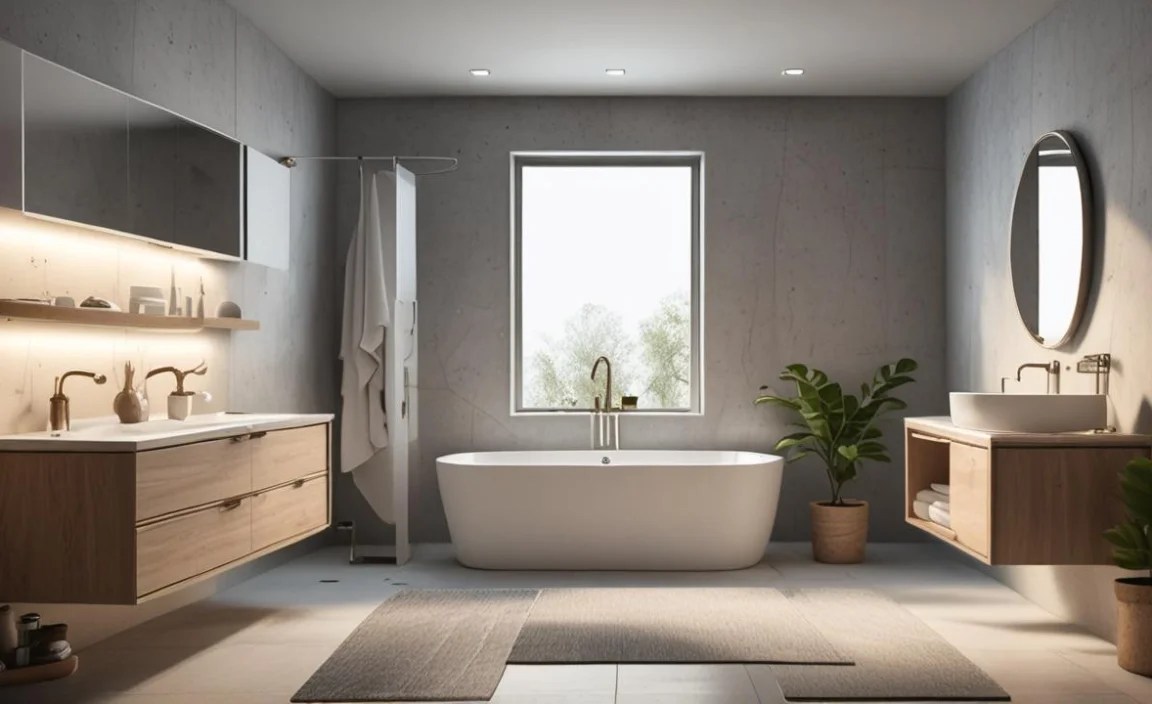
Minimalism often lends itself to safety. Fewer items on the floor mean fewer tripping hazards. Ensure all wall-mounted items are securely fastened. Non-slip mats are essential, and choosing one in a neutral color will maintain the aesthetic.
Incorporating Subtle Fun
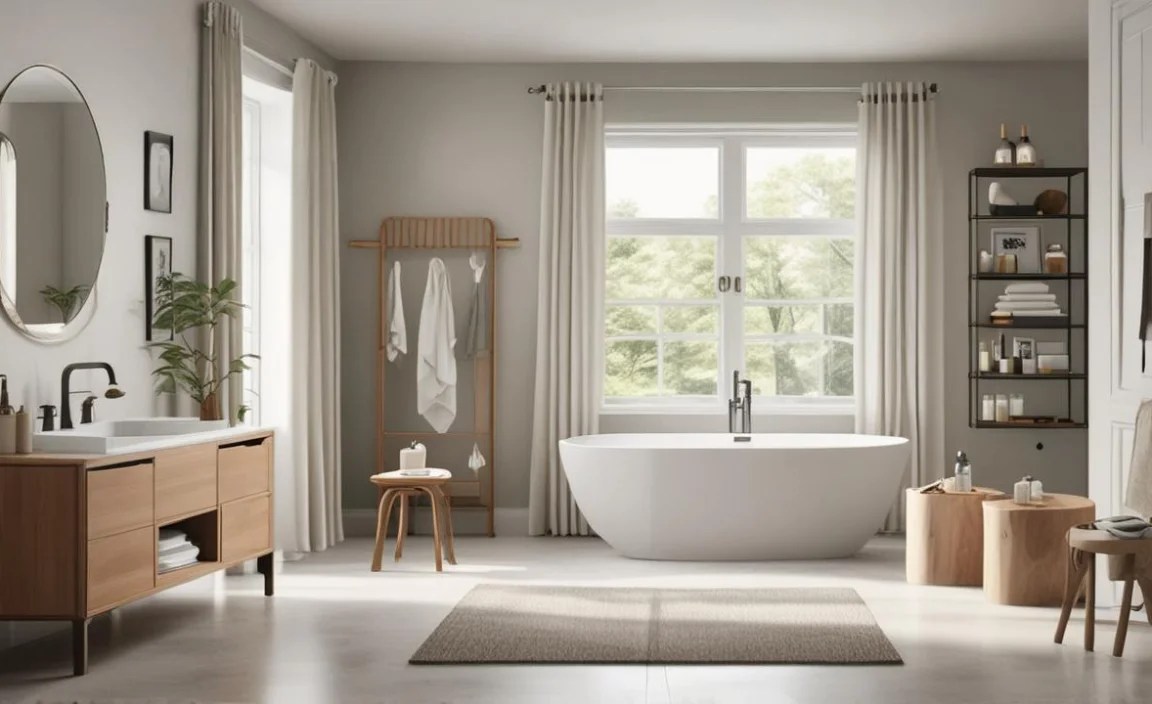
While bright colors are generally avoided in minimalism, you can introduce small, fun elements that don’t overpower the space.
- Color-Coordinated Accessories: Have their toothbrush, cup, and soap dispenser in a coordinating, perhaps slightly brighter, but still muted color.
- Themed Storage: For instance, a seagrass basket could be a “treasure chest” for bath toys.
- Removable Wall Decals: Choose a few simple, removable decals (like stars or clouds) in a subtle color for a touch of whimsy.
Maintaining Your Minimalist Kids’ Bathroom
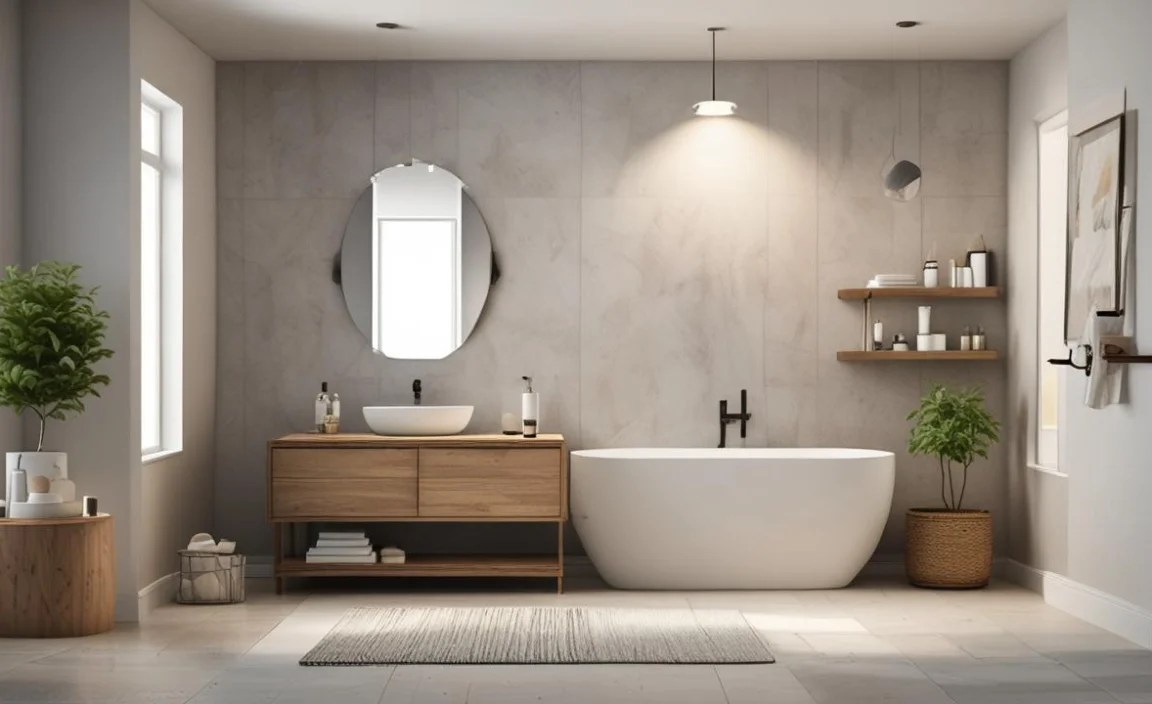
The beauty of a minimalist bathroom is its ease of maintenance. However, consistency is key to keeping it that way.
Daily Tidy-Up Routine
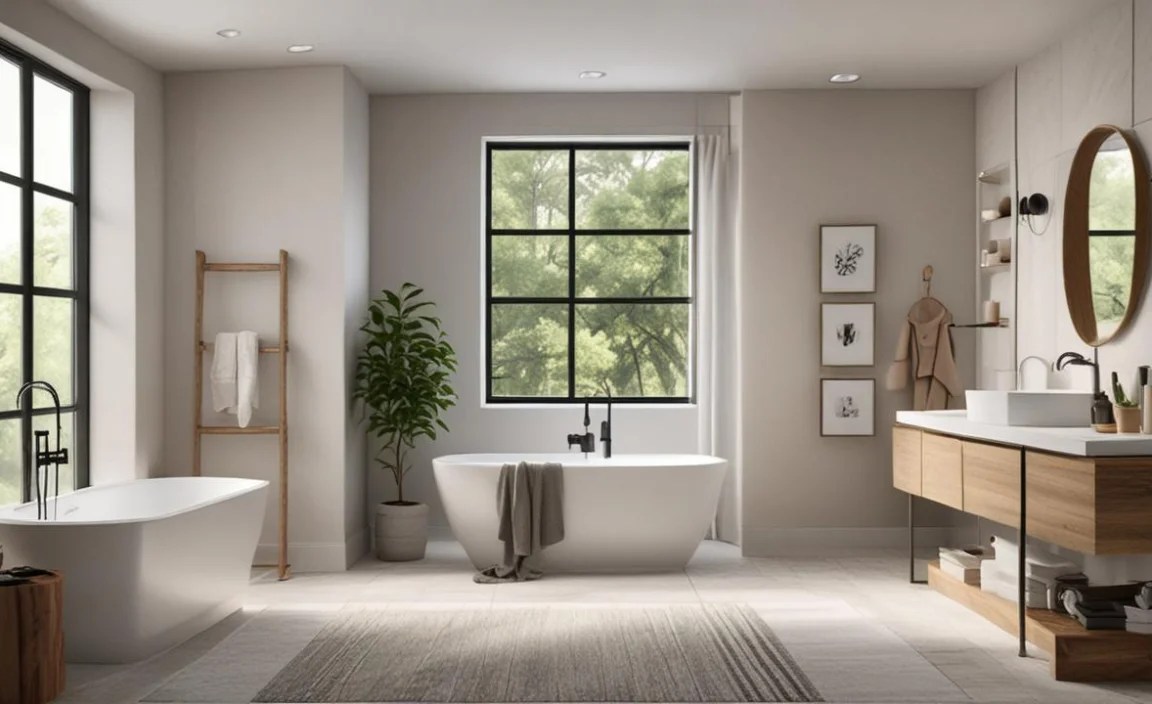
Implement a quick, daily tidy-up. This could be part of the bedtime routine::
- Put bath toys back in their designated bin.
- Hang towels to dry.
- Wipe down the sink counter.
Involving children in this routine, even with simple tasks, helps them develop good habits.
Weekly Deep Clean
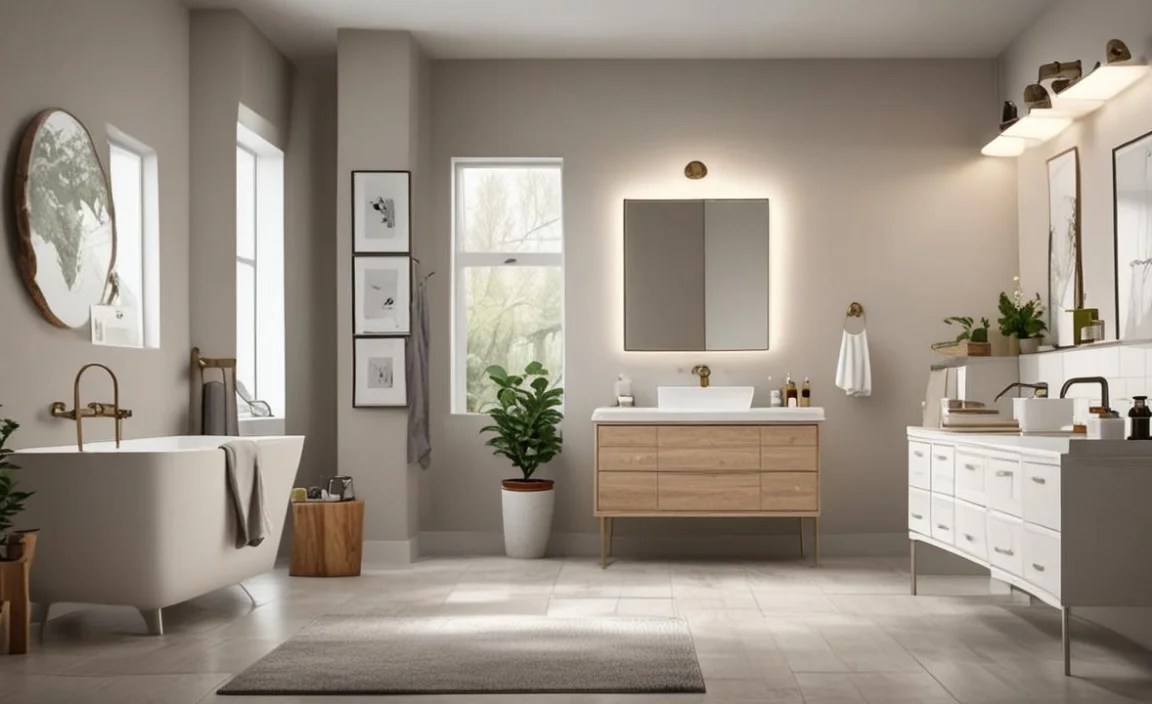
Dedicate a bit more time weekly for a thorough clean. This includes scrubbing the shower, cleaning the toilet, and wiping down all surfaces. With less clutter, this task should be significantly faster.
Regular Decluttering
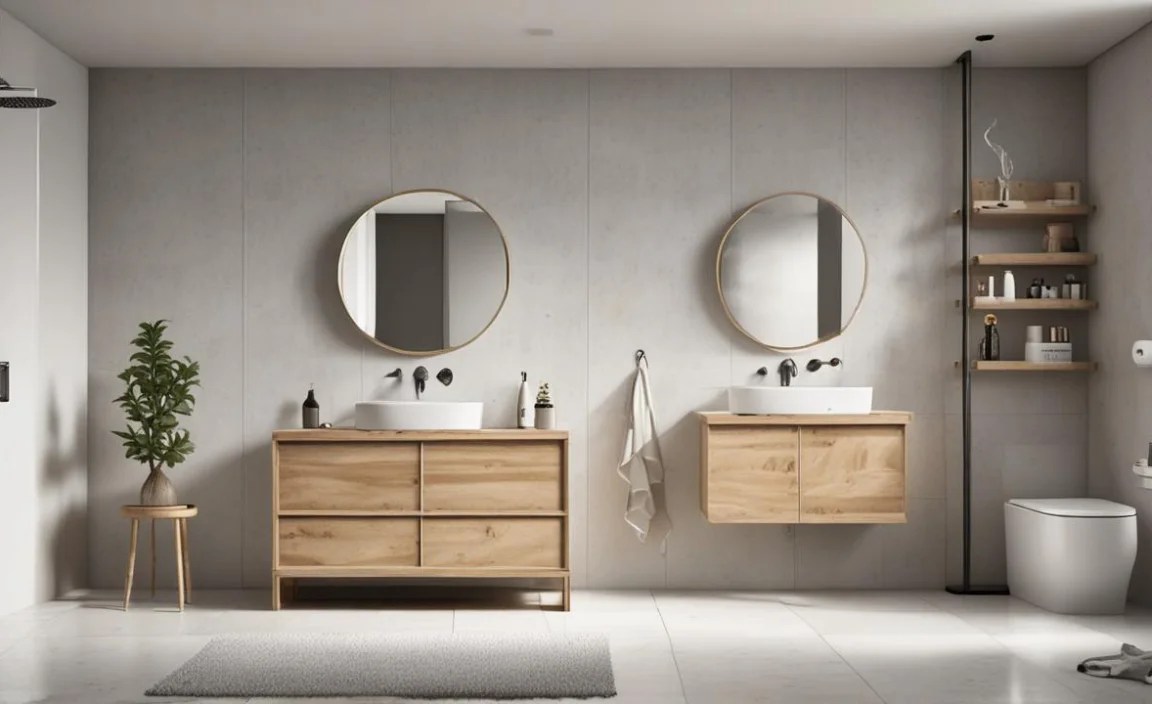
Periodically, perhaps every few months, do a quick review of what’s in the bathroom. Check toy condition, toiletries, and discard anything that’s no longer needed. This prevents clutter from creeping back in.
Examples of Minimalist Bathroom Decor Elements
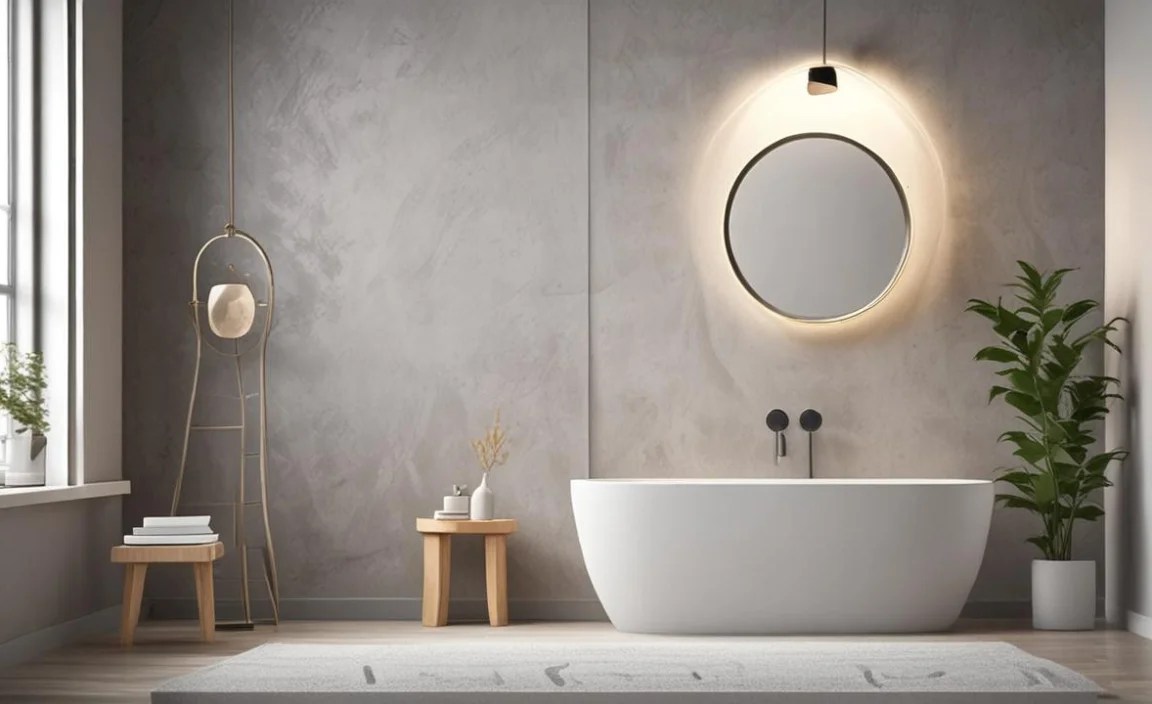
To visualize the concept, here are some examples of items that fit a minimalist aesthetic for a kids’ bathroom:
| Item Category | Minimalist Choice | Functional Purpose |
|---|---|---|
| Toy Storage | White mesh or louvered bin, wall-mounted net | Dries toys, prevents mold, keeps floor clear |
| Towels | Solid grey or white cotton towels, neatly folded | Absorbent, soft, visually calming |
| Toothbrush Holder | Sleek ceramic or brushed nickel holder on the counter or wall-mounted | Keeps toothbrushes organized and hygienic |
| Shower Curtain | Solid linen-look or plain white fabric | Provides privacy, stylishly simple |
| Waste Bin | Small, slim stainless steel or white bin | Keeps trash contained |
| Mirror | Simple frameless or thin-framed mirror | Reflects light, makes space feel larger |
Frequently Asked Questions (FAQ)
Q1: How do I keep kids’ bath toys from getting moldy in a minimalist bathroom?
A1: Use mesh or perforated storage bins that allow for good airflow. Squeeze excess water from toys after use and hang them to dry completely. Regularly clean the toy bin itself.
Q2: What kind of colors should I use for a minimalist kids’ bathroom?
A2: Stick to a base of neutrals like white, grey, beige, or cream. You can add very subtle, muted accent colors through accessories if desired, but keep it simple and harmonious.
Q3: Can I still have some fun decor in a minimalist kids’ bathroom?
A3: Absolutely! Opt for functional decor like nice soap dispensers, a simple framed print, or a small, low-maintenance plant. Removable wall decals in subtle patterns can also add a touch of fun without permanent commitment.
Q4: How do I make sure my child can reach everything they need?
A4: Use child-friendly step stools that can be stored neatly. Place frequently used items like their toothbrush and cup on a lower shelf or in an easily accessible bin. Focus on items they use daily.
Q5: What are the best materials for a minimalist kids’ bathroom?
A5: Natural materials like wood (properly sealed) and bamboo add warmth. For fixtures and hardware, brushed nickel, matte black, or chrome offer clean, modern looks. For textiles, opt for good quality cotton or linen-look fabrics.
Conclusion
Transforming your kids’ bathroom into a minimalist haven is a journey toward more serenity and less stress. By prioritizing decluttering, implementing smart and simple storage, and choosing a calming palette with functional decor, you can create a space that is both beautiful and incredibly practical. Remember, minimalism for kids isn’t about deprivation; it’s about intentionality. It’s about making the bathroom a place that’s safe, easy to clean, and a calm retreat for everyone. With these strategies, you’re well on your way to achieving that effortless style and an organized bathroom the whole family will appreciate. Start small, be consistent, and enjoy the peace that comes with a decluttered, minimalist space!
