
Quick Summary: Transform your small bathroom with minimalist decor space-saving solutions! Focus on smart storage, multi-functional items, and visual tricks to create a calm, clutter-free sanctuary that feels much larger than it is.
Is your bathroom feeling a little… cramped? You’re not alone! Many of us dream of a serene, spa-like bathroom, but end up with a tight space that feels more like a closet. It’s easy to feel overwhelmed by clutter when every surface seems to disappear under toiletries and towels. But don’t worry, creating a beautiful, functional, and spacious-feeling bathroom is totally doable, especially with a minimalist approach!
We’ll walk you through simple, genius ideas to maximize every inch. Get ready to discover how smart decorating and clever storage can make a world of difference. Let’s turn that tiny bathroom into your favorite room of the house!
Frequently Asked Questions
1. What is the core principle of minimalist bathroom decor?

The core principle is simplicity. It’s about removing anything unnecessary, focusing on essential items, and creating a clean, uncluttered, and calming atmosphere. Think less is more!
2. How can I make a small bathroom look bigger using decor?
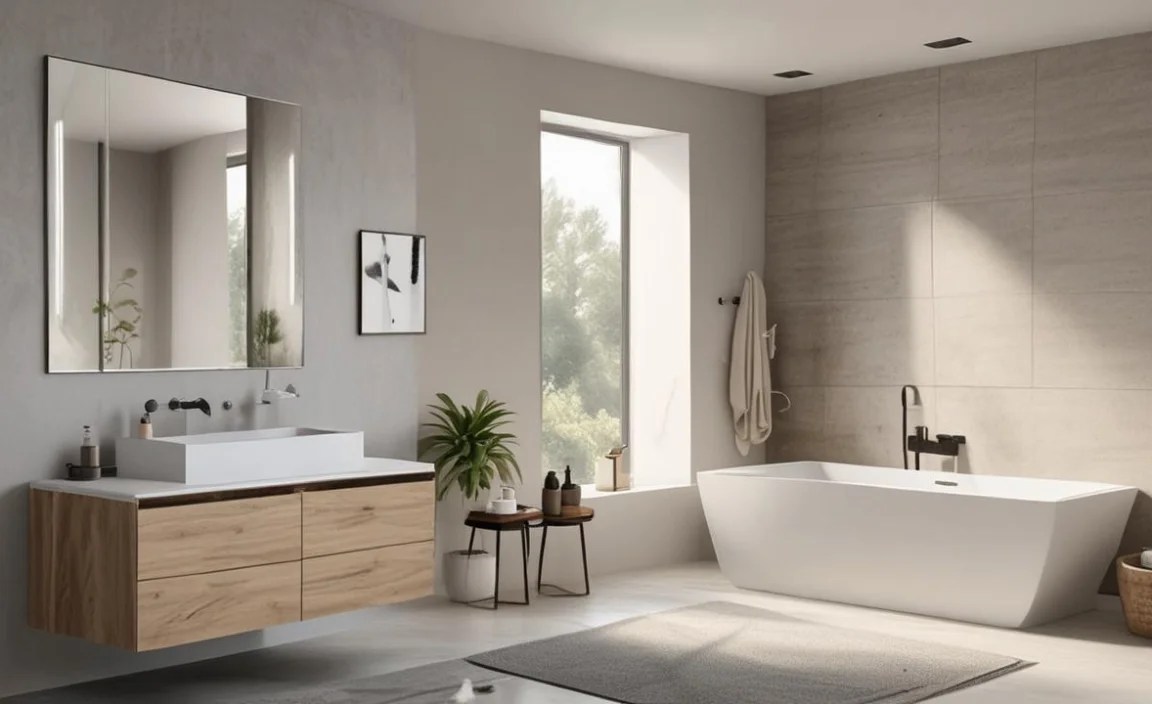
You can make a small bathroom look bigger by using light colors, mirrors, adequate lighting, and by keeping surfaces clear. Vertical storage also draws the eye upward, making the room feel taller.
3. Are there specific colors that work best for minimalist bathrooms?

Yes, light and neutral colors are best for minimalist bathrooms. Think whites, creams, light grays, and soft blues or greens. These colors reflect light and create an airy, open feel.
4. What are some space-saving storage ideas for a tiny bathroom?
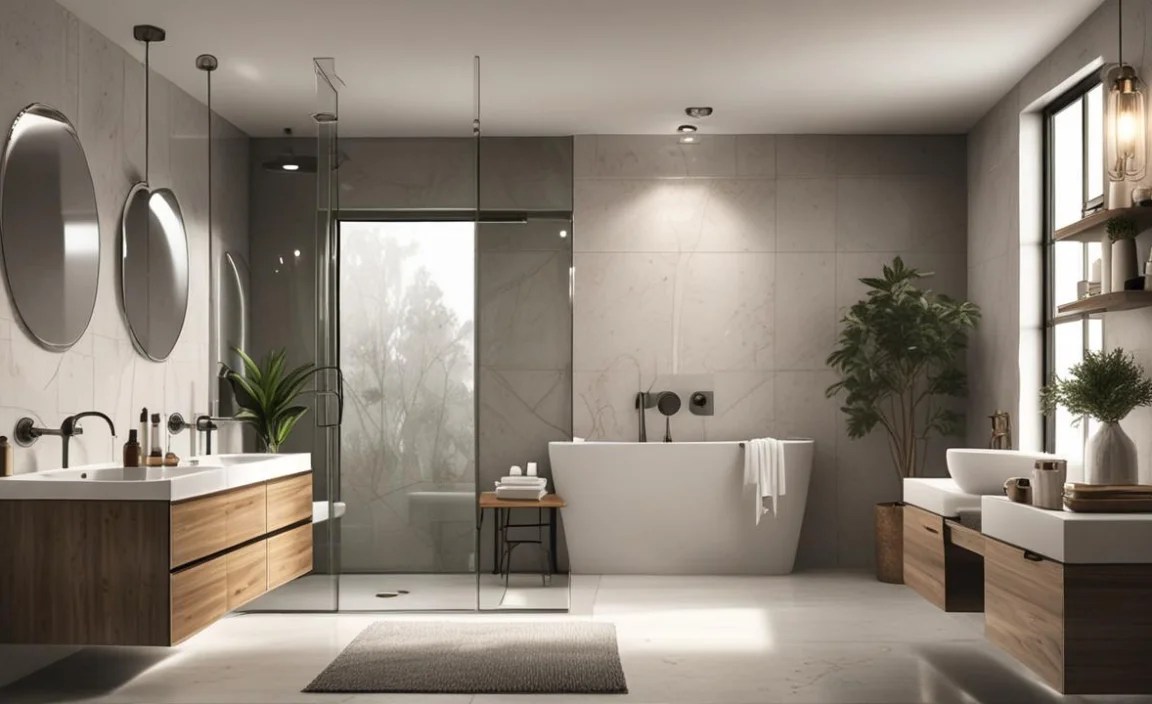
Great ideas include floating shelves, wall-mounted cabinets, over-the-toilet units, slim rolling carts, and under-sink organizers. Utilizing vertical space is key.
5. Can I still have decorative items in a minimalist bathroom?

Absolutely! Minimalism doesn’t mean sterile. You can have a few carefully chosen decorative items, like a small plant, a beautiful soap dispenser, or a piece of understated art, that add personality without creating clutter.
6. What kind of materials are typical for minimalist bathroom design?

Natural materials like wood, stone, and bamboo are common. Clean lines and smooth finishes in materials like porcelain, glass, and brushed metal also fit the aesthetic.
Step 1: Declutter and Organize – The Foundation of Space

Before we even think about decor, the most crucial step for any space-saving solution is to get rid of what you don’t need. A minimalist bathroom thrives on order. Think of this as a refresh for your sanity and your space!
Start by taking everything out of your cabinets, drawers, and off any shelves. Yes, everything! This is your chance to see exactly what you have and what you’re working with. Group similar items together: all your lotions, all your toothbrushes, all your cleaning supplies, etc.
Now, be ruthless but realistic. Ask yourself:
- Have I used this in the last six months to a year?
- Is it expired?
- Do I have multiples of this item?
- Does it serve a purpose or bring me joy (in a functional way)?
Discard, donate, or relocate items that don’t make the cut. For toiletries, look for mini or travel-sized versions if you tend to buy more than you can use. For cleaning supplies, consolidate into one or two multi-purpose cleaners if possible. This initial decluttering is the bedrock of a minimalist, space-saving bathroom.
Step 1A: Smart Storage Solutions
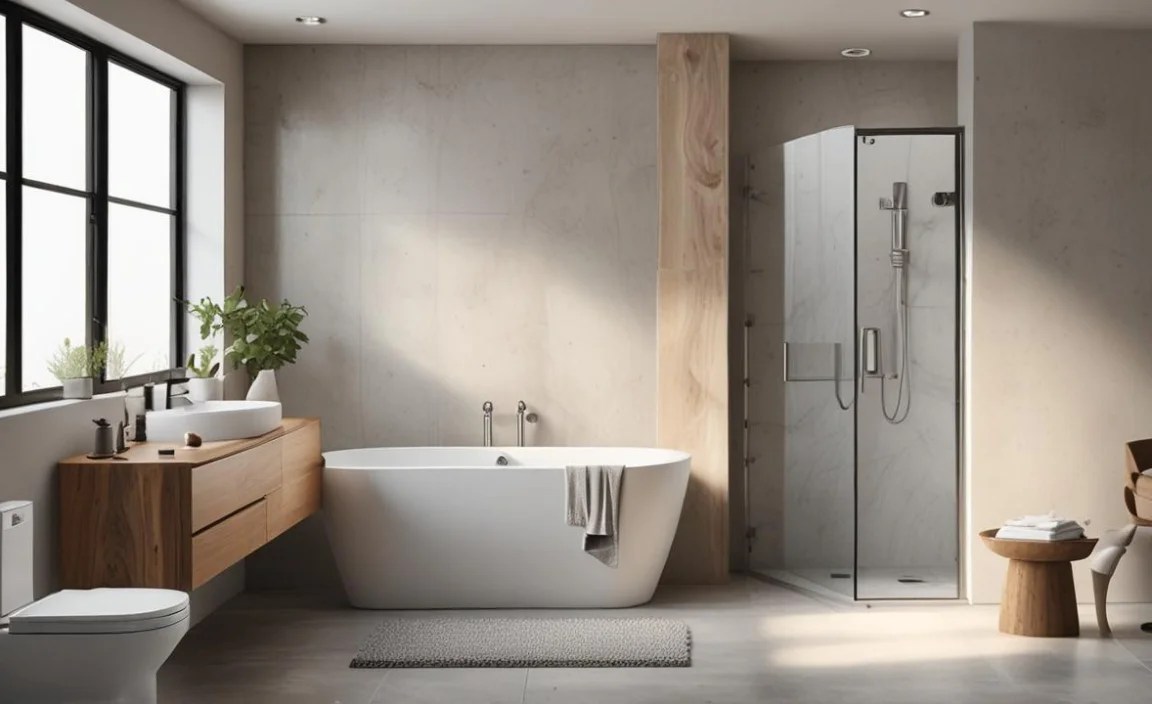
Once decluttered, it’s all about smart storage. The goal is to keep surfaces clear and to utilize every available inch, especially vertical space. Here are some genius ideas:
- Floating Shelves: These look sleek and modern, providing storage without taking up floor space. Install them above the toilet for towels or decorative items, or on an empty wall for toiletries. They create visual lightness.
- Wall-Mounted Cabinets: A medicine cabinet with a mirror is a classic for a reason. It hides away your essentials while providing a reflective surface that can make the room feel larger. For a modern twist, consider cabinets with clean lines and no hardware.
- Over-the-Toilet Storage Units: These are lifesavers for small bathrooms. They provide shelves or cabinets above the commode, which is often underutilized space. Look for units with a simple design that complements your bathroom’s style.
- Slim Rolling Carts: Perfect for fitting into narrow gaps, like between the toilet and vanity or the washer and dryer. Use them to store cleaning supplies, extra toilet paper, or personal care items.
- Under-Sink Organizers: Utilize that cabinet space with tiered pull-out drawers or caddies. This prevents items from getting lost in the back and makes everything easily accessible. This is a fantastic way to organize cleaning products or a collection of hair styling tools.
- Shower Caddies and Organizers: Keep your shower free of bottles tumbling over. A hanging shower caddy or wall-mounted dispensers can organize your shampoos and soaps neatly.
- Drawer Dividers and Baskets: Even in a minimalist bathroom, drawers need organization. Use dividers to separate smaller items like cotton swabs, makeup, or razors. Small baskets can corral items on shelves.
Remember to choose storage solutions that align with your minimalist aesthetic – think clean lines, neutral colors, and simple forms. For more on organizing your home, the U.S. Environmental Protection Agency offers great tips on reducing waste, which is the first step in effective organizing!
Step 2: Embrace the Power of Light Colors and Mirrors

Color and reflection are two of the most powerful tools in a minimalist’s arsenal, especially when battling a small bathroom. They can dramatically alter the perception of space and light.
Light and Neutral Color Palette
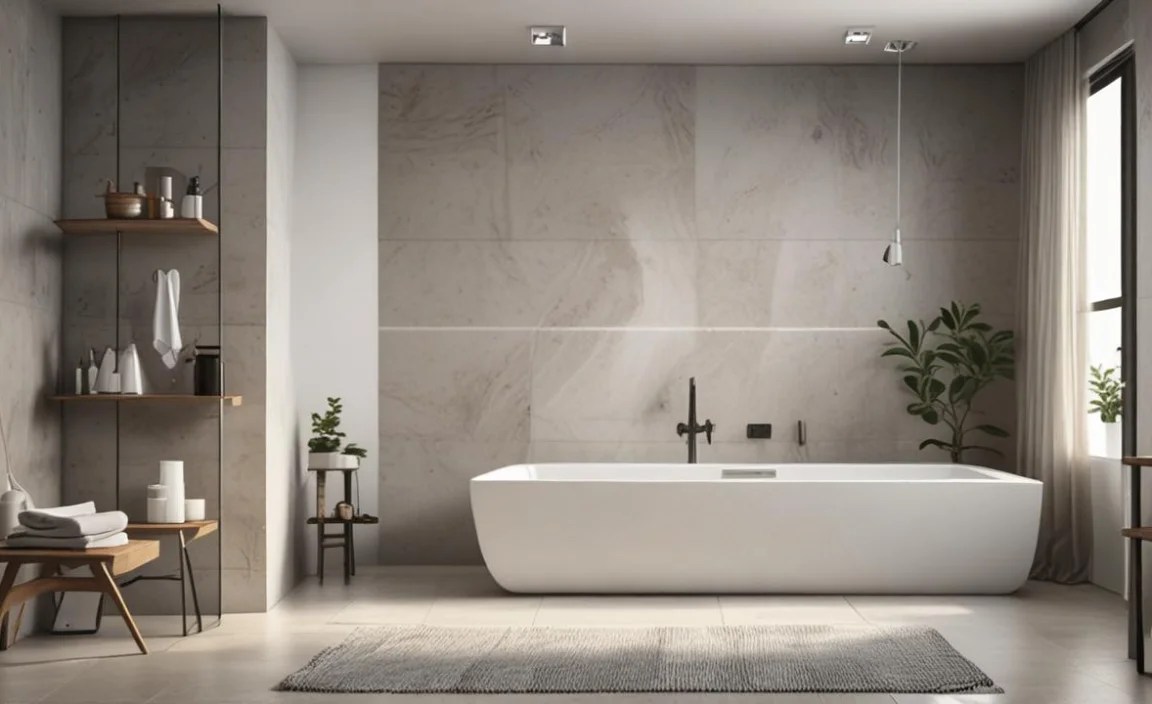
Think crisp whites, soft creams, pale grays, and muted blues or greens. These colors are your best friends in a small bathroom. Why?
- They Reflect Light: Light colors bounce light around the room, making it feel brighter and more open. This is especially true for white, which is the ultimate light-reflecting color.
- They Create a Sense of Calm: A neutral palette promotes tranquility and serenity, which is exactly what you want in a bathroom. It reduces visual noise.
- They Enhance Sparseness: Minimalism is about simplifying, and a light, neutral palette naturally supports this. It keeps the focus on clean lines and functionality.
Consider using these colors on your walls, tiles, vanity, and even textiles like towels and bath mats. If you want a touch of variation, use different shades of the same light color or introduce very subtle, natural textures.
The Magic of Mirrors
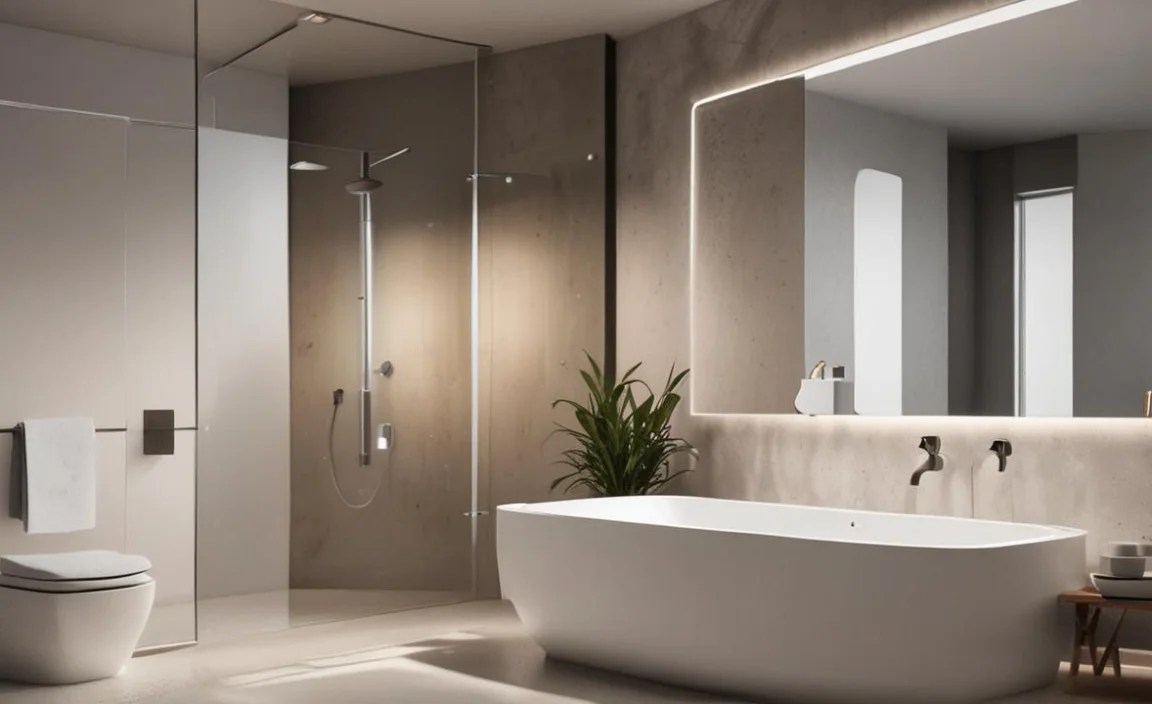
Mirrors are a minimalist decorator’s secret weapon for making spaces feel larger. They work by reflecting light and visual space, creating an illusion of depth.
- Large Mirror Over the Vanity: This is a no-brainer. A large mirror, especially one that extends close to the ceiling or across the entire width of the vanity, can double the visual space of your bathroom. Bevelled edges or frameless designs enhance the minimalist feel.
- Strategically Placed Mirrors: If you have a window, a mirror placed opposite it can reflect natural light, making the room feel even brighter.
- Mirrored Cabinet Doors: A medicine cabinet with mirrored doors offers dual functionality – storage and reflection.
- Decorative Mirrors: Consider a smaller, stylish mirror as a decorative element on an otherwise bare wall. The key is to ensure it adds to the overall aesthetic without becoming a focal point of clutter.
When choosing mirrors, opt for simple frames or frameless designs to maintain the minimalist aesthetic. A well-placed mirror can be the difference between a cramped bathroom and one that feels airy and expansive.
Step 3: Multi-Functional Furniture and Fixtures

In a small bathroom, every item needs to earn its keep. This is where multi-functional furniture and fixtures shine. They serve more than one purpose, reducing the need for multiple items and saving precious space.
Vanity Choices
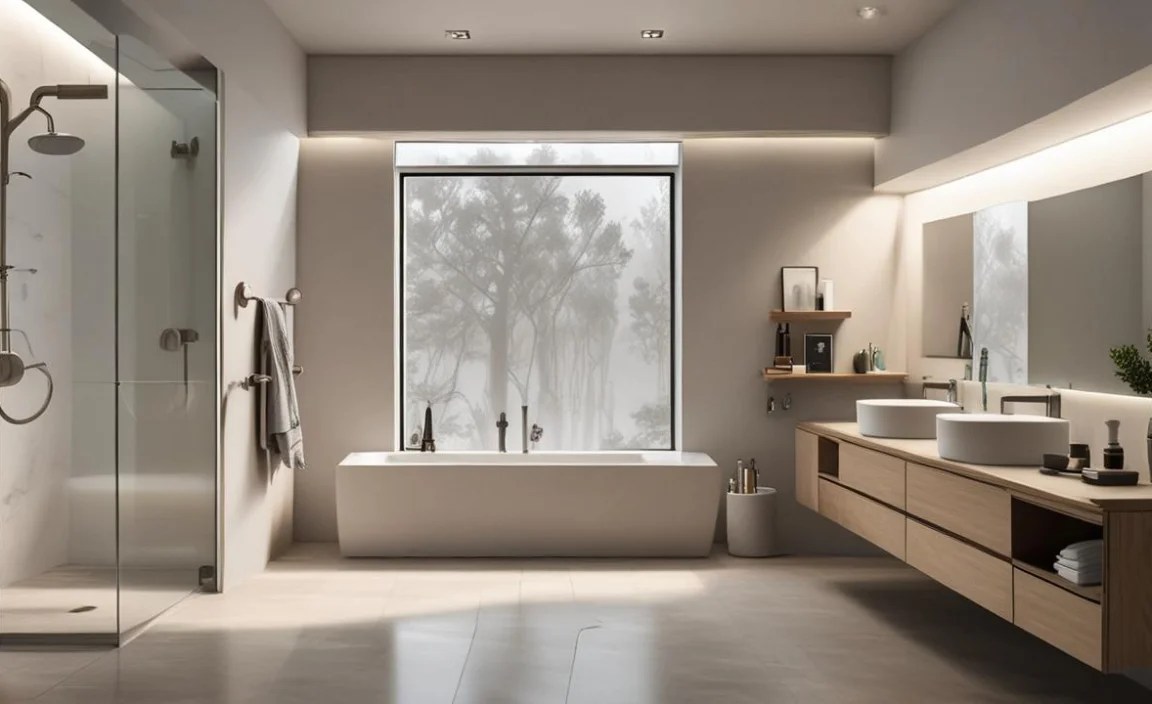
The vanity is often the largest piece of furniture in a bathroom, so its functionality is key.
- Floating Vanities: These wall-mounted vanities create visual space underneath, making the room feel less crowded. They can also house drawers or cabinets for storage.
- Vanities with Integrated Storage: Look for vanities that offer smart drawer systems, pull-out shelves, or hidden compartments. Even a simple open shelf below can be used for decorative baskets or towels if kept tidy.
- Corner Vanities: If you have an awkward corner, a corner vanity can be an excellent space-saving solution that still offers a sink and some storage.
Smart Fixtures
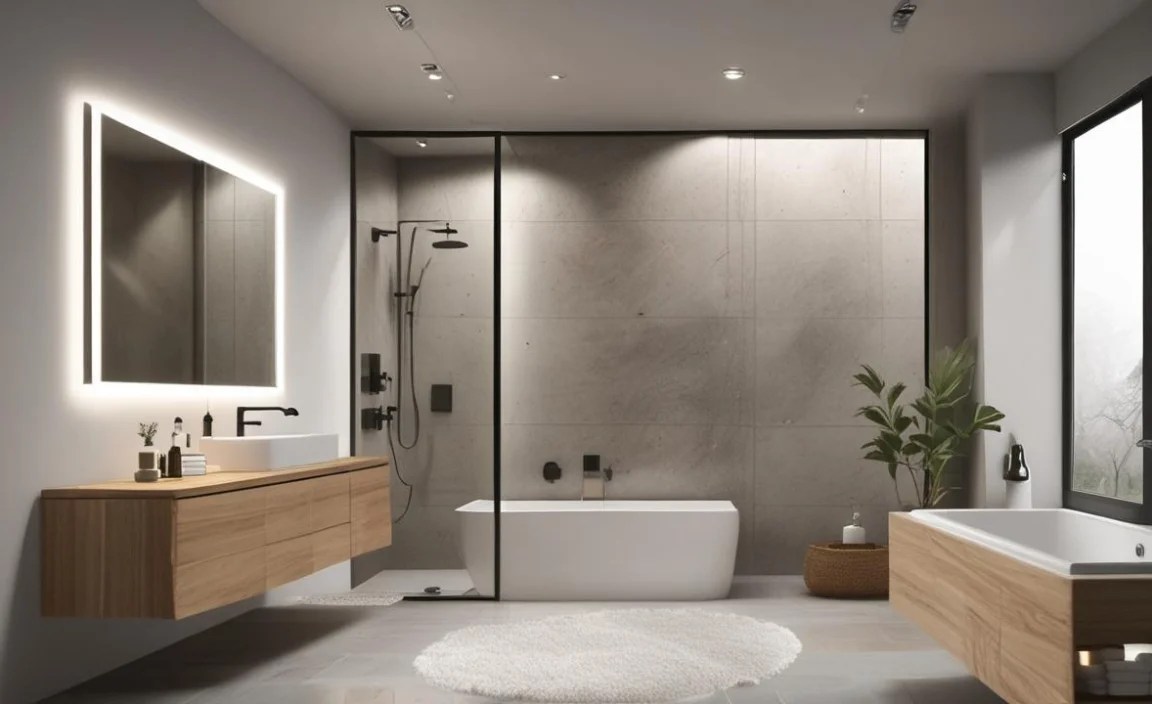
Think beyond just the vanity. Consider how other fixtures can be more efficient.
- Wall-Mounted Faucets: Mounting the faucet directly on the wall behind the sink frees up space on the countertop. This also creates a sleeker look.
- Shower Heads with Handheld Sprayers: These are incredibly practical, making it easier to rinse off children, pets, or the shower itself. Many modern options offer multiple spray settings.
- Recessed Lighting: Opt for recessed ceiling lights. They provide excellent illumination without taking up any visual space, unlike hanging pendant lights which can make a small room feel even more confined.
Multi-Purpose Furniture Pieces
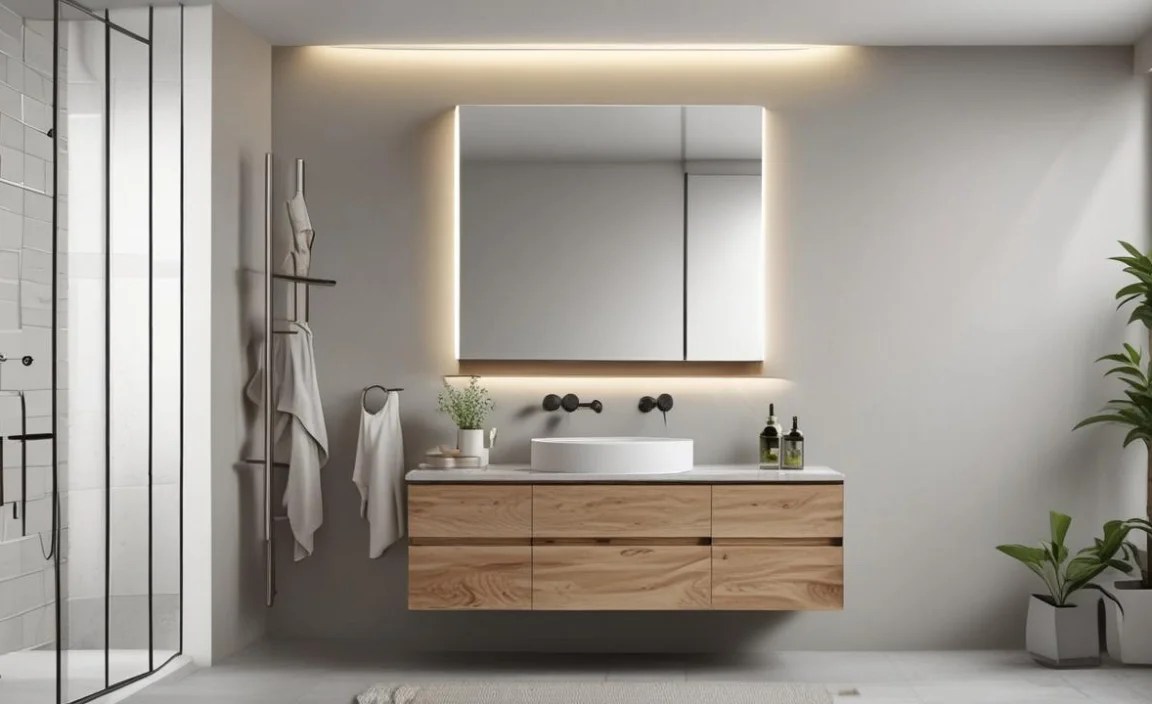
If freestanding furniture is necessary, choose pieces that can serve multiple functions:
- Storage Ottomans or Benches: A small bench or ottoman can provide a place to sit or rest items, while also offering hidden storage for extra towels or toiletries.
- Ladder Shelving: A ladder shelf can be used to store towels, display decorative items, or hold baskets of toiletries. It has a light visual footprint.
When selecting multi-functional items, prioritize quality and a design that is clean and uncluttered. For more on bathroom renovation and fixture selection, the U.S. Department of Energy provides excellent resources on water-efficient fixtures, which often align perfectly with minimalist and eco-conscious design.
Step 4: Vertical Space and Visual Tricks
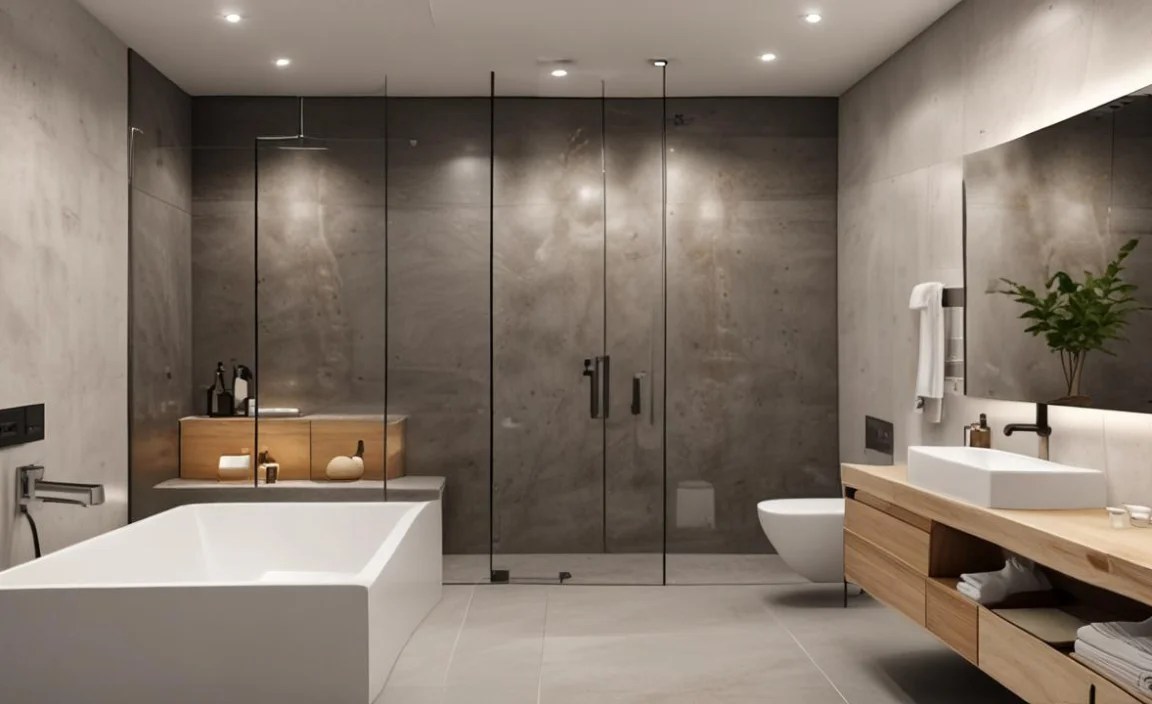
Maximizing vertical space and employing clever visual tricks are essential for making a small bathroom feel larger and more organized. It’s all about guiding the eye and using every inch efficiently.
Go Vertical!
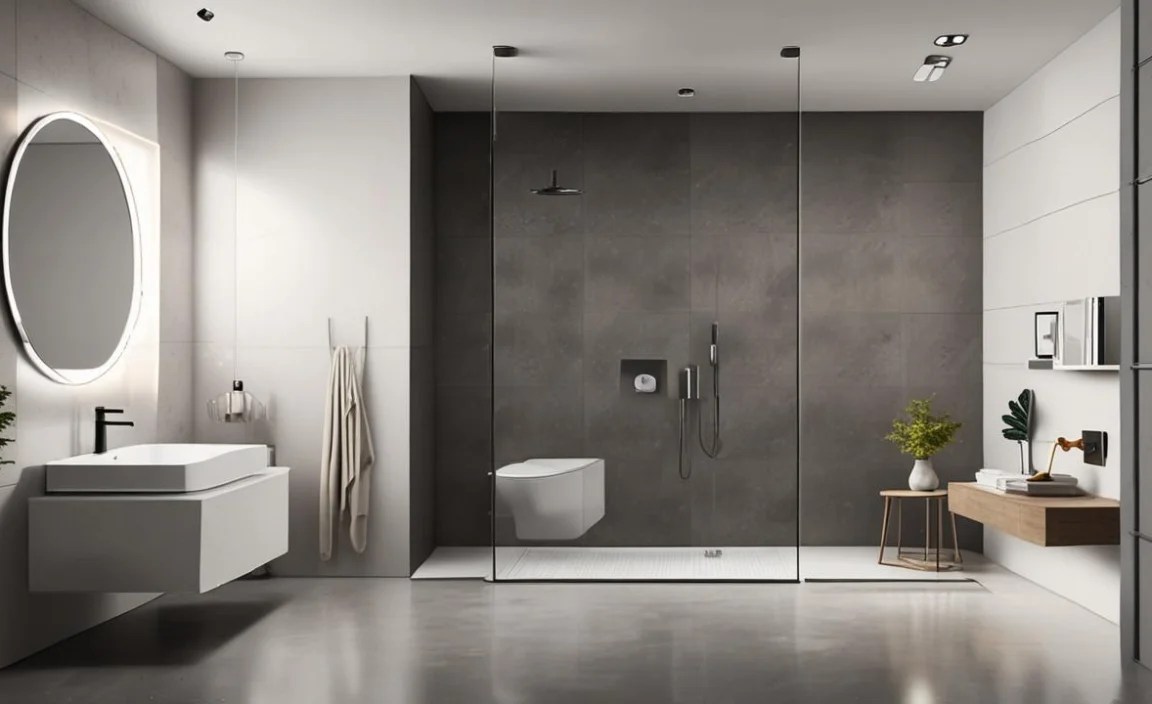
Your walls are prime real estate. Think upwards!
- Tall, Slim Bookshelves: Not just for books! These can hold neatly folded towels, decorative baskets filled with toiletries, or even plants. Their vertical orientation draws the eye up.
- Wall-Mounted Shelving Units: As mentioned before, floating shelves or simple bracket shelves are great. Consider an open shelving unit to keep things feeling light, or a unit with doors for a cleaner look if you prefer to hide contents.
- Hanging Storage Inside Cabinet Doors: Attach organizers to the inside of vanity cabinet doors or even the bathroom door. These can hold hair dryers, styling tools, cleaning brushes, or extra toilet paper rolls.
- Vertical Towel Bars/Racks: Instead of sprawling horizontal bars, opt for a tiered or vertical towel rack that can hold multiple towels in a smaller footprint.
Visual Tricks to Expand Space
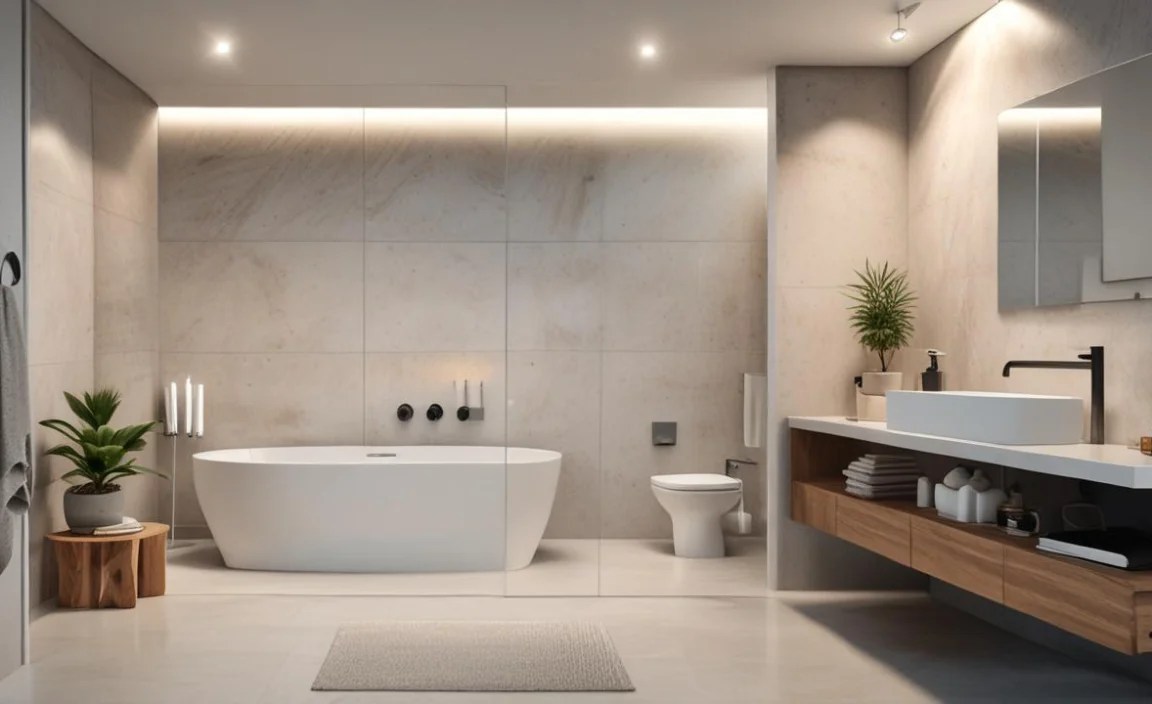
These techniques subtly trick the eye into perceiving more space than is actually there.
- Consistent Color Scheme: As discussed, using a monochromatic or very limited color palette makes the space feel unified and larger. Avoid too many contrasting colors or busy patterns.
- Minimalist Patterns: If you use patterns, opt for subtle, small-scale designs or clean geometric shapes. Large, bold patterns can make a small room feel overwhelming.
- Glass and Lucite Elements: Consider a glass shower enclosure instead of a curtain, or a toilet roll holder made of clear acrylic. These materials are visually light and don’t block the eye, enhancing the feeling of spaciousness.
- Streamlined Fixtures: Opt for wall-mounted toilets and vanities. They eliminate visual clutter on the floor and create a sense of openness.
- Good Lighting: Beyond mirrors, ensure your bathroom is well-lit. Bright, even lighting makes any space feel larger and more inviting. Consider layered lighting – ambient ceiling lights, task lighting around the vanity mirror, and perhaps accent lighting if desired.
- Wall-Mounted Sink: A pedestal sink or a wall-mounted sink that leaves the floor area clear visually expands the room. Even if you need storage, a floating vanity achieves a similar effect.
The idea is to create a visual flow. By drawing the eye upwards and outward, and by minimizing visual interruptions, you can make your small bathroom feel like a serene retreat.
Step 5: Minimalist Decor and Finishing Touches

Now that the major functional elements are addressed, it’s time for the subtle decor that elevates your minimalist bathroom from merely tidy to truly tranquil. Remember, in minimalism, less is truly more, and each item should be chosen with intention.
Curated Accessories
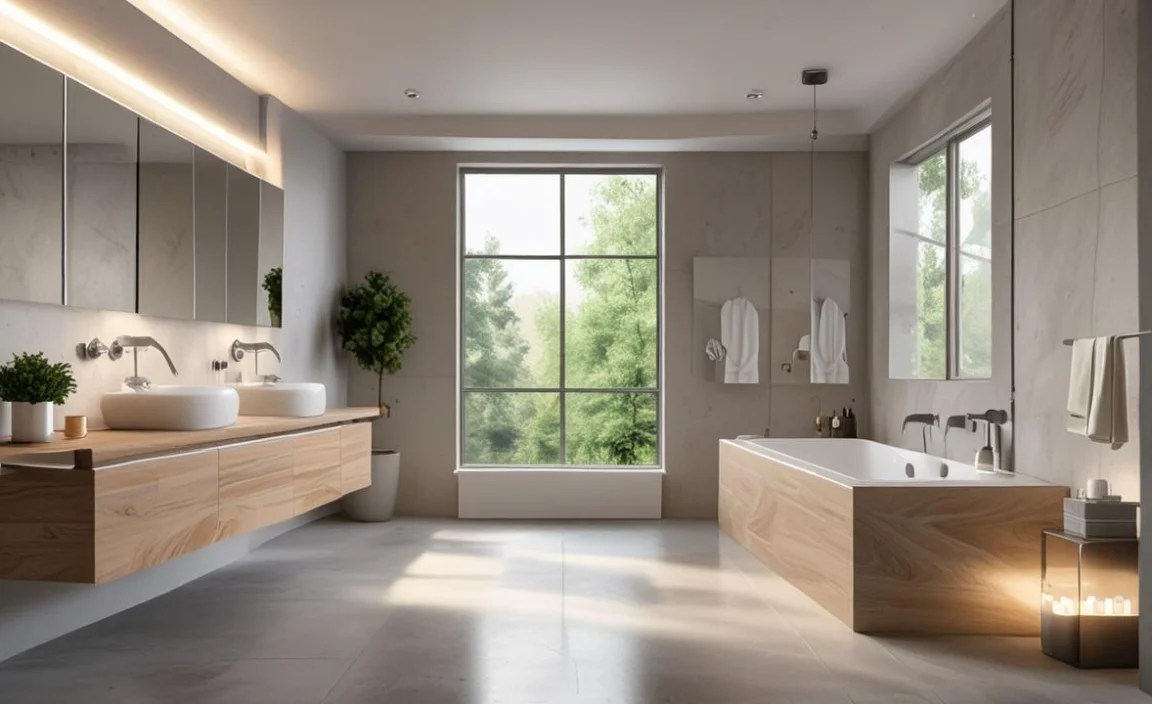
The key here is to select items that are both functional and beautiful, and to display them sparingly.
- High-Quality Toiletries Containers: Instead of a jumble of plastic bottles, invest in a few matching dispensers for soap, lotion, shampoo, and conditioner. Choose materials like glass, ceramic, or brushed metal in neutral colors. Decanting your products into these containers not only looks chic but also helps maintain a cohesive look.
- Simple Soap Dish and Toothbrush Holder: These small items can add a touch of style without cluttering. Think clean lines and materials that complement your vanity and sink.
- A Single Plant: A small, low-maintenance plant like a snake plant, ZZ plant, or a small fern can add a touch of life and color to a bathroom. Ensure it can tolerate humidity.
- Tasteful Artwork: One or two small, minimalist pieces of art can add personality. Consider abstract pieces with neutral tones, simple line drawings, or serene nature photography. Frame them in simple, understated frames.
- Soft Towels and Textiles: Choose towels and bath mats in soft, neutral colors that feel luxurious. A neatly folded stack of high-quality towels can be a decorative element in itself.
- Minimalist Trash Can: Even trash cans can be stylish. Opt for a sleek, slim-profile bin in a material like stainless steel or matte black.
Texture and Natural Elements
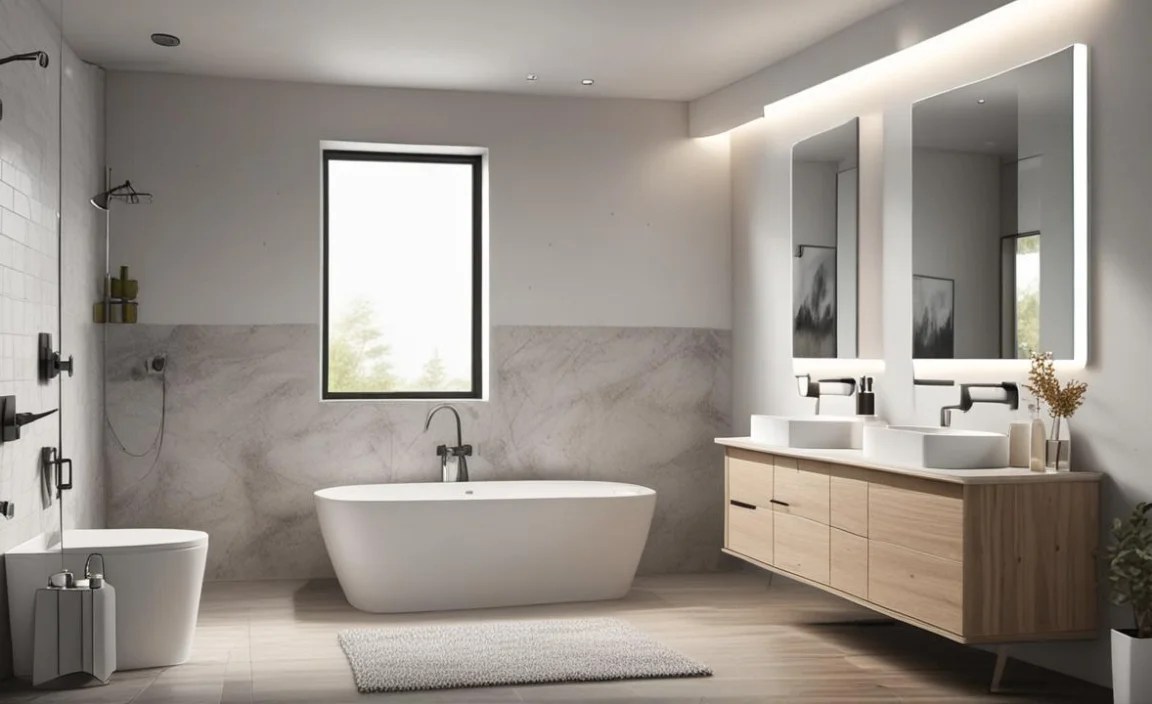
To prevent a minimalist bathroom from feeling too stark, introduce texture and natural elements.
- Wooden Accents: A wooden bath mat, a small wooden stool, or wooden frames can add warmth and a connection to nature.
- Stone or Ceramic Elements: A stone soap dish, ceramic planters, or a patterned tile accent can introduce subtle visual interest.
- Natural Fibers: Baskets made from wicker, jute, or rattan are excellent for storing items out of sight while adding tactile appeal.
Lighting as Decor
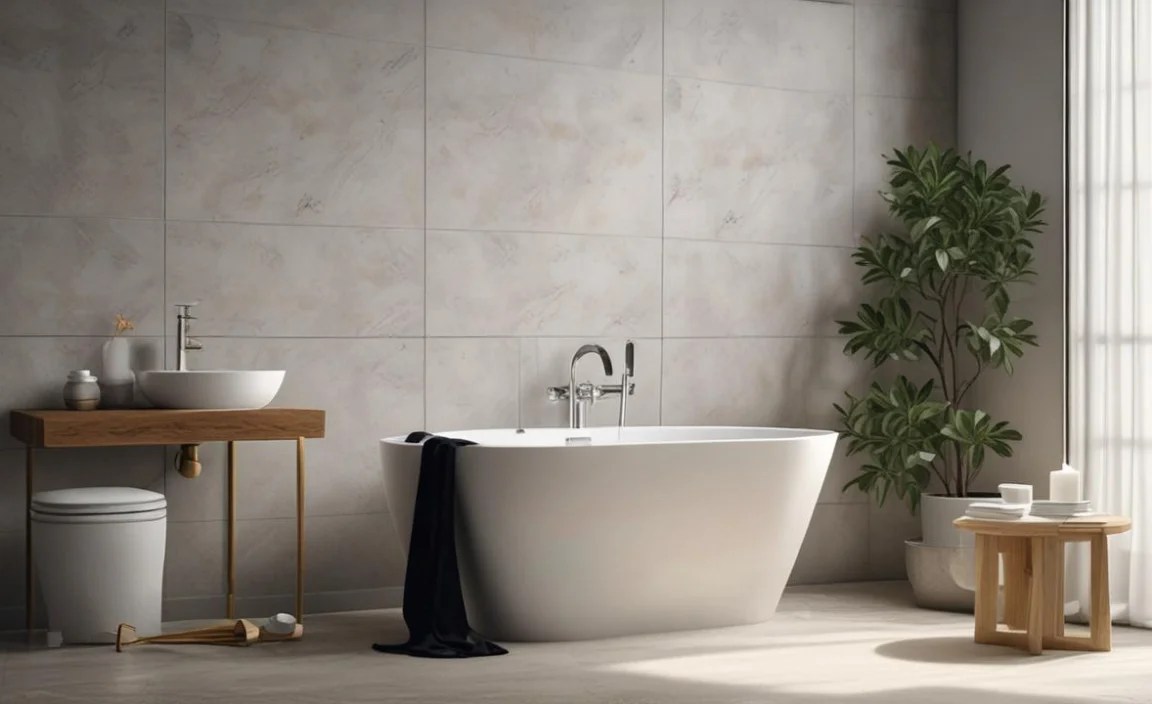
Don’t underestimate the power of good lighting. Consider:
- Ambient Lighting: A simple, flush-mount ceiling fixture with a diffused light can provide soft, general illumination.
- Task Lighting: Sconces or LED strips around the mirror provide functional, flattering light for grooming.
- Warm Bulbs: Opt for bulbs with a warmer color temperature (around 2700K-3000K) to create a more relaxing and spa-like atmosphere, rather than a harsh, sterile white light.
By carefully selecting each decorative piece for its form and function, you can create a bathroom that is both calming and stylish, a true minimalist sanctuary.
Summary Table of Space-Saving Ideas
Here’s a quick reference for some of the most effective space-saving solutions for your minimalist bathroom:
| Solution Category | Technique | Benefit | Example Items |
|---|
