
Welcome to your guide to upgrading your bathroom with smart, modern accessories you can install yourself! Sometimes, our bathrooms feel a bit outdated or just not as functional as we’d like. It can feel overwhelming to tackle these changes, leaving us with a space that’s less than ideal. But don’t worry! With a few simple DIY projects and the right modern bathroom accessories, you can completely transform your bathroom into a stylish, efficient sanctuary. We’ll walk through everything you need to know, making it easy and fun. Get ready to discover how simple it can be to add that touch of modern elegance and practicality!
Why DIY Modern Bathroom Accessories Are a Game-Changer

Bathrooms are high-traffic areas, and their accessories play a huge role in both their look and how well they work for us. From hand towels to storage solutions, these small details make a big impact on our daily routines. Over time, fixtures can become worn, styles can change, or we might just crave a more streamlined, modern feel. Instead of hiring an expensive professional for every little update, many modern bathroom accessories are surprisingly easy to install yourself. This not only saves you money but also gives you the satisfaction of a beautifully updated space that perfectly suits your needs and style. We’re talking about smart, simple additions that boost both form and function without the headache.
Essential Modern Bathroom Accessories for Any DIYer

Choosing the right accessories can elevate your bathroom from drab to fab. Think about what you use most and what areas could use an upgrade. Here are some genius essentials that are perfect for a DIY transformation:
1. Stylish Shelving: Floating Shelves and Corner Units

Storage is king in any bathroom, and floating shelves offer a clean, minimalist look that’s quintessentially modern. They provide space for toiletries, decorative items, or even small plants, all while keeping your countertops clear. Corner shelves are fantastic for maximizing often-unused space, especially in smaller bathrooms, and are perfect for holding shampoos and soaps in the shower.
Benefits of Floating Shelves:

- Modern, uncluttered aesthetic.
- Adds storage without taking up floor space.
- Versatile for use in any room, but especially functional in bathrooms.
- Relatively easy installation for DIYers.
Installation Basics for Floating Shelves:
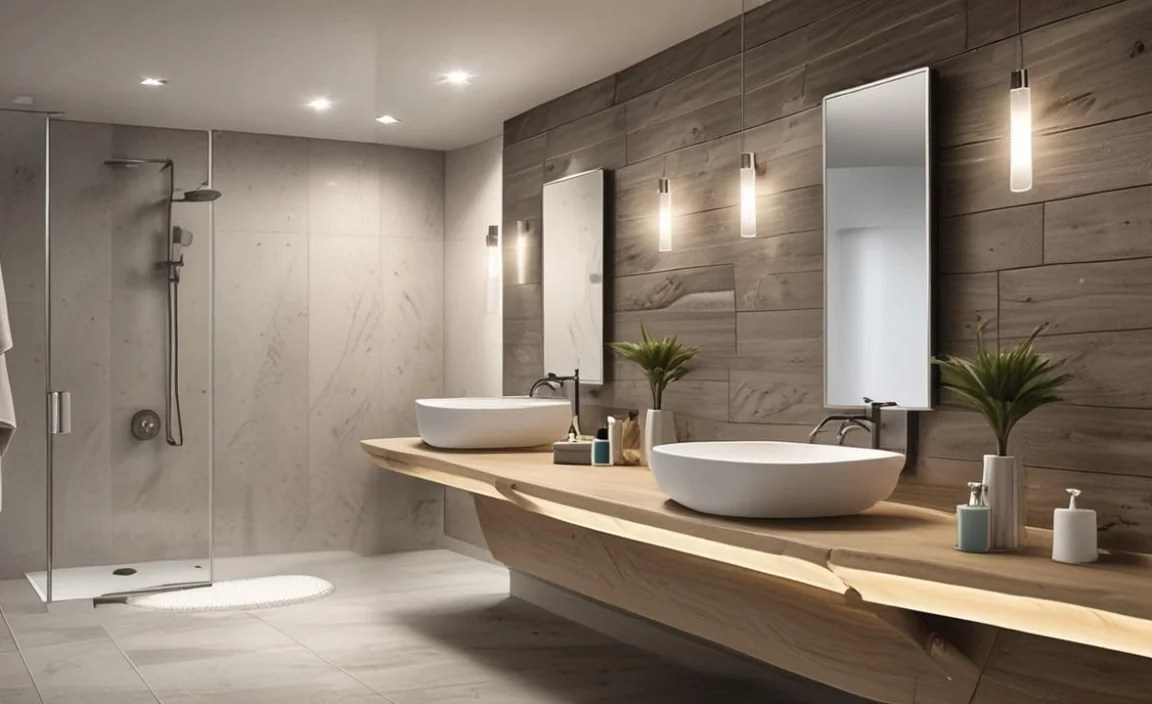
Most floating shelves come with a mounting bracket that you attach to the wall. You’ll need to find wall studs for secure mounting. Use a stud finder, a level, a drill, and appropriate screws. For wet areas like bathrooms, ensure you use moisture-resistant materials or seal any exposed wood.
2. Upgraded Shower Heads: Rain Showers and Handheld Options

A shower head replacement is one of the most rewarding and straightforward DIY upgrades. Modern options like rain shower heads can turn your daily shower into a spa-like experience, offering a gentle, widespread flow. Handheld shower heads are incredibly practical for rinsing, cleaning the shower, or assisting those with mobility challenges.
Types of Modern Shower Heads:

- Rain Shower Heads: Large, flat heads that mimic rainfall.
- Handheld Shower Heads: Come with a flexible hose and adjustable mount.
- Dual Shower Heads: Combine a fixed head with a handheld option for ultimate versatility.
- High-Pressure Shower Heads: Ideal for low-water pressure situations or for those who prefer a more invigorating stream.
DIY Installation Guide for Shower Heads:
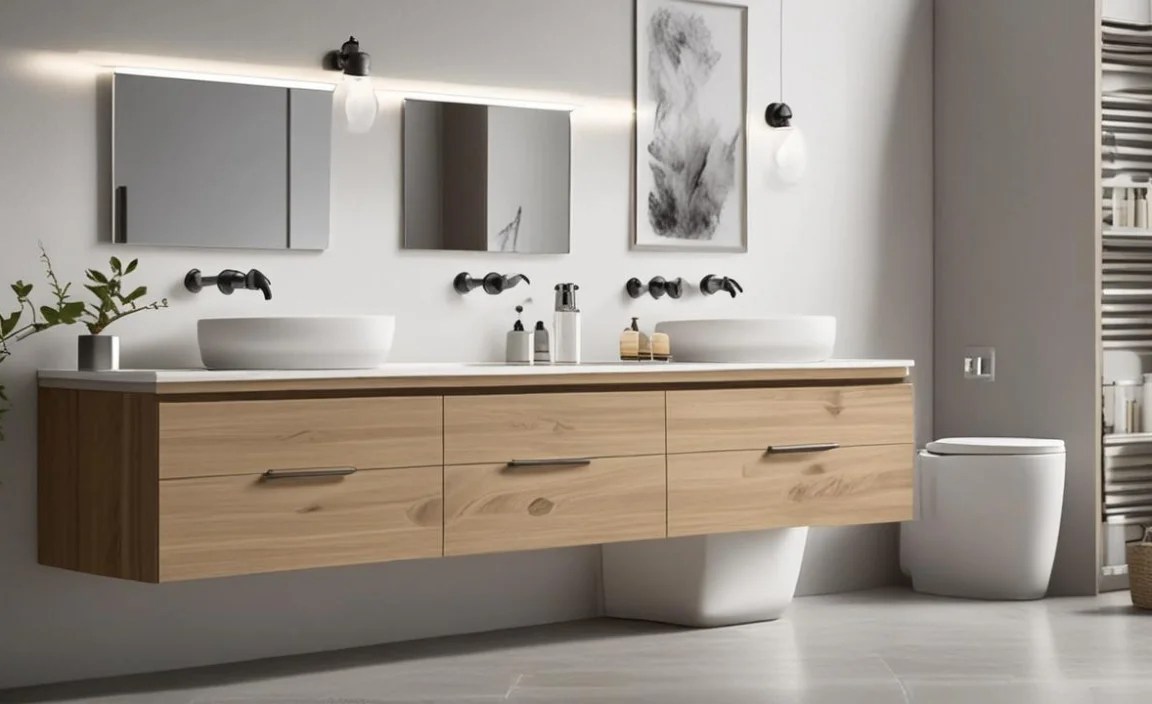
This is usually a simple unscrewing and screwing process. You’ll typically need an adjustable wrench and plumber’s tape.
- Turn off the water supply to the shower if possible, or at least the main bathroom valve.
- Unscrew the old shower head by turning it counter-clockwise. You might need to use a wrench.
- Clean the shower arm threads with a cloth.
- Wrap plumber’s tape clockwise around the threads of the shower arm (usually 3-5 times). This ensures a watertight seal.
- Screw on the new shower head clockwise by hand. Tighten it firmly, but avoid overtightening.
- Turn on the water and check for leaks. If there are small drips, a slight tightening might be needed, or add another wrap of plumber’s tape.
For more detailed guidance, check out resources like the Ace Hardware guide on installing shower heads, which offers clear visuals and tips.
3. Modern Towel Bars and Hooks
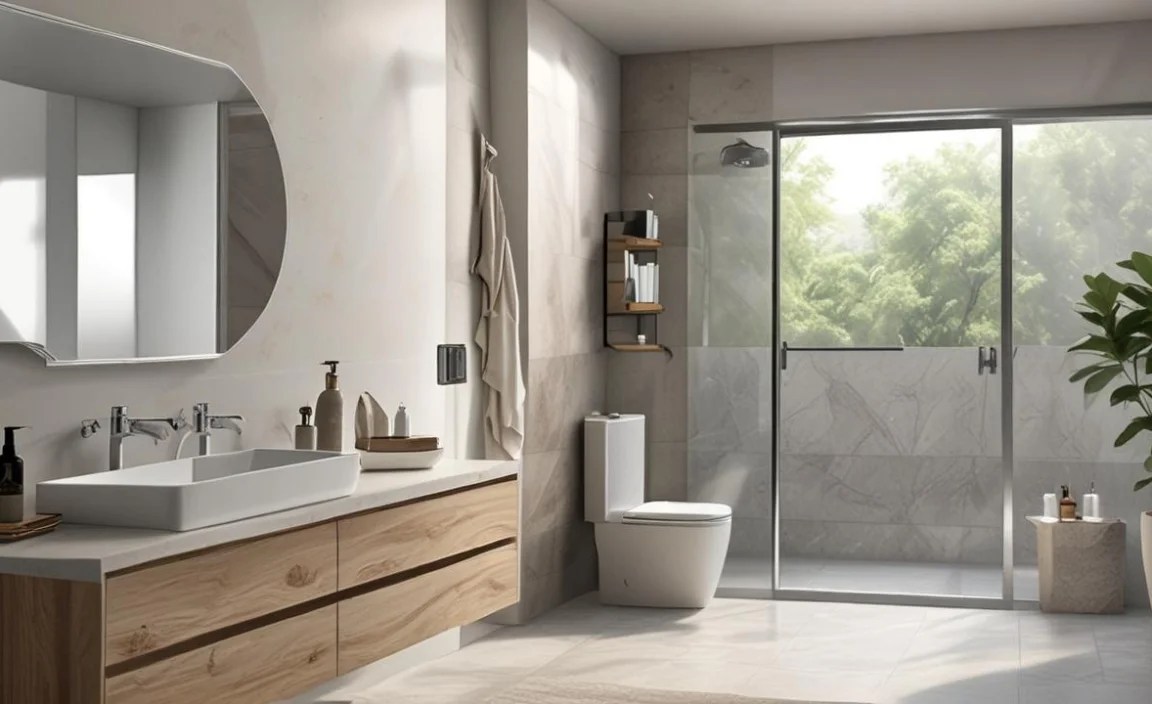
Outdated or insufficient towel storage can make a bathroom feel cluttered and less inviting. Modern towel bars and hooks come in sleek designs and various finishes (like brushed nickel, matte black, or chrome) that instantly update the space. Hooks are particularly versatile for robes, towels, or even decorative items.
Material and Finish Considerations:
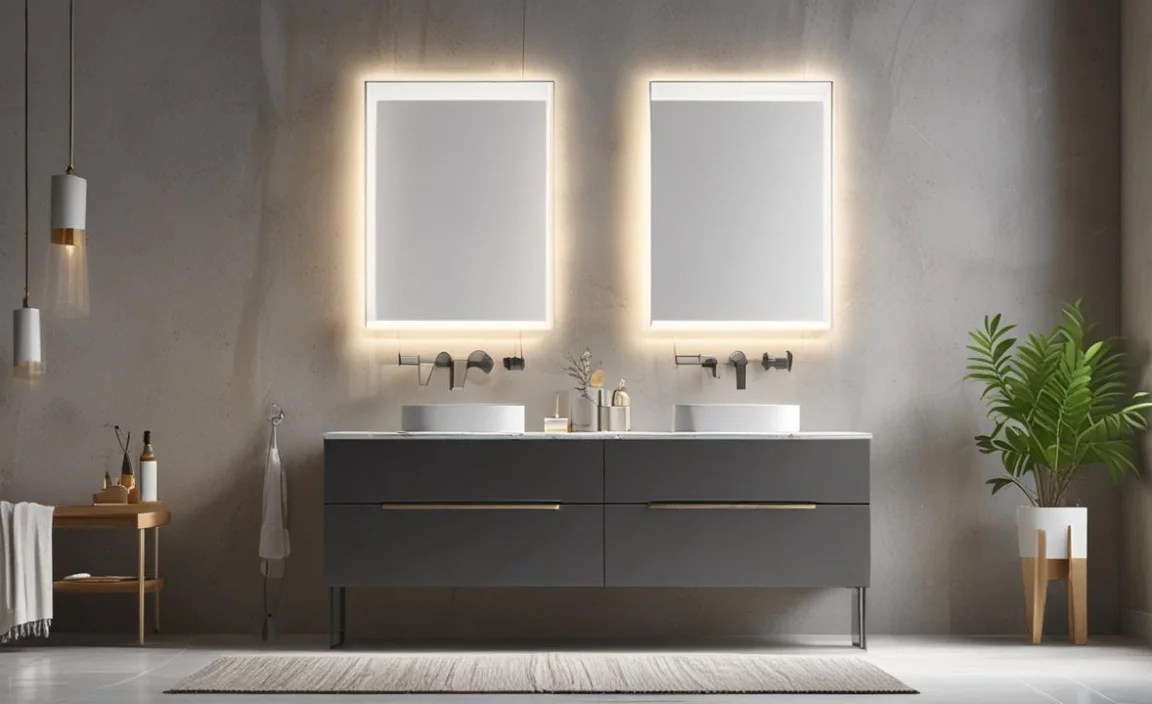
When selecting accessories, consider the overall aesthetic of your bathroom. Stainless steel or brushed nickel offers a timeless, resilient look. Matte black provides a bold, contemporary statement. Ensure the finish complements your existing fixtures like faucets and cabinet handles.
Choosing the Right Placement:
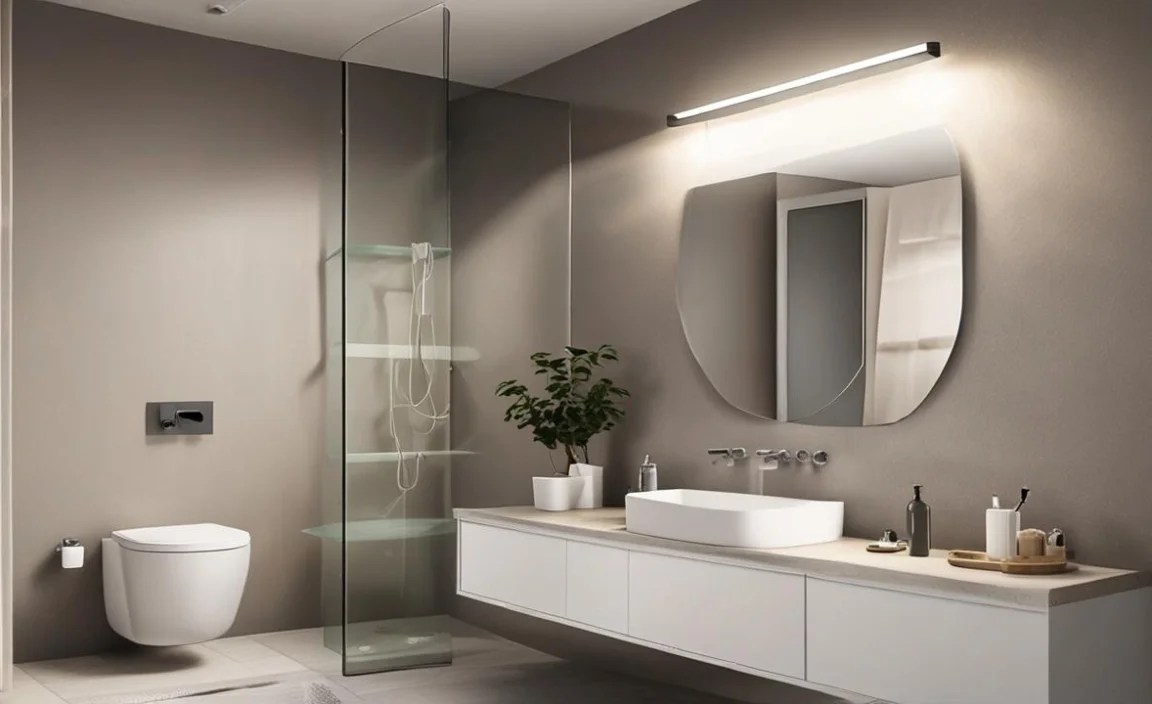
Think about functionality. Towel bars should be conveniently located near the shower or tub. Hooks can be placed near the door for robes or in more discreet areas for everyday towels. Always aim to install on studs or use appropriate heavy-duty anchors for secure mounting.
4. Smart Storage Solutions: Over-the-Toilet Units and Drawer Organizers

Maximizing space often means looking at less obvious areas. An over-the-toilet storage unit (often called a utility shelf or etagere) can add significant storage without occupying extra floor space, perfect for smaller bathrooms. Inside drawers and cabinets, clever organizers can keep everything tidy and accessible, turning chaos into calm.
Over-the-Toilet Units: Pros and Cons

| Pros | Cons |
|---|---|
| Expands storage vertically. | Can make a small bathroom feel more crowded if not chosen carefully. |
| Keeps essential items within reach. | Installation requires care to ensure stability and proper fitting around the toilet tank. |
| Available in a wide range of styles and materials. | Might obstruct easy access to the toilet tank lid for repairs. |
Drawer and Cabinet Organizers:
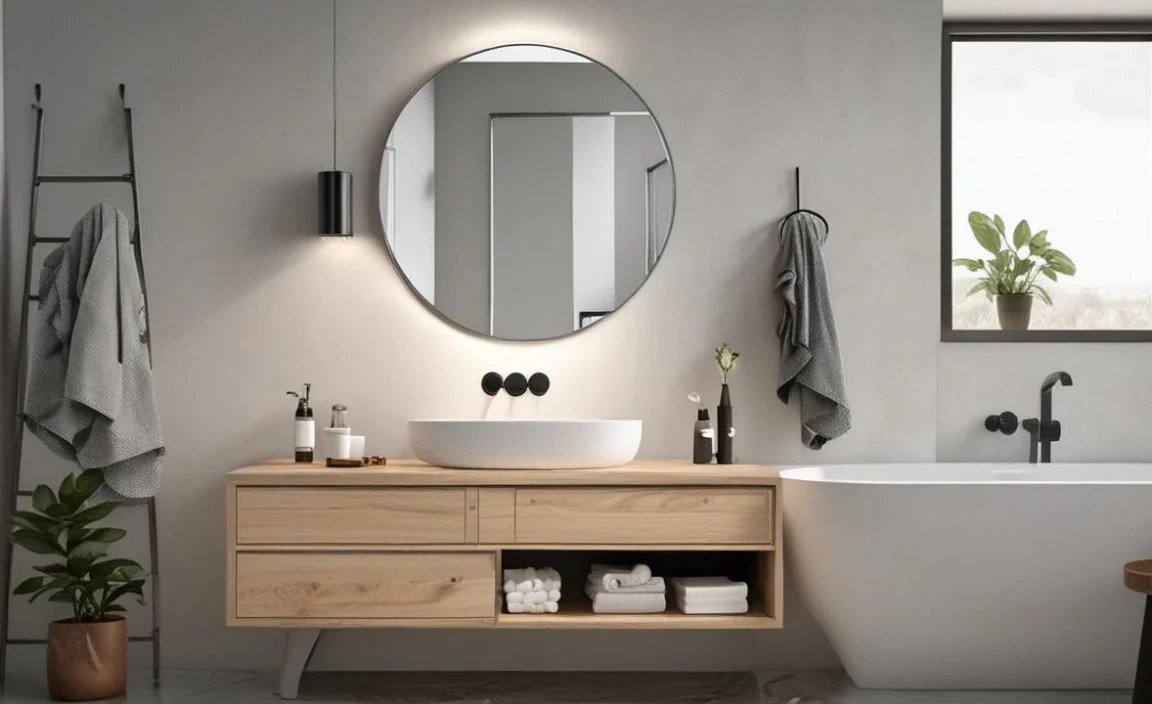
These are incredibly simple to implement. You can find modular bins, expandable dividers, turntables (lazy Susans), and stackable containers. Measure your drawers and cabinets first to ensure a perfect fit. Categorize items like toiletries, cleaning supplies, and first-aid items for easy retrieval.
5. Stylish Soap Dispensers and Toothbrush Holders

Small details can have a big impact. Replacing old, chipped soap dispensers or basic plastic toothbrush holders with modern, coordinated pieces can significantly elevate the look of your vanity. Think ceramic, brushed metal, or even sleek glass options. Wall-mounted dispensers are also a great space-saving, hygienic choice.
Material and Style Matchers:
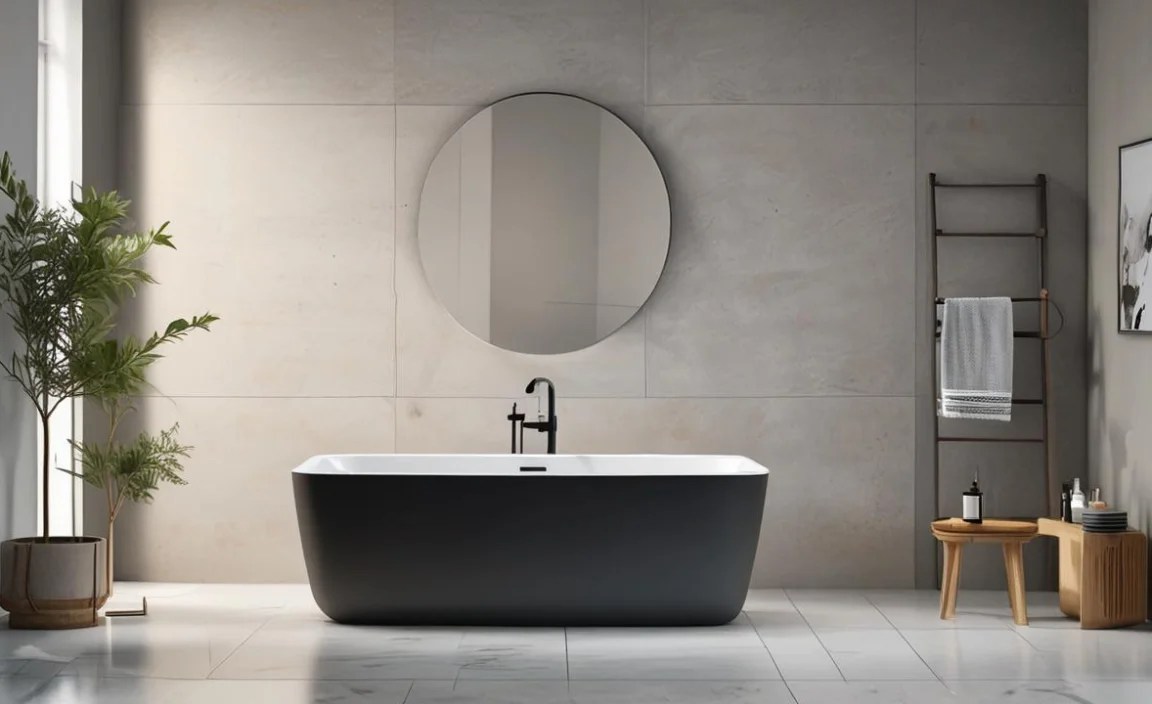
Choose materials that echo those used elsewhere in your bathroom. If you have chrome faucets, opt for chrome or polished nickel accessories. If your vanity has a natural wood tone, consider accessories with wood accents. For a truly modern feel, matte finishes in black, white, or gray are excellent choices.
6. Modern Lighting Fixtures
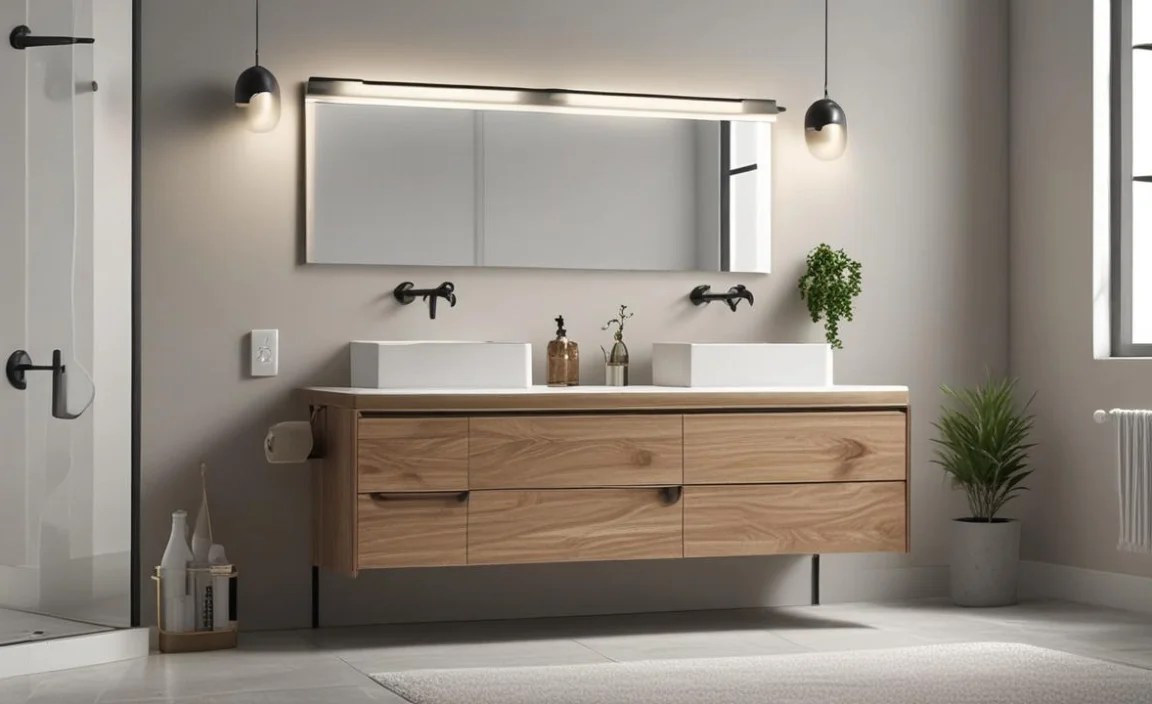
Lighting can dramatically change the ambiance of a bathroom. Swapping out an old vanity light with a sleek, modern fixture can brighten the space and improve functionality, especially around the mirror. Consider LED options for energy efficiency and longevity.
Types of Modern Bathroom Lighting:
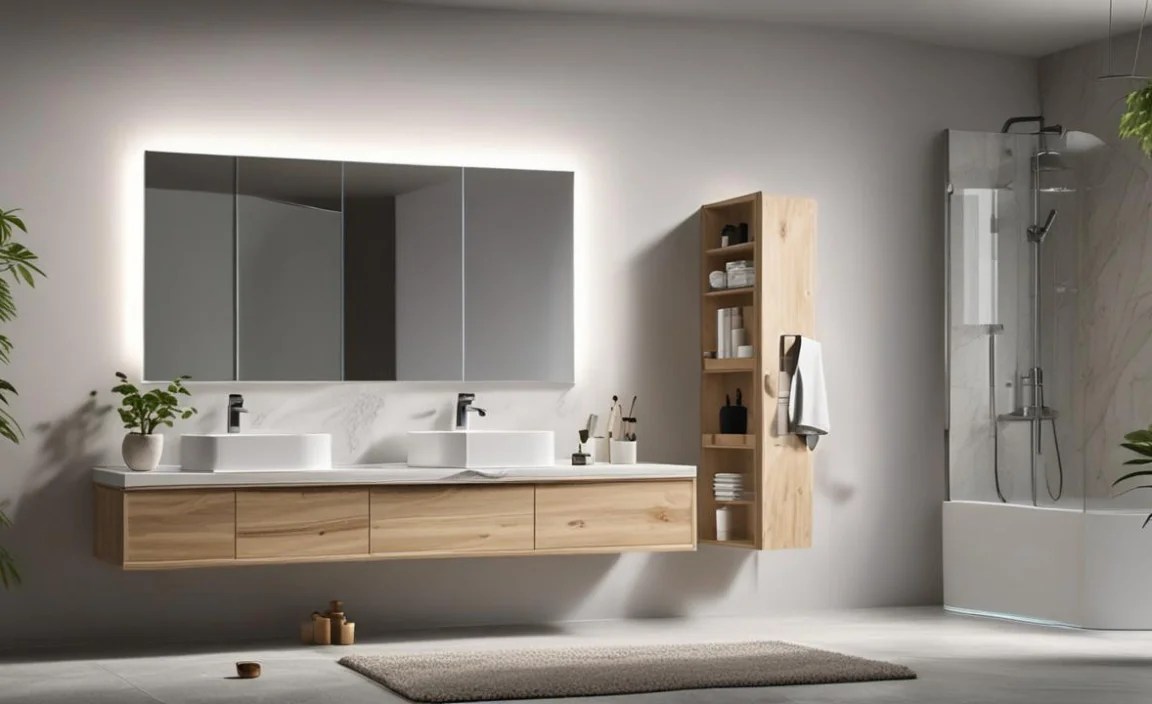
- Vanity Sconces: Mounted on either side of the mirror for even task lighting.
- Overhead Fixtures: Sleek pendant lights or flush-mount fixtures for general illumination.
- Integrated LED: Fixtures with built-in LED strips that offer a minimalist design.
Safety First with Electrical Work:
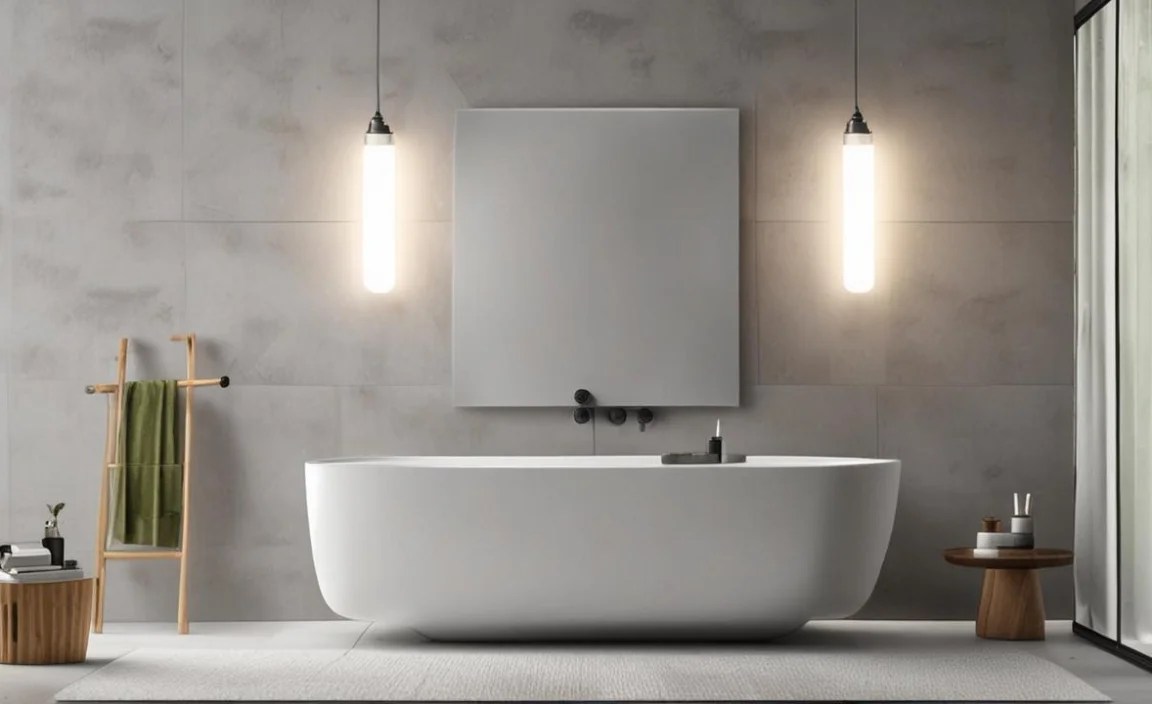
If you’re comfortable with basic electrical work, replacing a light fixture can be a DIY-friendly project. However, if you have any doubts, it’s always best to hire a qualified electrician. Always turn off the power at the circuit breaker before starting any electrical work. Resources like the This Old House guide on replacing light fixtures can provide valuable insights for those attempting this task.
7. Decorative Mirrors
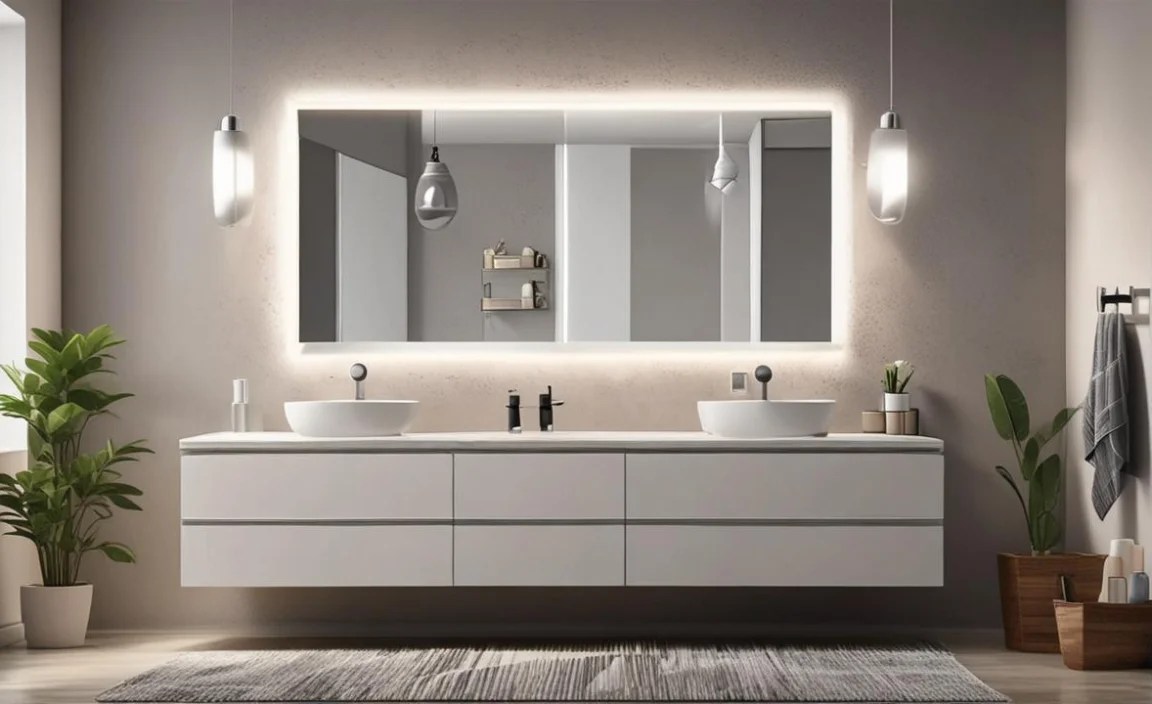
A mirror is a functional necessity, but it can also be a statement piece. Modern mirrors come in frameless designs, unique shapes, or thin metal frames that add a touch of elegance without being overpowering. A well-placed mirror can also make a small bathroom feel larger and brighter.
Choosing the Right Size and Shape:
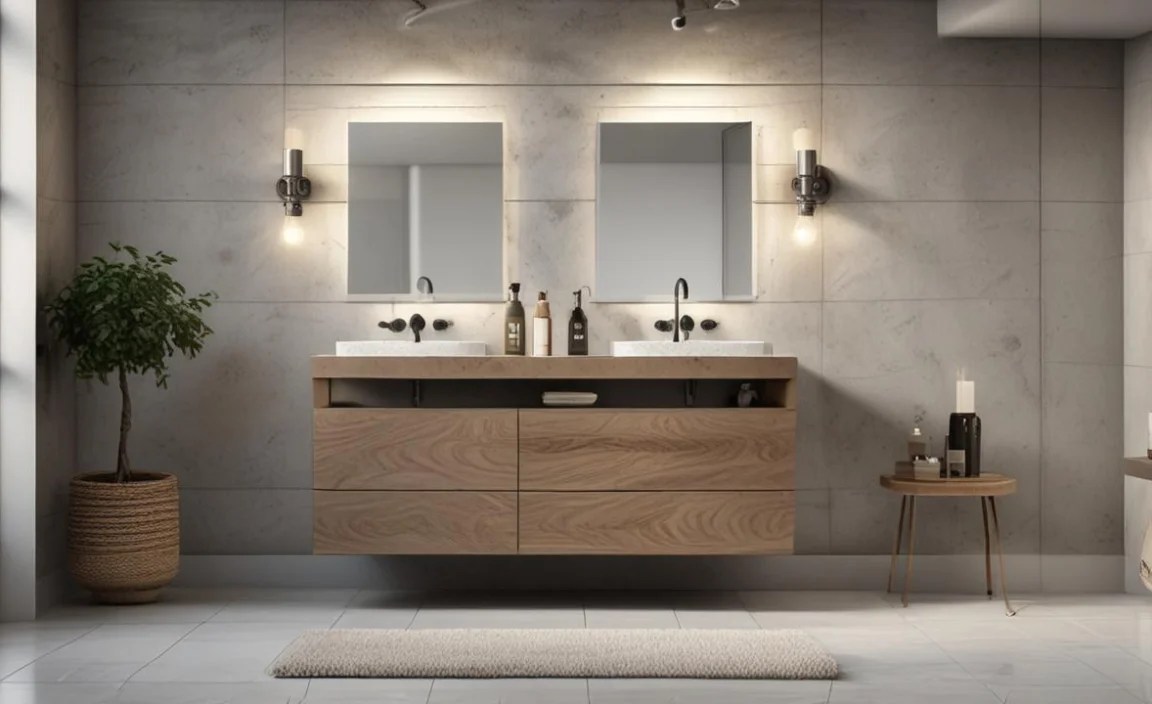
Consider the scale of your vanity and the wall space. A large, round mirror can soften a rectangular vanity, while a long, rectangular mirror can work well above wider sinks. Ensure it’s hung at a comfortable viewing height.
Tools You Might Need for Your DIY Modern Bathroom Accessories

Most modern bathroom accessories are designed for easy DIY installation, but having the right tools makes the job smoother and more efficient. Here’s a list of common tools you might encounter:
Essential Tools:
- Drill with various bits: For creating pilot holes and driving screws.
- Stud Finder: Crucial for securely mounting shelves, bars, and other fixtures.
- Level: To ensure your installations are straight and professional-looking.
- Screwdriver Set: Both Phillips head and flathead are usually needed.
- Adjustable Wrench: Indispensable for plumbing tasks like shower head installation.
- Measuring Tape: For accurate placement of all new accessories.
- Pencil: For marking drill points.
- Plumber’s Tape (PTFE tape): Essential for watertight seals on threaded pipe connections.
- Safety Glasses: Always protect your eyes, especially when drilling or working with tools.
Optional but Helpful Tools:
- Caulking Gun: If you need to seal around fixtures to prevent water damage.
- Utility Knife: For opening packages or trimming materials.
- Hammer: For tapping in anchors or other small tasks.
Step-by-Step Installation: A General Approach
While each accessory is installed slightly differently, a general process ensures success for most DIY bathroom upgrades.
1. Plan and Measure
Before you buy anything, decide what you need and where it will go. Measure the space carefully. For example, when buying a towel bar, measure the available wall space to ensure the bar you choose will fit aesthetically and functionally.
2. Gather Your Tools and Materials
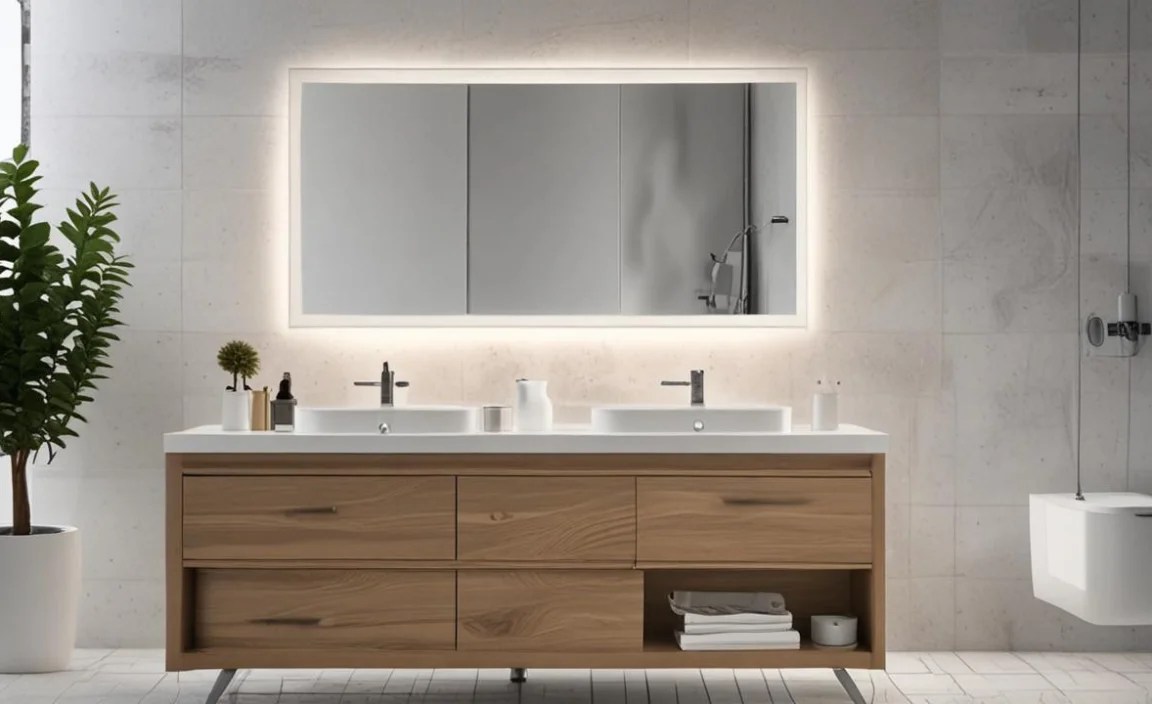
Once you know what you need, make sure you have all the tools and any necessary mounting hardware. Many accessories come with their own hardware, but sometimes you need specific screws or anchors depending on your wall type.
3. Locate Wall Studs (Crucial for Heavy Items)
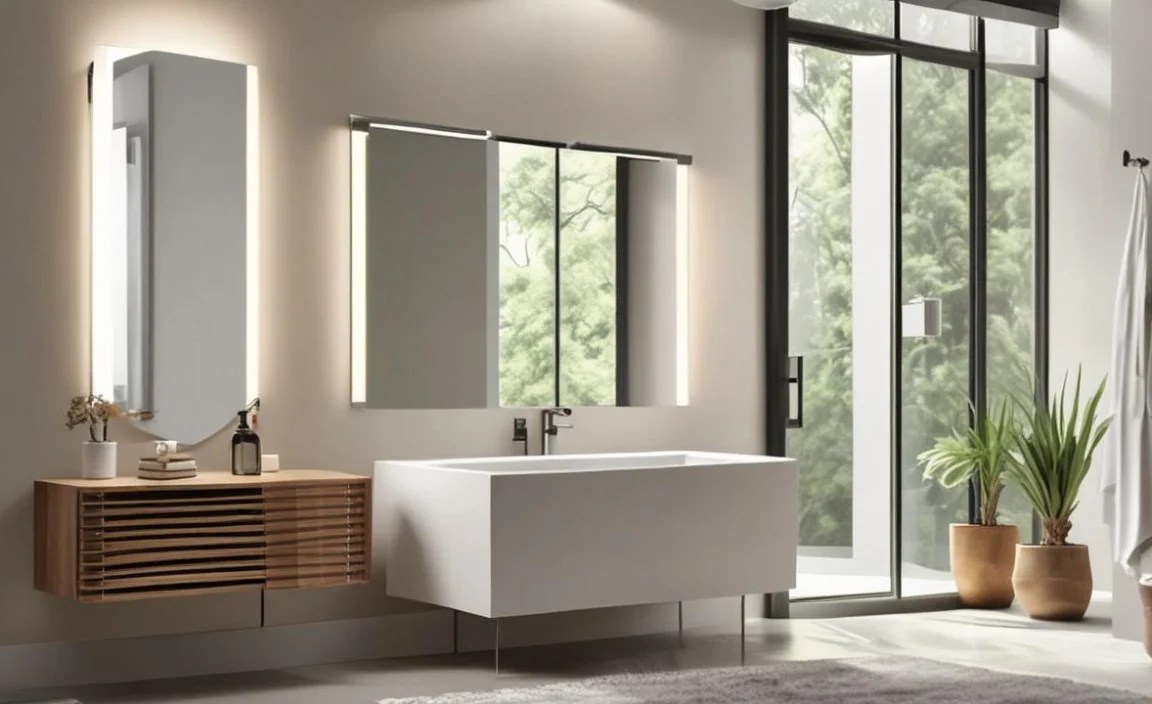
For anything that needs to bear weight (shelves, towel bars, grab bars), finding wall studs is non-negotiable for safety and durability. Use your stud finder and mark the center of each stud where you plan to mount the item. If studs aren’t in the ideal location, you’ll need to use heavy-duty drywall anchors rated for the item’s weight. The This Old House guide on using a stud finder is an excellent resource.
4. Mark and Drill Pilot Holes
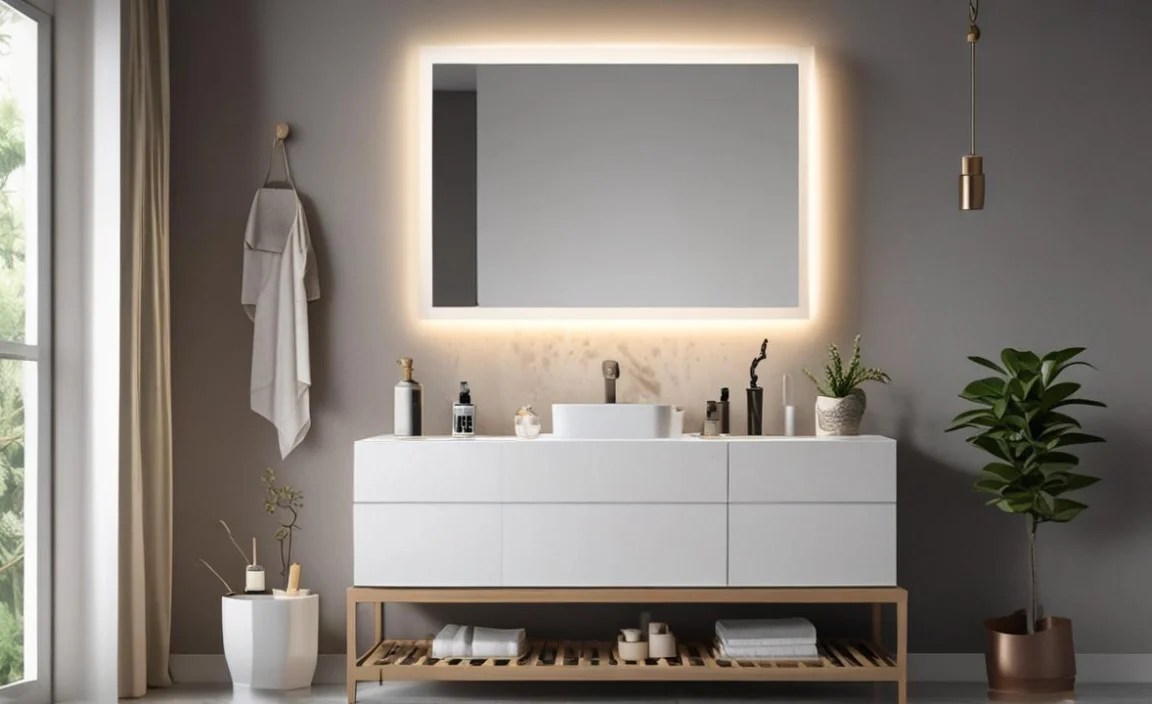
Hold the new accessory or its mounting bracket in place, use your level to ensure it’s straight, and mark the screw hole locations with a pencil. Drill pilot holes slightly smaller than your screws. This makes driving screws easier and prevents wood from splitting.
5. Install Anchors (if needed)
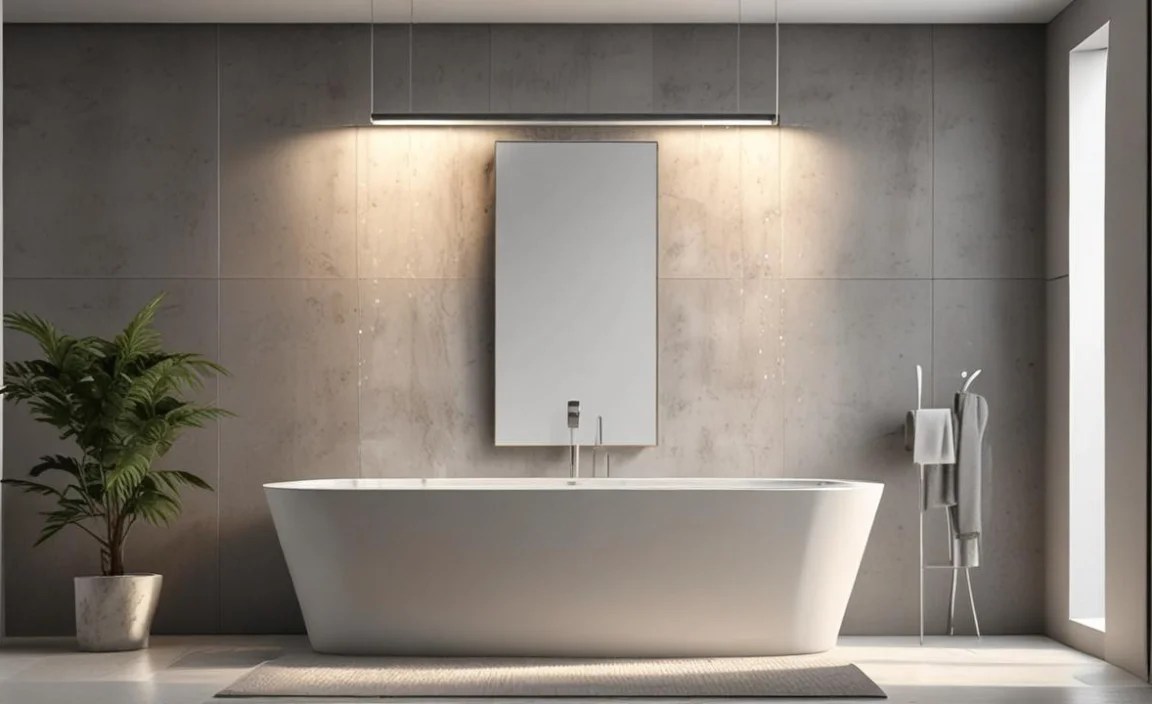
If you’re not screwing directly into a stud, insert the appropriate drywall anchors into the pilot holes. Follow the anchor manufacturer’s instructions for installation.
6. Mount the Accessory
Align the accessory or bracket with your pilot holes/anchors and securely fasten it with the provided screws. If it’s a multi-part item, like a floating shelf, you might install the bracket first, then slide the shelf onto it.
7. Test and Finish
Gently test the stability of the installed accessory. For plumbing fixtures like shower heads, turn on the water and check thoroughly for leaks. If everything is secure and leak-free, you’re done! Clean up any dust or debris.
FAQ: Your Modern Bathroom Accessory Questions Answered
Q1: What makes a bathroom “modern”?
A modern bathroom typically features clean lines, minimalist design, sleek finishes (like chrome, brushed nickel, or matte black), and smart functionality. It often incorporates uncluttered spaces, efficient storage, and updated fixtures that offer both style and practicality.
Q2: Are modern bathroom accessories difficult to install?
For the most part, no! Many modern bathroom accessories like towel bars, shower heads, and shelves are designed with DIY installation in mind. They often require basic tools and straightforward steps. However, always read the manufacturer’s instructions and use safety precautions.
Q3: How do I choose the right size towel bar for my bathroom?
Consider the size of your towels and the available wall space. A good rule of thumb is to allow about 2 inches of space per towel. Measure the wall area where you plan to install it and choose a bar that fits aesthetically and allows for easy towel hanging without being too cramped.
Q4: What are the best DIY upgrades for a small bathroom?
In small bathrooms, focus on maximizing space and functionality. Wall-mounted shelves, over-the-toilet storage units, slim shower caddies, and smart drawer organizers are excellent DIY choices. Upgrading to a more efficient shower head or adding a stylish, well-placed mirror can also make a big difference.
Q5: How often should I replace my shower head?
You don’t necessarily need to replace a shower head on a fixed schedule unless it’s damaged or clogged beyond repair. However, upgrading to a modern, water-efficient, or more functional model can significantly improve your shower experience and potentially lower water bills. Many modern shower heads can pay for themselves over time through water savings.
Q6: I have a tiled bathroom wall. How do I install accessories securely?
For tiled walls, you’ll need a tile drill bit to create pilot holes. You may also need specialized anchors designed for tile or masonry. It’s crucial to drill slowly and carefully to avoid cracking the tile. Once the hole is made, you can insert standard drywall anchors (if drilling into the substrate behind the tile) or specific masonry anchors and proceed with installation as usual. Always ensure the anchors are rated for the weight of the item.
Q7: Can I install a new light fixture myself?
If you have basic electrical knowledge and are comfortable with turning off power at the breaker, replacing a light fixture can be a DIY project. However, if you’re unsure about electrical wiring, it’s safest to hire a licensed electrician. Always ensure the power is completely shut off at the breaker before attempting any electrical work.
Conclusion: Your Bathroom, Your Style, Your Accomplishment
Transforming your bathroom doesn’t require a full renovation or a professional’s hefty invoice. By focusing on modern bathroom accessories and embracing a few straightforward DIY projects, you can achieve a stylish, functional, and highly personalized space. From the instant luxury of a new shower head to the smart organization of floating shelves, these additions enhance your daily life and your home’s overall appeal.
Remember, the key is planning, using the right tools, and taking your time. Each successfully installed accessory builds confidence for the next. You’ve learned about essential modern accessories, how to approach installation safely and effectively, and what to consider for your specific needs. So go ahead, pick a project, gather your supplies, and enjoy the rewarding process of making your bathroom truly yours. Happy DIYing!
