
The naming of drains in plumbing might sound technical, but understanding these terms is key to fixing leaks and clogs. This guide simplifies drain terminology, helping you identify different types and know why correct naming matters for your home’s plumbing. Get ready to master your drain system with confidence!
Ever found yourself staring at a mystery pipe, unsure what it’s called or what it does? In the world of plumbing, that can be a frustrating experience, especially when a leaky sink or a slow drain needs attention. You hear terms like “trap arm,” “waste and vent,” or “soil pipe,” and it can all sound like a foreign language. But don’t worry! Understanding the basic naming conventions for drains is simpler than you think and incredibly useful for any homeowner.
Knowing the right name for a drain part can help you accurately describe the problem to a plumber, find the correct replacement part at the hardware store, or even perform simple DIY fixes yourself. This guide will break down the common names for plumbing drains, explain what they do, and show you why it all matters. Let’s unlock the mysteries of your home’s drainage system together!
Why Does the Naming of Drains in Plumbing Matter?

You might be thinking, “Why do I need to know the fancy names for my drains? Isn’t a drain just… a drain?” While this might seem like nit-picking terminology, the correct naming of drains in plumbing is actually crucial for several reasons:
- Accurate Troubleshooting: When you can’t identify the specific part of your drain system that’s causing trouble, it’s hard to fix it. Knowing the names helps you pinpoint the issue. Is it the P-trap under the sink? The main drain line? The vent pipe?
- Effective Communication: Whether you’re calling a professional plumber or buying parts, using the right terms ensures clear communication. This prevents misunderstandings, saves time, and can even save you money by avoiding the purchase of incorrect parts.
- Safe and Efficient Repairs: Different drain components have specific functions and require specific repair methods. Knowing their names ensures you’re addressing the right part with the right technique, promoting safety and the longevity of your plumbing system.
- Understanding Your Home: Demystifying plumbing terms gives you a better understanding of your home’s infrastructure. This knowledge empowers you to maintain your home more confidently and effectively.
The Basic Anatomy of a Plumbing Drain System

Before we dive into specific names, let’s look at the general pathway of wastewater in your home. It’s a smart system designed to carry waste away safely and prevent sewer gases from entering your living space. Here’s a simplified flow:
- Fixtures: These are the points where water is used and waste is generated—sinks, toilets, showers, bathtubs, dishwashers, washing machines.
- Drain Pipes: Once wastewater leaves a fixture, it enters the drain pipes, which are typically sloped to gravity.
- Traps: A critical component designed to hold a small amount of water, creating a seal that blocks sewer gases from coming up through the drains.
- Waste and Vent Pipes: Drain pipes carrying wastewater connect to larger waste (or soil) pipes. Vent pipes, which are connected to the waste system, allow air into the pipes. This air prevents vacuums from forming that could suck water out of traps and allows waste to flow smoothly.
- Main Sewer Line: All waste pipes eventually connect to the main sewer line that carries waste from your home to the municipal sewer system or your septic tank.
Common Drain Names and What They Mean
Let’s start getting familiar with the actual names you’ll encounter. We’ll begin with the drains you see every day and then move to the less visible, but equally important, parts of the system.
Sink Drains
These are the most common drains homeowners interact with. They connect directly to fixtures like kitchen sinks, bathroom sinks, and even bathtubs and showers.
- Drain Strainer/Flange: This is the visible part at the top of the drain opening in your sink or tub. It’s usually a metal ring with small holes (a strainer) or a flat component (a flange) that fits into the drain opening. Its job is to catch larger debris like food scraps or hair from going down the drain.
- Drain Tailpiece: Connected directly to the bottom of the drain flange, this is a short, straight pipe that extends downwards from the sink or tub.
- P-Trap (or S-Trap): This is arguably the most well-known plumbing trap. It’s a U-shaped piece of pipe located just below the sink or tub drain. It’s named for its shape, resembling the letter ‘P’ (or ‘S’ if it’s an S-trap, though P-traps are standard for good reason). The P-trap’s essential function is to hold a small amount of water, forming a water seal that prevents foul-smelling sewer gases from entering your home. If you have a sewer gas smell, the P-trap is often the culprit if its water seal has evaporated or been siphoned out.
- Trap Arm: This is the horizontal pipe that runs from the P-trap to the main waste pipe. It’s also sloped to allow water and waste to flow downhill.
- Closet Flange (Toilet Flange): This is the fitting that connects your toilet to the drain system. It seals to the floor and has a connection that allows waste to flow from the toilet into the waste pipe. It’s crucial for preventing leaks and sewer gases. You can learn more about them from resources like Canada Mortgage and Housing Corporation, which offers great insights into home plumbing.
Toilets
Toilets have their own specific drain naming conventions, mainly related to how waste exits the fixture and enters the system.
- Trapway: This is the internal passage within the toilet bowl and base that holds water and forms the water seal, similar to a P-trap. It, too, prevents sewer gases from escaping.
- Tee Drain (or Closet Bend): This refers to the fitting at the base of the toilet where the toilet trapway connects to the waste pipe. It dictates the direction of waste flow.
Shower and Bathtub Drains
These drains are similar to sink drains but are designed for higher volumes of water and often have specific covers to catch hair.
- Drain Cover/Strainer: The visible part, designed to allow water to pass while stopping hair and other debris. Some are screw-in types for easy removal and cleaning.
- Shower/Tub Waste and Overflow (W&O) Fitting: This is a combined unit located behind the shower or tub. It includes the drain outlet that connects to the trap and also an overflow outlet, typically visible behind the faucet handles, which prevents the tub or shower from filling too high.
Floor Drains
Found in basements, garages, or commercial settings, floor drains are designed to handle spills or excess water on the floor.
- Floor Drain Strainer: The grate on the floor that allows water to enter the drain while preventing larger objects from falling in.
- Floor Drain Trap Seal: Like sink drains, floor drains have a trap to prevent sewer gases. However, these can often dry out if not used regularly, leading to odors.
Understanding Waste, Vent, and Soil Pipes
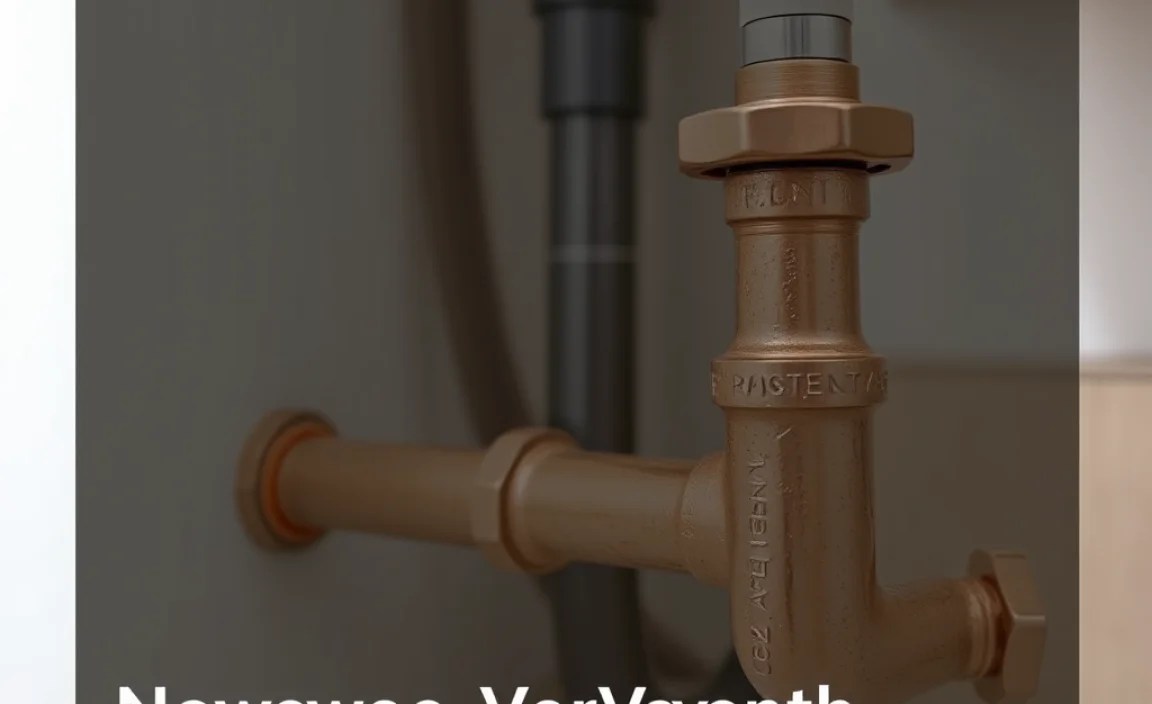
These terms refer to the larger pipes that carry wastewater away and ensure the system functions correctly.
Waste Pipe
A waste pipe is any pipe that carries wastewater or sewage away from fixtures. This includes the pipes coming directly from sinks, toilets, showers, and tubs.
Soil Pipe
When we talk about a “soil pipe,” we’re generally referring to a waste pipe that carries human waste (feces, urine) and the flush water from toilets. In many residential systems, “waste pipe” and “soil pipe” are used interchangeably, but technically, soil pipes handle waste from toilets, while waste pipes can handle from any fixture.
Vent Pipe
This is a critical, often overlooked, part of the drainage system. Vent pipes are connected to the waste and soil pipes and extend upwards, usually through the roof. Their primary function is to allow air into the drainage system. Why is this important?
- Prevents Siphonage: Without proper venting, when a large volume of water flows through a drain pipe, it can create a vacuum (siphon effect) that pulls the water out of the P-traps. This breaks the water seal, allowing sewer gases to enter your home.
- Allows Smooth Flow: Venting equalizes the air pressure within the pipes. This allows wastewater and solids to flow freely down the drain by gravity, preventing gurgling sounds and slow drains.
- Releases Gases: Vent pipes allow any gases produced by waste decomposition to escape safely outdoors, rather than backing up into your house.
According to the International Plumbing Code (IPC), proper vent pipe installation is mandatory for safe and functional plumbing systems. It’s a vital component for preventing the issues that plague many homes.
A Table of Common Drain Terms
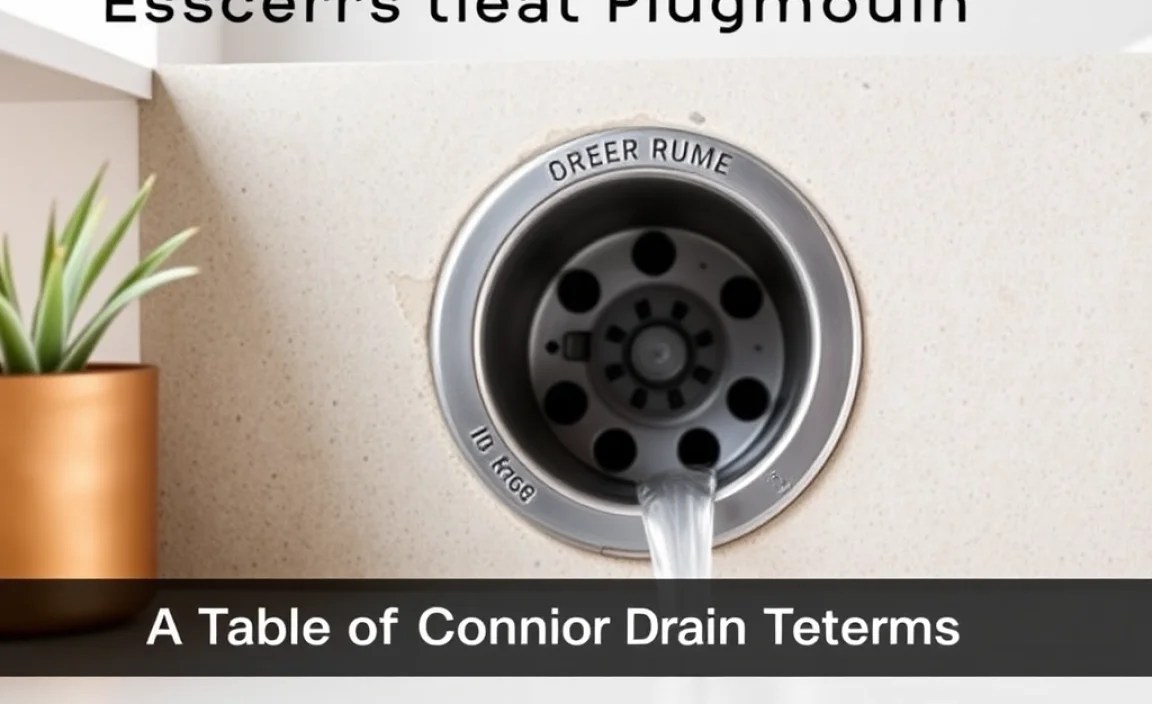
To help you keep these terms straight, here’s a quick reference table of the most common drain-related components:
| Term | Description | Primary Function |
|---|---|---|
| Drain Strainer/Flange | The visible metal part at the top of a sink, tub, or shower drain. | Catches debris, secures the drain assembly. |
| Tailpiece | Short pipe connecting the drain flange to the P-trap. | Carries wastewater from fixture to trap. |
| P-Trap | U-shaped pipe under fixtures. | Holds water to create a seal against sewer gases. |
| Trap Arm | Horizontal pipe from P-trap to waste pipe. | Carries wastewater from trap to main drain system. |
| Closet Flange | Connects toilet to the drain pipe. | Seals toilet to floor and drain system. |
| Trapway | Internal passage in a toilet bowl/base. | Forms water seal, carries waste. |
| Waste Pipe | Carries wastewater from fixtures (non-toilet). | Transports wastewater away from sinks, showers, etc. |
| Soil Pipe | Carries human waste and flush water from toilets. | Transports sewage from toilets. |
| Vent Pipe | Pipe extending upward, usually through the roof. | Allows air into the system, equalizes pressure, releases gases. |
DIY Tips for Dealing with Drains
Now that you know the names, here are some simple DIY tips for common drain issues. Remember, safety first, and if you’re ever unsure, call a professional!
Clearing Clogged Drains
Before you reach for harsh chemicals, try these gentler methods:
- Plunger Power: For most sink or toilet clogs, a good old-fashioned plunger can work wonders. Ensure a good seal around the drain. For sinks with overflows, you might need to plug the overflow opening with a wet cloth.
- Hot Water and Dish Soap: For grease clogs in kitchen sinks, pour a kettle of boiling water down the drain, followed by a good squirt of dish soap. Let it sit for a few minutes before flushing with more hot water.
- Baking Soda and Vinegar: Pour about half a cup of baking soda down the drain, followed by half a cup of white vinegar. Let it fizz for 15-30 minutes, then flush with hot water. This can help break down minor clogs.
- Drain Snake (Auger): For deeper clogs, a drain snake (or plumber’s auger) is a great tool. You feed it into the drain and crank it to break up or retrieve the obstruction. This is particularly effective for clogs in the trap or beyond. You can find affordable and easy-to-use drain snakes at most hardware stores.
Dealing with Drain Odors
If you’re smelling sewer gas, it’s often due to a dry P-trap or a leak.
- Run Water: If you have a seldom-used drain (like in a guest bathroom or basement), simply running water for a minute or two will refill the P-trap and restore the water seal.
- Clean the P-Trap: For sinks, the P-trap can accumulate gunk. Place a bucket underneath, unscrew the slip nuts, and clean out the trap. Then reassemble, ensuring the washers are in place.
- Check for Leaks: Inspect the pipes under your sinks and around your toilets for any signs of moisture. A small leak can compromise the seal and allow gases to escape.
When to Call a Plumber
While these DIY tips are great for minor issues, some problems are best left to the professionals:
- Persistent clogs that won’t clear with basic methods.
- Multiple fixtures are clogged simultaneously, indicating a main line issue.
- Suspected sewer line backups or damage.
- If you’re dealing with gas leaks or water damage.
- When you’re uncomfortable performing the repair yourself.
The Role of Venting in Drain Performance
We touched on vent pipes, but it’s worth reiterating their immense importance. Imagine trying to pour liquid out of a bottle without letting air in; it glugs and pours slowly, if at all. That’s what happens in a poorly vented drain system.
A properly vented system ensures that:
- Water flows freely: Air pressure is equalized, so gravity does its job effectively.
- Traps remain full: Siphoning is prevented, keeping those crucial water seals intact.
- No gurgling noises: These sounds often indicate a venting problem.
- Safety: Gases stay where they belong – outside your home.
If you notice slow drains, gurgling in other fixtures when one is used, or recurring sewer odors, the problem might not be the drain itself but the vent system. Consulting resources like the U.S. Department of Housing and Urban Development (HUD) can provide further guidance on basic plumbing system maintenance.
Conclusion
Navigating the names of drains in plumbing doesn’t have to be intimidating. By understanding terms like P-trap, tailpiece, waste pipe, and vent pipe, you’ve taken a significant step towards mastering your home’s essential systems. This knowledge empowers you to communicate more effectively, tackle minor repairs with confidence, and know precisely when to call for professional help.
Remember, a well-functioning drainage system is vital for a healthy and comfortable home. From the visible strainer in your sink to the unseen network of pipes and vents, each component plays a crucial role. So, the next time you encounter a plumbing issue, you’ll be equipped with the right vocabulary and understanding to address it. Keep these terms in mind, follow safe DIY practices, and don’t hesitate to seek expert advice when needed. Your home, and your peace of mind, will thank you for it!
Frequently Asked Questions (FAQ) About Drain Naming
What is the most important part of a drain system for preventing smells?
The P-trap is the most crucial component for preventing sewer gas smells. Its U-shape holds water, creating a seal that blocks gases from entering your home. If you smell odors, the P-trap’s water seal might have evaporated or been siphoned out.
What’s the difference between a waste pipe and a soil pipe?
Technically, a soil pipe specifically carries waste from toilets (human waste and flush water). A waste pipe carries wastewater from other fixtures like sinks, showers, and bathtubs. In many home plumbing systems, the terms are often used interchangeably, but the distinction helps in understanding plumbing diagrams and codes.
Why do my drains make gurgling noises?
Gurgling noises usually indicate a problem with the venting system. When water drains, it needs air to flow smoothly behind it. If the vent pipe is blocked or improperly installed, it can cause air to be sucked back through the water in the trap, creating gurgling sounds.
