
Have you ever wondered why the pipes under your sink have a bend? This bend is known as a P-trap. It might sound like a tricky name, but it has an interesting story. The naming of P-trap in plumbing isn’t just about its shape. This curious pipe keeps our homes clean and odor-free. Let’s dive into the story of the P-trap.
Key Takeaways
- P-traps prevent smelly gas from entering homes.
- The naming of P-trap in plumbing comes from its shape.
- Water in P-traps creates a seal against sewer gases.
- P-traps are important for health and hygiene.
- Plumbers rely on P-traps for safe plumbing systems.
Naming of P-Trap in Plumbing History

Have you ever looked at the pipes under your sink? They have a funny bend. That bend is called a P-trap. But why is it named that way? The naming of P-trap in plumbing is inspired by its shape. It looks like the letter “P.” This design is essential for keeping bad smells away.
- The design looks like the letter “P”.
- Prevents sewer gases from entering homes.
- The shape traps water inside.
- Water forms a seal to block odors.
- Used in sinks, tubs, and other plumbing.
The P-trap serves an important purpose. It keeps our homes safe and fresh. The water trapped inside creates a barrier. This stops smelly gases from coming back inside. Without the P-trap, our homes might smell like a sewer! It might be a simple pipe, but it does a big job.
Fun Fact or Stats : Did you know that P-traps have been used since the 1800s?
How P-Traps Work
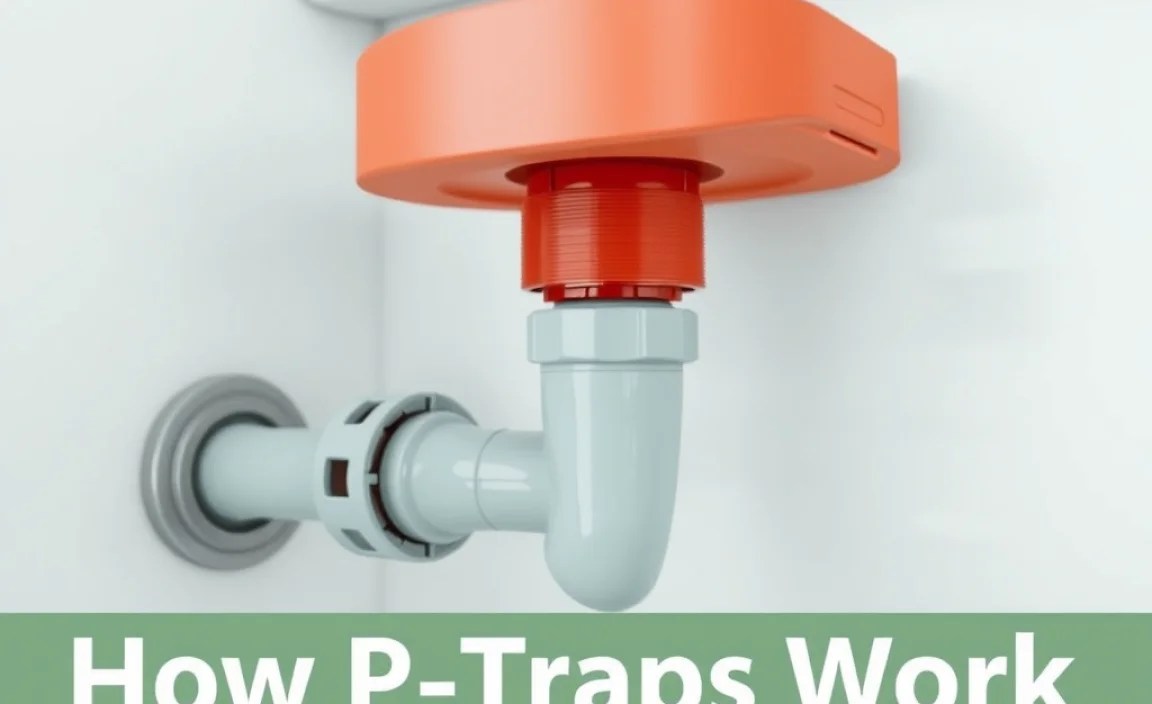
The P-trap is more than just a pipe. It’s a clever invention in plumbing. When you wash your hands, water flows into the P-trap. A small amount of water stays there. This creates a water seal. The water blocks sewer gases. So, your bathroom or kitchen stays fresh and clean.
- The P-trap collects and holds some water.
- This water forms a barrier against gases.
- It connects the sink to the plumbing system.
- Traps debris, preventing drain clogs.
- Common in homes and commercial buildings.
Why is the P-trap important in plumbing? Without it, gases from the sewer would escape. This could make your home smell bad. It’s essential for keeping our living spaces pleasant. The P-trap also catches small objects that fall down the drain. This makes it easier to recover lost items.
Fun Fact or Stats : The P-trap can hold up to 2 cups of water!
Parts of a P-Trap

Have you ever seen a plumber fix a sink? They often work with P-traps. Understanding its parts helps us know how it works. The main parts of a P-trap include the trap bend and trap arm. These parts work together to create the water seal.
- The trap bend is the curved section.
- The trap arm connects to the wall.
- Washers ensure a tight fit.
- Slip nuts hold the trap together.
- Made of plastic or metal materials.
The trap bend is what makes the “P” shape. It holds water to block gases. The trap arm connects the trap to the plumbing. Slip nuts and washers help keep it leak-free. These parts must fit well and be secure. This ensures the P-trap works properly.
Fun Fact or Stats : P-traps can be made of plastic or shiny chrome!
Common Problems with P-Traps
Like anything, P-traps can have problems. They can leak or clog. Have you ever seen water under a sink? This could mean the P-trap is leaking. It’s important to fix these issues quickly. A leaky P-trap can cause water damage and bad smells.
- Leaks can occur from loose connections.
- Clogs happen from trapped debris.
- Improper installation causes problems.
- Old traps can rust or crack.
- Regular checks can prevent issues.
How do you fix a leaky P-trap? First, check the connections. Tighten any loose nuts. If it’s clogged, cleaning it might help. Sometimes, you may need to replace the P-trap. Regular maintenance can prevent these problems. A well-maintained P-trap keeps your home smelling fresh.
Fun Fact or Stats : Did you know a clogged P-trap is a common plumbing issue?
Benefits of Using P-Traps
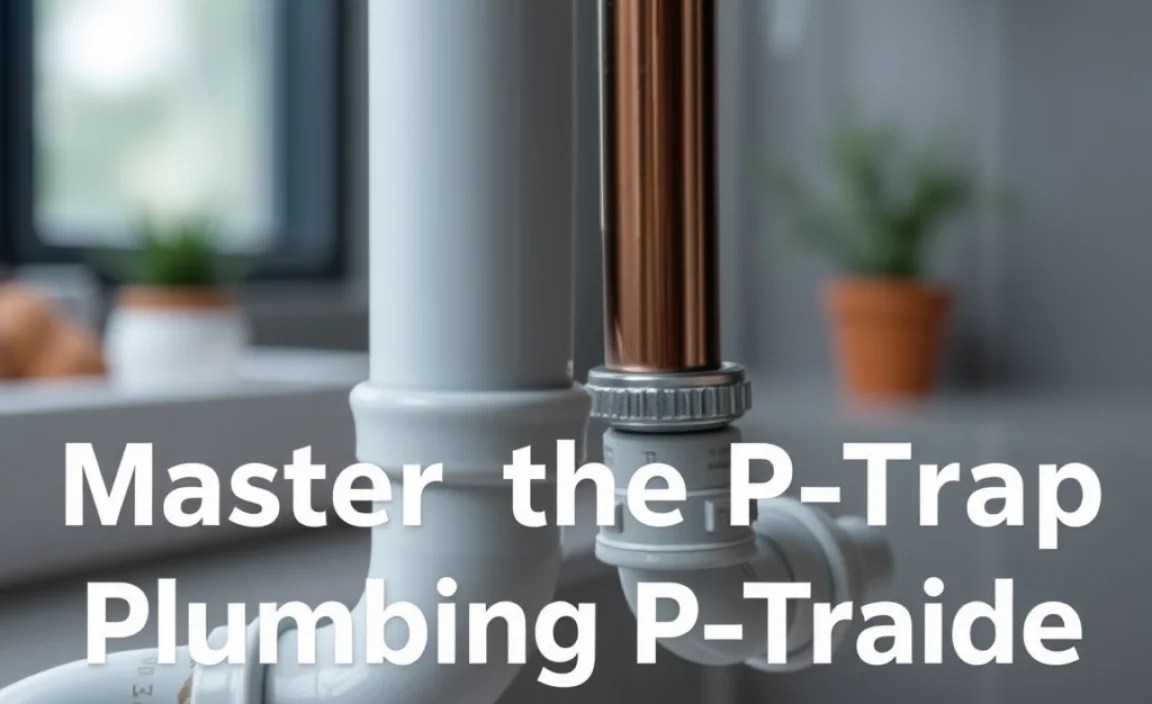
Why are P-traps so important in plumbing? They do more than catch lost rings. They protect our homes from smelly gases. They are a vital part of every plumbing system. Without them, our homes might not smell or function well.
- Prevents foul odors in living spaces.
- Keeps sewer gases out of homes.
- Traps small items that fall down the drain.
- Saves on repair costs by preventing clogs.
- Essential for a safe, healthy home.
Think of the P-trap as a home protector. It works quietly to keep things fresh. It also catches small items like jewelry if they fall down the drain. It reduces the need for costly repairs. Thanks to the P-trap, our homes stay safe and pleasant.
Fun Fact or Stats : A P-trap can save thousands on plumbing repairs!
Installing a P-Trap: A Simple Guide
Installing a P-trap might seem hard, but it’s doable. Have you ever built something with Legos? Installing a P-trap is a bit like that. You need the right pieces and follow steps carefully. With some help, you can install it yourself!
- Gather the necessary tools and parts.
- Connect the trap bend to the sink drain.
- Attach the trap arm to the wall pipe.
- Ensure all nuts and washers are tight.
- Check for leaks once installed.
Start by collecting all the parts you need. Carefully connect the pieces. Make sure everything fits tightly. After installation, run water to check for leaks. It’s a great way to learn about plumbing. Plus, you’ll have the satisfaction of doing it yourself!
Fun Fact or Stats : Installing a P-trap takes just about an hour!
Conclusion
The P-trap is a small but mighty part of plumbing. The naming of P-trap in plumbing comes from its shape. It protects our homes from bad smells and gases. Without it, our homes wouldn’t be as fresh and pleasant.
FAQs
Question: What is a P-trap?
Answer: A P-trap is a plumbing pipe with a curved shape. It holds water to prevent sewer gases from entering homes. The naming of P-trap in plumbing comes from its shape, which looks like a “P”.
Question: Why is the P-trap important?
Answer: The P-trap is crucial because it blocks sewer gases. It keeps our homes smelling fresh and clean. Without it, bad odors could fill our living spaces.
Question: Can a P-trap clog?
Answer: Yes, a P-trap can clog with debris over time. This can cause slow drainage or even blockages. Regular cleaning and checks can help prevent this issue.
Question: How is a P-trap installed?
Answer: Installing a P-trap involves connecting the trap bend and trap arm. Ensure all connections are tight to prevent leaks. It’s like building with blocks, but for plumbing.
Question: What materials are P-traps made of?
Answer: P-traps can be made of plastic or metal. Plastic is common for its affordability and resistance to rusting. Metal P-traps, like chrome, are often used for their durability and aesthetic appeal.
Question: How does the P-trap’s shape help?
Answer: The P-shape holds water that forms a barrier. This water seal blocks sewer gases from entering our homes. The naming of P-trap in plumbing reflects this helpful design.
