
Did you know that there’s a part in your sink’s plumbing that keeps your house smelling fresh? This part is called the P-trap. It might sound mysterious, but it’s a real hero under your sink. Ever wondered why plumbers talk so much about it? Let’s dive into P-trap info in plumbing and see why it matters.
Key Takeaways
- The P-trap prevents bad odors from entering your home.
- It helps in catching small objects accidentally dropped down the sink.
- Water in the P-trap creates a seal that blocks gases.
- Understanding P-trap info in plumbing can save you repair costs.
- Regular cleaning of the P-trap prevents clogs.
P-Trap Info: What Is It?
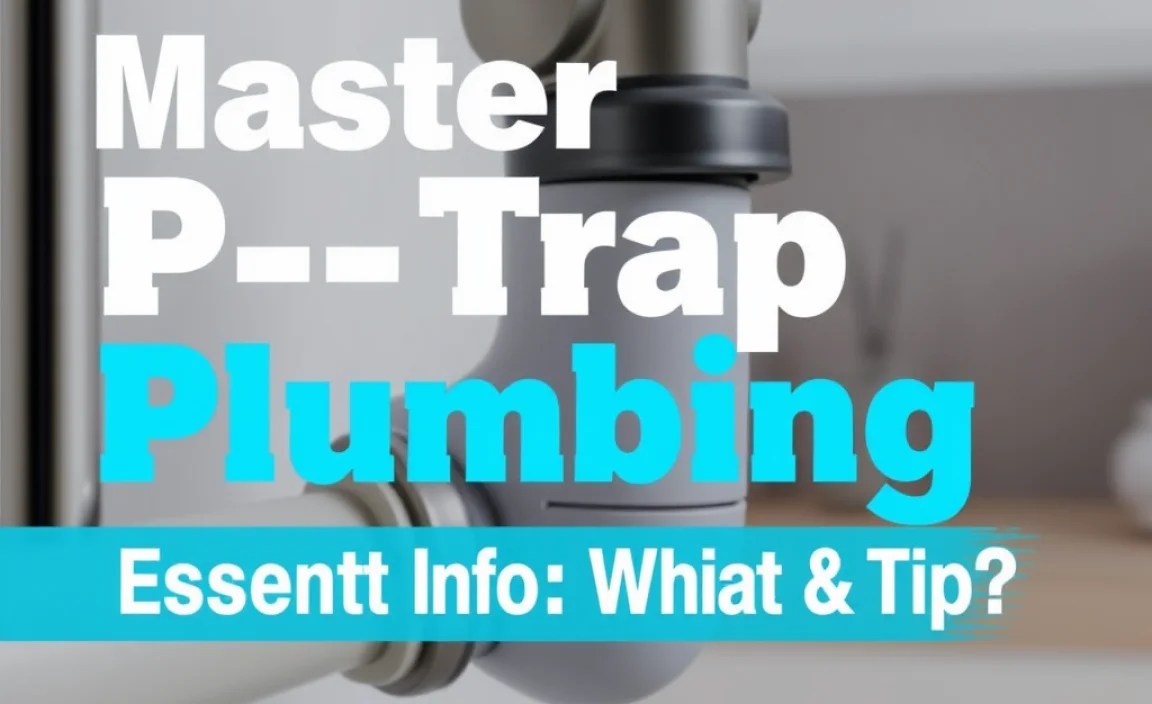
A P-trap is a u-shaped pipe beneath your sink. It’s an essential part of plumbing. The P-trap holds a small amount of water. This water forms a seal, preventing sewer gases from entering your home. Without a P-trap, your house could smell really bad!
- The P-trap is found under sinks.
- It has a curved shape like the letter “P”.
- Water in the trap blocks bad smells.
- It’s easy to spot, even for kids.
- Plumbers often check it for clogs.
Maintaining your P-trap is crucial. Regular cleaning ensures no dirt builds up. If you drop something small down the sink, don’t worry. The P-trap might have caught it. Always remember, a clean P-trap keeps your plumbing working well.
Fun Fact or Stats : A P-trap can hold about 2 cups of water!
Why Do We Need P-Traps?
Imagine what happens if there’s no P-trap in your sink. Your kitchen or bathroom might start to smell. The P-trap stops this by blocking sewer gases. Can you believe this simple pipe does so much? It’s like a little superhero, protecting your home from unpleasant smells.
How Does a P-Trap Work?
The P-trap has a smart design. Water flows into the trap and stays there. This water block stops gases from moving back up. When you use the sink, the water in the trap gets replaced. This keeps the trap fresh and working. It’s a simple process that works wonders.
What Happens If a P-Trap Fails?
Sometimes, a P-trap can dry out. This happens when sinks go unused. When the water seal is gone, smells sneak through. But don’t worry! A little water poured down the sink can fix it. So, always keep your P-trap in check, and you’ll be fine.
P-Trap Materials: What Are They Made Of?
P-traps can be made from different materials. The main ones are plastic, metal, and copper. Each has its own benefits. Plastic P-traps are light and easy to install. Metal ones are strong and last longer. Copper gives a shiny, polished look.
- Plastic P-traps are common in homes.
- Metal lasts longer with proper care.
- Copper looks nice in kitchens.
- Different materials suit different needs.
- Ask a plumber for the best choice.
Choosing the right material depends on your needs. Are you looking for something durable? Or maybe something easy to install? Knowing your options helps in making a smart decision. Your home’s plumbing will thank you for choosing wisely!
Fun Fact or Stats : Most homes use plastic P-traps for easy installation.
Plastic P-Traps
Plastic P-traps are very popular. They’re lightweight and inexpensive. Many homeowners choose them for quick fixes. But why are they so favored? Plastic is easy to handle, even for beginners. If you like doing simple plumbing jobs at home, plastic might be your best choice.
Metal P-Traps
Metal P-traps are durable. They might cost more, but they last longer. Builders often use them in places where strength matters. Do you want a P-trap that can handle tough conditions? Then metal might be right for you. Its durability makes it worth considering.
Copper P-Traps
Copper P-traps are shiny and fancy. Some people like their look. But why choose copper? If you want your plumbing to shine, copper is perfect. It’s both strong and pretty. Plus, it resists some types of corrosion. Copper adds style to kitchens and bathrooms.
Common P-Trap Problems

P-traps can sometimes have issues. The most common is clogging. Food particles or hair can cause this. Another problem is when the P-trap dries out. This usually happens when a sink isn’t used for a while. Leaks can also occur due to loose connections.
- Clogs are frequent in kitchen sinks.
- Dry traps cause bad smells.
- Leaks need regular checks.
- Use your sink often to avoid dry traps.
- Tighten connections to stop leaks.
If you face these problems, don’t worry. A little maintenance goes a long way. Regular cleaning can prevent clogs. Pouring water in unused sinks keeps traps wet. Tightening connections can fix leaks. Simple steps can keep your P-trap running smoothly.
Fun Fact or Stats : Regular use of sinks prevents P-trap drying.
How to Fix Clogged P-Traps
Is your sink draining slowly? Your P-trap might be clogged. Don’t panic! You can fix this easily. First, get a bucket to catch water. Then, remove the trap carefully. Clean out any gunk stuck inside. Reattach it, and your sink should drain well again. It’s easy and quick!
Preventing Dry P-Traps
Have you ever smelled something bad from your sink? A dry P-trap could be the reason. To prevent this, use your sink regularly. If you go away for a while, pour some water in the trap. This keeps it wet and blocks odors. It’s a simple way to ensure a fresh-smelling home.
Fixing Leaky P-Traps
Notice water under your sink? A leaky P-trap might be to blame. Check the connections first. They might need a little tightening. If that doesn’t work, you might need a new washer. Replacing old parts often fixes leaks. It’s a straightforward task you can do yourself.
The Role of P-Traps in Plumbing Systems

P-traps play a huge role in plumbing systems. They connect sink drains to the waste pipes. This connection is vital for keeping sewer gases out. Every sink, tub, and shower needs a P-trap. They create a barrier that stops bad smells from entering your home.
- P-traps connect to waste pipes.
- Every fixture has a P-trap.
- They block sewer gases efficiently.
- P-traps need water to work.
- Regular checks ensure they function well.
Understanding the role of P-traps helps in keeping your home fresh. They’re important parts of the plumbing puzzle. Without them, your home might not be as pleasant. Make sure to inspect them regularly for issues. It’s a simple step to maintain a healthy environment.
Fun Fact or Stats : P-traps help prevent gas leaks in homes.
P-Traps in Kitchen Plumbing
In kitchens, P-traps are essential. They are under the sink, connecting the drain to the pipe. Cooking often leads to food scraps going down the sink. The P-trap stops these from clogging the system. It catches small bits and prevents bigger problems.
P-Traps in Bathroom Plumbing
Bathrooms also need P-traps. They’re under sinks and in showers. Hair and soap can cause clogs. The P-trap catches this debris. Without it, these items would block the pipes. Keeping the bathroom’s P-trap clean prevents many issues.
P-Traps in Laundry Rooms
Did you know laundry rooms have P-traps too? These traps are under washing machines. They catch lint and soap residue. This prevents clogging. Without them, your laundry area might flood. Regular checks and cleaning help maintain them.
How to Maintain Your P-Trap
Maintaining your P-trap is vital for smooth plumbing. Regular checks prevent clogs and leaks. Cleaning the trap keeps it effective. Use a mild cleaning solution to remove any build-up. Doing this monthly is a good practice. It keeps your sinks working well.
- Check P-traps monthly.
- Clean them with mild solutions.
- Inspect for leaks regularly.
- Flush with water to prevent drying.
- Replace old or damaged parts.
Proper care of your P-trap keeps your home fresh and odor-free. Understanding its role in plumbing helps in better maintenance. Regular cleaning keeps everything running smoothly. Don’t wait for problems to occur. Take action now for peace of mind.
Fun Fact or Stats : Proper P-trap maintenance prevents 80% of drain issues.
Cleaning Your P-Trap
Cleaning your P-trap is easy. First, place a bucket under it. Unscrew the trap carefully. Clean any debris inside. Use a brush if needed. Rinse it with water, then reattach it. Regular cleaning keeps it working well.
Inspecting for Leaks
Look for leaks around your P-trap. Tighten any loose connections. If leaks persist, check the washers. They might need replacing. Regular inspections help catch issues early. Fixing them prevents bigger problems later.
Replacing Worn P-Trap Parts
If parts of your P-trap look worn, replace them. Old parts can cause leaks. Get new washers or even a new trap if needed. This ensures everything works properly. Replacing worn parts is a key to hassle-free plumbing.
Conclusion
The P-trap info in plumbing shows its importance. It stops bad smells and catches debris. Regular checks and cleaning keep it in top shape. Understanding the P-trap helps in maintaining your home’s plumbing. So, never ignore this small, yet mighty part.
FAQs
Question: What does a P-trap do?
Answer: A P-trap prevents sewer gases from entering your home. It holds a small amount of water, creating a seal. This seal blocks unpleasant smells. Without it, your home could smell bad. The P-trap info in plumbing is crucial for a fresh environment.
Question: Why is my P-trap leaking?
Answer: Leaks can occur if connections are loose. Check if all parts are tight. Old washers might need replacing. Regular inspection can prevent leaks. If unsure, consult a professional plumber. The P-trap info in plumbing highlights the importance of regular checks.
Question: How can I prevent my P-trap from drying?
Answer: Use your sink regularly to keep the P-trap wet. If going away, pour water down the trap. This maintains the water seal. A dry trap allows odors to enter. Keeping it wet is essential for preventing smells.
Question: Can I clean the P-trap myself?
Answer: Yes, cleaning a P-trap is easy. Place a bucket under it. Unscrew the trap and clean out debris. Rinse it with water, then reattach. Regular cleaning prevents clogs and keeps it working well. The P-trap info in plumbing suggests monthly cleaning.
Question: What materials are P-traps made from?
Answer: P-traps can be plastic, metal, or copper. Plastic is lightweight and common. Metal is durable and long-lasting. Copper looks shiny and elegant. The choice depends on your needs. The P-trap info in plumbing helps you decide the best material.
Question: How does a P-trap work?
Answer: A P-trap holds water, creating a seal. This seal blocks sewer gases. When you use the sink, water in the trap gets replaced. This keeps the trap fresh and effective. The P-trap info in plumbing shows its important role in odor prevention.
