
Have you ever wondered how water flows perfectly from a faucet? Faucets are fascinating pieces of plumbing. Every faucet has several important parts working together. Without them, no water would flow from your tap!
Imagine turning on the faucet, but nothing happens. This might mean one of the parts isn’t working. Learning about the parts of a faucet in plumbing can help solve this puzzle. Let’s explore what makes your faucet work smoothly every day!
Key Takeaways
- Faucets have several key parts to control water flow.
- Handles, spouts, and valves are essential faucet components.
- The parts of a faucet in plumbing ensure smooth operation.
- Faucet aerators help conserve water and reduce splashing.
- Knowing faucet parts aids in fixing common plumbing problems.
Handles: Control the Water Flow
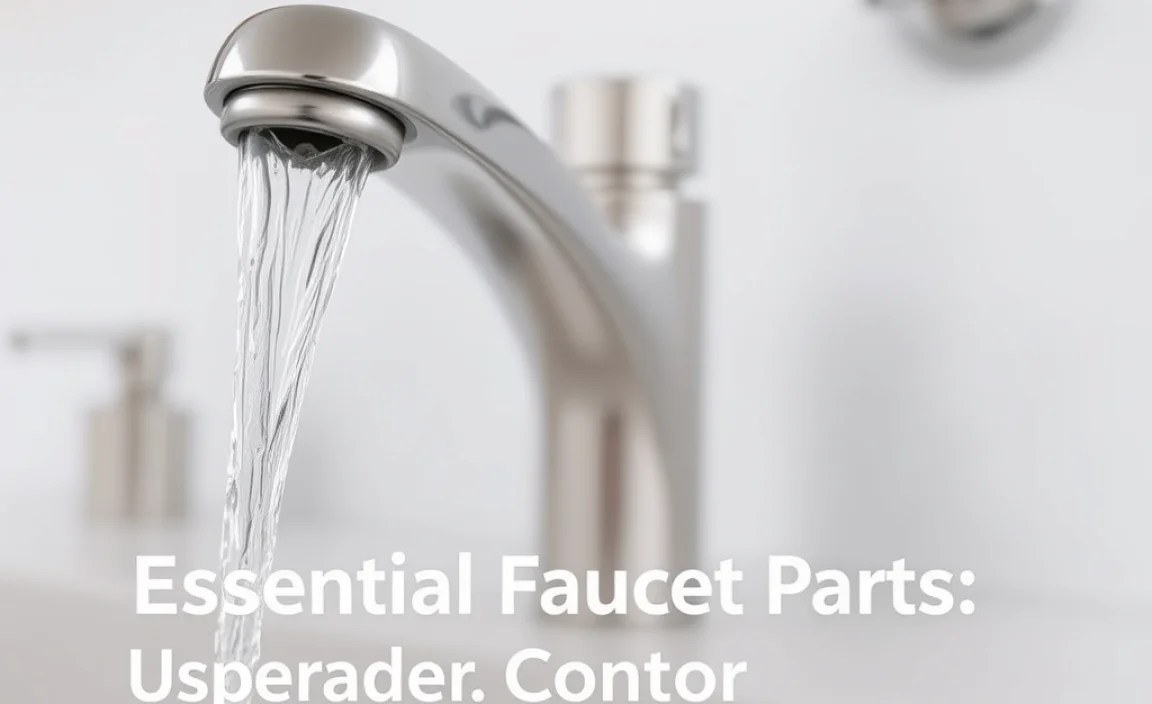
Handles are the parts you grip to turn the water on and off. They are usually made of metal or plastic. Some faucets have one handle, while others have two. Handles connect to valves, which control the water flow. When you twist the handle, it opens or closes the valve. This action lets water flow or stop. Handles come in many designs. Some are simple, while others are fancy and decorative.
- Handles can be single or double.
- They are essential for controlling water flow.
- Handles connect directly to the faucet valve.
- Made from materials like metal or plastic.
- Handles come in various styles and designs.
Replacing a faucet handle is a common DIY fix. It can update the look of your faucet. Knowing how to change a handle can save a plumbing call. Make sure to turn off the water before replacing any parts. This prevents water from spraying everywhere. Having the right tools makes the job easier. Remember, each handle style might need a different method.
Fun Fact or Stats : Most homes in the U.S. have faucets with two handles.
Why Do Handles Come in Pairs?
Why do some faucets have two handles? It’s simple! Each handle controls a different water temperature. One is for hot water, and the other is for cold. This lets you mix water to get the perfect temperature. Some people prefer two handles because it gives more control. With practice, you can find the right mix quickly. Double-handle faucets are classic, but single handles are popular too.
Choosing the Right Handle Style
Have you ever noticed all the different handle designs? Some are cross-shaped, while others are levers. Choosing a handle style can make your bathroom or kitchen look special. Think about how easy it is to use too. Lever handles are great for kids or those with limited strength. They are easy to push or pull. Cross handles look elegant but need a twist to operate.
DIY Handle Replacement Tips
Replacing faucet handles is usually a simple task. Start by buying the right replacement part. Make sure it matches your faucet brand. Turn off the water supply before you begin. Use a screwdriver to remove the old handle. Then attach the new one. Test it to ensure it works smoothly. If unsure, ask an adult for help. Practice makes you better at fixing things!
Spouts: Where Water Flows Out

The spout is where water comes out when you turn on the faucet. It directs the water into your sink or tub. Spouts can be straight, curved, or have a special design. They are usually made of metal, but some are plastic. A good spout makes sure water flows smoothly. It can also prevent splashing. Sometimes, spouts have an aerator at the end. This adds air to the water flow.
- Spouts direct water into sinks or tubs.
- They come in straight or curved designs.
- Aerators on spouts reduce splashing.
- Spouts are made of metal or plastic.
- Designs vary for different faucet styles.
Choosing a spout can change how your faucet looks and works. Long spouts reach further into the sink. This helps when washing large dishes. Some spouts swivel, making them handy for double sinks. Always pick a spout that fits your needs. Consider the sink size and faucet style when choosing. A good spout makes everyday tasks easier.
Fun Fact or Stats : Swivel spouts can cover two sink areas easily!
Why Some Spouts Have Aerators
Have you seen a tiny screen at the end of a spout? That’s an aerator! Aerators mix air with the water. This helps conserve water and reduce splashing. Aerators also make the water flow softer. Removing an aerator is easy. Twist it off to clean any dirt. If your water flow is weak, check the aerator first. A clean aerator improves water pressure.
Picking the Perfect Spout Length
How do you choose the right spout length? Measure your sink first! A long spout reaches further. This helps when filling large pots or washing big dishes. Short spouts work well in small sinks. Always consider how you use your sink. A spout that swivels can be very handy. It allows more flexibility. Think about your daily routine before deciding.
Changing a Spout: Easy Steps
Is your spout leaking or looking old? Time for a change! Start by turning off the water. Then, unscrew the old spout. Clean the area before installing a new one. Follow the instructions that come with the new spout. Make sure it’s tight to prevent leaks. Test it by turning the water back on. A fresh spout gives your faucet a new look.
Valves: The Heart of the Faucet

Valves control the water flow in a faucet. They are hidden inside the faucet body. Valves open and close when you turn the faucet handle. This allows water to flow or stop. There are different types of valves. Some are ceramic, while others are rubber. Each type works differently. Ceramic valves are popular because they last long. They also prevent drips.
- Valves control the water flow in faucets.
- They are located inside the faucet body.
- Ceramic valves are durable and prevent leaks.
- Valves open and close with handle movement.
- Different types include ceramic and rubber valves.
Checking and replacing valves can fix leaks. Over time, valves wear out and need replacement. Replacing a valve can save water and reduce bills. Turn off the water supply before starting. Follow directions to replace and test the new valve. A working valve keeps your faucet leak-free. Learning about valves is handy for fixing faucets.
Fun Fact or Stats : Ceramic valves can last for millions of uses!
Understanding Different Valve Types
Did you know faucets have different valve types? Ceramic valves are common because they are durable. Rubber valves are another option, but they wear out faster. Each type has its pros and cons. Ceramic valves are more expensive but last longer. Rubber valves are cheaper but might need more frequent replacements. Choose based on your needs and budget.
How Valves Prevent Leaks
Wonder how valves stop leaks? They form a tight seal inside the faucet. When the handle turns, the valve opens or closes. This controls water flow. A good seal prevents drips and saves water. If your faucet leaks, the valve might need replacing. Check it regularly to ensure it works well. A simple fix can stop annoying drips.
DIY Valve Replacement Guide
Replacing a faucet valve is a useful skill. Start by turning off the water supply. Open the faucet to let out any remaining water. Remove the handle to access the valve. Use a wrench to unscrew the old valve. Install the new one and tighten it. Reassemble the faucet and test it. If done right, your faucet should work smoothly.
Aerators: Save Water and Reduce Splashing

Aerators are tiny screens that attach to the faucet spout. They mix air with water to create a steady flow. Aerators help save water and reduce splashing. They also make the water flow smooth and soft. This is great for washing hands without making a mess. Aerators come in different styles and sizes. Some add bubbles to the water, making it gentle on the skin.
- Aerators attach to the faucet spout.
- Help save water and reduce splashing.
- Mix air with water for smooth flow.
- Make water flow gentle and soft.
- Available in various styles and sizes.
Installing an aerator is simple. Unscrew the old one and clean the spout. Attach the new aerator by screwing it on. Ensure it’s tight to prevent leaks. Aerators are easy to clean. Remove them once in a while to wash away dirt. A clean aerator improves water pressure. It’s a small part, but it makes a big difference.
Fun Fact or Stats : Aerators can reduce water use by 30% or more!
Choosing the Right Aerator
How do you pick the best aerator? Consider the water flow rate first. Some aerators allow less water, saving more. Others let more water through for faster filling. Think about what you need. If you want to save water, pick a low-flow aerator. If speed is crucial, choose one with higher flow. Aerators are affordable, so try different types!
Why Clean Your Aerator Regularly?
Ever notice your water pressure is weak? The aerator might be clogged. Cleaning it regularly keeps water flowing smoothly. Mineral deposits build up over time. Remove the aerator and scrub it clean. Rinse well before putting it back. A clean aerator improves water pressure. Regular cleaning saves water and prevents plumbing issues.
Installing an Aerator: Simple Steps
Installing an aerator is quick and easy. Unscrew the old aerator first. Clean the spout to remove any dirt. Screw the new aerator onto the spout. Make sure it’s tight to avoid leaks. Test it by turning on the faucet. Enjoy a smooth and splash-free flow! Remember, aerators wear out over time. Replace them when needed for best results.
Body: The Main Structure
The body of a faucet is the main structure. It holds all the parts together. It connects to the sink and supports the spout, handles, and valves. Faucet bodies come in various shapes and sizes. They can be simple or ornate. The body is usually made of metal for durability. Some are shiny chrome, while others have a brushed finish.
- The body holds all faucet parts together.
- Made from durable metals like brass or stainless steel.
- Comes in various shapes and finishes.
- Supports the spout, handles, and valves.
- Connects securely to the sink or countertop.
Proper installation of the faucet body is crucial. It ensures the faucet is stable and leak-free. Use the right tools to install it. Follow instructions carefully for a firm fit. Regular cleaning keeps the faucet body shiny and new. Use gentle cleaners to avoid scratching the surface. A well-maintained faucet looks great in any bathroom or kitchen.
Fun Fact or Stats : Brass faucet bodies resist corrosion better than others!
Choosing a Faucet Body Material
What material is best for a faucet body? Brass is a popular choice. It’s strong and resists corrosion. Stainless steel is another option. It’s durable and has a sleek look. Some faucet bodies are plastic, but they might not last long. Consider your needs and budget. A good faucet body lasts for years, so choose wisely.
Avoiding Leaks with Proper Installation
Want to avoid leaks? Install the faucet body correctly. Start by ensuring all parts fit well. Use plumber’s tape to seal joints. This prevents water from leaking. Tighten connections carefully, but don’t overdo it. Too much force can damage parts. Check everything twice before finishing. Proper installation saves time and money.
Maintaining the Faucet Body
Keep your faucet body in top shape with regular care. Clean it weekly with mild soap and water. Avoid abrasive cleaners that scratch. Polish with a soft cloth for shine. Check for leaks regularly. Tighten loose connections when needed. A little maintenance goes a long way. A clean faucet body brightens up your space.
Conclusion
Understanding the parts of a faucet in plumbing can be helpful. Each part plays a vital role in water flow. Handles, spouts, and valves work together. Knowing these parts helps you fix small problems. With a few tools and knowledge, you can manage minor repairs. This saves time and money. Next time you use a faucet, notice how each part functions!
FAQs
Question: What are the main parts of a faucet?
Answer: The main parts of a faucet in plumbing include handles, spouts, valves, and aerators. Each has a specific role. Handles control water flow, while spouts direct it. Valves manage the flow, and aerators conserve water and reduce splashing. Understanding these parts helps in troubleshooting and repairs.
Question: How do you fix a leaky faucet?
Answer: To fix a leaky faucet, first identify the problem part. It might be a worn-out washer, o-ring, or valve. Turn off the water supply before starting. Replace the faulty part with a new one. Ensure all connections are tight to prevent leaks. Properly replacing parts of a faucet in plumbing should stop the leak.
Question: How often should I clean my faucet aerator?
Answer: Clean your faucet aerator every six months. Remove it by unscrewing from the spout. Soak it in vinegar to remove any mineral buildup. Rinse well before reattaching. This ensures proper water flow and reduces splashing. Regular cleaning keeps your faucet working well.
Question: Can I replace faucet parts myself?
Answer: Yes, you can replace faucet parts yourself. Simple repairs like changing handles, valves, or aerators are doable. Turn off the water and follow instructions carefully. Use the right tools for the job. DIY fixes save money and improve your skills. Know the parts of a faucet in plumbing for best results.
Question: What is the purpose of a faucet aerator?
Answer: A faucet aerator mixes air with water to create a smooth flow. It reduces water usage by limiting the flow rate. Aerators also minimize splashing and make the water feel softer. They are easy to install and maintain. Installing an aerator helps save water and money.
Question: Why do some faucets have two handles?
Answer: Some faucets have two handles to control hot and cold water separately. This allows you to mix water temperatures to your liking. Double handles offer more precise control over water flow. They are common in traditional faucet designs. Each handle connects to a separate valve for temperature adjustment.
