
Have you ever wondered how a faucet works? You use it every day, but do you know what’s inside? Faucets come with different parts that help water flow smoothly. Let’s dive into the world of faucets and discover the magic behind them!
Key Takeaways
- Faucets have many parts that work together.
- Handles control the flow and temperature of water.
- Spouts allow water to pour into the sink smoothly.
- Cartridges are vital parts of a faucet for mixing water.
- Understanding faucet parts helps in repairs.
Understanding Faucet Handles

Faucet handles play a crucial role in your bathroom or kitchen. They help you control the flow and temperature of the water. When you turn the handle, it opens or closes the valve inside. This action lets the water out or stops it. Some faucets have one handle, while others have two. One-handle faucets usually control both hot and cold water. Two-handle faucets have separate controls for hot and cold water. Handles come in different styles and finishes to match your sink and décor. Whether you prefer a lever or a cross handle, they all serve the same purpose.
- Handles control water flow.
- Some faucets have one handle.
- Two-handle faucets control hot and cold separately.
- Handles come in stylish designs.
- Handle type affects ease of use.
Choosing the right handle can make your faucet more comfortable to use. Some handles are easier to grip, especially for kids or older adults. The design can also add to the look of your kitchen or bathroom. It’s important to pick a handle style that suits your needs and fits your sink. By understanding how handles work, you can make better choices for your home.
Fun Fact or Stats : Did you know? The earliest faucets date back to 1700 B.C.!
Types of Faucet Handles
There are different types of faucet handles to consider. One of the most common types is the lever handle. It’s easy to use and requires just a simple push or pull. Another popular type is the cross handle, which you turn like a wheel. Some faucets even have touchless handles, which use sensors to turn on the water. This is great for keeping germs away. Which type do you think is best for your home? It’s always fun to explore the options and pick a handle that fits your style.
Materials Used in Faucet Handles
Faucet handles can be made from various materials. Metal is a popular choice because it’s strong and lasts long. Common metals include brass, stainless steel, and zinc. You might also find plastic handles, which are lighter and often cheaper. Some high-end faucets have ceramic handles for a unique look. Each material has its pros and cons, so it’s important to choose wisely. Do you prefer the shiny look of metal or the lightweight feel of plastic?
Replacing Faucet Handles
Sometimes, faucet handles need replacing. This could be due to wear and tear or a desire for a new look. Replacing a handle is a simple task that can freshen up your sink. You start by removing the old handle, which might require a screwdriver. Then, attach the new handle, making sure it’s secure. Always check for leaks after replacing handles. Why not try this simple DIY project at home? It can be a fun way to improve your space without spending much money.
The Role of Faucet Spouts

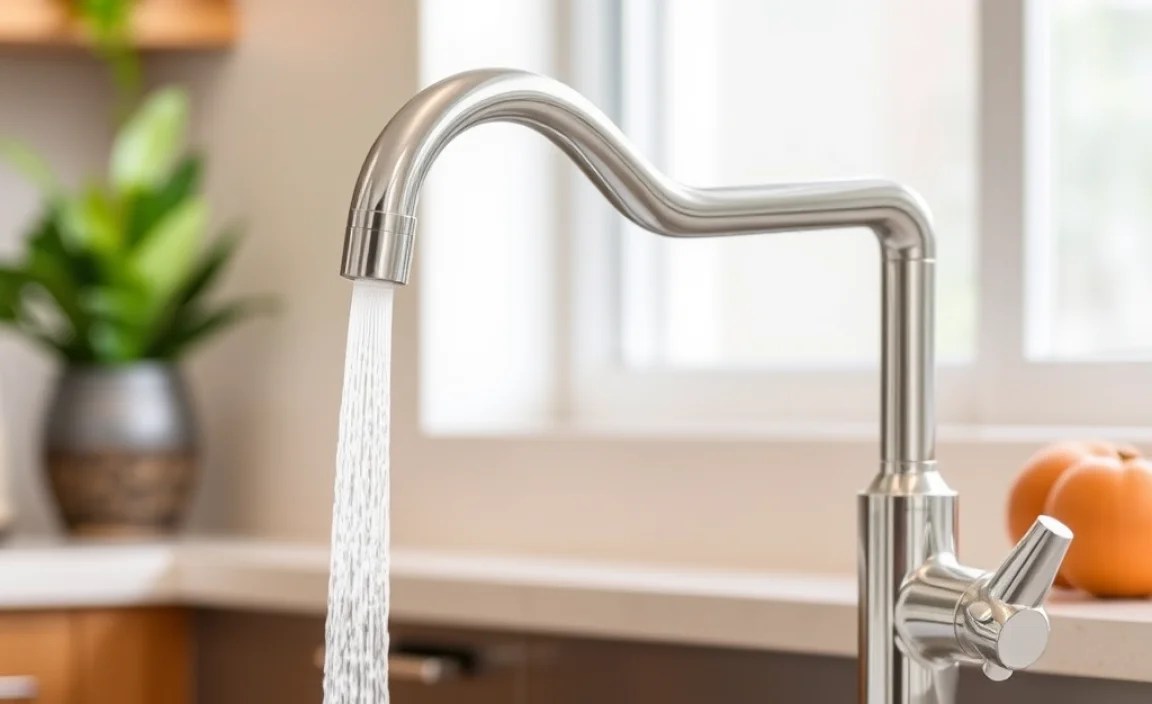
Faucet spouts are another essential part of a faucet. They direct the water into your sink, bathtub, or basin. The length and shape of the spout can affect how water flows. Some spouts are long and straight, while others are short and curved. A popular type is the gooseneck spout, which is tall and elegant. The spout’s design can also affect water splashing. Choosing the right spout can make your sink more functional and stylish. Like handles, spouts come in many designs to suit different tastes.
- Spouts direct water flow.
- Different shapes affect water direction.
- Gooseneck spouts are tall and stylish.
- Spout design can reduce splashing.
- Spouts complement faucet handles.
The spout’s job is to make sure water flows where needed. Some spouts have special features like aerators. These mix air with water to reduce splashing and save water. When selecting a spout, think about your sink size and shape. A long, straight spout might not be best for a small sink. By understanding spouts, you can choose the best one for your needs.
Fun Fact or Stats : Did you know? The tallest faucet spouts can reach up to 18 inches!
Spout Designs and Styles
Faucet spouts come in various designs and styles. One common design is the straight spout, which is simple and functional. Another popular style is the arched spout, which adds elegance to any sink. Some modern faucets have swan-neck spouts, which are sleek and stylish. The design you choose can impact the look of your bathroom or kitchen. Do you prefer classic or modern styles? Exploring different designs can help you find the perfect match for your space.
Choosing the Right Spout Length
When selecting a spout, length is an important factor. A longer spout can reach further into the sink, making it easier to wash larger items. However, it might not be suitable for smaller sinks as it may cause splashing. Shorter spouts can be great for tight spaces and smaller sinks. Consider how you use your sink to find the right spout length. Do you often wash big pots or need more space? Your daily needs will guide your choice.
Benefits of Aerated Spouts
Aerated spouts have many benefits. They mix air with water, creating a soft, splash-free stream. This reduces water usage, helping the environment and saving money on water bills. Aerators can also prevent water stains on sinks by minimizing splashing. Many homeowners prefer aerated spouts for their efficiency and eco-friendliness. Have you ever noticed the gentle flow from an aerated faucet? It’s a small change that makes a big difference in your home.
Exploring Faucet Cartridges
Cartridges are vital components in faucets. They control the flow and temperature of water. Inside a cartridge, there are discs or valves. These move to let water through or stop it. Cartridges are found in both single-handle and double-handle faucets. They come in various types, like ceramic, ball, and compression cartridges. Each type has its specific benefits and uses. Choosing the right cartridge can ensure your faucet functions smoothly. The cartridge’s role is crucial in the overall operation of a faucet.
- Cartridges control water flow.
- They ensure proper temperature regulation.
- Different types suit different faucets.
- Ceramic cartridges are durable.
- Ball cartridges are common in single-handle faucets.
Cartridges might seem small, but they are essential for a faucet’s functionality. They help maintain a steady water flow and keep the water temperature just right. If your faucet leaks, the cartridge might need replacing. Understanding how cartridges work can help when fixing leaks. By learning about cartridges, you can make informed decisions when choosing or repairing a faucet.
Fun Fact or Stats : Did you know? Ceramic cartridges can last up to 10 years!
Types of Faucet Cartridges
There are several types of faucet cartridges. Ceramic cartridges are popular for their durability and smooth operation. They use ceramic discs to control water flow, reducing leaks. Ball cartridges, found in many single-handle faucets, are versatile and easy to replace. Compression cartridges are older and use washers to seal water flow. Each type offers unique benefits. Which type do you think suits your faucet best? Exploring these options can help you make the right choice.
How Cartridges Work Inside Faucets
Cartridges are the unsung heroes inside faucets. When you turn the handle, the cartridge moves, allowing or stopping water flow. In single-handle faucets, the cartridge controls both hot and cold water. In double-handle faucets, each handle has its own cartridge. This separation helps maintain a consistent water temperature. Understanding how cartridges work can assist in troubleshooting faucet issues. Next time you use a faucet, think about the tiny cartridge doing its job inside.
Replacing Faucet Cartridges
Replacing a faucet cartridge is a simple task. First, turn off the water supply. Then, remove the handle to access the cartridge. Depending on the type, you might need a specific tool to remove it. Replace the old cartridge with a new one and reassemble the faucet. Always test for leaks after replacing a cartridge. It’s a quick fix that can save money on plumber fees. Why not try replacing a cartridge yourself? It’s a rewarding DIY project.
The Importance of Faucet Aerators

Aerators are small but essential parts of faucets. They sit at the end of the spout and mix air with water. This creates a soft, even stream and reduces splashing. Aerators help conserve water by maintaining strong flow while using less water. Many aerators can be unscrewed for cleaning or replacement. They come in different sizes and flow rates to suit your needs. Aerators are simple yet effective in enhancing faucet performance.
- Aerators mix air with water.
- They reduce water splashing.
- Aerators conserve water efficiently.
- Easy to clean or replace.
- Different sizes suit various faucets.
An aerator can greatly improve your faucet’s performance. By reducing splashing, it keeps countertops dry and clean. Some aerators have adjustable flow rates, allowing you to conserve even more water. Choosing the right aerator can enhance your faucet’s efficiency and help the environment. Understanding aerators can make a difference in your water usage.
Fun Fact or Stats : Did you know? Aerators can save up to 30% of water usage!
How Aerators Work
Aerators are clever devices that improve water flow. They work by mixing air with water, creating a smooth, bubbly stream. This process reduces splashing and saves water. Aerators have tiny holes that increase water pressure, even if less water is used. Have you ever felt the soft stream from an aerated faucet? It’s all thanks to this small, effective device. Aerators are a wonderful addition to any faucet, making them eco-friendly and efficient.
Cleaning Faucet Aerators
Cleaning aerators is an easy task that keeps them working well. Mineral deposits can build up over time, affecting water flow. To clean an aerator, unscrew it from the spout. Soak it in vinegar to dissolve the deposits. Use a brush to scrub away any remaining residue. Reattach the aerator and check the water flow. Regular cleaning ensures your aerator performs at its best. Have you cleaned your aerator recently? It’s a simple way to maintain good water flow.
Choosing the Right Aerator
When selecting an aerator, consider your faucet’s size and water flow needs. Some aerators offer different flow rates, like low-flow or high-flow. Low-flow aerators conserve more water, perfect for eco-conscious homes. High-flow aerators provide a stronger stream, ideal for filling pots quickly. Choose an aerator that fits your lifestyle and water usage. Thinking about your daily needs can help you make the best choice. How do you want your water to flow?
Exploring Faucet Valves
Valves are important parts of faucets. They control water flow and pressure. Different types of valves include ball, cartridge, and compression valves. Each has its unique way of managing water flow. Valves are found inside the faucet body and work with the handle. When you turn the handle, the valve opens or closes. This action lets water out or stops it. Valves are key to a faucet’s operation and performance.
- Valves control water flow.
- They manage water pressure.
- Different types serve different faucets.
- Valves work with faucet handles.
- Essential for faucet performance.
Valves play a crucial role in how faucets work. They ensure the right amount of water flows when needed. If a faucet leaks, the valve could be the source of the problem. Understanding how valves function can help in faucet repairs. By learning about valves, you can choose the best type for your faucet needs. Valves might be hidden parts, but they’re vital for smooth water flow.
Fun Fact or Stats : Did you know? Ball valves can control flow with a simple 90-degree turn!
Types of Faucet Valves
There are various types of faucet valves. Ball valves use a rotating ball to control water flow. They are common in single-handle faucets. Cartridge valves use a moving stem to manage flow and are found in many modern faucets. Compression valves rely on washers to seal water flow and are often found in older faucets. Each type offers specific benefits and uses. What type of valve is in your faucet? Knowing the type can help in repairs or replacements.
How Valves Control Water Flow
Valves are the heart of a faucet’s water flow control. When you turn the handle, the valve moves, allowing water to pass through or blocking it. Each type of valve has its mechanism for controlling flow. Ball valves use a ball with holes to let water through. Cartridge valves use a movable stem, while compression valves rely on a screw mechanism. By understanding how valves work, you can troubleshoot faucet issues more effectively. It’s amazing how these small parts control the water we use daily.
Signs of a Faulty Valve
Sometimes, valves need replacing due to wear and tear. A leaky faucet might be a sign of a faulty valve. If your faucet drips even when the handle is off, the valve could be the culprit. Low water pressure might also indicate a valve issue. Replacing a valve can fix these problems and improve faucet function. Knowing the signs of a faulty valve can help you address issues early. Have you noticed any of these signs in your faucets?
Conclusion
Understanding the parts of a faucet helps in making informed choices and repairs. From handles to valves, each part plays a role in water flow. By knowing these components, you can enhance your home’s plumbing system. Next time you use a faucet, think about the parts working together. This knowledge empowers you to maintain and enjoy your faucets better.
FAQs
Question: What are the main parts of a faucet?
Answer: The main parts of a faucet include handles, spouts, cartridges, aerators, and valves. Each part has a unique function that contributes to the faucet’s overall operation, ensuring smooth water flow.
Question: How do faucet handles work?
Answer: Faucet handles control water flow and temperature. When you turn the handle, it opens or closes a valve inside, letting water out or stopping it. Handles can be single or double, each serving a specific purpose in managing water.
Question: What is the purpose of a spout in a faucet?
Answer: The spout directs water into the sink, bathtub, or basin. It determines how water flows, affecting splashing and reach. Spouts come in various designs and lengths to suit different sink sizes and user needs.
Question: Why are cartridges important in faucets?
Answer: Cartridges control water flow and temperature, ensuring smooth operation. They use discs or valves to allow or stop water flow. Choosing the right cartridge type can prevent leaks and maintain proper water regulation.
Question: How do aerators help conserve water?
Answer: Aerators mix air with water, creating a soft, bubbly stream that reduces water usage. They maintain strong flow using less water, which helps conserve resources and lower water bills. Aerators are a simple way to enhance faucet efficiency.
Question: What role do valves play in faucets?
Answer: Valves control water flow and pressure inside the faucet. They open or close to let water pass through or block it. Different valve types suit different faucet designs, ensuring proper function and performance.
