
Quick Summary:
Understanding the “parts of a soap holder” is key to keeping bathrooms tidy and soap dry, preventing waste. Essential components include the base, drainage system, and mounting mechanism. Proper identification ensures you choose, install, and maintain the right holder for a cleaner, more efficient space.
Tired of soggy bar soap turning into a gooey mess? It’s a common bathroom frustration, but understanding the simple parts of a soap holder can solve this quickly. A well-designed soap holder isn’t just about aesthetics; it’s about functionality. It keeps your soap fresh, your counter clean, and helps your favorite bar last longer. We’ll break down exactly what makes a soap holder tick, from its base to its clever drainage. Get ready to transform your sink or shower experience with this easy guide!
The Humble Soap Holder: More Than Just a Dish

It might seem straightforward – a place to put soap. But a truly effective soap holder is a thoughtfully designed accessory. Its primary job? To keep your bar soap dry and well-ventilated between uses. This simple act prevents the soap from dissolving prematurely, saving you money and reducing that slimy residue often found on sink edges or shower floors. Whether you’ve got a minimalist bar by the sink or a more involved wall-mounted system in the shower, understanding its components helps you appreciate its design and choose the best one for your needs.
Think of the soap holder as a tiny guardian of cleanliness and soap longevity. Its various parts work together harmoniously to achieve this important mission. From the foundational base that provides stability to the ingenious ways water is guided away, each element plays a crucial role. Let’s dive into the anatomy of this everyday essential!
Key Parts of a Soap Holder: A Detailed Breakdown

When we talk about the “parts of a soap holder,” we’re referring to the fundamental elements that make it function effectively. While designs vary greatly, most soap holders share core components that address the essential need for drainage and support. Here’s a look at the common parts you’ll find:
1. The Base (or Support Structure)
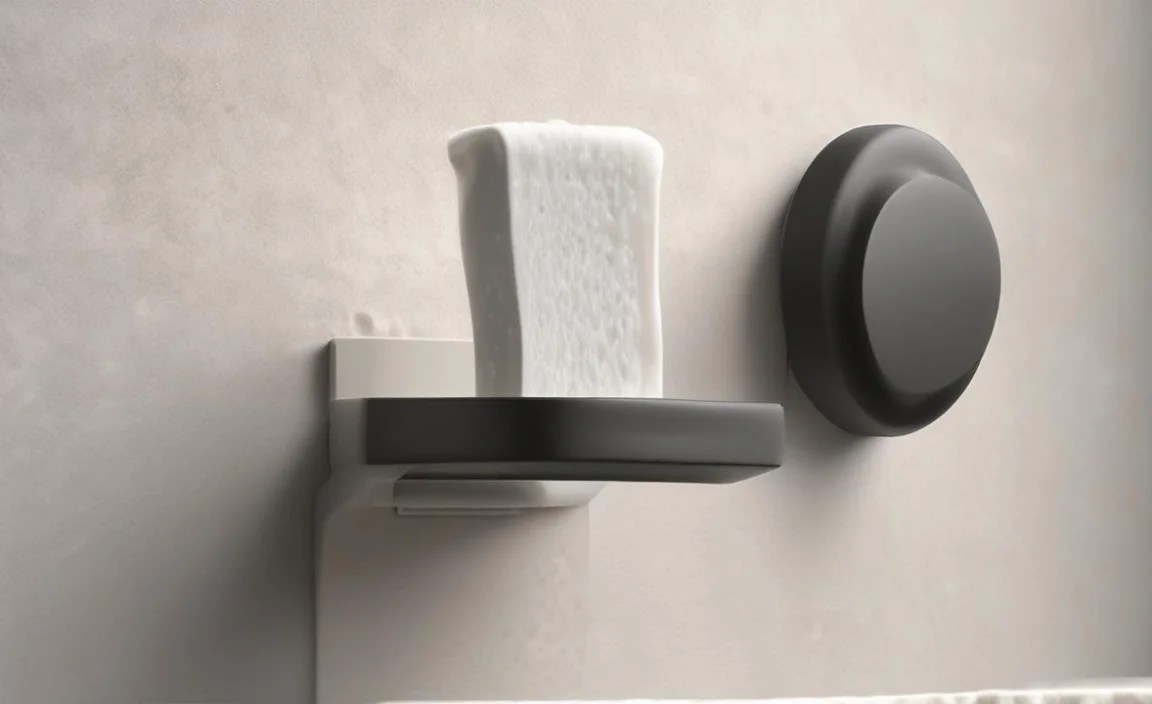
This is the foundation of any soap holder. Its primary purpose is to provide stability and hold the soap securely. The design of the base is often what defines the type of soap holder it is. It’s engineered to bear the weight of a wet bar of soap without tipping over or sliding.
- Functionality: Supports the soap and the overall structure.
- Material Variety: Can be made from ceramic, plastic, stainless steel, glass, wood, or even natural stone.
- Design Considerations: Needs to be stable and appropriately sized for common bar soaps. Some bases are flat, while others have a slight lip or contour to cradle the soap.
2. The Drainage System
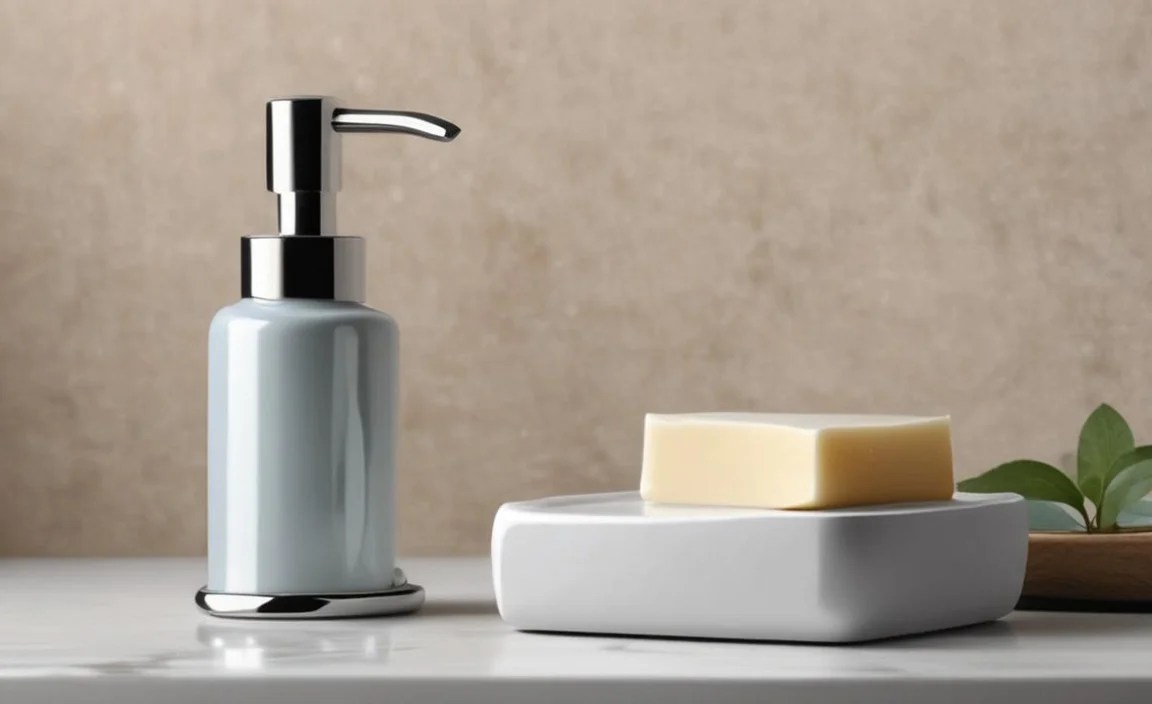
Perhaps the most critical element for keeping soap fresh, the drainage system is designed to allow water to escape and air to circulate. Without effective drainage, soap sits in a puddle, disintegrating faster.
- Purpose: To let water run off the soap and prevent pooling.
- Common Features:
- Sloped Surfaces: Many holders are angled so water naturally flows away from the soap.
- Drainage Holes: Small perforations or larger gaps in the base or tray allow water to drip through.
- Channels: Grooves or channels can be built into the design to guide water towards an exit point.
- Raised Edges: These can help contain excess water and direct it towards drainage features, preventing it from spilling onto countertops or shower floors.
- Importance: Directly impacts the lifespan of your bar soap and keeps the holder clean.
3. The Mounting Mechanism (if applicable)
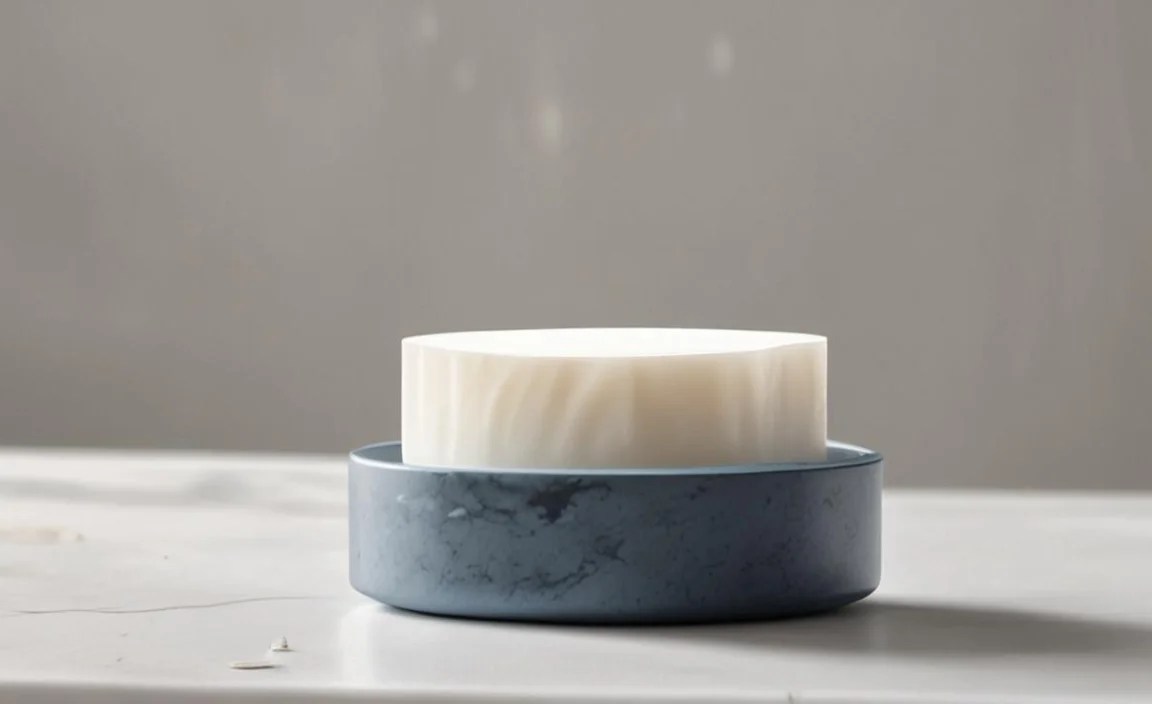
Not all soap holders are freestanding. Many are designed to be attached to walls, shower tiles, or mirrors. The mounting mechanism is what secures the holder in place. This is a vital part for any wall-mounted solution, ensuring safety and longevity.
- Purpose: To affix the soap holder to a vertical surface.
- Types of Mounting:
- Adhesive Backing: Strong, often waterproof, adhesive strips that stick directly to the surface. This is common for shower caddies and over-the-faucet holders.
- Suction Cups: These create a vacuum seal against smooth, non-porous surfaces like glass or tile. They are usually adjustable but can lose their grip over time.
- Screws: The most permanent and secure option, involving drilling into the wall or backing support. Often used for heavier-duty or more traditional fixtures.
- Clips or Brackets: Some holders clip onto existing fixtures like shower heads or faucets, or use a bracket system that attaches to the wall.
- Tension Rods: Used in shower corners or between walls, these holders often integrate with tension-supported shower caddies.
- Considerations: The type of mounting mechanism impacts installation difficulty, removability, and the holder’s weight capacity.
4. Water Receptacle / Drip Tray (Optional but Common)
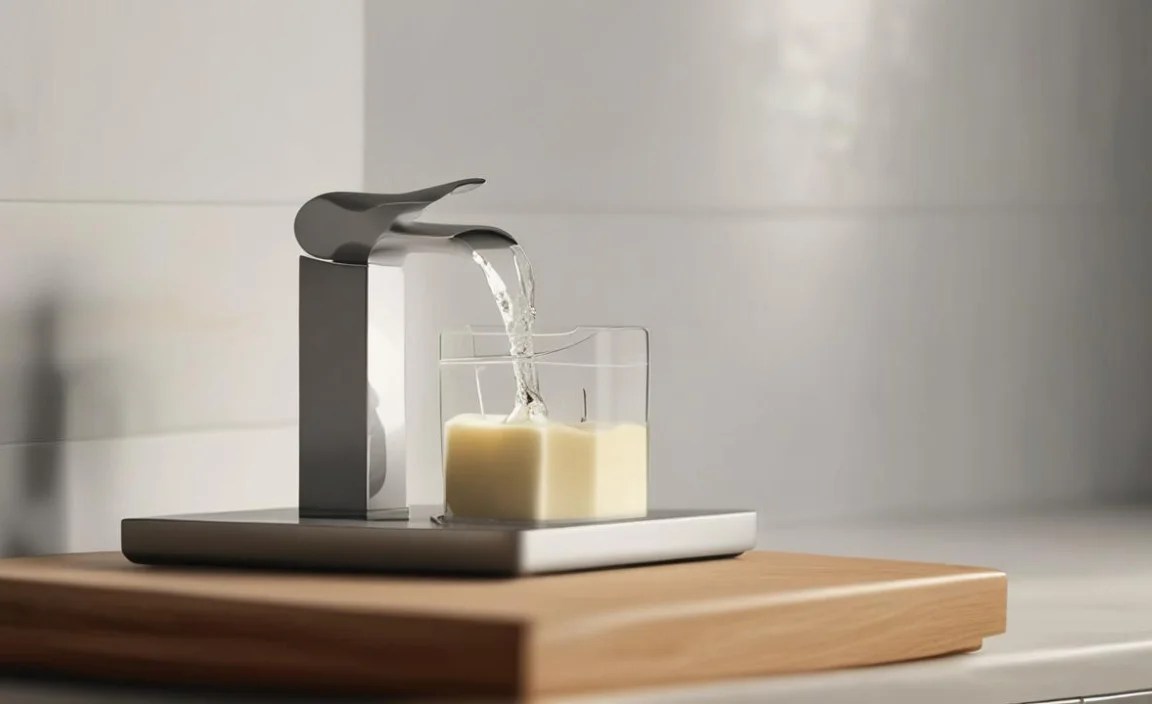
Some soap holders include a separate tray or basin beneath the soap support. This catches any excess water that drains through, preventing it from making a mess. This is common in many freestanding and some wall-mounted designs.
- Function: Collects dripping water.
- Benefits: Keeps counters and floors dry, makes cleanup easier, and can sometimes be removed for emptying and cleaning.
- Design: Can be integrated seamlessly with the base or designed as a distinct, removable part.
5. Soap Retainer (Less Common, but Clever)

While not a universal part, some innovative soap holders feature a mechanism to actively hold the soap bar in place, preventing it from sliding or falling. This might be a small lip, a set of prongs, or a specific contour designed to grip the soap.
- Purpose: To prevent the soap bar from slipping out of the holder.
- Examples: A slightly curved edge of a ceramic dish, or a series of raised bumps on a plastic holder. Specialized magnetic soap holders use a metal disc embedded in the soap, held by a strong magnet attached to the holder itself.
Types of Soap Holders and Their Core Parts

The “parts of a soap holder” manifest differently depending on the type of holder you have. Understanding these variations helps you identify the components crucial to each design and its specific function.
Freestanding Soap Dishes
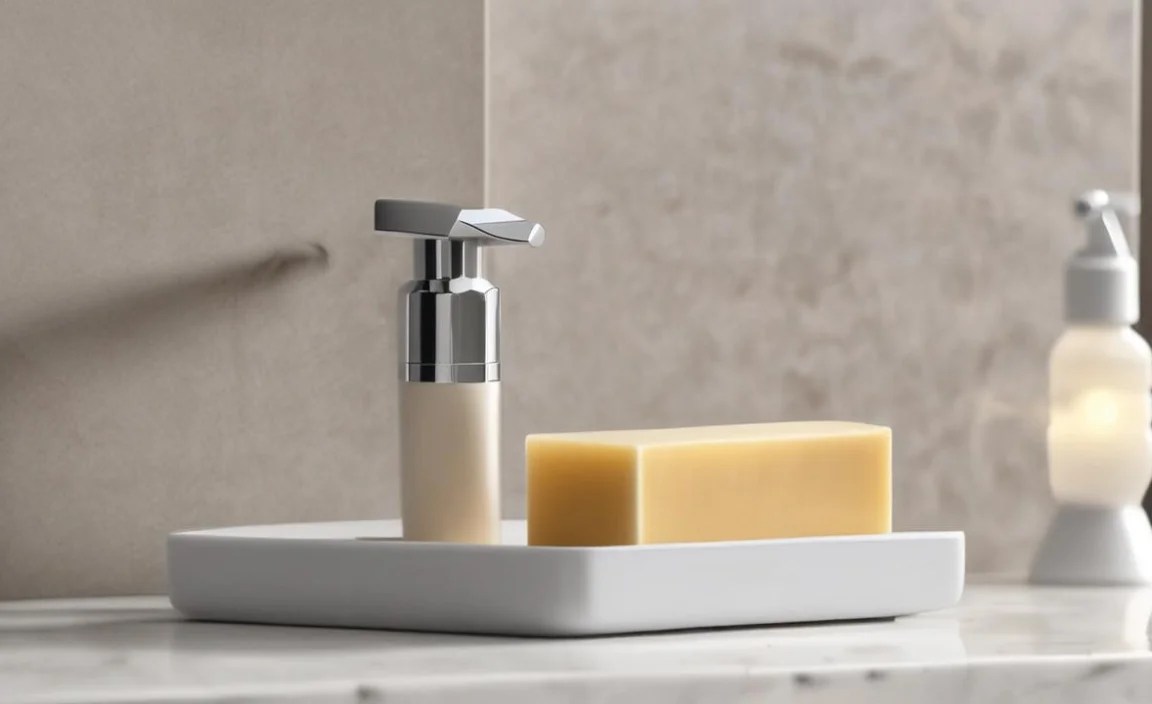
These are the most basic and perhaps most common type. They simply rest on a flat surface like a bathroom counter or edge of the sink.
- Base: A solid, stable foundation (often ceramic, plastic, or metal).
- Soap Support: The area where the soap rests, usually slightly concave or with raised edges.
- Drainage: Typically achieved through holes in the soap support, or by the shape of the dish allowing water to run off the sides. Some may have a simple drip tray integrated into the base.
- Example: A classic ceramic soap dish with small holes at the bottom.
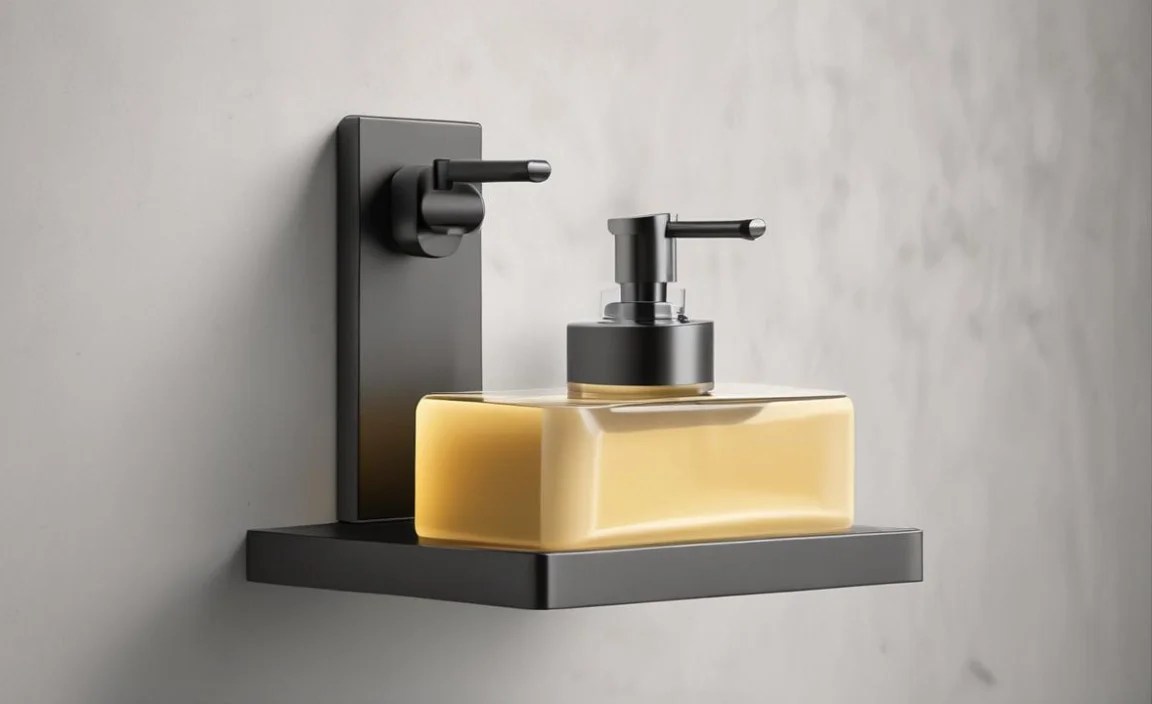
Wall-Mounted Soap Holders
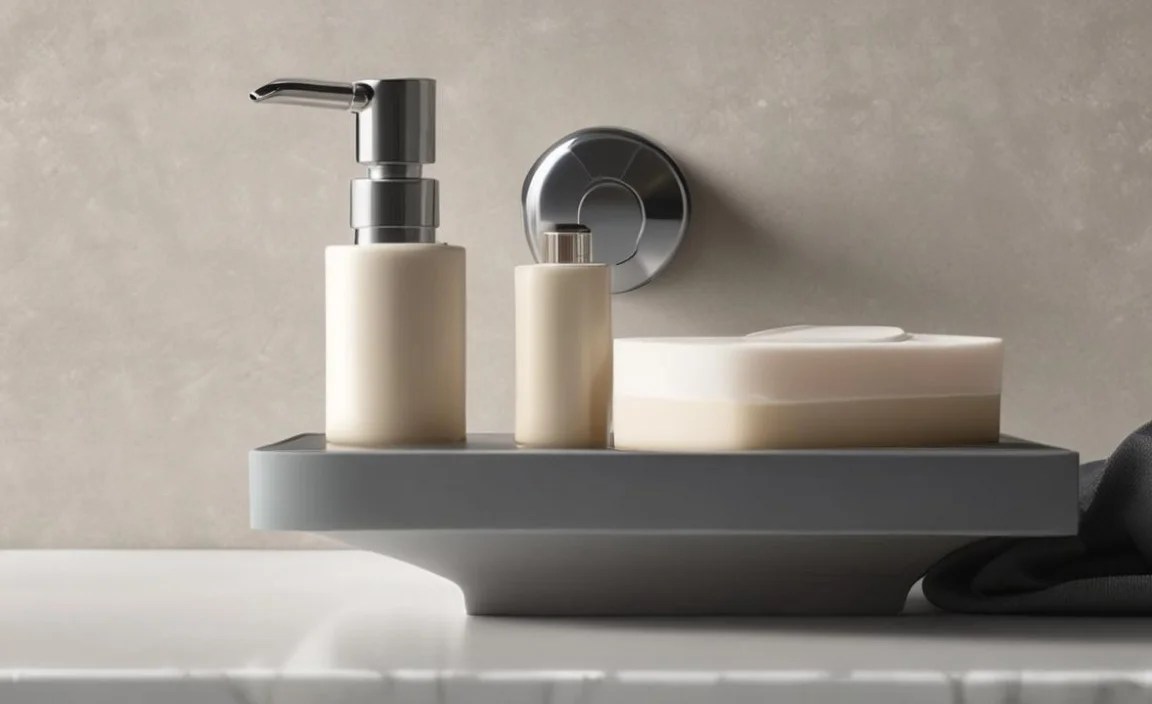
These are affixed to walls or shower tiles, saving counter space. They are excellent for bathrooms with limited surface area.
- Mounting Mechanism: This is a primary component – often strong adhesive, suction cups, or screws.
- Base/Arm: The part that extends from the wall to hold the soap.
- Soap Support: Can be a dish, a basket, or a simple bar, designed with drainage in mind.
- Water Receptacle: Many wall-mounted holders have an integrated drip tray to catch water before it hits the floor.
- Example: A shower caddy basket with an adhesive backing.
Shower Caddies and Organizers
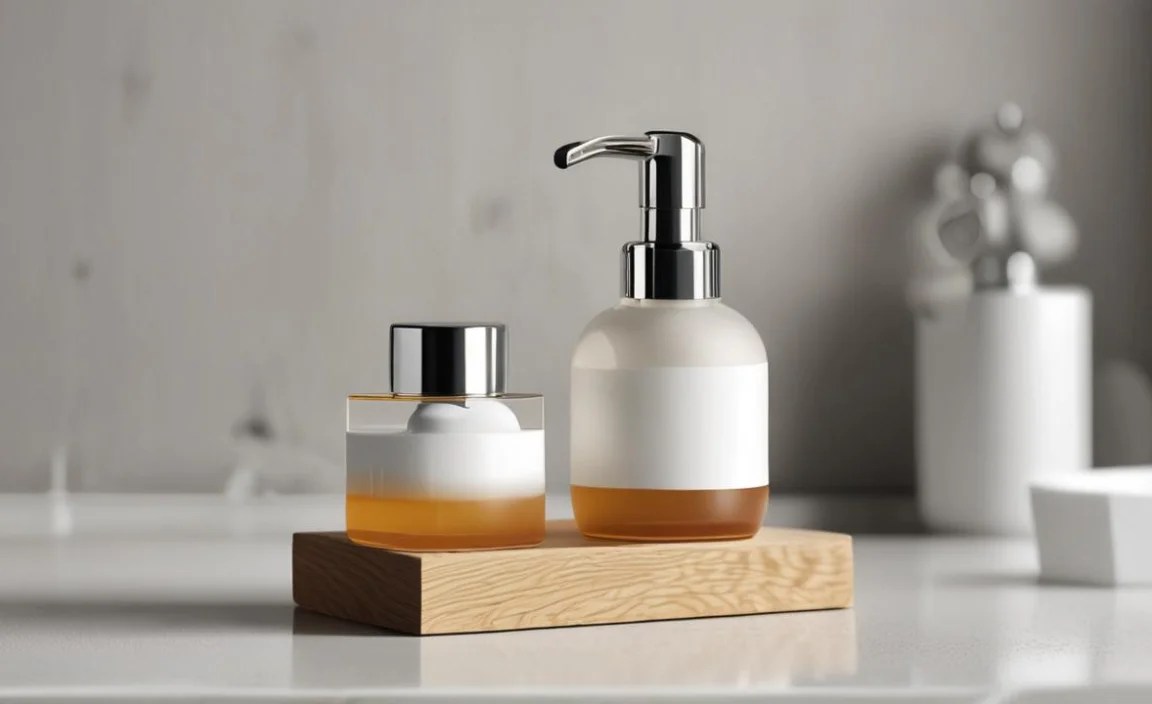
These are often larger units designed to hold multiple items, including bar soap. While they have more components, the soap-holding part still relies on the fundamental principles.
- Mounting Mechanism: Suction cups, adhesive strips, or brackets that attach to shower walls or poles.
- Shelves/Baskets: The primary structure for holding items. These are designed with ample drainage.
- Soap Dish/Tray: Usually an integrated part of a shelf or a separate, smaller compartment within the caddy, specifically designed to hold bar soap and allow drainage.
- Drip Channels/Holes: Essential for keeping the soap dry within the larger unit.
- Example: A multi-tiered plastic shower caddy that hangs from the shower head.
Magnetic Soap Holders
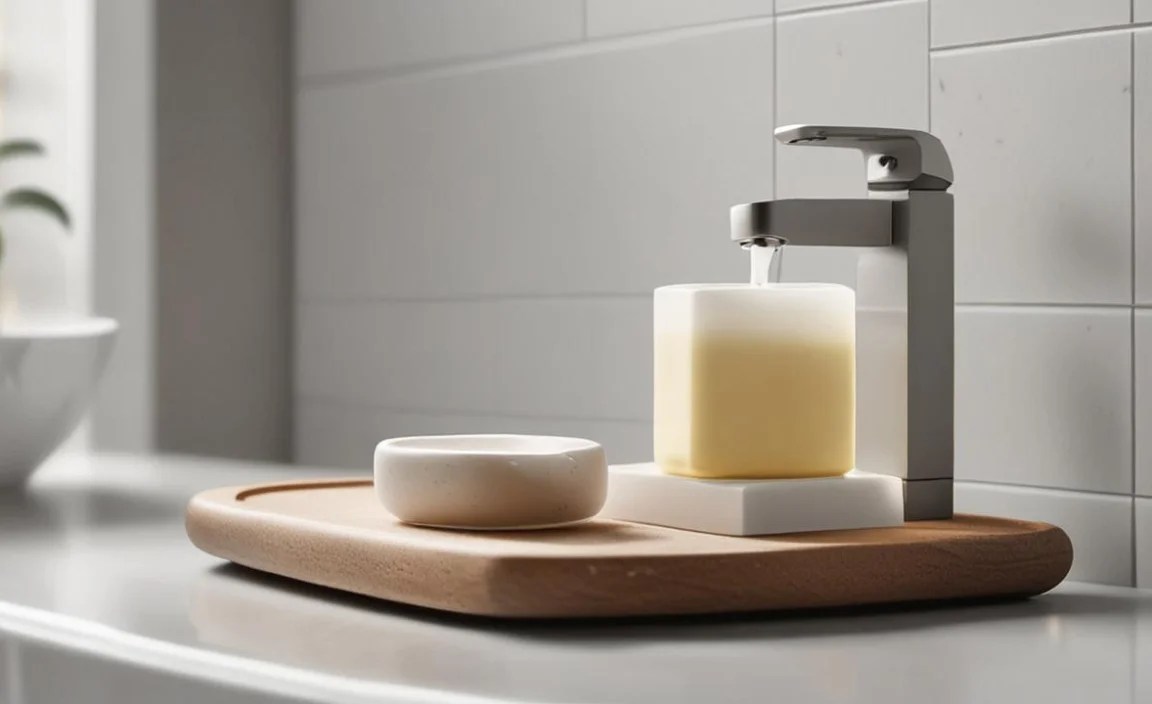
A more modern and often mess-free solution. These holders use magnetism to keep soap out of its dish.
- Mounting Mechanism: Usually adhesive or suction cups to attach to a wall or mirror.
- Magnet: A strong magnet is embedded within the housing of the holder.
- Metal Disc/Prong: A small metal piece (disc or prong) is pressed into the bar of soap. This disc/prong attaches to the magnet.
- Soap Support: There isn’t a traditional dish; the soap hangs freely from the magnet, allowing maximum air circulation.
- Advantage: Extremely good drainage as the soap is suspended.
- Reference: For more on bathroom accessory innovations, you can explore resources from the National Institutes of Health which often covers topics related to home environments and well-being, indirectly touching on hygiene accessories.
Over-the-Faucet Soap Holders
These hang from the faucet spout, keeping soap accessible but often out of the direct line of water flow.
- Hanging Hook/Strap: The part that loops over the faucet.
- Soap Tray/Dish: The part that holds the soap, usually with drainage holes or a sloped design.
- Drip Catchment: Often integrated into the tray to prevent water from dripping onto the counter below.
- Example: A flexible rubber holder with an opening to loop over the faucet.
Materials Matter: How They Affect Soap Holder Parts
The material used for a soap holder significantly influences the durability, aesthetics, and functionality of its various parts. Here’s a look at common materials and their implications:
| Material | Impact on Base Stability | Impact on Drainage Design | Durability & Aesthetics | Maintenance Considerations |
|---|---|---|---|---|
| Ceramic/Porcelain | Very stable due to weight. | Can be molded into intricate shapes with excellent drainage channels or multiple holes. Can sometimes retain moisture if not properly aired. | Classic, elegant look. Can chip or break if dropped. | Easy to wipe clean, but porous surfaces can stain. |
| Plastic (ABS, PP, etc.) | Lightweight, can be less stable on smooth surfaces unless it has non-slip feet. | Easily molded with precise drainage holes, channels, and raised lips. Can sometimes be prone to mildew if not cleaned. | Affordable, versatile colors and shapes. Can scratch or discolor over time. | Very easy to clean. Resists breaking. |
| Stainless Steel | Good weight and stability; feels premium. | Often features perforated bases or clever slot designs for drainage. Rust-resistant. | Modern, sleek look. Highly durable. Can be prone to water spots. | Easy to clean, but may require polishing to maintain shine. |
| Glass | Moderate weight, can be slippery if wet; needs a solid base. | Can be designed with sloped surfaces or hole patterns. Can be harder to integrate complex internal drainage. | Elegant, transparent look. Can show soap scum easily. Fragile. | Easy to clean visually, but needs careful handling. |
| Wood (Bamboo, Teak) | Moderate to good stability. | Often features slats or raised edges with gaps for natural drainage. Requires regular maintenance to prevent water damage. | Natural, warm aesthetic. Susceptible to mold and warping if constantly wet. | Requires drying and occasional oiling; can be prone to staining. |
| Natural Stone (Marble, Slate) | Very heavy and stable. | Drainage might be achieved through carved channels or simpler designs; often relies on manual wiping. Can be porous. | Luxurious, unique appearance. Can chip or stain; requires sealing. | Requires specialized cleaning products; prone to etching from acidic soaps. |
Installation and Maintenance: Keeping Your Soap Holder Genius
Even the most well-designed “parts of a soap holder” can fall short if not installed correctly or maintained properly. Here’s how to ensure yours works its best:
Installation Tips for Wall-Mounted Holders

Getting the mounting right is crucial for safety and functionality. For adhesive or suction cup models:
- Clean the Surface Thoroughly: Use rubbing alcohol or a mild cleaner to remove all dust, soap scum, and residue from the tile, glass, or wall where the holder will be placed. Ensure it’s completely dry.
- Read Instructions Carefully: Each product has specific mounting guidelines.
- For Adhesives:
- Peel off the backing slowly.
- Press the holder firmly against the cleaned, dry surface.
- Hold it in place for the recommended time (often 30-60 seconds) to ensure a strong bond.
- Allow the adhesive to cure fully before placing soap in the holder (usually 24-48 hours – check product details). This often involves letting it sit empty.
- For Suction Cups:
- Ensure the surface is smooth, non-porous, and clean.
- Dampen the suction cup slightly (a tiny bit of water can help create a seal).
- Press firmly, then engage any locking mechanism (lever or twist).
- Test the grip gently. Re-apply if it feels loose. Suction cups may need re-application periodically.
- For Screw-Mounted Holders:
- Locate wall studs for maximum support, or use appropriate wall anchors for drywall. You can use a stud finder for this.
- Mark the screw positions accurately.
- Drill pilot holes.
- Secure the holder with screws.
Routine Maintenance for All Soap Holders
Regular cleaning ensures your soap holder functions well and prevents unsightly grime buildup.
- Daily:
- Shake excess water off the soap bar before placing it in the holder.
- Wipe down the holder and surrounding area if any water has splashed.
- Weekly:
- Remove the soap bar.
- Wash the soap holder with warm, soapy water. Use a soft cloth or sponge.
- For stubborn grime, a soft-bristled brush (like an old toothbrush) can work wonders on drainage holes and crevices.
- Rinse thoroughly and dry completely before replacing the soap.
- If your holder has a removable drip tray, empty and wash it separately.
- Monthly or As Needed:
- Inspect mounting mechanisms (adhesives, suction cups) for signs of wear or loosening. Re-secure or reapply if necessary.
- Check drainage holes for clogs (soap residue, hair) and gently clear them.
- For wooden holders, ensure they are drying out between uses and consider reapplying a protective coating if recommended by the manufacturer.
Why Understanding Soap Holder Parts is “Genius”

It might sound like a small detail, but grasping the function of each part of your soap holder elevates its utility from a mere accessory to a problem-solving tool. This knowledge is:
- Money-Saving: By ensuring proper drainage, you extend the life of your bar soap, saving you money over time.
- Hygienic: A dry soap holder is less likely to harbor bacteria and mold, contributing to a cleaner bathroom environment. A proper understanding informs choices that improve bathroom hygiene.
- Aesthetically Pleasing: Keeping soap from melting prevents messy rings and puddles, maintaining the tidy appearance of your sink or shower.
- DIY-Empowering: Knowing the parts helps you troubleshoot issues, make informed purchasing decisions, and even perform minor repairs or modifications.
- Space-Optimizing: Understanding how wall-mounted or corner
