
Removing an exhaust fan yourself is a straightforward DIY project with safety first! This guide provides easy, step-by-step instructions, tool lists, and tips to help you safely disconnect and remove your old fan, preparing your space for an upgrade or repair. Get it done right and save money with this essential how-to.
Is your bathroom or kitchen fan making strange noises, no longer clearing out moisture, or just looking a bit dated? You might be considering a replacement. Good news! Removing an old exhaust fan is definitely a project you can tackle yourself. It’s a common task that often sparks a bit of worry, especially when it comes to electrical work.
But don’t let that stop you! With a little preparation and by following some simple, clear steps, you can safely and successfully remove your old fan. This guide is designed to make the process easy, even if you’ve never done anything like it before. We’ll walk through everything you need, what to expect, and how to do it without any fuss. Ready to make that old fan disappear? Let’s get started!
Why Remove Your Exhaust Fan? Reasons for DIY

There are several good reasons why you might find yourself needing to remove an existing exhaust fan. Understanding these will help you appreciate why this DIY project is so common and rewarding.
- Upgrade to a Modern Unit: Older fans might be inefficient, noisy, or lack features like advanced humidity sensors or quieter operation. Replacing them is a great way to boost your home’s comfort and efficiency.
- Repair or Maintenance: Sometimes, a fan might be beyond simple repair. Removing it allows for thorough inspection, cleaning of ductwork, or replacement of internal components if feasible.
- Home Renovation: During a bathroom or kitchen remodel, you’ll likely need to remove the old fan to accommodate new designs, shelving, or different ventilation systems.
- Troubleshooting Issues: If your fan isn’t working, removing it is often the first step in diagnosing the problem, whether it’s the motor, wiring, or vent blockage.
- Selling Your Home: A functional and modern exhaust fan is a desirable feature for potential homebuyers. Replacing or refreshing an old one can improve your home’s appeal during a sale.
Safety First! Essential Precautions for Removing an Exhaust Fan

Working with electricity requires respect and caution. Before you even think about touching your exhaust fan, let’s talk about safety. It’s the most important part of any DIY project, especially when electrical components are involved. We want to make sure you finish this job safely and without any surprises.
- Turn Off the Power: This cannot be stressed enough. Locate the correct circuit breaker in your electrical panel that controls the exhaust fan and flip it to the “OFF” position. If you’re unsure which breaker it is, turn off the main breaker for the entire house to be absolutely certain. It’s also a good idea to place a piece of tape over the breaker or leave a note so no one accidentally turns it back on while you’re working.
- Verify Power is Off: After flipping the breaker, use a non-contact voltage tester to confirm that there is no power running to the fan. Test the tester on an active outlet first to ensure it’s working correctly, then carefully test the wires at the fan housing and switch.
- Use the Right Tools: Having the correct tools not only makes the job easier but also safer. We’ll go over what you’ll need shortly, but ensure your tools are in good condition and suitable for electrical work.
- Work with Adequate Lighting: Ensure the area you’re working in is well-lit. A headlamp or a drop light can be very helpful, especially if you’re working in a cramped attic or ceiling space.
- Wear Safety Gear: Always wear safety glasses to protect your eyes from dust, debris, or falling insulation. Gloves can protect your hands from sharp edges.
- Don’t Rush: Take your time and follow each step carefully. If at any point you feel uncomfortable or unsure, it’s always best to stop and consult a qualified electrician.
Gather Your Tools and Materials

Having everything you need before you start will make the process of removing your exhaust fan much smoother. Here’s a list of common tools and materials you’ll likely need for this DIY task:
Essential Hand Tools:
- Screwdrivers: You’ll likely need a Phillips head and a flathead screwdriver, possibly in various sizes.
- Pliers: Needle-nose pliers are useful for gripping and manipulating wires.
- Wire Strippers/Cutters: For safely cutting or stripping electrical wires if necessary.
- Adjustable Wrench or Socket Set: For nuts or bolts that might be holding the fan housing in place.
Electrical Safety Tools:
- Non-Contact Voltage Tester: Crucial for confirming that the power is off before you touch any wires.
- Work Gloves: To protect your hands.
- Safety Glasses: Essential eye protection.
Other Helpful Items:
- Stepladder: For safely reaching the fan.
- Utility Knife: For cutting through caulk or sealant.
- Putty Knife or Scraper: To help pry away the fan housing.
- Drop Cloth or Old Towels: To catch any dust or debris.
- Flashlight or Headlamp: For good visibility.
- Bucket or Container: To hold screws and small parts.
- Camera or Smartphone: To take pictures of the wiring before disconnecting, which can be a lifesaver if you need to reassemble or connect a new fan later.
Step-by-Step Guide: How to Remove an Exhaust Fan
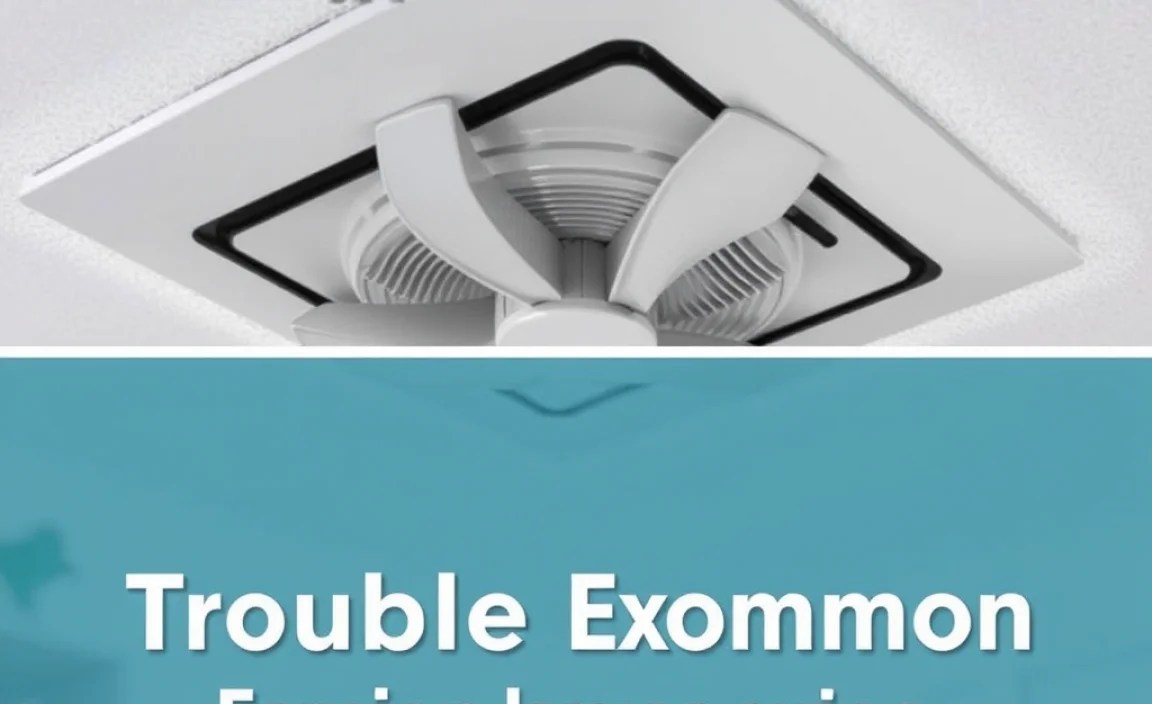
Now that you’re prepared with safety knowledge and the right tools, let’s get to the actual removal process. We’ll make this as easy to follow as possible.
First, let’s understand the basic components of a typical exhaust fan system. Most exhaust fans consist of the fan motor unit, a housing that sits in your ceiling or wall, a grill or cover that you see from inside the room, and ductwork that vents the air outside or into an attic. The electrical connections are usually made within the fan housing.
Step 1: Power Off and Verify
As we emphasized, this is the most critical step. Go to your home’s electrical panel and locate the breaker that controls the exhaust fan. Flip it to the “OFF” position. If you’re not 100% sure which breaker it is, it’s safest to flip the main breaker that shuts off all power to your house. Once the breaker is off, take your non-contact voltage tester and go to the fan’s light switch (if it has one) or directly to the fan. Carefully test the wires to ensure no electricity is flowing. Double-check this!
Step 2: Remove the Fan Grille/Cover
Most exhaust fan covers are held in place by spring clips or sometimes small screws. Look for small tabs or clips on the sides of the grille. Gently push these in or pinch them, and the grille should pull away from the ceiling. If there are screws, carefully remove them with your screwdriver. Keep all screws and any removed parts in a safe place, like a small bucket or container.
Step 3: Detach the Fan Blade (If Necessary)
In some models, the fan blade might be directly attached to the motor shaft and might need to be removed to access the housing or motor more easily. This is often done by simply pulling the blade straight off the shaft. If it feels stuck, check for a small set screw on the hub of the blade that might need to be loosened. If it’s not getting in your way, you might be able to skip this step.
Step 4: Access the Fan Housing and Motor
With the grille removed, you should see the fan’s housing and motor assembly. It might be attached to the ceiling joists or installed within a metal bracket. Look for screws or clips that secure the housing to its mounting frame. You may need a screwdriver or pliers to loosen or remove these. Sometimes, you might need to carefully pry the housing away from the ceiling with a putty knife or scraper. Be gentle to avoid damaging your ceiling material.
Step 5: Disconnect the Electrical Wiring
This is where your voltage tester and camera are essential. You’ll see wires connecting the fan’s motor to the house’s electrical supply. These wires are typically connected using wire nuts (small plastic or ceramic caps). Before doing anything, take clear photos of how the wires are connected. This is invaluable information if you plan to install a new fan later or if you’re just documenting the process. Once you have your photos, unscrew the wire nuts counter-clockwise. Carefully separate the wires. There will usually be a black (hot), white (neutral), and sometimes a green or bare copper (ground) wire. You might also see a red wire if the fan is wired to a separate light switch.
Electrical Wire Connections Explained (Typical):
| Wire Color | Purpose | Connection Example |
|---|---|---|
| Black | Hot (provides power) | Connects to the fan motor’s black wire. |
| White | Neutral (completes the circuit) | Connects to the fan motor’s white wire. |
| Green or Bare Copper | Ground (safety) | Connects to the fan motor’s ground screw or wire. |
| Red (optional) | Often used for a separate light switch, or fan speed control. | Connects to the fan motor’s corresponding wire if applicable. |
Once the wire nuts are off and the wires are separated, wrap the ends of the house wires (from the ceiling) with electrical tape. This prevents them from touching anything and causing a short circuit. You can then tuck these safely up into the ceiling cavity.
Step 6: Remove the Fan Housing and Motor
With the electrical connections safely secured, you can now fully detach the fan housing from its mounting bracket or joists. It might simply lift out, or you may need to loosen a few more screws. Work carefully, especially if the fan is heavy or awkwardly positioned. If the fan is ducted, you may also need to disconnect the ductwork from the fan housing. This is often done with a clamp or tape; simply loosen the clamp or cut the tape and pull the duct away. If the duct is flexible, it might need to be gently worked off the fan outlet.
Step 7: Clean Up the Area
Once the fan unit is completely removed, take a moment to clean up any dust or debris that may have accumulated. You can seal any openings in the ceiling with a temporary patch or ensure you have a plan for sealing it when installing a new fan. If you’re not immediately installing a new fan, it’s a good idea to cover the opening with a piece of cardboard secured with tape to prevent drafts and pests from entering.
Troubleshooting Common Issues During Removal
Even with the best preparation, you might encounter a snag. Here are some common issues and how to handle them:
- Fan is Stuck and Won’t Budge: Hidden screws, old paint, or stubborn caulk can be the culprits. Carefully inspect the edges where the fan meets the ceiling. Use a utility knife to score any paint lines and a putty knife to gently pry.
- Wires Are Too Short to Disconnect: If the house wiring is too short to comfortably work with and the power is definitely off, you might need to extend the wires. This involves using appropriate connectors (like wire nuts) and ensuring secure, insulated connections. If unsure, call an electrician. The National Electrical Code (NEC) provides guidelines for safe electrical work, emphasizing proper connections.
- Don’t Know Which Breaker It Is: If you’re struggling to identify the correct breaker, turn off the main breaker for your home. This guarantees safety but will temporarily shut down all appliances.
- Fan is Wired Differently Than Expected: Take clear photos! Manufacturers and installers sometimes deviate from standard wiring. Refer to the fan’s manual (if you have it) or consult electrical diagrams online for common wiring configurations.
What Comes Next? Options After Removal
You’ve successfully removed your old exhaust fan! What now? You have a few options:
- Install a New Exhaust Fan: This is the most common next step. You’ll want to choose a fan that meets your needs (e.g., CFM rating for airflow, noise level, humidity sensing). The installation process will be similar but in reverse, using your photos as a guide for wiring.
- Repair the Ductwork: If the problem was with the ductwork (e.g., leaks, blockages), now is the perfect time to clean, repair, or replace it.
- Seal the Opening: If you’re not immediately replacing the fan, you’ll need to properly seal the opening in your ceiling to prevent drafts, pests, and moisture issues. This might involve temporary covering or permanent drywall repair.
- Consult a Professional: If you’ve discovered unexpected wiring issues, structural damage, or if you’re simply not comfortable with the next steps, there’s no shame in calling a qualified electrician or HVAC professional.
Conclusion
Taking on the task of removing an old exhaust fan yourself can be a rewarding DIY accomplishment. By understanding the steps, prioritizing safety, and using the right tools, you can confidently tackle this project. Remember to always disconnect power at the breaker and verify with a voltage tester before touching any wires.
Documenting the wiring with photos is a smart move that can save you headaches later. Whether you’re upgrading to a more efficient model or prepar
