
Quick Summary: A grout leak is often a sign of cracks or wear in your grout lines, allowing water to pass through. The proven, effortless solution involves identifying the leak source, cleaning and repairing the damaged grout, and then properly sealing it to create a waterproof barrier. This straightforward process will stop your leak and protect your home.
Drip, drip, drip that persistent sound of a leak can be incredibly frustrating, especially when you can’t pinpoint the source. For many homeowners, a mysterious water stain or constant dampness points to a common culprit: a grout leak. This usually happens in bathrooms and kitchens, areas with a lot of moisture. You might see water seeping through grout lines around your shower, bathtub, or sink, causing worry about potential water damage. But don’t fret! Fixing a grout leak is entirely manageable, even for beginners. We’ll walk you through a proven, step-by-step method to tackle this problem head-on, restore peace to your home, and boost your DIY confidence.
Understanding Grout Leaks: What’s Really Happening?

Before we dive into fixing it, let’s quickly understand what a grout leak is and why it happens. Grout is the material that fills the gaps between tiles. Its primary job is to hold tiles in place and provide a decorative finish. However, grout itself isn’t waterproof. Over time, especially in high-moisture areas, grout can degrade, crack, or erode. When this happens, water has a direct path to seep through the grout lines and into the substrate (the material underneath your tiles), leading to leaks. This can occur in shower walls, floors, around bathtubs, and even in kitchen backsplashes.
The most common reasons for grout degradation include:
- Age and wear: Like any material, grout wears down over time due to frequent exposure to water and cleaning.
- Improper initial installation: If the grout wasn’t mixed correctly, applied properly, or allowed to cure fully, it can be weaker from the start.
- Harsh cleaning products: Acidic or abrasive cleaners can erode the surface of the grout, making it more porous and susceptible to damage.
- Settling or movement: Minor structural shifts in your home can put stress on tiles and grout, leading to cracks.
- Lack of sealing: Unsealed or old grout is much more prone to absorbing water and deteriorating.
Identifying a grout leak isn’t always as obvious as a dripping faucet. It can manifest subtly as:
- Dampness on walls or floors adjacent to tiled areas.
- Discoloration of grout lines (darkening, mildew growth).
- Peeling paint or wallpaper near tiled surfaces.
- Water stains on ceilings or walls below the tiled area.
- A musty odor indicating trapped moisture.
The good news is that most widespread grout leaks are repairable without the need for major renovation. The key is a systematic approach to removal, repair, and prevention.
Step 1: Pinpointing the Source of the Leak

This might seem obvious, but accurately identifying where the water is coming from is crucial. A leak might appear to be coming from one area, but the water could be traveling along pipes or wall cavities before showing up. For shower and bathtub leaks, the most common seepage points are:
- Around the faucet or showerhead: Where plumbing penetrates the tiled wall.
- Around the drain: Where the drain assembly meets the tiled floor or shower base.
- The corners where walls meet: Especially if waterproofing membranes have failed.
- Cracked or missing grout lines: The most direct pathway for water.
- Cracked or loose tiles: Can compromise the seal around them.
Beginner Tip: To help isolate the leak, try a simple test. For bathrooms, run water directly into the tub or shower for a set period (e.g., 15-20 minutes) and observe whether the leak appears or worsens. If the leak occurs only when the faucet is running and water is flowing down a specific wall, the issue is likely related to the plumbing penetration or grout on that wall. If it happens when the tub is full, the problem might be with the drain or the tub’s seal. If you suspect pipe issues behind the wall, it’s wise to consult a plumber.
Step 2: Gather Your Tools and Materials for Grout Repair

Having the right tools makes any DIY job smoother and safer. For removing old grout and installing new, you’ll need:
Essential Tools:
- Safety Glasses: Protect your eyes from flying debris.
- Gloves: Protect your hands, especially if using any cleaning agents.
- Dust Mask: Grout dust can be an irritant.
- Utility Knife or Grout Saw: For removing existing grout. A manual grout saw is beginner-friendly; an oscillating multi-tool with a grout removal blade can speed things up but requires more control.
- Screwdrivers: To remove fixtures like showerheads or faucet handles if necessary.
- Putty Knife or Scraper: To clean out remaining grout residue.
- Stiff Brush or Old Toothbrush: For cleaning the grout lines.
- Vacuum Cleaner (with brush attachment): To remove dust and debris.
- Clean Sponges and Buckets: For cleaning and wiping.
- Caulking Gun: For applying new sealant.
- Painter’s Tape: To protect tile edges and create clean lines.
Repair Materials:
- New Grout: Choose the type that matches your existing grout (sanded for wider joints, unsanded for narrower joints). Check the Federal Trade Commission’s advice on home improvement projects for tips on hiring if you decide not to DIY everything.
- Grout Sealer: Essential for long-term protection.
- Tile Cleaner: A mild, pH-neutral cleaner to prep the area.
- Caulk: Silicone or acrylic latex caulk suitable for wet areas.
For more extensive repairs, consider a grout removal tool. Many affordable manual grout saws are available and are perfect for beginners. They work by scraping out the old grout. If you’re tackling a large area or have tough grout, an oscillating multi-tool with a specialized grout blade can be incredibly effective, though it demands a gentler touch.
Step 3: Removing the Old, Damaged Grout
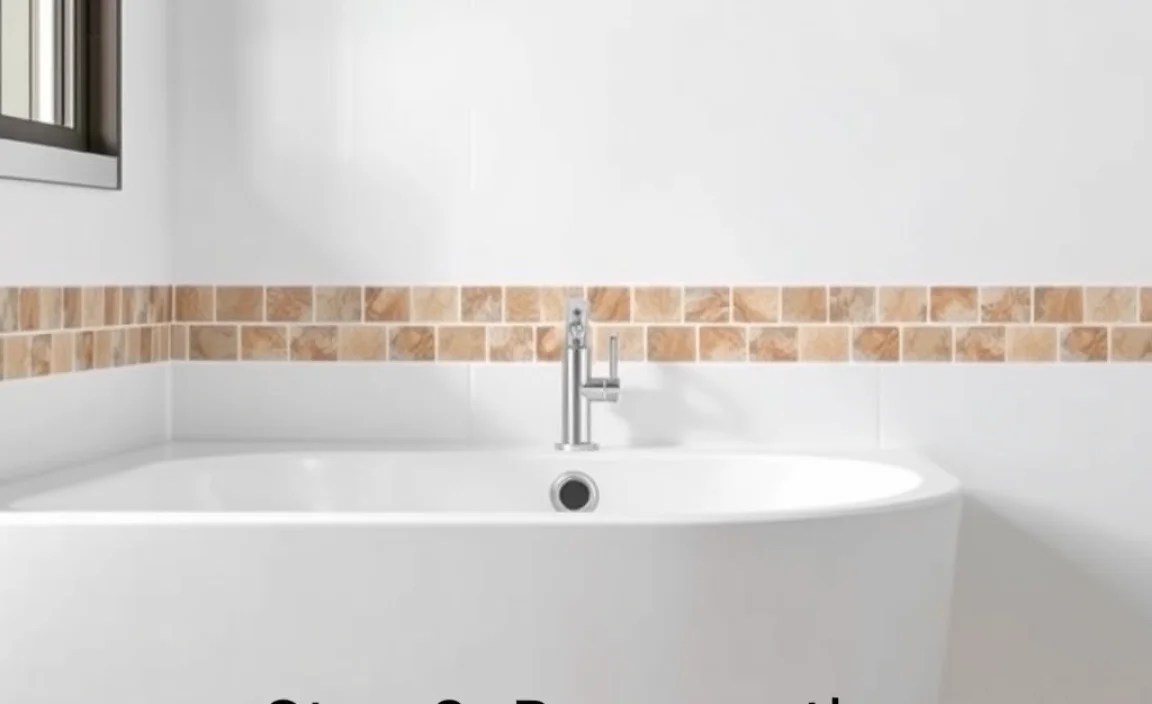
This is the most labor-intensive part, but also the most critical for a lasting repair. Carefully removing the old grout ensures your new grout has a clean surface to adhere to.
- Preparation is Key: Put on your safety glasses, gloves, and dust mask. If you’re removing grout around fixtures, you might consider removing them to get better access. Turn off the water supply to the fixture if you remove it.
- Scrape and Score: Use your utility knife or grout saw to carefully scrape out the old grout. Work slowly and deliberately. Aim to remove about 2-3 mm of the grout. The goal is to dig out the damaged grout without scratching or chipping the tiles. Hold the tool at a shallow angle to the grout line.
- Work in Sections: Don’t try to do the entire shower at once. Tackle one wall or area at a time. This makes the process less overwhelming and ensures you don’t leave exposed grout to get dirty or damaged.
- Clean Up as You Go: After removing grout from a section, use a stiff brush or vacuum to remove the dust and debris. You can use a damp sponge to wipe away any residual dust.
- Final Clean: Once all the old grout is removed, give the entire tiled area a thorough cleaning. Use a pH-neutral tile cleaner and a sponge or soft brush. Ensure all grout lines are free of dust, soap scum, and any lingering debris. Let the area dry completely.
Beginner Safety Note: Be cautious when using power tools. Read the manufacturer’s instructions carefully and always maintain a firm grip. If you feel unsure, a manual grout saw is a perfectly viable and safe option.
Step 4: Repairing Cracks and Loose Tiles

While you’re in the renovation mood, it’s a good time to address any other issues contributing to your leak, like loose tiles or small substrate cracks.
- Loose Tiles: If you find a loose tile, you’ll need to remove it carefully. Pry it away gently with a putty knife. Clean off any old adhesive from the tile and the wall. If the wall behind the tile is damaged or damp, allow it to dry thoroughly. You may need to apply a waterproof backer board or repair the substrate before re-adhering the tile with a strong tile adhesive.
- Minor Cracks: For very minor hairline cracks in the substrate (not the substrate itself failing), you might use a flexible tile and grout repair product. Follow the product’s specific instructions.
This inspection is vital because simply regrouting without addressing underlying issues will likely lead to the leak returning.
Step 5: Applying New Grout
Now for the satisfying part: filling those clean grout lines with fresh grout!
- Mix the Grout: Follow the manufacturer’s instructions precisely for mixing your new grout. Add water gradually to the grout powder, mixing until it reaches a consistency like thick peanut butter. Avoid making it too watery, as this weakens the grout. Let it “slake” (rest) for a few minutes as directed, then mix again. Some brands offer pre-mixed grout, which simplifies this step.
- Apply the Grout: Using a grout float or a flexible putty knife, apply the grout to the lines. Force the grout deep into the lines, ensuring there are no air pockets. Hold the float at a 45-degree angle and spread the grout diagonally across the tiles, pressing firmly.
- Remove Excess Grout: Once a section is filled, use the grout float or a damp sponge to remove the excess grout from the tile surface, again working diagonally. This will create a clean, smooth surface.
- Clean the Tiles: After about 15-30 minutes (check manufacturer’s instructions), use a clean, damp sponge to gently wipe the tiles and remove any remaining grout haze. Rinse your sponge frequently in a bucket of clean water. Avoid pressing too hard, which can pull grout out of the lines.
- Final Haze Removal: Once the grout has set a bit more (usually after a few hours), you might see a slight haze remain. Use a clean, dry microfiber cloth to buff this away.
- Curing Time: This is crucial! Grout needs time to cure and harden properly. The curing time can vary from 24 hours to 7 days, depending on the product and humidity. During this time, keep the area dry and avoid heavy traffic.
Pro Tip: Use painter’s tape along the edges of tiles if you’re concerned about making a mess or want perfectly straight lines, especially around fixtures.
Step 6: Sealing the Grout for Maximum Protection
This is perhaps the most overlooked but vital step in preventing future grout leaks and stains. Sealing creates a barrier that repels water and other liquids.
- Ensure Grout is Fully Cured: Wait until the grout has completely cured. This is usually at least 72 hours, but often longer (check your grout manufacturer’s recommendations). Applying sealer too soon can trap moisture or prevent proper adhesion.
- Clean the Area: Give the grout lines and tiles a final clean to ensure no dust or residue remains. Allow the area to dry completely.
- Apply the Sealer: Grout sealers come in various forms, typically liquid applied with a small brush, roller, or a spray. Pour a small amount into a container, or use the applicator if provided. Apply a thin, even coat directly to the grout lines only. Avoid getting too much sealer on the tiles themselves, especially if they are porous.
- Wipe Away Excess: Work in small sections. After applying the sealer to a section, wait a few minutes (as per the product instructions) and then wipe away any excess sealer that got onto the tile surface with a clean cloth. If you let it dry on the tile, it can be difficult to remove.
- Multiple Coats: Some sealers recommend a second coat after a specific waiting period. Always follow the manufacturer’s instructions for best results.
- Drying and Curing: Allow the sealer to dry and cure according to the product’s directions before exposing the area to water. This is typically a few hours to 24 hours for the sealer to become fully effective protection.
Regular resealing (typically every 1–2 years, or more often in high-traffic wet areas) is key to maintaining your waterproof barrier and preventing future leaks. For more information on home maintenance best practices, the United States Environmental Protection Agency (EPA) offers resources on water conservation and leak prevention.
Step 7: Caulking and Final Touches
Don’t forget the edges! Caulk is what seals the transitions between your tiles and other surfaces like tubs, sinks, and walls. It’s flexible and waterproof, forming a critical barrier against water penetration.
- Remove Old Caulk: Carefully cut away old, cracked, or moldy caulk using a utility knife.
- Clean the Area: Ensure the surfaces where the caulk will be applied are clean, dry, and free of debris. You may want to use rubbing alcohol to ensure no residue remains.
- Apply New Caulk: Cut the tip of the caulk tube at a 45-degree angle to create a bead of the desired size. Load it into your caulk gun. Apply a steady, even bead along the joint.
- Tool the Bead: Immediately after applying, use a caulk tool (or a damp finger, though tools are cleaner and more precise) to smooth the bead, pressing it into the joint for a tight seal.
- Remove Excess Caulk: Wipe away any excess caulk with a damp cloth before it begins to cure.
- Allow to Cure: Let the caulk cure fully according to the manufacturer’s instructions before exposing it to water. This is usually 24 hours.
Fresh caulk and properly sealed grout work together to create a robust defense against water. Taking these steps ensures your tile surfaces are not only leak-free but also look their best.
Troubleshooting Common Grout Leak Issues
Even with the best intentions, you might run into a few snags. Here’s how to handle them:
Problem: Grout Won’t Stick or Crumbles
Cause: The grout lines weren’t cleaned properly, or the surface was too wet/dry when applying. Also, incorrect grout mix or poor quality grout.
Solution: Remove the failed grout, thoroughly clean the lines, and reapply with the correct consistency and technique. Ensure the area is perfectly dry before starting. Use a reputable brand of grout.
Problem: Water Still Seeping After Repair
Cause: The leak source wasn’t fully addressed. The problem might be deeper, involving waterproofing membranes behind the tile, plumbing issues, or cracks in the tile substrate itself.
Solution: Re-evaluate the source. If it’s behind the tiles, you may need to consult a professional. If it’s a tile that feels loose, address that as described above.
Problem: Grout Discolors Quickly
Cause: The grout wasn’t sealed effectively, or the wrong type of sealer was used. Also, using harsh cleaning chemicals can strip sealers.
Solution: Strip any remaining sealer (if possible) and reapply a high-quality, appropriate grout sealer. Be mindful of the cleaning products you use thereafter.
