
Get the right tools to remove grout easily and safely. This guide covers essential grout removal tools and effective hacks for beginners, ensuring a quick and clean job with minimal fuss.
Tired of old, stained grout ruining the look of your tile surfaces? You’re not alone! Removing grout can seem like a big, messy job, but with the right tools and a few smart tricks, it’s totally manageable, even for beginners. Don’t let worn-out grout get you down. We’re here to break it all down, step-by-step, so you can refresh your tiles with confidence and a sparkling finish. Get ready to transform your space effortlessly!
Essential Tools for Removing Grout: Your Toolkit Explained
When it comes to tackling old grout, having the right gear makes all the difference. Think of these as your trusty sidekicks for grout removal. We’re going to look at the absolute must-haves and some handy extras that will make your project go smoothly. Forget struggling with makeshift solutions; these are the tools designed to get the job done right.
The Absolute Must-Haves (Your Grout Removal Dream Team)
These are the core tools you’ll want in your arsenal. They are designed for the job and will save you time and effort.
- Grout Saw/Scraper: This is your primary weapon. It’s essentially a small, tough blade on a handle, designed to scrape away grout. Some have replaceable blades, which is great when one gets dull.
- Utility Knife (with fresh blades!): For those really stubborn spots or delicate tile edges, a sharp utility knife can be a lifesaver. Always fit it with a brand new, sharp blade for clean cuts and reduced risk of slipping.
- Safety Glasses: Non-negotiable! Grout dust and debris can fly, and you don’t want anything getting in your eyes. Always wear them.
- Dust Mask: Especially if you’re sensitive to dust or working in a poorly ventilated area, a simple dust mask will protect your lungs.
- Shop Vacuum/Broom & Dustpan: You’ll be creating debris, so have a way to clean it up as you go. A shop vacuum is ideal for sucking up dust and small particles.
Handy Helpers (For a Smoother Experience)
While not strictly mandatory, these tools can make the process even easier and more efficient.
- Putty Knife or Chisel (small): A small, flat putty knife or a narrow chisel can be used to gently pry away loosened grout. Be careful not to damage the tiles.
- Pliers: Sometimes, larger chunks of grout can be grabbed and pulled out with a sturdy pair of pliers once they’ve been loosened enough.
- Gloves: Protect your hands from dust and potential sharp edges.
- Screwdriver (flathead): A sturdy flathead screwdriver can also work in a pinch for scraping out grout, similar to a utility knife.
Hacks and Techniques for Effortless Grout Removal
Tools are important, but knowing how to use them smartly is key. These hacks will help you work faster and more effectively, making the whole process less daunting.
The Gentle Start: Making it Easier
Before you even pick up a scraper, a little preparation goes a long way.
- Soften Stubborn Grout: Grout can be like concrete when it’s dry and old. A little moisture can help loosen it. Try lightly misting the grout lines with water a few minutes before you start. Some DIYers swear by a mild solution of warm water and a touch of dish soap, or even diluted vinegar (use sparingly, as prolonged exposure can etch some natural stones). Let it sit for 5-10 minutes. This is particularly useful for wall tiles where gravity can work with you.
- Score and Score Again: When using a grout saw or utility knife, don’t try to remove all the grout in one pass. Make an initial shallow score along each side of the grout line. This helps guide your tool on subsequent passes and provides a cleaner edge.
The Ergonomic Approach: Working Smarter, Not Harder
How you hold your tools and position yourself impacts your energy levels and the outcome.
- Angle is Everything: When scraping or sawing, aim for a comfortable angle – often around 30-45 degrees. This allows the tool to bite into the grout without slipping off or digging into the tile.
- Controlled Pressure: Apply firm, steady pressure, but avoid forcing the tool. If you’re meeting a lot of resistance, the grout might not be softened enough, or you might be about to damage the tile. Listen to your tool and feel the resistance.
- Work in Sections: Don’t try to do an entire room at once. Focus on one small area, remove the grout, clean up the dust, and then move to the next section. This keeps the work manageable and satisfying.
- Leverage with Care: If using a chisel or putty knife to pry out loosened grout, place the tip into the grout line and gently lever. Keep the edge of the tool against the grout, not the tile.
The Dust Management Strategy: Keeping it Clean
Grout removal is messy, but a little planning can minimize the chaos.
- Vacuum on the Fly: Keep your shop vacuum hose nearby. As you scrape or saw, try to position the hose nozzle as close as possible to the dust being generated. This collects most of it before it even hits the floor.
- Tarp or Drop Cloths: For floors, laying down a tarp or drop cloth in the work area can catch a lot of debris and make cleanup much faster.
- Wet Wiping: After vacuuming, a damp cloth or sponge can pick up any remaining fine dust and particles.
Step-by-Step: Your Grout Removal Guide
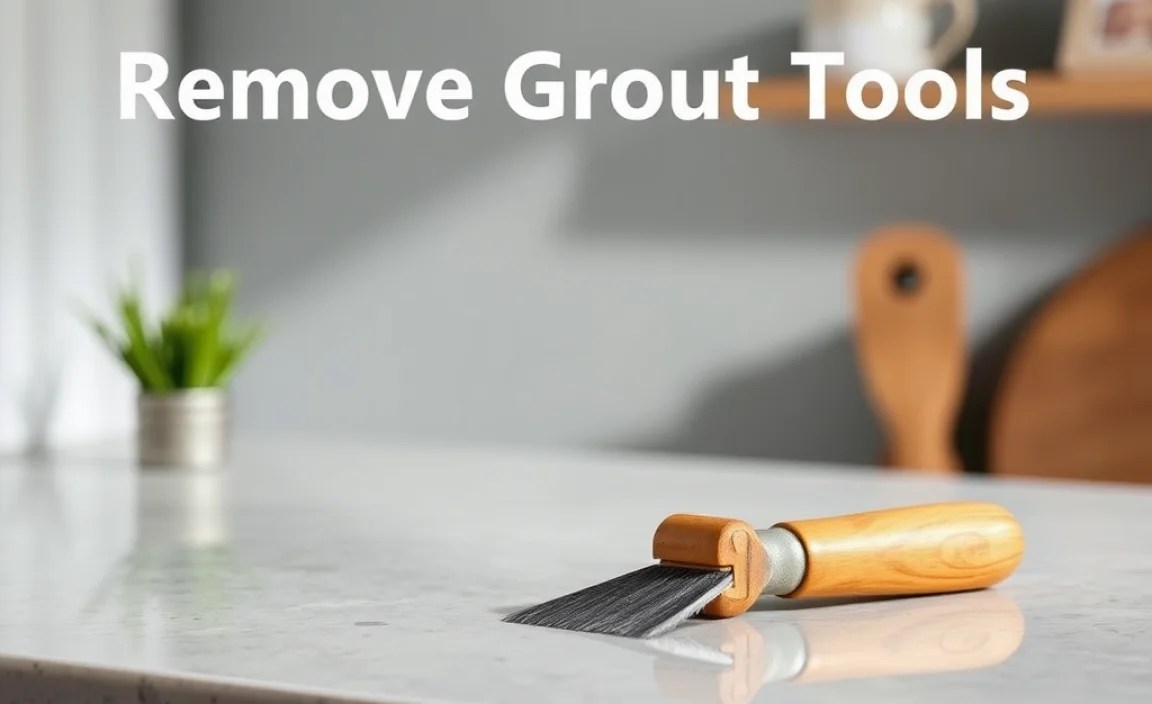
Ready to dive in? This is your clear, actionable plan. Follow these steps and you’ll be well on your way to a refreshed tile surface.
Step 1: Preparation is Key
Before you begin removing grout, ensure you’re set up for success.
- Clear the Area: Remove any furniture, rugs, or obstacles from the work zone.
- Protect Surfaces: Lay down drop cloths or tarps to catch dust and debris, especially on floors.
- Gather Your Tools: Make sure you have all your chosen grout removal tools, safety gear, and cleaning supplies ready and within reach.
- Ventilate: Open windows or turn on a fan to ensure good air circulation.
- Donprotective Gear: Put on your safety glasses, dust mask, and gloves.
Step 2: The Initial Score
This step helps guide your main removal process.
- Select Your Tool: Use a sharp utility knife or the edge of a grout saw for this.
- Score Both Sides: Carefully run your tool along one edge of the grout line. Don’t cut too deep yet. Repeat on the other edge of the same grout line. This creates a channel.
Step 3: Grout Removal
This is where the main action happens.
- Use Your Grout Saw/Scraper: With your scoring done, use the grout saw or scraper to cut into the center of the grout line. Work back and forth, applying steady pressure. Aim to remove the grout in small increments.
- Work at an Angle: Maintain that 30-45 degree angle to best engage the grout without damaging the tile edges.
- Target the Center: Focus on removing the bulk of the old grout from the center of the line first.
- Loosen Debris: If using a utility knife or small chisel, you can gently work it into the edge of a loosened piece of grout to pry it out. Be very careful not to chip the surrounding tiles.
- Vacuum as You Go: Periodically use your shop vacuum to suck up the dust and loose debris. This makes the job cleaner and easier to see what you’re doing.
- Repeat for All Lines: Continue this process section by section, carefully working through all the grout lines you intend to replace.
Step 4: Clean Up the Area
Once the grout is removed, tidy up.
- Thorough Vacuuming: Vacuum all grout lines and surrounding areas meticulously to remove all dust and debris. Get into any nooks and crannies.
- Wipe Down: Use a damp cloth or sponge to wipe away any residual dust from the tiles and surrounding surfaces.
- Inspect the Lines: Check the cleaned grout lines for any remaining bits of old grout or adhesive. If you find any, use your scraper or utility knife to carefully remove them.
Step 5: Prepare for New Grout
With the old grout gone, the surface is ready for its makeover. Ensure the lines are clean and dry. For more detailed information on preparing for new grout, you can refer to resources like those from the Tile Council of North America (TCNA), a leading authority on tile installation and maintenance. For example, understanding proper substrate preparation is crucial for long-lasting results, and the TCNA offers detailed guides on their website.
Comparing Grout Removal Tools: A Quick Look
Choosing the right tool can simplify the process. Here’s a look at common options and their strengths. This table helps you decide which tools might best suit your needs and the type of grout you’re dealing with.
| Tool | Pros | Cons | Best For |
|---|---|---|---|
| Grout Saw | Designed specifically for grout, can be aggressive, often has replacement blades. | Can be tiring for large areas if manual, dust generation. | Most common grout removal, effective on hard grout. |
| Utility Knife | Readily available, good for precision and detail work, sharp blades cut effectively. | Blades dull quickly, can be dangerous if not sharp or used carefully, not ideal for large areas. | Detail work, scoring edges, scraping small stubborn areas. |
| Oscillating Multi-Tool (with grout blade) | Fast and efficient, reduces manual effort, can handle large areas quickly. | Higher cost, requires power, can be aggressive and potentially damage tiles if not used carefully, requires a learning curve. | Large-scale projects, very hard or epoxy grout, users comfortable with power tools. |
| Chisel/Putty Knife | Good for prying out loosened grout after scraping. | Can easily damage tile edges, not effective for initial grout removal. | Assisting in removing already loosened grout chunks. |
Power Tools vs. Manual Tools: Which is Right for You?
When it comes to removing grout, you have two main paths: good old-fashioned manual labor or the speed and power of modern tools. The best choice depends on the size of your project, your budget, and your comfort level with different types of equipment.
Manual Tools: The Tried and True Approach
Manual tools like grout saws and utility knives are the most accessible and affordable options. They require more physical effort but offer excellent control, making them ideal for beginners or for smaller, more delicate jobs where precision is paramount.
- Pros: Low cost, high control, no power source needed, good for detailed work, less risk of damaging tiles if used carefully.
- Cons: Time-consuming, physically demanding, less effective on very hard or epoxy grout.
Powered Tools: The Efficiency Boosters
For larger projects or when dealing with particularly tough grout, power tools can be a game-changer. While they have a higher initial cost and require more caution, they can significantly speed up the process and reduce fatigue.
- Oscillating Multi-Tools: These are incredibly versatile and come with specialized grout removal blades. They vibrate at high speeds, essentially vibrating the grout away.
- Rotary Tools (like Dremel): With a grout removal attachment, these can also be effective, though they tend to create more dust.
| Feature | Manual Tools (Grout Saw, Utility Knife) | Powered Tools (Oscillating Multi-Tool) |
|---|---|---|
| Speed | Slow to Moderate | Fast |
| Effort Required | High | Moderate |
| Cost (Initial) | Low | High |
| Control & Precision | High | Moderate (requires practice) |
| Best Use Case | Small areas, touch-ups, beginners, delicate tiles | Large areas, tough grout, experienced DIYers/professionals |
Important Safety Note for Power Tools: Always read and follow the manufacturer’s instructions meticulously. Wear appropriate safety gear, including safety glasses and a dust mask, as power tools generate more dust. Start with a lower speed setting and practice on an inconspicuous area to get a feel for how the tool works before tackling your main grout lines. For more in-depth safety guidelines on power tools, resources like OSHA (Occupational Safety and Health Administration) provide valuable information on workplace safety, which can be adapted for DIY projects involving power equipment.
Common Challenges and How to Overcome Them
Even with great tools and hacks, you might run into a few snags. Here’s how to handle them like a pro.
Challenge 1: Stubborn, Hard Grout
Sometimes, grout is just plain tough. This is especially true for epoxy grout, which is much harder and more durable than cementitious grout.
- Solution for Cementitious Grout: Increase moisture. Let warm water or your mild solution sit for longer, or even try a gentle heat gun (used with extreme caution and at a distance) to soften it before scraping.
- Solution for Epoxy Grout: Manual tools will struggle significantly. An oscillating multi-tool with a carbide-tipped grout blade is often the most effective method. Specialized epoxy grout removers are also available, but follow their instructions carefully.
Challenge 2: Damaged Tile Edges
It’s easy to slip and chip a tile edge while removing grout.
- Prevention is Best: Use sharp tools. Dull tools require more force, increasing the chance of slipping. Work slowly and deliberately.
- Repairing Minor Chips: Small chips can sometimes be filled with a clear or color-matched epoxy or grout repair filler. For significant damage, tile replacement might be necessary.
Challenge 3: Excessive Dust
Grout dust can get everywhere and is unpleasant to work with.
- Solution: Combine vacuuming with damp wiping and consider using a grout removal shroud attachment for your oscillating tool if you go the power tool route. These attachments connect to a vacuum cleaner and significantly reduce airborne dust.
Challenge 4: Reaching Tight Corners
Getting into those awkward corners where two grout lines meet can be tricky.
- Solution: A utility knife with a freshly snapped blade (exposing a sharp new edge) or the tip of a grout saw is often best for these detailed spots. Work carefully to avoid damagine the tile’s corner edges.
Frequently Asked Questions About Removing Grout Tools
Q1: What is the easiest way to remove grout?
A1: The easiest way usually involves using a dedicated grout saw or an oscillating multi-tool with a grout blade, combined with some pre-softening of the grout with water. Always prioritize safety and steady control.
Q2: Can I remove grout with just a utility knife?
A2: Yes, especially for smaller areas or delicate work. However, it’s more time-consuming and requires very sharp blades and careful technique to avoid damaging tiles.
Q3: How do I avoid damaging my tiles when removing grout?
A3: Use sharp tools, work at a consistent angle (around 30-45 degrees), apply steady pressure without forcing, and focus your efforts on the grout itself, not the tile edges. For power tools, start on a lower setting and practice first.
Q4: What is the best tool for removing very hard grout, like epoxy grout?
A4: For very hard grout, especially epoxy, an oscillating multi-tool with a carbide-tipped grout removal blade is generally the most effective and efficient tool. Manual tools will be very challenging and time-consuming.
Q5: How much grout should I remove?
A5: You should aim to remove as much of the old grout as possible, ideally down to the level of the tile surface. This ensures the new grout has a clean, solid base to adhere to for a durable new finish.
Q6: Do I need to wear a mask when removing grout?
A6: Yes, it’s highly recommended. Grout dust can be irritating to the lungs and eyes.
