
Quick Summary: Removing pipes DIY is achievable with the right preparation and tools. This guide offers clear, step-by-step instructions to safely disconnect and remove various types of pipes, empowering homeowners to tackle this task confidently and efficiently.
Leaky faucets, outdated plumbing, or planned renovations often mean it’s time to say goodbye to old pipes. The thought of touching your home’s water system can feel daunting, but removing pipes yourself is a perfectly manageable DIY project. You don’t need to be a seasoned plumber to get the job done safely and correctly. This guide will break down the process, making it simple and stress-free.
We’ll walk you through every step, from turning off the water to safely disconnecting the pipes. You’ll learn about the tools you’ll need and the important safety precautions to keep in mind. By the end, you’ll feel confident in your ability to remove pipes DIY, saving you time and money while gaining valuable home maintenance skills.
Understanding the Basics: What You Need to Know Before You Start

Before you grab a wrench, it’s crucial to understand a few basics. Pipe removal isn’t just about unscrewing things; it involves understanding your plumbing system and taking necessary safety measures. This knowledge ensures you don’t create bigger problems than you solve.
Types of Pipes You Might Encounter
Homes use various pipe materials, and knowing what you’re dealing with helps in choosing the right removal method. The most common types include:
- Copper Pipes: Durable and corrosion-resistant, copper is a popular choice for water supply lines. They are usually joined by soldering or compression fittings.
- PVC (Polyvinyl Chloride) Pipes: Lightweight and inexpensive, PVC is common for drain, waste, and vent (DWV) systems. They are typically joined with primer and solvent cement.
- PEX (Cross-linked Polyethylene) Pipes: Flexible and easier to install than copper, PEX is increasingly used for water supply lines. It’s connected using crimp rings, clamps, or expansion fittings.
- Galvanized Steel Pipes: Older homes might still have these. They are strong but prone to rust and corrosion, making them harder to remove. They are threaded together.
Safety First: Essential Precautions
Working with plumbing involves water, and sometimes pressure. Always prioritize safety to avoid injuries or property damage. Here are the absolute must-dos:
- Turn Off the Main Water Supply: This is non-negotiable. Locate your main water shut-off valve (usually in the basement, crawl space, or near the water meter) and turn it completely off.
- Drain the Pipes: After shutting off the water, open the lowest faucet in your house (like a garden spigot or basement sink) and the faucet you’ll be working near. This helps drain residual water from the pipes you’ll be removing.
- Wear Protective Gear: Safety glasses are essential to protect your eyes from debris or drips. Gloves will protect your hands.
- Be Aware of Electrical Hazards: If you’re working near electrical outlets or wires, be extremely cautious. Water and electricity are a dangerous combination.
- Ventilation: If using any primer or solvent for PVC pipes, ensure the area is well-ventilated.
Gathering Your Tools: The DIY Pipe Remover’s Toolkit
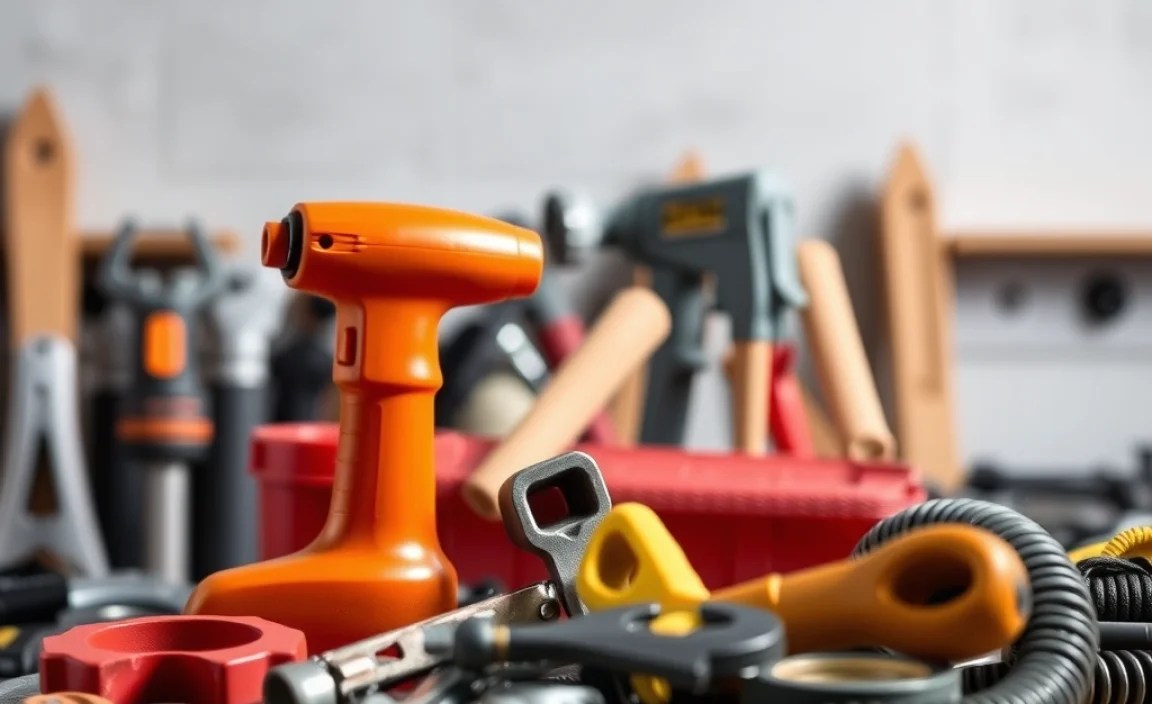
Having the right tools makes any DIY job easier and safer. For removing pipes, you’ll want a selection of common plumbing and demolition tools. Having these ready before you begin will streamline the entire process.
Essential Tools for Pipe Removal
Here’s a list of tools that will be your best friends for this project:
- Adjustable Wrenches (Pipe Wrenches): You’ll likely need a couple of these in different sizes. Pipe wrenches have serrated jaws that grip pipes firmly.
- Pliers (Channel Locks/Groove Joint Pliers): Useful for gripping and turning nuts and fittings.
- Bucket: To catch any residual water that might drip from the pipes.
- Rags/Towels: For wiping up spills and cleaning up.
- Pipe Cutter: For copper or plastic pipes, a pipe cutter provides a clean, straight cut.
- Hacksaw: A good alternative if you don’t have a pipe cutter, especially for metal pipes.
- Screwdrivers: For any access panels or securing clamps.
- Utility Knife: Handy for scoring or cutting certain types of seals or insulation.
- Safety Glasses and Gloves: As mentioned, these are crucial for your protection.
- PVC Primer and Cement (if applicable): For joining or, in some cases, softening PVC connections.
- Deburring Tool (optional but recommended): To smooth edges after cutting pipes, especially for connections.
Step-by-Step Guide to Removing Pipes DIY
Now that you’re prepared with knowledge and tools, let’s get to the practical steps. This guide focuses on common scenarios, but always adapt to your specific situation.
Step 1: Locate the Pipe and Plan Your Removal
Identify the specific pipe or section of pipe you need to remove. Trace its path if necessary. Note where it connects to other plumbing fixtures or main lines. This helps you plan the best points for disconnection.
- Before you cut: Take a moment to assess. Are you removing a whole section, or just a single pipe? Where are the key connection points?
- Consider access: Sometimes pipes are hidden behind walls or in tight spaces. You might need to remove decorative covers or small access panels.
Step 2: Turn Off Water and Drain the System
As emphasized earlier, this is the most critical first step.
- Find the Main Shut-Off Valve: It’s often a lever or a wheel valve. Turn it clockwise until it’s fully closed.
- Open Faucets: Go to the highest faucet in your house (often upstairs) and open it to let air into the system. Then, open the lowest faucet (like a basement sink or outdoor spigot) to allow water to drain out.
- Let it Drain: Allow a few minutes for water to drain from the pipes you intend to remove. A bucket placed beneath your work area will catch any remaining drips.
Step 3: Disconnect the Pipe Section
This is where you’ll use your tools. The method depends on how the pipes are joined.
For Threaded Metal Pipes (like Galvanized Steel):
- Use Pipe Wrenches: You’ll likely need two pipe wrenches. Place one wrench to hold the fitting or pipe still (the part attached to the main system) and the other wrench on the pipe you want to remove.
- Turn Counter-Clockwise: Turn the wrench on the pipe you are removing counter-clockwise to loosen the threaded connection. Be prepared for some force, as these can be tight.
- Be Patient: If it’s stuck, try wiggling it gently. You can also carefully apply a penetrating lubricant like WD-40 to the threads and let it sit for a bit before trying again.
For Copper Pipes:
Copper pipes are typically joined using solder or compression fittings.
- Compression Fittings: These have a nut and a ferrule (a small ring). Use two wrenches: one to hold the fitting, and one to loosen the nut connecting the pipe you want to remove. Turn the nut counter-clockwise.
- Soldered Joints (for removal of a section): If you’re removing a section that’s soldered, you’ll need to cut it. If you’re removing the entire run, you might need to heat the joint with a torch to melt the solder, but this is often complex and best left to professionals unless you have experience. For DIY beginners, cutting is usually the more accessible option.
- Using a Pipe Cutter: Position the pipe cutter around the copper pipe where you want to make a cut. Tighten the blade slightly and rotate the cutter around the pipe. Continue tightening and rotating until the pipe is cut through. This provides a clean cut ready for any potential reuse or disposal.
For more information on working with copper pipes, the Copper Development Association offers helpful resources on its properties and uses.
For PVC Pipes:
PVC pipes are usually glued together with solvent cement.
- Cutting is Best: For DIY removal, the easiest method is to cut the pipe on either side of the fitting or section you wish to remove. Use a hacksaw or a PVC pipe cutter. Make sure to leave enough of the pipe to unscrew from any threaded connections if applicable.
- If you must disconnect a glued joint: This is very difficult and often results in damage to the fitting. It’s generally not recommended for simple removal.
- Cutting PVC: Use a hacksaw or a pipe cutter designed for plastic. Ensure the cut is straight. Clean up any rough edges with a deburring tool or sandpaper.
For PEX Pipes:
PEX pipes are often secured with crimp rings, clamps, or push-to-connect fittings.
- Push-to-Connect Fittings (e.g., SharkBite): These fittings are designed for easy removal. You’ll need a special disconnect tool (often included with the fittings or sold separately). Slide the tool over the pipe and push it against the fitting to release the internal gripping ring.
- Crimp or Clamp Fittings: These require a specific crimping or clamping tool to release. You might need to cut the pipe on either side of the fitting or use a specialized tool to cut the crimp ring.
- Cutting PEX: A sharp utility knife or a dedicated PEX cutter can be used.
Step 4: Remove the Pipe Section(s)
Once disconnected, gently pull or unscrew the pipe section you want to remove. If it’s a longer section, you might need to carefully maneuver it to get it out.
- Be Gentle: Avoid forcing the pipe, as this could damage surrounding plumbing or structures.
- Have Your Bucket Ready: Even after draining, a little water might still come out.
Step 5: Clean Up the Area and Seal Openings (If Necessary)
After the pipe is removed, you’ll have open ends where it was disconnected.
- Temporary Seal: If you’re not immediately replacing the pipe, you might need to temporarily cap the open ends to prevent debris from entering or pests from getting in. You can use pipe caps or plugs for this.
- Clean Up: Wipe down the area, collect any tools, metal scraps, or debris, and dispose of them properly.
Dealing with Stubborn Pipes: Tips and Tricks
Sometimes, pipes don’t want to come out easily. Here are some strategies for dealing with those stubborn situations:
| Problem | Solution | Tools/Materials Needed |
|---|---|---|
| Corroded Metal Threads | Apply penetrating oil (like WD-40 or a dedicated rust penetrant) and let it sit for at least 30 minutes, or even overnight. Tap gently on the fitting with a hammer to help the oil penetrate. | Penetrating oil, hammer, rags, pipe wrenches. |
| Stuck Compression Fittings | Ensure you are using two wrenches to counter-force properly. Sometimes gently tapping the fitting can help loosen it. | Two pipe wrenches or adjustable wrenches. |
| PVC Cement Glued Too Well | This is the trickiest. If a full removal isn’t critical, cutting the pipe is the safest bet. If you must disconnect, you might try carefully warming the joint with a heat gun (on low setting) to soften the cement, but be extremely cautious not to melt surrounding materials. | Heat gun (use with extreme caution), gloves, safety glasses. Cutting is the preferred method. |
| Pipe is Rusted Through | Be very careful. If the pipe is significantly rusted, it might break apart upon slight pressure. Plan to cut it and be ready for debris. Cut it farther away from the connection if possible. | Pipe cutter, hacksaw, bucket, rags, safety glasses. |
When to Call a Professional
While removing pipes DIY is a great way to save money and gain experience, there are times when it’s wiser to step back and call a professional plumber. If you encounter any of the following, it’s time to bring in the experts:
- Major Obstructions: If you can’t locate the shut-off valve or there’s significant water pressure that won’t stop.
- Hidden Pipes: If the pipe removal requires significant demolition or access through load-bearing walls.
- Uncertainty About System: If you’re unsure about the type of pipe or how it connects to your main system, especially in older homes with potentially mixed materials or lead pipes.
- Soldered Joints Requiring Heat: If you need to remove a section connected by soldered joints and lack soldering experience or the right equipment.
- Risk of Damage: If you feel you might cause significant damage to your home’s structure or other plumbing systems.
- Lack of Confidence: If at any point you feel uncomfortable or unsafe, it’s always best to seek professional help. A plumber can ensure the job is done correctly and safely.
For instance, understanding lead pipe replacement is critical for health and safety, and often best handled by professionals.
Disposing of Old Pipes
Once your old pipes are removed, you’ll need to dispose of them properly. The method depends on the material.
- Copper: Copper is a recyclable material. Many scrap metal yards will accept it. You might even get a small amount of money for it.
- PVC: Most PVC pipe is not easily recyclable curbside. Check with your local waste management services for specific disposal guidelines. It usually goes into regular trash or a construction debris bin.
- Galvanized Steel: Similar to copper, steel is recyclable. Local scrap metal dealers are your best bet.
- PEX: PEX is more difficult to recycle. It typically ends up in the landfill unless a specialized recycling program is available in your area.
Always check with your local recycling center or waste disposal facility for specific instructions on how to handle plumbing waste materials in your area.
Conclusion
Removing pipes DIY is a rewarding task that can save you money and build your confidence in home maintenance. By understanding the different pipe materials, preparing with the right tools, and carefully following these steps, you can tackle this project safely.
Frequently Asked Questions (FAQ)
Q1: How do I know if I can remove pipes myself?
You can likely remove pipes yourself if they are easily accessible, you can confidently turn off your main water supply, and you have the basic tools. If the pipes are within walls, involve complex joints, or you’re unsure about your plumbing system, consider professional help.
Q2: Will water still come out after I turn off the main valve?
Yes, a small amount of residual water will likely drain out of the pipes. This is normal. Opening the lowest faucet in your home helps to lower the amount of water that will spill when you disconnect the pipe.
Q3: What is the easiest type of pipe to remove?
PEX pipes with tool-free push-to-connect fittings are generally the easiest to disconnect and remove, often requiring just a special tool to release them.
Q4: How do I prevent leaks after removing a pipe?
If you’re not immediately replacing the pipe section, you need to cap off the open ends. Use threaded pipe caps or plugs that match the pipe size and thread type. Ensure they are screwed on tightly.
Q5: Can I reuse old pipes?
It’s generally not recommended to reuse old plumbing pipes for water supply lines, especially if they show signs of corrosion, mineral buildup, or damage. However, some sections might be suitable for non-plumbing DIY projects or decorative purposes.
Q6: How much pressure is in my water pipes?
Standard residential water pressure typically ranges from 40 to 60 PSI, but can be as high as 80 PSI in some areas. Always assume there’s pressure, hence the importance of shutting off the main supply and draining the lines.
Q7: What if a pipe breaks while I’m trying to remove it?
If a pipe breaks unexpectedly and water starts gushing, immediately try to shut off the main water supply if you haven’t already. Keep your bucket and rags handy to manage the flooding. Assess the situation; if it’s beyond your comfort level, call a plumber immediately.
