
Yes, you can remove a toilet without a plumber! This guide provides simple, step-by-step instructions and a list of common tools to help you confidently tackle toilet removal. Learn how to safely disconnect water, detach the commode, and prepare for replacement or repair, saving time and money.
A wobbly toilet, a stubborn leak, or simply planning a bathroom upgrade? Many homeowners think calling a plumber is the only way to deal with toilet removal. This can lead to unnecessary costs and delays. But what if I told you that removing a toilet is a manageable DIY project, even for beginners? You’ve landed in the right place!
We all want our homes to function smoothly, and a faulty toilet can be a real inconvenience. Don’t let the sight of pipes and wax rings intimidate you. With the right preparation and a clear understanding of the steps involved, you can successfully remove your toilet safely and efficiently. This guide will walk you through everything you need to know, breaking down the process into easy-to-follow instructions. Get ready to feel empowered and save some cash!
Why Remove a Toilet Yourself?
There are several good reasons why you might consider removing a toilet without calling a professional. For starters, it’s a significant cost-saver. Plumber fees can add up quickly, and for a straightforward task like toilet removal, you can often do it yourself.
Beyond the financial benefits, it’s also a great way to gain confidence in your DIY skills. Understanding how your plumbing works, even at a basic level, is empowering. Plus, when you need to replace a part, fix a leak at the base, or simply give your bathroom a makeover, knowing how to remove the toilet provides immediate independence.
Think of it as another tool in your home maintenance toolbox. Ready to learn how?
Tools You’ll Need
Before you begin, gathering the right tools will make the process smoother and prevent frustration. Most of these are common items you might already have around the house or can easily pick up from a local hardware store.
- Adjustable wrench or pliers
- Putty knife or scraper
- Bucket
- Old towels or rags
- Gloves (rubber or disposable)
- Safety glasses
- Sponge
- Razor blade or utility knife (optional, for stubborn sealant)
- Pry bar (small, optional)
- Screwdriver set (Phillips and flathead)
- Trash bags or a wheelbarrow
Having a good set of tools is the first step to a successful DIY project. These are your essential companions for this task.
Preparation is Key: Shutting Off and Draining
This is the most crucial step for a safe and mess-free removal. We need to stop the water supply and get as much water out of the toilet tank and bowl as possible.
1. Locate and Turn Off the Water Supply

Look behind the toilet, near the floor. You should see a small valve connected to the water pipe coming out of the wall. This is your shut-off valve. Turn it clockwise until it stops. If you can’t find this valve or it won’t turn, you’ll need to shut off the main water supply to your entire house. This valve is usually located in the basement, garage, or near your water meter.
2. Flush the Toilet

Once the water supply is off, flush the toilet. The tank will empty, but some water will remain in the bowl. The handle won’t refill the tank because the water supply is off.
3. Drain the Remaining Water
Use your sponge to soak up as much water as possible from the bottom of the tank. Then, use your bucket to scoop out the remaining water from the toilet bowl. Getting out as much water as you can now will save you from dealing with spills later. For a thorough job, you might need to repeat sponging and scooping a few times. A good tip is to use old towels to catch any drips during this process.
You can find more detailed information on understanding your home’s water shut-off valves from reputable sources like BuildingGreen.
Disconnecting the Toilet
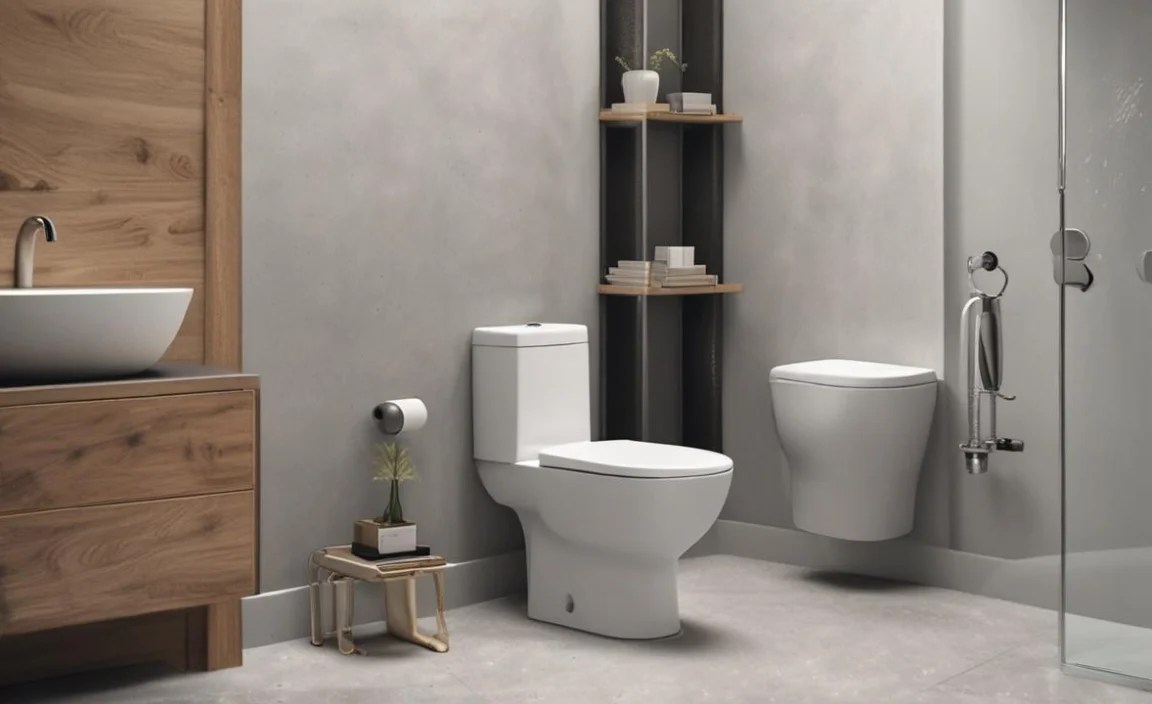
Now that the water is off and the toilet is mostly drained, it’s time to disconnect it from the water supply line and the floor.
1. Disconnect the Supply Line
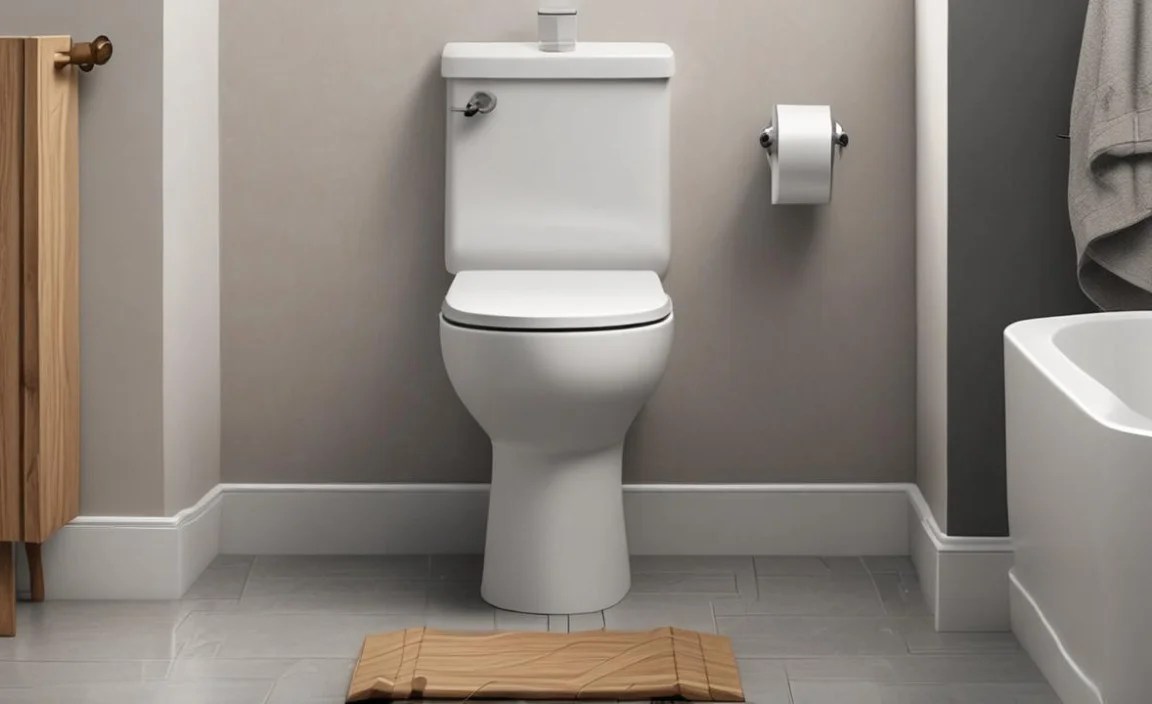
At the back of the toilet tank, you’ll see a flexible hose connecting the tank to the shut-off valve. Use your adjustable wrench or pliers to loosen the nut connecting this hose to the tank. Turn the nut counter-clockwise. Have your bucket and towels ready, as a small amount of residual water might drip out.
2. Remove the Tank Bolts
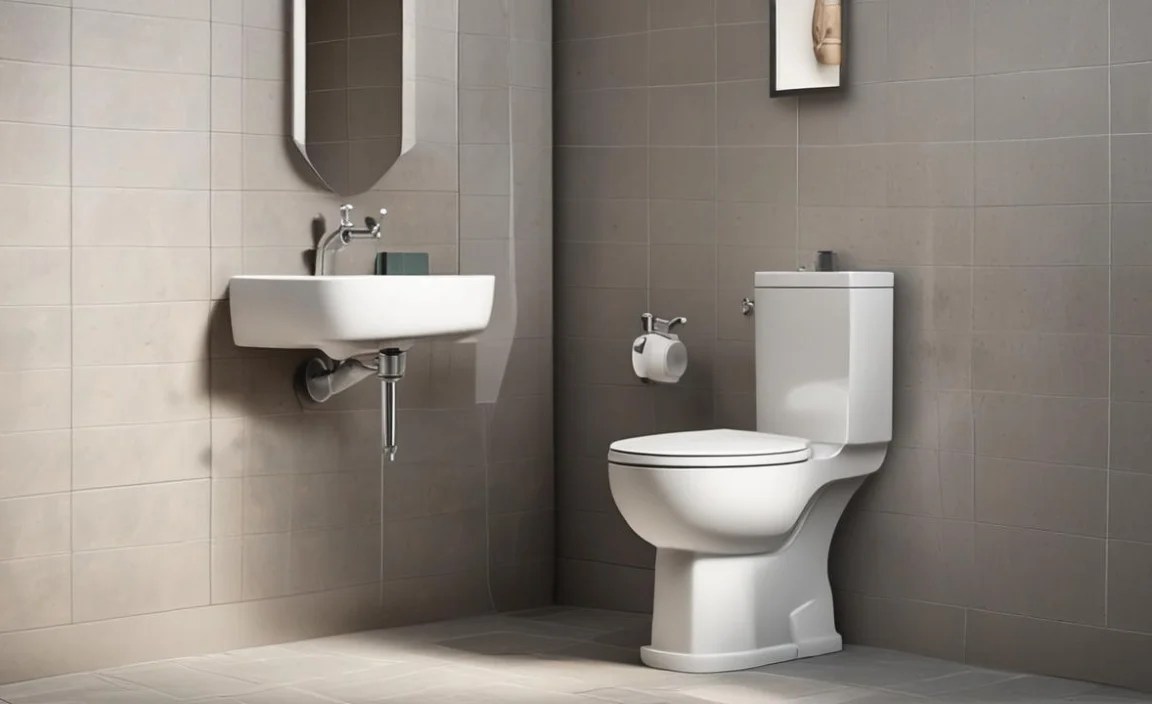
Look at the base of the toilet tank. You’ll see two bolts that secure the tank to the bowl. These bolts have nuts underneath them. Use your adjustable wrench or pliers to hold the bolt head (if accessible) on the inside of the tank while you loosen and remove the nuts from underneath the tank, on the outside. You might need a screwdriver to help hold the bolt steady while turning the nut. Once the nuts are off, you can lift the tank straight up from the bowl. Set the tank aside carefully.
Detaching the Toilet from the Floor

This is where we uncouple the toilet from the drainpipe. There are typically two bolts, called closet bolts, that secure the toilet to the floor flange. These are usually covered by plastic caps.
1. Remove the Bolt Caps
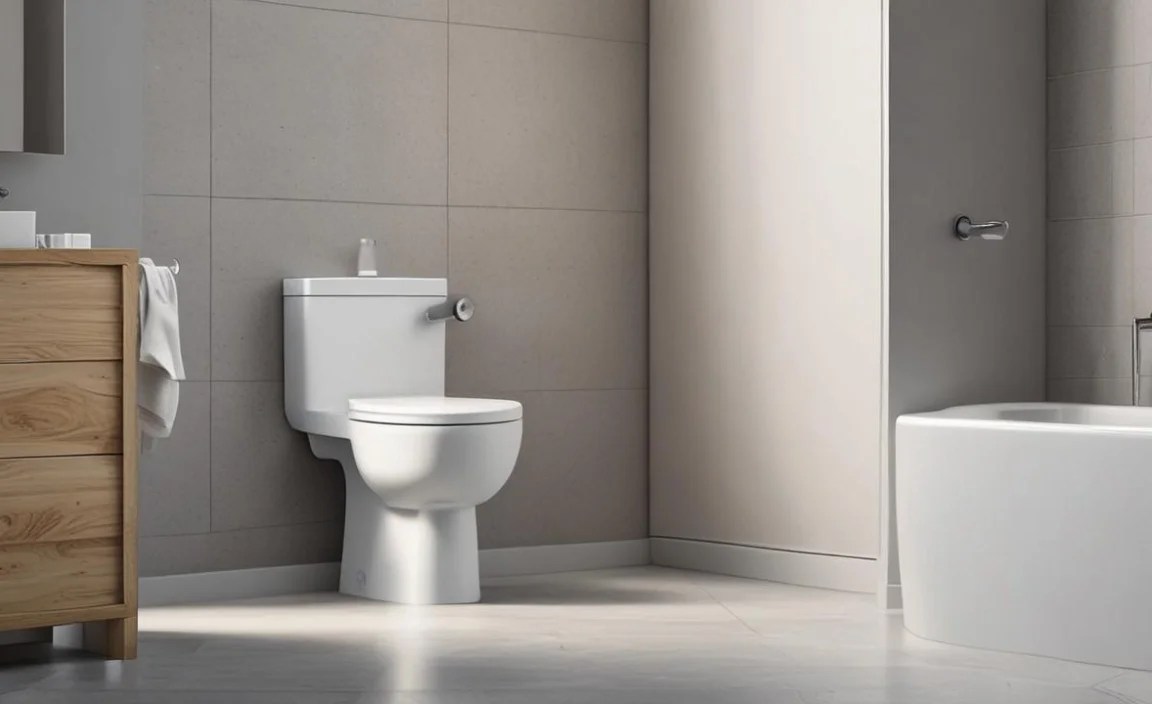
Pry off the decorative caps located at the base of the toilet, near the floor. You can often do this with a screwdriver or putty knife. If they’re painted over, you might need to carefully cut the paint seal with a utility knife.
2. Unscrew the Nuts

Underneath the caps, you’ll find the nuts on the closet bolts. Use your adjustable wrench or pliers to loosen and remove these nuts. If the bolts spin with the nuts, you might need to use a screwdriver to hold them in place from the top. If the bolts are rusted and difficult to remove, a penetrating lubricant (like WD-40) applied beforehand can help. Wait a few minutes for it to soak in and try again. The EPA WaterSense program offers great advice on common household water issues, including leaks that might necessitate toilet removal.
3. Wiggle the Toilet Free

Once the nuts are off, the toilet should be loose. Gently rock the toilet back and forth to break the seal between the wax ring (located underneath the toilet) and the floor flange. Be careful not to splash any remaining water. If it feels stuck, double-check that all bolts and connections are removed.
4. Lift and Remove the Toilet

With the toilet now free, carefully lift it straight up. It’s heavier than it looks, so asking for help might be a good idea. Tilt it slightly towards the back as you lift to allow any remaining water in the bowl to drain into your bucket. Place the toilet on some old towels or cardboard to protect your floor. Immediately cover the exposed floor flange with a rag or an old towel to prevent sewer gases from entering your bathroom. You can use a toilet flange as a temporary plug if you have one handy, but a thick rag works well in a pinch.
Cleaning and Preparing for the New Toilet

Once the old toilet is out of the way, it’s time to clean up the area and prepare it for the next step, whether that’s installing a new toilet or replacing the wax ring.
1. Remove the Old Wax Ring
The old wax ring will likely be stuck to the base of the toilet you just removed or to the floor flange. Use your putty knife or scraper to carefully scrape away all the old wax. Make sure to get rid of every bit of it. Place the old wax ring and any debris into a trash bag.
2. Clean the Floor and Flange
Use your rags and a mild cleaner to thoroughly clean the area around the floor where the toilet sat. Inspect the floor flange to ensure it’s not cracked or damaged. If it is, you’ll need to replace it. This is a critical step for preventing leaks. You can find detailed guides on inspecting and replacing flanges from resources like This Old House.
3. Inspect and Replace if Necessary

The floor flange is what connects your toilet to the sewer pipe. If it looks warped, broken, or isn’t sitting flush with the floor, it absolutely needs to be replaced before you install a new toilet. This is a slightly more involved step, but often manageable for a determined DIYer. If you’re unsure, this is one instance where calling a plumber for just that specific repair might be wise.
Common Toilet Removal Scenarios and Tips

Even with the best preparation, you might encounter a few common issues. Understanding these can help you troubleshoot effectively.
Stubborn Bolts

- Rusted Nuts: Apply a penetrating spray like WD-40 and let it sit for 15-30 minutes before trying to loosen them again.
- Spinning Bolts: If the bolt spins with the nut, you’ll need two tools: one to hold the bolt head steady (often from inside the tank if you hadn’t removed the tank yet, or from the bottom if you’re working on the closet bolts) and another to turn the nut.
- Corroded Bolts: In extreme cases, you might need to cut the bolt with a hacksaw or reciprocating saw. Be very careful not to damage the toilet or the floor flange.
Difficult to Lift Toilet
Toilets can be much heavier and more awkward to lift than they appear. If you’re struggling, don’t hesitate to ask a friend for assistance. Sometimes, a gentle lift from one side, then the other, can help break any lingering seals before a full lift.
Water Leakage
Even after draining, a little water might remain. This is normal. Have your bucket, towels, and sponge readily available to catch any drips. Pouring a little bit of cooking oil or mineral oil around the edge of the seat before you try to lift can sometimes help lubricate the seal, but this is less effective than proper draining.
Table: Step-by-Step Removal Process Summary
This table provides a quick overview of the primary steps involved in removing a toilet.
| Step | Action | Key Tools |
|---|---|---|
| 1 | Shut off water supply. | Adjustable wrench |
| 2 | Drain tank and bowl. | Sponge, bucket, towels |
| 3 | Disconnect supply line. | Adjustable wrench, bucket |
| 4 | Remove tank from bowl (if separating). | Adjustable wrench, screwdriver |
| 5 | Remove closet bolts and nuts. | Adjustable wrench, screwdriver, utility knife |
| 6 | Lift and remove toilet. | Gloves, possibly a helper |
| 7 | Remove old wax ring and clean. | Putty knife, scraper, rags |
Frequently Asked Questions (FAQ)
Q1: How much water do I need to remove from the toilet bowl?

You need to remove as much water as possible. Use a sponge to soak up the remaining water in the bottom and the tank. This prevents spills when you lift the toilet. A small amount of residual water is normal.
Q2: What are those bolts at the base of the toilet?

These are called closet bolts. They secure the toilet to the floor flange, which connects to the drainpipe. They are usually covered by plastic caps.
Q3: My closet bolts are rusted and won’t budge. What should I do?

Try applying a penetrating lubricant, like WD-40, to the bolts and nuts. Let it sit for about 15-30 minutes, then try again. If they still won’t budge, you may need to carefully cut them with a hacksaw.
Q4: What is the wax ring for, and do I need to replace it?

The wax ring creates a seal between the toilet and the floor flange, preventing water and sewer gases from escaping. You must replace the wax ring every time you remove a toilet to ensure a proper seal. Any debris or dirt on the flange will compromise the new seal.
Q5: Can I just buy any wax ring, or is there a specific type?

There are standard wax rings, wax rings with an extra-thick base, and wax-free seals. For most standard toilets and floor installations, a regular wax ring is sufficient. If your floor is uneven or the flange is slightly above the floor, a thicker ring or wax-free seal might be a better option. Always check the manufacturer’s recommendations for your new toilet.
Q6: How do I prevent sewer gas smell after removing the toilet?

Immediately after lifting the toilet, cover the exposed floor flange with a thick rag or plastic sheeting secured with tape. This is crucial to block sewer gases from entering your home.
Q7: Is it safe to remove a toilet if I haven’t done this before?

Yes, with the right tools, preparation, and by following these steps carefully. The most critical aspects are shutting off the water supply correctly and handling the toilet weight safely. If you feel uncomfortable at any point, it’s always okay to call a professional. But for most DIYers, this is an achievable task.
Conclusion
There you have it – a comprehensive guide to removing a toilet without needing a plumber! By following these steps, you’ve not only saved money but also gained valuable hands-on experience in home maintenance. Remember, preparation is key: shut off the water, drain as much as you can, and gather your tools.
Taking the time to disconnect the water line, unbolt the toilet, and carefully lift it free will set you up for a smooth installation of your new commode or a focused repair. Don’t forget the essential cleanup of the old wax ring and a thorough inspection of the floor flange. These final touches ensure your next toilet installation is leak-free and odor-free.
This project empowers you to tackle more home repairs with confidence. So, celebrate your accomplishment! You’ve proven that with a little guidance and the right approach, you can indeed remove a toilet yourself. Happy DIYing!
