
The cost to repair an exhaust fan typically ranges from $100 to $300, depending on the fix needed, parts replaced, and whether you DIY or hire a pro. Simple issues like cleaning or tightening can cost as little as $10 for supplies, while motor replacement can push costs higher. This guide breaks down common repairs, their associated costs, and how to decide if it’s time for a fix or a replacement.
Is your bathroom or kitchen smelling a bit… stale? That’s often a sign your exhaust fan isn’t doing its job. A malfunctioning exhaust fan can lead to moisture buildup, mold growth, and lingering odors. It can be frustrating, but don’t worry! Most common exhaust fan problems are fixable without breaking the bank. This guide will walk you through understanding repair costs, common issues, and how to tackle them. We’ll explore what factors influence the price and when a repair makes more sense than buying a new fan.
Why Your Exhaust Fan Might Need Repair

Exhaust fans are workhorses for home ventilation. They pull out moisture, odors, and airborne particles, keeping your air fresh and your home healthy. When they stop working correctly, it’s not just an annoyance; it can affect the air quality in your home. Common culprits include dust buildup, motor issues, or loose parts.
Understanding why your fan is acting up is the first step to figuring out the repair cost. A fan that’s just noisy might need a simple cleaning, while one that doesn’t spin at all might have a more serious electrical problem.
Common Exhaust Fan Problems and Their Potential Costs

Let’s break down what usually goes wrong with exhaust fans and what you can expect to pay for a fix. The cost depends heavily on the problem, the part needed, and whether you’re a DIY whiz or calling in a professional.
1. Dirty or Clogged Fan Blades
Dust and grime are the most common enemies of exhaust fans. Over time, these accumulate on the fan blades, motor, and housing, making the fan work harder, sound louder, and move less air.
Symptoms: Reduced airflow, increased noise (a rattling or humming sound), fan running slower than usual.
DIY Fix: This is usually a straightforward DIY job. You’ll need a screwdriver to remove the cover, a vacuum cleaner with a brush attachment or a can of compressed air, and a damp cloth.
Cost:
DIY: $0 to $15 for cleaning supplies if you need them.
Professional: $100 to $200 for a handyman service call, though many pros might deem this too minor for a dedicated service call unless part of a larger job.
2. Loose or Damaged Fan Blades
Sometimes, the fan blades themselves can become loose on the motor shaft or even crack if something has hit them.
Symptoms: Wobbling, excessive rattling, or a scraping noise.
DIY Fix: If loose, you can often tighten the screw or clip holding the blade to the motor shaft. If damaged, the blade assembly or the entire fan might need replacement.
Cost:
DIY: $10 to $50 for a replacement blade kit or fan part.
Professional: $100 to $250 for a handyman to replace blades or a minor component.
3. Worn-Out Motor
The motor is the heart of your exhaust fan. Like any motor, it can wear out over time. This is one of the more costly common repairs.
Symptoms: Fan won’t start at all, emits a burning smell, makes a loud grinding noise, or spins very slowly.
DIY Fix: Replacing an exhaust fan motor can be complex for beginners. It often involves electrical wiring and precise fitting. If you’re comfortable with electrical work, you might find a replacement motor kit. However, most DIYers would opt for replacing the entire fan unit.
Cost:
DIY: $50 to $150 for a replacement motor kit; $100 to $300 for a new fan unit.
Professional: $200 to $500 to replace the motor or install a new fan. This includes parts and labor.
4. Faulty Condenser or Capacitor
Many exhaust fan motors use a capacitor to help them start and run. These can fail, leading to motor issues.
Symptoms: Fan hums but doesn’t spin, or spins very slowly and unreliably. Often happens in humid environments.
DIY Fix: Replacing a capacitor is a moderately difficult DIY task. It involves working with electrical components and requires careful identification of the correct replacement part. Safety precautions are crucial.
Cost:
DIY: $10 to $30 for a replacement capacitor.
Professional: $150 to $300 for a technician to replace the capacitor.
5. Electrical Wiring Issues
Loose connections, damaged wires, or problems with the switch can prevent your fan from operating.
Symptoms: Fan doesn’t turn on at all, or intermittently turns on/off. Tripped breaker for the circuit.
DIY Fix: If you’re comfortable and knowledgeable about electrical wiring and safety, you might be able to fix loose connections. However, electrical work can be dangerous. For most homeowners, this is a job for a qualified electrician. Always check your home’s circuit breaker first!
Cost:
DIY: Minimal if it’s a simple fix like tightening a wire nut (use at your own risk).
Professional: $150 to $400 for an electrician to diagnose and repair wiring issues.
6. Problems with the Damper
Exhaust fans have a backdraft damper, a kind of flap that prevents outside air from coming back into your home. If this gets stuck or damaged, it can affect airflow or make noise.
Symptoms: Reduced airflow, whistling or rattling sounds, fan seems to be struggling to push air.
DIY Fix: You may be able to access and free a stuck damper by removing the fan cover. If it’s damaged, you might need to replace the damper assembly or the entire fan housing.
Cost:
DIY: $5 to $20 for a universal damper kit if needed.
Professional: $100 to $250 for a handyman to fix or replace the damper.
Factors Influencing Exhaust Fan Repair Costs

Several elements can push the cost of your exhaust fan repair up or down. Understanding these will help you budget effectively.
Type of Fan
Standard Bathroom Fans: Generally the least expensive. Parts are readily available.
Kitchen Range Hoods: Can be more complex with integrated lights, multiple fan speeds, and filters, leading to higher repair costs.
Whole-House Ventilation Fans: Larger and more powerful, these often have distinct pricing for parts and labor due to their size and complexity.
Location and Accessibility
Easy Access: If your fan is in a standard ceiling with easy attic or crawl space access, repairs will be quicker and cheaper.
Difficult Access: Fans installed in high ceilings, hard-to-reach attics, or within complex ductwork will increase labor time and cost.
DIY vs. Professional
DIY: Saves significantly on labor costs, but you’ll need to factor in the cost of tools and parts, plus your time and effort. There’s also the risk of making mistakes that could lead to more expensive repairs or safety hazards.
Professional: While more expensive upfront, professionals offer expertise, speed, and warranties on their work. This can be worthwhile for complex issues or if you’re uncomfortable with the repair yourself.
Parts Availability and Quality
OEM vs. Aftermarket Parts: Original Equipment Manufacturer (OEM) parts are specifically designed for your fan model and can be more expensive. Aftermarket parts are made by third parties and can be cheaper but may not fit as perfectly or last as long.
Brand of Fan: Some brands have more expensive proprietary parts.
Labor Rates
Geographic Location: Labor rates vary significantly depending on where you live.
Type of Professional: An electrician will typically charge more than a general handyman, but they have specialized skills for electrical issues.
DIY vs. Hiring a Professional: Making the Right Choice
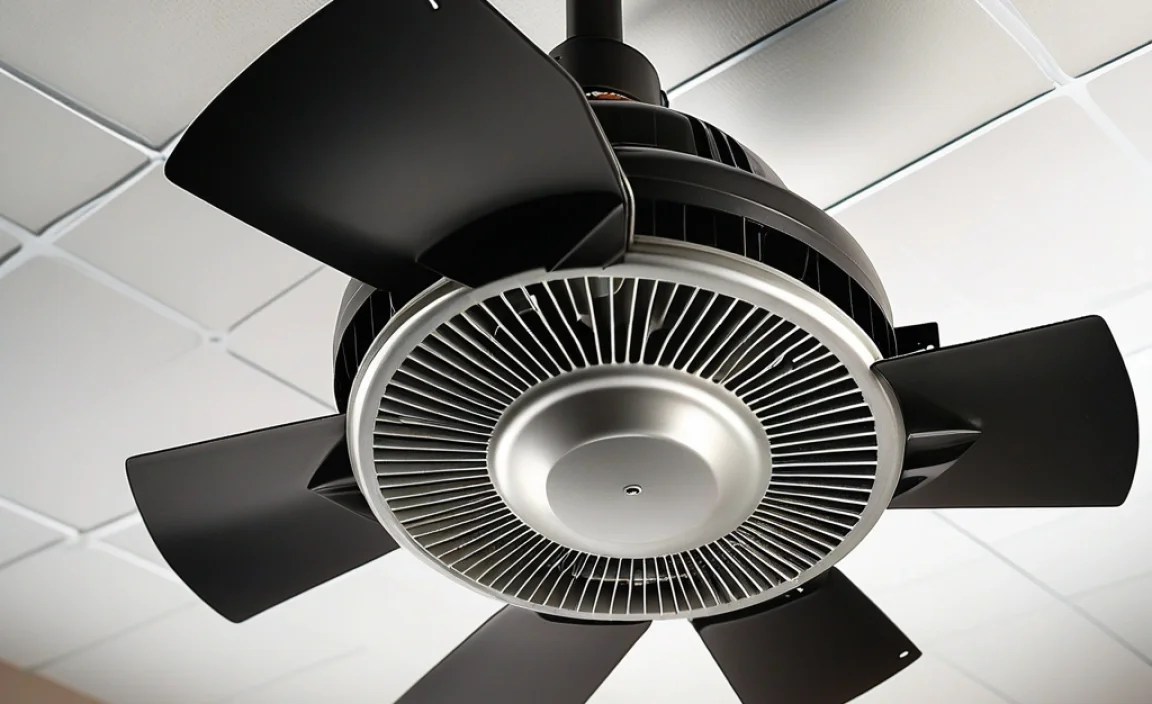
Deciding whether to fix it yourself or call a pro is a key part of managing repair costs.
When to Consider DIY
Simple Cleaning: If your fan is just dusty and noisy, a thorough cleaning is an empowering, cost-effective DIY task.
Tightening Parts: A loose screw holding the fan blade or cover can be an easy fix.
You Have Basic Tools and Comfort with DIY: If you have screwdrivers, a ladder, and feel confident working around simple mechanical and electrical components (with power OFF, of course!), many minor issues are within reach.
When to Call a Professional
Electrical Concerns: If you suspect an electrical issue (smell of burning, no power at all, breaker trips), it’s best left to a qualified electrician. Safety first!
Motor Failure: Replacing a motor can be tricky. A professional will have the right tools and expertise to ensure it’s done correctly.
Complex Installations/Modifications: If your fan is part of a larger ventilation system or a custom hood, a pro is usually needed.
You Lack Confidence or Time: If you’re not comfortable tackling the repair, or if you simply don’t have the time, hiring a professional is a reliable option.
For more on electrical safety, the U.S. Consumer Product Safety Commission (CPSC) offers valuable guidance.
Step-by-Step Guide to Basic Exhaust Fan Maintenance (DIY Friendly)
Before you even think about calling someone, let’s try some basic maintenance. This can often solve minor issues and save you money.
Step 1: Safety First! Turn Off Power
This is non-negotiable. Locate the circuit breaker that controls your exhaust fan and flip it to the “OFF” position. If you’re unsure which breaker it is, turn off the main breaker for your home. Double-check that the fan will not turn on by trying to operate the switch.
Step 2: Remove the Fan Cover
Most exhaust fan covers are held in place by a few screws or spring clips. Use the appropriate screwdriver (usually a Phillips head) to remove the screws or gently pull down on the cover to release the clips. Be careful not to drop the cover.
Step 3: Clean the Fan Blades and Housing
This is usually where most of the problem lies.
- Use a vacuum cleaner with a brush attachment to remove as much loose dust and debris as possible from the fan blades, motor, and the inside of the housing.
- For stubborn grime, use a slightly damp cloth. Avoid getting excessive moisture near the motor.
- A can of compressed air can be very effective for blowing dust out of tight spaces.
Step 4: Inspect for Damage
While the cover is off, take a good look around.
- Check if the fan blades are securely attached to the motor shaft.
- Look for any signs of damage to the blades, motor, or wiring.
- Ensure the damper (if visible) is not stuck or obstructed.
Step 5: Reassemble the Fan
Carefully put the fan cover back on and secure it with the screws or clips. Make sure it’s firmly attached.
Step 6: Restore Power and Test
Go back to your circuit breaker and flip it back to the “ON” position. Turn on the exhaust fan switch to see if the problem is resolved. Listen for unusual noises and check the airflow.
When It’s Time to Replace Your Exhaust Fan
Sometimes, the cost of repair just doesn’t make sense compared to the price of a new unit. Here are signs that replacement might be the better option:
Age: Most exhaust fans have a lifespan of 10-15 years. If yours is older and starting to fail, it’s likely nearing the end of its life.
Persistent or Frequent Problems: If you’re constantly fixing the same fan, it might be more economical to replace it.
Cost of Repair Exceeds Value: If a professional quotes a repair cost that’s more than half the price of a new, comparable fan, replacement is usually wiser.
Outdated Technology: Newer fans are often quieter, more energy-efficient, and have features like humidity sensors or lower Sones (noise ratings).
Cost of Replacing an Exhaust Fan
DIY Replacement: $50 – $250 for the fan unit itself, plus basic tools if needed.
Professional Replacement: $250 – $700+, depending on the fan model, complexity of installation, and professional rates. This includes parts and labor.
To explore options for energy-efficient ventilation, the ENERGY STAR program provides excellent resources and product finders.
Tools You Might Need for Exhaust Fan Repair
Having the right tools on hand can make any repair job smoother and safer.
- Screwdriver Set: Phillips head and flathead screwdrivers in various sizes are essential for removing covers and other components.
- Ladder: A sturdy ladder to safely reach the fan.
- Vacuum Cleaner: With hose attachments for cleaning dust and debris from fan blades and housing.
- Compressed Air Can: Great for blowing out dust from hard-to-reach areas.
- Gloves: To protect your hands from dust and grime.
- Safety Glasses: To protect your eyes from falling debris.
- Multimeter (for advanced DIYers): To test electrical components if you’re comfortable with electrical diagnostics.
- Wire Strippers/Crimpers (for advanced DIYers): If electrical connections need to be made.
Understanding Exhaust Fan Noise (Sones)
One of the most common complaints about exhaust fans is noise. Noise is measured in Sones. A lower Sone rating means a quieter fan.
For context:
- 1.0 Sone is roughly equivalent to the sound of a refrigerator humming.
- 0.5 Sone is considered very quiet – barely audible.
- 3.0 Sones or higher can be quite noticeable and disruptive.
When repairing or replacing a fan, consider opting for a model with a lower Sone rating, especially for bathrooms where quiet operation is desired. Many modern fans offer whisper-quiet performance.
Frequently Asked Questions (FAQ)
- Q1: How much does it typically cost to repair a bathroom exhaust fan?
- The national average cost to repair a bathroom exhaust fan is between $100 and $300. This can vary based on the specific problem, whether parts need replacing, and if you hire a professional. Simple fixes like cleaning are much cheaper than motor repairs.
- Q2: Can I fix a noisy exhaust fan myself?
- Yes! Most noisy exhaust fans are suffering from dust buildup on the blades or motor. Turn off the power, remove the cover, and clean the fan thoroughly with a vacuum and compressed air. Check that the fan blades are tight on the motor shaft.
- Q3: What’s the most common reason an exhaust fan stops working?
- The most frequent culprits are a dirty fan that’s overworked, a seized motor, or an electrical issue such as a blown fuse or faulty switch connection. A motor failure is also a very common reason for a fan to completely stop working.
- Q4: Is it cheaper to repair or replace an exhaust fan?
- It depends on the repair. If the issue is minor and requires only cleaning or tightening, DIY repair is very cheap. If the motor or a major component needs replacing, the repair cost might approach or even exceed the cost of a new, basic exhaust fan, making replacement the more economical choice in the long run.
- Q5: How long should an exhaust fan last?
- A typical exhaust fan is designed to last between 10 to 15 years. Regular maintenance, like cleaning, can help extend its lifespan. If your fan is older than 15 years and experiencing issues, it’s likely time to consider replacement.
- Q6: What are the signs that an exhaust fan needs replacing?
- Signs include: excessive noise (especially grinding or buzzing), reduced airflow despite cleaning, a burning smell, intermittent operation, or if the fan is simply very old and has a history of problems. If the cost of repair is high, replacement is often better.
- Q7: Can a bad capacitor make an exhaust fan hum but not spin?
- Yes, absolutely. A faulty or weak capacitor is a very common cause for an exhaust fan motor to hum loudly but fail to start rotating. It
