
Quick Summary:
Fixing a dripping faucet is an easy DIY project. Most leaks are caused by worn-out rubber washers or O-rings. By following these simple steps, you can quickly stop that annoying drip, save water, and prevent it from becoming a bigger problem. You’ll need basic tools and a little patience.
That persistent drip, drip, drip from your faucet can be more than just annoying; it’s a silent water thief wasting precious resources and driving up your utility bills. Many homeowners put off fixing a leaky faucet, thinking it’s a complicated job best left to professionals. But the truth is, most common faucet leaks are surprisingly simple to repair, even for beginners! With a few basic tools and a straightforward guide, you can confidently tackle this common household issue and enjoy a silent, leak-free sink. Let’s stop that drip together and get your faucet flowing perfectly again.
Understanding Your Leaky Faucet
Before we dive into the fix, let’s quickly understand why faucets leak. Faucets have several parts that work together to control water flow. Over time, these parts can wear out, especially the rubber components like washers and O-rings. These little helpers create seals to prevent water from escaping when the faucet is turned off. When they get old, cracked, or corroded, water can seep past them, leading to that frustrating drip. The most common culprits for leaks are:
- Worn-out washers: These rubber discs are often the first to go.
- Damaged O-rings: Small rubber rings that seal parts together.
- Corroded valve seats: The part where the stem screws in can get rough.
- Loose packing nuts: These hold the stem in place.
The type of faucet you have will slightly alter the repair process, but the core principles remain the same. We’ll cover the most common types to help you identify yours.
Your Essential Toolkit for Faucet Repair
Gathering the right tools before you start will make the process smoother and faster. Don’t worry; you likely already have most of these items in your home toolbox! If not, they are readily available at any hardware store.
Must-Have Tools:
- Adjustable Wrench: This is your workhorse for loosening and tightening nuts. An adjustable wrench is versatile and can fit various sizes.
- Screwdrivers: You’ll need both Phillips head and flathead screwdrivers, likely in a few different sizes.
- Pliers: Needle-nose pliers are great for grabbing small parts, and slip-joint pliers can be handy for gripping other components.
- Bucket or Towel: To catch any residual water when you disconnect parts.
- Penetrating Oil (like WD-40): Useful if parts are stuck or corroded, but use sparingly.
- Rag or Soft Cloth: To protect faucet finishes from tool marks and for general cleanup.
- Replacement Parts: This will depend on your faucet, but common items include replacement washers, O-rings, or a new cartridge. It’s often best to identify your faucet model or bring the old parts to the store.
Optional but Helpful Tools:
- Faucet Seat Wrench: For specific faucet types, this tool helps remove and replace the valve seat.
- Utility Knife: For carefully removing old caulk or debris.
- Flashlight: To see into dark cabinet spaces or the faucet assembly.
Step-by-Step Guide: Repairing the Most Common Faucet Leaks

Most leaks occur at the spout or around the handle. We’ll focus on the most common types: compression faucets and cartridge faucets. If you’re unsure what type you have, look at the handles: compression faucets usually have two separate handles (one hot, one cold) that you tighten down to stop the water. Cartridge faucets often have a single lever that moves up/down and side-to-side, or two handles that feel less like you’re “tightening” them off.
Step 1: Turn Off the Water Supply

This is the most crucial step for safety and to prevent a flood! Always turn off the water supply to the faucet before starting any repair. Look for the shut-off valves located directly beneath the sink. They are usually small knobs or levers. Turn them clockwise until they are snug. If you don’t have shut-off valves under your sink, you’ll need to turn off the main water supply to your entire house. You can usually find the main shut-off valve in your basement, garage, or near your water meter.
Pro Tip: After turning off the valves, open the faucet to drain any remaining water in the lines and to confirm the water is indeed off.
Step 2: Disassemble the Faucet Handle
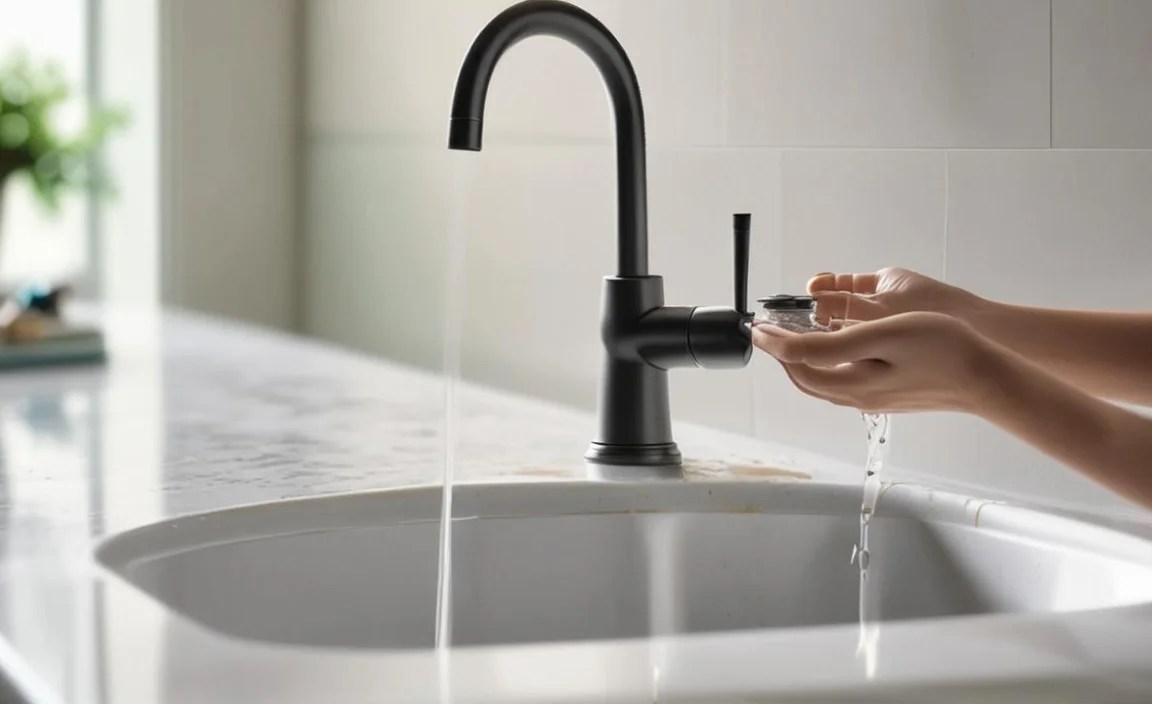
This is where things start to look like a typical faucet. You’ll need to remove the decorative cap (if any) and then the screw holding the handle in place. The cap might be a small plastic piece that pops off, or it might have a decorative cover that you’ll need to gently pry off with a flathead screwdriver or utility knife. Once exposed, you’ll see a screw. Use the appropriate screwdriver to remove it.
Once the screw is out, pull the handle straight up or off. It might be stuck, so a little gentle wiggling or tapping can help. Avoid forcing it excessively, as you could damage the faucet.
Step 3: Remove the Faucet Stem or Cartridge
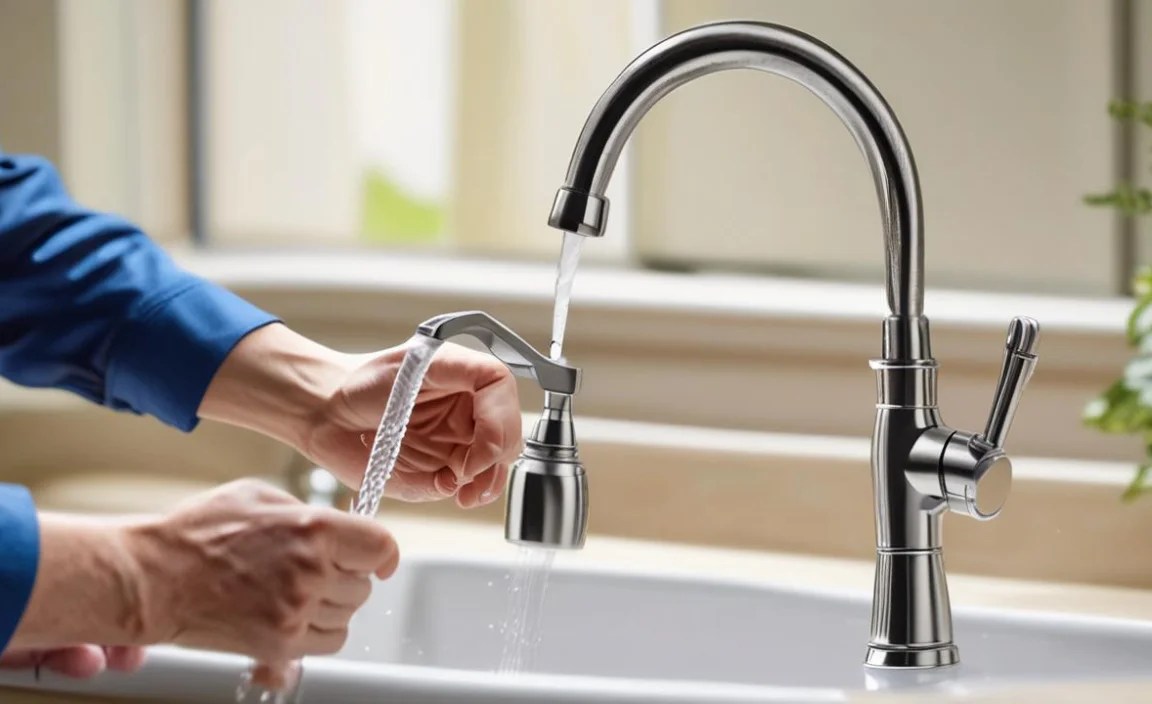
This part varies slightly depending on your faucet type.
For Compression Faucets:
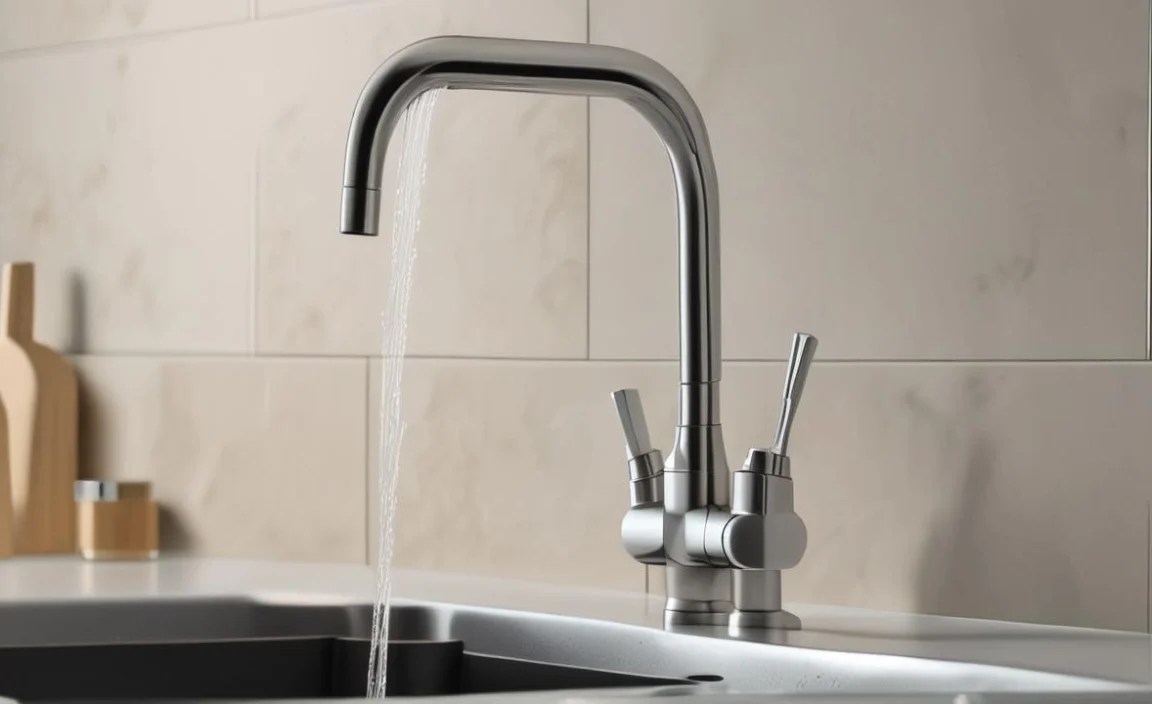
After removing the handle, you’ll see a “packing nut.” Use your adjustable wrench to unscrew this nut (counter-clockwise). Once the packing nut is off, you should be able to unscrew or lift out the faucet stem. The stem is the assembly that has the washer at its base.
For Cartridge Faucets:
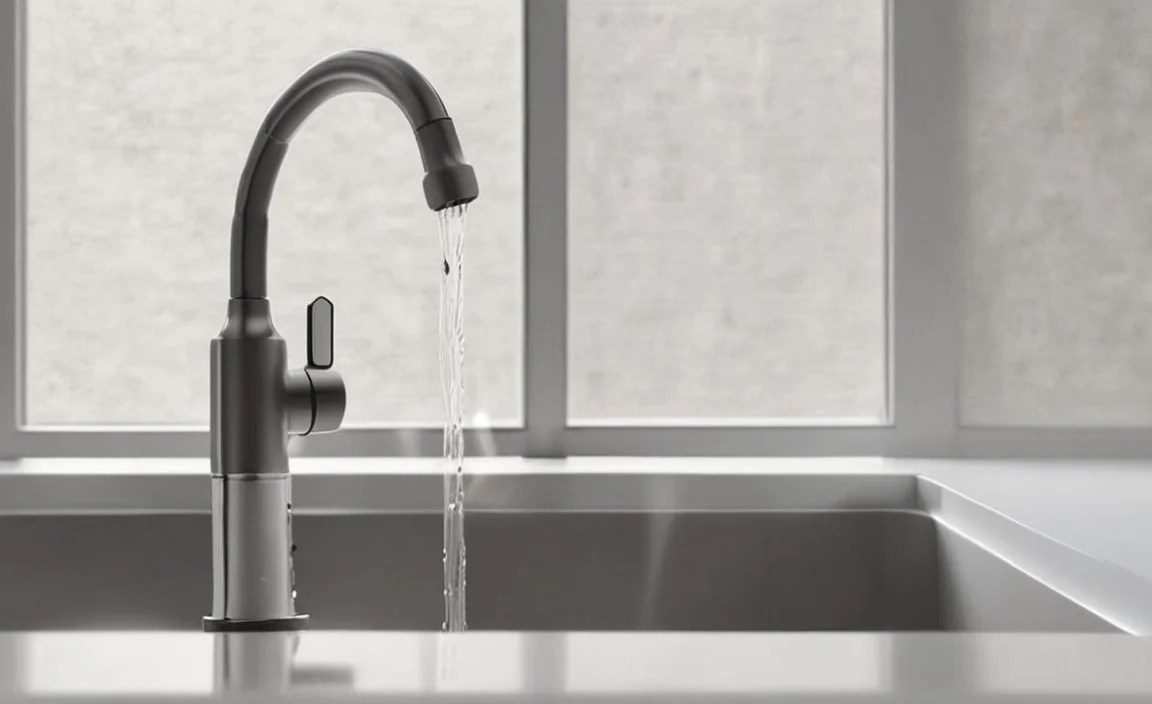
After removing the handle, you might see a retaining clip or nut holding the cartridge in place. Carefully remove this clip using pliers or a screwdriver. Then, grasp the cartridge with pliers and pull it straight out. Some cartridges may require a special tool to remove, but most will pull out with steady force.
Step 4: Inspect and Replace Worn Parts
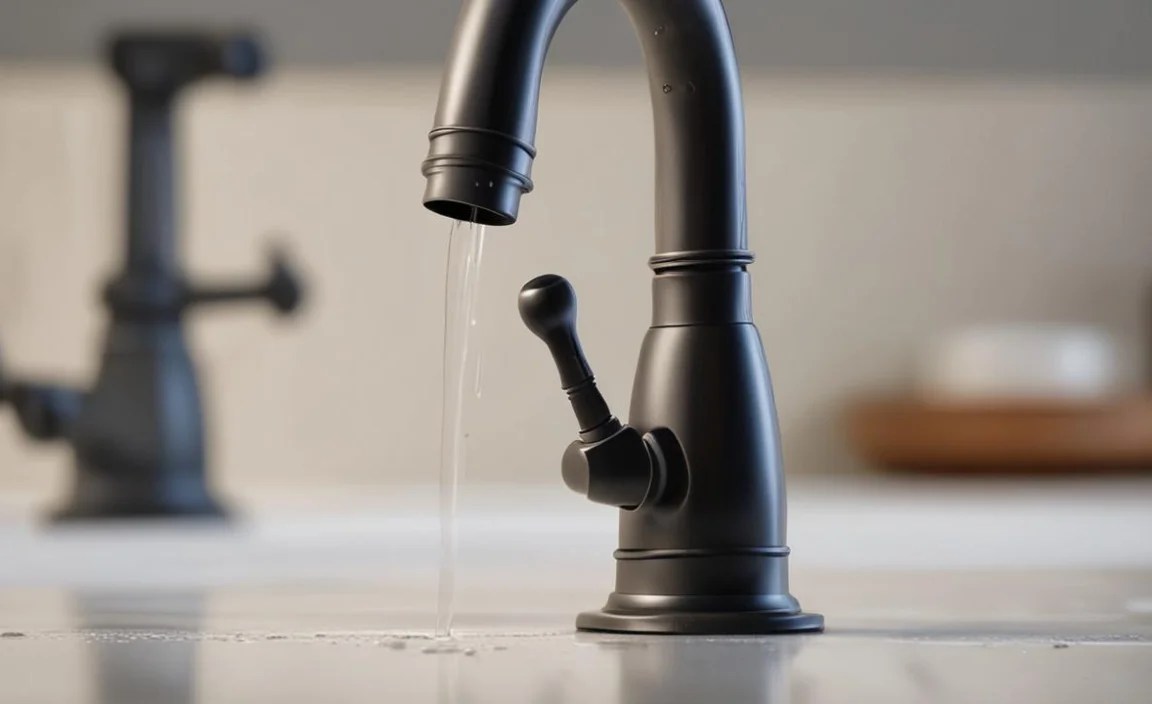
Now you’re looking at the heart of the faucet mechanism. This is where you’ll find the likely cause of your leak.
For Compression Faucets:
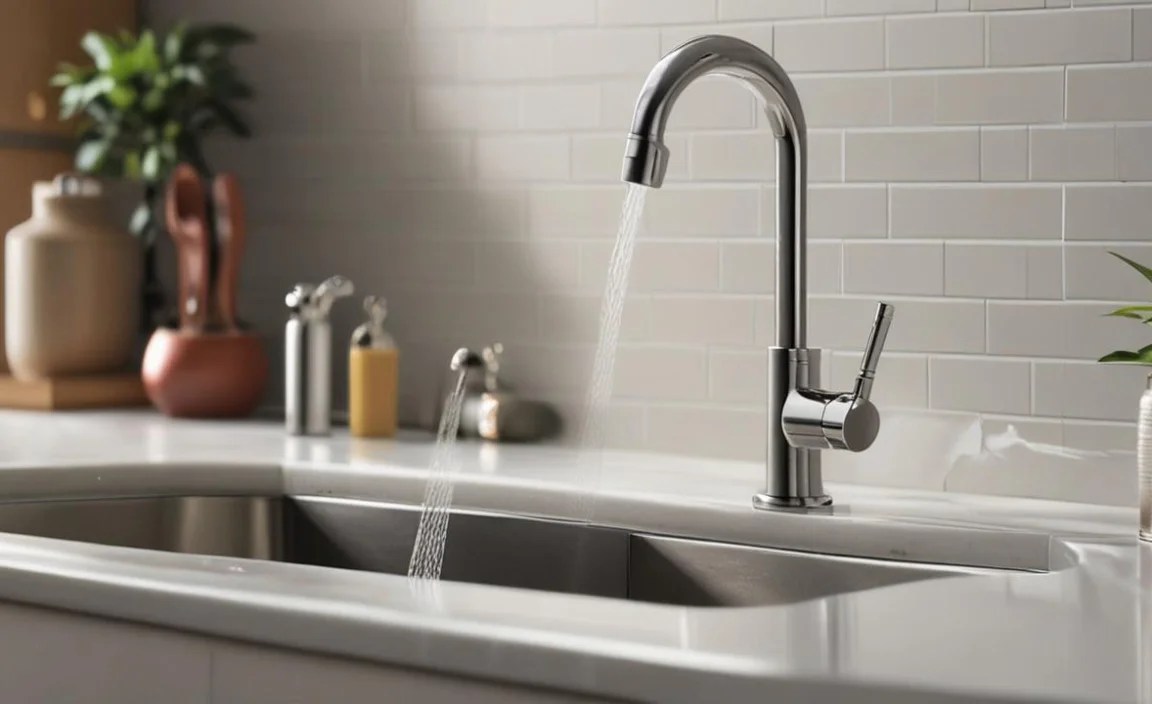
At the bottom of the stem, you’ll find a rubber washer held in place by a screw. Remove this screw and the old washer. You’ll also see a small O-ring around the stem itself. Check both the washer and the O-ring for signs of wear, cracking, or flattening. Replace them with new ones of the exact same size. Take the old parts to the hardware store if you’re unsure about getting the right size.
While you’re there, look at the “valve seat” inside the faucet body where the stem sits. If it feels rough or pitted, it might also need replacing. You can often unscrew the valve seat using a seat wrench. Inspect it for corrosion and replace if necessary.
For Cartridge Faucets:
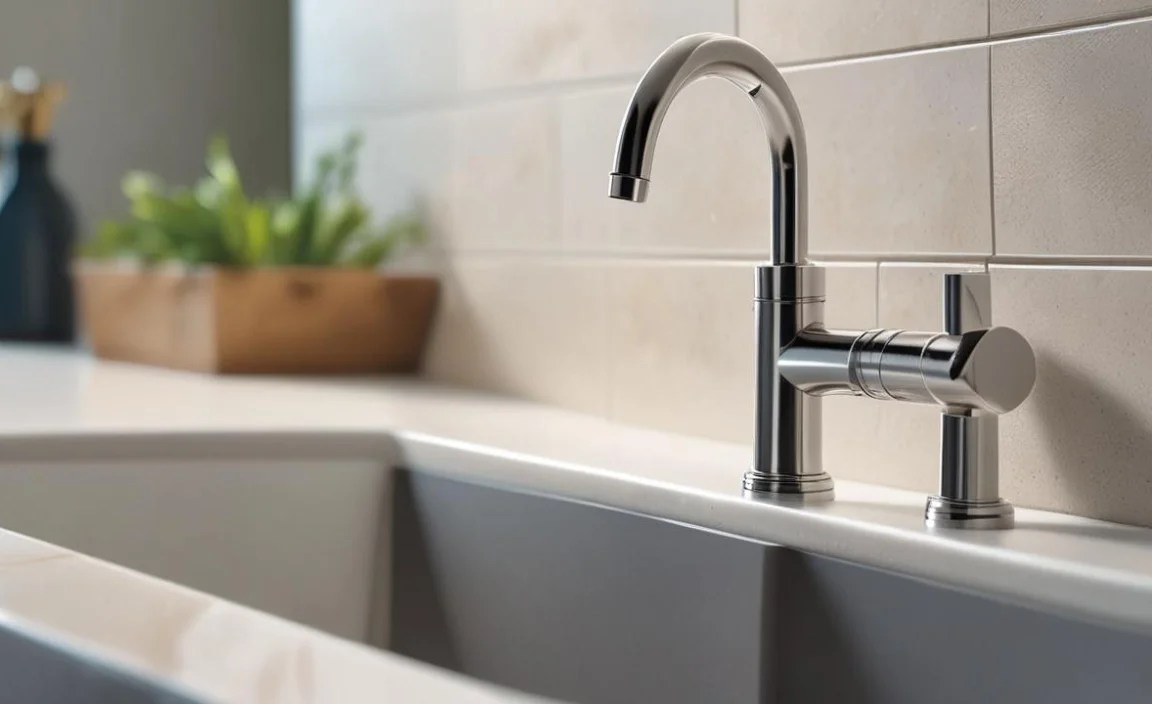
The cartridge is typically a single unit that houses all the internal workings, including seals. If your cartridge is leaking, it usually means the entire cartridge needs to be replaced. Carefully examine the old cartridge for any visible damage. Take the old cartridge with you to the store to ensure you buy an exact match.
Step 5: Clean and Reassemble
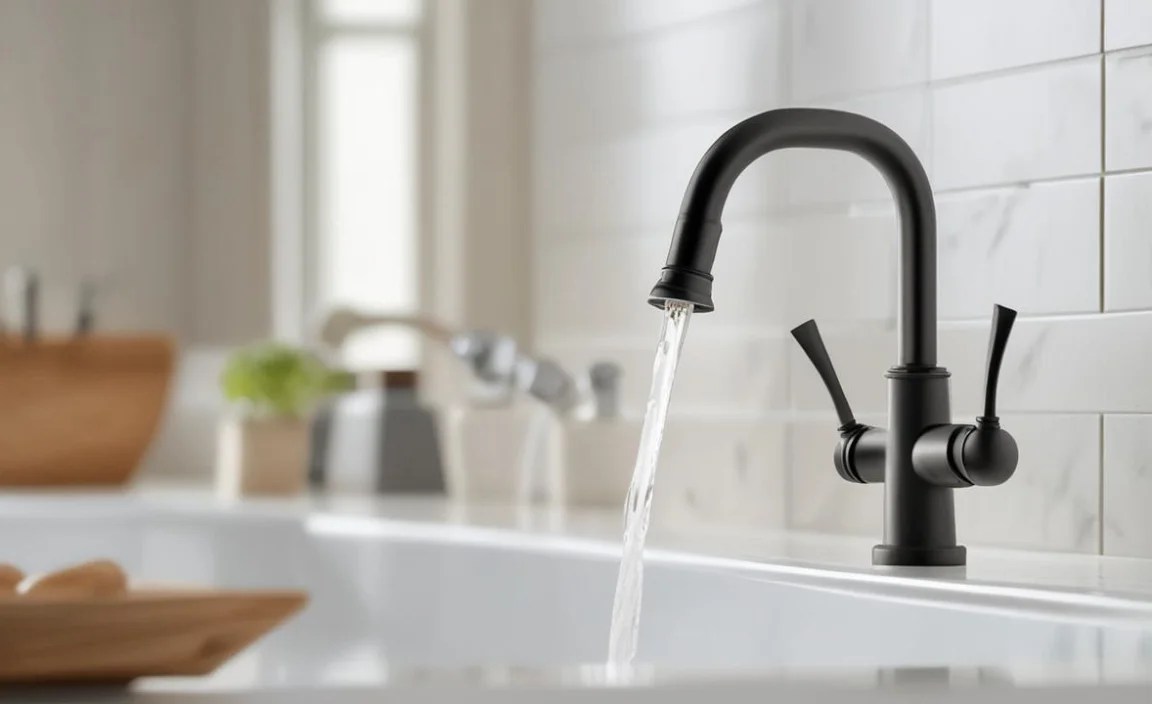
Now it’s time to put it all back together. Before reassembling, take a moment to clean any mineral deposits or debris from the faucet body and the parts you removed. A soft cloth or an old toothbrush can work wonders.
Reassemble the faucet in the reverse order you took it apart:
- Install the new washer and O-ring (for compression faucets) or the new cartridge.
- Reinstall the packing nut or retaining clip. Tighten the packing nut snugly but don’t overtighten.
- Reattach the faucet handle and secure it with the screw.
- Replace the decorative cap.
Step 6: Turn the Water Supply Back On

Slowly turn the water supply valves back on (counter-clockwise). Check immediately for any signs of leaks around the handle and at the spout. Turn the faucet on and off a few times to ensure it’s working correctly and that the drip is gone.
Troubleshooting Common Issues
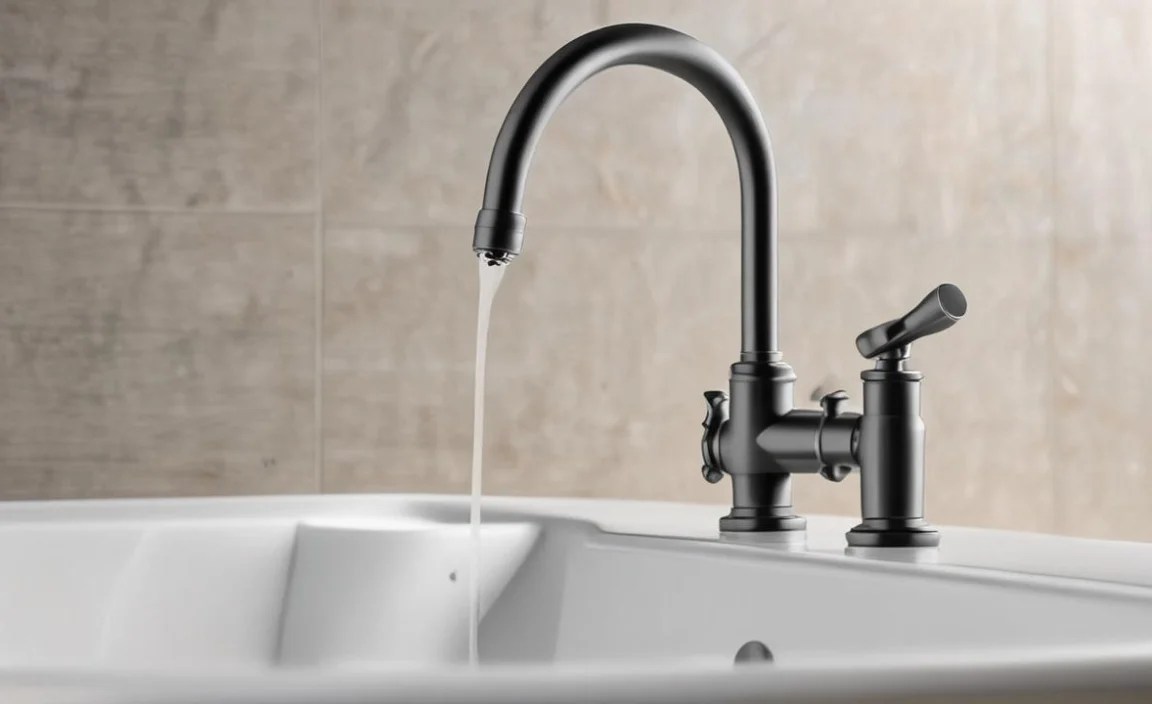
Even with the best intentions, sometimes things don’t go perfectly on the first try. Here are a few common hiccups and how to address them:
- Leak persists: Double-check that you used the correct replacement parts and that they are installed properly. Ensure all nuts and screws are snug. If it’s a compression faucet, the valve seat might be the issue and needs attention.
- Handle is stiff: You might need to apply a small amount of plumber’s grease to the O-rings and stem threads before reassembly. Don’t use too much, as it can attract debris.
- New leak around the handle: The packing nut might be too loose, or the O-ring around the stem might be damaged or the wrong size.
- Can’t get parts off: If parts are corroded or stuck, a little penetrating oil applied and allowed to sit for a few minutes can help. Be gentle and avoid excessive force.
Identifying Your Faucet Type
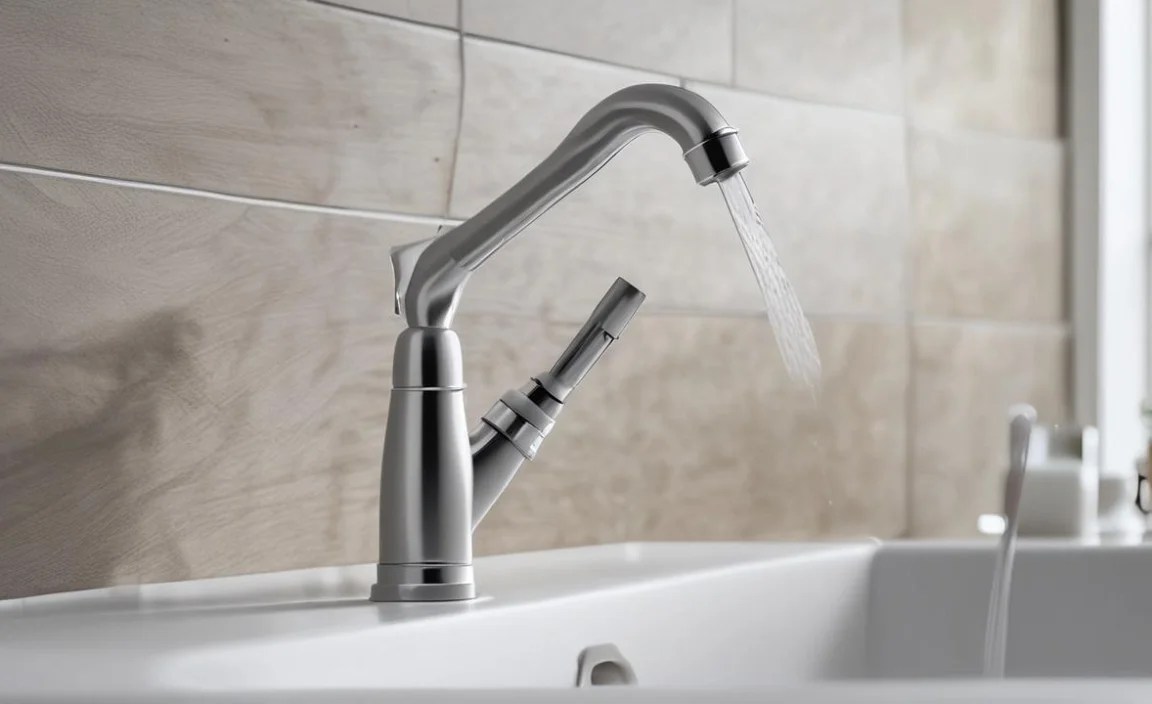
Knowing your faucet type is key to getting the right parts and performing the correct repair. Here’s a quick rundown of the most common types:
| Faucet Type | Common Signs | Typical Repair |
|---|---|---|
| Compression Faucet | Two separate handles (hot/cold) that you tighten down to stop water. Feel like you’re “screwing” them off. | Worn washers or O-rings at the base of the stem; potential valve seat issues. |
| Cartridge Faucet | Single lever handle controlling volume and temperature, or two handles that feel smooth to operate. Water flow is controlled by a movable cartridge. | Replacement of the entire cartridge assembly. |
| Ball Faucet | Single handle that pivots on a rounded ball-shaped cap. Often found in kitchens. | Replacing seals, springs, or the ball assembly itself. Can be more complex. |
| Ceramic Disc Faucet | Single lever or two handles. Very durable, uses two ceramic discs that slide against each other. | Usually requires replacement of the entire ceramic disc cartridge. |
For a more in-depth look at faucet types and their parts, resources like This Old House offer excellent visual guides.
When to Call a Professional
While most faucet leaks are DIY-friendly, there are times when it’s wise to call in an expert. If you’ve tried the steps above and the leak continues, or if you encounter severely corroded or immobile parts, it might be time to step back. Other signs that a professional might be needed include:
- You can’t identify your faucet type or find the correct replacement parts.
- The faucet body itself is cracked or damaged.
- You don’t feel comfortable with any part of the disassembly or reassembly process.
- The leak is severe and causing immediate water damage.
- You’ve turned off the shut-off valves, but the water still seems to flow into the faucet, indicating a problem with the valves themselves. According to the EPA, even small unnoticed leaks can waste thousands of gallons per year.
A qualified plumber can diagnose complex issues, source specialized parts, and ensure the repair is done correctly and safely, saving you potential future headaches and water damage.
Preventative Maintenance Tips
Keeping your faucets in good working order is all about a little regular care:
- Listen for Drips: Address any new or persistent drips immediately before they worsen.
- Regular Cleaning: Clean your faucets regularly with mild soap and water. Avoid abrasive cleaners that can damage the finish and O-rings.
- Water Softeners: If you have hard water, consider a water softener. This can significantly reduce mineral buildup and corrosion on faucet parts, extending their lifespan. You can find more information on water hardness from the USGS.
- Gentle Use: Avoid forcing handles or stems. Operate them smoothly.
FAQ: Your Faucet Leak Questions Answered
Q1: How long does it take to fix a leaky faucet?
A1: For a common leak on a compression or cartridge faucet, you can typically expect it to take between 30 minutes to an hour, assuming you have all your tools and parts ready.
Q2: What are the most common reasons a faucet leaks?
A2: The most frequent causes are worn-out rubber washers, damaged O-rings, or a faulty cartridge assembly inside the faucet. Mineral buildup can also contribute to leaks.
Q3: Can I fix a faucet leak without turning off the water supply?
A3: It’s strongly advised NOT to attempt repairs without turning off the water supply. You risk a significant water spill, potentially causing damage. Always shut off the water at the valves under the sink or your main supply.
Q4: Where can I buy replacement faucet parts?
A4: You can find replacement washers, O-rings, cartridges, and other common faucet parts at most home improvement stores (like Home Depot, Lowe’s), local hardware stores, or online retailers. Bringing the old parts with you helps ensure you get an exact match.
Q5: My faucet still leaks after replacing the washer. What else could it be?
A5: If you have a compression faucet, the valve seat might be corroded or damaged. You may need a valve seat wrench to remove and replace it. For cartridge faucets, ensure the new cartridge is installed correctly and is the exact model needed.
Q6: How do I know what type of faucet I have?
A6: Look at the handles. Compression faucets have two handles you tighten. Cartridge faucets often have a single lever or handles that operate smoothly, internally controlling water with a cartridge. Ball and ceramic disc faucets have distinct designs as well, often with a single lever. The table earlier in this guide can also help you identify your type.
Conclusion
Tackling a leaky faucet is a rite of passage for many homeowners, and for good reason – it’s a common issue that’s surprisingly manageable. By understanding the parts involved, gathering your tools, and following these step-by-step instructions, you’ve empowered yourself to conquer that persistent drip. You’ve learned to identify the culprits – usually simple worn rubber parts – and how to replace them with confidence. Remember, turning off the water is paramount, and taking your time during disassembly and reassembly will ensure a successful repair. Don’t let that annoying drip dictate your peace of mind or your water bill any longer. With this knowledge, you can keep your faucets running smoothly and your home dry and efficient. Congratulations on taking on this valuable DIY task!
