
Replacing cabinet doors and drawer fronts offers an affordable way to refresh your kitchen or bathroom’s look. This guide provides essential tips for a smooth DIY replacement, from choosing new styles to ensuring a perfect fit and finish. Get ready for a stunning upgrade!
Is your kitchen or bathroom cabinetry looking a little… tired? You’re not alone! Over time, cabinet doors and drawer fronts can become dated, scratched, or just plain uninspiring. The good news? You don’t need to overhaul the entire cabinet system to get a fresh new vibe. Replacing cabinet doors and drawer fronts is a super effective way to give your space a major facelift without breaking the bank or calling in the pros. It might sound a bit daunting, but with the right guidance, it’s totally doable, even for beginners. We’re going to walk through everything you need to know, step-by-step, to bring your cabinets back to life. Get ready to feel confident and excited about this project!
DIY Cabinet Door & Drawer Front Replacement: Your Essential Guide
Updating your kitchen or bathroom cabinets doesn’t have to be an overwhelming or expensive project. Swapping out just the doors and drawer fronts can dramatically change the look and feel of your entire room. Think of it like giving your cabinets a stylish new outfit! We’ll cover all the genius tips you need to make this DIY task a success, from picking the perfect new pieces to making sure they fit like a glove.
Why Replace Cabinet Doors and Drawer Fronts?
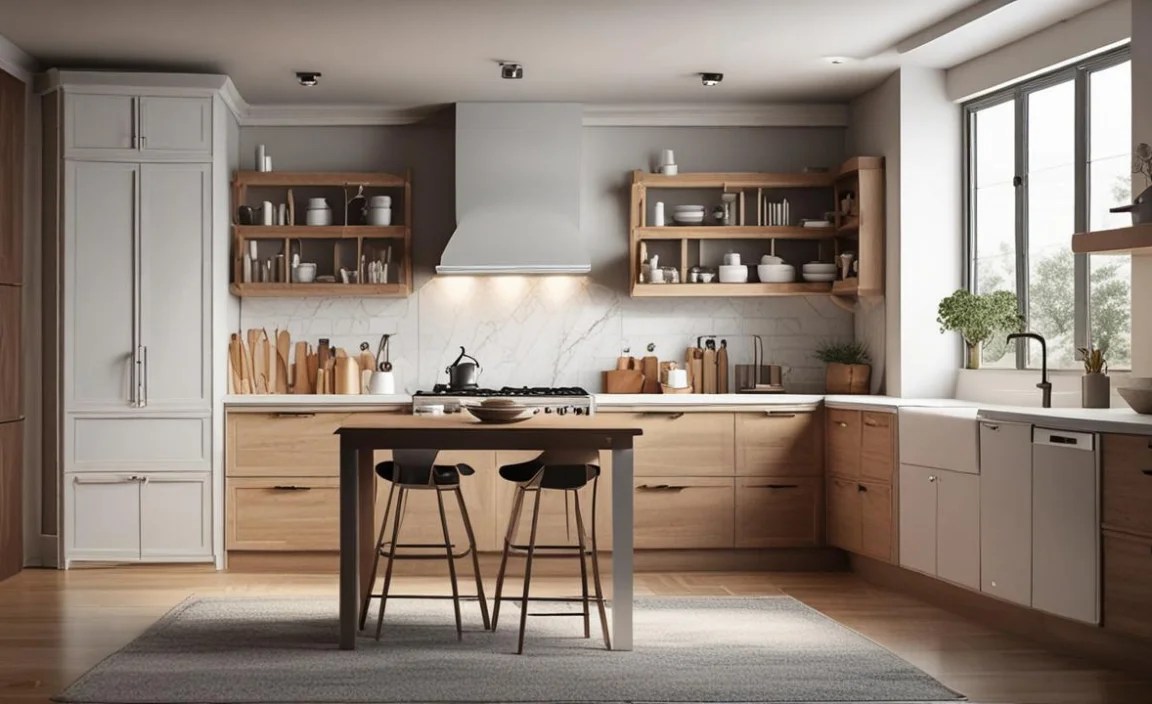
There are many excellent reasons to consider replacing your cabinet doors and drawer fronts instead of tackling a full cabinet replacement:
- Budget-Friendly: This is often the most cost-effective way to update your kitchen or bathroom. New doors and fronts can cost significantly less than entirely new cabinet boxes.
- Quick Transformation: You can achieve a dramatic visual upgrade in a relatively short amount of time, minimizing disruption to your home.
- Customization Power: You have the freedom to choose from a vast array of styles, colors, and materials to perfectly match your decor vision.
- Hides Damage: If the existing cabinet boxes are structurally sound but the doors are worn, stained, or damaged, replacement is a perfect solution.
- Eco-Conscious Option: By only replacing the visible parts, you’re reducing waste compared to discarding perfectly good cabinet boxes.
Understanding Your Existing Cabinetry
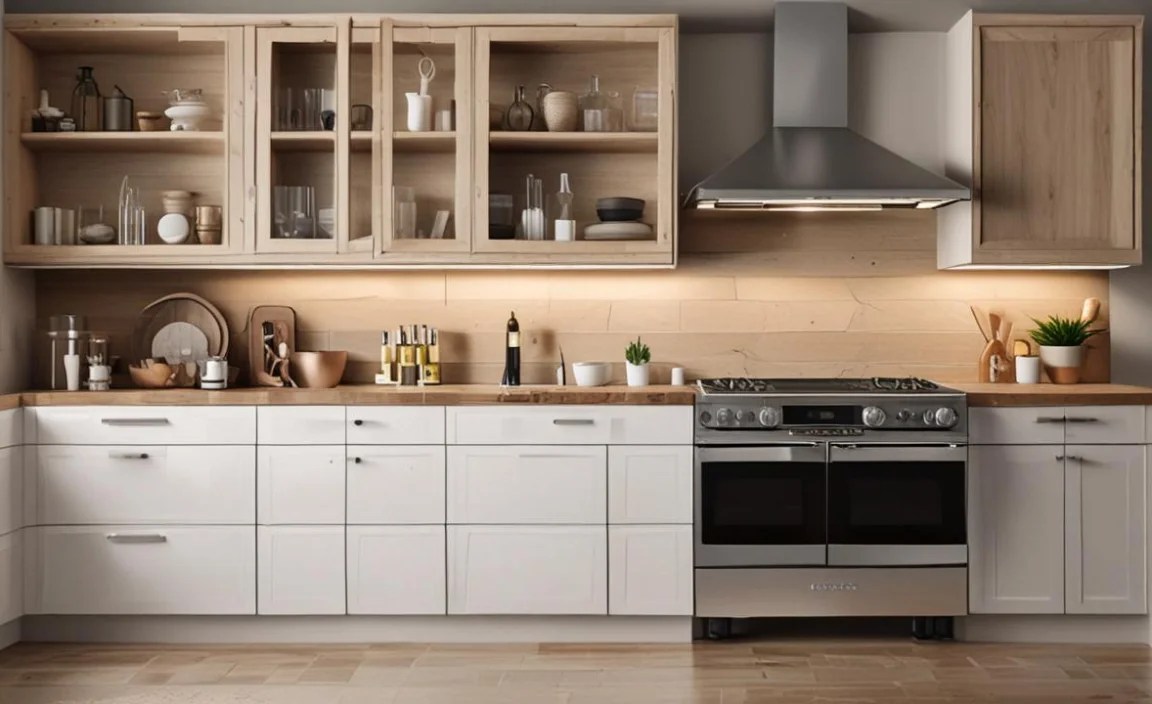
Before you even start browsing for new doors, take a close look at what you have now. This is crucial for ensuring your new pieces will fit and function correctly. Understanding your current setup will save you a lot of headaches down the line. Are your cabinet boxes framed or frameless (often called European style)? This is a key distinction!
- Framed Cabinets: These have what’s called a face frame, which is a thin wooden frame attached to the front of the cabinet box. The doors and drawer fronts typically sit on top of this frame. If you have framed cabinets, your new doors will need to be sized to cover this frame.
- Frameless Cabinets (European Style): These cabinets don’t have a face frame. The doors and drawer fronts attach directly to the cabinet box itself, and they usually meet or have a very small gap between them when closed. New doors for frameless cabinets need precise measurements that account for the exact dimensions of the face of the cabinet box.
Also, note the hinge type. Are they exposed hinges on the outside, or concealed (European style) hinges that are hidden inside the cabinet? You’ll want to make sure new doors are compatible with your existing hinge system, or be prepared to replace the hinges as well.
Measuring for Your New Cabinet Doors and Drawer Fronts

This is arguably the MOST important step. Accurate measurements are the key to a successful replacement. Measure twice, order once – it really is that critical!
Measuring for Cabinet Doors
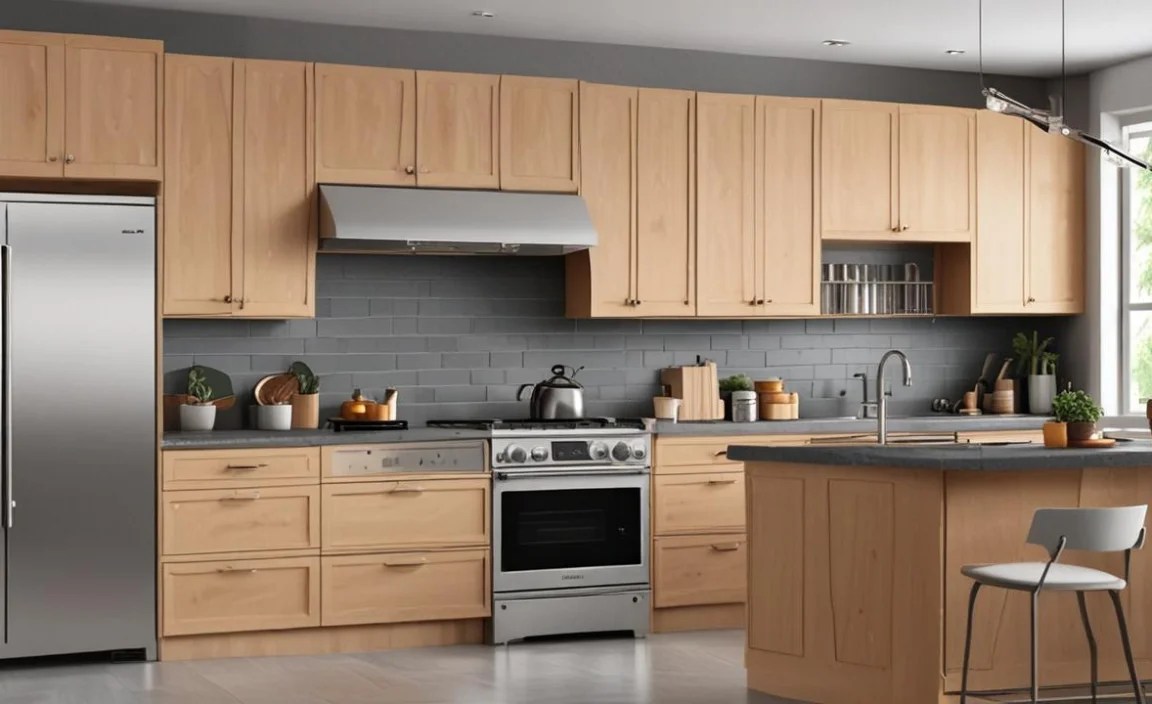
The way you measure depends on whether you have framed or frameless cabinets.
- For Framed Cabinets:
- Overlay Doors: Most modern framed cabinets use overlay doors, meaning they rest on top of the face frame. You need to measure the door opening in the face frame and then add the desired overlay amount. For a consistent look, aim for an overlay of about 1/2 inch on all sides (top, bottom, left, right) where the door meets the frame, or another consistent measurement. For example, if your cabinet box opening (the wood frame front) is 10 inches wide by 12 inches high, and you want a 1/2-inch overlay on all sides, your new door would need to be 11 inches wide (10″ opening + 1/2″ left overlay + 1/2″ right overlay) and 13 inches high (12″ opening + 1/2″ top overlay + 1/2″ bottom overlay).
- Partial Overlay: The doors cover only part of the face frame. You’ll measure the opening and add the planned overlay.
- Full Overlay: The doors cover almost the entire face frame, leaving minimal gaps. This is common in frameless cabinets but can be adapted for framed ones. You’ll need to calculate the door size to achieve this.
- Undermount Hinges: If your hinges are mounted under the frames, you’ll need to account for that.
- For Frameless Cabinets:
- Measure the exact width AND height of the cabinet box face you want the door to cover. This is usually what you’ll order.
- Overlay: For frameless cabinets where doors meet, you’ll specify the exact size of the door. If you are replacing a single door on a double-door cabinet, you’ll typically order two doors of the same size. For doors that meet in the middle, you usually order them the exact size of the box face.
- Consider gaps: Many frameless cabinets have a small gap (e.g., 1/8 inch) between doors and drawer fronts when closed. This allows for easier opening and prevents rubbing. You might want to match this gap or introduce one if new doors are slightly smaller.
Pro Tip: If possible, take down one of your existing doors or drawer fronts that fits perfectly. Measure its width and height. For framed cabinets with overlay doors, measure how much the existing door overlaps the frame on each side. This can give you a clear target for your new door sizes.
Measuring for Drawer Fronts
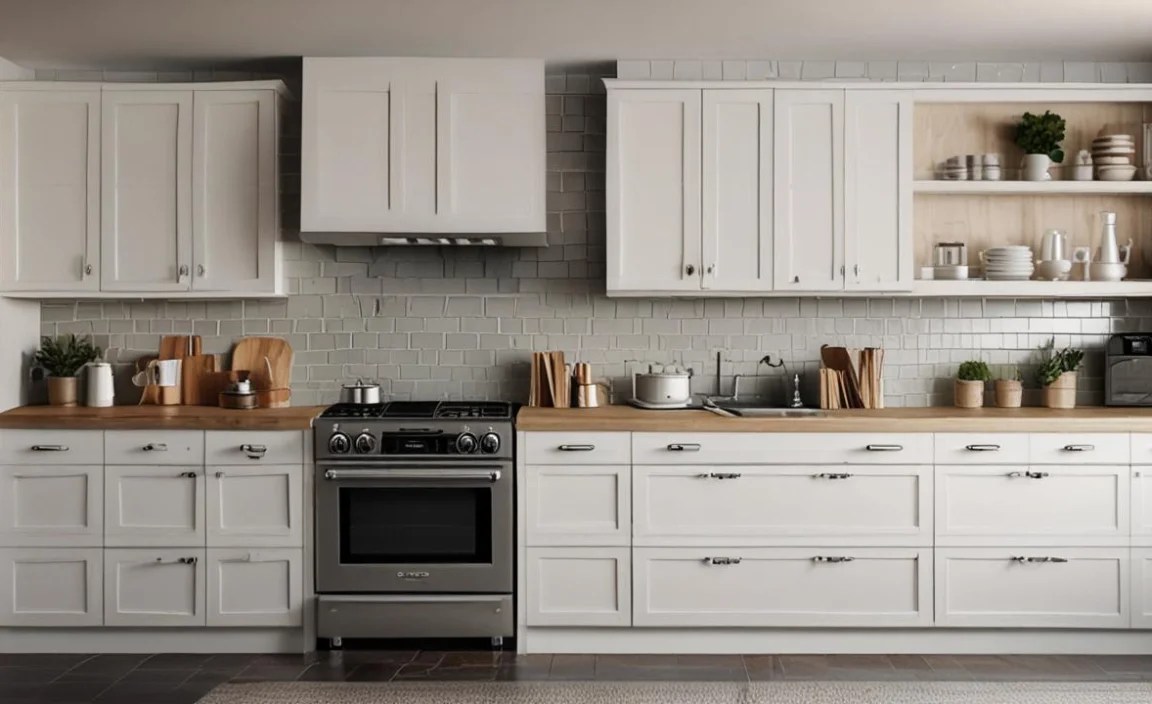
Drawer fronts are usually simpler.
- For Framed Cabinets: Measure the drawer opening in the face frame, then add your desired overlay (typically 1/2 inch on all sides for a consistent look). For example, if the opening is 15 inches wide by 4 inches high, and you want a 1/2-inch overlay, your new drawer front would be 16 inches wide (15″ + 1/2″ left + 1/2″ right) and 5 inches high (4″ + 1/2″ top + 1/2″ bottom).
- For Frameless Cabinets: Measure the exact width and height of the drawer box face you want the drawer front to cover.
Important Note: When ordering, always double-check if the measurements you provide should be for the opening or the final door/drawer size, and specify if you want overlay or flush-mount. Most suppliers have clear instructions on how to measure.
Choosing Your New Cabinet Doors and Drawer Fronts

This is where the fun begins! With so many options, you can truly personalize your space.
Styles to Consider:
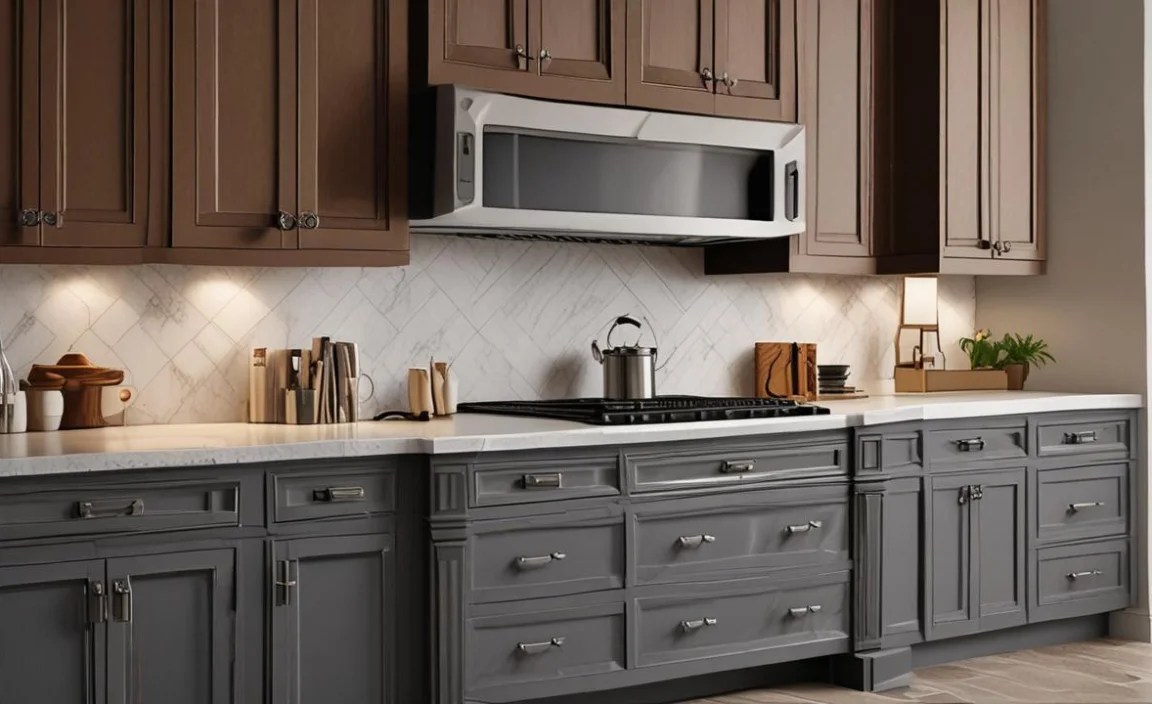
- Shaker: A timeless classic with a simple, clean design featuring a flat center panel and square edges. It’s versatile and fits many decor styles, from modern farmhouse to contemporary.
- Slab (Flat Panel): A completely flat, minimalist design. It offers a sleek, modern look and is very easy to clean.
- Raised Panel: Features a center panel that is raised with a profiled edge, giving a more traditional and formal look.
- Recessed Panel: Similar to Shaker, but the center panel is set within a groove, creating a slightly different aesthetic.
- Mullion/Glass Doors: These have designs with internal dividers (mullions) and can feature glass panels for display.
Materials:
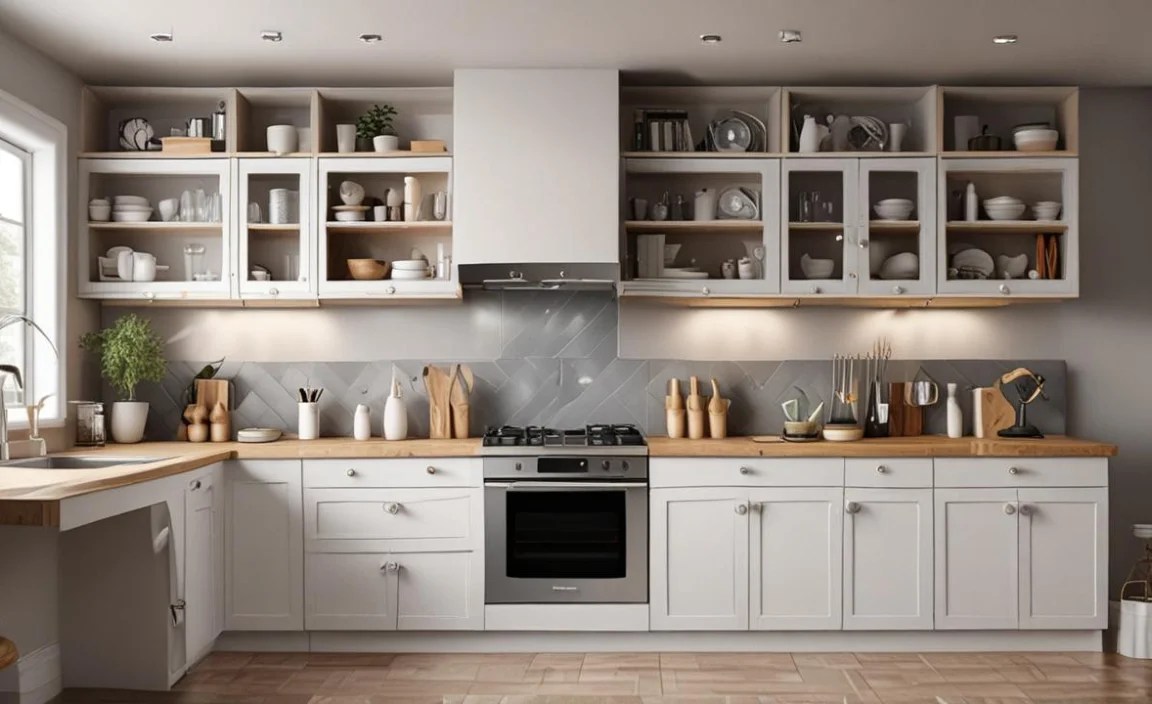
- Wood: Offers a natural, warm look. Common woods include maple, oak, cherry, and birch. Each has a unique grain pattern and color. Wood can be stained or painted.
- MDF (Medium-Density Fiberboard): A cost-effective and stable material, especially for painted finishes. It’s smooth and provides an excellent surface for painting, but it’s not typically stained.
- Thermofoil: A vinyl film applied to an MDF core. It’s durable, easy to clean, and comes in many colors and finishes, including wood grain patterns.
- PVC: Similar to thermofoil, offering durability and water resistance, making it a good choice for kitchens and bathrooms.
Finishing:
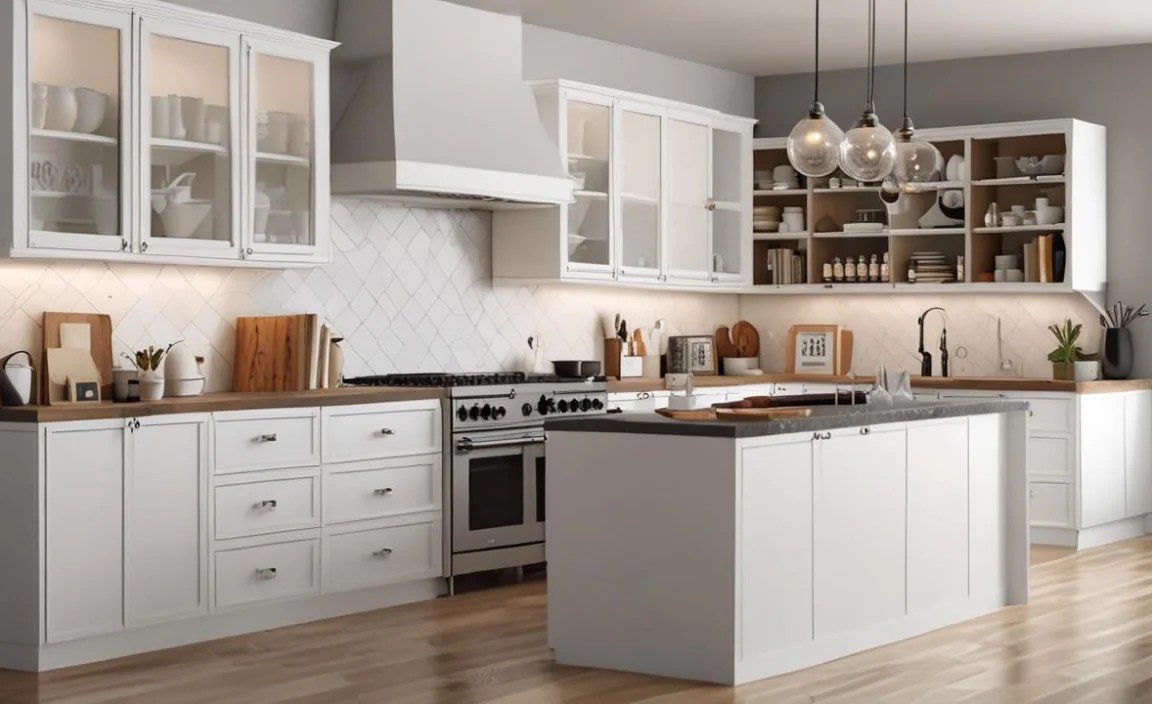
You can often order doors unfinished (ready for you to paint or stain), pre-primed, or fully finished (painted or stained). Ordering finished pieces saves you a significant amount of work and ensures a professional result, though it will cost more. If you’re painting, choosing a color that complements or contrasts with your existing cabinet boxes, walls, and countertops is key. A popular trend is to use different colors for upper and lower cabinets or for the island.
Essential Tools and Supplies
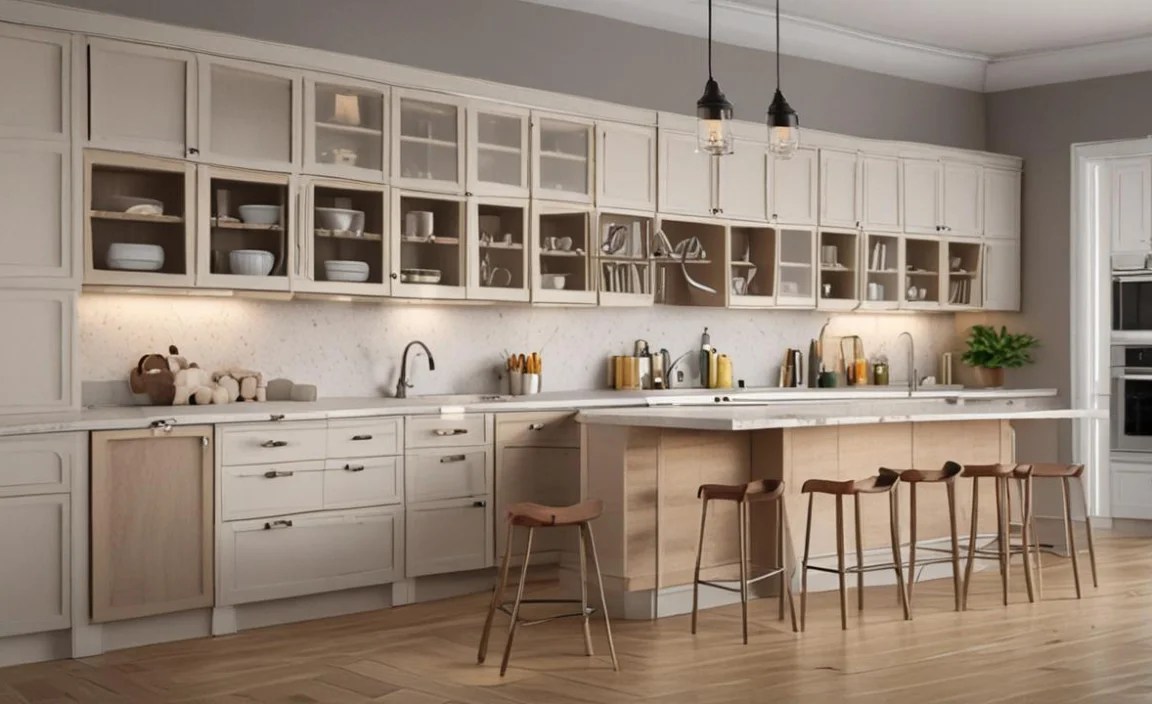
Gathering your tools beforehand makes the process much smoother.
Basic Tools:
- Screwdriver set (Phillips and flathead)
- Measuring tape
- Pencil
- Utility knife
- Putty knife
- Drill with various drill bits (including countersink bits if needed)
- Level
- Safety glasses
- Work gloves
- Dust mask
For Installation:
- New cabinet doors and drawer fronts
- New hinges (if necessary)
- New drawer slides (if necessary)
- Screws (appropriate size for hinges/slides)
- Cabinet door drill jig (highly recommended for creating clean hinge mounting holes, especially for concealed hinges)
- Wood filler or shims (for minor adjustments if needed)
- Sandpaper (if you’re doing any touch-up paint/stain)
- Painter’s tape
- Cleaning cloths
- Degreaser or all-purpose cleaner
Step-by-Step: Replacing Cabinet Doors
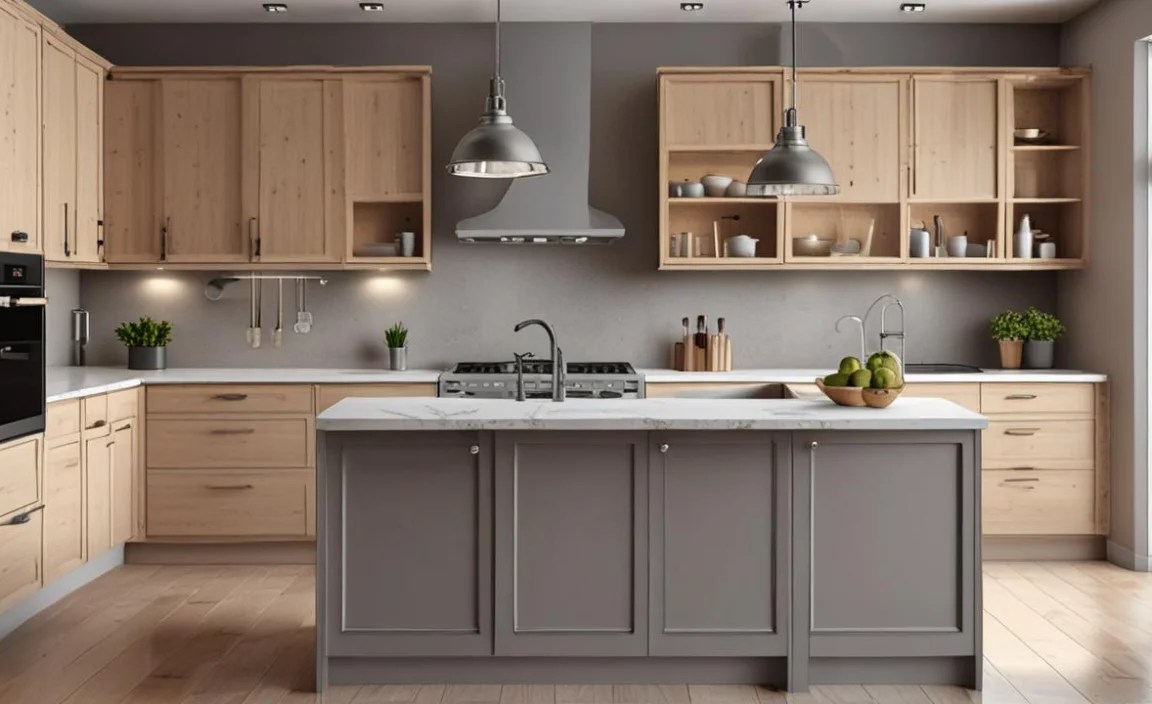
Let’s get your new doors on!
Step 1: Remove Old Doors
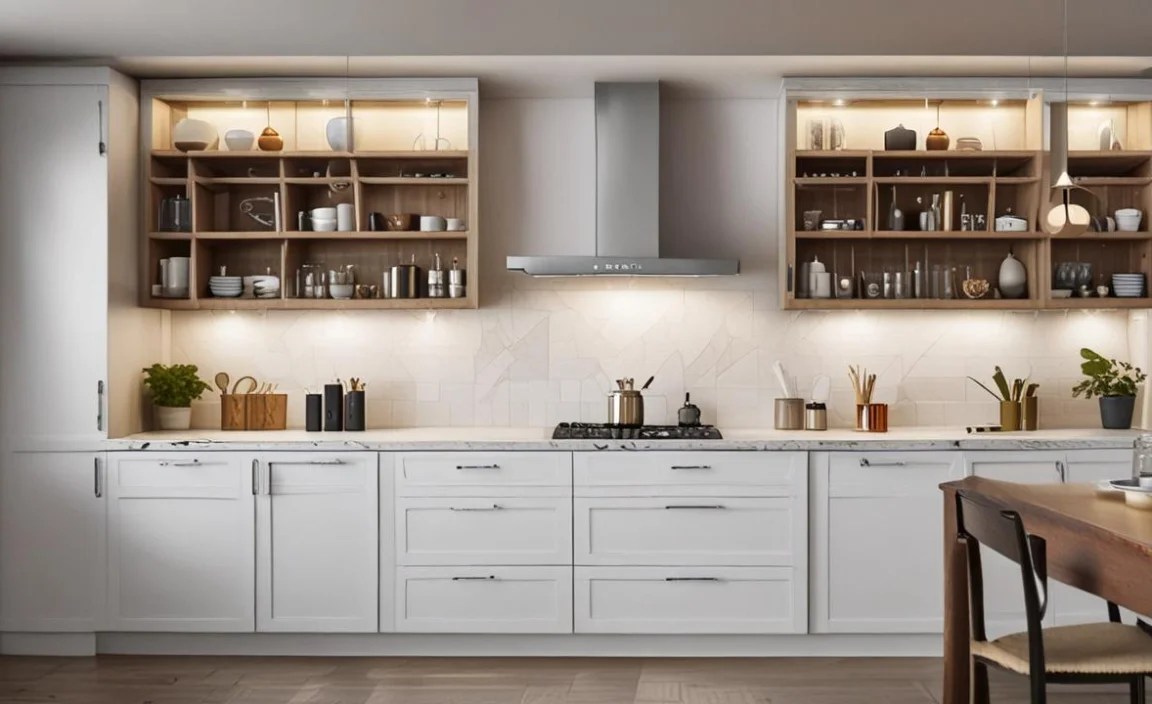
This is straightforward. Open each cabinet door and locate the hinges. You’ll typically see screws attaching the hinge to the cabinet door and the cabinet frame. Carefully unscrew the hinges from the cabinet door first. Some people prefer to remove the entire hinge from the frame, while others leave the frame-side hinge attached and just detach the door. If you’re reusing your hinges, it’s a good idea to label each door and its corresponding hinge set so you know exactly where they came from. Keep all the screws in a labeled baggie.
Step 2: Prepare the Cabinet Boxes
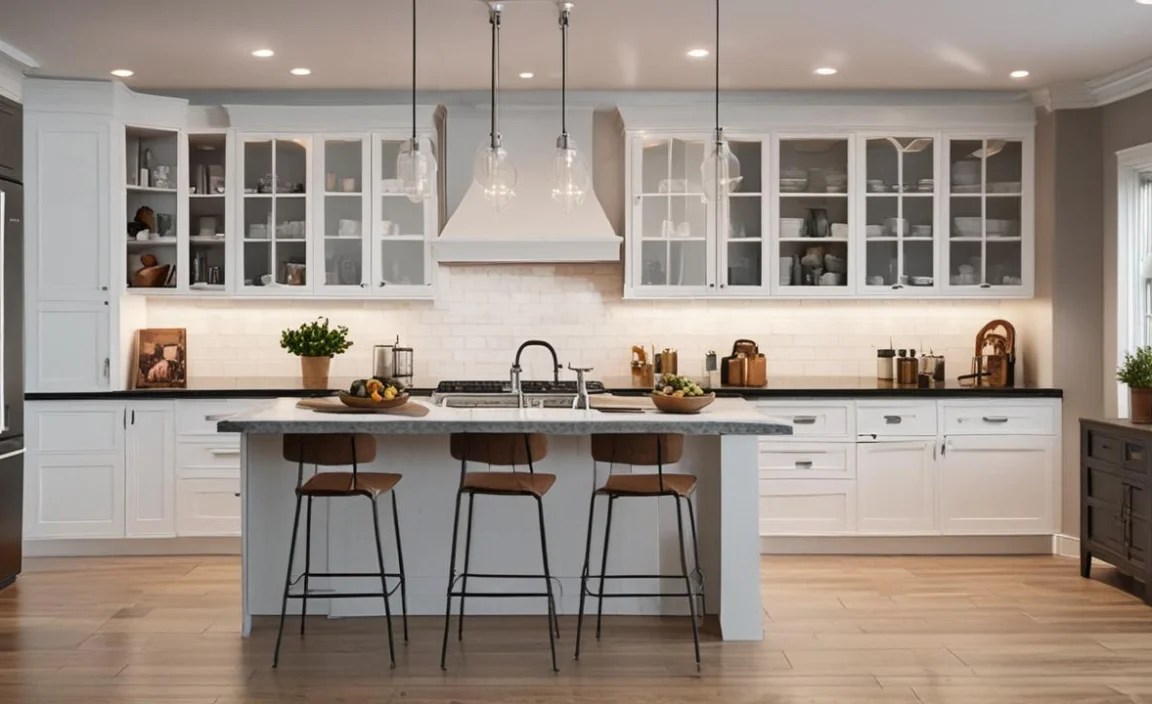
Once the old doors are off, take some time to clean the cabinet boxes. Use a degreaser or all-purpose cleaner to remove any grease or grime. If you’re changing hinge types or if the old screw holes are stripped, you might need to fill them with wood filler and re-drill pilot holes. It’s also a good time to check if the cabinet boxes themselves are level and plumb. Minor adjustments here can make door alignment much easier.
Step 3: Prepare and Install New Doors
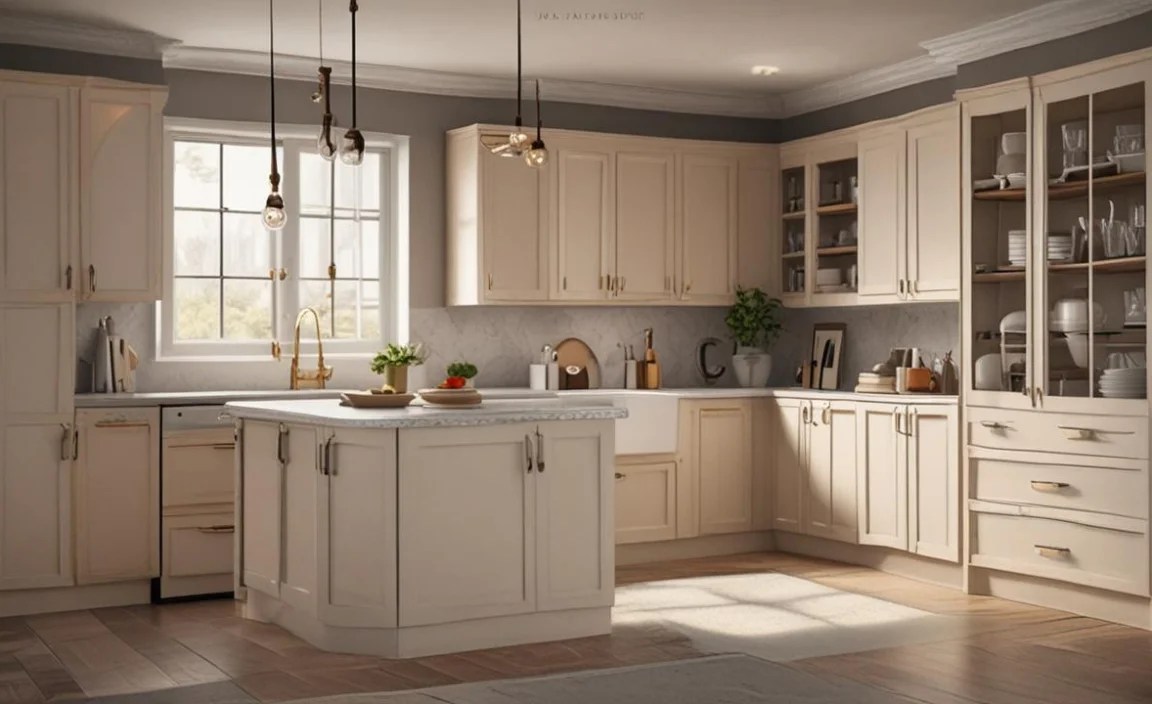
If you ordered unfinished doors, this is when you’d paint or stain them. Be sure to follow the manufacturer’s instructions for best results. Ensure they are completely dry before proceeding. If you are using concealed (European) hinges, you’ll likely need to drill holes for the hinges on the back of the new doors. This is where a cabinet hinge drilling jig is invaluable. It ensures precise placement and depth, preventing mistakes. Follow the jig’s instructions carefully.
Step 4: Attach Hinges to New Doors
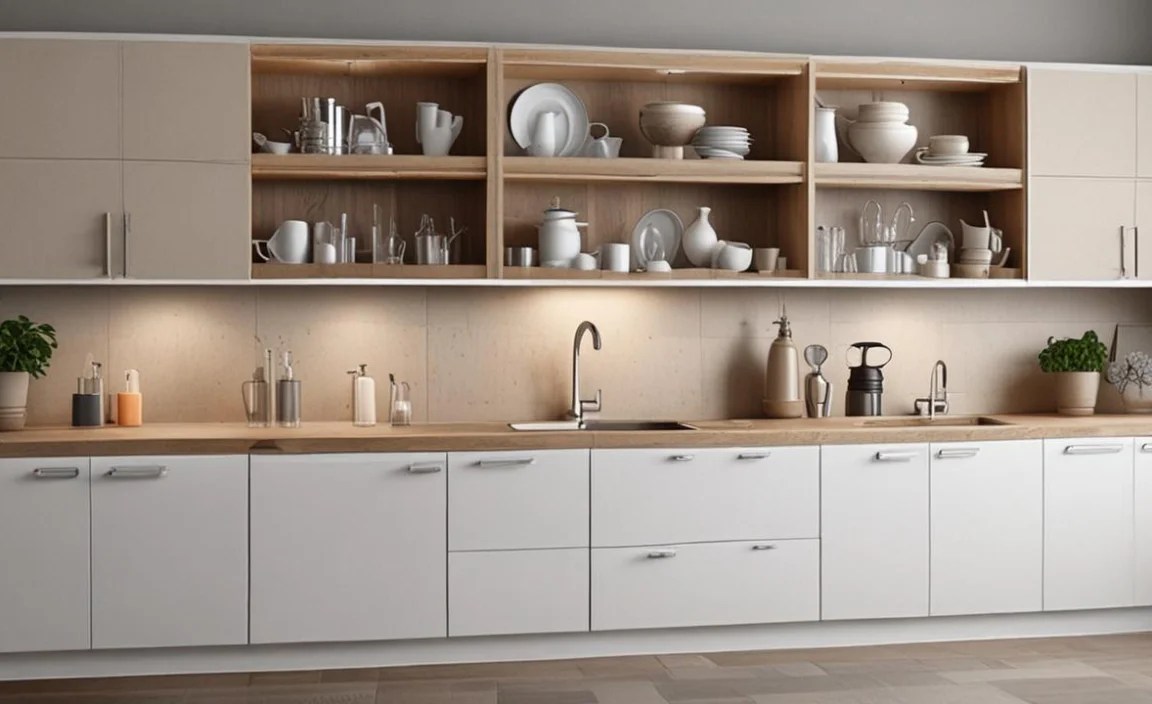
Following the instructions that came with your new doors or hinges, attach the new hinges to the back of your new cabinet doors. Ensure they are seated correctly and all screws are snug but not overtightened.
Step 5: Hang the New Doors
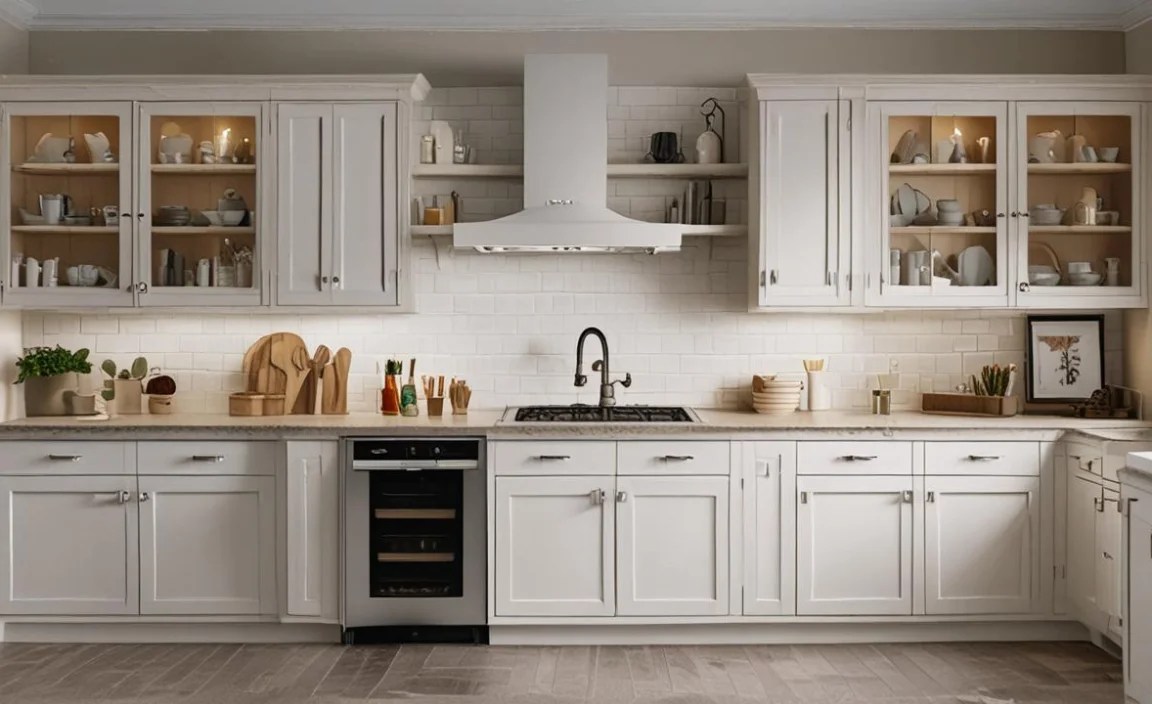
This is the moment of truth! With a helper if possible, align the hinge plates on the new door with the corresponding locations on the cabinet frame (or the pre-drilled holes on frameless cabinets). Screw the hinges onto the cabinet frame. Start by loosely attaching them, then use a level to ensure the door is hanging straight and plumb. Make adjustments as needed. Once satisfied, tighten all screws securely.
Step 6: Adjust Doors for Perfect Alignment
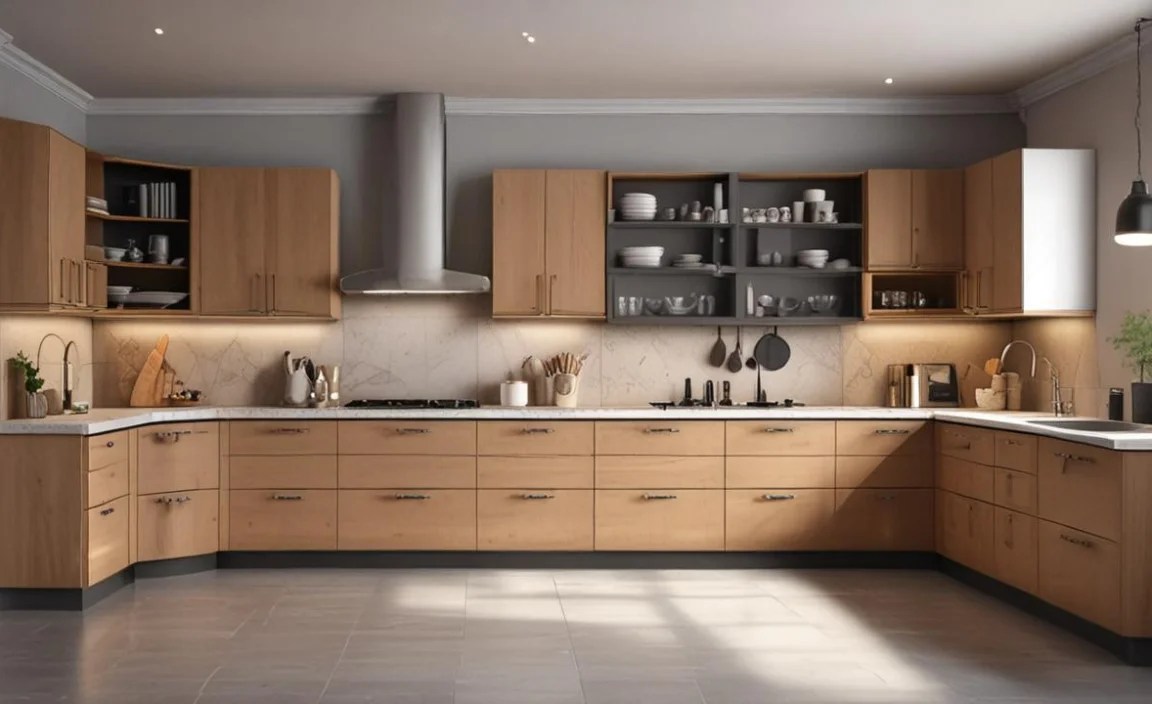
Most modern hinges have adjustment screws that allow you to fine-tune the door’s position. You can typically adjust them up/down, left/right, and in/out to ensure all doors align perfectly, leaving consistent gaps between them. This step is key to a professional-looking finish. Refer to your hinge manufacturer’s guide for specific adjustment instructions.
Step-by-Step: Replacing Drawer Fronts
Drawer fronts are a bit different as they might be attached directly to the drawer box or, more commonly, they are attached to the drawer box that slides in and out on drawer slides within the cabinet.
Step 1: Remove Existing Drawer Fronts (if necessary) and Drawer Boxes
For drawer fronts attached directly to the drawer box: Open the drawer. You might see screws from the inside of the drawer box holding the front on. Unscrew these. If the drawer front is glued or very stubborn, you might need to carefully pry it open with a putty knife. If your drawer fronts are separate from the drawer box and mounted to the cabinet frame, you’ll remove them as you did doors, noting hinge/mounting hardware.
For drawer boxes that slide with slides: You’ll likely need to remove the entire drawer box from the cabinet. This usually involves pulling the drawer out and then releasing a lever or detent that holds the slides together. You can find many helpful videos online by searching for “[your slide type] drawer slide removal.” For example, look for Accuride drawer slide removal instructions if that’s what you have.
Step 2: Prepare New Drawer Fronts
As with doors, if you ordered unfinished fronts, paint or stain them now. If you’re attaching new drawer slides, install them onto the sides of your drawer boxes according to the manufacturer’s instructions.
Step 3: Attach New Drawer Fronts
This depends on how your old ones were attached.
- Attached to Drawer Box: Position the new drawer front on the front of the drawer box. Make sure it’s perfectly centered and square. From the inside of the drawer box, pre-drill pilot holes through the box and into the back of the drawer front. Use appropriate screws to attach the new front securely.
- Separate Mountings: If the old front was a separate piece mounted to the cabinet face, you’ll reverse the removal process, ensuring it’s level and aligned.
Step 4: Reinstall Drawer Boxes
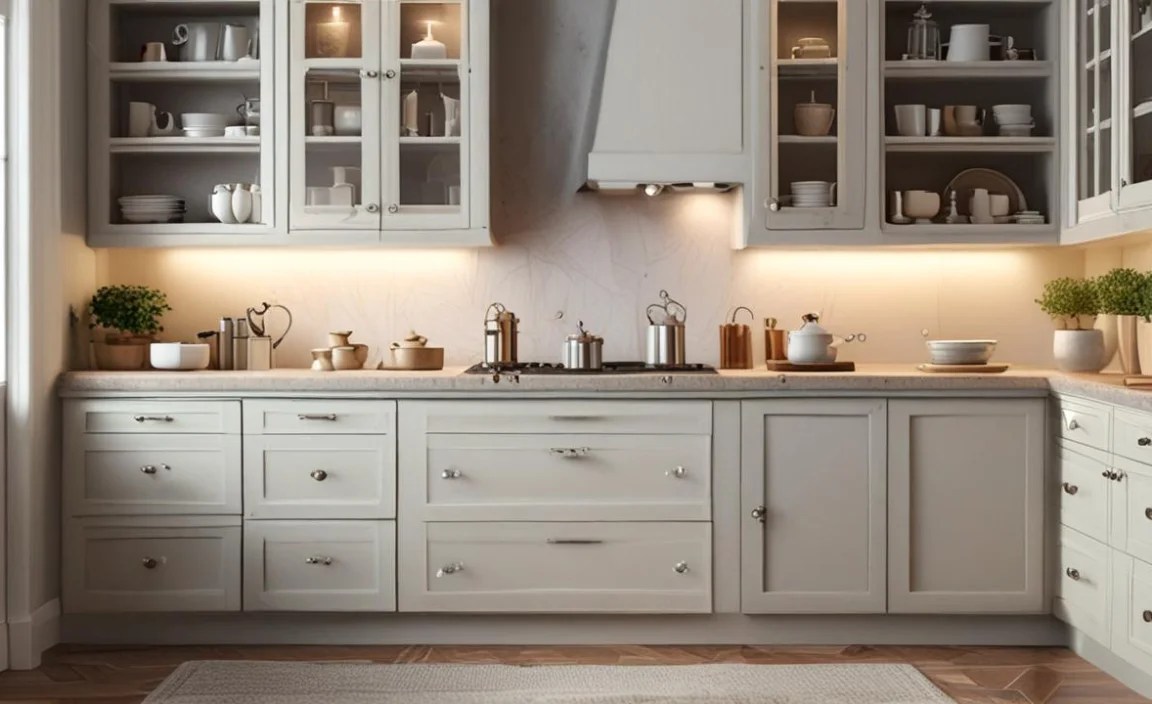
Carefully slide the drawer boxes back into the cabinet, ensuring the drawer slides engage correctly. Test the sliding action; it should be smooth.
Step 5: Align Drawer Fronts
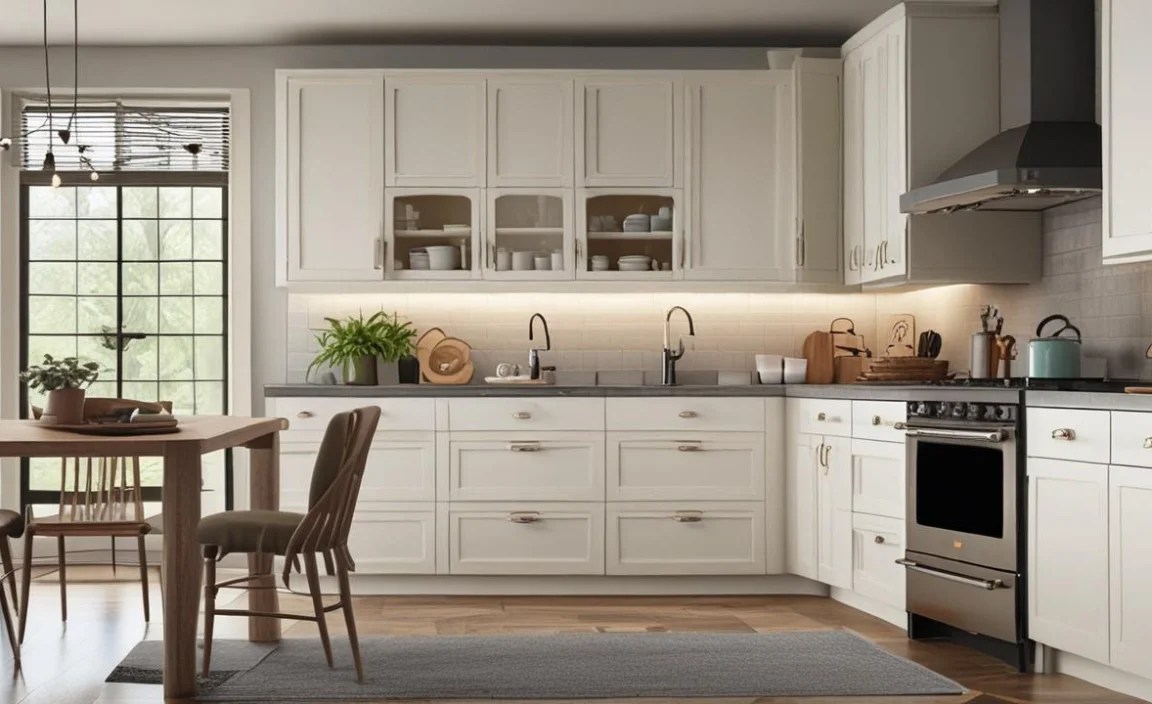
Similar to doors, drawer slides often have adjustments. If your drawer fronts aren’t perfectly aligned with the doors or other drawers, you may need to adjust the drawer slides or shims behind the drawer front (if attached directly) to achieve perfect alignment.
Handling Cabinet Hardware (Knobs & Pulls)
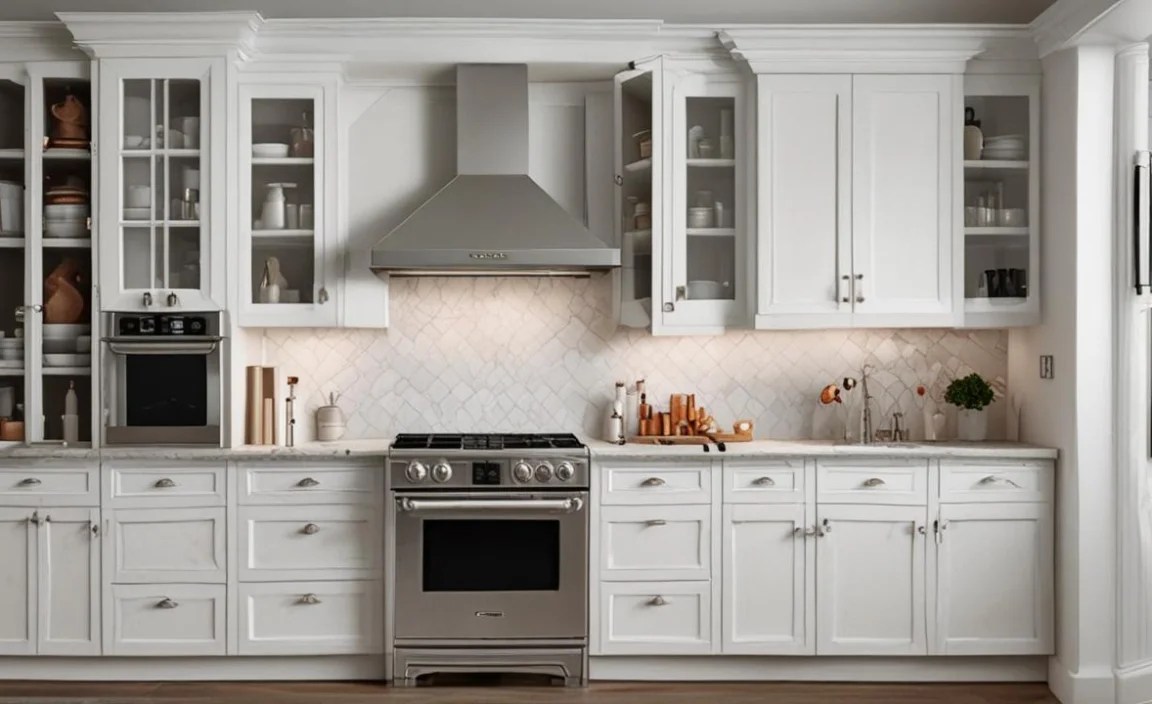
While you’re at it, consider updating your knobs and pulls! They are the jewelry of your cabinets and can make a big impact.
- Placement: Decide on the placement for your new hardware. For doors, a common placement is centered vertically on the door, and horizontally on one side (usually within 2-3 inches from the edge). For drawers, center them horizontally.
- Measuring for Holes: If your new hardware requires drilling new holes, measure very carefully. Use a template or a quick jig to ensure the holes are straight and at the correct spacing. For existing hardware holes, you might be able to use them if the new hardware’s screw placement matches. If not, you’ll need to fill old holes with wood filler and re-drill.
- Installation: Most knobs and pulls attach with a single screw from the back. Drill a pilot hole from the front, then insert the screw from the back.
| Style Name | Description |
|---|
